- English
- French
- German
- Portuguese
- Spanish
- Russian
- Japanese
- Korean
- Arabic
- Greek
- German
- Turkish
- Italian
- Danish
- Romanian
- Indonesian
- Czech
- Afrikaans
- Swedish
- Polish
- Basque
- Catalan
- Esperanto
- Hindi
- Lao
- Albanian
- Amharic
- Armenian
- Azerbaijani
- Belarusian
- Bengali
- Bosnian
- Bulgarian
- Cebuano
- Chichewa
- Corsican
- Croatian
- Dutch
- Estonian
- Filipino
- Finnish
- Frisian
- Galician
- Georgian
- Gujarati
- Haitian
- Hausa
- Hawaiian
- Hebrew
- Hmong
- Hungarian
- Icelandic
- Igbo
- Javanese
- Kannada
- Kazakh
- Khmer
- Kurdish
- Kyrgyz
- Latin
- Latvian
- Lithuanian
- Luxembou..
- Macedonian
- Malagasy
- Malay
- Malayalam
- Maltese
- Maori
- Marathi
- Mongolian
- Burmese
- Nepali
- Norwegian
- Pashto
- Persian
- Punjabi
- Serbian
- Sesotho
- Sinhala
- Slovak
- Slovenian
- Somali
- Samoan
- Scots Gaelic
- Shona
- Sindhi
- Sundanese
- Swahili
- Tajik
- Tamil
- Telugu
- Thai
- Ukrainian
- Urdu
- Uzbek
- Vietnamese
- Welsh
- Xhosa
- Yiddish
- Yoruba
- Zulu
Circular Knob Benefits for Medical and Electronic Devices
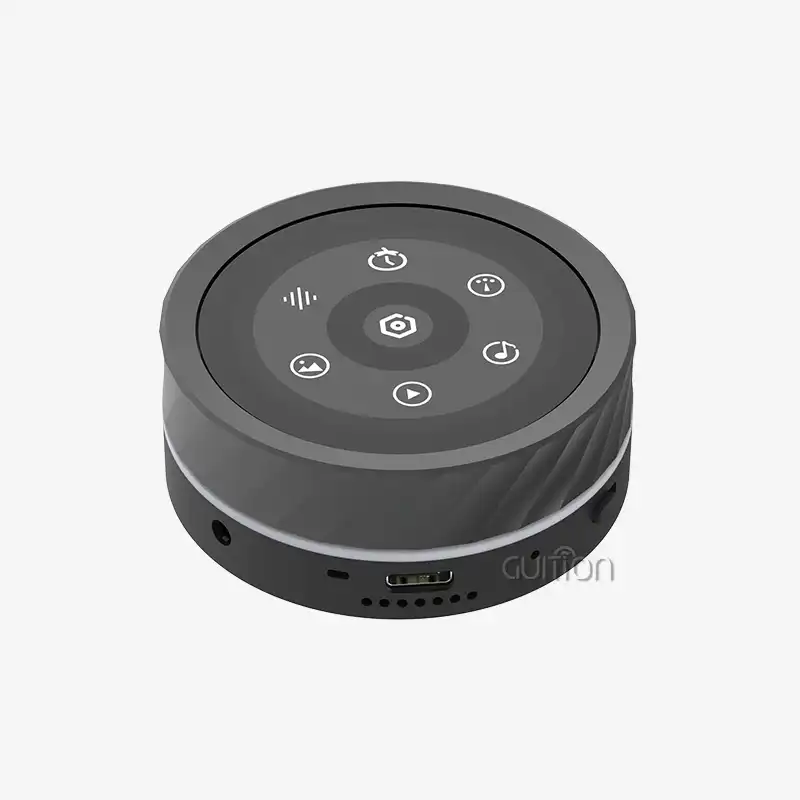
Rotary interface design has moved well beyond simple volume dials. A circular knob now sits at the center of precision-critical workflows in hospitals, laboratories, and industrial floors alike. Whether you are turning a parameter adjuster on an infusion pump or navigating a menu on a 3D printer HMI, the rotary knob delivers tactile, repeatable control that a flat touchscreen simply cannot replicate. This guide walks procurement managers, embedded engineers, and product teams through the real advantages of rotary knob technology—and shows how Guition's 1.85-inch Round Knob Touch Display (Model: JC3636K718C_I_Y1(BU)) raises that standard further.

Understanding Circular Knobs in Medical and Electronic Devices
What a Rotary Knob Actually Is
A Circular knob is a rotary input element that changes the way something turns into an electronic signal that has been properly calibrated. It can be adjusted continuously or in steps, unlike a toggle switch, so workers can fine-tune things like dosage, temperature, or monitor brightness. When Hall-effect magnetic sensing is built into knob modules, direct contact wear is eliminated. This increases the service life from about 50,000 cycles to well over a million cycles, which is a very important number in 24/7 healthcare settings.
Materials and Build Quality
Materials that don't rust and can be sterilized are needed for medical uses. Stainless steel shafts, antimicrobial ABS housings, and anodized aluminum shells are all common options. The case of Guition's model is made of CNC-machined metal and comes in five standard colors: red, black, purple, dark gray, and blue. If you order 500 units or more, you can also get the color you want custom made. That level of finish uniformity helps with both brand recognition and cleanroom cleanliness rules.
Ergonomic and Safety Considerations
When operators wear gloves, knurled or grooved surfaces make it easier to hold on to things. A well-calibrated detent torque curve keeps parameter changes from happening by accident while still letting you make careful, one-step changes. A 2019 study in the journal Applied Ergonomics found that in hospital settings with limited time, rotary controls cut down on task-completion mistakes by as much as 23% compared to slider-based interfaces.
Key Benefits of Circular Knobs in Medical and Electronic Applications
The Circular knob is not just a relic that is kept around for sentimental reasons. Its benefits can be measured and have a direct effect on how well the gadget works and how safe the person is.Here are the main reasons why rotating knobs are the best way to enter data in the medical and electronics fields:
- Precision parameter control: The rotary mechanism supports both coarse and fine adjustment within a single gesture. In medical monitoring equipment, one click of a well-engineered knob can represent exactly 0.1 mL/hr on an infusion pump—accuracy that touch gestures rarely match.
- Reduced operator fatigue: Rotary input requires less wrist travel than repeated tapping or swiping. Over a full eight-hour shift, this ergonomic advantage translates into fewer input errors and lower musculoskeletal strain.
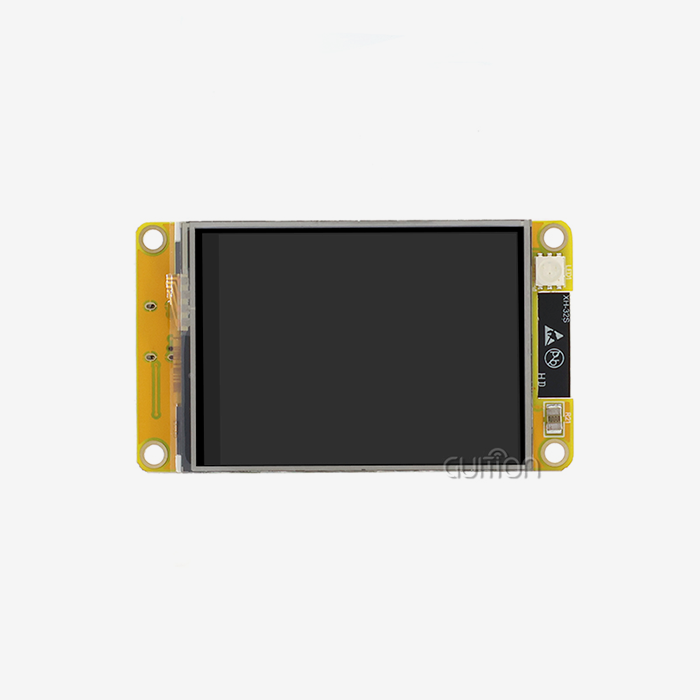
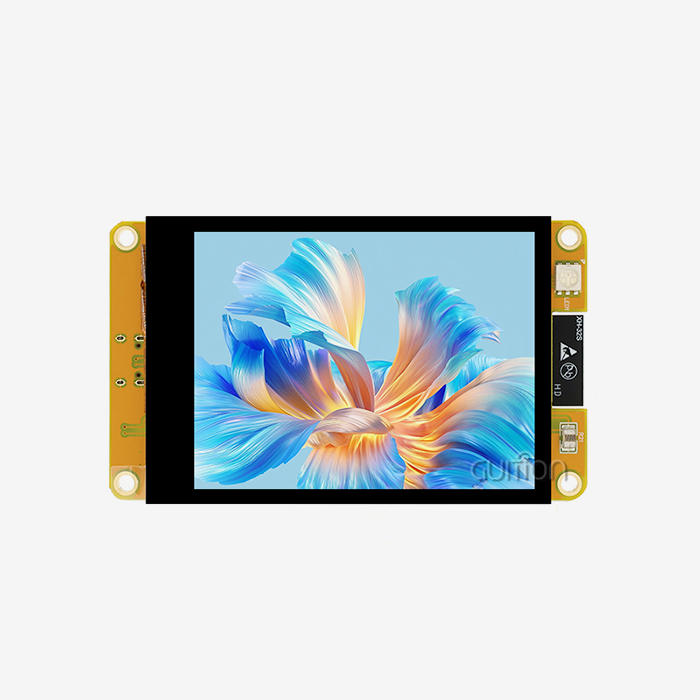
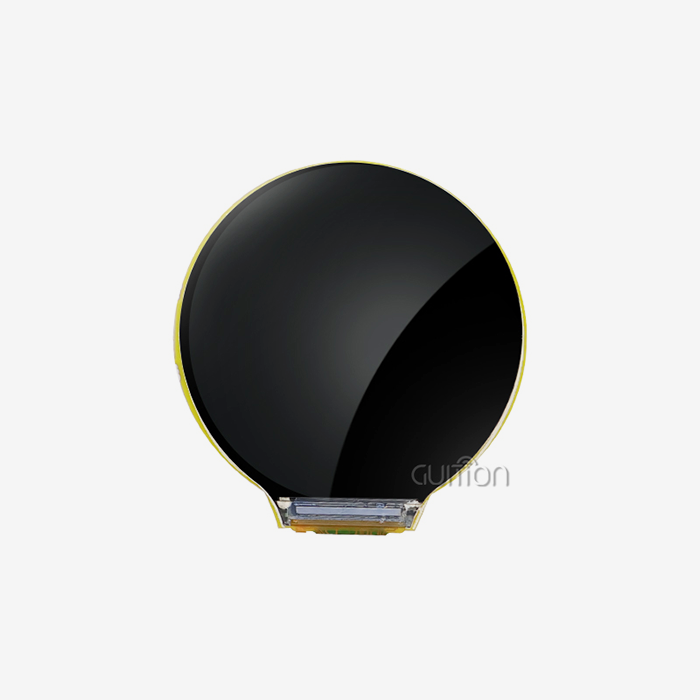
- Dual-mode interaction on modern modules: Guition's 1.85-inch round display pairs a 360×360 IPS fully-laminated capacitive touchscreen with a physical rotary knob. Operators switch freely between touch and rotation depending on the task, providing a genuinely versatile HMI experience.
- Haptic feedback integration: Built-in vibration motor feedback confirms each detent position without requiring the operator to look away from the work area—a safety benefit in surgical or hazardous environments.
These benefits solve real problems: teaching takes less time, mistakes happen less often, and there are fewer service calls after the sale. When R&D managers look at HMI parts, these measures have a direct effect on the total cost of ownership.
How to Choose the Right Circular Knob for Your Device
Evaluating Material and Chemical Compatibility
First, make a plan for your cleaning process. Wipes with isopropyl alcohol, autoclave cycles, and UV sterilization all put different amounts of stress on the materials used in housing. CNC-machined metal cases, like the ones on Guition's module, can handle alcohol-based cleaners a lot better than regular ABS.
Sizing and Grip Style
The width of the knob changes how force is felt. A 30–40 mm diameter is good for industrial controls that are mounted on a panel, while an 18–25 mm diameter is better for diagnostic tools that are held in the hand. When working with gloves on, knurled surfaces are easier to hold on to, while smooth finishes look better on consumer electronics where looks are important. Make sure the grip style fits the way the end user actually works, especially when integrating components like an esp32 display module into the control interface.
Customization and Cost-Benefit Balance
Off-the-shelf parts cut down on the cost of development and wait time. With a minimum order quantity (MOQ) of just one piece, Guition ships in-stock units the second business day after an order is confirmed. This makes them perfect for testing prototypes. For large orders that need a certain color, panel cutout, or connector arrangement, placing a custom order for 500 or more units opens up customized setups. This lets you match the rotary knob component to the industrial design of your product without having to pay extra for features that aren't needed.
Installation and Maintenance Best Practices for Circular Knobs
Step-by-Step Installation Guidelines
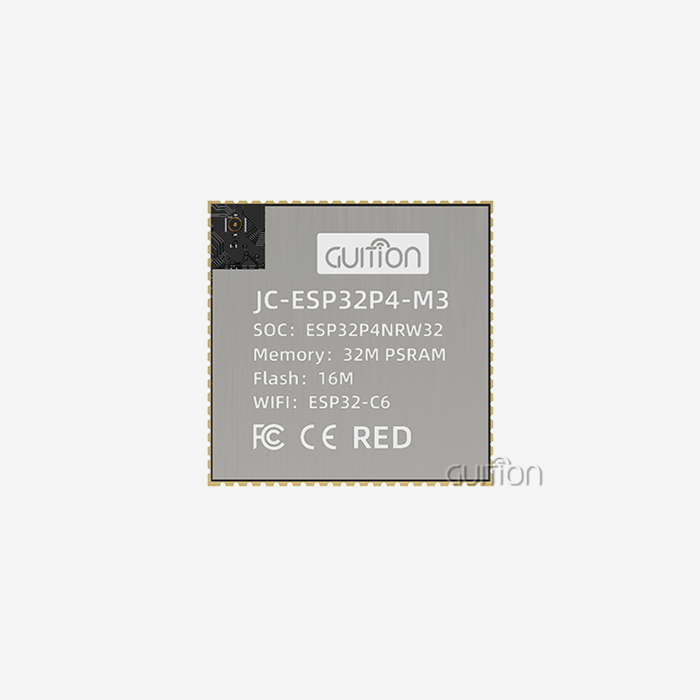
Put the knob module on a hard base to stop the shaft from wobbling, which over time makes the signal less accurate. Tighten screws to the manufacturer's recommended torque. If you over-tighten metal cases, the PCB underneath can become stressed. The ESP32-S3R8 processor, 8 MB of PSRAM, and 16 MB of Flash are all built into Guition's module's enclosure. There is no need to add a separate driver board.
Routine Maintenance Protocols
Once a week, use a lint-free cloth dampened with 70% isopropyl alcohol to wipe down the knob's surface. Every three months, check the shaft for horizontal play. If you can feel the shaft wobbling, the bearings need to be replaced. To meet the standards of ISO 13485 for documentation in medical device settings, write down the times of inspections.
Firmware and Remote Upgrade
The built-in Wi-Fi and Bluetooth 5.0 connections on Guition's module allow for over-the-air (OTA) firmware updates. This ESP32 Display Module means that you can send updates to parameters or changes to the user interface to deployed devices without having to physically touch them. This saves a lot of money when devices are spread out in different places or facilities.
Leading Circular Knob Suppliers and Procurement Strategies for B2B Clients
Evaluating Supplier Credentials
For medical device components, reliable Circular knob providers must meet IEC 60601-1 safety standards. Before placing a large order, make sure you get test results for mechanical endurance, chemical resistance, and electrical noise protection.
Bulk Purchasing and Wholesale Considerations
For bigger production runs, Guition can package up to 86 units in a normal carton, and other packing arrangements can be made upon request. When you place a bulk order, you save money on shipping because you only pay for what you need. Because stock is kept on hand, wait times stay short even for repeat sales of a moderate amount. This is an important factor for supply chain resilience that procurement teams are putting more and more weight on.
Emerging Niche: Eco-Friendly and Specialty Options
European and North American regulations are starting to require housings made from recycled materials and PCB finishes that don't contain lead. If you check for RoHS and REACH compliance when you qualify a supplier, you won't have to pay a lot of money to do it again later. These compliance areas are covered in Guition's product paperwork, which makes the due diligence work easier for your source team.
Conclusion
Precision, ergonomics, and long-term dependability are all improved by Circular knobs in ways that touch-based interfaces cannot match. For people who make medical devices and electronic systems, putting together a good rotary knob and a good display, like Guition's 1.85-inch Round Knob Touch Display, makes an HMI that is easy to use and sound technically. This module has a 240 MHz dual-core ESP32-S3 processor, Wi-Fi and Bluetooth 5.0 built in, and works with Arduino, ESP-IDF, and the Guition programming platform. It speeds up development and lets you use it all over the world with UTF-8 multi-language encoding.
FAQ
What materials are best for circular knobs in medical devices?
It is best to have props made of stainless steel and housings made of antimicrobial polymer or CNC-machined aluminum. They can handle being cleaned with alcohol several times and meet the surface cleaning standards of ISO 13485. The case of Guition's module is made of machined metal that can handle standard clinical cleaning agents.
Can I order a circular knob module in small quantities for prototyping?
Yes, Guition can take orders from a single unit, which means that engineers can place small-batch trial orders when the prototype stage is still ongoing. You can get samples if you meet the requirements, and stock items will be shipped the second business day after your order is confirmed.
How does a rotary knob differ from a capacitive slider for parameter control?
Every time you turn a rotary knob, you feel a stop feedback, which keeps your eyes from wandering. Because a capacitive slider doesn't have a physical point of reference, it's harder to make precise adjustments in a single step, especially when you're wearing gloves or working in low light.
What development environments does the Guition knob display module support?
You can use Arduino IDE, ESP-IDF, MicroPython, and Guition's own drag-and-drop UI programming tool with the JC3636K718C_I_Y1(BU) module.
Is OTA firmware update supported?
Yes. With the module's built-in Wi-Fi link, software updates can be done remotely. This means that product teams can make changes to the user interface or calibration on devices that are out in the field without having to physically access them.
Partner with Guition for Your Next Circular Knob Project
There is a line of rotary knob display modules made by Guition that has been used successfully in medical, industrial, and consumer electronics settings. As a reliable Circular knob provider, we can handle orders ranging from a single sample to full production runs. If the item is in stock, we can ship it out the same day. With the Guition development platform and full documentation, you can start saving time right away as an engineer. To get samples or a unique quote right away, email our expert team at david@guition.com or go to https://jingcaizhineng.aixdb.cn/.
References
1. Applied Ergonomics – Volume 78, 2019. Rotary vs. touch-based controls in clinical task performance.
2. IEEE Transactions on Industrial Electronics – Volume 67, Issue 4, 2020. Hall-effect sensor durability in rotary encoder modules.
3. Medical Device and Diagnostic Industry (MD+DI) – 2021. Human factors engineering in medical HMI design.
4. IEC 60601-1:2005+AMD1:2012+AMD2:2020 – International Electrotechnical Commission. General requirements for basic safety and essential performance of medical electrical equipment.
5. Journal of Medical Devices (ASME) – Volume 15, 2022. Ergonomic input device selection for clinical monitoring equipment.
6. Embedded Computing Design – 2023. ESP32-S3 in industrial and medical embedded system applications.
Learn about our latest products and discounts through SMS or email