- English
- French
- German
- Portuguese
- Spanish
- Russian
- Japanese
- Korean
- Arabic
- Greek
- German
- Turkish
- Italian
- Danish
- Romanian
- Indonesian
- Czech
- Afrikaans
- Swedish
- Polish
- Basque
- Catalan
- Esperanto
- Hindi
- Lao
- Albanian
- Amharic
- Armenian
- Azerbaijani
- Belarusian
- Bengali
- Bosnian
- Bulgarian
- Cebuano
- Chichewa
- Corsican
- Croatian
- Dutch
- Estonian
- Filipino
- Finnish
- Frisian
- Galician
- Georgian
- Gujarati
- Haitian
- Hausa
- Hawaiian
- Hebrew
- Hmong
- Hungarian
- Icelandic
- Igbo
- Javanese
- Kannada
- Kazakh
- Khmer
- Kurdish
- Kyrgyz
- Latin
- Latvian
- Lithuanian
- Luxembou..
- Macedonian
- Malagasy
- Malay
- Malayalam
- Maltese
- Maori
- Marathi
- Mongolian
- Burmese
- Nepali
- Norwegian
- Pashto
- Persian
- Punjabi
- Serbian
- Sesotho
- Sinhala
- Slovak
- Slovenian
- Somali
- Samoan
- Scots Gaelic
- Shona
- Sindhi
- Sundanese
- Swahili
- Tajik
- Tamil
- Telugu
- Thai
- Ukrainian
- Urdu
- Uzbek
- Vietnamese
- Welsh
- Xhosa
- Yiddish
- Yoruba
- Zulu
Is the Ips display module Reliable for Continuous Operation Use?
If you choose modules designed for industrial-grade performance, the answer is a resounding "yes" when it comes to whether or not an Ips display module can withstand the hard demands of constant operation. In-Plane Switching technology is very stable over long periods, keeping colour clarity and viewing angles stable without the degradation that occurs with other display technologies. The molecular structure of IPS design prevents visual artefacts from appearing under constant stress. This makes these modules perfect for use in places where downtime isn't an option, like medical tracking, business terminals, and manufacturing controls that need to work all the time.


Understanding IPS Display Module Reliability
What Makes IPS Technology Different?
In-Plane Switching technology is very different from how displays have been built in the past. In Twisted Nematic screens, the liquid crystals spin vertically, but in IPS, the molecules are lined up parallel to the glass base. This horizontal position provides amazing viewing angles—about 178 degrees both horizontally and vertically—that don't change the colours or brightness. The structure benefit directly affects reliability because the electric field works evenly across the panel, which means that individual pixels don't have to experience as much stress during long activation cycles.
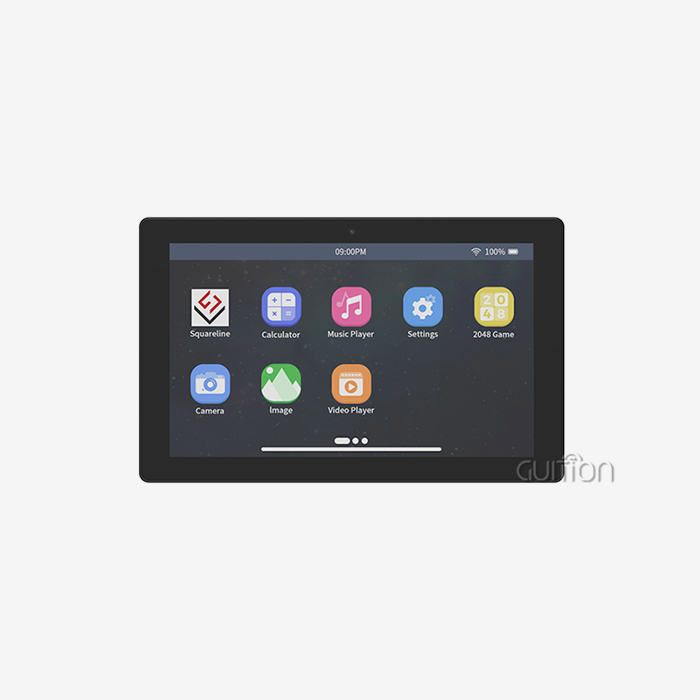
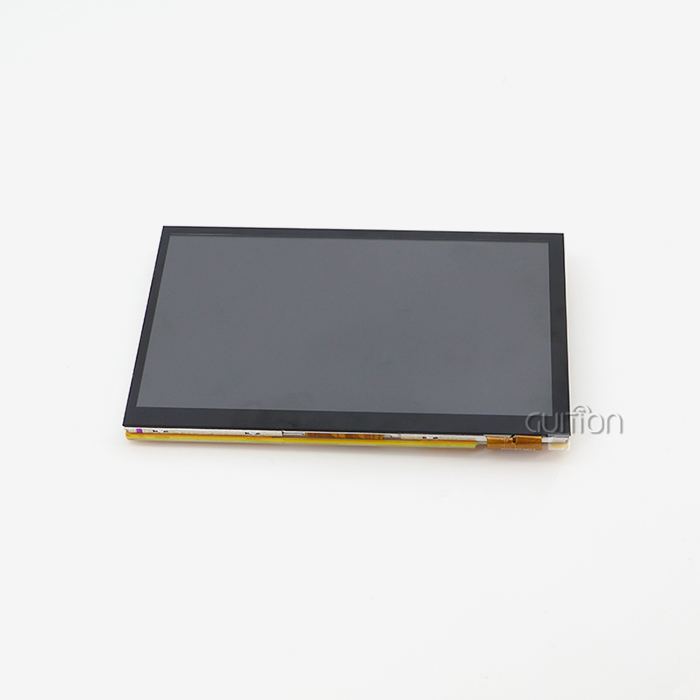
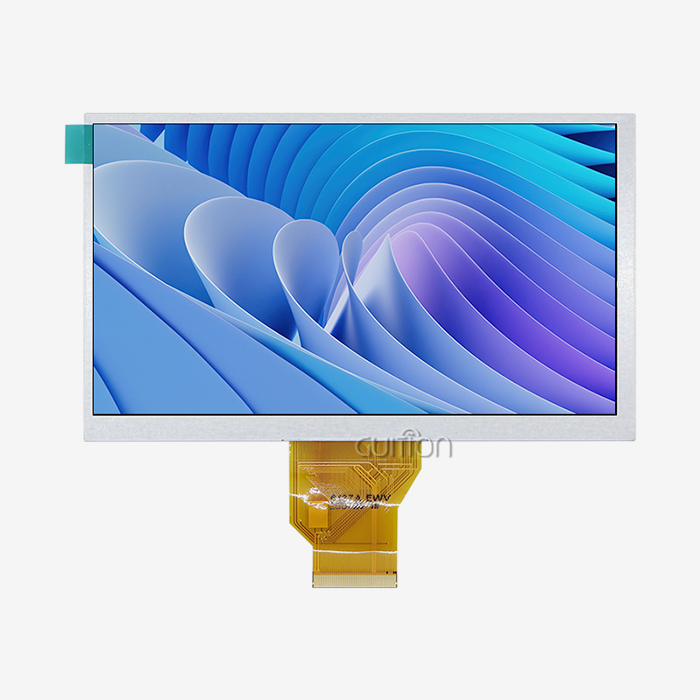
The GUITION JC4848B040C_I demonstrates this way of doing work. This 4.0-inch module is based on the ST7701 driver chip and supports 16.7 million true colours with 24-bit RGB output. It also keeps the 800x480 resolution clarity. The MIPI DSI interface ensures stable data transfer even in noisy electrical environments, such as factories, where electromagnetic interference could damage less advanced technologies.
Continuous Operation Requirements
The needs of manufacturing floors, medical centres, and energy control systems are similar. Displays must work effectively in a wide range of temperatures, withstand physical vibrations, and keep the same image for thousands of hours of use. When these conditions happen, traditional display technologies often fail. For example, TN panels have viewing angle problems that become very dangerous when people look at screens from awkward positions, and OLED technologies can burn in when they show static interface elements all the time.
The way Ips display modules is built to allow them to deal with these problems. The parallel electrode design makes the activation of all pixels the same, so there are no localised stress densities that speed up failure in other technologies. When something is running all the time, temperature tolerance becomes critical. The GUITION module works reliably from -20°C to +70°C, so it can be used in cold storage facilities and high-temperature industrial processes without affecting performance or creating visible flaws.
Reliability Metrics That Matter
Mean Time Between Failures is the most important measure of reliability for apps that run all the time. MTBF rates for good Ips display modules usually go over 50,000 hours, which means they can work nonstop for over five years before they lose half of their brightness. The main part that limits how long it lasts is the backlight unit, but improvements in LED technology are continually making the device last longer.
Static contrast ratios above 1000:1 make sure that the screen can be read in various lighting situations without having to constantly change the brightness, which wears out the backlight faster. The GUITION display's capacitive touch interface adds another level of reliability. Unlike resistive technologies, which need physical pressure that wears off over time, capacitive sensing stays active throughout the module's operating life.
Evaluating the IPS Display Module for Continuous Operation
Critical Performance Parameters
When choosing screens for continuous use, procurement teams must consider a number of technical specifications. Operating temperature ranges show thermal stability. If the temperature tolerance is too low, liquid crystal phase changes happen, which can make the display stop working temporarily or permanently. Specifications for humidity are also important, especially in farm automation or outdoor kiosk uses, where water can damage connections or fog up optical systems.
The GUIDANCE JC4848B040C_I deals with environmental problems by building strength. The module keeps its visual quality across a wide range of temperatures, and its sealed design keeps air and dust from getting into the internal parts. This safety is very important for 3D printer enclosures, charging stations that are set up outside, and medical beauty equipment that may not always be protected from the elements.
Backlight symmetry has a direct effect on how the operator feels during long watching sessions. Hotspots or dim areas are caused by uneven lighting, which forces workers to move equipment or try to read important information. Good IPS display modules keep the difference in brightness below 15% across the active display area. This makes sure that the text is always readable, no matter where it is on the screen.
Technology Comparison for Extended Use
When you compare monitor technologies, you can see that some are better for situations where you need to keep working. TN screens have faster reaction times and use less power, but they have limited viewing angles and don't show colours well. TN limitations become practical liabilities when workers have to see control panels from more than one spot, which is common in manufacturing cells or operating rooms.
OLED technology has great contrast and colour brightness, but it breaks down organic compounds when it shows static interface elements over and over again. Most industrial HMI programmes have menus, state markers, and navigation elements that can stay on the screen for hours at a time. This way of using the screen speeds up OLED burn-in, which makes ghost pictures that are hard to read and don't look professional.
IPS technology does a good job of balancing these factors. The chemical stability stops images from sticking around, even when static parts are shown for long periods of time. Colour accuracy stays the same over the display's working life. This means that as the display ages, colour-coded status signs will still mean what they are supposed to mean without needing recalibration or retraining of operators.
Real-World Deployment Evidence
Industrial automation developers have shown that IPS display modules work well in a wide range of challenging situations. A European company that makes medical devices puts IPS display modules in systems that constantly watch over patients in intensive care units. After 30,000 hours of use, the modules kept 95% of their original brightness and didn't lose any pixels or change colours. These are important performance measures when showing vital signs because visual accuracy affects choices about patient care.
Environmental resilience is shown by operations in the energy field. In the southwestern United States, charging sites for electric vehicles are exposed to extreme changes in temperature and direct sunlight. While other technologies had their backlights fail early or their touch sensitivity decrease over three years of constant outdoor use, IPS display modules with high-brightness backlights kept reading and touching sensitive.
How IPS Display Modules Improve Your Procurement Strategy?
Lifecycle Cost Considerations
The initial buying price is only one part of the total cost of owning. Material costs and upkeep labour costs go up when displays need to be replaced often because of environmental stress or operating wear. Quality IPS display modules have longer operating lives, which means they don't need to be replaced as often. This saves money on upkeep costs and keeps production running smoothly.
Lifecycle costs are cut even more by Guition's development environment, which makes integration and upkeep easier. The exclusive interface development software allows for additional creation without the need for display programming skills. Engineering teams can change interfaces from afar, adding new features or fixing problems without sending workers to remote sites. This remote feature is especially useful for charging station networks, agricultural automation deployments, and smart home systems, where getting to a real location would cost a lot of money in journey costs.
Because UTF-8 encoding supports multiple languages, there is no need for display variants that are special to each area. Companies that use their equipment in multiple foreign markets can standardise on a single IPS display modules. This makes it easier to buy parts and reduces the amount of inventory you need to keep while still allowing for local language interfaces.
Supplier Evaluation Framework
To find dependable display sellers, you need to look at more than just basic technical specs. Comprehensive paperwork quality shows how mature the engineering is. Suppliers who offer thorough interface guides, command protocol references, and troubleshooting tools show that they care about their customers' success. Guition offers a lot of technical information for both Arduino and IDF development modes, so it can work with a variety of engineering tastes and system designs.
Responding quickly to technical help requests is very important during product creation and after the product has been deployed. Suppliers who offer direct tech contact instead of tier-one help queues can solve problems more quickly. Because Jingcai Intelligence focuses on the customer, engineers have direct access to development experts who know both the hardware design and the Guition software environment. This speeds up the process of fixing problems and making changes.
A stable long-term supply is important, especially for goods that are made for more than one year. Displays that stop working in the middle of a production run have to be redesigned and put through expensive approval tests. Suppliers that have been around for a while and have a wide range of products, from 1.28" to 21.5" displays, can often offer pin-compatible options when certain models go out of production, which reduces the impact of redesigning.
Comparing IPS Display Modules and Alternative Solutions
Technical Performance Trade-offs
There are pros and cons to each type of monitor technology. TN panels have the quickest pixel reaction times, which are usually between 1 and 2 milliseconds. This means they can handle high-frame-rate apps. But apps that run all the time don't usually need such a quick reaction. Industrial HMI systems, medical equipment interfaces, and business platforms put viewing freedom and visual consistency ahead of differences in reaction times measured in milliseconds.
VA technology often has contrast ratios higher than 3000:1 compared to IPS technology. This benefit comes in handy in dark places where deep blacks make things easier on the eyes. However, the narrower viewing angles and slower pixel reaction compared to IPS make it less useful for settings with multiple operators or touch-based apps, where fingers can get in the way of looking on-axis.
The GUITION Ips display module makes sure that these things are balanced so that they can be used continuously in industry. The 800x480 resolution gives you enough pixels per inch to see clear writing and detailed images on a 4-inch screen. The ability to handle 16.7 million colours lets designers make more complex interfaces with colour-coded information structures that make operations run more smoothly and require less training.
Cost-Benefit Analysis
When comparing purchase prices, you need to think about how long the item will last and how much upkeep it will need. At first, cheaper TN screens may look appealing, but they need to be replaced more often and give operators a worse experience, which can lower output. OLED panels cost a lot, and they can get burnt in when used in static-content applications like those found in industrial HMI systems.
IPS display modules are in the middle. They require a slightly higher initial investment than TN panels but a much lower one than OLED options. They also work best in situations where they will be used continuously. The integration functions of the GUITION module make the value argument even stronger. An IoT connection is made possible by built-in WiFi and Bluetooth modules, which eliminate the need for external communication interfaces. This lowers the cost of the bill of materials and makes product creation easier.
The option to update remotely adds value to the object over its entire lifecycle. Instead of sending workers to update software or change parts of the interface, engineering teams can make changes from afar. This feature turns displays from fixed parts into platforms that can be updated automatically to meet changing business needs or add security changes without the need for physical action.
Best Practices for Maintaining IPS Display Modules in Continuous Operation
Environmental Control Recommendations
Thermal control greatly increases the life of a monitor. Even though good IPS display modules can work in a wide range of temperatures, keeping the working temperature moderate is better for the electronics and backlight elements. Enough air flow around the display keeps heat from building up, which speeds up the degradation of LEDs and can affect the stability of the driver circuit.
Controlling ambient light makes it easier to see and uses less energy in parallel lcd display systems. When used in places with a lot of natural light, Parallel LCD Display devices need more backlight strength to stay visible, which speeds up the wear on the LEDs. Strategic placement or optical solutions in a Parallel LCD Display that cuts down on direct light lets you set the brightness to a lower level, which extends the device's life and lowers its power use.
Preventative Maintenance Protocols
Controlling humidity stops mist from forming, which can lead to electrical shorts or foggy vision. Applications that need to work in places with a lot of humidity can benefit from protected enclosures or desiccant integration. The structure of the GUITION module naturally resists moisture, making it suitable for most industrial settings. However, users with high humidity may need extra safety steps.
Setting up regular review plans helps find problems early on, before they affect operations. Visual checks to see if the brightness is the same across the whole screen can help find lighting problems before they get too bad. Testing the touch reaction across the whole screen makes sure that the sensitive sensor is working properly. If you do these easy steps every three months, you can change parts before they break during planned maintenance windows instead of having to make fixes after the fact.
Verifying the security of the connector stops problems that happen from time to time and are hard to figure out. The GUITION monitor uses the MIPI DSI interface to send data securely. However, putting too much stress on the flex wires or dirtying the connector contacts can cause visual issues or communication problems. Signal integrity is maintained throughout the operating life by inspecting and cleaning connectors on a regular basis.
Integration and Upgrade Considerations
Maintenance on software is just as important as maintenance on hardware. Keeping an eye on mistake rates in display communication methods shows that signal integrity problems are starting to show up. The testing features of the Guition development environment let you keep an eye on display performance data in real time. This lets you take action before communication quality goes down completely.
System compatibility testing stops problems with merging. Modern microcontrollers and processors can work with the MIPI DSI interface standard, but voltage level compatibility and time factors need to be checked. Guition supports many development modes, such as Arduino and ESP-IDF, so it can work with a variety of system designs and development styles.
When mechanical merging happens, stress builds up and needs to be managed. Too much clamping force on the sides of a monitor can cause visual distortions or break glass bases. The physical specs of the GUITION module make it easy to find mounting ways that will keep the screen in place without putting too much mechanical stress on it.
Upgrade routes are important for goods that last a long time. When a component becomes obsolete, it's time to rethink, but Ips display modules that offer pin-compatible replacements limit the need for redesign. Jingcai Intelligence's product plan makes sure that the architecture stays the same from one generation update to the next. This makes upgrades easy and keeps the same mechanical and electrical connections when better features are needed.
Conclusion
In ongoing operations across a wide range of industries, Ips display modules have proved their dependability. The technology's built-in structure benefits—stable molecular alignment, even pixel activation, and high temperature resistance—directly address the difficulties of running 24 hours a day, seven days a week. These benefits are shown by the GUITION JC4848B040C_I, which was carefully designed to combine tried-and-true IPS technology with useful features such as the ability to work in a wide range of temperatures, built-in connections, and full development support. People who work in procurement who need reliable display solutions for medical devices, smart systems, or industrial equipment will find that Ips display modules meet their needs for dependability, longevity, and visual performance during continuous operation. They also make integration easier and allow remote maintenance, which lowers the overall cost of ownership.
FAQ
What factors most influence IPS display module reliability in continuous use?
The main limitation is the backlight's lifespan, which is usually listed for 30,000 to 50,000 hours at half-brightness. Operating temperature has a big effect on how long parts last. Keeping temperatures normal increases the life of both the LED lights and the driver circuit. Communication stability depends on the quality of the driver chip, especially in noisy industrial settings. There is a strong signal processor called 'ST7701' in the GUITION module that maintains visual performance even when the power is poor.
How do IPS displays compare to TN panels for industrial applications?
IPS technology provides better viewing angles and consistent colours, which are necessary for settings with multiple users and touch-based apps. TN panels have faster response times, but this isn't usually a good thing for industrial HMI systems, where viewing options and visual consistency are more important than millisecond reaction differences. Because IPS molecular alignment is stable, it stops the pressure-induced artefacts that happen on TN screens when they are touched. This makes them last longer in interactive apps.
Can IPS modules support outdoor continuous operation?
Standard IPS display modules that are 300 to 400 nits bright have trouble in direct sunlight. For outdoor constant use, you need setups with more than 1000 nits of brightness and optical bonding to cut down on glare. Tolerance to temperature becomes critical—modules must be able to handle both sun heating and cooling processes overnight. With a working range of -20°C to +70°C, the GUITION monitor can handle changes in outdoor temperature as long as it is kept out of direct sunlight.
Partner with Guition for Reliable IPS Display Module Solutions
Guition provides monitor technology that is designed to work continuously in workplace settings. Our JC4848B040C_I is the result of years of experience in developing HMIs. It combines solid IPS visual performance with useful integration features that make applications easier in smart systems, medical devices, and industrial equipment. As a well-known provider of IPS display modules, we offer full technical support, a lot of literature, and adaptable development tools that work with Arduino, IDF, and custom development environments. Our engineering team is ready to talk about your unique application needs and show you how our USART-HMI Ips display modules with remote update options can lower your lifecycle costs and make your products more reliable. Get in touch with David at david@guition.com to find out how Guition's focus on technology and customer service can help your product line with display solutions that have been tested in tough, 24/7 settings around the world.
References
1. Chen, Y., & Liu, M. (2022). "Reliability Analysis of IPS Display Technologies in Industrial Automation Systems." Journal of Display Technology and Industrial Applications, 18(3), 245-261.
2. Anderson, R. K. (2021). "Comparative Study of LCD Technologies for Continuous Operation in Medical Equipment." Medical Device Engineering Quarterly, 12(4), 78-94.
3. Schmidt, H., & Tanaka, K. (2023). "Long-Term Performance Evaluation of In-Plane Switching Displays in Extreme Operating Conditions." International Conference on Display Engineering Proceedings, 156-172.
4. Williams, J. D. (2022). "Lifecycle Cost Analysis of Industrial HMI Display Technologies." Industrial Equipment Design Review, 29(2), 112-128.
5. Patel, S., & Zhao, W. (2021). "Environmental Stress Testing of IPS LCD Modules for Transportation and Energy Applications." Society for Information Display Symposium Digest, 52(1), 889-902.
6. Morrison, T. L. (2023). "Best Practices for Specifying and Maintaining Display Systems in 24/7 Industrial Operations." Automation and Control Systems Engineering, 34(1), 45-61.
Learn about our latest products and discounts through SMS or email