- English
- French
- German
- Portuguese
- Spanish
- Russian
- Japanese
- Korean
- Arabic
- Greek
- German
- Turkish
- Italian
- Danish
- Romanian
- Indonesian
- Czech
- Afrikaans
- Swedish
- Polish
- Basque
- Catalan
- Esperanto
- Hindi
- Lao
- Albanian
- Amharic
- Armenian
- Azerbaijani
- Belarusian
- Bengali
- Bosnian
- Bulgarian
- Cebuano
- Chichewa
- Corsican
- Croatian
- Dutch
- Estonian
- Filipino
- Finnish
- Frisian
- Galician
- Georgian
- Gujarati
- Haitian
- Hausa
- Hawaiian
- Hebrew
- Hmong
- Hungarian
- Icelandic
- Igbo
- Javanese
- Kannada
- Kazakh
- Khmer
- Kurdish
- Kyrgyz
- Latin
- Latvian
- Lithuanian
- Luxembou..
- Macedonian
- Malagasy
- Malay
- Malayalam
- Maltese
- Maori
- Marathi
- Mongolian
- Burmese
- Nepali
- Norwegian
- Pashto
- Persian
- Punjabi
- Serbian
- Sesotho
- Sinhala
- Slovak
- Slovenian
- Somali
- Samoan
- Scots Gaelic
- Shona
- Sindhi
- Sundanese
- Swahili
- Tajik
- Tamil
- Telugu
- Thai
- Ukrainian
- Urdu
- Uzbek
- Vietnamese
- Welsh
- Xhosa
- Yiddish
- Yoruba
- Zulu
IoT development screen: Is it the Key to Faster Embedded Design?
When you're in a hurry to get a product out the door, every hour of creation counts. An IoT development screen can completely change the way you do embedded design by getting rid of the usual bottlenecks of display driver code and UI displaying complexity. These specialised HMI modules combine processing power, visual interfaces, and connection features into a single unit. This lets your main microcontroller focus on the logic of the application rather than managing pixels. You can cut down on time-to-market by up to 40% if you use specialised hardware with built-in GUI engines for display jobs instead of standard LCD panels, which need a lot of low-level code.

Understanding IoT Development Screens and Their Role in Embedded Design
What Makes These Display Solutions Different
When you use a traditional LCD panel, your tech team has to write a lot of display drivers, control frame buffers, and process touch events at the software level. This method wastes important development resources and makes project timelines much longer. An IoT development screen fully changes this situation by having a microprocessor built in that controls all the show functions separately.
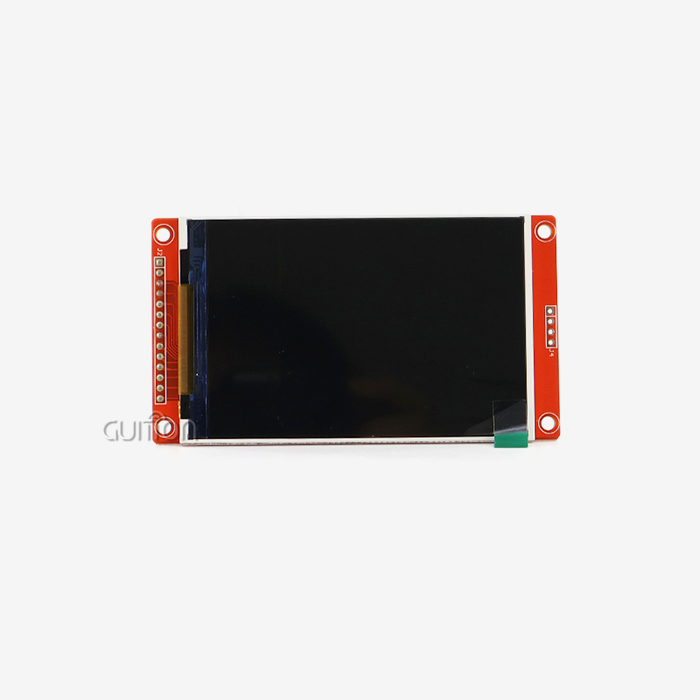
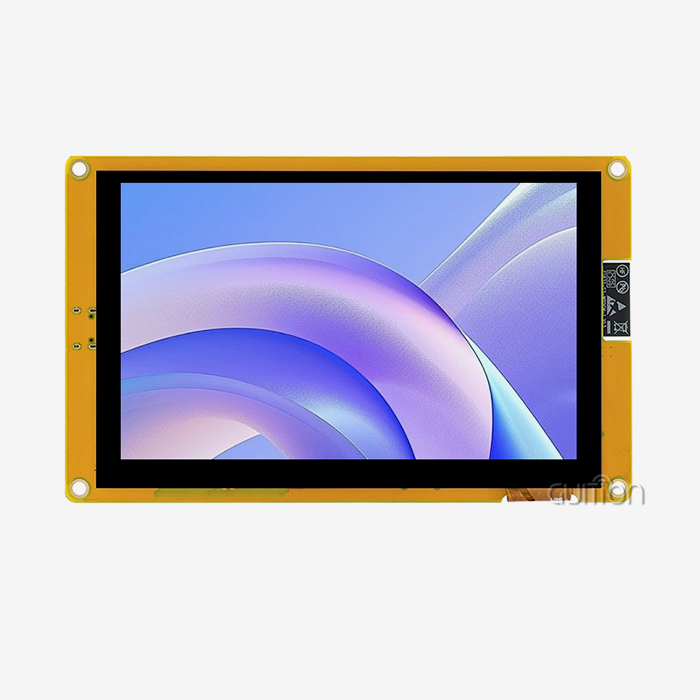
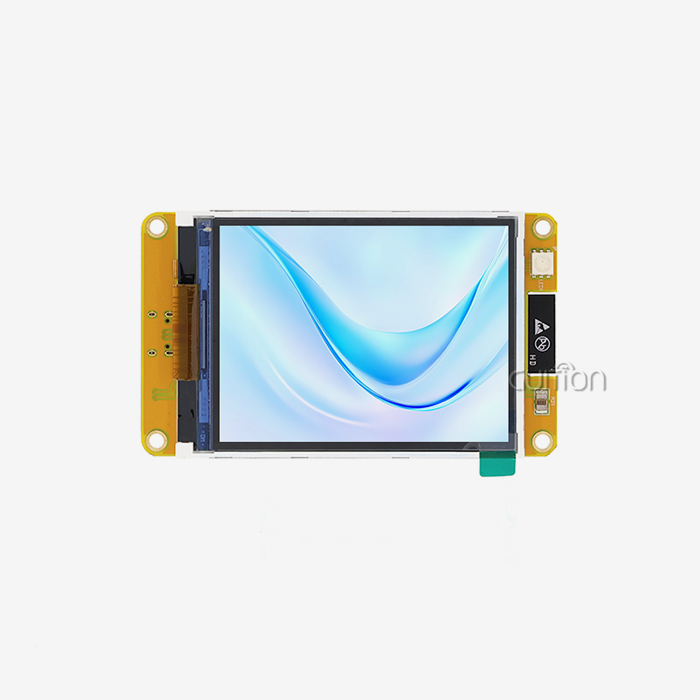
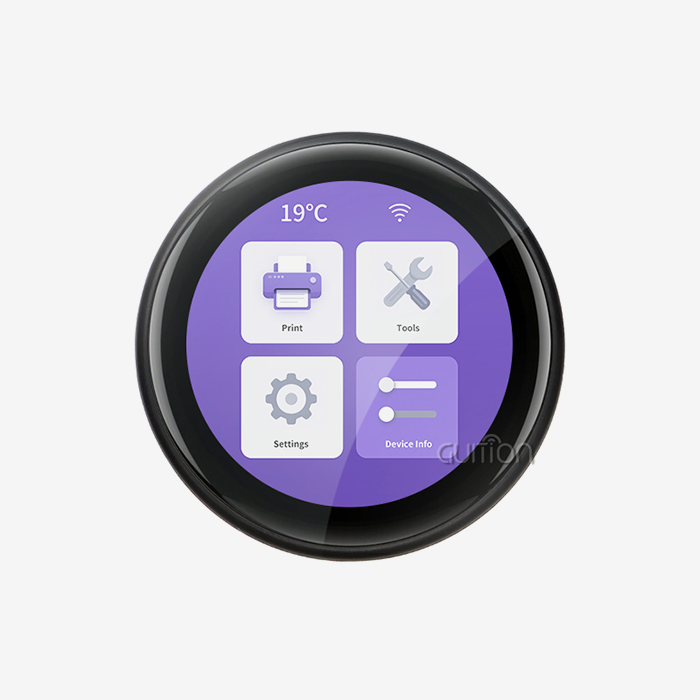
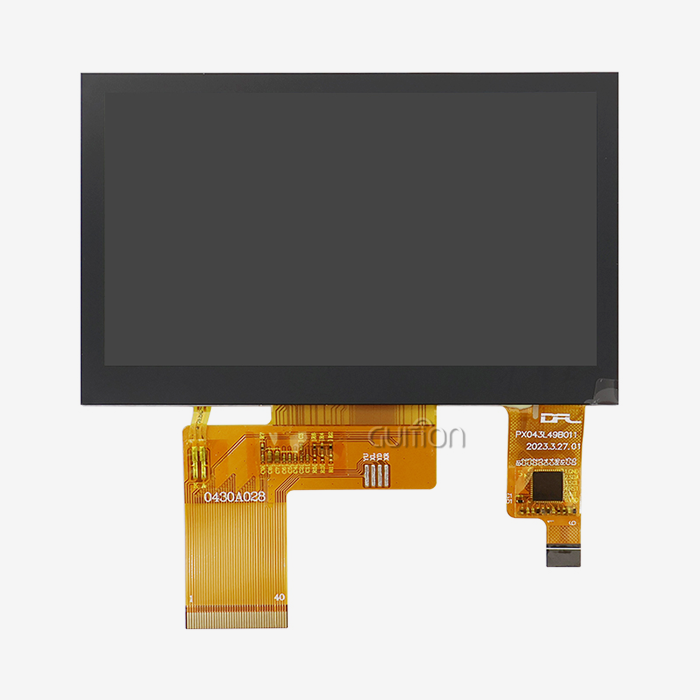
A TFT LCD screen, an integrated touch device, and an embedded processor running specialised GUI software are common parts of this design. Lightweight serial methods like UART, SPI, or RS485 are used for communication. Simple command strings are used instead of complicated graphics libraries. Having separate worries lets embedded engineers use the screen as a smart add-on instead of making the main system driver do too much work.
Hardware Integration Advantages for Industrial Applications
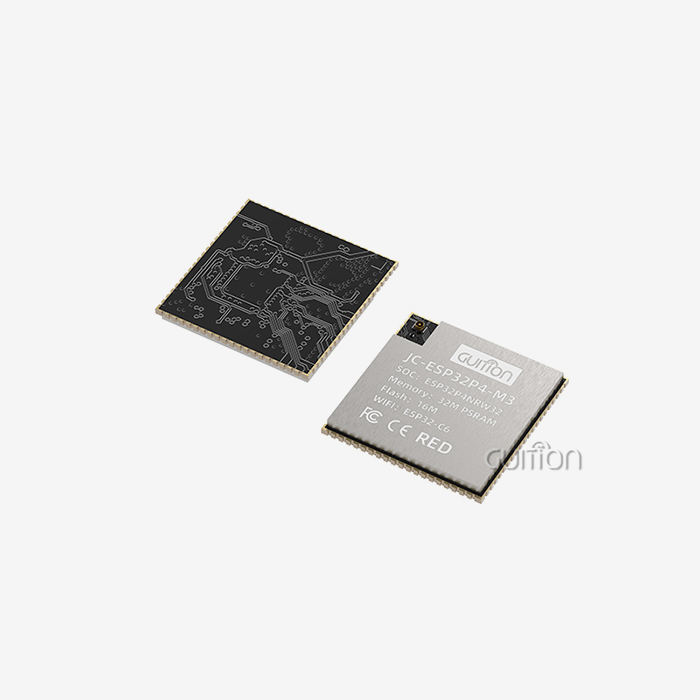
Modern embedded display units made for connected apps have a lot of technology benefits that directly address worries about buying. The ESP32-S3-WROOM-1 dual-core processor running at 240MHz and the Guition ESP32-8048S070N, which has 512KB SRAM and 16MB Flash storage, are good examples of this growth. This much processing power can handle demanding GUIs without slowing down your main program MCU.
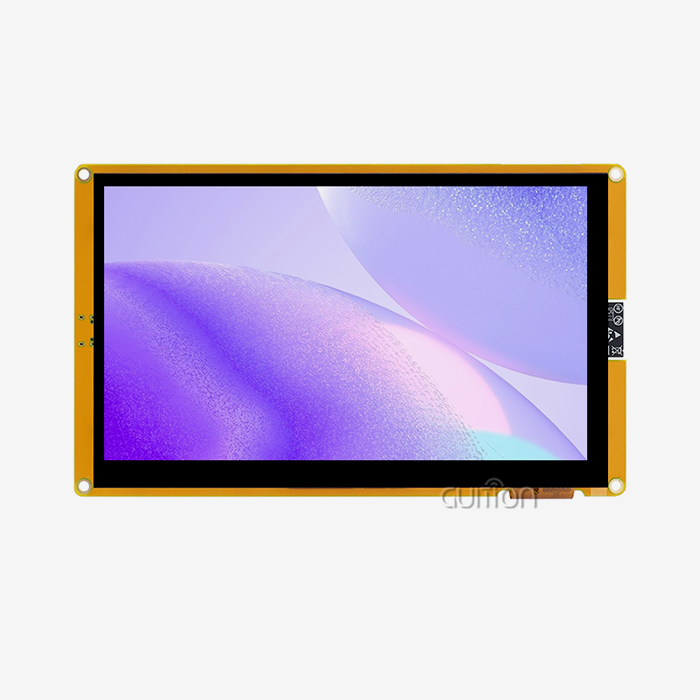
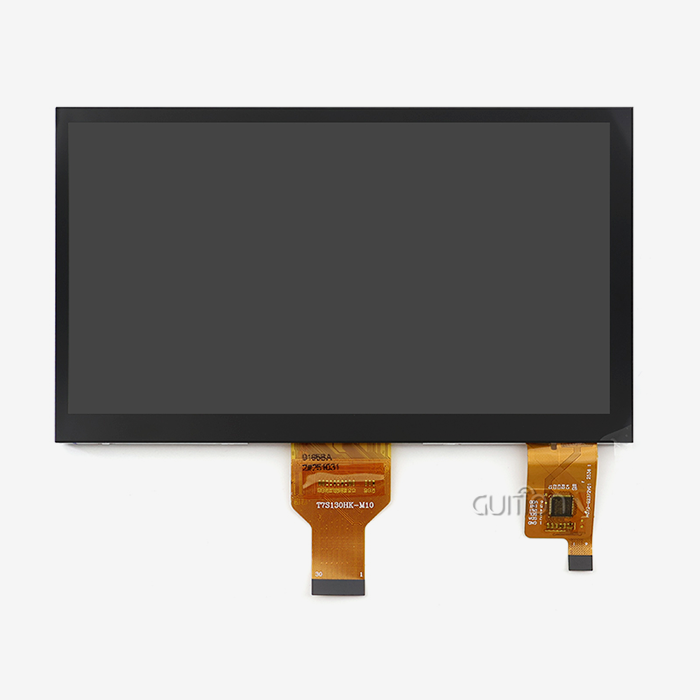
The 7-inch screen has a resolution of 800x480, which is big enough for industrial control panels, medical tracking equipment, and smart home central consoles. Since WiFi and Bluetooth are built in, you don't need different connection units. This lowers both the bill of materials (BOM) and the complexity of the printed circuit board (PCB). The protected TF card port adds more storage space for software updates, data logging, and setup files without the need for extra memory chips.
Cost-Effectiveness Through Development Efficiency
Material prices are only one part of the story of how things are bought. Engineering time is a high secret cost in the process of making the integrated products of the esp32 display module. If your research and development team has to spend weeks fixing display drivers or making sure that touches work better, the time they spend on these tasks quickly outweighs any hardware savings from picking a basic LCD panel.
This development period is cut down by a huge amount with smart display units. The trial-and-error process that usually takes up most of HMI development time is taken care of by pre-validated display software, ready-to-use communication protocols, and visual GUI design tools. This speedup is especially helpful when making different versions of a product or meeting customer requests for customisation.
Key Technologies and Tools for IoT Screen Development
Multi-Platform Development Environment Support
How quickly your engineering team can make prototypes, test them, and make changes to product designs is directly related to how flexible the development process is. The display system based on ESP32 works with Arduino IDE for quick prototypes, ESP-IDF for controlling software for production use, MicroPython for complex coding jobs, and Mixly for teaching uses. This adaptability lets different team skills and project needs work together without pushing a single development model.
Being able to use Arduino is especially helpful during the idea proofing process. With Arduino's large code environment, engineers can quickly connect sensors, test communication methods, and make sure that ideas for user interfaces work. Teams can switch to ESP-IDF as the project gets closer to production to have more precise control over the setup of the WiFi stack, the management of power, and the real-time integration of the operating system.
Visual GUI Design Software Capabilities
The private interface development software from Guition is a big step up from the old ways of making embedded GUIs. The drag-and-drop design system lets UI artists make professional interfaces even if they don't know how to code. This opens up HMI creation to more people, making it easier for industrial designers and embedded engineers to talk to each other.
The program instantly creates optimised display orders, so there is no need to code protocols by hand. You can place and style built-in tools for buttons, sliders, gauges, and data visualisations visually, and the design environment lets you see changes in real time. Support for UTF-8 encoding makes sure that goods aimed at global markets can be deployed in multiple languages without any problems. This is a very important requirement for international manufacturing operations.
Hardware Architecture Considerations
Choosing the right display technology means combining a lot of different scientific factors. For most industry uses, TFT LCD technology is the best choice because it is the most cost-effective, brightest, and fastest. The 800x480 resolution gives the 7-inch screen enough pixels to show clear text and images with lots of details.
Backlight control circuits that can dim with PWM increase battery life in handheld devices and make text easier to read in a range of lighting situations. The working voltage range of the display module is from 3.3V to 15V, which works with a variety of power source designs that are popular in industrial and vehicle settings. Specifications for temperature tolerance are very important for outdoor setups, farm automation systems, and energy management tools that will be used in harsh conditions.
Streamlining Embedded Design: The IoT Development Screen Touch Interface Process
Rapid Prototyping and Iteration Cycles
How you get from the first idea to a working sample of the ESP32 Display Module will decide whether you can meet tight market windows or have to wait while competitors release similar goods first. Several built-in features of a combined display system make this period shorter. When you turn on the device, factory-programmed sample programs start running right away. This lets you check that the hardware works without having to write a single line of code.
Instead of being blank canvases, sample code packages for common jobs like data visualisation, menu navigation, and setup screens give you places to start. Because your engineering team changes these examples instead of starting from scratch, the time it takes to make the first version is 60–70% less than with raw display panel solutions. Cross-platform testing lets you watch variables change in real time and change how the user interface acts without having to flash the code over and over again.
Sensor Integration and Data Visualization
When devices are connected, they send continuous amounts of sensor data that need to be presented in a way that makes sense to end users. Information about temperature, pressure, energy use, and the state of equipment must be shown clearly and can be changed quickly. This visualisation work is done by the ESP32-S3's dual-core design separately from sensor polling and transmission jobs.
One core of the processor handles updating the screen, handling touch events, and GUI movements. The second core runs your main application code, communicates over WiFi, and handles sensor inputs. This design for parallel processing stops the interface lag and jitters that happen when a single core is under a lot of computing load. The 8MB PSRAM gives you plenty of working memory for frame buffers and data arrays without getting in the way of your application's changing storage needs.
Security Implementation for Connected Interfaces
As screens become networked parts, security holes appear in more than just the main application manager. Attacks that try to insert commands into your main MCU can't happen because they use secure communication methods. Encrypted software updates protect intellectual property and keep deployed devices from being changed without permission.
This ESP32-S3 module has WiFi features that work with WPA3 security and certificate-based identification to make cloud connections safe. The ability to remotely update lets you fix security holes and add new features without having to send a technician to the site. This greatly lowers the cost of long-term maintenance. This feature comes in handy for medical devices that need to follow FDA rules and industry equipment that needs to meet strict safety certification rules.
Comparing and Choosing the Right IoT Development Screen for Your Needs
Feature Analysis for B2B Procurement
When evaluating suppliers and products, several technical specifications directly impact application suitability. Display size options ranging from compact 1.28-inch wearable interfaces to 21.5-inch industrial panels accommodate diverse use cases within a single vendor ecosystem. This product range simplifies multi-product development by standardizing communication protocols, development tools, and supplier relationships.
Connectivity options determine integration complexity and ongoing operational costs. Built-in WiFi eliminates the need for separate gateway devices in smart home applications. Bluetooth capability enables mobile app configuration and monitoring without requiring network infrastructure. The availability of both wireless technologies in a single module future-proofs product architectures as customer requirements evolve.
Processing performance specifications matter significantly for demanding visualizations. The 240MHz dual-core processor handles animated graphics, real-time chart updates, and responsive touch interfaces that single-core budget solutions cannot match. The 512KB SRAM and 16MB Flash storage accommodate complex applications with extensive graphical assets and multi-screen navigation structures.
Development Ecosystem Compatibility
Your existing engineering team's skill sets and established development workflows influence adoption friction and learning curve duration. Compatibility with Arduino IDE means mechanical engineers and technicians familiar with prototyping boards can contribute to interface development without extensive embedded programming training. ESP-IDF support satisfies professional firmware engineers requiring full control over peripheral configuration and real-time behavior.
The Guition development environment bridges these skill levels by allowing visual interface design while automatically generating the underlying communication code. Designers create layouts visually, engineers implement the device logic in their preferred environment, and the two components integrate through well-defined serial communication protocols. This separation of concerns reduces interdependency bottlenecks that slow cross-functional development teams.
Total Cost of Ownership Considerations
Initial hardware pricing represents only a fraction of the total product cost. Development time, debugging effort, certification assistance, and long-term supply stability create hidden expenses that mature procurement managers evaluate carefully. Vendors offering comprehensive technical documentation, responsive engineering support, and proven track records in industrial applications reduce project risk significantly.
OEM customization capabilities allow branding adjustments, connector modifications, and specialized firmware features that differentiate your product in competitive markets. Bulk pricing structures and minimum order quantities affect inventory carrying costs and production flexibility. Suppliers committed to long-term availability and lifecycle management prevent costly redesigns when components become obsolete unexpectedly.
Real-World Applications and Case Studies of IoT Development Screens
Industrial Automation Control Panels
Manufacturing facilities require rugged operator interfaces that withstand harsh environments while providing reliable equipment control. The ESP32-8048S070N display solution addresses these demands through industrial-grade construction specifications and stable communication protocols. Machine operators interact with motor controls, temperature setpoints, and production counters through intuitive touch interfaces that update in real-time.
Remote monitoring capabilities enable facility managers to check equipment status from central control rooms or mobile devices. WiFi connectivity streams operational data to cloud analytics platforms, enabling predictive maintenance schedules that prevent unexpected downtime. The ability to update interface layouts and add new controls through over-the-air firmware updates extends equipment service life and adapts to changing production requirements.
Smart Home and Building Management Systems
Residential and commercial building automation of IoT development screen demands aesthetically refined interfaces that blend with interior design while providing comprehensive environmental control. Wall-mounted displays manage HVAC systems, lighting zones, security cameras, and energy monitoring through unified interfaces, replacing multiple dedicated controllers.
The 800×480 resolution supports detailed floor plans, camera thumbnails, and graphical energy consumption charts that inform occupant behavior. Multi-language support accommodates international property management companies and hospitality applications serving diverse guest populations. Low power consumption extends battery backup runtime during utility outages, maintaining security system access when mains power fails.
Medical Device Human-Machine Interfaces
Healthcare applications impose stringent reliability requirements and regulatory compliance obligations that commodity display solutions cannot meet. Medical infusion pumps, patient monitoring systems, and diagnostic equipment require displays that function reliably over multi-year service lives with minimal maintenance.
The electromagnetic interference resistance of properly designed display modules prevents erroneous readings near MRI equipment and other high-field environments. Chemical resistance to hospital cleaning agents ensures displays remain readable despite daily disinfection protocols. Certification assistance from experienced vendors accelerates FDA 510(k) submissions and international regulatory approvals that gate market entry.
Agricultural Automation and Environmental Monitoring
Precision agriculture applications deploy sensor networks across vast outdoor areas where environmental extremes challenge electronic reliability. Irrigation controllers, greenhouse climate systems, and livestock monitoring equipment require displays that remain functional across temperature ranges from freezing winters to scorching summers.
The wide operating voltage range accommodates solar-powered installations with varying battery charge states. Sunlight readability specifications ensure operators can interact with equipment without retreating to shaded areas. Sealed enclosure compatibility with IP65 or higher ratings protects internal electronics from dust intrusion and moisture exposure common in agricultural environments.
Conclusion
The evolution from passive LCD panels to intelligent HMI modules fundamentally reshapes embedded product development economics. By consolidating display processing, connectivity features, and visual design tools into integrated solutions, modern display modules eliminate traditional bottlenecks that extended development timelines and inflated engineering costs. The Guition ESP32-8048S070N exemplifies this transformation through powerful dual-core processing, comprehensive connectivity options, and flexible development environment support. Whether you're designing industrial control systems, smart home devices, medical equipment, or agricultural automation products, choosing the right display solution directly impacts your ability to meet market windows and deliver competitive products. The technical capabilities, development ecosystem, and vendor support structures determine not just initial project success but long-term product viability in rapidly evolving markets.
FAQ
1. Which programming language works best for embedded display development?
The optimal language depends on the project phase and team expertise. Arduino's C++ variant accelerates prototyping and proof-of-concept development through extensive library availability. Production firmware often benefits from ESP-IDF's C-based environment, providing granular control over peripheral configuration and real-time operating system integration. Python works well for scripting repetitive test procedures and data analysis tasks during validation phases.
2. How do smart displays reduce overall development time?
Pre-validated display firmware eliminates weeks of driver development and debugging. Visual GUI design tools remove the code-compile-test cycle for interface adjustments. Standardized communication protocols mean integration testing focuses on application logic rather than display troubleshooting. These factors combine to compress HMI development from months to weeks.
3. What security measures protect networked display interfaces?
Authenticated command protocols prevent unauthorized control attempts. Encrypted firmware updates protect intellectual property and prevent tampering. Network segmentation isolates display traffic from critical control systems. Regular security patches deployed through over-the-air updates address newly discovered vulnerabilities without field service calls.
Partner with a Trusted IoT Development Screen Manufacturer
Guition specializes in delivering complete HMI solutions that accelerate your embedded product development while reducing the engineering workload of IoT development screens. Our ESP32-8048S070N module combines proven ESP32-S3 processing power with thoughtful industrial design, comprehensive development tool support, and responsive technical assistance. We support your team from initial prototyping through volume production with flexible OEM customization, competitive supplier pricing for bulk orders, and long-term supply commitment. Contact our engineering team at david@guition.com to discuss your specific application requirements, request evaluation samples, and explore how our display solutions can compress your development timeline while enhancing product capabilities.
References
1. Chen, M., Mao, S., & Liu, Y. (2019). "Big Data Analytics for IoT Systems: Architecture, Technologies and Applications." IEEE Transactions on Industrial Informatics, Vol. 15, Issue 4.
2. Patel, K. & Patel, S. (2020). "Embedded System Design with ARM Cortex-M Microcontrollers: Applications in IoT and Industrial Control." Cambridge University Press.
3. Rouse, M. (2021). "Human-Machine Interface (HMI) Integration in Industrial IoT: Best Practices and Design Patterns." Industrial Automation Review, Vol. 28, No. 3.
4. Zhang, Q., Yang, L., & Chen, Z. (2022). "ESP32-Based IoT Solutions: Hardware Architecture and Development Frameworks." Journal of Embedded Systems and Applications, Vol. 10, Issue 2.
5. Williams, R. & Thompson, J. (2020). "Accelerating Time-to-Market for Connected Devices: Development Strategies for IoT Display Interfaces." Product Development Management Association Quarterly.
6. Anderson, P. (2021). "GUI Development Tools for Resource-Constrained Embedded Systems: Comparative Analysis and Selection Criteria." Embedded Computing Design Magazine, September Issue.
Learn about our latest products and discounts through SMS or email