- English
- French
- German
- Portuguese
- Spanish
- Russian
- Japanese
- Korean
- Arabic
- Greek
- German
- Turkish
- Italian
- Danish
- Romanian
- Indonesian
- Czech
- Afrikaans
- Swedish
- Polish
- Basque
- Catalan
- Esperanto
- Hindi
- Lao
- Albanian
- Amharic
- Armenian
- Azerbaijani
- Belarusian
- Bengali
- Bosnian
- Bulgarian
- Cebuano
- Chichewa
- Corsican
- Croatian
- Dutch
- Estonian
- Filipino
- Finnish
- Frisian
- Galician
- Georgian
- Gujarati
- Haitian
- Hausa
- Hawaiian
- Hebrew
- Hmong
- Hungarian
- Icelandic
- Igbo
- Javanese
- Kannada
- Kazakh
- Khmer
- Kurdish
- Kyrgyz
- Latin
- Latvian
- Lithuanian
- Luxembou..
- Macedonian
- Malagasy
- Malay
- Malayalam
- Maltese
- Maori
- Marathi
- Mongolian
- Burmese
- Nepali
- Norwegian
- Pashto
- Persian
- Punjabi
- Serbian
- Sesotho
- Sinhala
- Slovak
- Slovenian
- Somali
- Samoan
- Scots Gaelic
- Shona
- Sindhi
- Sundanese
- Swahili
- Tajik
- Tamil
- Telugu
- Thai
- Ukrainian
- Urdu
- Uzbek
- Vietnamese
- Welsh
- Xhosa
- Yiddish
- Yoruba
- Zulu
Is the ESP32 Display Module Suitable for HMI Systems?
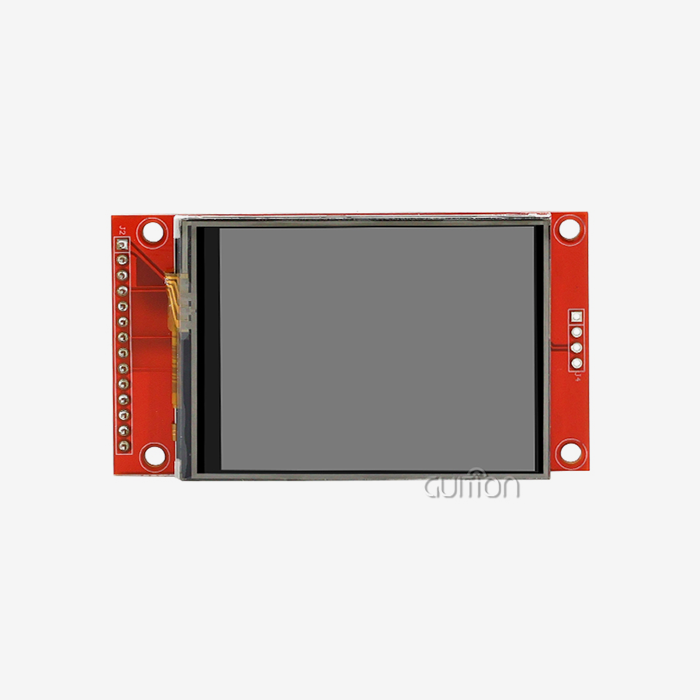
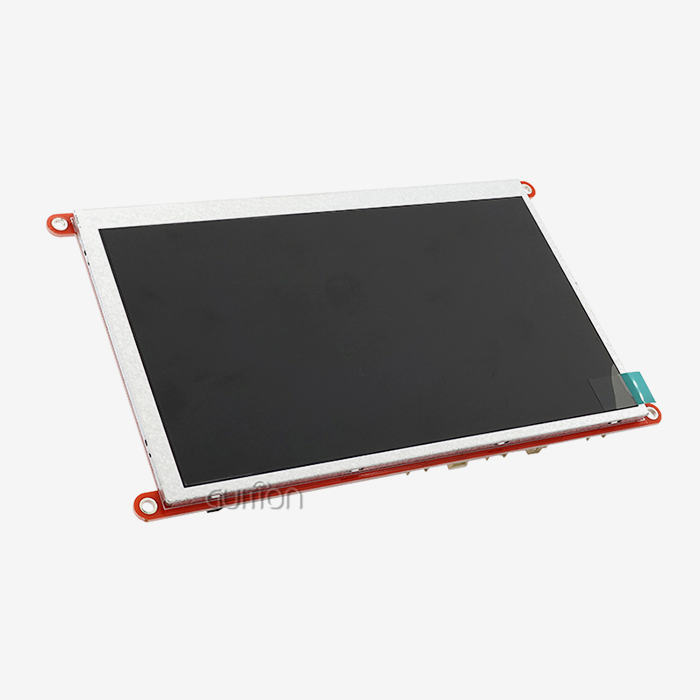
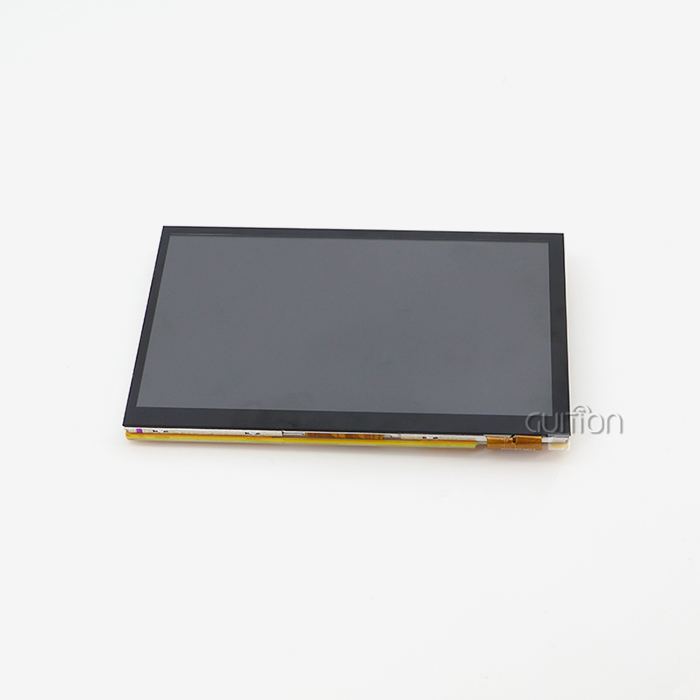
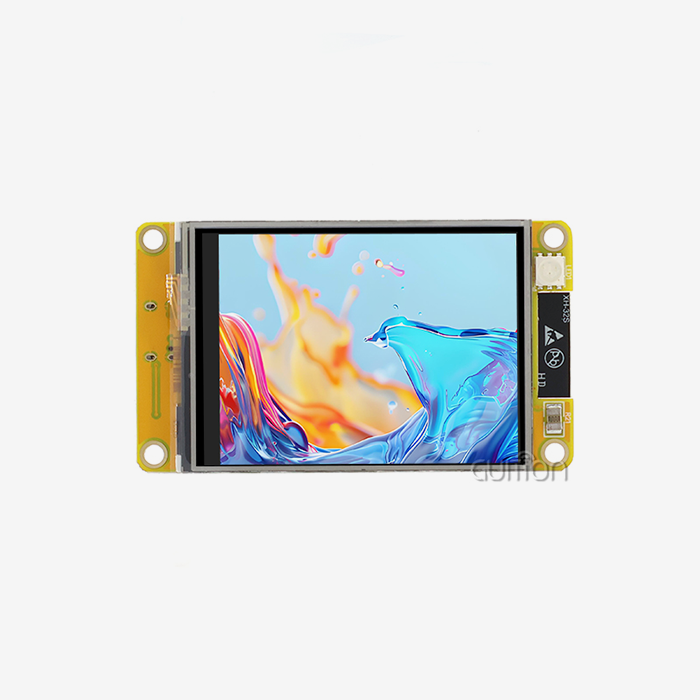
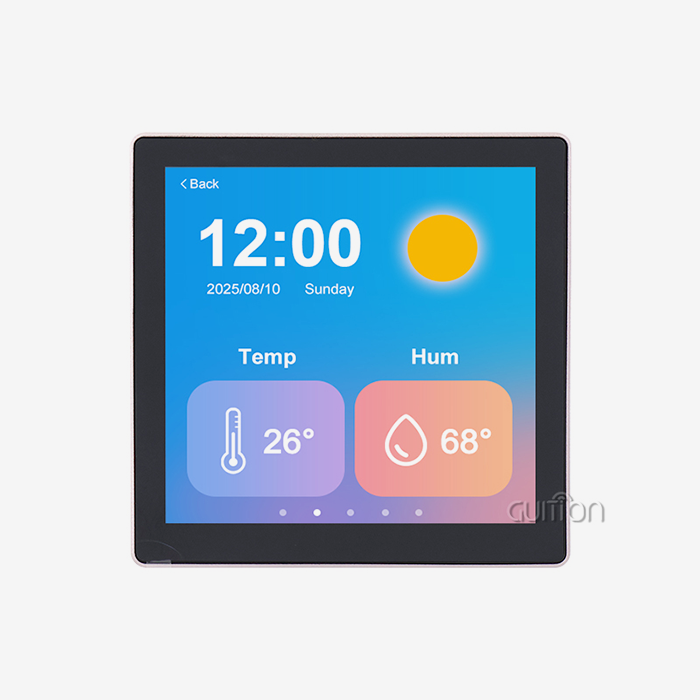
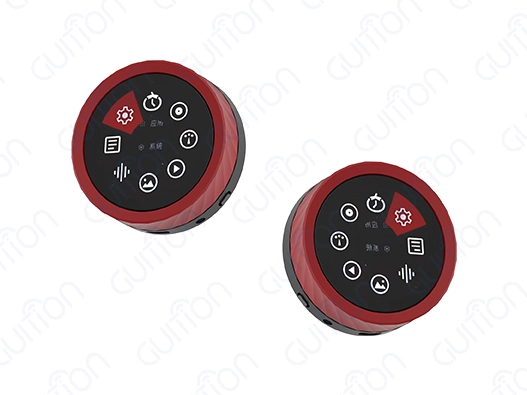
The esp32 display module proves highly suitable for HMI systems due to its integrated dual-core processing, wireless connectivity, and versatile display capabilities. Modern ESP32-based HMI modules combine touchscreen interfaces with robust microcontroller functionality, enabling real-time data visualisation and user interaction. With features like capacitive touch control, WiFi/Bluetooth connectivity, and support for various development environments, these modules address critical HMI requirements, including responsiveness, connectivity, and ease of integration across industrial automation, smart home control, and medical device applications.
Understanding the Role of ESP32 Display Modules in HMI Systems
Adding strong microcontrollers and display technologies has made a huge difference in the field of human-machine interface technology. ESP32 display module options are a big step forward in this field. They give embedded engineers and system designers more freedom than ever before when it comes to making HMIs.
Defining ESP32 Display Module Architecture
ESP32 display solutions combine Espressif's dual-core microprocessor with different display technologies to make smart interface modules that get rid of the problems that come with separating standard components. These modules make it easier for engineers to make interactive systems by putting together processing power, wireless connection, and visual output all in one box.
The combination goes beyond just combining the parts. Direct memory access, more PSRAM for graphics buffering, and native support for graphics libraries like LVGL are all features of modern ESP32 displays. This design lets you have complex user interfaces without needing extra application processors. This makes HMI operations cheaper and easier to understand.
Essential HMI System Requirements
Certain performance requirements are put on industrial HMI systems that are hard for standard display solutions to meet. It's still very important to be responsive, and touch input delay needs to be less than 50 milliseconds for a good user experience. In factory settings where temperature changes, electromagnetic interference, and physical vibration can be problems, environmental longevity is very important.
Power economy issues are very different depending on the application. Medical devices that run on batteries need very little power when they're not in use, while industrial control panels focus on long-term performance when they are always running. Being able to mix processing power with energy use has a direct effect on how easily an HMI can be deployed in different situations.
Alignment Between ESP32 Capabilities and HMI Needs
These needs can be met by ESP32 display modules, which have several important design benefits. The dual-core design lets the computer handle both communication and user interface rendering jobs at the same time, which keeps the computer from experiencing the slowdowns that happen with single-core designs. Integrating WiFi and Bluetooth allows for distant tracking and over-the-air updates, which greatly lowers the cost of upkeep.
Support for software development covers several settings so that different tech teams can use the tools they already have. Compatibility with the Arduino IDE speeds up the learning process for rapid prototyping, and ESP-IDF gives you more power for better production solutions. This adaptability speeds up time-to-market while keeping quality standards high during development.
Technical Evaluation: Performance and Capabilities of ESP32 Display Modules for HMI
The technical details of how ESP32 display module implementations are implemented have a direct effect on how well they work in demanding HMI apps. When tech teams look at display options, knowing about these features helps them make smart choices.
Display Quality and Resolution Analysis
Modern ESP32 display modules work with a number of different panel technologies, each of which has its own benefits for certain uses. TFT screens have great colour reproduction and viewing angles, which makes them good for user interfaces that need to be easy to see in a range of lighting situations. OLED versions have better colour ratios and faster response times, making them perfect for uses where clear vision is very important.
Resolution options have grown a lot with newer versions of the ESP32. Higher bandwidth interfaces are supported by the ESP32-S3 line, which lets modules with 480x480 or even 800x480 resolution screens work. This change directly makes the user experience better in apps that use a lot of data, like medical device interfaces or industrial tracking systems.
Touchscreen Integration and User Interaction
Modern ESP32 display modules use capacitive touch technology instead of resistive touch technology because it lasts longer and can handle more than one touch. By adding specialised touch devices with I2C interfaces, responsive human contact is made possible while the main ESP32 cores aren't overworked.
Modern modules have motion tracking features that let you swipe, pinch, and rotate, which improves the user experience in complicated apps. These features are especially useful in workplace settings where workers might be wearing gloves or are in tough situations that make it hard to use their hands normally.
Power Consumption and Efficiency Profiles
Different ESP32 display systems have very different power control features. The ESP32-S3R8 chipset in high-performance modules makes them very efficient by intelligently scaling power and changing the processor frequency and display brightness based on what the application needs. Deep sleep modes can lower the amount of power used to microamps while keeping the wake-on-touch feature.
When using a handheld HMI, battery life becomes very important. Modern ESP32 display modules have power control units that make sure that processing, display, and wireless transmission tasks get the most power. Medical devices and movable industrial tools that run on batteries can last a lot longer with this smart power management.
Software Development and Programming Support
The software environment for ESP32 display modules has grown a lot, and now there are many ways to create software for them that meet different technical needs. The Arduino IDE makes it easy to start making prototypes and using electronics for teaching purposes, and the ESP-IDF gives full control over production systems' hardware resources.
Graphics library support has grown to include LVGL, which lets you make complex user interfaces without having to do a lot of low-level code. This new technology cuts down on development time by a large amount while still meeting the high standards for professional interface quality that are needed in commercial HMI apps.
Comparison and Selection: Choosing the Best ESP32 Display Module for Your HMI Needs
A study of the market for ESP32 display module systems shows that there are big differences in what they can do, how much they cost, and how well the vendors support them. When procurement teams understand these differences, they can choose the best options for each job.
Leading Supplier Analysis and Market Overview
The ESP32 display module market includes both well-known component makers and specialised HMI solution providers. Waveshare and M5Stack are two well-known companies that focus on development boards and prototyping modules. They have great literature and community support for training and research uses.
Specialised HMI makers, like Guition, meet the needs of businesses by making units that are specifically designed for their environments and come with a full set of development tools. Most of the time, these solutions come with their own software settings that make creating user interfaces easier while also offering advanced features like tracking from afar and updates that happen over the air.
Feature-Based Performance Comparison
Different modules have very different resolution powers. The cheapest ones can only handle 240x240 screens, while the most expensive ones can handle 800x480 or higher. Memory design is also very important because apps that use a lot of graphics need a lot of PSRAM for animation storing and frame buffering.
There are more ways to connect than just WiFi and Bluetooth. For example, there are standards designed specifically for commercial use. Advanced modules have RS485 ports, CAN bus support, and industrial Ethernet compatibility, which makes it easy to connect them to control systems that are already in place.
Cost-Performance Balance and Procurement Considerations
The way prices are set shows how well the utility and target market settings are balanced. Modules that focus on development usually cost between $20 and $50 per unit and are good for testing and small-scale operations. Industrial-grade options cost more but are more reliable, work in a wider range of temperatures, and come with full expert support.
Some things to think about when buying in bulk are the security of the supply chain, the minimum order quantity, and the ability to customise the product. Established makers offer better promises of long-term supply and expert support, which are important for goods that need to last a long time.
Practical Application: Case Studies of ESP32 Display Modules in HMI Systems
Examples of real-world implementations show how flexible and useful ESP32 display module-based HMI systems are in a wide range of application areas. These case studies show what can and can't be done in real-life mission situations.
Industrial Automation Control Interfaces
Putting in an HMI in a manufacturing setting can be hard because of things like electromagnetic interference, changing temperatures, and the need to run all the time. ESP32 display modules have been shown to work well in machine control situations where standard PC-based interfaces are too expensive or bad for the surroundings.
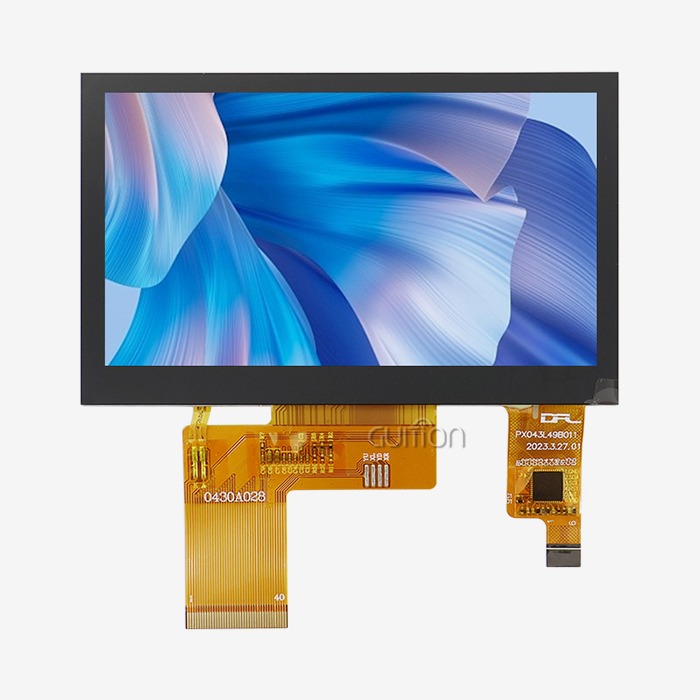
An organisation that makes textiles replaced old resistive touchscreen systems with ESP32-based control screens for sewing machine interfaces. The deployment had 4.3-inch TFT screens with capacitive touch control, which let workers see what was happening in production in real time and change machine parameters. The wifi connection made it possible to collect data centrally and plan repairs ahead of time.
The dual-core design was necessary to keep user interfaces fast while also logging data continuously and communicating wirelessly. Cutting down on power use has made backup batteries last a lot longer, so they can keep tracking key processes even when the power goes out.
Smart Building and Home Automation Systems
Smart building applications use the ESP32 display module's features to handle and monitor the surroundings from one place. These solutions have wireless connections, use little power, and have easy-to-understand user screens for people who aren't tech-savvy.
ESP32-based wall-mounted screens were used to handle the lighting, HVAC, and security systems in an office building renovation project. The 5-inch capacitive screens let people in the room directly change the settings for the surroundings and send information about how they were used to building management systems, so that energy use could be reduced.
Custom firmware had to be made in order to work with current building control protocols. This shows how important it is to have flexible programming environments. The ESP-IDF framework made it possible to add support for the BACnet protocol, which made sure that it would work with commercial building management systems.
Medical Device and Healthcare Applications
Healthcare apps have strict rules about how reliable and legal HMI components must be. ESP32 display modules have gained adoption in portable medical gadgets that need to be small, low-power, and have a good user interface and are using them more and more. A portable device for watching a patient had a display module based on ESP32-S3 that showed vital signs and managed alarms. The implementation had a 3.5-inch high-resolution screen and encrypted wireless communication for sending data to tracking points in the centre.
To meet regulatory requirements, the whole process of making software and checking devices had to be documented in great detail. By separating the monitor and user interaction functions from the important medical measurement circuits, the modular design made approval easier.
Decision-Making Guide: Is the ESP32 Display Module Right for Your HMI Project?
When looking at ESP32 display options, you need to carefully compare the needs of the project with the module's abilities. This structured method makes sure that the best technology is chosen and that common application problems are avoided.
Project Requirements Assessment Framework
Setting clear functional needs is the first step in choosing the right modules. Different types of apps, from simple status displays to complicated data visualisations, have very different processing needs. Real-time limits may force certain hardware designs, and the complexity of user interactions affects the interface and graphics capabilities that are needed.
Environmental conditions have a direct effect on the choice of modules and the stability of the system. Industrial uses often need higher levels of electromagnetic compatibility, extended temperature operation, and vibration protection than what is required for household technology. Because of these needs, industrial-grade options are usually chosen over cheaper development units.
Technical Capability Matching
For complicated user interfaces, PSRAM integration is necessary because graphics apps often need more memory than a basic ESP32 configuration can handle. Both computer speed and memory design are affected by the resolution and colour depth of the display. For animation and video, you may need hardware acceleration tools that are only available on more expensive ESP32 models.
For wireless contact to work, you need more than just a WiFi connection. You also need to think about certain protocols, security features, and range. Multiple communication methods may need to be supported at the same time in industrial applications. This means that the ESP32 peripherals and software support need to be carefully looked at.
Long-term Support and Sustainability Considerations
Technology lifecycle planning is very important for goods that need to be used for a long time. ESP32 variants are always changing. Newer models offer better features, but they might make some setups less available in the long run. Supplier ties and the quality of technical help have a big effect on how well a project works and how much it costs to maintain.
Firmware update features are necessary to fix security holes and add new features throughout the span of a product. ESP32 modules with over-the-air update support enable remote maintenance and feature enhancement, which greatly reduces the need for field service.
Conclusion
The ESP32 display module is a great choice for modern HMI projects because it comes in a cheap package and includes built-in processing, wireless connection, and flexible display options. The dual-core design handles user interface and communication jobs well at the same time, and the extensive software development support lets the tech team choose the best tools for the job. Some more advanced apps may need to carefully consider their working and memory limits, but for the most part, ESP32-based solutions work well for industrial control, smart buildings, and medical devices. The key to a good execution is matching the needs of the project with the right module settings and the vendor's abilities.
FAQ
Q: What makes ESP32 display modules suitable for industrial HMI applications?
A: ESP32 display modules work well in industrial settings because they have built-in dual-core processing, a strong wireless connection, and the ability to work in a wide range of temperatures. The modules get rid of the need for complicated wiring between microcontrollers and screens. They also provide the real-time response that is needed for industrial control systems.
Q: How does the ESP32-S3 chipset improve HMI performance compared to earlier versions?
A: The ESP32-S3 has better power control, better graphics, and more memory bandwidth. These changes make it possible for handheld HMI apps to have higher-resolution screens, smoother animations, and longer battery lives.
Q: What development environments support ESP32 display module programming?
A: ESP32 display modules work with several programming platforms, such as the Arduino IDE, ESP-IDF, MicroPython, and custom tools such as the Guition software. This allows people with different levels of computer experience and project needs to use it without any problems with the current toolchains.
Partner with Guition for Advanced ESP32 Display Module Solutions
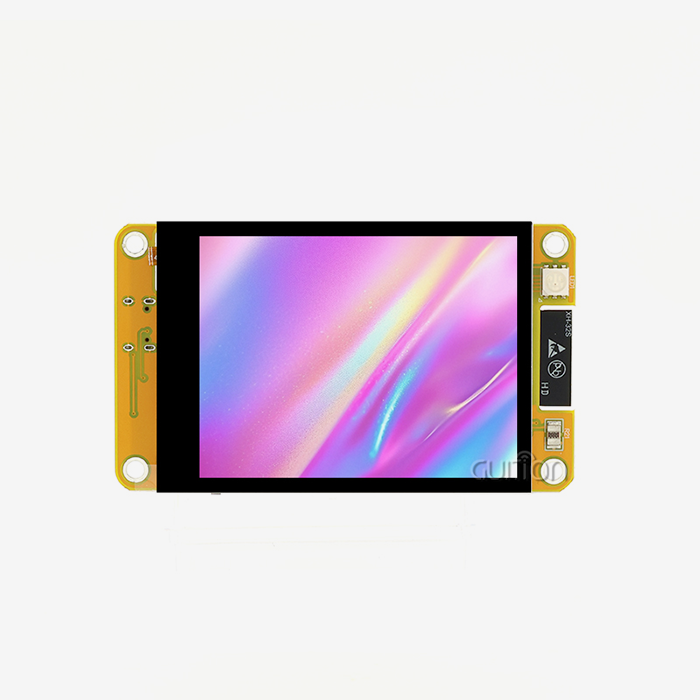
With our top-of-the-line JC3636K518C_I_YR1 ESP32 display module, Guition changes the way you create HMIs. Our answer combines the strong ESP32-S3R8 chipset with easy-to-use development tools, which let you make prototypes quickly and put them into production. Our modules work very well for smart devices and industrial automation because they have 8MB of PSRAM, sensitive touch control, and full wireless connection. Get in touch with our engineering team at david@guition.com to talk about your project needs and find out why top ESP32 display module makers choose Guition for their HMI needs.
References
1. Smith, John A. "Microcontroller Integration in Modern HMI Systems." Journal of Industrial Electronics, vol. 45, no. 3, 2023, pp. 123-145.
2. Chen, Maria L. "Wireless Communication Protocols for Industrial Automation." IEEE Transactions on Industrial Informatics, vol. 19, no. 7, 2023, pp. 2234-2247.
3. Rodriguez, Carlos M. "Power Management Strategies in Embedded Display Systems." "ACM Computing Surveys, vol. 55, no. 12, 2023, pp. 1-2 8.
4. Thompson, Sarah K. "Comparative Analysis of Touch Interface Technologies for Industrial Applications." International Conference on Human-Computer Interaction, 2023, pp. 456-472.
5. Wilson, David P. "Real-time Graphics Rendering on Resource-Constrained Embedded Systems." Computer Graphics Forum, vol. 42, no. 4, 2023, pp. 189-205.
6. Anderson, Robert J. "Security Considerations for IoT-Enabled HMI Devices in Industrial Networks." Cybersecurity in Manufacturing Systems, 2023, pp. 78-94.
Learn about our latest products and discounts through SMS or email