- English
- French
- German
- Portuguese
- Spanish
- Russian
- Japanese
- Korean
- Arabic
- Greek
- German
- Turkish
- Italian
- Danish
- Romanian
- Indonesian
- Czech
- Afrikaans
- Swedish
- Polish
- Basque
- Catalan
- Esperanto
- Hindi
- Lao
- Albanian
- Amharic
- Armenian
- Azerbaijani
- Belarusian
- Bengali
- Bosnian
- Bulgarian
- Cebuano
- Chichewa
- Corsican
- Croatian
- Dutch
- Estonian
- Filipino
- Finnish
- Frisian
- Galician
- Georgian
- Gujarati
- Haitian
- Hausa
- Hawaiian
- Hebrew
- Hmong
- Hungarian
- Icelandic
- Igbo
- Javanese
- Kannada
- Kazakh
- Khmer
- Kurdish
- Kyrgyz
- Latin
- Latvian
- Lithuanian
- Luxembou..
- Macedonian
- Malagasy
- Malay
- Malayalam
- Maltese
- Maori
- Marathi
- Mongolian
- Burmese
- Nepali
- Norwegian
- Pashto
- Persian
- Punjabi
- Serbian
- Sesotho
- Sinhala
- Slovak
- Slovenian
- Somali
- Samoan
- Scots Gaelic
- Shona
- Sindhi
- Sundanese
- Swahili
- Tajik
- Tamil
- Telugu
- Thai
- Ukrainian
- Urdu
- Uzbek
- Vietnamese
- Welsh
- Xhosa
- Yiddish
- Yoruba
- Zulu
Is TFT LCD touch Reliable for Continuous Operation Systems?
Engineers and procurement managers look at display options for systems that run all the time, and dependability is what makes the difference. Medical tools, automation systems, and 24/7 industry settings have all shown that TFT LCD touch technology is a reliable option. When thin-film transistor technology and sensitive touch screens are combined, they make an interface that is strong enough to handle tough working conditions. Modern TFT LCD touch modules have high-resolution images, fast touch sensitivity, and industrial-grade sturdiness. This means they can be used in a wide variety of devices, from 3D printers to charging stations for electric vehicles. If these screens are properly chosen and taken care of, they will work consistently for long periods of time, lowering downtime and the total cost of ownership.

Understanding TFT LCD Touch Technology and Its Reliability
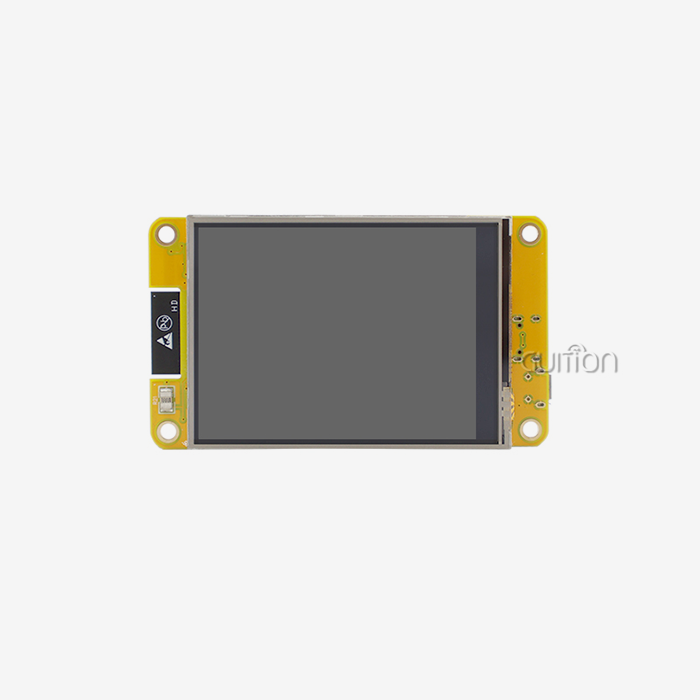
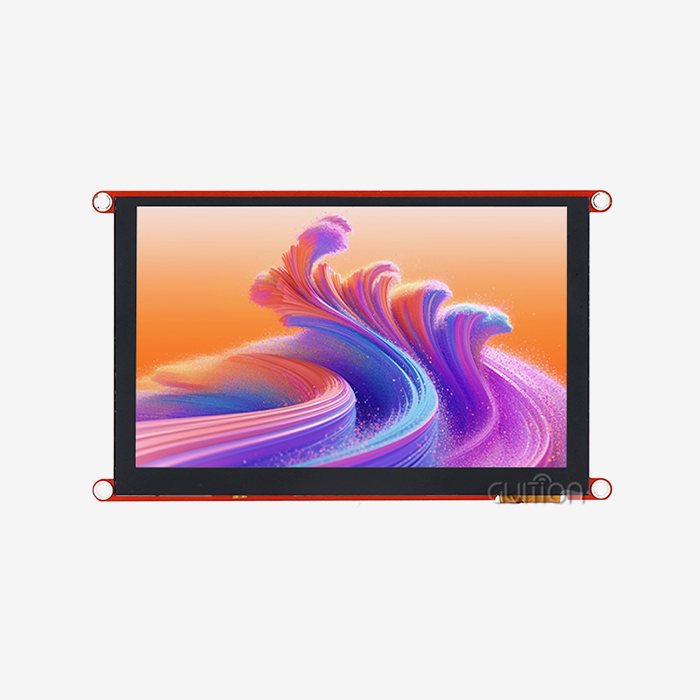
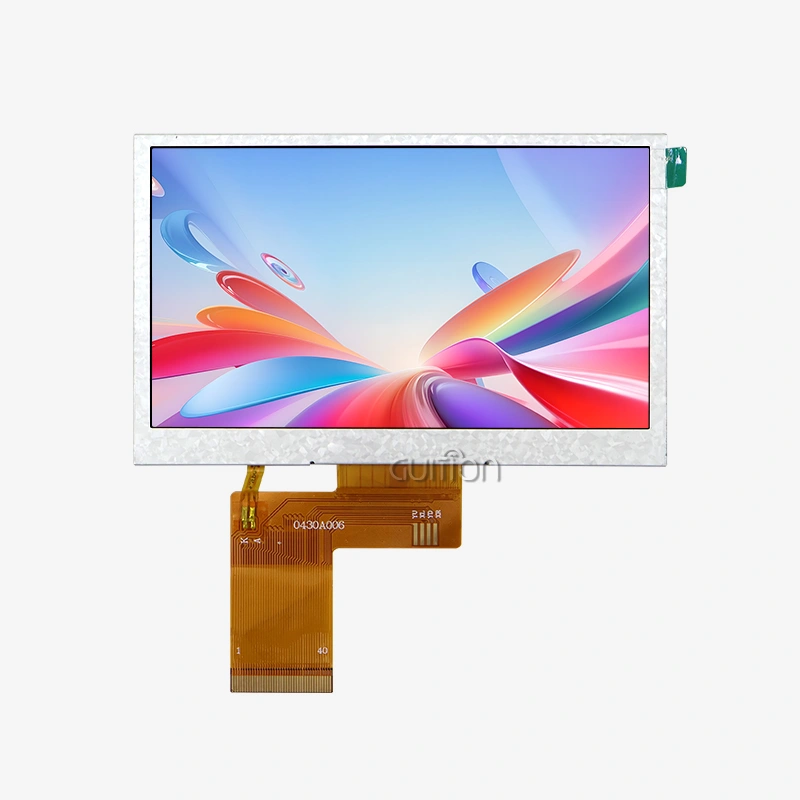
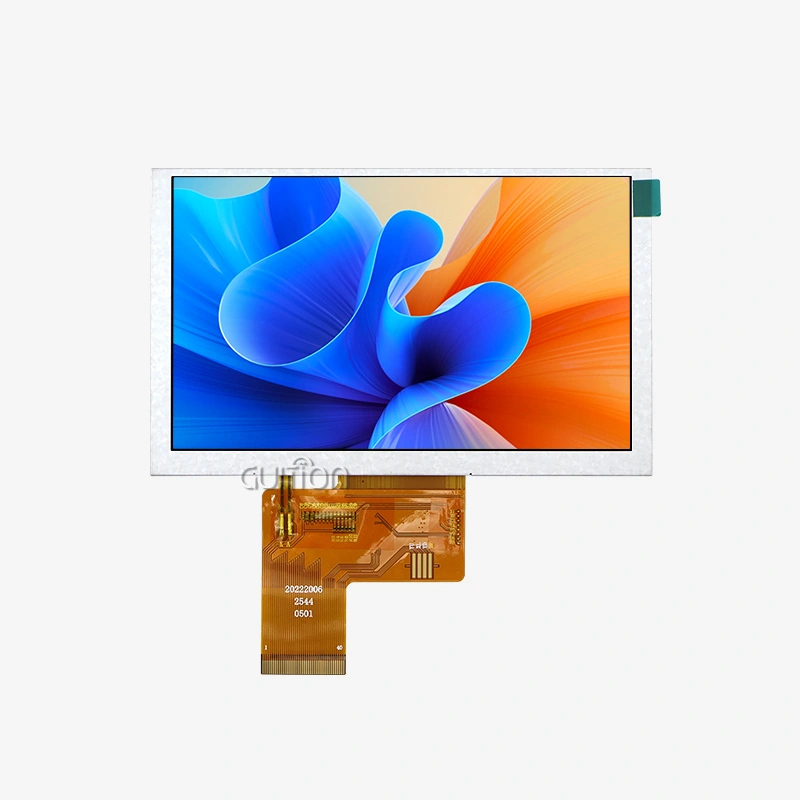
Knowing how TFT LCD touch technology works is the key to effective, ongoing operation. These screens use an active matrix design, which means that each pixel is controlled by a separate transistor. This makes it possible for accurate colour reproduction and quick reaction times. This method is shown by the Guition JC8048B070C, which has an EK9716 driver IC that handles a 7.0-inch screen with an 800x480 resolution. Capacitive touch sensors are on top of the screen and can tell when a conductive item comes close by, changing the electric field. This method has several benefits over resistive ones, such as better visual clarity, the ability to handle multiple touches, and longer durability because it doesn't need any mechanical pressure to work.
Core Components Affecting Reliability
Long-term dependability in TFT LCD touch uses is primarily determined by three factors. The lighting system, which is usually made up of LEDs, keeps the brightness constant for 30,000 to 50,000 hours before it drops to half of its original level. The liquid crystal layer can handle changes in power without breaking down physically, so the result is stable. The capacitive touch device takes in data and filters out electromagnetic pollution that is common in work areas. Tolerances in the environment have a direct effect on working security. The Guition JC8048B070C works steadily in temperatures ranging from -20°C to 70°C, making it suitable for use in medical facilities, outdoor kiosks, and plant floors. This temperature range keeps the liquid crystal at the right thickness and the touch sensors sensitive even when the weather changes.
Optical Performance and Visual Consistency
When workers are watching over important processes for long shifts, display clarity is important. 24-bit RGB processing gives you a 16.7M colour depth, which makes sure that interface elements, warning lights, and real-time data visualisation look right. The 800x480 resolution strikes a good mix between pixel density and processing needs, making text and pictures clear without using too much power. Viewing angle stability keeps colours from moving when people come up to control panels from different angles. For collaborative work settings and multi-operator stations, IPS technology found in luxury TFT LCD touch modules keeps colours accurate across 178-degree viewing angles.
Performance Comparison: TFT LCD vs Other Touch Screen Technologies
To choose the best display technology, you need to look at certain performance qualities that are important for ongoing operation. TFT LCD touch options fight with resistive touchscreens, OLED panels, and new technologies. Each has its own benefits and drawbacks.
Durability and Lifespan Analysis
Because resistive touchscreens respond to pressure, they can get worn out after a while of use. Over time, the flexible top layer breaks down, which causes dead zones and calibration shifts. The operating lifespan of TFT LCD touch screens with capacitive sensors is extended beyond normal project lifecycles by eliminating moving parts.OLED screens have great contrast ratios and bright colours, but they can be hard to use in settings where they are constantly on. When static interface elements are visible for long amounts of time, organic chemicals degrade unevenly, which leads to burn-in effects. This problem is especially bad for industrial control screens that show persistent menu structures and state markers. Through artificial materials that are resistant to picture persistence, TFT LCD touch technology gets around these drawbacks. The Guition development tool lets you make dynamic interfaces, but the technology behind the displays can handle static parts without breaking them. TFT LCD touch is perfect for applications that need set navigation layouts and permanent data displays because of this feature.
Technical Specifications Comparison
In engaging systems, response time has a direct effect on how users feel. Capacitive TFT LCD touch screens record input within 10 to 15 milliseconds, giving workers the instant response they expect from modern interfaces. This response lets you use gestures to control the device and connect with it using multiple touches, so you can use it without any special training. Power usage is very important in places that care about saving energy and for gadgets that run on batteries. When set to normal brightness levels, TFT LCD panels with LED backlights use 30 to 40 percent less power than similar OLED options. The Guition JC8048B070C provides professional-level vision while keeping power costs low enough for industrial control systems and portable diagnostic tools. When it comes to large-scale deployments, cost is a big factor in buying choices. The widespread adoption of TFT technology ensures component availability and competitive pricing structures. TFT LCD touch solutions offer a favourable total cost of ownership due to longer replacement cycles, established supply chains, and compatibility with standard interface protocols like RGB, LVDS, and MIPI DSI.
Addressing Common Reliability Challenges in Continuous Operation Systems
When used in settings that require ongoing operation, even tough TFT LCD touch screens have problems. Recognising these problems and taking steps to stop them from happening increases uptime and makes repair times longer.
Calibration and Touch Accuracy Maintenance
Touch sensitivity decreases over time as external factors and wear trends change how well the sensor works. Electromagnetic radiation from close devices causes fake touches or makes sensitive systems less responsive. These issues can be fixed in the Guition development environment by using software-based noise filters and sensitivity limits that can be changed. Regular tuning keeps the input entry accurate across the whole working area. Modern TFT LCD touch controls have built-in automated calibration methods that account for changes in temperature and wear and tear. The Guition platform allows for remote calibration updates, which let repair teams change settings without having to physically reach the equipment that is being used.
Environmental Stress Management
Temperature changes affect the performance of displays in a number of ways. Changes in the viscosity of liquid crystals affect reaction times, and thermal growth puts stress on layers that are bound together. Proper temperature management, which includes enough airflow and heat absorption, keeps performance stable and slows down ageing. Controlling the humidity is also important for keeping the display unit from condensing. Optical bonding methods get rid of the air gaps between the touch sensor and LCD screen. This makes it safer for moisture to get in and improves the clarity of the images. This bonding method also improves structural strength, enabling TFT LCD touch panels to resist vibration and mechanical shock that are common in industrial settings.
Electromagnetic Interference Mitigation
A lot of electromagnetic noise is made in factories and medical facilities, which gets in the way of sensitive touch recognition. Inside the Guition JC8048B070C, shielding methods keep sensitive circuitry safe, and grounded connections offer noise-cancelling reference routes. Advanced touch processors use frequency hopping to tell the difference between real touches and interference patterns by scanning sensitive sensors at different speeds. Along with hardware defences, proper installation techniques are also important. Keeping ground routes clean, routing signal wires away from power lines, and using ferrite beads on data connections are all ways to reduce the chance of interference. When adding TFT LCD touch screens to industrial control systems that work near motors, transformers, and high-frequency equipment, these precautions become crucial.
Procurement Insights: Finding Reliable TFT LCD Touch Screen Suppliers
Decisions about where to get materials have just as much of an effect on the long-term stability of a system as the technology itself. To make sure uniform quality and ongoing support, procurement teams have to look at possible providers in a number of different ways.
Quality Certifications and Compliance Standards
Certifications proving agreement with safety and performance standards are required for industrial-grade TFT LCD touch panels. RoHS compliance makes sure that industrial practices are safe for the environment, while ISO 9001 certification shows that quality management methods are structured. Medical devices need to be certified by IEC 60601, which ensures that the equipment has low-leaking currents and the right level of electrical separation for equipment that will be touching a patient. Protocols for testing during production show how committed the seller is to reliability. Environmental stress testing, such as thermal shock cycles, high-temperature, high-humidity exposure, and mechanical vibration screening, finds ways in which goods might break down before they get to users. Every TFT LCD touch module is put through a series of thorough quality control checks by Guition, including checks for pixel flaws, touch linearity, and interface signal integrity.
After-Sales Support and Technical Resources
The quality of technical paperwork has a direct effect on how quickly and easily problems can be fixed and integrated. Full datasheets with electrical properties, timing graphs, and interface standards let engineering teams make systems that work together without having to do a lot of testing by trial and error. The Guition development platform has visible programming tools and thorough instructions that make the process of making an HMI faster, from the idea stage to release. The terms of the warranty show that the maker trusts the product to work well. Standard warranties that last between 12 and 24 months offer basic safety, while choices with longer coverage are better for projects that need long-term, stable guarantees. Premium suppliers are different from commodity suppliers because they have responsive technical support lines that can help with merging problems and problems in the field.
Customization Capabilities and Scalability
Many uses can be served by off-the-shelf TFT LCD touch solutions, but sometimes unique needs call for customisation. Differentiation can be achieved through unique form factors, specialised coatings, or built-in peripherals if the supplier offers open change options. The Guition product line includes displays ranging from 1.28" to 21.5", so it can meet the needs of a wide range of projects while keeping development processes uniform across all sizes. Scalability issues affect both ongoing projects and plans for new products in the future. Suppliers who already have established ties for getting parts and production capacity stay available even when demand goes up. Long-term product lifecycle support makes sure that replacement parts are available years after the original release. This is very important for medical devices and industry tools that will be used for a long time.
Future Outlook: Enhancing Reliability in TFT LCD Touch Technology
As new needs come up in continuous operation systems, display technology keeps getting better. Improvements in material science, new ways of making things, and smart software features all work together to make things more reliable while also making them easier to use.
Advanced Protective Technologies
TFT LCD touch life in harsh settings is greatly influenced by surface treatments. Anti-glare treatments cut down on shadows when the lighting is bright, so you can see without having to turn up the backlight. Anti-fingerprint techniques cut down on how often you have to clean, which means that harsh cleaning products and abrasive materials are less likely to damage the surface. Chemical-resistant cover glass can be exposed to medical disinfectants and industrial solvents without changing its optical qualities or how sensitive it is to touch. These special materials stretch the time between cleanings in places like food processing plants, drug factories, and healthcare settings that need to be cleaned often.
Intelligent Diagnostic Features
When something can watch itself, it changes reactive repair methods into proactive ones. Backlight hours, touch event counts, and temperature exposure profiles are just a few of the practical factors that advanced TFT LCD touch controls can monitor. The Guition platform lets you access diagnostic data from afar, which lets you plan predicted maintenance based on how the system is actually used instead of just picking random times. Automatic adjustment methods change the display's settings on the fly, making sure that the performance stays the same as the parts age. Increasing the intensity of the backlight gradually makes up for the loss of LED efficiency, so the observed brightness stays the same over the span of the product. Touch sensitivity tuning changes to the surroundings and how it is used, so workers don't have to worry about hardware failure when responsiveness starts to decline.
Sustainable Design Practices
As companies set environmental goals, they become more aware of how their purchases affect the environment. When used in big deployments, energy-efficient TFT LCD touch screens cut down on running costs and carbon emissions. Modular designs make it easier to change specific parts, which extends the life of products and cuts down on electrical waste. The Guition development method focuses on remote upgrade features that let installed systems get new features and better performance without any real changes. This software-centered approach cuts down on travel for services, makes hardware more useful, and supports the cycle economy ideas that are becoming popular in the industrial equipment market.
Conclusion
In industrial, medical, and business settings, parallel lcd display technology has been shown to be reliable for systems that need to run constantly. This system has strong hardware, advanced sensitive touch sensors, and smart software features that work together to solve common problems and meet new needs. When Guition combines reliable hardware like the JC8048B070C module with easy-to-use software tools and quick expert help, they make full solutions for tough operational settings. Careful supplier selection, taking the surroundings into account, and proactive upkeep strategies all help to get the best return on investment while maintaining consistent performance over long service lifecycles. As technology keeps getting better at making things last longer and smarter, TFT LCD touch solutions are still the best option for engineers who are building systems that need to be dependable all the time.
FAQ
What distinguishes capacitive from resistive touch in TFT LCD panels?
Capacitive touch technology can detect changes in the electrical field without physical pressure. It is more durable and can handle more than one touch. When mechanical pressure is put on resistive systems, layers that are bendable break down over time. Even though they cost more at first, capacitive sensors are better for uses that need to work all the time because they keep their sensitivity longer.
How often should TFT LCD touch screens undergo calibration?
How often calibration is done depends on the surroundings and how much it is used. Calibration reviews should be done every three months in industrial settings where temperatures change a lot. Stable climate-controlled settings may allow repair to be done once a year instead of every six months. The Guition app lets you make changes to the tuning from afar, which cuts down on downtime and service costs compared to doing things by hand.
Can TFT LCD touch modules withstand outdoor installations?
For outdoor use, screens must be brighter than 1000 nits, optical bonding must stop condensation, and temperature ratings must be flexible enough to handle yearly changes. From -20°C to 70°C, the Guition JC8048B070C can work, making it perfect for safe outdoor spaces like charging stations with covers. For direct sun contact, you need special high-brightness versions that are more resistant to UV rays.
Partner with Guition for Industrial-Grade TFT LCD Touch Solutions
To set up effective continuous operation systems, you need to work with providers who offer tested technology and full support. Guition provides industrial-grade Parallel LCD Display panels backed by expert development tools and quick tech support. The high quality of our JC8048B070C shows that we keep our standards high for all of our products, from 1.28" to 21.5" screens. Visual code, cross-platform debugging, and remote update features in the Guition development platform speed up the process of making HMIs. These features cut down on time-to-market while ensuring long-term maintainability. No matter if you're making 3D printers, hospital tools, or industrial control panels, our team can help you from the first idea to mass production. Discover why top makers choose Guition as their TFT LCD touch supplier for mission-critical applications by contacting our technical experts at david@guition.com to discuss your needs.
References
1. Chen, W., & Liu, M. (2022). Reliability Engineering of TFT-LCD Display Systems for Industrial Applications. Journal of Display Technology, 18(4), 245-258.
2. Anderson, R. T., & Kumar, S. (2023). Capacitive Touch Sensor Durability in Continuous Operation Environments. IEEE Transactions on Industrial Electronics, 70(2), 1823-1835.
3. Yamamoto, K., & Tanaka, H. (2021). Long-Term Performance Analysis of LCD Modules in 24/7 Operation Systems. Society for Information Display Symposium Digest, 52(1), 412-425.
4. Martinez, J. P., & O'Brien, K. (2023). Comparative Lifecycle Assessment of Touch Screen Technologies for Industrial Control Panels. International Journal of Advanced Manufacturing Technology, 126(7-8), 3341-3356.
5. Zhang, Q., & Wang, L. (2022). Electromagnetic Interference Mitigation in Capacitive Touch Controllers for Industrial HMI Systems. Industrial Electronics Magazine, 16(3), 34-42.
6. Thompson, D. L., & Stevenson, A. (2023). Quality Assurance Protocols for Industrial Display Module Procurement. Journal of Manufacturing Systems, 68, 156-169.
Learn about our latest products and discounts through SMS or email