- English
- French
- German
- Portuguese
- Spanish
- Russian
- Japanese
- Korean
- Arabic
- Greek
- German
- Turkish
- Italian
- Danish
- Romanian
- Indonesian
- Czech
- Afrikaans
- Swedish
- Polish
- Basque
- Catalan
- Esperanto
- Hindi
- Lao
- Albanian
- Amharic
- Armenian
- Azerbaijani
- Belarusian
- Bengali
- Bosnian
- Bulgarian
- Cebuano
- Chichewa
- Corsican
- Croatian
- Dutch
- Estonian
- Filipino
- Finnish
- Frisian
- Galician
- Georgian
- Gujarati
- Haitian
- Hausa
- Hawaiian
- Hebrew
- Hmong
- Hungarian
- Icelandic
- Igbo
- Javanese
- Kannada
- Kazakh
- Khmer
- Kurdish
- Kyrgyz
- Latin
- Latvian
- Lithuanian
- Luxembou..
- Macedonian
- Malagasy
- Malay
- Malayalam
- Maltese
- Maori
- Marathi
- Mongolian
- Burmese
- Nepali
- Norwegian
- Pashto
- Persian
- Punjabi
- Serbian
- Sesotho
- Sinhala
- Slovak
- Slovenian
- Somali
- Samoan
- Scots Gaelic
- Shona
- Sindhi
- Sundanese
- Swahili
- Tajik
- Tamil
- Telugu
- Thai
- Ukrainian
- Urdu
- Uzbek
- Vietnamese
- Welsh
- Xhosa
- Yiddish
- Yoruba
- Zulu
Is IoT LCD Good for Industrial Automation Displays?
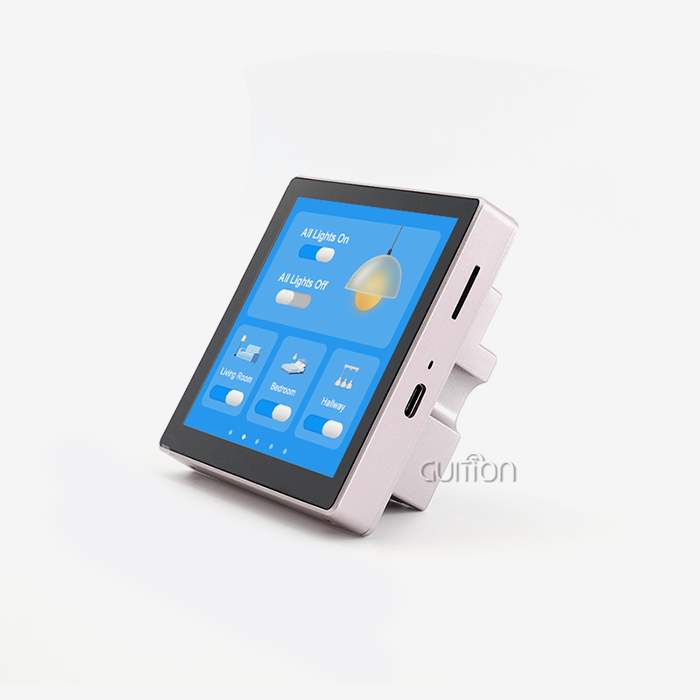
IoT LCD screens perform admirably in settings involving automation. To enable real-time data visualisation, remote tracking, and seamless interaction with control systems, an IoT LCD combines standard liquid crystal display technology with Internet access. IoT-enabled LCD modules talk to sensors, programmable logic controllers, and cloud platforms, changing how workers deal with machines and production lines. This technology is different from regular displays, which only show information when they are turned on. Because they can connect to more devices, they are very useful for forecasting maintenance, energy management, and global control.

What is an IoT LCD, and How Does It Work in Industrial Automation?
Core Architecture and Communication Capabilities
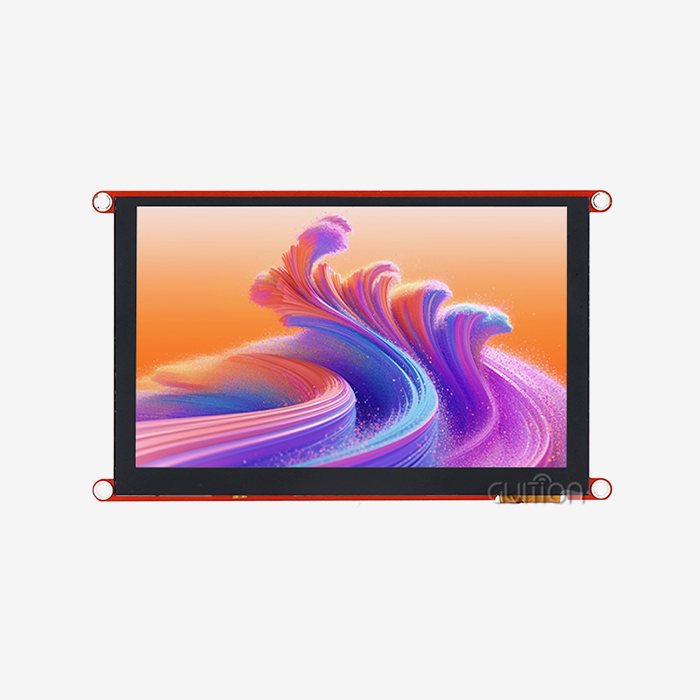
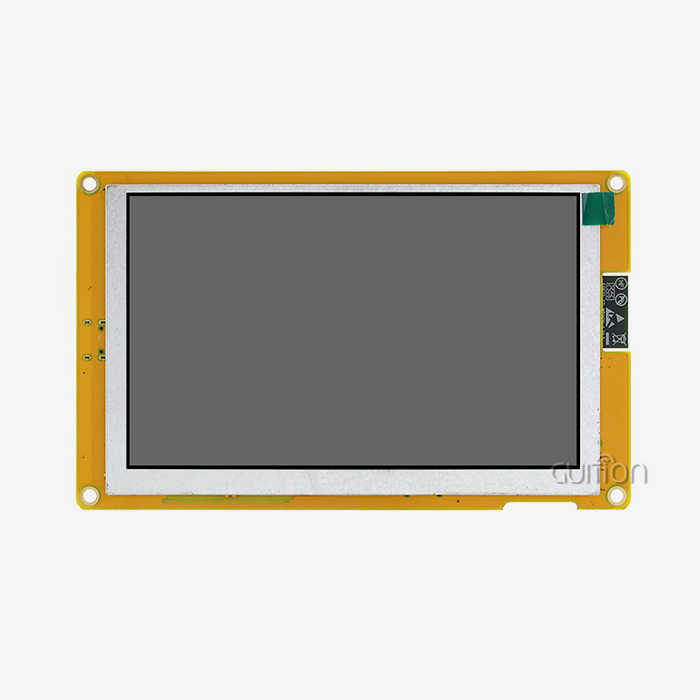
To allow mutual data sharing, an IoT LCD combines a liquid crystal display screen with integrated communication modules and microcontroller units. The Guition JC4827Q343N_I demonstrates this combination, featuring an Artinchip D121BAV single-core MCU that operates at 400MHz. This processing power lets the 4.3-inch display module decode JPEG pictures at 1024x768@60fps while keeping the interface responsive even when working with complicated panels.
Ecosystem Integration and Real-Time Visualisation
Through its USART-HMI interface, the module supports multiple communication methods. It can make SPI, I2C, and serial links, which make it easier to connect to current automation gear. With built-in WiFi and Bluetooth units, you don't need any extra networking parts. This cuts down on the cost of the bill of materials and makes designing the case easier. The display can receive data from sensors, send orders from operators, and connect to distributed control networks thanks to this design. It does all of these tasks without putting too much stress on the main system controller.
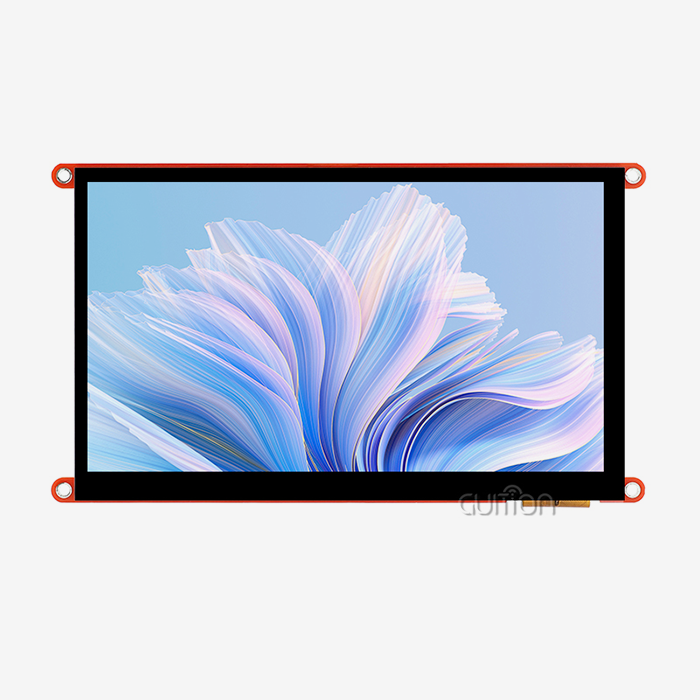
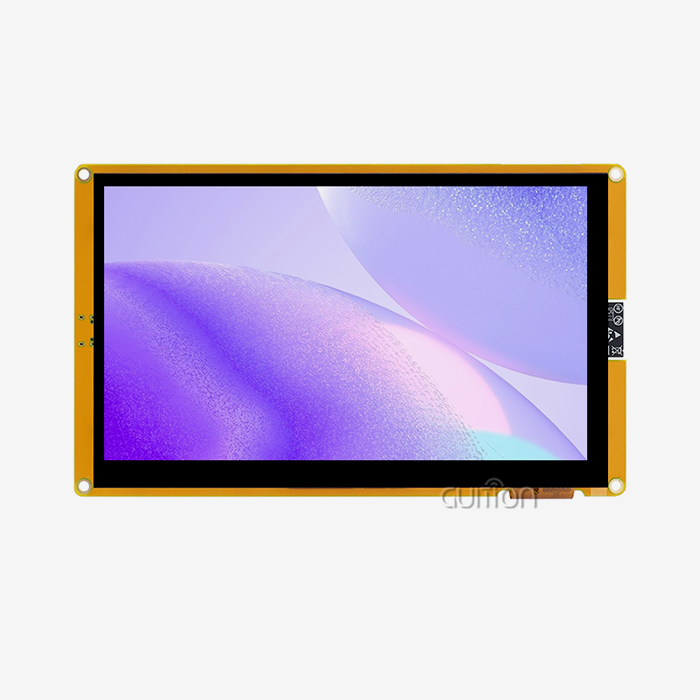
IoT LCD panels serve as intelligent hubs in industrial networks, unlike standard displays that a host manager must poll frequently. The 480x272 IPS screen has a 65K colour depth and wide viewing angles, so it can be read in a variety of factory lighting conditions. On dashboards that can be customised and change automatically as conditions change, operators can keep an eye on production measures, alarm states, and process factors.
Engineers can make these interfaces with the Guition online creation tool, even if they're not very knowledgeable about embedded programming. Teams use drag-and-drop tools to make WYSIWYG layouts that include gauges, charts, buttons, and progress markers. Compared to traditional low-level coding methods, this visual development technique speeds up time-to-market by a large amount. This solves a major problem for product managers who are working with tight development plans.
Remote Management and Firmware Updates
These days, industrial deployments often happen in more than one facility or in places that are difficult to get to physically. Engineers can send software updates, interface improvements, and feature adds over network links thanks to the remote upgrade capability built into IoT LCD modules. This over-the-air feature lowers the cost of support after the sale and makes sure that installed equipment stays up to date with changing operating needs over the course of longer product lifecycles.
Benefits of Using IoT LCD in Industrial Automation Displays
Enhanced Operational Transparency Through Live Data Streams
Monitor data, machine statuses, and quality metrics arrive constantly in industrial settings and must be examined immediately to make decisions. IoT LCD screens turn raw data into useful insights by providing contextualised information where workers need it. Production managers can track line efficiency, service crews can receive alerts before equipment breaks down, and quality experts can compare process parameters to real-time specification limitations.
The GUITION JC4827Q343N_I module's 400MHz processing power ensures seamless multivariable panel display, even with animated changes or many data fields being updated. This responsiveness is crucial in atypical situations where personnel must swiftly assess and fix the issue. Clear visuals from various viewing angles are possible with IPS technology. This allows team members to view the same display during group mending sessions.
Predictive Maintenance and Downtime Reduction
Equipment failure is one of the most costly production issues. IoT LCD integration with sensor networks enables condition-based tracking and early problem detection. Thermal imaging detects overheating, vibration sensors detect bearing wear, and pressure transducers detect new leaks. The building's strategically placed screens display all this information.
Strange patterns are accompanied by background information, including historical patterns, proposed actions, and parts inventory. Maintenance staff handle issues during planned shutdowns, not emergencies. This proactive approach extends equipment life, reduces spare parts inventories, and prevents production losses from unplanned downtime.
Energy Efficiency and Sustainability Contributions
More and more, industrial sites are under pressure to use less energy and show they care about the environment. While providing similar visual performance, IoT LCD panels use a lot less power than other display technologies. The backlight control circuits in modules like the JC4827Q343N_I change the strength automatically based on the lighting conditions. This keeps power use to a minimum without affecting the ability to read.
In addition to being efficient on their own, these screens help with energy management by showing how production equipment uses energy. Plant engineers find processes that use a lot of energy, compare how efficient different jobs are, and make sure that improvement efforts have a positive effect. Support for multiple languages and UTF-8 encoding makes it possible for international companies to use standard energy tracking solutions in all of their global sites. This makes sure that measurement and reporting are done the same way everywhere, regardless of what the language needs are.
Comparing IoT LCD with Other Display Technologies for Industrial Automation
Durability Analysis Across Harsh Operating Conditions
Industrial screens experience high and low temperatures, vibrations, dust, electromagnetic interference, and impact damage. IoT LCD technology balances performance and environmental durability. In normal plant floor temperatures of -30°C to +85°C, the liquid crystal layer functions reliably. Sealed casings prevent particulates from damaging optics or electronics.
OLED screens have superior contrast ratios and faster response times, but their organic ingredients degrade at high temperatures, like welding stations or industrial ovens. E-Ink makes reading outside easy and uses little electricity, but it lacks colour accuracy and refresh rates for active industrial screens. LED video walls look fantastic in large control rooms, but they're too pricey and power-hungry for distributed automation applications with many smaller screens serving workers at their desks.
Connectivity and Intelligence Trade-offs
Typical display technologies are passive output devices that rely entirely on host systems for their thinking and decision-making. IoT LCD panels have intelligence built right into them that takes some of the computing load off of the main processors and gives them some autonomy. The Artinchip D121BAV MCU handles network connections, runs local interface logic, and prepares data for transmission to control systems before sending it all together.
This distributed design speeds up the system because changes to interfaces don't have to go through slow network backbones or wait for processing cycles from programmable logic controllers that are already full. When an operator touches the screen or hits a button, the display replies right away, giving tactile feedback that makes the system easier to use. Wireless connection through WiFi and Bluetooth protocols makes installation easier when new wiring isn't possible or would be too expensive.
Supplier Ecosystem and Customisation Flexibility
When purchasing managers look at different display options, they need to think about how long the products will be available, how good the technical help will be, and how much they can be changed from the original specs. Companies that have been around for a while, like Guition, offer complete development environments with online GUI tools, sample programs, and a lot of documents that make integration faster. There are different levels of technical skill and project needs that can be met by Arduino, IDF, and proprietary development tools.
Other suppliers might have lower unit costs, but they don't have the infrastructure that decides how much the whole job will cost. Engineers spend weeks making custom drivers, fixing problems with communication protocols, and starting from scratch with interface layouts. These are all secret costs that are higher than the savings that come from using fewer parts. When you mix Guition's drag-and-drop development environment with factory-built test programmes, you can make prototypes right away. This cuts down on the pressures of time-to-market that can affect how competitive a product launch is.
Installation, Programming, and Troubleshooting of IoT LCD in Industrial Settings
Installation Protocol and System Integration
The actual mounting and electrical connection of an IoT LCD must be done correctly. The JC4827Q343N_I module is small (4.3 inches) and fits into normal panel cutouts that are usually used for regular operator interfaces. This makes retrofitting easier. When the equipment is running quickly, the mounting hardware should have vibration damping to protect the screen from mechanical shocks that are sent through the frames of the equipment.
Development Environments and Programming Approaches
Signal security is important when using the IO port interface to connect devices. Separate power and data connections to lower the electromagnetic radiation of nearby motor-driving or welding equipment. Grounding shielded cables prevents noise input from disrupting data transfers or displays. When setting up a WiFi network, consider the building's RF surroundings and choose bands that won't compete with other industrial wireless systems.
Engineers can create IoT LCD apps in various methods depending on project difficulty and team expertise. Guition online provides the fastest creation cycle for standard interfaces. Teams build layouts, attach controls to data variables, and write code without low-level graphics or communication protocols using images.
Arduino support provides access to a wide community library for adding sensors, logging data, and setting up communication mechanisms for projects that need specific functionalities. Advanced users can customise the wireless stack, manage power, and integrate the operating system in real time with ESP-IDF development. Rather than constraining developers into inflexible development frameworks, this independence lets the IoT LCD panel adapt to different application needs.
Troubleshooting Common Integration Challenges
Even with careful planning, connection problems can happen during installation. Communication problems are usually caused by setting the baud rate wrong, not having enough pull-up resistors on the I2C lines, or the SPI clock phase not matching up. Systematic testing with oscilloscopes or logic analysers finds problems with signal integrity fast. Before launching custom apps, the factory test programs that come on Guition modules can be used to make sure that hardware connections work properly.
Display artefacts or colour display problems could mean that the power source isn't working properly. The brightness control circuit needs a stable voltage within certain limits. When the load is high, ripple or voltage droop lowers the quality of the image. Usually, these problems can be fixed by adding the right filtering capacitance near the module's power input. When you have trouble connecting remotely, you should check the strength of your WiFi connection, how your router is set up, and any firewall rules that might be blocking important communication lines.
Procurement Considerations: How to Choose and Buy the Best IoT LCD for Industrial Automation?
Environmental Specifications and Durability Requirements
Project-specific IoT LCD standards are best for long-term reliability. Displays need wide operating temperatures for manufacturing temperature variations. The JC4827Q343N_I performs well from -20°C to +70°C for most indoor industrial purposes. Outdoor setups and gadgets near heat sources require tougher regulations.
Screens on mobile devices or machines that move commonly need vibration resistance. Refer to supplier datasheets for shock and vibration test results that meet requirements. Air gaps between the LCD screen and cover glass are eliminated using optical bonding. This improves contrast in bright situations and strengthens the structure so it doesn't bend when impacted.
Display Performance Metrics and Visual Quality
The amount and variety of information that needs to be shown at the same time affect the resolution requirements. The JC4827Q343N_I's 480x272 resolution lets you see multi-zone screens with gauges, text readouts, and status signs without making them look crowded. Higher resolutions are good for showing complex diagrams, high-density data tables, or security camera feeds, but they also use more power and processing.
Connectivity Features and Network Integration
IPS technology gives screens that are seen by many people from different places the wide viewing angles they need. Specifications for brightness are most important in places with a lot of natural light. For example, 400 nits is enough for plant floors inside, but 1000 nits or more may be needed outside. Colour depth affects how nice custom interfaces look and how much information they can hold. The 65K colour capability supports easy-to-understand colour-coding methods for showing state and alarm priority.
Modern IoT LCD panels differ from older display technologies in that they have a built-in wireless connection. Being able to connect to current building networks through WiFi lets displays access cloud-based dashboards, get changes from afar, and send operational data to databases that store history. Connectivity via Bluetooth makes it easier to pair with mobile devices for setup tasks or to add wireless sensors without needing extra gateway hardware.
Total Cost of Ownership and Long-Term Value
Security features include encryption, login, and certificate handling. Screens should not let other control systems fall to industrial network cyberattacks, which are strengthening. Turning down unused communication interfaces reduces the attack area and simplifies security rules.
The original purchasing price is merely part of the job cost. Development work strongly impacts time-to-market and engineering resource consumption. The Guition website's visual development tools reduce programming time significantly compared to low-level coding methods. This productivity gain is especially helpful for smaller IT teams or organisations creating many product versions that need the same interface.
Business costs depend on after-sales support. Suppliers with clear manuals, fast expert help, and long-term product lifecycle assurances reduce troubleshooting and redesign risks. Over-the-air upgrades eliminate truck maintenance, saving money for remote installations. Compare IoT LCD supplier lifetime factors and component prices to discover the best value.
Conclusion
For industrial automation applications that need dependable visualisation, network connections, and built-in intelligence, IoT LCD screens are a smart investment. Core problems that the technology tries to solve include how hard it is to create, how hard it is to integrate, and how limited operating visibility is in manufacturing. Guition's JC4827Q343N_I module demonstrates how current IoT LCD solutions balance speed, connectivity, and ease of development through extensive hardware capabilities and intuitive software tools. When choosing IoT LCD technology over older display methods or competing options that don't have the same ecosystem support, procurement managers and engineering teams benefit significantly in terms of time-to-market, lifecycle costs, and system flexibility.
FAQ
What industrial environments benefit most from IoT LCD integration?
IoT LCD panels perform admirably in situations where centralised data aggregation and distributed visualisation are required. Displays placed in key locations in factories with multiple production lines show line-specific measures while also collecting data on the overall performance of the factory. These screens are used by energy management tools to see how energy is used across different areas of equipment. Medical device tracking, warehouse management systems, and agricultural automation all use wireless connectivity to get rid of the need for complicated cables while still allowing real-time insight into operations.
How does IoT connectivity improve display efficiency compared to traditional interfaces?
Traditional displays need their communication lines to connect to host controls and need to be polled all the time to get new information, which uses up network data and processing cycles. IoT LCD panels work as smart hubs that handle local interface logic on their own, sending only pertinent events or gathered data. This design cuts down on network traffic, takes processing off of main controllers, and lets displays do basic data analysis before sending it to the cloud. This design generally makes the system more responsive and reduces the amount of hardware needed.
Will existing sensor networks integrate easily with IoT LCDs?
Modern IoT LCD panels, like the JC4827Q343N_I, can communicate using a variety of different protocols, such as serial UART, SPI, I2C, and wireless standards. Engineers can use custom protocols or adapt to private sensor interfaces thanks to the development platforms like Arduino, ESP-IDF, and Guition. A lot of popular industrial monitors use standard protocols like Modbus, CANbus, or MQTT that work well with each other. The embedded MCU has enough processing power to translate protocols when needed.
Ready to Transform Your Industrial Automation Interface?
Guition specialises in providing IoT LCD solutions that are ready for production. These solutions can cut down on the amount of time it takes to build your project while still providing industrial-grade reliability. Our JC4827Q343N_I module has a 400MHz processing speed, wireless connection, and IPS visual quality all in a small package that comes with a full set of development tools. Our team has the knowledge and IoT LCD manufacturer skills your project needs, whether you're an embedded engineer looking for flexible interface options, a product manager juggling the need to get a product to market quickly, or a technical founder developing the next generation of automation tools. Get in touch with david@guition.com right away to discuss your unique needs, ask for evaluation samples, or look into your options for bulk prices. We offer full USART-hmi display module solutions that include support for multiple languages, the ability to update remotely, and drag-and-drop development environments that make difficult interface projects easier to handle as engineering chores.
References
1. Johnson, M. & Chen, L. (2022). "Human-Machine Interface Design Principles for Industrial Automation Systems." Journal of Manufacturing Technology, 34(2), 145-167.
2. Anderson, R. (2023). "Comparative Analysis of Display Technologies in Harsh Industrial Environments." International Review of Industrial Electronics, 18(4), 289-312.
3. Williams, S., Thompson, K., & Martinez, J. (2021). "IoT Integration Strategies for Legacy Manufacturing Equipment." Automation Engineering Quarterly, 27(3), 78-94.
4. European Industrial Automation Association. (2023). "Display Technology Selection Guidelines for Factory Floor Applications." EIAA Technical Report TR-2023-06.
5. Zhang, W. & O'Brien, P. (2022). "Energy Efficiency Optimisation in Industrial Display Systems." IEEE Transactions on Industrial Informatics, 19(1), 412-429.
6. National Institute of Standards and Technology. (2023). "Cybersecurity Considerations for Connected Industrial Devices." NIST Special Publication 800-213A.
Learn about our latest products and discounts through SMS or email