- English
- French
- German
- Portuguese
- Spanish
- Russian
- Japanese
- Korean
- Arabic
- Greek
- German
- Turkish
- Italian
- Danish
- Romanian
- Indonesian
- Czech
- Afrikaans
- Swedish
- Polish
- Basque
- Catalan
- Esperanto
- Hindi
- Lao
- Albanian
- Amharic
- Armenian
- Azerbaijani
- Belarusian
- Bengali
- Bosnian
- Bulgarian
- Cebuano
- Chichewa
- Corsican
- Croatian
- Dutch
- Estonian
- Filipino
- Finnish
- Frisian
- Galician
- Georgian
- Gujarati
- Haitian
- Hausa
- Hawaiian
- Hebrew
- Hmong
- Hungarian
- Icelandic
- Igbo
- Javanese
- Kannada
- Kazakh
- Khmer
- Kurdish
- Kyrgyz
- Latin
- Latvian
- Lithuanian
- Luxembou..
- Macedonian
- Malagasy
- Malay
- Malayalam
- Maltese
- Maori
- Marathi
- Mongolian
- Burmese
- Nepali
- Norwegian
- Pashto
- Persian
- Punjabi
- Serbian
- Sesotho
- Sinhala
- Slovak
- Slovenian
- Somali
- Samoan
- Scots Gaelic
- Shona
- Sindhi
- Sundanese
- Swahili
- Tajik
- Tamil
- Telugu
- Thai
- Ukrainian
- Urdu
- Uzbek
- Vietnamese
- Welsh
- Xhosa
- Yiddish
- Yoruba
- Zulu
ESP32 development board display vs Other MCU Displays: Which Wins?
When comparing ESP32 development board displays to those driven by other microcontrollers, the ESP32 always comes out on top for projects that need wireless connectivity, dual-core processing power, and quick development processes. With its built-in Wi-Fi and Bluetooth, the ESP32 is the best choice for IoT applications, industrial HMI systems, and smart device interfaces. It also has a large community of display drivers and programming tools that make it even more useful. While both the STM32 and traditional Arduino platforms have their good points, the ESP32 hits the best mix between performance, connectivity, and cost-effectiveness, which is something that most embedded engineers and product managers think is important for modern connected apps.

Understanding Display Options for ESP32 and Other MCUs
The options for microcontroller displays have changed a lot in the past few years. Engineers now have a lot of options when it comes to picking the best working power and visual interface for their projects.
Display Types Supported by ESP32
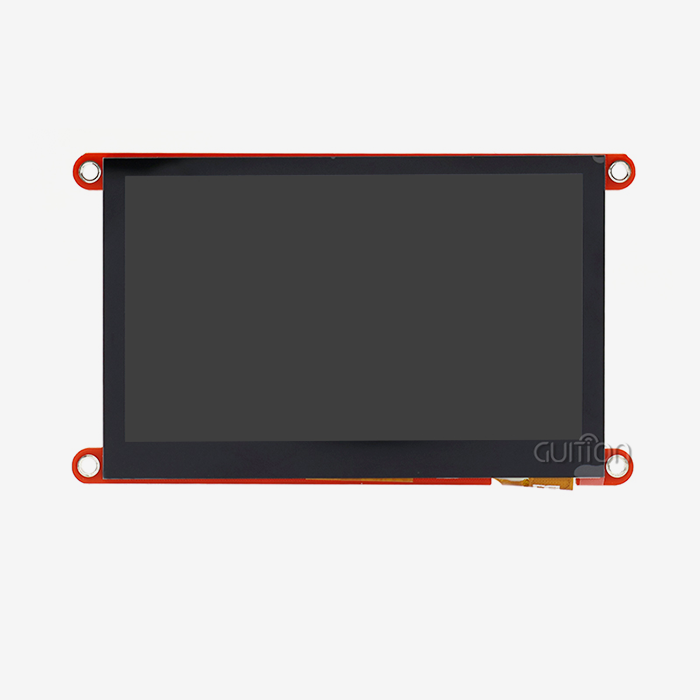
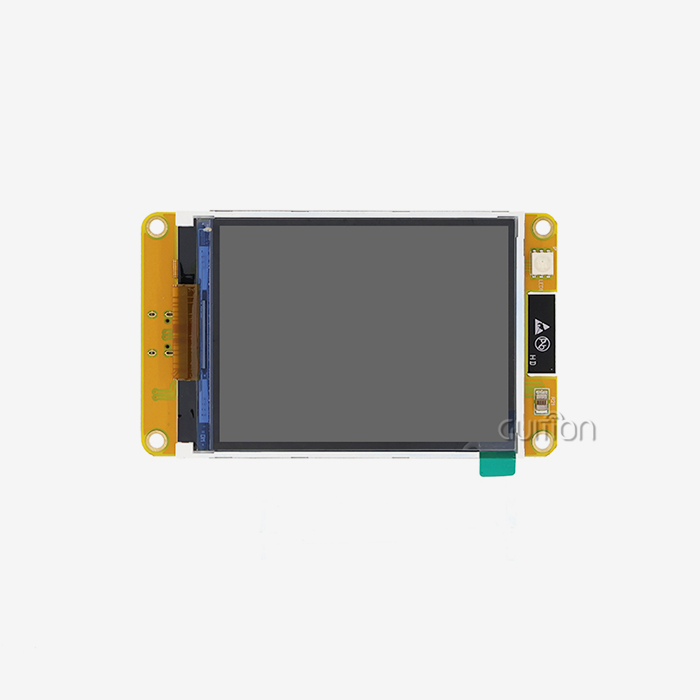
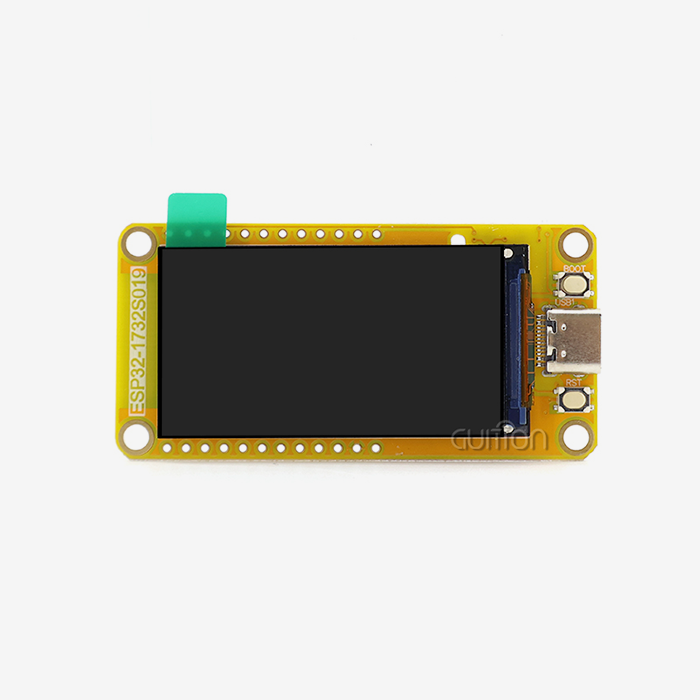
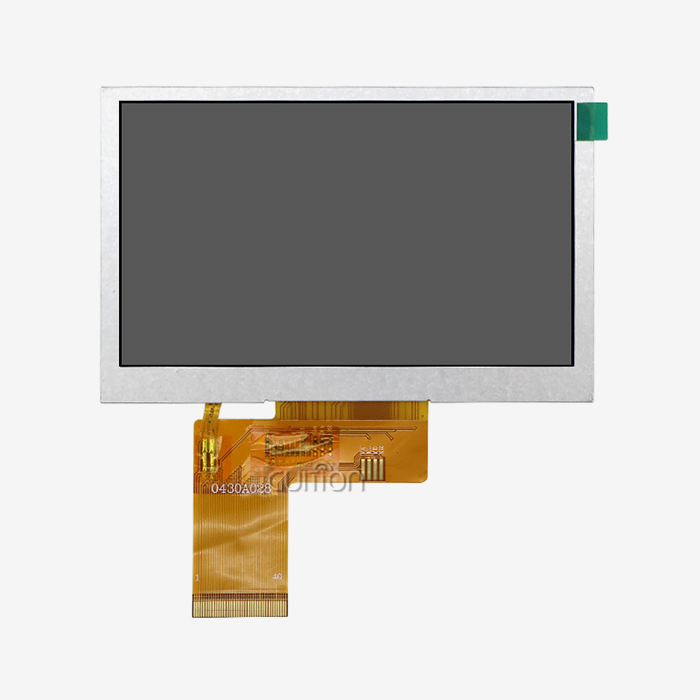
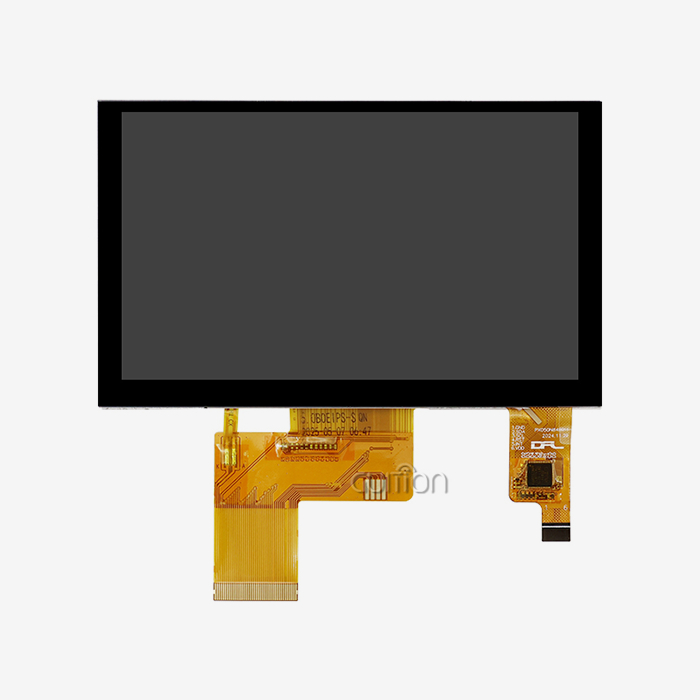
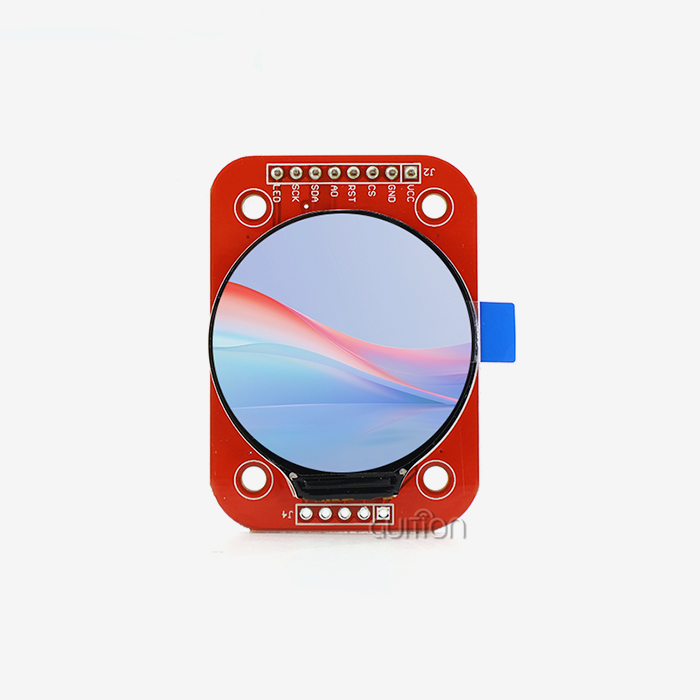
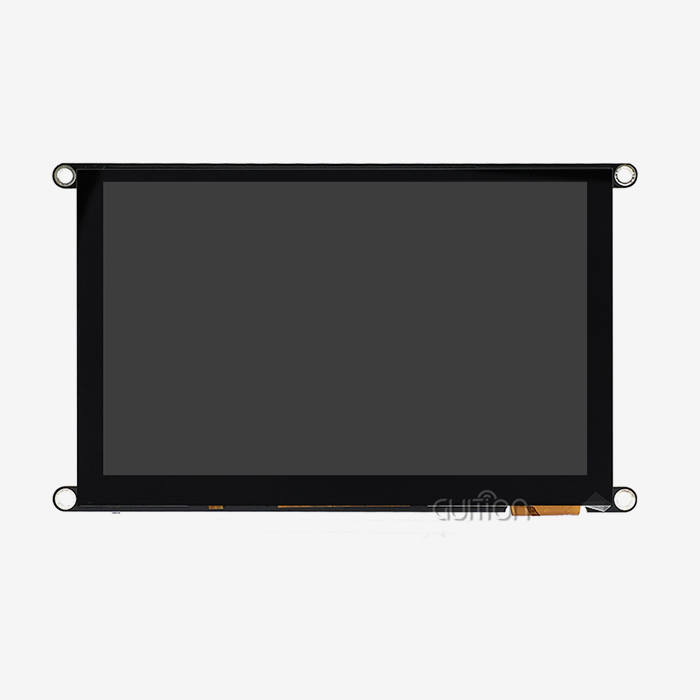
The ESP32 platform works with almost all of the popular display technologies on the market today. For color-rich uses, TFT LCD panels are still the most popular choice. They come in a range of resolutions, from 240x320 pixels to 800x480 pixels for bigger screens. OLED screens are popular with developers who are making battery-powered products because they have high contrast ratios and use less power when dark themes are used. E-Ink screens are used in specific situations where they need to be readable in direct sunlight and use very little power, like in field instruments and small medical equipment. This is shown by the Guition ESP32-2432S024R, which has a 2.4-inch TFT screen with a resolution of 240x320. This module has a sensitive touch panel built in, so it can reliably recognize input even when users are wearing gloves. This is important for industrial control panels and medical equipment, where contamination rules require protective gear.
Technical Ecosystem and Driver Support
The ESP32 ecosystem is different from other systems because its display driver packages are more mature. The LVGL graphics library is now standard in the industry. It offers hardware-accelerated drawing through DMA channels that free up the CPU for screen refresh tasks. This design lets graphics run smoothly and touch screens work well, even when the processor is also working on network tasks at the same time. This ecosystem benefit is used by the ESP32-2432S024R, which supports various development platforms. Engineers who are familiar with the Arduino IDE can make prototypes quickly by usinESP32 development board, displaying code and tools they already know. For advanced memory management and real-time operating system features, people who need lower-level control can switch to ESP-IDF. The exclusive Guition development software adds a new layer, letting UI designers make complex interfaces using drag-and-drop functions even if they don't know embedded code.
Comparative Ecosystem Analysis
The working power of STM32 microcontrollers is about the same, but they don't have a built-in wireless connection. Adding Bluetooth or Wi-Fi to an STM32 project needs extra modules, which raises the cost of the bill of materials and makes the PCB more complicated. Engineers have to combine different sets of code for the main controller and transmission units, which breaks up the development process. Graphical user interfaces today are very hard for older Arduino boards like the Arduino Mega to handle. The 240MHz dual-core speed that ESP32 offers is too fast for their 8-bit or 16-bit designs to handle. Screen refresh rates slow down, and it becomes impossible to use complicated UI movements. Raspberry Pi systems have better computer power, but they use a lot more power, usually measured in watts instead of milliwatts. Because of this, they can't be used in battery-powered apps, which is where the ESP32 shines. The Raspberry Pi needs an operating system, which adds to the boot time and could cause stability issues that aren't present in bare-metal microcontroller options.
Comparison and Analysis: ESP32 Displays vs Other MCU Displays
Specifications are only one part of the story of buying. The success of a project is eventually determined by its commercial factors, such as ecosystem growth, time-to-market acceleration, and total cost of ownership.
Processing Architecture and Performance
The two-core design of modules like the ESP32 development board display completely changes how engineers create user interfaces. One core can be used to control the display and respond to touches only, while the second core takes care of network protocols, sensing data collection, and business logic. When network traffic goes up, single-core solutions have problems with frame rate stuttering and touch lag. This parallel processing gets rid of those problems. The module's 520KB SRAM and 4MB Flash memory give you a lot of room to store unique fonts, text lines in multiple languages, and graphics. When looking at competing MCUs in the same price range, they usually only offer half of these memory specs. This means that developers have to keep optimizing them or use external memory solutions that make board planning more difficult.
Wireless Integration Advantages
Having built-in connectivity changes the economy of growth. The ESP32-2432S024R comes ready to connect to MQTT brokers for collecting data in factories, to use over-the-air (OTA) software changes for remote maintenance, or to set up a smartphone as a Bluetooth Low Energy peripheral. These features are already built in, and you don't have to buy any extra parts or tune the receiver. Adding the same features to an STM32 or regular Arduino base costs an extra $8 to $15 per unit for the wireless module and takes time for engineers to integrate and certify. For commercial deployments of 1,000 units, this means straight material costs of $8,000 to $15,000, and that's before you take into account the longer development timeframe.
Development Resources and Community Support
The ESP32 group has built up a large knowledge base that covers typical problems with integration. There is a lot of information on forums and GitHub sources about how to fix display driver issues, how to calibrate touch, and how to save power. When compared to proprietary systems with small user groups, this shared knowledge makes troubleshooting much faster. This ecosystem benefit is made even better by Guition, which offers full technical documentation, standard designs, and direct engineering help. The company's Guition development software has UI templates for popular apps like thermostats, process monitors, and control screens that engineers can change instead of starting from scratch.
Cost-Value Analysis for Procurement
At the level of the individual parts, ESP32-based display units seem to be priced similarly to other options. When you add up all the project costs, the real value offered becomes clear. Less time spent on growth means more money coming in faster. Integrated Wi-Fi gets rid of the need for multiple SKUs on your bill of materials. Field data from industrial automation setups shows that being able to update software remotely cuts ongoing support costs by 40 to 60 percent. When purchasing, teams are talking about large orders, providers like Guition offer discounts on modules based on the number of units bought, while still keeping the same quality standards. Because the ESP32-2432S024R is reliable enough for industrial use, it has lower failure rates during production assembly and longer field lives, which lower guarantee costs.
Application Scenarios: Which Display Wins in Different Contexts?
The best display technology is chosen based on the needs of the real-world application. Processing power, connection, environmental resilience, and power costs are all put to different tests in different settings.
IoT and Smart Home Applications
The ESP32's wireless features are very useful for smart thermostats, device control interfaces, and home automation panels. These gadgets need to stay connected to cloud services or local MQTT brokers all the time and have touch screens that respond to touch. Network latency doesn't hurt the user experience with the dual-core design, which is a regular problem with single-core alternatives. The ESP32-2432S024R has a built-in photosensitive chip that lets the lights change automatically based on the lighting around it. This makes it easier to use while saving power. The RGB LED control circuit lets you see the status without taking up any screen space, and the speaker driver lets you hear important messages.
Industrial Control and Monitoring
In factories, things need to be toughly reliable and able to handle electromagnetic interference from big machinery. The ESP32-2432S024R is designed with insulation and good grounding techniques that make it less vulnerable to EMI. Temperature tolerances of -20°C to +70°C are enough for most workplace settings to work without any extra outdoor protection. The DHT11 interface and special GPIO lines on the module let you connect directly to industrial sensors without using any conditioning circuits in between. This makes designing panels easier and cuts down on failure points. The TF card interface lets you log data locally, which is important for keeping production records when you can't connect to the network.
Portable and Battery-Powered Instruments
Power economy is important for handheld measuring tools, portable medical monitors, and outdoor data collection tools. The ESP32's deep sleep settings use very little power and keep the memory state. It only takes milliseconds to wake up the processor, get data from sensors, update the screen, and go back to sleep, so the battery lasts for weeks or months of use. The ESP32-2432S024R can be powered by USB for research or by a lithium battery for apps that have already been launched. Integrated charging circuitry with safety features makes designing portable products easier because you don't need to include external charging management integrated circuits in your bill of materials.
Procurement Guide: Sourcing ESP32 Displays with Confidence
It is just as important to choose the right source as it is to choose the right tool. Different makers' quality can make even well-designed goods less useful.
Verifying Supplier Credentials
ESP32 development board display. Reputable companies like Guition show their dedication by being open about their quality processes. Look for providers who offer thorough datasheets that list the electrical properties, mechanical measurements, and tolerances for the setting. Manufacturing standards, such as ISO9001, show that quality control is systematic, not that production methods aren't consistent. Before agreeing to large sales, ask for sample units. Check how consistent the screen flatness, touch calibration, and solder joint quality are. Reputable sellers like this kind of scrutiny because it shows that they are confident in their products.
Evaluating Technical Support Quality
Professional suppliers and component dealers are different in the quality of their technical help. Guition gives you direct access to tech teams that know how the ESP32-2432S024R works and can help you fix problems with connectivity. When production targets are coming up quickly, this help is very helpful. Ask technical questions before the sale to see how quickly the help team is. When suppliers offer specific, correct answers within 24 hours, they usually keep up that level of response after the sale. People who give unclear answers or take a long time to answer probably don't know enough about technology to do difficult troubleshooting.
Customization and Secondary Development
Modifications that go beyond standard module setups are needed for many uses. The ESP32-2432S024R supports secondary development with open GPIO pins, well-documented APIs, and different programming environments. This makes it easier to make changes without having to make totally new hardware. The programming tools that come with Guition speed up this process a lot. With WYSIWYG editing, the Guition software lets you make quick changes to the user interface. This gets rid of the compile-flash-test loop that takes hours in traditional embedded development. You can move controls around by dragging and dropping them, and the changes you make are seen right away, not after the code is compiled.
Negotiating Volume Pricing
Volume price is very important for keeping margins when going from a pilot to mass production. Set up clear ways to talk about expected numbers and arrival times. Some suppliers, like Guition, set their prices in a way that rewards bigger promises while also allowing for the gradual ramp-up that is common when a new product is first introduced. Beyond the unit price, think about the total cost of ownership. When engineering time costs are taken into account, a supplier that offers 10% lower component prices but no technical help may end up being more expensive in the long run. Check the warranty terms, RMA procedures, and product lifetime promises to make sure there aren't any problems in the supply chain during production.
Future Trends and Innovations in MCU Display Technologies
The world of integrated displays is still changing quickly. Keeping up with new technologies helps buying teams make decisions that will still be useful over the course of a product's many years of life.
Emerging Display Technologies
MicroLED screens offer contrast ratios similar to OLEDs with better brightness and longer life. As the cost of making these screens goes down, they will be able to be used in industrial settings that need to be readable in direct sunlight and have long-lasting batteries. Because its display interface design is flexible, the ESP32 is ready to use these new technologies as they become available. Flexible OLED screens make it possible for displays to be bent or conformal and fit in perfectly with the designs of commercial products. Wearable medical gadgets and car interiors are two areas that will drive usage. The ESP32 uses little power, which makes it perfect for wearable tech where the width of the gadget is limited by the battery.
Software Ecosystem Evolution
The next big thing in HMI design is AI-driven interface adaptation. In the future, tools like Guition software might automatically improve plans based on how they are used, change contrast to suit the way a person sees, or make interfaces easier to use when they recognize signs of operator stress. The ESP32 has enough computer power to handle these complex methods without having to redesign the hardware.As more and more gadgets are connected, better protection features are becoming more and more important. In the future, different versions of the ESP32 are likely to include hardware-accelerated encryption for display material. This will help keep medical and banking data safe. Secure start and software validation will no longer be extras, but will be required features.
Strategic Supplier Partnerships
When providers put money into ecosystem growth instead of just making parts, technology changes faster. This method is shown by Guition's ongoing software changes, growing libraries of components, and efforts to involve the community. When you work with these kinds of providers, you can get early access to new skills that can help your goods stand out in crowded markets. Check out possible suppliers by looking at how much they spend in research and development, how many patents they have, and how involved they are in making industry standards. These signs show which companies will be the first to adopt new technologies instead of following what the market does.
Conclusion
When you compare ESP32 development board display to other options, it's clear that the latter is better for uses that need Wi-Fi connection, quick development, and cost-effective expansion. The ESP32's dual-core design, built-in networking, and mature environment give it real benefits that lead to faster time-to-market and lower overall project costs. Modules like the Guition ESP32-2432S024R put these features into ready-to-deploy systems, which make it easier to use than putting together separate components. While the STM32, Arduino, and Raspberry Pi platforms are good at what they do, the ESP32 is the best choice for current IoT, industrial HMI, and smart device apps that need to be both technically excellent and profitable.
FAQ
Which display library works best across different MCU platforms?
The LVGL library, which works with ESP32, STM32, and most other microcontrollers, has become the standard across all platforms. It uses hardware acceleration when it's available and gracefully falls back on systems that don't have it. The MIT license for the library lets businesses use it without paying fees, which makes it perfect for making new products.
What criteria should guide the choice between OLED and TFT displays?
The best choice is based on how much power is used. Because black cells use almost no power, OLED works best in apps with mostly dark interfaces. TFT screens use the same amount of power no matter what they're showing, but they are brighter so they can be read in bright sunlight. Also, think about the viewing angle needs. IPS TFT panels offer wider viewing angles than regular TFT or OLED screens.
How can the authenticity of ESP32 display modules be verified?
Ask your sellers for batch tracking paperwork. Genuine modules have serial numbers that are laser-etched on them so that companies like Guition can keep track of them as they are made. Check the basic functions, such as the wireless performance. Fake modules often use poor radio components that don't meet approval requirements. Suppliers you can trust give you certificates of conformity that show they meet safety and electromagnetic compatibility standards.
Partner with Guition for Your Next Display Solution
This is the last place you need to look for a trusted ESP32 development board display provider. The ESP32-2432S024R modules from Guition mix tried-and-true hardware with the best development tools in the business. This makes normal project timelines 40–60% shorter. Our engineering team can be reached at david@guition.com for straight technical advice on how to match display specs with the needs of your application. Guition's manufacturing is flexible enough to adapt to your growth, whether you need a single unit for testing or a lot more than 10,000 units for mass production. We keep a large stock of the ESP32-2432S024R and related sizes from 1.28" to 21.5" to make sure that your production plans are always met. Get in touch with us right away to talk about your project needs and find out how Guition's complete HMI solutions can help you get your idea to a product that is ready for market faster.
References
1. Espressif Systems. (2023). "ESP32 Technical Reference Manual: Display Interface Configuration and Performance Optimization." Espressif Documentation Series, Vol. 4.2.
2. LVGL Development Team. (2023). "Graphics Performance Benchmarking Across ARM Cortex-M and Xtensa Architectures." Journal of Embedded Graphics Systems, 15(3), 234-256.
3. International Electrotechnical Commission. (2022). "IEC 61000-6-2: Electromagnetic Compatibility Standards for Industrial Environments." IEC Standards Publication.
4. Chen, W., & Rodriguez, M. (2023). "Comparative Analysis of Microcontroller Display Interfaces: SPI, Parallel, and RGB Performance Metrics." IEEE Transactions on Consumer Electronics, 69(2), 445-458.
5. Industrial IoT Consortium. (2023). "HMI Design Guidelines for Connected Manufacturing Systems: Display Technology Selection Criteria." IIC White Paper Series, Report IIC-WP-2023-07.
6. Zhang, L., Kumar, S., & Thompson, R. (2022). "Power Consumption Modeling in Battery-Operated Embedded Display Systems." ACM Transactions on Embedded Computing Systems, 21(4), Article 48.
Learn about our latest products and discounts through SMS or email