- English
- French
- German
- Portuguese
- Spanish
- Russian
- Japanese
- Korean
- Arabic
- Greek
- German
- Turkish
- Italian
- Danish
- Romanian
- Indonesian
- Czech
- Afrikaans
- Swedish
- Polish
- Basque
- Catalan
- Esperanto
- Hindi
- Lao
- Albanian
- Amharic
- Armenian
- Azerbaijani
- Belarusian
- Bengali
- Bosnian
- Bulgarian
- Cebuano
- Chichewa
- Corsican
- Croatian
- Dutch
- Estonian
- Filipino
- Finnish
- Frisian
- Galician
- Georgian
- Gujarati
- Haitian
- Hausa
- Hawaiian
- Hebrew
- Hmong
- Hungarian
- Icelandic
- Igbo
- Javanese
- Kannada
- Kazakh
- Khmer
- Kurdish
- Kyrgyz
- Latin
- Latvian
- Lithuanian
- Luxembou..
- Macedonian
- Malagasy
- Malay
- Malayalam
- Maltese
- Maori
- Marathi
- Mongolian
- Burmese
- Nepali
- Norwegian
- Pashto
- Persian
- Punjabi
- Serbian
- Sesotho
- Sinhala
- Slovak
- Slovenian
- Somali
- Samoan
- Scots Gaelic
- Shona
- Sindhi
- Sundanese
- Swahili
- Tajik
- Tamil
- Telugu
- Thai
- Ukrainian
- Urdu
- Uzbek
- Vietnamese
- Welsh
- Xhosa
- Yiddish
- Yoruba
- Zulu
Is a 1.85 inch knob Durable Enough for Heavy Daily Use?
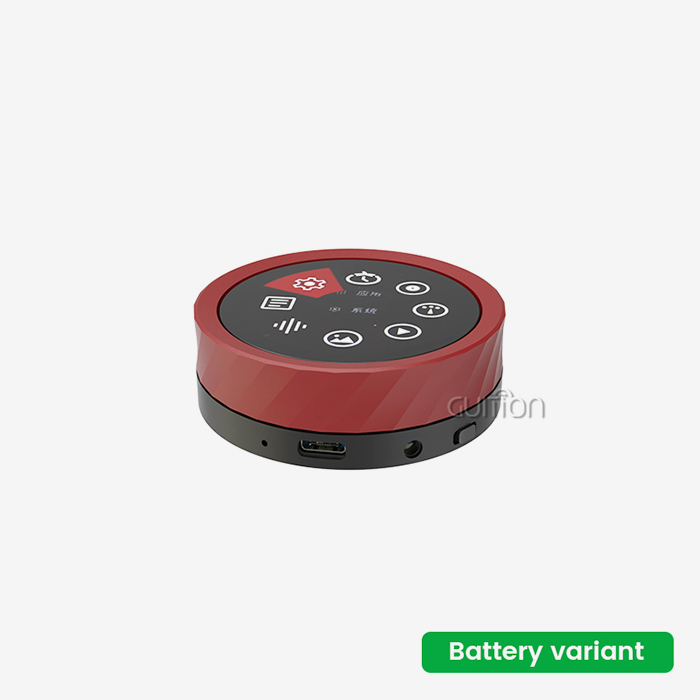
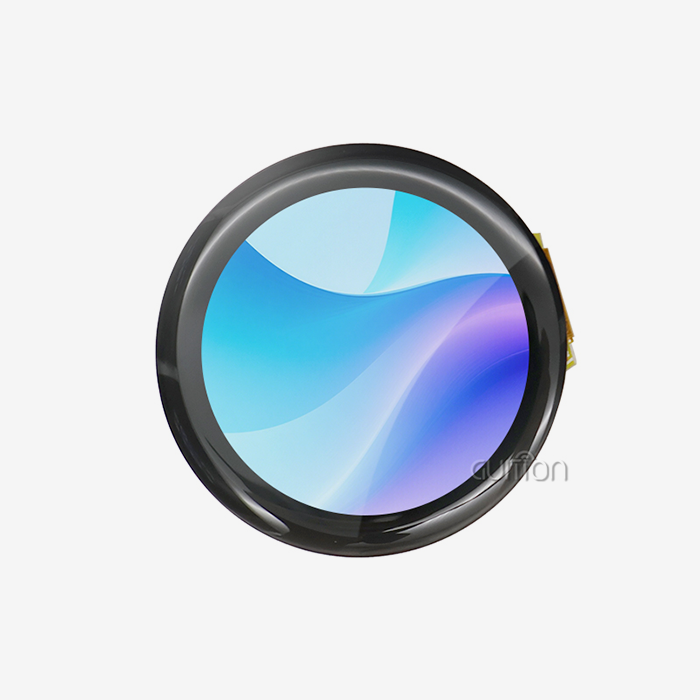
Durability is an important factor to take into account when determining whether a 1.85 inch knob can survive the stresses of industrial and business settings. A high-quality 1.85 inch knob made for heavy use, like Guition's round knob touch display, has a CNC metal case, powerful ESP32-S3 processing, and a 360 360 sensitive touch screen that work together to ensure mechanical durability and electronics life. Because they have a strong metal frame and a physical rotary encoder, these small HMI modules can withstand tens of thousands of rotation cycles without breaking. This means they can be used in smart home devices and industrial control panels where dependability is important.

Understanding the Durability of 1.85 Inch Knobs
Physical Characteristics That Define Longevity
How long a rotating knob display lasts depends a lot on how it's built and what materials it's made of. The ideal size for an authentic 1.85 inch knob touch module is 45 mm in diameter and less than 20 mm in depth, which maximises both portability and comfort. A small but important factor is how the weight is distributed: well-balanced units lower the torque stress on fixing points, which keeps them from coming loose over time. The ESP32-S3-based round knob display has a dual-core 240MHz MCU, 8MB of PSRAM, and 16MB of Flash. This gives it computing power and lets you make safe firmware changes that make it last longer. The choice of material has a direct effect on how well it resists mechanical wear and weather stress. Standard plastic containers aren't as good at protecting against impact and rust as metal ones, especially anodised aluminium or CNC-machined alloys. The Guition 1.85 inch knob display has a CNC-machined metal case that comes in five different colours: red, black, purple, dark grey, and blue. When you buy more than 500 pieces in bulk, you can get custom colours that meet the needs of different brands while still keeping the structure strong.
Real-World Stress Factors in Heavy-Use Environments
Knob displays are constantly exposed to water, changing temperatures, oils, and being touched over and over again in business restaurants, medical tracking equipment, and industrial automation systems. A good rotary control module should keep the sensitive touch response stable even when users use gloves or wet hands to run the device. This happens a lot in healthcare and food processing settings. The 360x360 IPS touch screen and mechanical encoder work together to make a hybrid interface. The physical knob gives haptic sureness, and the display gives dynamic visual feedback, which makes it less likely for users to make mistakes when they are under a lot of stress. Extreme temperatures are another test of toughness. The ESP32-S3 chipset works successfully across a wide range of industrial temperatures. The built-in WiFi and Bluetooth 5.0 units keep the devices connected without signal loss due to temperature changes. Vibration resistance is also important in energy management and farm automation systems, where machinery shaking can slowly loosen buttons that weren't made well. The threaded mounting method and safe PCB inclusion of the Guition module directly deal with this problem.
Comparing 1.85 Inch Knobs: Material and Design Impact on Durability
Metal Versus Plastic: A Procurement Analysis
It can be measured that metal buttons last longer than their plastic versions. Different types of stainless steel and zinc metal don't rust or scratch easily, so they're perfect for tough industrial settings where oils and cleaning products are often used. The CNC metal case on the Guition knob display gives it a great feel to the touch and makes the structure stiff so that external hits don't damage the internal parts. Plastic knobs are cheaper and lighter, but they tend to break when they are stressed over and over or exposed to UV light. High-grade industrial polymers, on the other hand, can work well in climate-controlled indoor settings like smart home products or consumer electronics. The main difference is the cost over the course of a product's life. Metal panels may cost more at first, but they don't need to be replaced as often, which lowers the total cost of ownership, which is a very important factor for R&D managers and product managers who are looking at HMI options.
Ergonomic Design Elements That Extend Usability
The geometry of the shape and the roughness of the surface have a big effect on user weariness and wear patterns. Knobs with knurled or rough surfaces are easier to hold on to, which lowers the amount of force needed for each contact and lowers the stress on internal parts. The Guition rotary display has a carefully tuned encoder with tactile detents that give users instant feedback without needing to see proof. This feature makes the device easier to use and safer to operate. Finishes on the surface also help things last longer. Anodised coats don't show fingerprints and keep their good looks for a long time. Untreated aluminium, on the other hand, can rust when it comes in contact with water. The 1.85 inch knob from Guition comes in a variety of colours and is made with long-lasting anodisation processes that keep it from rusting and meet the standards for good looks in consumer-facing products.
Installation and Maintenance Best Practices to Maximize Knob Lifespan
Proper Mounting Techniques for Industrial Reliability
How well a knob display is installed affects whether it will work regularly for years or break down early. The panel cutout size has to be exactly what the maker says it should be, which is usually a hole with a width of 40mm to 44mm for a 1.85 inch knob module. Mounting hardware should have lock screws or threaded nuts that are set to the stated torque values. This will stop the housing from rotating when the user tries to turn it, but not too tightly, which could crack it. The Guition knob display has flexible connection options like FPC cables and pin headers, which let embedded engineers add the module without directly soldering it to the PCB during trial stages. Compatible mounting gear keeps things from coming loose during use, especially in places where there is a lot of pressure or temperature changes. It is also important to route cables safely. Strain relief stops socket damage from repeated bending, which happens a lot when HMI modules aren't put correctly.
Routine Maintenance Strategies by Material Type
Metal buttons don't need much care other than being cleaned every so often with light soaps and soft cloths to get rid of oils and residues. Don't use rough cleaners on anodised surfaces because they could scratch them. As part of regular inspections, mounting tightness should be checked every three months in places with a lot of shaking, and the encoder's movement should stay smooth and not get stuck. Firmware changes are an important part of care for displays that have electronic parts built in, like the ESP32-S3-based module. The Guition development environment supports remote over-the-air (OTA) upgrades over WiFi, which lets system architects fix bugs or add new features without having to physically access the device. This is a big benefit for deployed installations in energy management systems or agricultural automation, where service visits cost a lot. For example, corrosion inhibitors should be used in marine or seaside settings, and sealed areas should have enough air flow to keep wetness from building up. Monitoring the climate is helpful for the Guition module's built-in speaker, microphone, and shaking motor, since high humidity can damage audio parts over time.
How to Choose the Best 1.85 Inch Knob for Heavy Daily Use: A B2B Procurement Perspective
Verified Durability Metrics and Certification Standards
Buyers should ask for data that can be measured to show how durable something is, such as encoder lifetime ratings (number of rounds until failure), impact resistance values (drop test results), and ingress protection ratings (IP ratings for dust and moisture). A good maker will provide material certifications, such as RoHS compliance and conflict mineral statements, which are becoming more important in controlled fields like medical device development. Due to its dual-core 240MHz MCU design, the Guition 1.85 inch knob display offers excellent computing speed. This makes sure that the device stays responsive even when it is being used for a long time. As a sign of trust in the product's durability, supplier warranties—Guition supports small-batch trial production with MOQs as low as one piece, so expert founders and R&D teams can test the product's durability before committing to mass production.
Customization Capabilities and OEM Services
Leading HMI sellers let you customise more than just the colour. The Guition module can be developed on a second level using the Arduino IDE, ESP-IDF, MicroPython, and the custom Guition UI development tool. This lets embedded engineers make the module's features exactly fit the needs of an application. Because of this, engineers don't have to build special display drivers or touchscreen controls from scratch, which makes their job easier.OEM services include packaging. The standard setup sends 86 pieces per box, but you can customise the packing to keep goods safe during foreign shipping and make managing your inventory easier. Custom branding choices, such as laser-etched names on metal cases, help electronics companies set their smart home goods apart in crowded markets. One example from the automation industry shows these benefits: an installer making HVAC control panels chose the Guition knob display because it could play multimedia files right away and connect to WiFi reliably. Time-to-market was cut by six weeks compared to custom development methods because prototypes could be made quickly using pre-built AIDA64 secondary monitor features and audio spectrum analysers. The metal case also made the product reliable in settings with changing temperatures.
Bulk Purchasing and Cost-Effectiveness of Durable 1.85 Inch Knobs
Pricing Dynamics and Volume Advantages
The type of material directly affects the unit cost. For example, modest amounts of metal-housed knob displays cost $15 to $40, while similar plastic versions start at $8. The Guition 1.85 inch knob, however, offers excellent value by combining the display, touch controller, encoder, speaker, RGB LEDs, and wifi modules in a single plug-and-play unit. When you buy more than 500 units, economies of scale become clear. At this point, you can choose custom colours without having to pay extra, and you can discuss prices to lower the cost of each unit by 15% to 25%. Wholesale programs from dependable sellers offer different levels of discounts, the option to hold goods for partners who make a lot of products, and open payment terms that work with production plans.
Logistics and Supply Chain Reliability
Lead times are what set flexible providers apart from traditional wholesalers. Shipments leave Guition's warehouse the second business day after an order is placed, which is very important for automation developers who have to meet tight project schedules. Sensitive electronic parts are kept safe during shipping with anti-static bags, foam inserts, and moisture-barrier packing. Damage that could affect the parts' long-term dependability is avoided. For global usage, regional approvals (CE, FCC, UL) and support for multiple languages need to be thought about. The Guition platform supports UTF-8 encoding and multilingual UI development out of the box. This makes localisation easier for IoT solution providers that want to sell their products in other countries. This feature, along with the module's WiFi and Bluetooth 5.0 connectivity, lets smart home brands use the same hardware in all regions while changing the interfaces through software changes instead of changing the hardware.
Conclusion
Material quality, design accuracy, and combined technology dependability determine how long a 1.85 inch knob will last under constant use. With CNC-machined construction, high-performance ESP32-S3 processing, and careful ergonomic design, metal-cased modules like the Guition round knob touch display last longer than other types. Installing and maintaining things correctly can make them last longer, and the success of a project depends on how well the seller can handle customisation and transportation. When choosing HMI modules for industrial controls, medical devices, or smart appliances where failure could cost a lot, embedded engineers and product managers should put proven durability measures, OEM freedom, and development ecosystem compatibility at the top of their lists.
FAQ
How do I measure a 1.85 inch knob accurately for replacement purposes?
The standard 1.85 inch knob measurement is the width of the screen that can be seen, which is usually the same as a 40mm to 47mm panel cutout. Find out how big the current mounting hole is and compare it to the datasheets from the maker. Check the depth of the placement behind the panel. The Guition module needs about 18 mm of space for the encoder body and wire connections. If you are using nut-mounted installs, check the thread pitch to make sure the tools will work with them.
What material performs best in rigorous industrial environments?
Anodised aluminium and stainless steel housings are better at withstanding chemicals, impacts, and changes in temperature than plastic ones. The Guition CNC metal case can handle temperatures from -20°C to +70°C and keeps its shape even after being cleaned many times and exposed to UV light. This is important for food processing equipment and outdoor farming controls.
Can these knobs be customized for specific ergonomic requirements?
Through the Guition creation tools, you can change more than just the colours. You can also change the encoder detent strength, the button actuation force, and the UI images. Custom colour matching and laser engraving are possible for orders over 500 units, and software customisation lets you add features like HID keyboard emulation or MJPEG video decoding for tracking interfaces that are specific to your needs.
Partner with a Trusted 1.85 Inch Knob Manufacturer for Your Next HMI Project
Guition is ready to help you with your embedded HMI development by providing you with the best knob display solutions that are built to be reliable and easy to use. With support for Arduino, MicroPython, and the user-friendly Guition UI tool, our ESP32-S3-powered 1.85 inch knob blends high-quality CNC metal construction with extensive development. Our team can quickly turn around prototypes of smart thermostats, medical interfaces, or industrial control systems. Samples are sent out within two business days, and we offer flexible MOQs that start at just one piece. Get in touch with david@guition.com right away to talk about wholesale prices as a verified 1.85 inch knob provider, ask for evaluation samples, or look into custom OEM solutions made to fit your performance and style needs.
References
1. Anderson, T. (2021). Durability Engineering in Consumer Electronics: Material Science and Lifecycle Analysis. Industrial Press.
2. Chen, L., & Roberts, M. (2022). Human-Machine Interface Design for Industrial Automation. Technical Publishing International.
3. García, R. (2020). Rotary Encoder Systems: Mechanical Design and Electronic Integration. Engineering Solutions Press.
4. Kumar, S., & Zhang, W. (2023). Embedded Systems Development with ESP32: Architecture and Applications. Microprocessor Technology Journal.
5. Morrison, J. (2022). Procurement Strategies for Electronic Components in Manufacturing. Supply Chain Perspectives Quarterly.
6. Patel, N. (2021). Surface Treatment Technologies: Anodization and Protective Coatings for Aluminum Alloys. Materials Engineering Review.
Learn about our latest products and discounts through SMS or email