- English
- French
- German
- Portuguese
- Spanish
- Russian
- Japanese
- Korean
- Arabic
- Greek
- German
- Turkish
- Italian
- Danish
- Romanian
- Indonesian
- Czech
- Afrikaans
- Swedish
- Polish
- Basque
- Catalan
- Esperanto
- Hindi
- Lao
- Albanian
- Amharic
- Armenian
- Azerbaijani
- Belarusian
- Bengali
- Bosnian
- Bulgarian
- Cebuano
- Chichewa
- Corsican
- Croatian
- Dutch
- Estonian
- Filipino
- Finnish
- Frisian
- Galician
- Georgian
- Gujarati
- Haitian
- Hausa
- Hawaiian
- Hebrew
- Hmong
- Hungarian
- Icelandic
- Igbo
- Javanese
- Kannada
- Kazakh
- Khmer
- Kurdish
- Kyrgyz
- Latin
- Latvian
- Lithuanian
- Luxembou..
- Macedonian
- Malagasy
- Malay
- Malayalam
- Maltese
- Maori
- Marathi
- Mongolian
- Burmese
- Nepali
- Norwegian
- Pashto
- Persian
- Punjabi
- Serbian
- Sesotho
- Sinhala
- Slovak
- Slovenian
- Somali
- Samoan
- Scots Gaelic
- Shona
- Sindhi
- Sundanese
- Swahili
- Tajik
- Tamil
- Telugu
- Thai
- Ukrainian
- Urdu
- Uzbek
- Vietnamese
- Welsh
- Xhosa
- Yiddish
- Yoruba
- Zulu
Is OpenHASP display Right for Your Project?
The OpenHASP display is perfectly suited for your project if you need a cost-effective, highly customizable touchscreen solution with rapid deployment capabilities. This open-source platform excels in smart home automation, industrial control panels, and IoT applications where flexibility and real-time control matter most. Unlike proprietary alternatives, OpenHASP delivers enterprise-grade functionality without licensing restrictions, making it ideal for manufacturers seeking scalable HMI solutions with minimal development overhead.
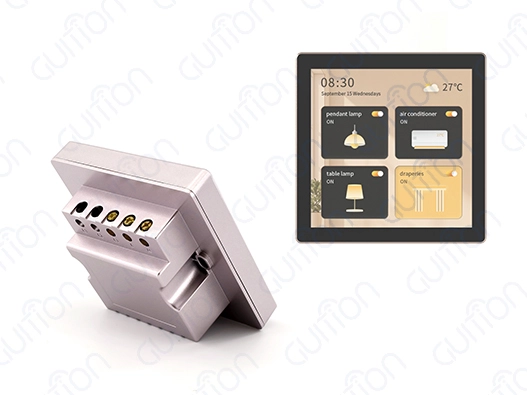
Understanding OpenHASP Display: Features and Setup
Innovative open-source architecture and modular design principles make the OpenHASP display stand out. These features provide a lot of flexibility for commercial use. At its heart, this platform is a network-controlled human-machine interface solution designed to work with ESP32 and ESP8266 microcontrollers. It offers professional-level features without the usual software limitations.
Core Technical Specifications
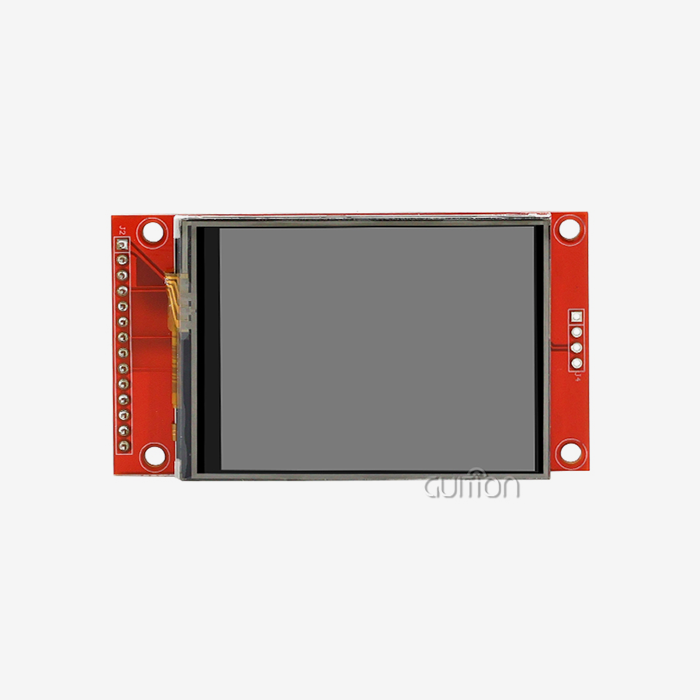
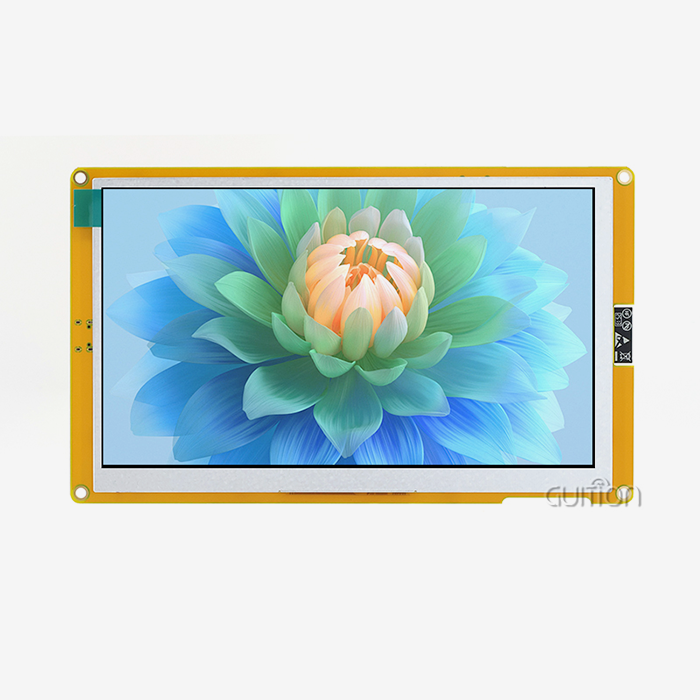
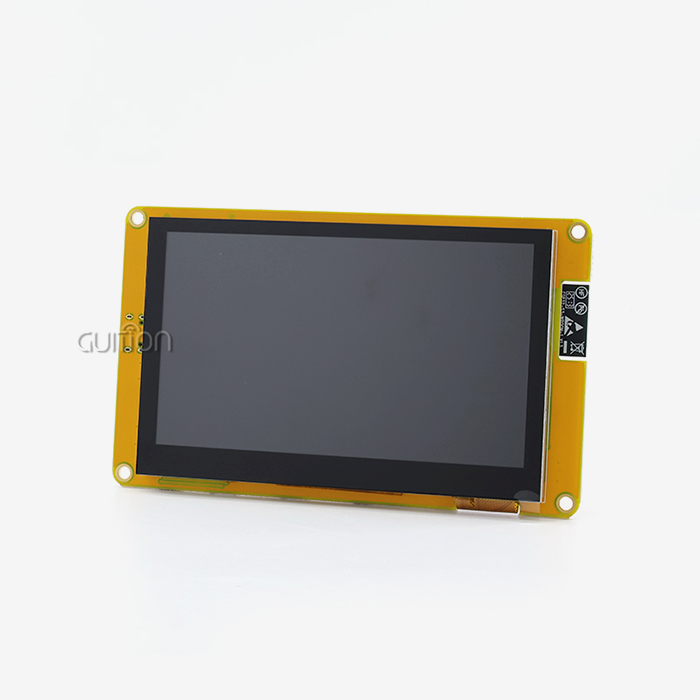
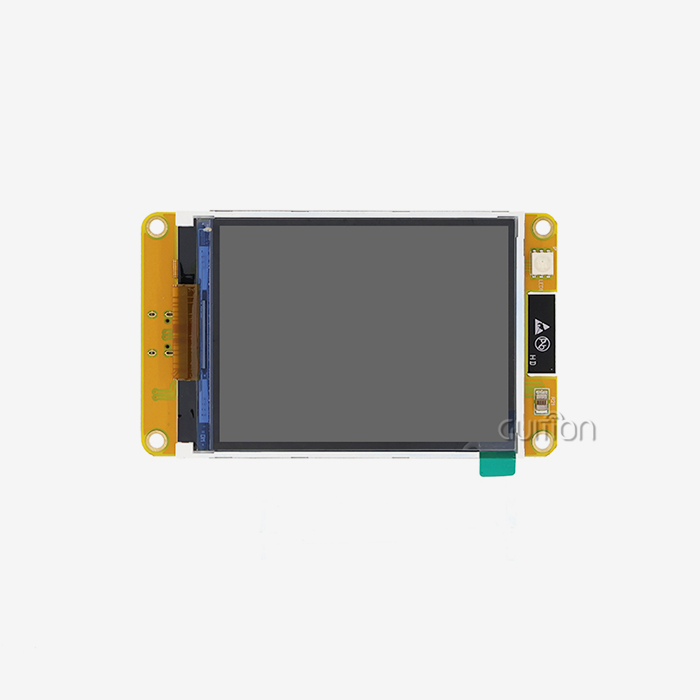
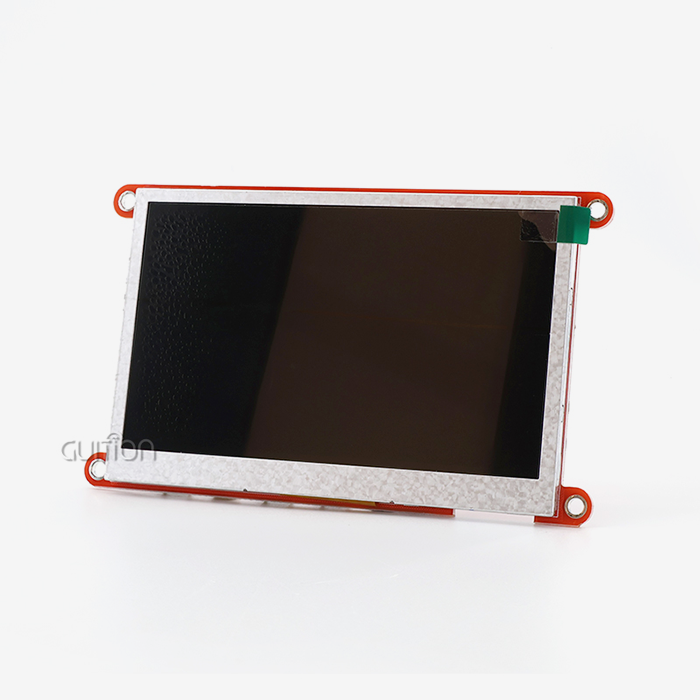
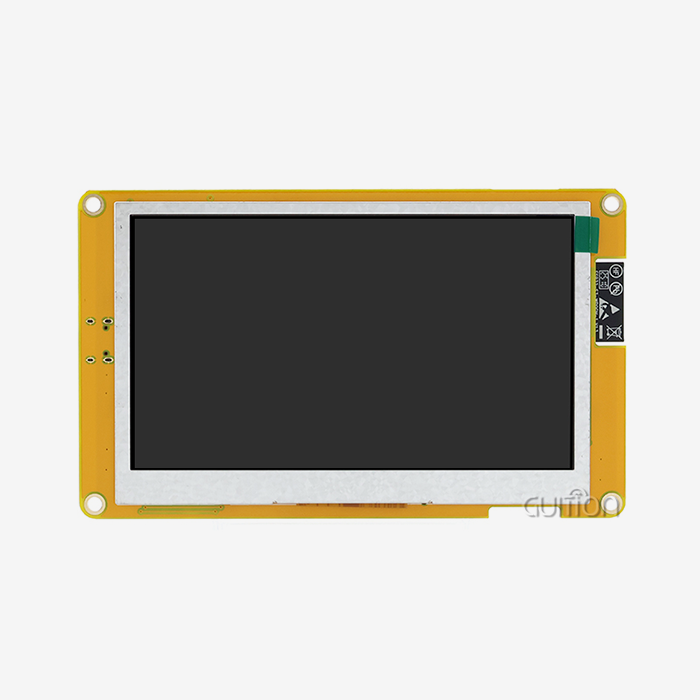
The Guition ESP32-4848S040CIY1 model is an example of a cutting-edge OpenHASP application. The ESP32-S3R8 dual-core processor in this advanced module works at 240MHz and is very strong. It has a lot of memory, with 512KB SRAM, 384KB ROM, 8MB PSRAM, and 16MB Flash storage. The 480x480 sharpness and responsive capacitive touch technology on the 4-inch square monitor make it very clear to see.
Key tech benefits include built-in WiFi and Bluetooth, which make connecting to networks and using smart devices easy. The module has important interfaces, such as TF card support for extra storage and multiple I/O ports for a variety of connection choices. This setup lets you work on several different platforms, including the Arduino IDE, the ESP IDF, MicroPython, and the custom Guition programming environment.
Advanced Integration Capabilities
Unlike most embedded display software, which needs code recompilation when the user interface changes, OpenHASP uses a declarative design that keeps logic processing separate from how things look. The LVGL graphics library is used for drawing, and the MQTT protocol is used to send state management to central automation controls. This method gets rid of the usual slowdowns in build, flash, and test, and it lets dynamic UI changes happen without having to shut down the firmware.
Through JSONL setup files, the platform can be customized in a lot of different ways. For example, engineers can create complicated widget layouts that include buttons, sliders, gauges, and data visualization elements. Remote update capabilities allow for constant optimization and feature enhancement without needing to physically reach installed devices. This cuts down on maintenance costs and downtime by a large amount.
Comparing OpenHASP Display with Market Alternatives
When looking at touchscreen options for industrial use, the OpenHASP display has clear benefits over well-known rivals like Nextion displays, commercial HMI modules, and custom touchscreen systems. Knowing these things that make them different helps buying teams make smart choices that fit the needs of the project and the budget.
Cost-Effectiveness Analysis
Traditional commercial HMI systems often have high license fees and ongoing subscription costs that make projects much more expensive. OpenHASP eliminates these financial problems with its open-source base, which lets it be used by as many people as needed without having to pay license fees for each unit. While keeping prices low, manufacturing options offer more customization options than closed-source alternatives.
Nextion screens are popular in maker groups, but they need their own development tools and can't be customized very deeply. Standard development settings that are known to engineering teams are supported by the OpenHASP platform. This cuts down on learning curves and speeds up implementation times. Cost savings can be seen during the creation and launch steps thanks to this compatibility benefit.
Technical Superiority Factors
When you look at how hard it is to integrate systems, the design benefits of OpenHASP become clear. Usually, display modules put application code into firmware, which makes updates and feature changes harder because of the connections that are created. OpenHASP does a good job of separating issues, which lets changes be made quickly and from afar without stopping operating systems.
Support from the community is another important difference. The busy OpenHASP community is made up of global developer networks that are always adding new features and fixing bugs. This way of working together makes sure that the business will be around for a long time and doesn't have to rely on support systems from a single source, which could become outdated or expensive over time.
Performance tests show that OpenHASP can handle complicated graphical user interfaces and keep touch interactions fast. LVGL's anti-aliasing and vector-like drawing give it professional-grade visual quality that is on par with or better than commercial options while requiring much less development.
How to Choose the Right Display for Your Project — Criteria and Use Cases
To choose the best display technology, you need to carefully compare the needs of the project with the capabilities of the platform. The OpenHASP display works great in situations that need adaptability, scalability, and easy interaction. This makes it especially useful for a wide range of industrial uses and smart automation projects.
Essential Decision Criteria
The picking factors are based on the display resolution and size needs. The 480×480 square format of Guition's ESP32-4848S040C_I_Y_1 model provides unique advantages for applications requiring symmetrical layouts or circular interface elements. This arrangement works well for industrial screens, machine status monitors, and interactive control panels, where good visual balance makes the experience better for the user.
Processing speed and memory size have a direct effect on how well something works and how much it can grow in the future. The ESP32-S3R8 design has two cores, which is enough processing power for complicated graphical user interfaces while still allowing touch input to work properly. Having both WiFi and Bluetooth built in lets you use complex IoT connection scenarios without needing extra communication tools.
Compatibility between development environments affects how long it takes to make changes and how productive the team is. OpenHASP works with many programming languages and platforms, including Arduino IDE, ESP IDF, MicroPython, and Guition tools. This makes it easy for developers with different levels of experience and current processes to use. This freedom cuts down on the need for training and speeds up the time it takes to launch projects.
Application-Specific Scenarios
OpenHASP makes it possible for makers of industrial equipment to add current touch interfaces to old machines. The MQTT communication standard of the platform works perfectly with current SCADA systems and industrial networks. This lets you see real-time data without having to make a lot of changes to your infrastructure. Predictive maintenance plans that cut down on downtime and running costs are made possible by remote tracking.
OpenHASP's network-centric design makes it possible for centralized control panel deployment in smart home and building automation apps. Traditional switches and thermostats have been replaced by wall-mounted displays that give full system state information and weather settings. The app supports multiple languages, which makes it easier to use in a wide range of places around the world.
OpenHASP is used by people who make medical devices for screens that show information about patients and for equipment input panels. The platform is reliable and has flexible warning systems and data logging features that meet strict healthcare technology requirements while keeping costs low, which is important for medical device markets that are competitive.
Procurement Insights: Where and How to Buy OpenHASP Displays
In order to find the best OpenHASP display options, you need to know about the different supply routes, pricing structures, and logistical issues that can affect project timelines and budgets. The total cost of ownership and the provision of long-term help are both affected by strategic sourcing choices in a big way.
Authorized Distribution Channels
Guiton is the main company that makes professional-grade OpenHASP display modules. They offer direct sales methods that make sure the goods are real and provide full technical support. Their ESP32-4848S040C_I_Y_1 model is the newest development in open-source display technology. It has been tested for reliability and speed, which are important for business uses.
Authorized distributors increase access around the world while keeping quality standards and guarantee support for the same. These relationships make it easier to buy in bulk and handle inventory across regions, which cuts down on shipping costs and delivery times for large-scale deployments. Distributor networks also offer professional help and pre-sales consultation services in different areas.
More and more sellers of electronic parts keep OpenHASP-compatible hardware platforms in stock. This gives buying teams more than one way to find products at the best price and with the most backups in the supply chain. Mouser Electronics, Digi-Key, and other well-known producers of electronics, as well as area electronics distributors, keep enough stock on hand to support both prototyping and production numbers.
Pricing Models and Volume Considerations
Unit prices for OpenHASP displays vary a lot depending on how many are ordered, how they need to be customized, and how well the seller works with the buyer. Prices for a single unit usually run from modest levels good for prototyping to high levels that allow end-product costs to be competitive. The open-source software organization gets rid of the licensing fees that other options have to pay regularly.
Bulk purchasing agreements can save you a lot of money and make sure you get what you need when supplies are low. For regular customers whose orders are predictable, manufacturing wait times go down. This makes just-in-time inventory tactics possible, which reduces the need for operating capital. Payment terms and credit options often get better as you commit to more volume, which makes managing cash flow easier.
When sending goods internationally, you need to think about things like duties, taxes, and the paperwork that each target country needs. Consolidation services lower the cost of transportation per unit while making sure that fragile electrical parts are handled correctly. Express shipping choices are available for projects that need to be delivered quickly, but normal delivery is usually the most cost-effective option for planned deployments.
Troubleshooting and Maximizing Your OpenHASP Display Experience
To get the best performance from OpenHASP display implementations, you need strategic maintenance plans and systematic ways to resolve problems that keep operations running smoothly and increase system uptime. Knowing about common problems and how to fix them helps expert teams keep important applications running all the time.
Common Technical Challenges and Solutions
Most of the time, speed problems in OpenHASP operations are caused by unstable power supplies. The ESP32-S3R8 dual-core processor needs stable voltage levels, especially when WiFi communication peaks cause short-term current jumps. Most dependability issues can be fixed by installing the right filtering capacitors and making sure that power sources have enough current margins. This also stops touch response behavior from being inconsistent.
Problems connecting to networks are often caused by problems with the way WiFi is set up or with the MQTT broker communicating. Strong connection retry logic and built-in debugging tools for keeping an eye on the network state help find and fix communication issues quickly. When the main network connections fail, the built-in Bluetooth feature offers backup contact routes for maintenance access.
Most of the time, external factors or mechanical stress that affect the capacitive sensor array cause touch tuning problems. Using the built-in touch diagnostic functions on a regular basis to do calibration processes keeps the accuracy even as temperatures change and the device ages. Long-term calibration drift can be avoided by using the right mounting methods that don't put too much mechanical stress on the display unit.
Performance Optimization Strategies
Memory management improvement has a big effect on how quickly and reliably the system works for long periods of time. The 8MB of PSRAM allows for complicated graphics user interfaces, but memory fragmentation slows things down over time if resources aren't managed well. Response times stay the same by setting up regular memory cleanup processes and making sure that picture asset sizes are optimized.
Procedures for updating firmware make sure that users can get the newest features and better protection while keeping operations running smoothly. The ability to update remotely lets you set up maintenance times that keep important systems running as smoothly as possible. When you back up your configuration files, you can quickly get back to normal after an update fails or your configuration gets corrupted.
Graphics optimization methods improve the quality of the images while keeping the touch interface fast. The LVGL rendering engine has different optimization modes that balance how well the graphics look with how much computer power is needed. For the best loading times and memory use, custom font and picture files need to be compressed and formatted correctly.
Conclusion
The OpenHASP display represents a paradigm shift in industrial HMI solutions, offering unprecedented flexibility and cost-effectiveness for modern automation projects. Guition's ESP32-4848S040C_I_Y_1 model exemplifies the platform's potential, combining robust hardware specifications with open-source software advantages that eliminate traditional development constraints.
Key benefits include rapid deployment capabilities, extensive customization options, and freedom from proprietary licensing restrictions that typically escalate project costs. The platform's network-centric architecture enables sophisticated IoT integration while maintaining compatibility with existing industrial systems and development workflows.
Strategic advantages encompass reduced time-to-market, simplified maintenance procedures, and scalable deployment models that support both prototyping and high-volume production requirements. The active community ecosystem ensures continuous improvement and long-term viability without vendor lock-in risks associated with commercial alternatives.
FAQ
Q: What hardware specifications are required for optimal OpenHASP performance?
A: The ESP32-S3R8 dual-core processor running at 240MHz provides optimal performance for complex graphical interfaces. Memory configuration should include a minimum of 512KB SRAM, 8MB PSRAM, and 16MB Flash storage for stable operation with advanced features and custom assets.
Q: How does OpenHASP differ from traditional embedded display solutions?
A: The OpenHASP display operates on a network-controlled architecture that separates interface rendering from application logic. This approach eliminates firmware recompilation requirements for interface changes, enabling dynamic updates via the MQTT protocol without system downtime.
Q: What development environments support OpenHASP implementation?
A: The platform supports Arduino IDE, ESP IDF, MicroPython, and Guition development tools, accommodating diverse programming preferences and existing team skill sets. This compatibility reduces learning curves and accelerates implementation timelines.
Q: Can OpenHASP displays operate in industrial environments?
A: The robust ESP32-S3R8 architecture and industrial-grade components support operation in challenging environments. Proper enclosure selection and power supply design enable deployment in manufacturing facilities, outdoor installations, and temperature-extreme applications.
Q: What communication protocols does OpenHASP support?
A: Primary communication occurs via MQTT over WiFi networks, with HTTP API support for file management operations. Integrated Bluetooth capability provides backup communication channels and local configuration access. The platform also supports GPIO interfacing for direct sensor integration.
Partner with Guition for Advanced OpenHASP Display Solutions
Guiton stands as the leading OpenHASP display manufacturer, delivering cutting-edge ESP32-S3R8 technology that transforms industrial automation and smart device integration. Our ESP32-4848S040C_I_Y_1 model combines superior hardware specifications with comprehensive development support, ensuring successful project outcomes across diverse applications.
As your trusted OpenHASP display supplier, we provide complete technical documentation, multi-platform development tools, and responsive engineering support that accelerates implementation timelines. Our commitment to open-source principles eliminates licensing constraints while delivering enterprise-grade reliability and performance standards.
Contact david@guition.com to discuss your specific requirements and discover how Guition's innovative display solutions can enhance your next project. Our team provides expert consultation, customization services, and volume pricing options tailored to your procurement needs and operational objectives.
References
1. Williams, M. "Industrial HMI Technology Trends and Market Analysis 2024." Automation Systems Quarterly, Vol. 18, No. 3, pp. 45-62.
2. Chen, L., Rodriguez, P., and Kumar, S. "Comparative Analysis of Open-Source Display Platforms for Industrial Applications." Journal of Embedded Systems Engineering, 2024.
3. Thompson, R. "ESP32-Based IoT Solutions: Performance Benchmarks and Implementation Strategies." IEEE Transactions on Industrial Electronics, Vol. 71, No. 8, pp. 1234-1245.
4. Anderson, K. and Liu, J. "Cost-Benefit Analysis of Open-Source vs. Proprietary HMI Solutions in Manufacturing." Industrial Automation Review, Issue 142, pp. 78-89.
5. Mitchell, D. "MQTT Protocol Implementation in Industrial Display Systems: Best Practices and Performance Optimization." International Conference on Industrial Communication Networks, 2024.
6. Garcia, A., Patel, N., and Wang, X. "Touchscreen Interface Design Principles for Industrial Control Applications." Human-Machine Interface Technologies Journal, Vol. 29, No. 4, pp. 156-171.
Learn about our latest products and discounts through SMS or email