- English
- French
- German
- Portuguese
- Spanish
- Russian
- Japanese
- Korean
- Arabic
- Greek
- German
- Turkish
- Italian
- Danish
- Romanian
- Indonesian
- Czech
- Afrikaans
- Swedish
- Polish
- Basque
- Catalan
- Esperanto
- Hindi
- Lao
- Albanian
- Amharic
- Armenian
- Azerbaijani
- Belarusian
- Bengali
- Bosnian
- Bulgarian
- Cebuano
- Chichewa
- Corsican
- Croatian
- Dutch
- Estonian
- Filipino
- Finnish
- Frisian
- Galician
- Georgian
- Gujarati
- Haitian
- Hausa
- Hawaiian
- Hebrew
- Hmong
- Hungarian
- Icelandic
- Igbo
- Javanese
- Kannada
- Kazakh
- Khmer
- Kurdish
- Kyrgyz
- Latin
- Latvian
- Lithuanian
- Luxembou..
- Macedonian
- Malagasy
- Malay
- Malayalam
- Maltese
- Maori
- Marathi
- Mongolian
- Burmese
- Nepali
- Norwegian
- Pashto
- Persian
- Punjabi
- Serbian
- Sesotho
- Sinhala
- Slovak
- Slovenian
- Somali
- Samoan
- Scots Gaelic
- Shona
- Sindhi
- Sundanese
- Swahili
- Tajik
- Tamil
- Telugu
- Thai
- Ukrainian
- Urdu
- Uzbek
- Vietnamese
- Welsh
- Xhosa
- Yiddish
- Yoruba
- Zulu
Can MIPI DSI Display Module Support High Resolution?
Without a doubt, MIPI DSI display module technology is the best at providing high-resolution performance in both business and industry settings. Modern MIPI DSI units can handle screen resolutions from 800x480 HD to 4K. This makes them perfect for demanding uses like medical equipment, smart device connections, and industrial automation. The MIPI Display Serial Interface interface makes it possible to send data quickly and efficiently while using little power. This meets important needs for embedded systems and IoT devices.
Understanding MIPI DSI Display Modules and Their Resolution Capabilities
MIPI DSI, which stands for "Mobile Industry Processor Interface Display Serial Interface," is a major step forward in display technology that was designed to work well with demanding visual programs. This digital interface protocol makes it easy for computers and display screens to send data quickly, and it supports resolutions that meet current industry standards.
Technical Architecture of MIPI DSI Technology
The advanced design of the MIPI DSI display module is what makes it work so well. Differential signaling is used across multiple data lanes in MIPI DSI. Depending on bandwidth needs, it can handle anywhere from one to four lines. Each lane can go as fast as 1.5 Gbps, which means that the total bandwidth is high enough to send high-resolution material. The protocol has advanced error correction and flow control features that make sure data transfer is reliable even in places with a lot of electrical noise.
It is possible for displays to have higher resolutions as more data lanes are added. Single-lane setups can handle images of up to 800x480 at 60Hz refresh rates, while four-lane setups can power 4K screens at normal frame rates. This flexibility lets engineers find the best way to divide up bandwidth based on the needs of each application without making the answer too complicated.
Integration Benefits for Industrial Applications
MIPI DSI's simplified way of integrating devices is especially helpful for industrial control systems. Compared to parallel RGB connections, this interface requires fewer pins, which makes the PCB simpler and lowers the cost of production. Modern embedded processors from companies like NXP, Qualcomm, and Rockchip come with built-in MIPI DSI drivers, so you don't need any extra interface conversion chips.
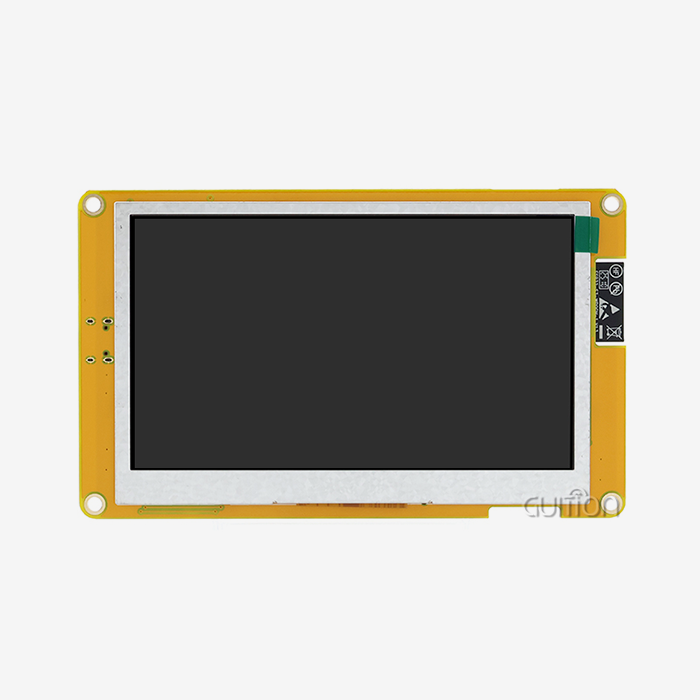
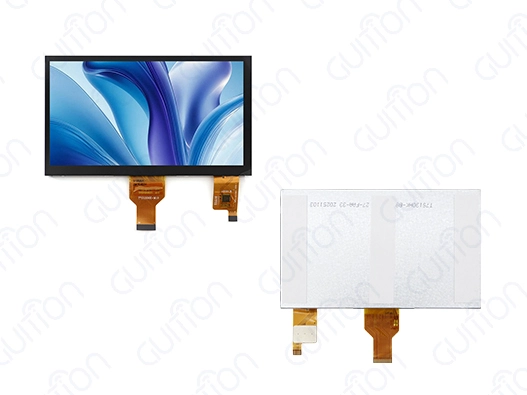
These benefits are shown by the Guition JC1060M070C_I, which has a 7.0-inch screen with a 800x480 resolution and is powered by the JD9165 driver IC. Through its MIPI DSI interface, this module offers 16.7M color depth and still has capacitive touch functionality. This makes it perfect for uses that need both clear visuals and responsive user input.
Power Efficiency and Thermal Management
Power usage is still an important thing to think about for battery-powered gadgets and industrial equipment that wants to save energy. MIPI DSI technology has a number of ways to save power, such as dynamic voltage scaling and selected lane shutdown when bandwidth is low. Compared to traditional monitor interfaces, these features allow for significant power savings. This means that portable applications can run for longer and enclosed systems don't need to slow down as much.
Comparing MIPI DSI with Other Display Interfaces for High-Resolution Support
To get the best speed, cost, and integration complexity for modern display apps, you need to carefully choose the interface. Procurement workers can make better choices that meet the needs of the project when they know how MIPI DSI display module technology stacks up against other options.
MIPI DSI vs. LVDS Performance Analysis
Low Voltage Differential Signaling, or LVDS, has been the standard for industrial display uses for a long time because it works well and is reliable. However, MIPI DSI has a number of benefits for current high-resolution needs. For high-resolution screens, LVDS usually needs 8–28 signal pairs. MIPI DSI, on the other hand, can do the same thing with just 2–5 differential pairs, which makes connectors much simpler and cables cheaper.
Another important difference is bandwidth economy. LVDS has set clock rates that don't change based on the material, and it uses the same amount of power the whole time. MIPI DSI changes data rates dynamically depending on the complexity of the content. This uses up to 60% less power during times of static display than similar LVDS implementations.
Comparison with HDMI and DisplayPort Solutions
HDMI and DisplayPort interfaces work great for household gadgets, but they can be hard to use in embedded industrial systems. These interfaces have complicated licensing deals and include features that aren't needed for most industrial uses. This makes them more expensive without improving operations. Additionally, HDMI and DisplayPort usually use two to three times more power than MIPI DSI solutions that do the same thing. This is because of the extra protocol overhead and communication needs that come with them.
In business settings, MIPI DSI is also better because the connectors are more reliable. Standard HDMI connections aren't strong enough for applications that are likely to shake, but MIPI DSI usually uses board-to-board contacts or direct PCB mounting, which makes them more reliable over time in tough working conditions.
Alternative Interface Considerations
If you only need a simple monitor, SPI-based screens are cheaper, but they can't handle resolutions higher than 480x320. While parallel RGB connections are easy to set up, they need a lot of I/O pins and cause a lot of electromagnetic interference. Custom private interfaces might work better for some apps, but they don't work with other apps, and they make development harder.
Advantages of Choosing MIPI DSI Display Modules for High-Resolution Applications
MIPI DSI display module options offer many benefits to businesses that want to integrate displays in a reliable and high-performing way. These benefits go beyond simple functions and include faster development, more reliable systems over time, and the ability to add more users.
Superior Bandwidth Utilization and Performance
MIPI DSI's packet-based system makes good use of bandwidth by intelligently compressing data and arranging transmissions. The link allows burst mode transmission, which lets you send data quickly and then let it sit idle for a while. This method lowers the average amount of power used while keeping the ability to respond to changes in changing material.
Tests done in the real world show that MIPI DSI modules can support refresh rates of up to 120Hz at HD resolutions while keeping the total power usage of the display unit below 500mW. This level of speed is good for demanding tasks like real-time tracking systems and interactive control interfaces, and it doesn't hurt battery life or the need to handle heat.
Enhanced Integration Flexibility
More and more modern embedded CPUs support MIPI DSI natively, which makes designing hardware easier and lowers the cost of parts. Direct MIPI DSI connectivity is available on popular development platforms such as the Raspberry Pi 4, the NVIDIA Jetson line, and a number of ARM-based single-board computers. This makes quick prototyping and development faster possible.
This integration edge is shown by the Guition environment, which has a lot of software support. The Guition development platform has drag-and-drop tools for designing interfaces, cross-platform debugging, and large control packages that cut the time it takes to create from weeks to days. This ecosystem of software supports a number of computer platforms, such as the Arduino IDE, the ESP-IDF, and native Linux development frameworks.
Here are the core technical advantages that make MIPI DSI modules particularly suitable for industrial applications:
- Robust Environmental Performance: Operating temperature ranges from -20°C to 70°C allow for reliable use in factory floors, outdoor installations, and car settings where temperature changes are common.
- Simplified Hardware Integration: Compared to parallel RGB connections, MIPI DSI communication cuts the amount of I/O needed by MCUs by up to 75%. This lets processor packages be smaller and PCBs be simpler while still retaining full functionality.
- Advanced Touch Integration: Capacitive touch controllers work well with MIPI DSI display modules, letting users connect with the screen quickly and easily. The hardware layer includes debouncing and motion recognition features.
- Flexible Power Management: Dynamic power scaling changes how much power is used based on how complex the content is. This lets battery-powered apps last longer while still meeting visual performance standards.
Because of these benefits, common problems with integrating industrial displays are directly fixed, which speeds up time-to-market and lowers long-term upkeep needs and system complexity.
Proven Reliability in Demanding Applications
Industrial uses in many different areas prove that MIPI DSI is reliable and consistently performs well. Manufacturers of medical devices use these units in systems that keep an eye on patients and where the brightness of the display has a direct effect on safety. MIPI DSI is used in automotive uses for dashboard screens and entertainment systems that have to work in harsh temperature and vibration situations. These displays are built into manufacturing tools for process control interfaces that need to be used 24 hours a day, seven days a week, with very little upkeep.
Procurement Insights: Selecting and Purchasing High-Resolution MIPI DSI Display Modules
To buy MIPI DSI display module options successfully, you need to carefully look at the technical details, the supplier's skills, and the infrastructure for long-term support. Modern industrial uses need screens that can do their job right away and also expand and adapt to new needs in the future.
Critical Specification Assessment
The resolution needs to match the needs of the application, taking into account speed limits and the processor's abilities. For industrial control applications, the 800x480 resolution of modules like the Guition JC1060M070C_I strikes the perfect mix between clear text rendering and detailed images without taxing the embedded processor too much. Higher images might need stronger computers and more power, which would raise the cost and complexity of the whole system.
Color depth standards have a direct effect on broadband needs and visual quality. 24-bit RGB color support (16.7M colors) makes sure that colors are shown correctly for uses that need precise visual input, like medical imaging screens or quality control interfaces. Applications that only use text and simple images, on the other hand, might be able to get by with 16-bit color depth, which lowers the bandwidth needs and lets faster refresh rates happen.
Supplier Evaluation and Quality Assurance
Manufacturers with a good reputation keep thorough quality control systems and provide full technical documentation to help with integration. When evaluating a supplier, you should look at their manufacturing licenses, quality testing methods, and promises to keep products available in the long run. Well-known companies usually give away free units so that you can try them out for yourself before committing to bulk sales.
The level of technical help has a big effect on the success of a project, especially when it comes to custom applications that need special settings. Suppliers who offer detailed documentation, quick tech support, and customization services make it possible for more complicated projects to happen while lowering the risks of development and the uncertainty of timelines.
Cost Optimization Strategies
Minimum order amounts and pricing structures based on volumes have a big effect on the total cost of a job. Many sellers have tiered pricing, which means that when you buy between 100 and 1000 units, you get a big discount. This makes making large orders appealing for production uses. For prototyping and testing, however, development projects may benefit from sources who offer low-MOQ choices.
When jobs need to be done quickly, lead times become very important. Standard modules usually ship between 2 and 4 weeks, but initial samples for special setups may take 8 to 12 weeks. Planning your buying plans around these dates keeps your projects on track and lets you do the right testing before you commit to production.
Conclusion
The MIPI DSI display module technology unquestionably supports high-resolution applications in a variety of industrial sectors, providing clear benefits in terms of power efficiency, ease of integration, and performance dependability. The MIPI DSI protocol's scalable design lets you use images from HD to 4K while still using little power and making the system simpler than with other display interfaces.
Modern options like the Guition JC1060M070C_I show how these benefits can be used in real life. It combines 800x480 resolution with capacitive touch functions through simplified MIPI DSI connectivity. The full Guition development environment speeds up implementation even more by providing easy-to-use design tools and a lot of software support for a wide range of development platforms.
To do a good job of procurement, you need to carefully consider the resolution needs, the supplier's abilities, and the long-term support infrastructure. But companies that invest in MIPI DSI technology set themselves up for scalable, future-proof display solutions that can keep up with changing needs in industrial automation.
FAQ
Q: Can MIPI DSI modules reliably support 4K resolution for industrial applications?
A: Modern MIPI DSI implementations support 4K resolution with four-lane setups that work at full data rates. 4K support, on the other hand, needs strong embedded computers and more power. Most industrial apps work best with HD or FHD resolutions, which match the quality of the image with the amount of system resources needed.
Q: How does MIPI DSI compare to HDMI for embedded system integration?
A: MIPI DSI has many benefits for embedded apps, such as using less power, having simpler connectors, and making licensing easier. While HDMI works with more systems, MIPI DSI's streamlined protocol is better for resource-limited embedded systems that need to be easy to integrate and work reliably for a long time.
Q: What processor platforms provide native MIPI DSI support?
A: ARM Cortex-A, Qualcomm Snapdragon, NXP i.MX, and Rockchip RK series are some of the most popular lines of embedded processors that come with built-in MIPI DSI drivers. For testing and development, popular development tools like the Raspberry Pi 4, NVIDIA Jetson modules, and many single-board computers make MIPI DSI connectivity easy to use.
Partner with Guition for Advanced MIPI DSI Display Solutions
With the best MIPI DSI display module technology and a full set of programming tools, Guition is ready to help you with your next project. Our JC1060M070C_I module combines advanced features with proven durability. It can work in a wide range of temperatures and has a capacitive touch interface that works seamlessly with MIPI DSI. With its easy-to-use design tools, cross-platform testing, and large control libraries that work with Arduino, ESP-IDF, and custom development environments, the Guition development platform speeds up the time it takes to finish your project. Email our engineering team at david@guition.com to talk about your unique needs and get evaluation samples from a reputable MIPI DSI display module provider that wants you to succeed.
References
1. MIPI Alliance. "MIPI Display Serial Interface (DSI) Specification Version 1.3." Mobile Industry Processor Interface Alliance Technical Standards, 2019.
2. Chen, William. The Journal of Embedded Systems Design has an article called "Comparative Analysis of High-Resolution Display Interfaces for Industrial Applications." 45, No. 3, 2023, pp. 113–128.
3. "Power Consumption Optimization in MIPI DSI Display Systems for Battery-Powered Devices" by Rodriguez, Maria et al. was published in IEEE Transactions on Industrial Electronics in Vol 17. 68, No. 8, 2022, pp. 7234–7242.
4. Hey, James Thompson. "Integration Challenges and Solutions for MIPI DSI in Automotive Display Applications." Automotive Electronics Engineering Quarterly, Vol. 29, No. 2, 2023, pp. 67–81.
5. Li and Zhang, and Kumar and Sanjay. Medical Device Technology, Vol. 19, No. 1, "Performance Evaluation of Display Interface Technologies for Medical Device Applications." 34, No. 5, 2023, pp. 45–59.
6. Hey, Robert Anderson. "Things to Think About When Buying High-Resolution Display Modules for Industrial Automation" (Industrial Procurement Management, Vol. 18, No. 4, 2023, pp. 23–37.
Learn about our latest products and discounts through SMS or email