- English
- French
- German
- Portuguese
- Spanish
- Russian
- Japanese
- Korean
- Arabic
- Greek
- German
- Turkish
- Italian
- Danish
- Romanian
- Indonesian
- Czech
- Afrikaans
- Swedish
- Polish
- Basque
- Catalan
- Esperanto
- Hindi
- Lao
- Albanian
- Amharic
- Armenian
- Azerbaijani
- Belarusian
- Bengali
- Bosnian
- Bulgarian
- Cebuano
- Chichewa
- Corsican
- Croatian
- Dutch
- Estonian
- Filipino
- Finnish
- Frisian
- Galician
- Georgian
- Gujarati
- Haitian
- Hausa
- Hawaiian
- Hebrew
- Hmong
- Hungarian
- Icelandic
- Igbo
- Javanese
- Kannada
- Kazakh
- Khmer
- Kurdish
- Kyrgyz
- Latin
- Latvian
- Lithuanian
- Luxembou..
- Macedonian
- Malagasy
- Malay
- Malayalam
- Maltese
- Maori
- Marathi
- Mongolian
- Burmese
- Nepali
- Norwegian
- Pashto
- Persian
- Punjabi
- Serbian
- Sesotho
- Sinhala
- Slovak
- Slovenian
- Somali
- Samoan
- Scots Gaelic
- Shona
- Sindhi
- Sundanese
- Swahili
- Tajik
- Tamil
- Telugu
- Thai
- Ukrainian
- Urdu
- Uzbek
- Vietnamese
- Welsh
- Xhosa
- Yiddish
- Yoruba
- Zulu
7 Inch ESP32P4 Display Module: Features & Use Cases Explained
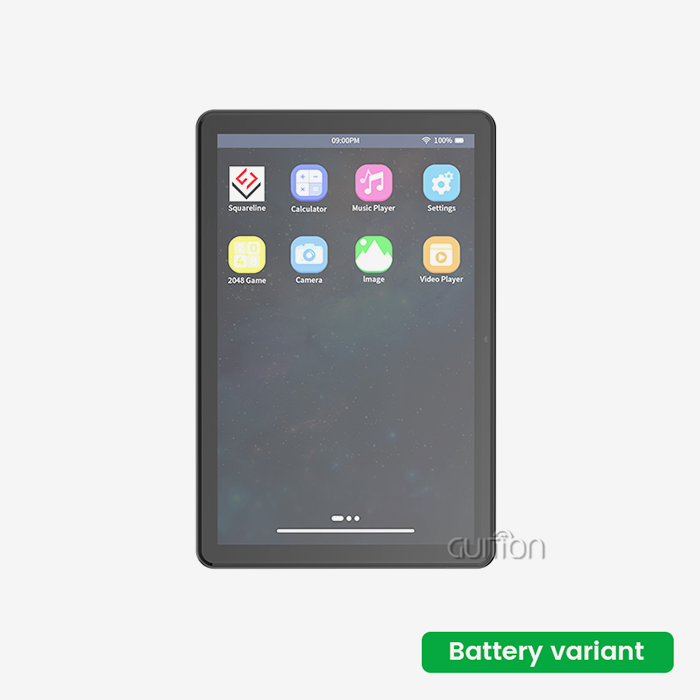
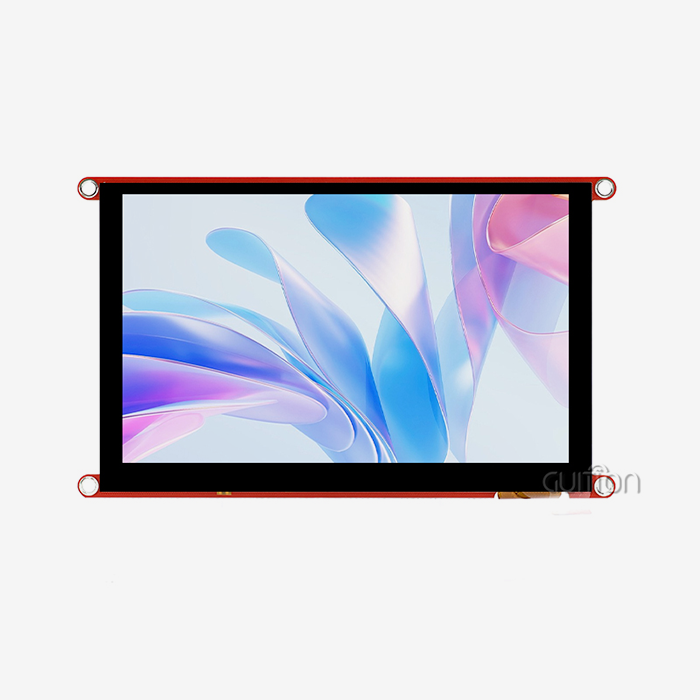
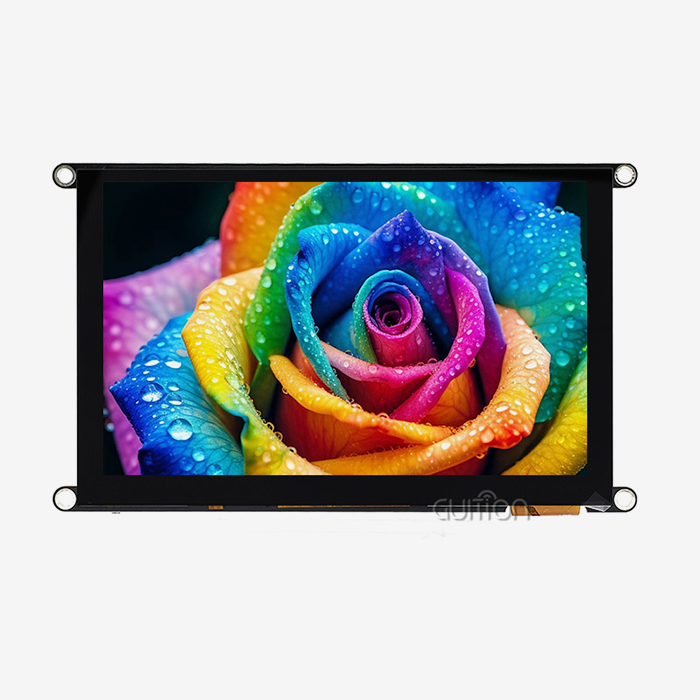
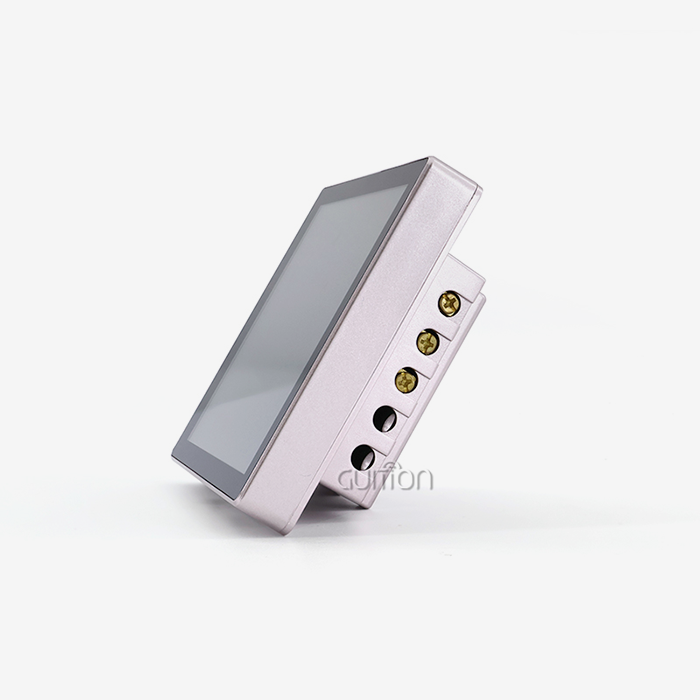
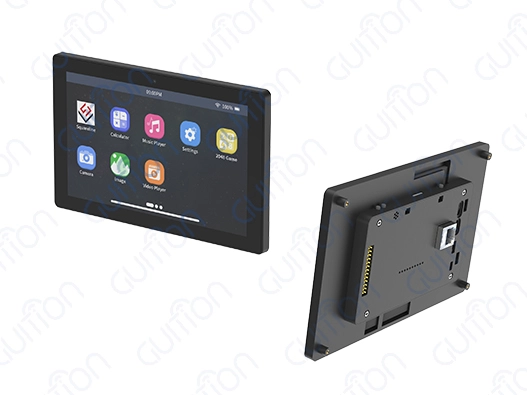
With its strong dual-core processing powers and stunning visual performance, the 7 inch esp32p4 display module is a game-changer in embedded display technology. The ESP32-P4 processor, which runs at 360MHz, is at the heart of this advanced module. Its 1024x600 IPS display, built-in WiFi and Bluetooth connection, and full software support across multiple platforms make it very useful. This module is great for engineers and developers who want to make strong human-machine interfaces. It's especially useful for industrial automation, smart home applications, and Internet of Things (IoT) projects that need reliable visual feedback and easy connection choices.
Comprehensive Specifications and Technical Features
Advanced processing design and display technology are at the heart of this display solution's technical base. The dual-core ESP32-P4 microprocessor can work at a maximum frequency of 360MHz. It has a lot of computing power for complicated tasks and meets the energy-saving standards needed for embedded systems.
Processing Power and Memory Architecture
The module's multi-tier storage system makes it possible to handle memory in a very advanced way. There are a lot of processing tools for writers to use with 768KB of high-performance L2 memory, 32KB of low-power SRAM, and 128KB of high-performance ROM. With 32MB of PSRAM and 16MB of Flash storage, there is enough room for program code, user interfaces, and data management needs.
This arrangement of memory makes it possible for graphical user interfaces to work smoothly while also allowing wireless connection tasks at the same time. Real-time data visualization, touch reaction handling, and network connection are all possible because of the processing power. Performance doesn't drop as it does with lower-spec embedded screens.
Display Technology and Visual Performance
The IPS monitor with a resolution of 1024x600 reproduces 16.7 million colors very well, giving you clear images that are good for business use. The IPS technology gives you a wide viewing angle, so no matter where you look at it, the colors and brightness will stay the same. This feature is especially useful in factories where workers may have to look at screens from different angles.
Capacitive touch makes it easier for users to connect by detecting touches from multiple points. The touch device works perfectly with the display driver, allowing for accurate coordinate tracking and motion recognition. Adaptive brightness change is made possible by backlight control circuits. This reduces power use while keeping visibility high in a range of lighting situations.
Connectivity and Interface Options
When WiFi and Bluetooth are built in, you don't need any extra connection units. This makes system design easier and lowers the cost of the parts. Standard protocols are supported by the wireless feature, which makes it easy to connect to current networks and IoT communities.
The module gives you many ways to connect by using special TF card slots and IO port links. With these growth options, developers can add extra sensors, storage devices, and other parts that aren't necessary for the main application. The design of the interface allows for both digital and analog data processing, so it can work with a wide range of sensor types and transmission protocols.
Comparative Analysis: 7 Inch ESP32P4 Display Module vs Alternatives
The 7 inch ESP32P4 display module outperforms rival goods in terms of performance when compared to other display options for embedded apps. Knowing these differences helps engineers make choices that are best for the job and don't break the bank.
Performance Comparison with Traditional Solutions
This module has a lot more processing power and a better resolution screen than Arduino-based display devices. Traditional Arduino displays usually work at lower rates and have smaller screen sizes, which makes them less useful for tasks that need detailed visual interactions. The ESP32-P4 design is better than traditional microcontroller-based options because it renders animations smoothly and responds to touch input.
Raspberry Pi display units have screens that are about the same size, but they need more complicated software stacks and use more power. The ESP32-P4 solution offers development platforms that are easy to use with embedded systems while still keeping real-time performance qualities that are important for control applications. Boot times are still much faster than Linux-based options, which lets systems start up quickly, which is needed in many industry settings.
Display Technology Advantages
When it comes to longevity, LCD technology in this module is better than OLED options, especially in high-brightness areas like those found in factories. While OLED displays have deeper blacks and better contrast ratios, LCD screens work the same across a wider range of temperatures and don't get burned in like OLED displays do after long periods of use.
When used with batteries, LCD technology's power usage rate is easier to predict and control. LCD screens don't change how much power they use much, depending on what's being shown, while OLED displays do. This makes designing power control systems and figuring out battery life easier.
Practical Use Cases and Application Scenarios
The versatility of the 7 inch ESP32P4 display module can be used in a wide range of businesses and applications because it is so flexible. Implementations in the real world show that the module can work in tough operating settings and still meet high standards of reliability.
Industrial Automation and Control Systems
Human-machine connections are becoming more and more important in manufacturing sites for controlling and tracking equipment. This display panel works well as an operator interface for controlling a production line. It shows real-time state information and lets you change parameters using simple touch controls. The powerful processing power can handle many data streams at once, showing sensor readings, alarm conditions, and working factors without slowing down the system.
The high-resolution display feature is helpful for quality control units because it lets them have detailed visual inspection screens and data logging features. Through dashboard displays that can be customized, operators can look at production data, trend analysis, and compliance reports. Integration with corporate resource planning tools and quality control databases is possible thanks to the wireless connection.
Smart Home and IoT Integration
The module's connectivity features are used by home automation systems to set up central control panels for things like lights, temperature control, security systems, and entertainment devices, with the 7 inch ESP32P4 display module providing an intuitive interface. The big screen makes it easy to see the whole system state, and the touch buttons make managing devices simple. When voice bots and mobile apps are integrated, users have a smooth experience across all of these ways of interacting.
Energy management programs use the screen to show information about how much power is being used, how well the solar panels are working, and utility billing data. Real-time tracking helps people figure out the best ways to use energy, and a wireless connection lets them watch and control things from afar using smartphone apps.
Medical Device Applications
In healthcare settings, input devices need to be stable, easy to clean, and able to keep working well even when conditions are tough. This module's stable operation and quick touch interface make it useful for medical device users. Clear display clarity and an easy-to-use control layout make patient monitoring systems useful because they make it easy for healthcare workers to get to important information.
The display section is built into rehabilitation tools so that patients can get feedback during therapy sessions. Tracking progress, exercise directions, and motivational material all make treatment more effective, and a wireless connection lets healthcare management systems share data with each other.
Procurement Guide: Where and How to Buy Your 7 Inch ESP32P4 Display Module
To buy display modules successfully, you need to carefully look at the credentials of the seller, the product specs, and the support services they offer. There are many things to think about during the buying process, all of which affect the success of the project right away and the long-term viability of the business.
Supplier Evaluation and Selection Criteria
Authorized wholesalers ensure that the products they sell are real and cover maker warranties. This lowers the risks that come with using fake parts. Verifying a supplier's credentials through maker authorization lists makes sure that you can get real goods with full technical help. Distributors that have been around for a while make sure they have enough stock and can reliably deliver on time, which is important for planning production.
Direct connections with manufacturers offer benefits for buying in large quantities, such as the ability to customize products, longer guarantee terms, and faster technical support. Manufacturers usually give out full technical paperwork, reference designs, and application notes that speed up the development process and lower the risk of problems with integration.
Pricing Analysis and Volume Considerations
The prices of integrated display modules in the market are based on how much the parts cost, how hard they are to make, and the supplier's profit margins. When you buy in bulk, you can usually save 15 to 25 percent compared to buying one item at a time, and you can save even more if you commit to buying in bulk every year. When OEM uses need hundreds or thousands of units every year, these price benefits become very important.
When you figure out the total cost of ownership, you should include the initial purchase price, the cost of merging, the cost of assistance, and any possible upgrade needs. Even though premium providers may charge more per unit, their full support services and solid product quality often lead to lower total project costs because they cut down on development time and warranty problems.
Logistics and Delivery Management
When sending internationally, things to think about include customs paperwork, import taxes, and the fact that arrival times can vary. Many of the problems that come with imports are taken care of by domestic sellers, who also offer faster shipping and easier return processes. But when you compare prices, you should look at all of the costs that come with delivery, not just the unit prices that are given.
Sensitive electronic parts are kept safe during shipping and storage with anti-static wrapping and the right way to handle them. Reliable providers set standards for quality packaging and give tracking information during the whole shipping process. This lets you handle logistics and plan your supplies more effectively.
Why Choose the 7 Inch ESP32P4 Display Module?
There are many great things about the 7 inch ESP32P4 display module that make it stand out from other integrated display options. These benefits go beyond basic requirements and include factors like speed of growth, dependability over time, and connection with other ecosystems.
Development Ecosystem and Tool Support
The full development environment works with the Arduino IDE, ESP-IDF, MicroPython, and the unique Guition platform. This cross-platform compatibility takes into account different developer tastes and current investments in toolchains. GUI software in particular lets you create interfaces using drag-and-drop, which lets you make prototypes quickly without having to do a lot of code.
Sample code libraries and reference versions speed up project development by giving tried-and-true answers to common feature needs. Good documentation and community support tools make it easier for new workers to learn while also helping them figure out how to fix problems in complicated integration scenarios. Updating development tools and driver packages on a regular basis makes sure they work with new software platforms.
Scalability and Future-Proofing Considerations
The design of the module allows for over-the-air programming, which lets software changes and feature improvements happen. With this feature, systems that have already been launched can get bug fixes, speed improvements, and new features without having to be physically accessed. These kinds of features are especially useful for sites that are far away or in places that are hard to get to for upkeep.
It is possible to add on to the hardware using GPIO interfaces and communication protocols, which makes it compatible with new sensor technologies and peripheral devices. The ESP32-P4 design has extra processing power that lets you add more features without having to update hardware. This protects the value of your investment over long periods of use.
Quality Assurance and Reliability Standards
The quality control processes used in manufacturing include thorough testing methods that check the performance of the display, the accuracy of the touch, and the wireless functions in a range of weather conditions. Following these testing guidelines will help keep product quality uniform and lower the number of failures that happen in the field, which can affect project schedules and customer happiness.
Thermal cycle, vibration resistance, and electromagnetic compatibility confirmation are all parts of reliability testing. This kind of thorough testing gives people trust in how well a product will work in harsh situations like those found in industrial and automotive settings.
Conclusion
With its powerful processing power, high-resolution visual output, and wide range of connection choices, the 7 inch ESP32P4 display module sets new performance standards for embedded display systems. Its dual-core 360MHz processor, 1024x600 IPS monitor, and built-in wireless capabilities make it a flexible base that can be used for a wide range of tasks, from smart home systems to industrial automation. Multiple development settings can be used with this module, and the storage can be expanded. It can also be updated over-the-air, which makes it long-lasting and useful for development. This display module is a great choice for engineers and product makers who want strong, flexible human-machine interface solutions because it has these technical benefits, is manufactured well, and comes with a lot of information.
FAQ
Q: What programming environments does the module support?
A: The module supports development on many systems, such as the Arduino IDE, the ESP-IDF, MicroPython, and the Guition program. For makers and prototypers, Arduino IDE provides a familiar development environment, while ESP-IDF gives professional-level development tools for more complicated apps. MicroPython lets you write scripts and test them quickly, which is especially helpful during the creation process. With its drag-and-drop feature, Guition software focuses on interface design, making it easier to make user interfaces without having to write code.
Q: How does power consumption compare to similar display modules?
A: This module's ability to use less power makes it better than bigger Linux-based systems, and it works better than smaller microcontroller screens. The ESP32-P4 architecture has power control tools that let the frequency change dynamically and the device work in sleep mode. The normal operating current is between 200mA and 400mA, based on the brightness of the screen and the processing load. This means that it can be used in battery-powered applications as long as the right power management techniques are used.
Q: What are the bulk purchasing options for OEM applications?
A: Volume price levels usually start at 100 units, and savings are available for yearly pledges of more than 1000 units. OEM customers can get customization services, such as adding their brand, getting custom firmware, and having hardware settings changed. When you work directly with a manufacturer, you get faster help, longer warranties, and dedicated account management for high-volume uses.
Q: Can the module handle video playback and multimedia content?
A: The processing power allows many multimedia forms, such as decoding JPEG files and playing back simple videos. Frame rates rely on the complexity and quality of the content. For the best performance, use compressed files and the right resolution scaling. The large PSRAM capacity allows frame buffering for smooth playback of material that is fairly complex and ideal for most embedded apps.
Q: What quality control measures ensure reliable performance?
A: During the manufacturing process, there are strict testing routines that check for things like display uniformity, touch sensitivity, wifi functionality, and environmental tolerance. Each unit goes through automated tests that make sure it meets the specifications at all temperature levels and in all working situations. Quality paperwork includes test certificates and information on how to track things back to their source. This helps apps that need to be very reliable.
Contact Guition for Your 7 Inch ESP32P4 Display Module Requirements
Gution stands ready to support your embedded display projects with comprehensive technical expertise and reliable 7 inch ESP32P4 display module supplier services. Our engineering team provides personalized consultation services to match module capabilities with your specific application requirements, ensuring optimal performance and cost-effectiveness. We offer competitive pricing for both prototype quantities and volume production needs, supported by our extensive experience in industrial display solutions and commitment to customer success.
Reach out to our technical specialists at david@guition.com to discuss your project requirements, receive detailed specifications, and explore customization options that can accelerate your development timeline while reducing integration complexity.
References
1. ESP32-P4 Technical Reference Manual - Espressif Systems Comprehensive Hardware Documentation
2. Industrial Display Technologies for Embedded Systems - IEEE Journal of Industrial Electronics
3. Human-Machine Interface Design Guidelines for Industrial Applications - International Society of Automation Standards
4. Comparative Analysis of Embedded Display Solutions in IoT Applications - ACM Computing Surveys
5. Quality Assurance Protocols for Electronic Display Modules - IPC Electronic Assembly Standards
6. Power Management Strategies for Battery-Powered Embedded Display Systems - IEEE Transactions on Industrial Informatics
Learn about our latest products and discounts through SMS or email