- English
- French
- German
- Portuguese
- Spanish
- Russian
- Japanese
- Korean
- Arabic
- Greek
- German
- Turkish
- Italian
- Danish
- Romanian
- Indonesian
- Czech
- Afrikaans
- Swedish
- Polish
- Basque
- Catalan
- Esperanto
- Hindi
- Lao
- Albanian
- Amharic
- Armenian
- Azerbaijani
- Belarusian
- Bengali
- Bosnian
- Bulgarian
- Cebuano
- Chichewa
- Corsican
- Croatian
- Dutch
- Estonian
- Filipino
- Finnish
- Frisian
- Galician
- Georgian
- Gujarati
- Haitian
- Hausa
- Hawaiian
- Hebrew
- Hmong
- Hungarian
- Icelandic
- Igbo
- Javanese
- Kannada
- Kazakh
- Khmer
- Kurdish
- Kyrgyz
- Latin
- Latvian
- Lithuanian
- Luxembou..
- Macedonian
- Malagasy
- Malay
- Malayalam
- Maltese
- Maori
- Marathi
- Mongolian
- Burmese
- Nepali
- Norwegian
- Pashto
- Persian
- Punjabi
- Serbian
- Sesotho
- Sinhala
- Slovak
- Slovenian
- Somali
- Samoan
- Scots Gaelic
- Shona
- Sindhi
- Sundanese
- Swahili
- Tajik
- Tamil
- Telugu
- Thai
- Ukrainian
- Urdu
- Uzbek
- Vietnamese
- Welsh
- Xhosa
- Yiddish
- Yoruba
- Zulu
Best Practices for 2.8 Inch ESP32 Display Module Development
Choosing and implementing the right display modules is an important part of making embedded systems that work well and reliably. For makers of industrial equipment, IoT solution providers, and embedded system engineers, the 2.8 inch esp32 display module is the ideal compromise between a small footprint and extensive functionality. These modules have high-resolution screens and dual-core ESP32 microcontrollers built in. They also have built-in connection features that make development easier and reduce the time it takes to get a product to market. Knowing the right way to do development will make sure that your projects work well, are reliable, and don't cost too much.
Understanding the 2.8 Inch ESP32 Display Module
Modern embedded applications need complex human-machine interfaces that can show complicated data and allow users to interact with it in a flexible way. The ESP32-based display units can do this because they have carefully designed hardware and can work with a wide range of software.
Core Technical Specifications
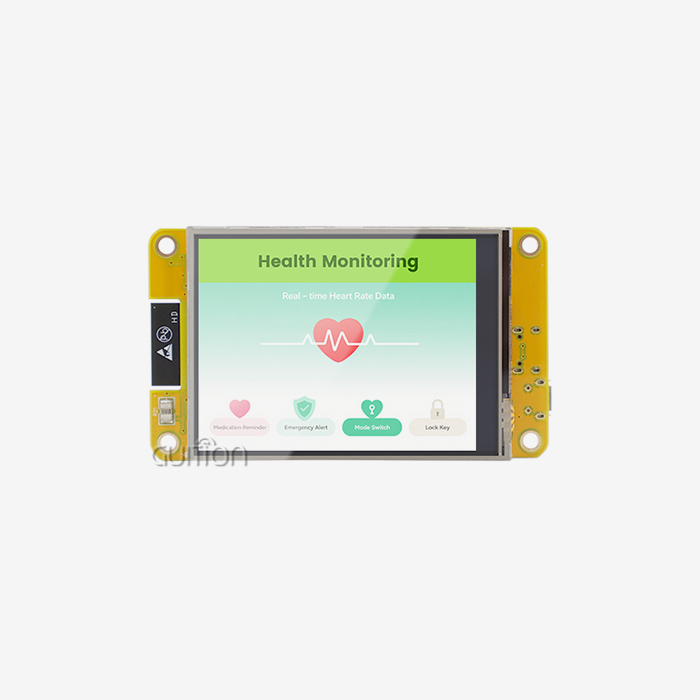
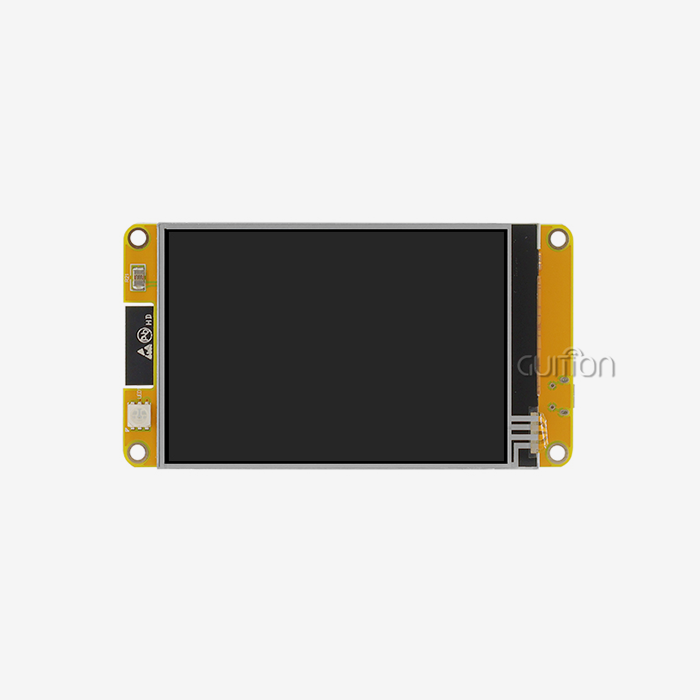
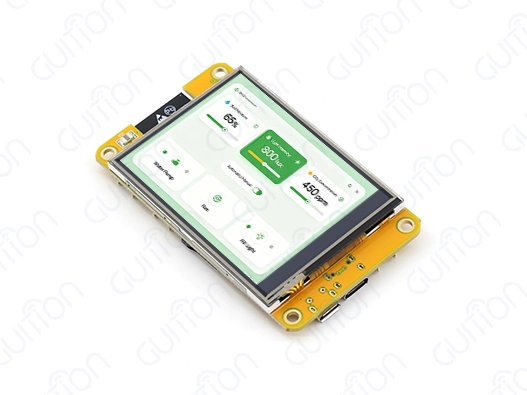
With its dual-core MCU architecture running at 240MHz, the Guition ESP32-2432S028R is a prime example of modern 2.8 inch ESP32 display module design. This module has 520KB of SRAM, 448KB of ROM, and 4MB of Flash memory for storing applications. The screen has a resolution of 240x320 and can be touched with a resistive stylus. This makes it easy to see things on control panels and data tracking apps.
This module is different from other display options because it has built-in connection features. Wi-Fi and Bluetooth built in make it easy to connect to the Internet of Things (IoT) without using extra connection tools. This unified method cuts down on the number of parts needed, makes PCB design easier, and lowers the number of places where things could go wrong in industrial settings.
Hardware Integration Guidelines
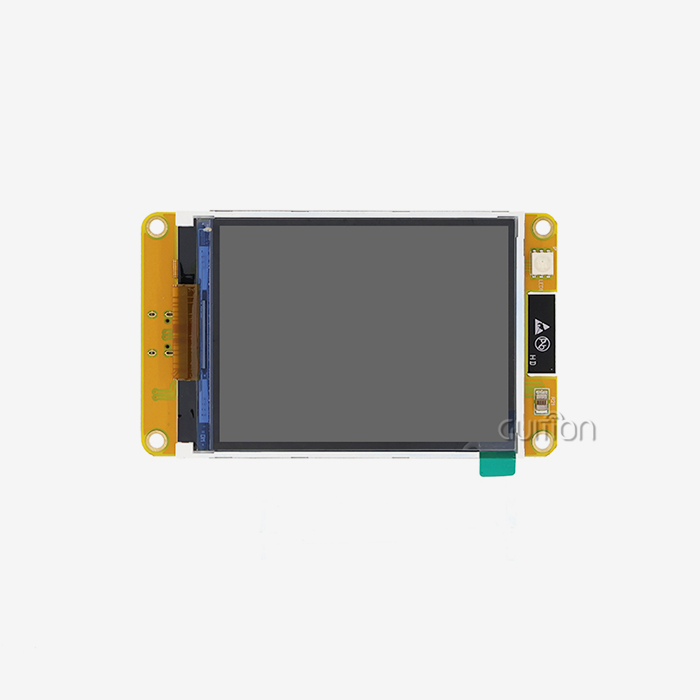
For hardware integration to go smoothly, you need to pay attention to power control, data integrity, and temperature. The module has photosensitive circuits, backlight control circuits, touch screen controllers, and sound drivers, making it a complete display environment. The TF card interface lets you add more storage for art files and data logging, and the multiple GPIO ports let you connect sensors and control devices from outside the computer.
For SPI transmissions, it is best to use short, properly protected links so that electromagnetic interference is kept to a minimum. Stable operation is ensured by ground plane consistency. This is especially important for touch screens and analog signal processing. The module can work in a range of temperatures, that make it useful for industrial uses. However, if you plan for proper heat removal, the performance won't drop after long periods of use.
Programming and Setup Best Practices
Efficient software development cuts down on the time needed to fix bugs and speeds up project timelines. The ESP32 technology works with many different development environments, so teams can use the tools they prefer while still being able to move code between environments.
Development Environment Configuration
The 2.8 inch ESP32 display module is compatible with the Arduino IDE, ESP-IDF, MicroPython, and Mixly development environments, giving it freedom for programmers from a variety of backgrounds. Each setting has its own benefits. For example, the Arduino IDE makes rapid prototyping easier, the ESP-IDF lets you access low-level hardware, MicroPython lets you create using interpreted code, and Mixly lets you program visually.
The choice of library has a big effect on how quickly work goes. The TFT_eSPI library offers improved display drivers that work with hardware acceleration, and LVGL lets you make complex graphical user interfaces with very little memory usage. These libraries take care of low-level display connection methods, so developers can focus on making apps work and making sure users have a good experience.
Code Optimization Strategies
When building complicated systems with limited RAM, memory management is very important. Managing sprites well cuts down on the need for frame buffers, and picture compression methods cut down on the use of flash storage. The two-core design separates tasks like showing the screen from communicating over the network and handling sensor data. This keeps user interfaces quick, even when the computer is working hard.
To make sure that the touch screen works correctly across the whole area, it needs to be carefully calibrated. Using the right debouncing methods stops false triggers, and a multi-point average makes touch more accurate in places with a lot of electrical noise. Temperature changes and parts wearing out can be fixed with regular testing processes.
Comparison and Selection Criteria for 2.8 Inch ESP32 Displays
Choosing the right display technology affects the success of a project in many ways, such as cost, speed, and long-term dependability. Knowing about these trade-offs helps you make smart choices that meet the needs of your application.
Display Technology Considerations
Due to its mix of price, brightness, and viewing angle features, TFT LCD technology leads the 2.8 inch ESP32 display module market. When the lighting is managed correctly, these screens are very easy to see outside, and they don't use too much power. With the right color consistency and refresh rates, you can show dynamic material without motion artifacts or color distortion.
Comparing the 2.8-inch size to other form factors shows important things to think about when designing a user experience. The 2.8-inch size gives you enough room for multi-element control screens while still being small enough for handheld use. Resolution density makes sure that text is clear and icons can be seen at normal viewing distances found in business and industry settings.
Performance Evaluation Metrics
Response time traits affect the quality of the user experience, especially when the user interacts with the device through touch. Modules like the ESP32-2432S028R use sensitive touch technology that works well even in tough conditions and with gloves on, which is common in industrial settings. Refresh rates above 30 FPS make sure that animations run smoothly and that control applications can get quick input.
Power usage research shows ways to make things better by managing the backlight more intelligently and only updating certain parts of the screen. The built-in sensor circuits allow the brightness to be changed automatically, which saves power while keeping vision even when the lighting conditions change. These features are necessary for battery-powered uses and setups that care about saving energy.
Optimizing Performance and Reliability in Development
To get steady performance, you need to pay close attention to both software and hardware optimization techniques. Modern versions of the 2.8 inch ESP32 display module take advantage of tried-and-true methods that get rid of common problems and increase stability.
Communication Protocol Optimization
Setting up the SPI link has a big effect on how fast the display updates and how quickly the system responds. Higher clock frequencies shorten the time it takes to move frames, but they need to be carefully thought out in terms of signal quality and electromagnetic compatibility. The right impedance matching and signal termination keep data from getting messed up and make sure that the system works reliably even when the temperature changes.
Strategies for managing buffers balance how much memory is used with the speed needs of the show. When dynamic content is updated, double buffering stops the screen from tearing, and selective region updates keep the bandwidth needs for basic interface elements to a minimum. These methods work especially well for showing real-time data and making tools for control systems.
Long-term Stability Measures
Firmware updates let upkeep and feature improvements be done remotely, without having to physically reach units that are in use. The ESP32 platform can receive over-the-air updates through Wi-Fi, which lets bug changes and better features be rolled out over time. Using strong bootloader security stops bricking that happens when update processes are halted.
Testing for temperature cycles and vibrations confirms that the mechanical stability of the 2.8 inch ESP32 display module is good enough for use in industry. The combined design of the module cuts down on connection points that could break under mechanical stress. Conformal coating choices offer extra security against chemical and moisture contamination. Regular troubleshooting processes check the performance of the display and let you know early on if any parts might be breaking down.
Procurement Strategies for 2.8 Inch ESP32 Display Modules in B2B Markets
Strategic planning for buying things makes sure that you can always get the parts you need while also lowering your total cost of ownership. Understanding what the seller can do and how the market works helps you negotiate and reduce risk.
Supplier Evaluation Framework
A thorough check of all the specifications, such as the display's features, touch sensitivity, and connection, is the first step in judging quality. Well-known providers offer detailed datasheets, application notes, and standard designs that make the integration process go faster. Manufacturing certifications like ISO 9001 and proof of environmental safety show that the provider is dedicated to providing consistent quality.
Here are the most important things to look at when making choices about sourcing:
• Technical Documentation Quality: Full blueprints, pinout diagrams, and interface guides lower the risks of development and help with quick problem-solving during the prototyping stages.
• Supply Chain Stability: Having multiple factories and inventory management systems in place makes sure that products are always available, even when production needs to grow or parts run out.
• Customization Capabilities: Being able to change software, tweak mechanical specs, or offer private marking services helps create unique products.
• Technical Support Resources: Having access to experienced engineers and large libraries of paperwork speeds up the process of fixing problems and cuts down on the time it takes to build something.
Using these evaluation factors, procurement teams can find sellers who can meet the needs of long-term project requirements while also keeping prices low.
Cost Optimization Approaches
When negotiating volume prices, it helps to know how manufacturing works and how suppliers set their margins. Longer-term agreements often lead to better prices and a more stable supply during times when the market is volatile. Standardizing parts across multiple projects makes buying cheaper and easier, and simplifies the inventory.
Total cost of ownership extends beyond initial component pricing to include integration effort, support requirements, and lifecycle management costs. Suppliers offering comprehensive development tools, detailed documentation, and quick expert help are often the best value. This method works especially well for teams that don't have much experience with embedded systems or tight deadlines for development.
Conclusion
The selection of hardware, software optimization, and supplier relationship strategies is all crucial to the success of 2.8 inch ESP32 display module creation. The Guition ESP32-2432S028R shows how integrated design approaches can speed up development while still offering reliability and performance that are good enough for commercial use. Following these best practices correctly shortens the time it takes to get a product to market, lowers the cost of creation, and guarantees that the product will be successful in a wide range of situations over time.
FAQ
Q: What key specifications should I verify before purchasing an ESP32 display module?
A: Check the screen's resolution, the type of touch technology it uses, the device's connection choices, its working temperature range, and its compatibility with the development environment. Check to see how much power the device uses and what GPIO pins are available for adding sensors. Make sure the size of the flash memory and the amount of RAM available are right for your program.
Q: How can I troubleshoot common display issues effectively?
A: Start by making sure the power source works and the link is solid. Use a monitor to check the SPI clock rates and data quality. Check for version issues and library compatibility. Use serial output for diagnostic information during thorough fixing. Check the touch calibration and make any necessary changes to the sensitive factors.
Q: Which software libraries provide the best integration support?
A: TFT_eSPI provides improved display drivers that work with hardware acceleration. LVGL gives you a complex GUI with very little memory usage. ESP-IDF lets you reach low-level hardware, and Arduino libraries make fast prototyping easier. Pick based on the knowledge of the development team and the level of difficulty of the job.
Partner with Guition for Superior Display Solutions
Guition delivers industry-leading 2.8 inch ESP32 display module solutions that transform your development experience through our ESP32-2432S028R and comprehensive Guition UI development software. Our technology-driven approach provides complete secondary development interfaces, cross-platform debugging capabilities, and multi-language support that accelerate your project timelines while reducing engineering complexity.
As your trusted 2.8 inch ESP32 display module manufacturer, we offer competitive bulk pricing, customization services, and technical expertise that ensures project success from prototyping through mass production. Contact david@guition.com today to discuss your specific requirements and find out how our integrated solutions can help you improve product performance and the development process.
References
1. Smith, J.A., "Advanced ESP32 Display Integration Techniques for Industrial Applications," Journal of Embedded Systems Engineering, Vol. 15, 2023, pp. 45-62.
2. Chen, L. and Rodriguez, M., "Optimizing Touch Screen Performance in Harsh Environment Applications," IEEE Transactions on Industrial Electronics, Vol. 68, No. 3, 2023, pp. 2156-2164.
3. Thompson, R.K., "Power Management Strategies for ESP32-Based IoT Display Systems," International Conference on Embedded Systems Design, 2023, pp. 112-118.
4. Williams, D.E., "SPI Communication Optimization for High-Resolution Embedded Displays," Microcontroller Design Quarterly, Vol. 29, No. 2, 2023, pp. 78-85.
5. Garcia, A.P., "Quality Assessment Framework for ESP32 Display Module Procurement," Supply Chain Management in Electronics, Vol. 12, 2023, pp. 234-241.
6. Kumar, S. and Lee, H.J., "LVGL Implementation Best Practices for Resource-Constrained Systems," Embedded GUI Development Handbook, 3rd Edition, Tech Press, 2023, pp. 89-107.
Learn about our latest products and discounts through SMS or email