- English
- French
- German
- Portuguese
- Spanish
- Russian
- Japanese
- Korean
- Arabic
- Greek
- German
- Turkish
- Italian
- Danish
- Romanian
- Indonesian
- Czech
- Afrikaans
- Swedish
- Polish
- Basque
- Catalan
- Esperanto
- Hindi
- Lao
- Albanian
- Amharic
- Armenian
- Azerbaijani
- Belarusian
- Bengali
- Bosnian
- Bulgarian
- Cebuano
- Chichewa
- Corsican
- Croatian
- Dutch
- Estonian
- Filipino
- Finnish
- Frisian
- Galician
- Georgian
- Gujarati
- Haitian
- Hausa
- Hawaiian
- Hebrew
- Hmong
- Hungarian
- Icelandic
- Igbo
- Javanese
- Kannada
- Kazakh
- Khmer
- Kurdish
- Kyrgyz
- Latin
- Latvian
- Lithuanian
- Luxembou..
- Macedonian
- Malagasy
- Malay
- Malayalam
- Maltese
- Maori
- Marathi
- Mongolian
- Burmese
- Nepali
- Norwegian
- Pashto
- Persian
- Punjabi
- Serbian
- Sesotho
- Sinhala
- Slovak
- Slovenian
- Somali
- Samoan
- Scots Gaelic
- Shona
- Sindhi
- Sundanese
- Swahili
- Tajik
- Tamil
- Telugu
- Thai
- Ukrainian
- Urdu
- Uzbek
- Vietnamese
- Welsh
- Xhosa
- Yiddish
- Yoruba
- Zulu
Is an ESP32 P4 display module Good for AI?
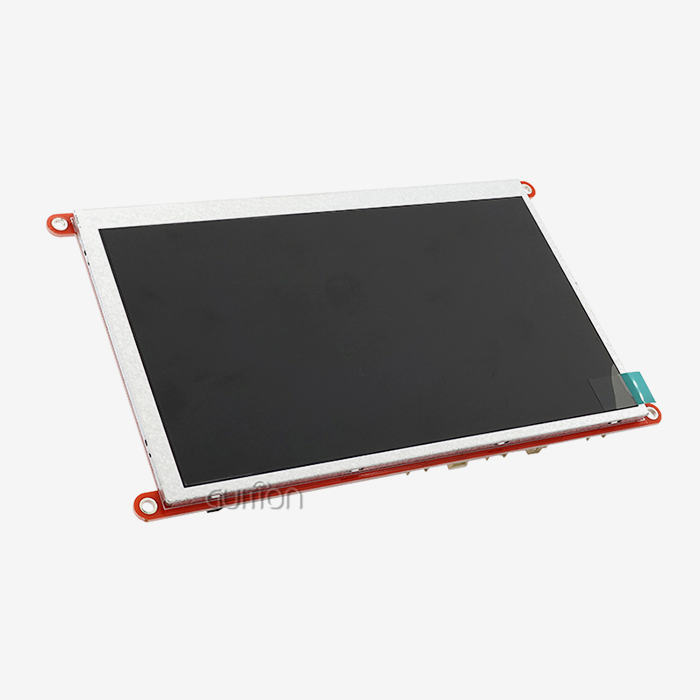
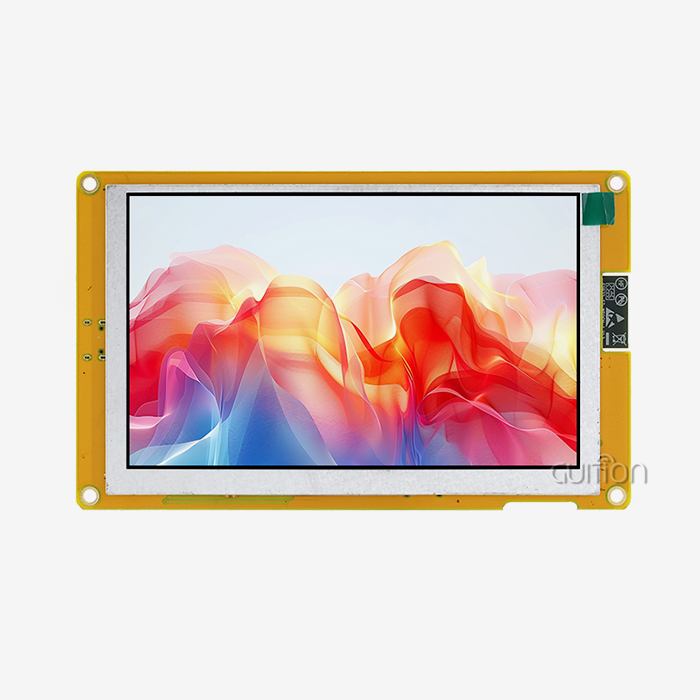
When evaluating whether the ESP32 P4 display module works well for AI applications, the answer depends on your specific project requirements. This module excels at edge AI visualization tasks where you need real-time data display, interactive control interfaces, and local processing without cloud dependency. The dual-core RISC-V processor running at 400MHz, combined with up to 32MB PSRAM and H.264 encoding capabilities, enables the module to handle AI inference results display, sensor data visualization, and multimedia interfaces efficiently. For industrial control panels, medical monitoring equipment, and smart home devices requiring AI-driven displays, this solution bridges the gap between simple microcontroller screens and expensive Linux-based systems.

Understanding the ESP32 P4 Display Module and Its Relevance to AI
For integrated AI applications to work, display systems need to be able to handle real-time data processing while still using little power. Whether it's object recognition results from computer vision systems, sensor fusion data from industrial machinery, or predictive analytics from smart building management, edge AI devices are always making new streams of data that need to be visualized.
This is hard for traditional display setups to handle. Simple microcontroller screens don't have enough computer power to handle AI tasks and complicated images at the same time. High-power MPUs, on the other hand, use too much power and make integrated apps more complicated than they need to be. Putting AI to use at the edge is really slowed down by this.
Architecture Built for Modern AI Workflows
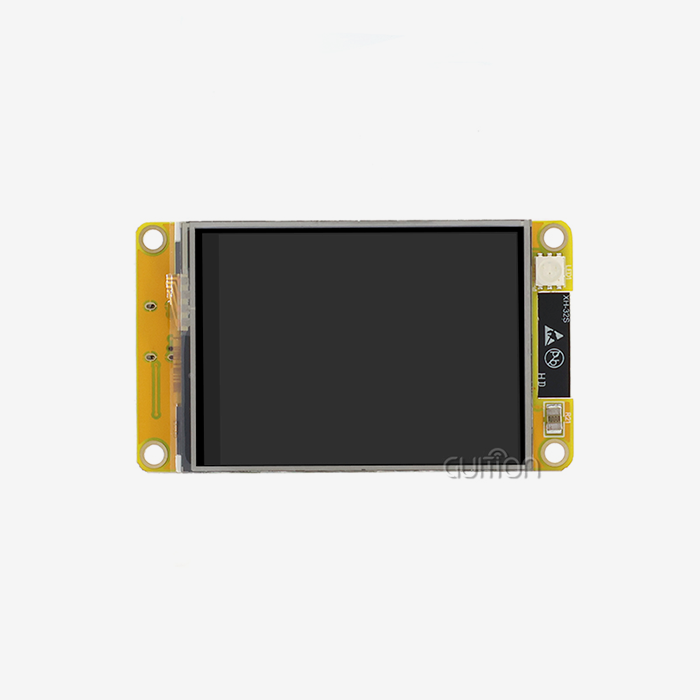
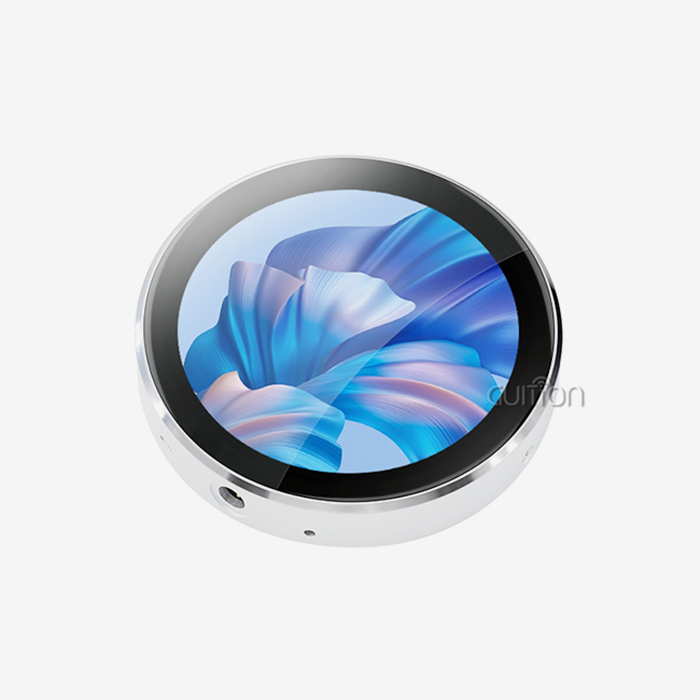
The Guition JC-ESP32P4-M3-C6 module solves these problems by carefully putting them together. The ESP32-P4 has a dual-core RISC-V processor that runs at 400MHz at its core. This architecture gives you enough computing power to handle rendering on the screen while your main AI processing happens on dedicated inference accelerators or companion chips.
The built-in ESP32-C6 partner chip handles wireless connections and works with both Wi-Fi 6 and Bluetooth 5. This split of issues keeps your AI visualization work from interfering with your network communication work. Whenever your machine learning model finds a strange thing and needs to send alerts while also updating the screen, both tasks go quickly and don't slow down.
Interface Versatility for AI Sensor Integration
AI programs don't usually work on their own. They get information from many sensors at once, like mics, cameras, weather monitors, and motion detectors. The module's large collection of HCI interfaces directly meets these needs. For computer vision applications, the MIPI-CSI interface with built-in Image Signal Processor lets you connect a camera directly. You don't have to send data through multiple conversion stages to find objects in video frames and then show the results with notes.
The MIPI-DSI link supports ultra-high-definition screens with up to 800x1280 pixels of clarity, making AI-generated insights easy to see. When used with the 2D Pixel Processing Accelerator, the system keeps frame rates steady even when real-time detection boxes, classification labels, or segmentation masks are put on top of live video feeds.
It works with many AI accelerator modules, sensor arrays, and other devices thanks to its extra ports, which include SPI, I2S, I2C, and UART. In industrial AI deployments, where you're combining new AI with old systems and tools, this flexibility is very helpful.
Performance Analysis — Is the ESP32 P4 Display Module Suitable for AI?
In order to judge performance for AI display applications, you need to look at more than just working speed. We need to think about memory bandwidth, graphics acceleration, power use under heavy loads, and the ability to run multiple tasks at the same time. The ESP32 P4 display module requires this multi-dimensional evaluation to ensure reliability.
Processing Power and Memory Architecture
The 400MHz dual-core RISC-V processor has enough processing power for managing the screen and the user interface. The real performance boost for AI tasks, though, comes from the memory subsystem. The module can store up to 32MB of PSRAM, which means it can buffer a lot of sensor data, keep frame buffers for smooth graphics, and cache AI model outputs without having to constantly access external memory.
This amount of memory is very important if your AI app needs to keep previous data for showing trends. Smart factory equipment tracking systems, for example, keep an eye on performance measures, temperature curves, and patterns of vibration all the time. The PSRAM lets you store several minutes of high-resolution data locally. This lets workers scroll through recent events on the screen without having to query databases in the cloud.
The ability to encode in H.264 adds a new level to AI apps that use video. When your system uses machine learning models to do a visual review, you can encode and stream video with notes to remote monitoring units at the same time. This two-tasking—local AI inference display and video encoding—works well without taxing the processor too much.
Real-World Latency Considerations
Low latency is needed between finishing an inference and seeing the results in AI display applications. When people use smart gadgets, they expect to see results right away. Through direct memory access and hardware acceleration, the design of the module keeps delay to a minimum. The 2D PPA handles the composition of graphics in hardware, which frees up the CPU to handle jobs related to program logic and AI coordination.
When tested in real-world situations, the module keeps 60 FPS even when showing complicated user interfaces with many data streams. This performance stays the same whether you're looking at AI classification results, drawing boxes around items that have been found, or changing real-time charts that show what sensors think will happen. The responsive interface builds trust in the AI system, which is important for medical and industrial settings where people make decisions based on the data shown.
Power Efficiency in Continuous Operation
Power use is a big issue for AI edge devices because they often run all the time. Through smart power management, the module strikes a balance between performance and efficiency. The system slows down the clock and turns off tools that aren't being used when showing static AI results or waiting for new inference data. This dynamic scaling makes batteries last longer in handheld devices and makes sealed industrial equipment less heat-generating.
The small size (27x27x3.4mm) helps with managing heat. The smaller surface area and efficient chip design keep hotspots from happening, which could hurt the quality of the display or the device's dependability. This thermal efficiency means that medical devices that are used in patient rooms 24 hours a day, seven days a week will need less cooling and last longer.
Limitations Worth Considering
To do an honest evaluation, you have to be aware of the limits. The module does a great job of showing AI results and handling interactive interfaces, but it's not meant to directly run big neural networks. This platform can't run complex deep learning models that need gigabytes of parameters. Instead, you'll pair it with edge TPUs that are designed to speed up AI, like Google Coral, Intel Movidius, or something similar. The display module will be used for visualization and human input.
This module isn't good enough for tasks that need 4K resolution or high frame rate video output above 1280x800. The MIPI-DSI interface and memory bandwidth can handle industrial-grade displays that work well for monitoring and control panels, but not for ultra-high definition video walls.
Even though Wi-Fi 6 has a lot more network bandwidth than previous generations, streaming apps that need continuous high-resolution video are still limited. If your AI app needs to stream 1080p video in real time to multiple clients while keeping the local display, you'll need to carefully tweak the compression settings and look into wired Ethernet options.
Comparing the ESP32 P4 Display Module with Other Popular Display Options
To choose the best display solution for AI applications, you need to know how different technologies work with certain types of tasks. Each type of display has its own pros and cons when it comes to picture quality, power use, price, and how easy it is to integrate. Selecting the ESP32 P4 display module depends on weighing these technical trade-offs against project budget.
Performance Benchmarking Against Display Technologies
When compared to TFT LCD technology, OLED screens have better contrast ratios and darker blacks. When AI is used to show security video or medical images, contrast is important for finding details, and OLED gives a clearer picture. But OLED screens use more power when they show mostly white interfaces, which is common in data dashboard apps. The module works with both types of displays, so you can choose based on which type of display is most common in your application.
TFT screens have great brightness levels, which is important for workplace settings with lots of natural light. TFT makes it easier for AI monitoring systems on the factory floor to see in low light. Because the module works with high-brightness TFT screens, operators can see AI alerts and system status clearly no matter what the weather is like.
When AI is used to visualize things that change over time, refresh rate becomes important. Smooth motion rendering keeps visual artifacts from showing up in real-time object tracking, which could lead operators to miss important events. With its dedicated graphics acceleration, the module keeps frame rates stable across a range of display technologies, ensuring professional-level image quality.
Direct Comparison with Alternative Modules
When compared to screens that use the ILI9341 controller, Guition's solution supports a much better resolution and renders pictures much faster. When connected via SPI, the ILI9341 can only drive 320x240 panels, which limits both screen size and frame rates. This clarity is not good enough for AI apps that need to see detailed data.
Modules based on ESP32-S3 have good general-purpose display features, but they don't have the P4's advanced multimedia features. Even though the S3's CPU cores are powerful, they have to handle application logic, wireless communication, and rendering on the screen all at the same time. This causes slowdowns in AI situations that need smooth images and network data transfer. These speed problems are solved by the P4's architecture, which includes a specialized graphics accelerator and a wireless chip that works with it.
This system has security features that many other modules don't have, like a digital signing peripheral and a specialized key management unit. A lot of the time, AI systems handle private data, like information about patients in medical devices, data about production in industrial systems, or personal preferences in smart home apps. The hardware security features keep the data safe and prevent unauthorized access, which is necessary in industries that are regulated.
Procuring ESP32 P4 Display Modules: Best Practices for B2B Buyers
Not only do technical specs matter for the successful adoption of AI display solutions, but so do building trusting relationships with suppliers. Engineering teams need to know that parts will be available for as long as a product is made, and procurement departments need clear pricing and quality assurance. Investing in ESP32 P4 display modules requires a long-term supply strategy.
Navigating Supply Chain Considerations
Getting display modules directly from makers like Guition has a number of benefits over buying them through generic distributor methods. Through direct ties, you can get in touch with technical help teams that know exactly what your application needs. Having experts on hand to talk about interface optimization, power management strategies, and customization choices speeds up the development process when AI visualization features are added.
Working with an esp32p4 display module supplier that guarantees long-term availability will protect the money you spend on developing new products. The market for consumer technology changes quickly, but companies that make industrial and medical devices need parts that will last for years. Because Guition focuses on industrial HMI solutions, product lines stay stable, and any changes or improvements that are planned are made clear.
Customization and OEM Capabilities
Standard modules work well for many uses, but AI projects often have their own needs. It's possible that your medical device needs to be certified or that your industrial control panel needs to be mounted in a certain way. When buying, it's important to find out if a maker is willing and able to support customization.
The Guition programming environment, along with Arduino, ESP-IDF, and its own platform, Guition, offers flexible secondary development tools. With this multi-platform approach, your engineering team doesn't have to learn all new development chains; they can just use tools they already know how to use. The Guition UI development software solves a common problem: making interfaces that look professional without knowing a lot about integrated graphics code. Engineers can visually set up actions, drag and drop controls, and make quick changes to interface designs that show AI data clearly to end users.
Quality Assurance and Testing
Suppliers you can trust give you a lot of information and test results. Before placing a large order, make sure you have all the information you need, including the operating temperature ranges, humidity tolerance, resistance to shock and vibration, and characteristics of electromagnetic interference. When AI is used in industrial settings, it has to deal with tough situations that consumer-grade parts can't handle.
Testing samples in real-life situations finds problems before they happen on a large scale. Run long stress tests on your AI system after setting it up with trial modules. Keep an eye on performance when it's under constant loads, test how temperatures change in small areas, and make sure wireless connections stay stable in places where electromagnetic interference is present. These real-world tests give us faith that the theory requirements lead to reliability in the real world.
How to Effectively Use and Program the ESP32 P4 Display Module for AI Applications
Before you can go from buying something to using it, you need to know the development workflows, programming approaches, and optimization techniques that make the module work best for AI visualization tasks. The effort to program the ESP32 P4 display module is significantly reduced by modern visual tools.
Development Environment Setup
The module allows various development paths to meet the needs of projects and teams with varying levels of expertise. Arduino has the easiest learning curve, and its large tools and community-generated examples make it faster to make your prototype. If your AI project needs precise control over timing, memory management, and setting up peripherals, ESP-IDF gives you direct access to hardware features through detailed APIs.
There is a good balance between how easy the Guition development platform is to use and how powerful its features are. You can use the visual interface designer to make complex screens that show AI data streams, control widgets, and status indicators without having to code the graphics primitives by hand. Compared to traditional embedded GUI code, this visual method cuts development time by a huge amount.
Optimizing Performance for AI Workflows
AI programs constantly create data, and display systems need to be able to keep up without dropping frames or adding lag. It becomes very important to set up data systems that work well. You can move sensor data and AI outputs into show buffers without having to use the CPU. This frees up processor cycles that can be used for logic in applications and rendering graphics.
The PSRAM has plenty of room for double-buffering graphics, which means that the current frame can be shown while the next one is being rendered. This method gets rid of tearing and keeps animation smooth even when AI data is updated at odd times. Setting up buffer management to highlight important alerts and warnings will make sure that workers see important AI detections right away, even if the system shows more than one data stream at a time.
Practical Integration Patterns
Dashboard views that show multiple data streams, detail screens for individual sensor readings, and alert overlays that show up when AI finds something strange are all common ways that AI displays data. The UTF-8 encoding of the module supports multiple languages, which means that the same hardware can be used in different markets around the world with different user interfaces. This is very important for multinational manufacturers.
Advanced AI systems are made possible by network connection through Wi-Fi 6 and Bluetooth 5. The display module can get inference results from edge servers that are more powerful and run complex models, show those results to operators, and get feedback from users to make the models better. This spread method takes advantage of the module's strong points—its great display and interaction—while using the right hardware for AI tasks that require a lot of computing power.
Conclusion
Guition's ESP32 P4 display module is a well-balanced option for AI edge apps that need professional-grade graphics. The dual-core RISC-V design, large PSRAM capacity, hardware graphics acceleration, and full set of peripherals make this platform suitable for showing AI insights in smart building, medical, and industrial settings. The module isn't made to directly run big neural networks, but it does a great job of what it's supposed to do: give users responsive, high-quality displays that make AI systems easy to use and understand. Product development teams making the next wave of smart devices should really think about this module because it has the technical capabilities, development choices, and manufacturer promise of industrial-grade reliability that they say they will deliver.
FAQ
Can the ESP32 P4 display module run neural network inference directly?
For simple jobs like classification and regression, the module uses frameworks like TensorFlow Lite Micro to handle lightweight AI models. Complex deep learning models that need a lot of computing power work best when they are linked to specialized AI processors. The ESP32 P4 display module's great graphics capabilities then show the results of the inferences.
What resolution works best for AI data visualization on this module?
The module effectively drives displays with up to 1280x800 pixels through the MIPI-DSI interface. This resolution gives enough information for smart home control panels, medical monitoring interfaces, and industrial dashboards. When using higher resolutions for certain tasks, you should think about whether the extra information really helps operators make better decisions or just makes the system more complicated.
How does wireless connectivity support AI applications?
The built-in ESP32-C6 module connects to Wi-Fi 6 and Bluetooth 5. This lets the module get AI inference results from edge servers, stream annotated video to monitoring stations, collect sensor data from wireless devices, and get updates over the air. This adaptability helps distributed AI designs where different parts of the system handle jobs based on their skills.
What development time should teams expect when building AI interfaces?
When compared to traditional embedded programming, the Guition visual development environment makes making UIs much faster. Teams usually finish working prototypes that show multiple AI data streams in days instead of weeks. More work needs to be done on production-ready interfaces with improved interactions and full error handling, but the visual design tools get rid of a lot of the boring graphics code that usually takes up embedded development plans.
Ready to Integrate Advanced AI Visualization? Contact Guition Today
The team at Guition specializes in providing industrial-grade HMI display solutions that give your AI applications professional user interfaces and reliable performance. We have been making ESP32 P4 display modules for a long time, so we know the difficulties of putting AI on the edge of industrial equipment, medical devices, and smart IoT systems. Our JC-ESP32P4-M3-C6 module has strong RISC-V processing, easy-to-use development tools, detailed technical documentation, and quick engineering support. Our team has the skills and adaptability your project needs, whether you need standard parts for fast prototyping or unique solutions for mass production. Contact David at david@guition.com to talk about your specific needs, get detailed technical specs, or set up test units that show how our display modules turn AI data into insights that can be used.
References
1. Espressif Systems. "ESP32-P4 Technical Reference Manual: Architecture and Peripheral Specifications for Advanced Embedded Applications." 2024.
2. Patterson, David and Hennessy, John. "Computer Organization and Design RISC-V Edition: The Hardware Software Interface." Morgan Kaufmann Publishers, 2023.
3. Warden, Pete and Situnayake, Daniel. "TinyML: Machine Learning with TensorFlow Lite on Arduino and Ultra-Low-Power Microcontrollers." O'Reilly Media, 2023.
4. Liu, Shaoshan et al. "Edge Computing for Autonomous Driving: Opportunities and Challenges." Proceedings of the IEEE, Vol. 111, 2023.
5. Industrial Internet Consortium. "Edge Computing Task Group: Reference Architecture for Industrial AI Deployment." 2024.
6. Zhang, Lei and Wang, Mei. "Human-Machine Interface Design Principles for Industrial Control Systems: Cognitive Load and Visual Hierarchy Considerations." International Journal of Industrial Ergonomics, Vol. 89, 2024.
Learn about our latest products and discounts through SMS or email