- English
- French
- German
- Portuguese
- Spanish
- Russian
- Japanese
- Korean
- Arabic
- Greek
- German
- Turkish
- Italian
- Danish
- Romanian
- Indonesian
- Czech
- Afrikaans
- Swedish
- Polish
- Basque
- Catalan
- Esperanto
- Hindi
- Lao
- Albanian
- Amharic
- Armenian
- Azerbaijani
- Belarusian
- Bengali
- Bosnian
- Bulgarian
- Cebuano
- Chichewa
- Corsican
- Croatian
- Dutch
- Estonian
- Filipino
- Finnish
- Frisian
- Galician
- Georgian
- Gujarati
- Haitian
- Hausa
- Hawaiian
- Hebrew
- Hmong
- Hungarian
- Icelandic
- Igbo
- Javanese
- Kannada
- Kazakh
- Khmer
- Kurdish
- Kyrgyz
- Latin
- Latvian
- Lithuanian
- Luxembou..
- Macedonian
- Malagasy
- Malay
- Malayalam
- Maltese
- Maori
- Marathi
- Mongolian
- Burmese
- Nepali
- Norwegian
- Pashto
- Persian
- Punjabi
- Serbian
- Sesotho
- Sinhala
- Slovak
- Slovenian
- Somali
- Samoan
- Scots Gaelic
- Shona
- Sindhi
- Sundanese
- Swahili
- Tajik
- Tamil
- Telugu
- Thai
- Ukrainian
- Urdu
- Uzbek
- Vietnamese
- Welsh
- Xhosa
- Yiddish
- Yoruba
- Zulu
Is a Smart LCD Module Suitable for Industrial Control Systems?
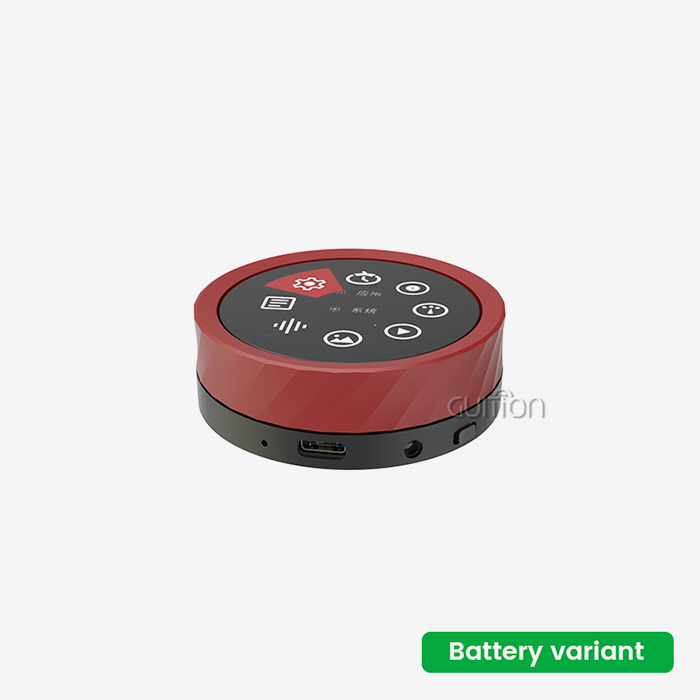
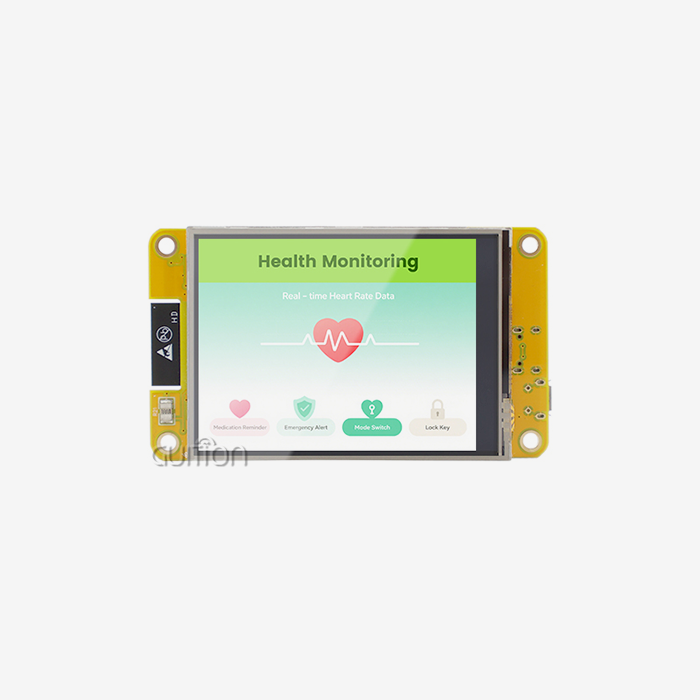
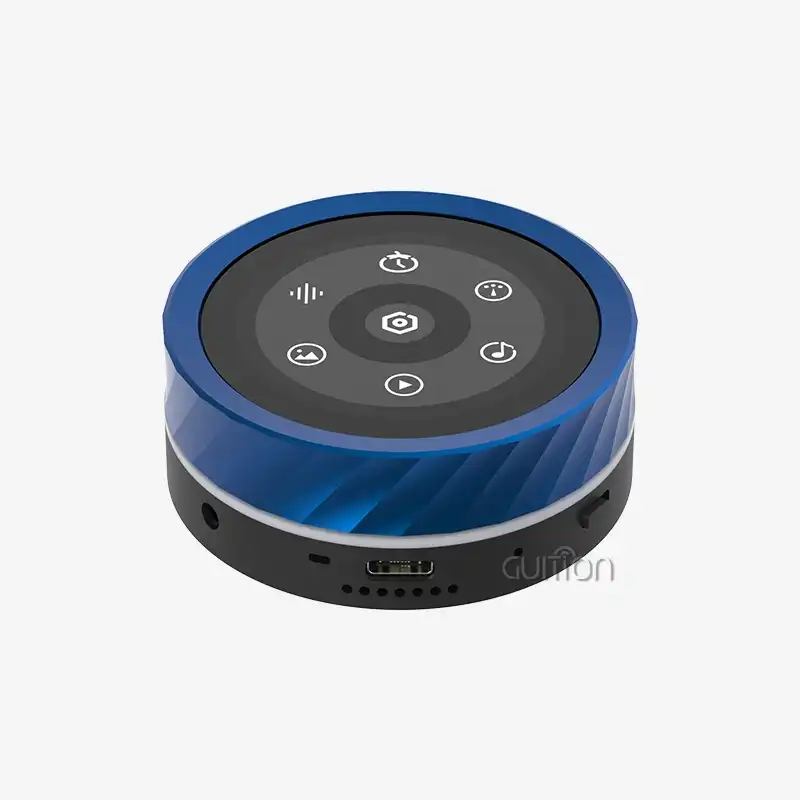
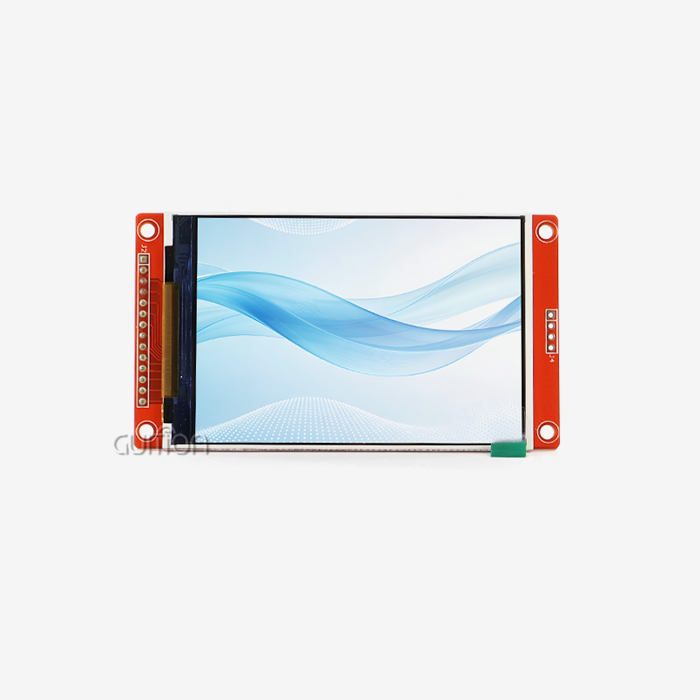
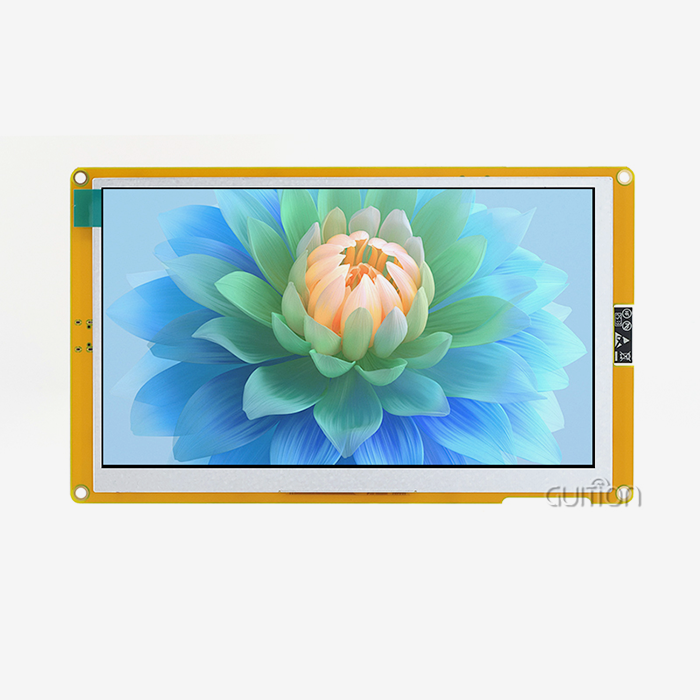
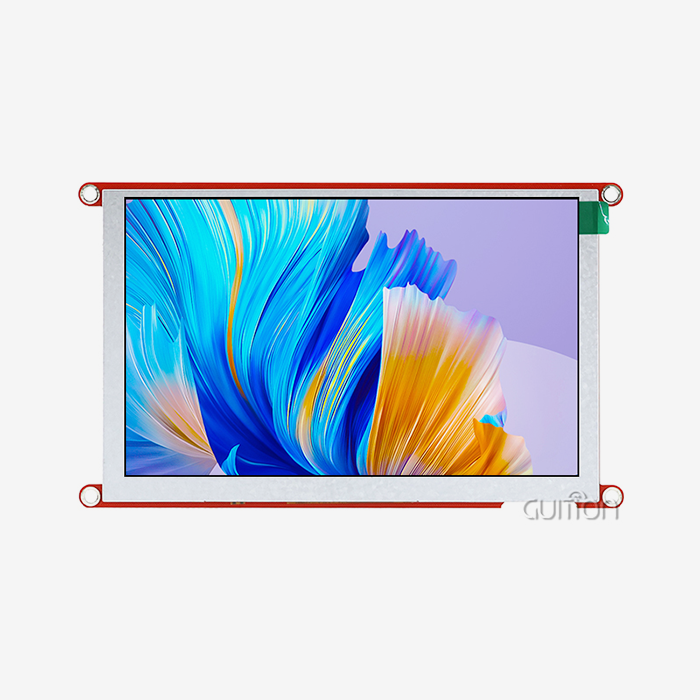
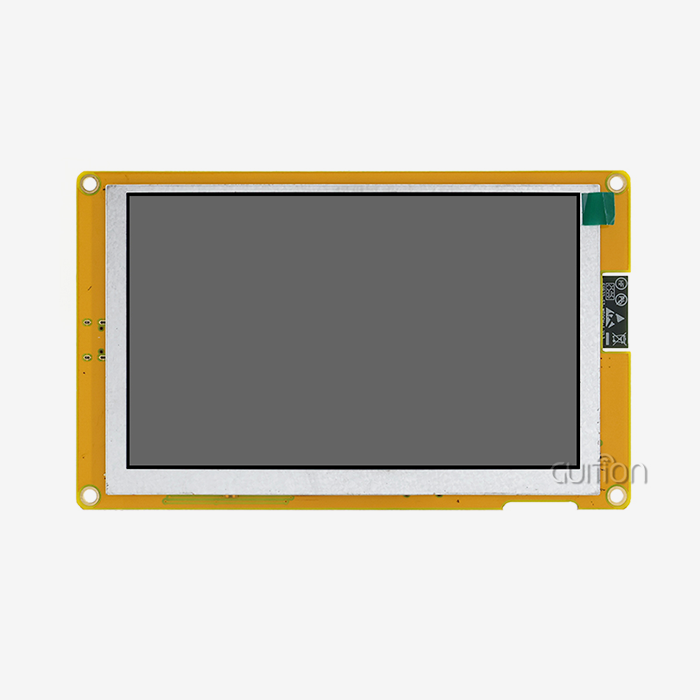
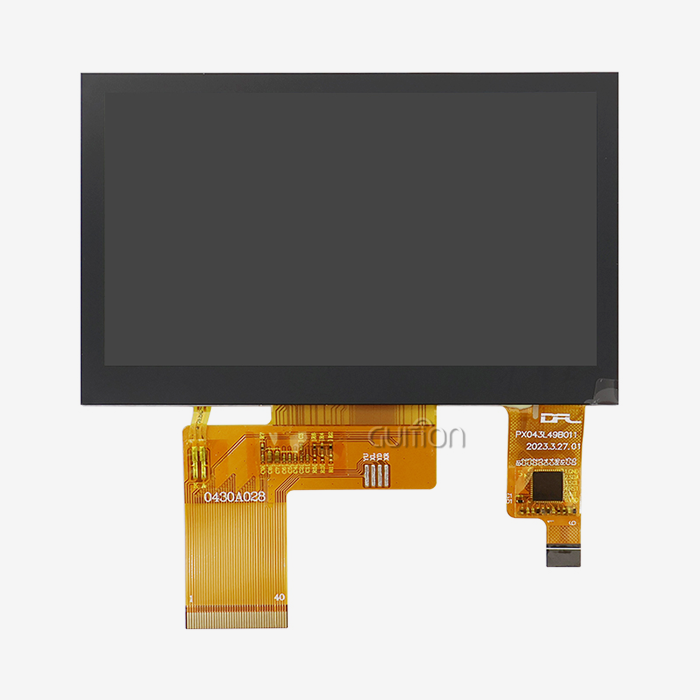
If you are an embedded engineer or product manager evaluating display options for your next industrial project, the short answer is yes — a Smart LCD Module is well-suited for industrial control systems. These modules combine display hardware with onboard communication logic, allowing engineers to build responsive human-machine interfaces without writing complex low-level graphics code. The GUITION JC2432S028N, for example, delivers a 240×320 resolution TFT display over a 4-wire SPI interface driven by the ILI9341 IC, giving industrial teams a dependable, low-pin-count display solution that integrates cleanly into automation platforms.

Understanding Smart LCD Modules in Industrial Control Systems
What Separates a Smart LCD Module from a Raw Panel
A Smart LCD Module is more than just a screen; it's a whole system for showing things. The module builds a driver IC and a communication link right into the assembly. This way, the host MCU only has to handle sending display orders over SPI or UART, not rendering pixels. This split of GUI logic from control logic makes the host CPU less busy and speeds up development by a lot.
Why Industrial Engineers Choose TFT Display Modules
Screens on industrial control panels need to be able to read in a variety of lighting conditions, react quickly to user input, and stand up to electrical noise. The JC2432S028N's ILI9341-driven TFT display panel shows clear 240x320 images with stable color reproduction. This means that readings are easy to understand even in places with a lot of light or vibration.
Communication Architecture That Supports Real-Time Control
. The JC2432S028N's 4-wire SPI interface only needs a few IO pins, which means that sensors, relays, and actuators can use more of the GPIO resources. This small-footprint communication architecture works well with microcontroller designs that are limited, like those found in PLCs, energy meters, and handheld diagnostic tools.
Comparison: Smart LCD Modules vs Traditional Display Technologies
Traditional Segmented LCDs and Their Limits
Characters and labels on older split LCDs stay the same. They can't show changing UI layouts, dynamic data graphs, or writing in more than one language. A Smart LCD Module offers more advanced display capabilities, while segmented screens aren't good enough for current industrial control panels that need trend charts or status animations that work in real time.
OLED Displays: Bright but Constrained
OLED screens have high contrast, but they can get burned in if static icons stay on the screen for a long time, which often happens in factory settings that are open 24 hours a day. Because they have a higher unit cost and can only work at a certain temperature, they are not the best choice for large-scale corporate deployments or OEM production runs that need to stay within budget.
TFT LCD Modules: The Industrial Balance Point
A good TFT LCD panel, like the JC2432S028N, is the right mix of brightness, price, and durability. In industrial-grade panels, the half-life of an LED backlight is usually more than 30,000 hours. With the ILI9341 driver IC's wide working support and the Guition UI development software that gets rid of the need for manual pixel rendering, these modules offer great value for money for both testing and mass production.
Evaluating Suitability: Smart LCD Modules in Industrial Control Systems
Meeting Industrial KPIs: Reliability and Uptime
High uptime is needed for industrial deployments. The JC2432S028N is made to strict manufacturing standards and has brightness control hardware that is made to work for a long time. When used with the Guition development platform, engineers can remotely update deployed units' firmware without having to physically touch them. This keeps systems up to date without having to schedule planned downtime.
Addressing EMI and Signal Integrity
EMF interference from motor drivers or relay switches is a common problem in industrial settings. When you use SPI serial communication instead of parallel RGB busses, the number of signal lines and trace lengths go down. This makes EMI exposure lower. It is recommended by Guition's technical support documentation to keep the display power rail away from inductive load power supplies. This also helps protect the stability of the display.
Cross-Platform Compatibility for System Integrators
The JC2432S028N Smart LCD Module can be used for development with Arduino, ESP-IDF, and Guition. Since these tools work with a lot of other tools, system designers don't have to use just one. If you're making an ESP32-based energy management panel that is connected to WiFi, you can use ESP-IDF. If you're making a rapid prototype, you can use the Guition drag-and-drop interface builder without writing a single line of display driver code. Signal security, remote update support, and cross-platform freedom all work together to solve the main problems that embedded engineers have when putting display modules to use in real-world production settings.
Procurement Considerations for Smart LCD Modules
Evaluating Suppliers Against Industrial Standards
When buying a display module for industrial use, purchase teams should make sure that the seller does Environmental Stress Screening, which includes storage tests at both high and low temperatures, as well as ESD immunity testing according to IEC 61000-4-2 standards. Shenzhen Jingcai Intelligent Co., Ltd.'s production method for Guition includes a required burn-in aging time to lower the number of modules that fail early before they ship.
Documentation, Support, and After-Sales Costs
One factor that isn't given enough attention when buying something is the quality of the technical documentation and support after the sale. Internal engineering hours go up when documentation is bad. Guition has full secondary development interfaces, lots of code examples, and support for cross-platform online debugging. This directly lowers the total cost of making a product and getting it on the market.
Sizing, Customization, and Supply Reliability
The sizes of Guition's panels run from 1.28 inches to 21.5 inches, so they can be used in a lot of different industrial structures. The JC2432S028N has an optional touch screen control circuitry that lets procurement teams set up the module with or without touch input, depending on the need. For situations where using bare hands isn't practical, industrial glove-compatible resistive touch is available. Guition's structured OEM collaboration model takes into account things like supply chain reliability and long-term product availability.
Future Trends and Advancements in Smart LCD Modules for Industrial Use
AI-Assisted UI Personalization on the Factory Floor
As manufacturing systems get smarter, display interfaces should be able to change based on how the user uses them. By adding small amounts of AI to hmi display modules, Smart LCD Module solutions will enable control panels to automatically show the most important data, making it easier for operators to focus during busy production times.
IoT Connectivity and Industry 4.0 Integration
The JC2432S028N already has WiFi and Bluetooth built in, which puts it in line with Industry 4.0 designs that use display screens as both output devices and connected data points. It is now possible to send real-time data to cloud dashboards or edge servers without adding extra communication hardware to the bill of materials.
OTA Upgrades as a Long-Term Cost Strategy
The option to update remotely is going from being a premium tool to something that everyone expects. With Guition's remote OTA update support, bug fixes, UI changes, and new features can be sent out after the product has been released. This lowers service costs a lot over the lifetime of a product for companies that make medical devices, farm automation terminals, or business kiosks, all of which have long product cycles.
Conclusion
For industrial control systems, a Smart LCD Module is a useful, well-known, and inexpensive option. The GUITION JC2432S028N shows how a 2.8-inch TFT display module with SPI communication, ILI9341 driver support, and the Guition development platform can meet the needs of embedded engineers, HMI designers, and R&D managers in medical devices, smart appliances, industrial automation, and energy management. Its low pin-count communication, cross-platform development support, remote over-the-air (OTA) capability, and multi-language encoding give engineering teams the tools they need to make interfaces that are ready for production without adding extra work to the development process.
FAQ
Why does the display flicker when a relay switches nearby?
This typically points to electromagnetic interference on the power supply. Keep the display's DC logic power separate from inductive load power, and verify that ground loops are isolated. The 4-wire SPI architecture of the JC2432S028N limits signal exposure compared to parallel RGB interfaces.
Can the JC2432S028N be used with Arduino?
Yes. The module supports Arduino, ESP-IDF, and Guition development modes. Comprehensive code examples are included to accelerate integration, and cross-platform online debugging shortens troubleshooting time.
How are firmware updates delivered to deployed units?
Guition supports remote OTA upgrades through the host MCU, allowing UI and firmware updates to be pushed without physical access to the device — ideal for field-deployed industrial panels or commercial terminals.
Does the module support multi-language text?
Yes. UTF-8 encoding and multi-language switching are built in, making the module suitable for global product deployments across North America, Europe, and Asia without hardware redesign.
What customization options exist for industrial enclosures?
The module includes optional touch screen control circuitry, backlight control circuitry, and an SD card slot for expanded storage. Guition's secondary development interfaces allow deep UI customization to match specific industrial panel layouts and branding requirements.
Get a Quote from Guition — Trusted Smart LCD Module Supplier
Guition, which is made by Shenzhen Jingcai Intelligent Co., Ltd., has a range of display modules that have been used successfully in medical, industrial, and Internet of Things (IoT) settings. The JC2432S028N Smart LCD Module can be bought in bulk or as a sample. It comes with full technical paperwork and expert support. To get information about our products, prices, and OEM partnerships, email our team at david@guition.com or go to https://jingcaizhineng.aixdb.cn/. We welcome engineers, R&D managers, and buying leads who are looking for a Smart LCD Module maker they can trust to provide them with reliable supplies over the long term.
References
1. Harman, D. — Liquid Crystal Display Technology in Industrial Applications, IEEE Industrial Electronics Magazine, 2019.
2. Kugelstadt, T. — Interface Circuits for TFT LCD Modules, Texas Instruments Application Report, 2018.
3. Laplante, P. A. — Real-Time Systems Design and Analysis: Tools for the Practitioner, Wiley-IEEE Press, 2011.
4. Park, S. & Kim, J. — EMC Design Considerations for Embedded Display Systems, Journal of Electromagnetic Engineering and Science, 2020.
5. Rashid, M. H. — Power Electronics Handbook: Devices, Circuits, and Applications, Butterworth-Heinemann, 2017.
6. Trevino, C. — HMI Design for Industrial Control Panels: Standards and Best Practices, ISA (International Society of Automation), 2021.
Learn about our latest products and discounts through SMS or email