- English
- French
- German
- Portuguese
- Spanish
- Russian
- Japanese
- Korean
- Arabic
- Greek
- German
- Turkish
- Italian
- Danish
- Romanian
- Indonesian
- Czech
- Afrikaans
- Swedish
- Polish
- Basque
- Catalan
- Esperanto
- Hindi
- Lao
- Albanian
- Amharic
- Armenian
- Azerbaijani
- Belarusian
- Bengali
- Bosnian
- Bulgarian
- Cebuano
- Chichewa
- Corsican
- Croatian
- Dutch
- Estonian
- Filipino
- Finnish
- Frisian
- Galician
- Georgian
- Gujarati
- Haitian
- Hausa
- Hawaiian
- Hebrew
- Hmong
- Hungarian
- Icelandic
- Igbo
- Javanese
- Kannada
- Kazakh
- Khmer
- Kurdish
- Kyrgyz
- Latin
- Latvian
- Lithuanian
- Luxembou..
- Macedonian
- Malagasy
- Malay
- Malayalam
- Maltese
- Maori
- Marathi
- Mongolian
- Burmese
- Nepali
- Norwegian
- Pashto
- Persian
- Punjabi
- Serbian
- Sesotho
- Sinhala
- Slovak
- Slovenian
- Somali
- Samoan
- Scots Gaelic
- Shona
- Sindhi
- Sundanese
- Swahili
- Tajik
- Tamil
- Telugu
- Thai
- Ukrainian
- Urdu
- Uzbek
- Vietnamese
- Welsh
- Xhosa
- Yiddish
- Yoruba
- Zulu
How to Check RoHS Compliance for a 7 inch tft lcd display module?
To check RoHS compliance for a 7 inch TFT LCD display module, you should request a valid RoHS Declaration of Conformity from the supplier, review the material declaration against the six restricted substances—lead (Pb), mercury (Hg), cadmium (Cd), hexavalent chromium (Cr VI), PBB, and PBDE—and verify third-party test reports from accredited laboratories. For display modules like the GUITION JC1060M070N\_I, always cross-check component-level data, including the driver IC, backlight LEDs, solder alloys, and PCB materials to confirm each part meets the 0.1% threshold requirements defined under EU Directive 2011/65/EU (RoHS 2).

Understanding RoHS Compliance and Its Relevance to 7 Inch TFT LCD Display Modules
The RoHS (Restriction of Hazardous Substances) Directive has a direct impact on how display parts are made, bought, and sold around the world. Engineers and purchasing managers looking for a TFT LCD display module must understand this legal system; it is not a choice.
What RoHS Actually Restricts
RoHS limits the use of ten chemicals in electrical and electronic devices (EEE). In RoHS 3 (EU 2015/863), four more phthalates were added to the original six: lead, mercury, cadmium, hexavalent chromium, PBB, and PBDE. There are several places where a normal 7.0-inch TFT screen could be dangerous: lead in the solder joints, mercury in older CCFL backlights (but not in LED-backlit modules like the JC1060M070N©I), and cadmium in some pigments or coatings.
Why It Matters for B2B Market Access
The U.S. market is becoming more and more in line with European RoHS standards. RoHS-equivalent requirements are mentioned in California's SB 20 and in federal procurement guidelines. Display units that don't follow the rules can be turned away at customs, which can cause delays, fines, or even forced product returns that cost a lot of money and time. The reputational risk is just as high for companies that make industrial equipment that puts display boards in medical devices or charging stations.
Common Challenges in Verifying Compliance
It is hard to check if a TFT display module is compliant because it has a lot of different parts from different supply chains. A supplier may have a top-level RoHS certificate but use third-party parts that don't comply in the FPC connector or backlight unit. This is the reason why procurement teams can't just use a single statement paper; they need an organized way to check everything.
Step-by-Step Guide to Verifying RoHS Compliance of a 7 Inch TFT LCD Display Module
Your purchasing choices for a 7 inch tft lcd display module will be safe from later compliance problems if you use an organized verification process. Here is an easy way to buy TFT LCD modules that I think will work.
Step 1 — Review Supplier Certifications and Datasheets
Get the RoHS Declaration of Conformity, the full product datasheet, and any material safety data sheets (MSDS) from the supplier. The datasheet for the GUITION JC1060M070N^_I shows that it has a JD9165 driver IC and a MIPI DSI port. Make sure that the declaration clearly shows all ten of the banned drugs and that each one is below the legal limit. A simple one-page certificate that doesn't include substance-level statistics isn't good enough.
Step 2 — Audit the Bill of Materials for High-Risk Components
Most compliance holes can be found in the bill of materials. Pay special attention to the backlight unit (27 LEDs in this module's array), the solder alloys on the PCB, the FPC cable material, and any plastics used on the housing. There is a known RoHS risk for each of these types of parts. Ask the seller for a Full Material Declaration (FMD) that lists all the dangerous materials in each part, not just the ones that are put together.
Step 3 — Commission Third-Party Testing
Documentation from the supplier alone does not guarantee compliance. Third-party XRF (X-ray fluorescence) screening is a quick and easy way to find heavy metals on the surface of things without damaging them. For more proof, especially for cadmium or hexavalent chromium, wet chemistry analysis at a recognized lab (like SGS, Intertek, or Bureau Veritas) gives test results that can be used in court. Before placing large orders, I always suggest that you have at least one round of testing done by a third party on samples from a new supplier.
Comparing RoHS Compliance Across Different 7 Inch TFT LCD Display Modules and Suppliers
Not every display module has the same level of compliance. Knowing the differences between them can help you make better decisions about what to buy.
Display Technology and Interface Type Matter
When you use LCD modules with LED backlights, like the MIPI DSI-based screens such as the JC1060M070N^_I, you automatically avoid mercury, which is a big RoHS risk in older CCFL-backlit displays. Even though OLED panels don't use mercury, the encapsulation layer may pose different material risks. The type of interface (RGB, LVDS, or MIPI DSI) impacts the complexity of the PCB and the number of solder joints, which in turn impacts the lead-related compliance exposure.
How to Evaluate Supplier Credibility
In addition to RoHS paperwork, a reliable 7 inch tft lcd display module provider keeps ISO 14001 environmental management certification. They send out product change notices (PCNs) when parts are switched out, which makes it possible to track changes across production batches. When looking at different suppliers, make sure you ask how often they do internal audits and if they have a registered substance management system that is in line with IEC 62474, which is the international standard for material declarations in the EEE industry.
Bulk and Custom Orders Require Extra Scrutiny
Compliance stability across batches is a real issue for sales of a lot of display modules or modules that are made just for the customer. When production ramps up, it's common to switch out parts, which can lead to the introduction of non-compliant parts by accident. Ask your supplier to give you a batch-level compliance statement for every shipment, and make sure your purchase agreement includes a clause for re-testing if you order more than 500 units per run.
Practical Tips for Procurement Managers to Avoid Non-Compliant 7 Inch TFT LCD Modules
Getting compliance right from the start saves a lot of time and money in the long run. These are the main tactics that every buying team should use.
Embed RoHS Requirements in RFQs and Contracts
It should be clear in your Request for Quotation that RoHS 3 (EU 2015/863) compliance is a must, not a nice-to-have. Include a clause in the contract that lets you check the compliance paperwork at any time and refuse packages that don't have batch-level material statements. This makes it clear from the start who is responsible for the supplier.
Partner with Certified, Transparent Suppliers
When you work with suppliers who have ISO 14001 and keep compliance documents that are easy to find, you have a lot less work to do when it comes to verification. Your supply chain will be safer if your suppliers share test reports, datasheets, and bill-of-materials (BOM)-level material declarations on a regular basis. This is especially important if your final product is going to be sold in a controlled market, like medical gadgets or panels for industrial automation.
Use Digital Compliance Management Tools
Teams can keep track of, store, and check supplier compliance records on a large scale with the help of Assent Compliance, ChemSec SINS List, or IPC-1752A declaration tools, which are all B2B procurement platforms and compliance software solutions relevant to sourcing components such as a 7 inch tft lcd display module. These platforms keep audit trails that help with regulatory checks and cut down on mistakes made by people when dealing with documents. A good rule of thumb for live product lines is to revalidate them every 12 to 18 months.
Case Study: How GUITION Ensures RoHS Compliance for 7 Inch TFT LCD Modules
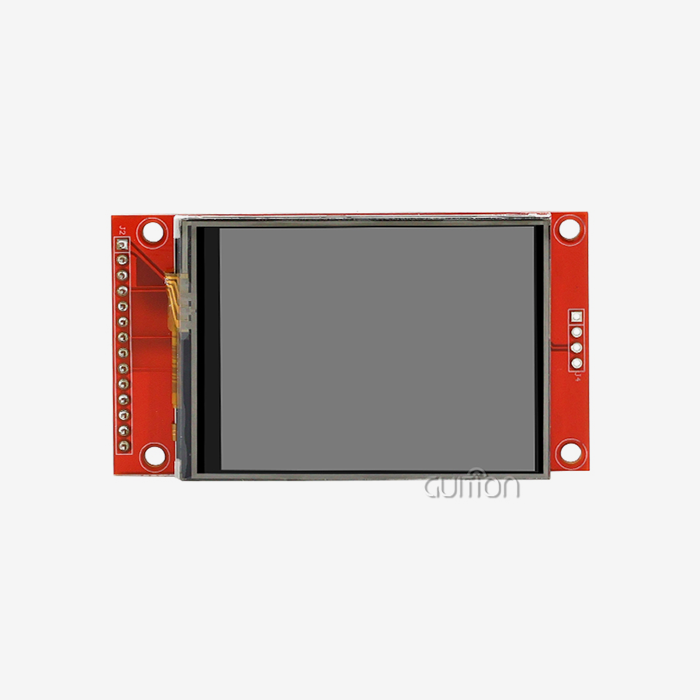
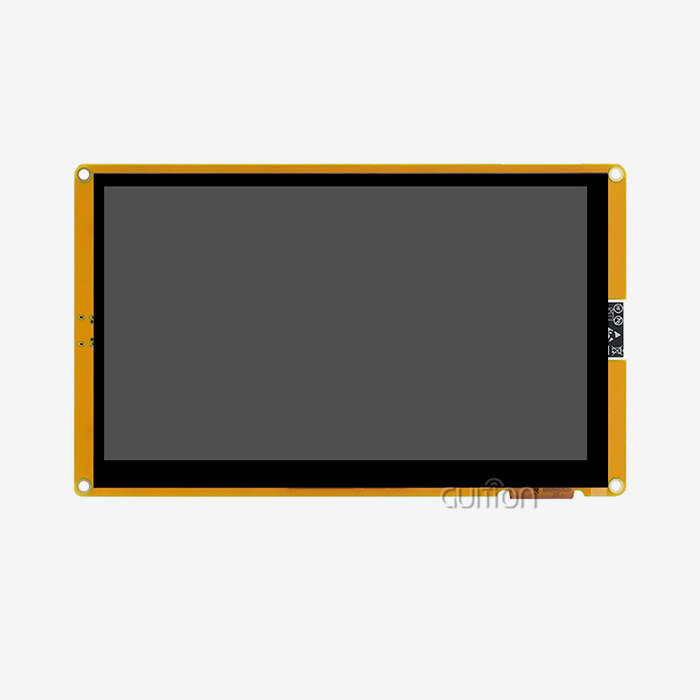
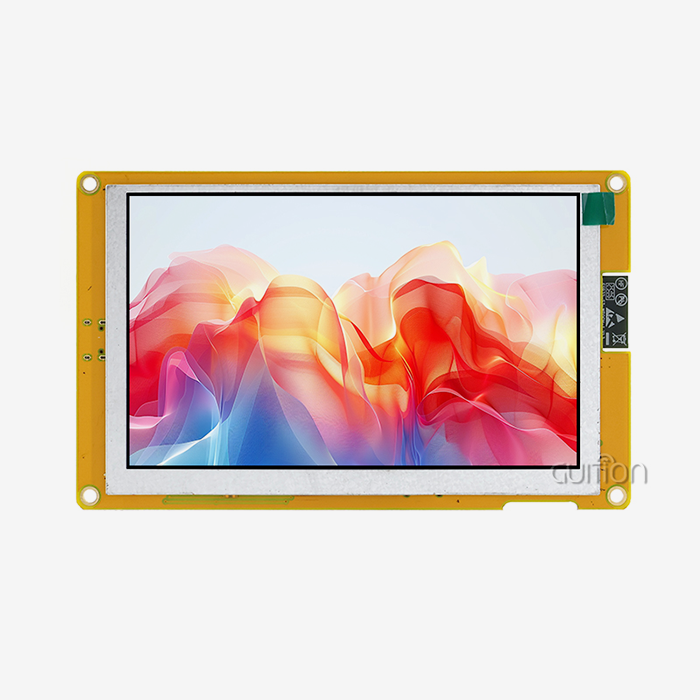
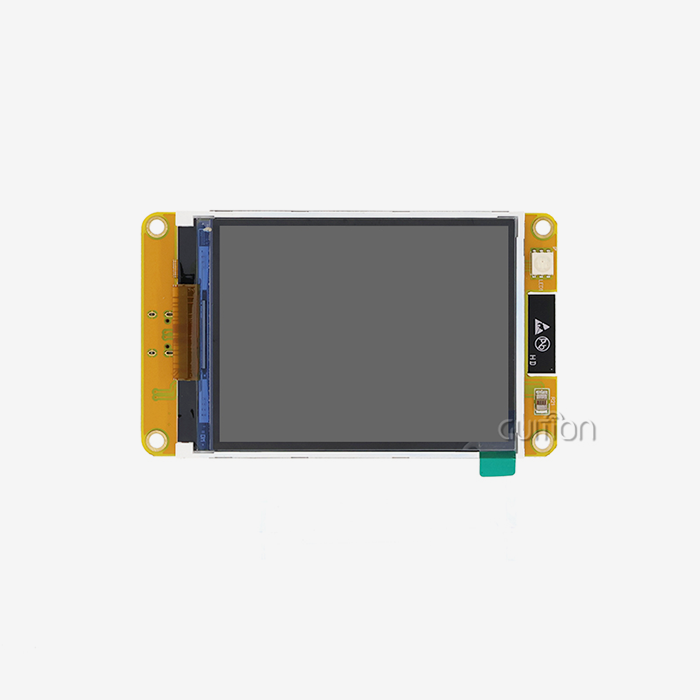
The JC1060M070N^_I from GUITION is a 7.0-inch TFT LCD display module that is based on the JD9165 driver IC. It has a MIPI DSI interface, a resolution of 800x480, and a 16.7M color output. It works from -20°C to 70°C and has 27 LEDs in its backlight system, so it is naturally mercury-free. GUITION does more than just design products; it also checks for compliance right in the production and buying processes.
The JC1060M070N^_I's material declarations are kept up to date at the component level. These cover the driver IC, FPC assembly, LED backlight unit, and PCB solder points. Third-party test reports from approved labs are available upon request and are kept up to date whenever a component is changed. This method gives industrial buyers a record of compliance that can be used to enter both the EU and U.S. markets, whether they are looking for charging station panels, medical esthetic equipment, or 3D printer interfaces.
Fewer product recalls, faster regulatory approval processes, and a lower total cost of compliance management are all good for users. The quality of GUITION's paperwork makes it easier for procurement teams to do their due diligence, which frees up engineering resources to work on product development instead of auditing suppliers.
Conclusion
It takes more than just taking a supplier's certificate at face value to determine a 7 inch tft lcd display module's RoHS compliance. It calls for material inspection at the bill of materials level, verification by a third-party lab, and supplier accountability at the contract level. The GUITION JC1060M070N^_I shows that performance and compliance can go hand in hand. Its LED backlight design, industrial-grade temperature range, and detailed documentation for each component make it a reliable choice for regulated uses. You can protect your brand, your customers, and your access to global markets by making compliance checks a normal part of your procurement process.
FAQ
How often should I re-verify RoHS compliance for a display module I already source regularly?
Check for compliance again at least once every 12 to 18 months or right away after a supplier sends a product change note (PCN). Compliance drift in display units is often caused by changing parts while production is still going on.
Can a TFT LCD display module pass RoHS but fail other environmental standards?
Yes. There are some substances that a module may not meet REACH (Registration, Evaluation, Authorization and Restriction of Chemicals) requirements even though it meets RoHS standards. These may include chemicals of very high concern (SVHCs). Also, WEEE (Waste Electrical and Electronic Equipment) compliance deals with how to get rid of old electronics in a way that RoHS does not. Check to see what standards your target market follows at all times.
What are the real consequences of selling a non-compliant display module in the U.S. or EU?
Customs seizures, forced product recalls, civil fines (up to €10,000 per violation in some EU member states), and being taken off lists for retailers or distributors are some of the consequences. In regulated fields like medical devices or industrial machinery, not following the rules can also lead to reviews by the regulatory body that affect your whole line of products, not just the display part.
Partner with GUITION for Fully Compliant 7 Inch TFT LCD Display Modules
With each 7 inch tft lcd display module, including the JC1060M070N_I, GUITION provides documented, traceable RoHS compliance. We provide full material declarations, third-party test results, and quick technical help to your procurement team as a reputable 7 inch tft lcd display module maker. Email us at david@guition.com for samples or to ask about bulk prices. You can also visit https://jingcaizhineng.aixdb.cn/ to find out more.
References
1. European Commission. Directive 2011/65/EU on the Restriction of Hazardous Substances in Electrical and Electronic Equipment (RoHS 2). Official Journal of the European Union, 2011.
2. European Commission. Delegated Directive (EU) 2015/863 Amending Annex II to Directive 2011/65/EU (RoHS 3). Official Journal of the European Union, 2015.
3. IEC. IEC 62474: Material Declaration for Products of and for the Electrotechnical Industry. International Electrotechnical Commission, 2018.
4. SGS Group. RoHS Testing and Compliance Services: Technical Guidelines for Electronic Components. SGS Technical Report, 2022.
5. Intertek Group. XRF Screening for RoHS Compliance in Electronic Assemblies. Intertek Application Note, 2021.
6. IPC. IPC-1752A: Materials Declaration Management Standard for Electronic Equipment. IPC Standard Publication, 2013.
Learn about our latest products and discounts through SMS or email