- English
- French
- German
- Portuguese
- Spanish
- Russian
- Japanese
- Korean
- Arabic
- Greek
- German
- Turkish
- Italian
- Danish
- Romanian
- Indonesian
- Czech
- Afrikaans
- Swedish
- Polish
- Basque
- Catalan
- Esperanto
- Hindi
- Lao
- Albanian
- Amharic
- Armenian
- Azerbaijani
- Belarusian
- Bengali
- Bosnian
- Bulgarian
- Cebuano
- Chichewa
- Corsican
- Croatian
- Dutch
- Estonian
- Filipino
- Finnish
- Frisian
- Galician
- Georgian
- Gujarati
- Haitian
- Hausa
- Hawaiian
- Hebrew
- Hmong
- Hungarian
- Icelandic
- Igbo
- Javanese
- Kannada
- Kazakh
- Khmer
- Kurdish
- Kyrgyz
- Latin
- Latvian
- Lithuanian
- Luxembou..
- Macedonian
- Malagasy
- Malay
- Malayalam
- Maltese
- Maori
- Marathi
- Mongolian
- Burmese
- Nepali
- Norwegian
- Pashto
- Persian
- Punjabi
- Serbian
- Sesotho
- Sinhala
- Slovak
- Slovenian
- Somali
- Samoan
- Scots Gaelic
- Shona
- Sindhi
- Sundanese
- Swahili
- Tajik
- Tamil
- Telugu
- Thai
- Ukrainian
- Urdu
- Uzbek
- Vietnamese
- Welsh
- Xhosa
- Yiddish
- Yoruba
- Zulu
Is a 3.5 inch ESP32S3 display module Suitable for Smart Energy Meters?
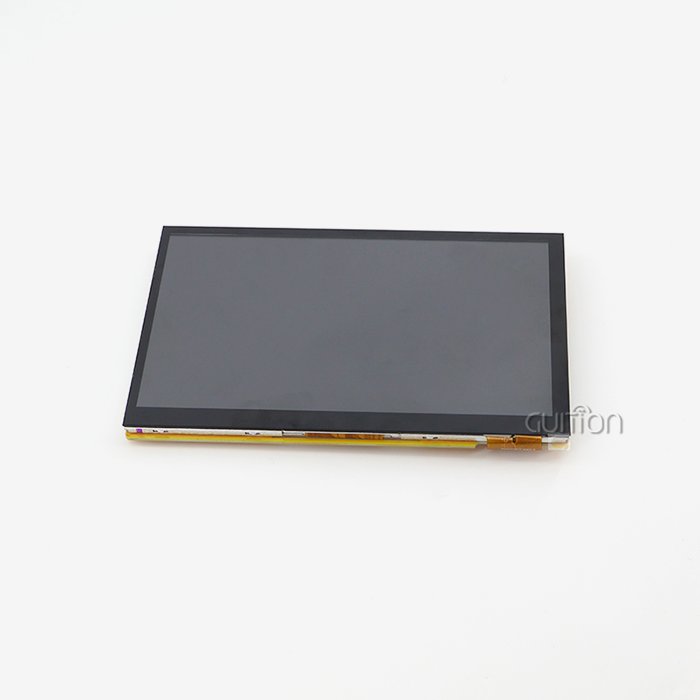
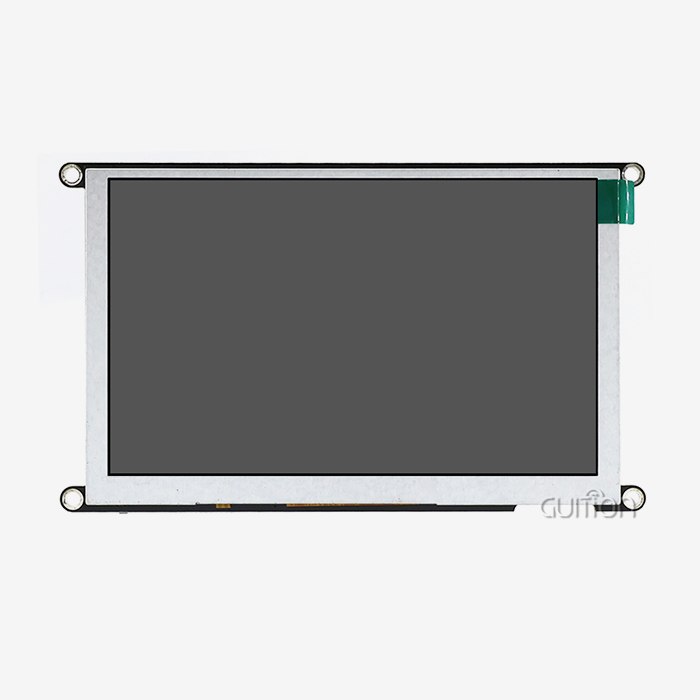
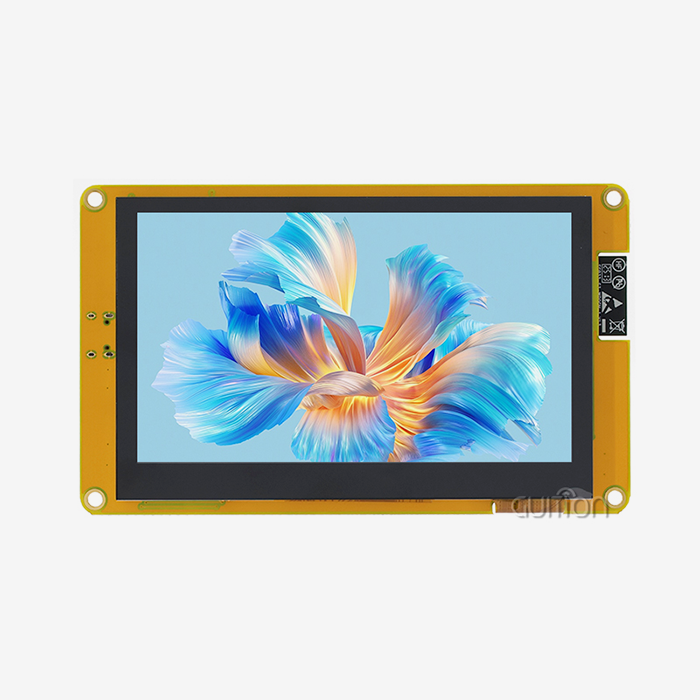
3.5 inch ESP32S3 display module is a good fit for smart energy meters. The GUITION JC3248W535C_I_Y integrates a 240MHz dual-core ESP32-S3R8 CPU with a 320×480 IPS capacitive touch screen, enabling real-time viewing of data in a small form. The ESP32S3 display module has 16MB Flash, 8MB PSRAM, built-in WiFi and Bluetooth and up to 12 GPIO ports accessible. This allows it to handle sensor interface, wireless data transfer and multi-parameter dashboards concurrently – just what is needed for contemporary energy metering.

Understanding the Core Specifications and Capabilities of the 3.5 Inch ESP32S3 Display Module
More than a screen, the GUITION JC3248W535C_I_Y is a complete embedded computer platform. Engineers know its specs, so they can tell whether it will fit before they lock down a design.
Processing Power and Memory
The ESP32-S3R8 dual-core MCU with 512KB SRAM, 384KB ROM, and 8MB PSRAM onboard runs up to 240MHz. The 16MB Flash storage supports big firmware images, data logging and GUI content without requiring extra chips. This memory profile enables double-buffered LVGL rendering, which has direct implications for smooth updates of the waveform and consumption graph on an energy meter screen.
Display and Touch Interface
IPS display with 320×480 resolution and 170° viewing angles ensures that the text is readable in dark utility rooms as well as bright industrial areas. The capacitive touch controller (I2C interface) allows operators to browse tariff settings or historical consumption views without physical buttons, providing accurate tap and motion inputs. Thermal cycling is generally disregarded in meter enclosure design. IPS technology preserves color fidelity throughout thermal cycling.
Development Ecosystem Flexibility
The 3.5 inch ESP32S3 display module supports Arduino IDE, ESP-IDF, MicroPython, and the Guition proprietary development environment. The TF card slot and up to 12 accessible GPIO pins extend peripheral options for current transformers, relay outputs, or RS485 transceiver connections common in energy metering hardware. This breadth of interface support reduces redesign risk when integrating with existing MCU architectures.
Assessing the Display Module for Smart Energy Meter Requirements
Energy meters have to work in tough situations. Before engineers choose an HMI component, they have to look at how visible it is, how much power it uses, and how well it works in harsh environments.
TFT IPS vs. OLED for Metering Applications
This ESP32S3 display module uses TFT IPS technology, which makes the whole screen bright and doesn't have organic pixel burn-in, which is a big problem for meters that show straight numbers for hours on end. Even though OLED screens use less power when showing low-brightness material, they break down faster when showing static images all the time. When it comes to energy meters that show constant numbers, IPS TFT is the better option.
Resistive vs. Capacitive Touch for Industrial Use
Capacitive touch is standard on consumer and light industrial meters that can be used with clean gloves or bare fingers. It has GT911 or FT6236 class controllers that can get touch deviations of less than 1 mm. If the meters are outside or in wet conditions, resistive overlays might be better. But for indoor AMI (Advanced Metering Infrastructure) panels and substation HMI stations, this 3.5-inch display module's capacitive touch works well.
Industrial-Grade Durability Standards
The JC3248W535C_I_Y is made to military-grade standards and can work in temperatures ranging from -20°C to +70°C. Lead-free compliance with RoHS is normal. Backlight control hardware lets you change the brightness using PWM to fit the light in the room. This makes the LED backlight last longer than the usual 50,000 hours required by industrial display standards.
Integration and Use Cases of the 3.5 Inch ESP32S3 Display Module in Smart Energy Meters
Sensor Data Interfacing
Direct SPI, I2C, UART, and PWM signals can be sent to the module's GPIO set. In a normal smart meter, current transformers send ADC values to an energy metering IC (like the ADE7880) via SPI. The 3.5 inch ESP32S3 display module then gets the processed data over UART or I2C and shows real-time voltage, current, power factor, and kWh numbers. So there's no need for a separate display controller chip, which cuts the bill of materials (BOM) by a large amount.
GUI Design for Energy Dashboards
Designers can use the Guition development tools to easily add gage widgets, bar charts, and trend graphs to the 320x480 grid without having to write any low-level driver code. With UTF-8 multi-language support, the same firmware can be used on meters in North America, Europe, and Southeast Asia, but the labels will be written in the local language. This is an advantage that OEMs looking for global contracts should not overlook.
Here is a list of smart energy metering integration situations that have been shown to work:
- Residential AMI Meters: The compact 3.5 inch form factor fits standard DIN rail enclosures. WiFi connectivity pushes interval data to utility cloud platforms. OTA firmware updates allow tariff schedule changes without site visits, reducing operational expenditure per meter by a measurable margin over a 10-year lifecycle.
- Industrial Sub-Metering Panels: Up to 12 GPIO lines connect relay outputs, alarm indicators, and RS485 transceivers alongside the display. The 8MB PSRAM handles concurrent data logging and GUI rendering at 30+ FPS—sufficient for waveform capture on motor circuits.
- Commercial Kiosk Energy Monitors: The capacitive touch screen lets facility managers interact with consumption breakdowns directly on a wall-mounted display. Bluetooth connectivity enables pairing with mobile commissioning tools during installation.
These use cases show that the JC3248W535C_I_Y can handle measuring needs for homes, businesses, and light factories from a single hardware base, which makes managing SKUs for OEM product lines easier.
Comparing the 3.5 Inch ESP32S3 Display Module with Other Display Solutions for Energy Meters
3.5 Inch vs. 2.8 Inch ESP32 Display Modules
A 2.8-inch screen with a resolution of 240x320 shows about 35% less screen space. For energy meters that show voltage, current, frequency, power factor, and kWh all at the same time, the extra room on the 3.5-inch panel of the 3.5 inch ESP32S3 display module makes the information more dense without the user having to move. The ESP32-S3R8 has more processing power than older ESP32 models that drive 2.8-inch screens, so it can handle more complicated GUI changes.
Cost-Benefit Analysis for Bulk B2B Orders
The GUITION JC3248W535C_I_Y has an MCU, a display, a touch screen, WiFi, Bluetooth, and a storage port all on one board. Different products that split these functions into separate parts usually have a higher total bill of materials (BOM) cost and need more PCB space. When OEMs order in bulk, a consolidated module cuts down on the number of assembly steps and inspection points that need to be done on incoming parts. These savings add up over thousands of production runs.
Supplier Reliability and Ecosystem Support
Guition's product line includes sizes from 1.28" to 21.5", so growth is the same no matter what size meter you use. With documented SDK libraries, cross-platform debugging tools, and the ability to do remote over-the-air (OTA) upgrades, after-sales support is easier to handle. This means that the total cost of ownership is lower for procurement managers than when they buy from sellers who only offer one platform or little paperwork.
Procurement Considerations and Final Recommendation for B2B Buyers
Evaluating Supplier Credibility
Before placing large orders for the 3.5 inch ESP32S3 display module, B2B procurement teams should check the manufacturer's certifications, look at their production capacity, and make sure they can get engineering support. Guition offers detailed documents, sample units, and pre-programmed test applications, which shortens the time needed for approval in the product development cycle.
Value-Added Support Services
With remote over-the-air (OTA) upgrades, deployed meters can get new pricing algorithms or security patches without having to be rolled out by truck. Support for cross-platform debugging in the Arduino IDE, ESP-IDF, and MicroPython speeds up development. These services directly lower smart meter OEMs' costs for both development and long-term costs after the sale.
Final Recommendation
If energy meter developers are looking at different display options, the GUITION JC3248W535C_I_Y ESP32S3 display module has the processing power, connectivity, screen quality, and development support for a smart metering HMI that is ready for production. Its ability to work with over-the-air (OTA) and single-board integration make it a good choice for OEMs that want to sell their products in both domestic and international markets.
Conclusion
For smart energy meters, the GUITION JC3248W535C_I_Y 3.5 inch ESP32S3 display module has a good enough resolution for multi-parameter dashboards, reliable touch input, built-in wireless connection, and an open development environment. Concerns about durability are eased by its industrial temperature rating and military-grade process standards. This ESP32-S3-based display module is a good choice for household, business, and light industrial energy metering applications for B2B buyers who want a consolidated HMI solution that cuts down on design complexity and after-sales costs.
FAQ
What is the power consumption of the JC3248W535C_I_Y in active mode?
The ESP32-S3R8 SoC draws approximately 240mA at full CPU load with WiFi active. Backlight PWM dimming allows significant power reduction during idle display states. Total board consumption depends on peripheral load, but the backlight control circuit permits dynamic adjustment to balance visibility and efficiency in battery-backed meter installations.
Can this 3.5 inch ESP32S3 display module connect to Modbus RTU energy metering ICs?
Yes. The available UART and GPIO pins support RS485 transceiver connections. With ESP-IDF or Arduino serial libraries, the module reads Modbus RTU registers from dedicated energy metering chips and renders the data on the IPS display in real time.
Is MicroPython suitable for production energy meter firmware?
MicroPython works well for prototyping and low-complexity production firmware. For high-frequency data acquisition or complex GUI rendering at 30+ FPS, ESP-IDF with direct LVGL integration offers better throughput given the ESP32-S3's dual-core architecture.
How does the capacitive touch panel perform in humid utility environments?
The capacitive touch controller handles minor condensation but is not rated for direct water exposure. For meters installed in high-humidity enclosures, a sealed front glass with protective coating over the capacitive sensor layer is recommended during enclosure mechanical design.
Does Guition offer OTA support for deployed energy meter fleets?
Yes. The module's built-in WiFi and Guition's remote upgrade framework allow firmware pushes to fielded devices without physical access, which is relevant for utility operators managing large meter populations.
Power Your Smart Energy Meter With Guition's ESP32S3 Display Module
The 3.5 inch ESP32S3 display module supplier team at Guition is ready to help you with your next energy metering project by giving you sample units, full technical documentation, and direct engineering advice. The JC3248W535C_I_Y is a small module that combines processing power, wireless connection, and build quality that is good enough for production. You can email us at david@guition.com or go to https://jingcaizhineng.aixdb.cn/ to get a datasheet, order trial samples, or talk about pricing for your OEM program in bulk right away.
References
1. Espressif Systems. ESP32-S3 Technical Reference Manual. 2023.
2. International Electrotechnical Commission. IEC 62052-11: Electricity Metering Equipment – General Requirements. 2020.
3. IEEE Standards Association. IEEE 1377: Standard for Power Line Communication Utilizing Broadband over Power Lines. 2012.
4. Kester, W. Data Conversion Handbook. Analog Devices / Newnes, 2005.
5. National Institute of Standards and Technology (NIST). Guidelines for Smart Grid Cybersecurity, NISTIR 7628. 2014.
6. Texas Instruments. ADE7880 Polyphase Multifunction Energy Metering IC with Harmonic Monitoring – Datasheet. 2022.
Learn about our latest products and discounts through SMS or email