- English
- French
- German
- Portuguese
- Spanish
- Russian
- Japanese
- Korean
- Arabic
- Greek
- German
- Turkish
- Italian
- Danish
- Romanian
- Indonesian
- Czech
- Afrikaans
- Swedish
- Polish
- Basque
- Catalan
- Esperanto
- Hindi
- Lao
- Albanian
- Amharic
- Armenian
- Azerbaijani
- Belarusian
- Bengali
- Bosnian
- Bulgarian
- Cebuano
- Chichewa
- Corsican
- Croatian
- Dutch
- Estonian
- Filipino
- Finnish
- Frisian
- Galician
- Georgian
- Gujarati
- Haitian
- Hausa
- Hawaiian
- Hebrew
- Hmong
- Hungarian
- Icelandic
- Igbo
- Javanese
- Kannada
- Kazakh
- Khmer
- Kurdish
- Kyrgyz
- Latin
- Latvian
- Lithuanian
- Luxembou..
- Macedonian
- Malagasy
- Malay
- Malayalam
- Maltese
- Maori
- Marathi
- Mongolian
- Burmese
- Nepali
- Norwegian
- Pashto
- Persian
- Punjabi
- Serbian
- Sesotho
- Sinhala
- Slovak
- Slovenian
- Somali
- Samoan
- Scots Gaelic
- Shona
- Sindhi
- Sundanese
- Swahili
- Tajik
- Tamil
- Telugu
- Thai
- Ukrainian
- Urdu
- Uzbek
- Vietnamese
- Welsh
- Xhosa
- Yiddish
- Yoruba
- Zulu
IPS Display Module Uses and Benefits in Embedded Systems
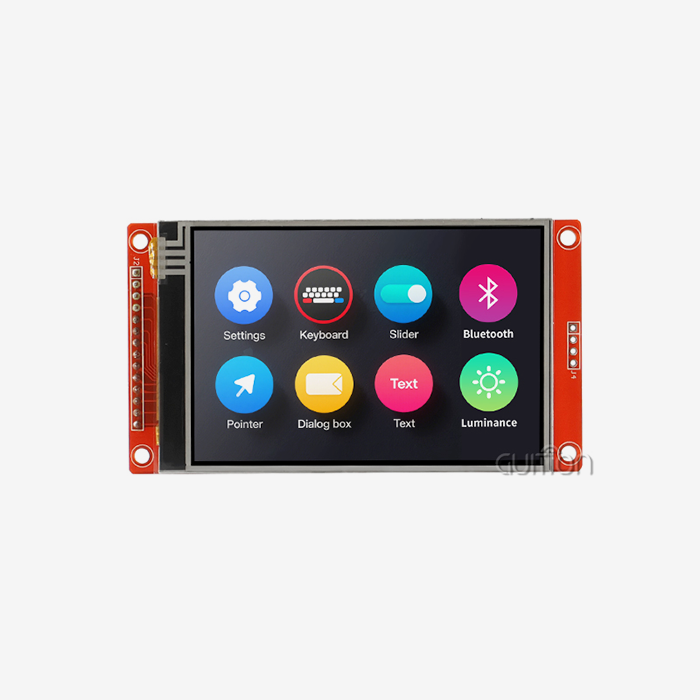
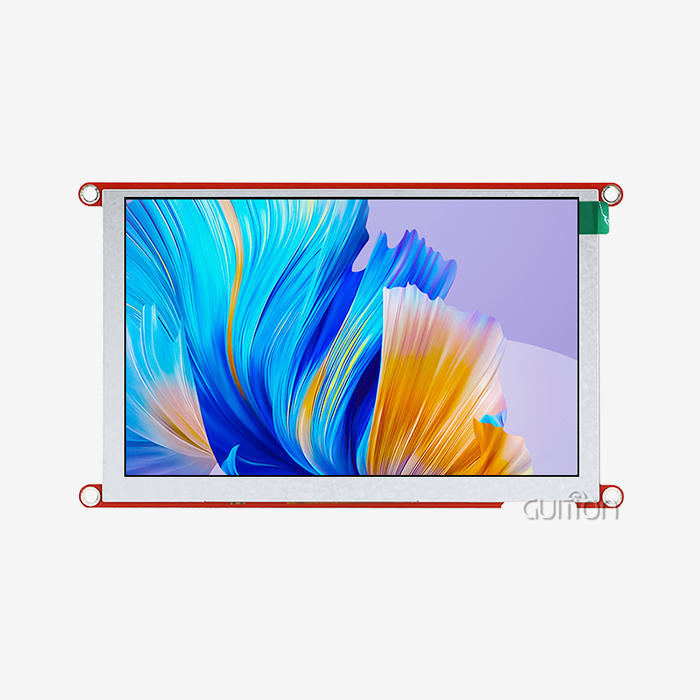
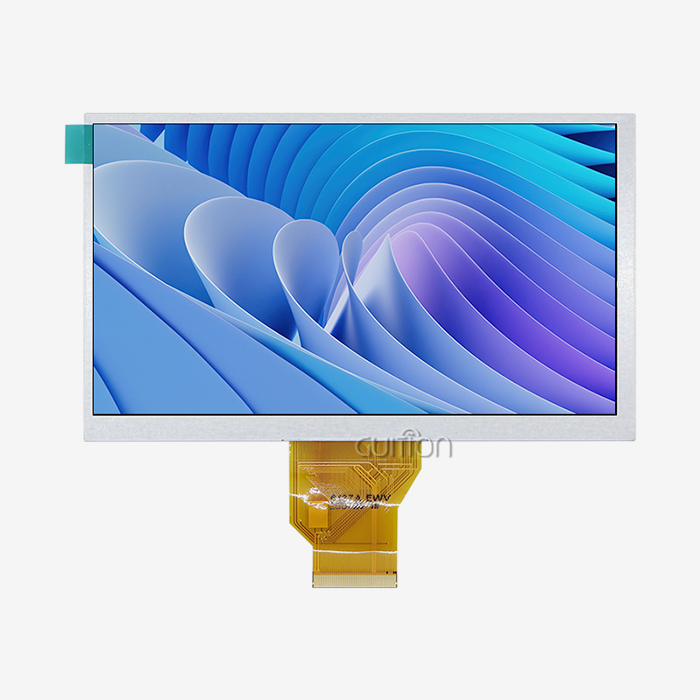
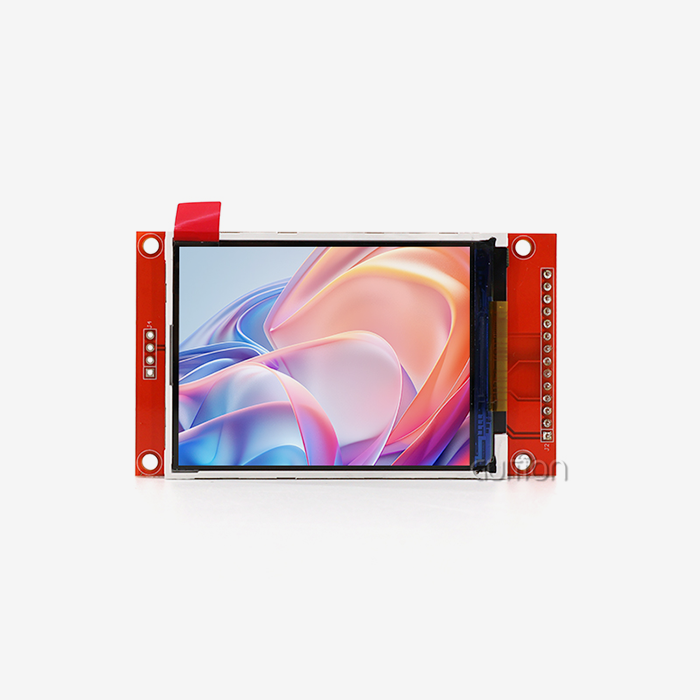
An IPS display module represents a critical advancement in embedded system design, combining In-Plane Switching technology with integrated driver circuits, backlight units, and standardized interfaces to deliver exceptional visual performance. Unlike traditional TN panels, these modules offer true 178-degree viewing angles and stable color reproduction across 16.7 million colors, making them indispensable for applications requiring precise visual feedback. For embedded engineers and product managers, selecting the right display module means balancing technical specifications with real-world durability requirements. The GUITION JC4848B040C_I exemplifies this balance—a 4.0-inch module featuring the ST7701 driver chip, 800×480 resolution, MIPI DSI interface, and capacitive touch functionality designed specifically for industrial control devices, medical equipment, and smart automation systems where reliability cannot be compromised.

Core Uses of IPS Display Modules in Embedded Systems
Display parts are put through a lot of stress in industrial settings that consumer-grade screens can't handle. The fact that IPS display modules are used so widely in these areas shows that they can keep working even when failure would mean lost time or safety risks.
Industrial Automation and Control Panel Applications
Control panels in factories need to be able to be read even when the lighting is bad and the temperature changes a lot. When used in these settings, IPS modules fix the problem of TN screens not being able to be seen. No matter where they are in relation to the screen, operators who are watching production lines or making changes to machine parameters need the same visual feedback. IPS technology has a viewing angle of 178 degrees, so status indicators, process values, and alarm conditions can be seen clearly whether the operator is standing right in front of the panel or coming up from the side.
The GUITION JC4848B040C_I works well in this area thanks to its bright 800x480 resolution monitor and temperature range of -20°C to +70°C. When the capacitive touch interface is built into 3D printer control panels or automated machining centers, it works correctly even when the operator is wearing work gloves. This is a practical factor that is often missed in specification sheets but is very important in real-world use.
Medical Device Display Integration
Part of the diagnostic accuracy of medical equipment depends on how well the parallel lcd display can show small differences in color and keep the brightness level the same across the viewing area. Imaging tools, methods for keeping an eye on patients, and tools for cosmetic treatments all depend on accurate visual output. These needs are met by IPS modules because they have better color accuracy and don't change colors in a way that could cause diagnostic information to be misunderstood.
Modern IPS modules also let developers of medical devices make changes that the users will like. Guition allows secondary development with full APIs and technical documentation. This lets medical equipment makers add custom display modes, calibration routines, or connections with their own imaging methods without having to rethink the whole HMI subsystem.
Automotive and Transportation Display Systems
Electronic parts in cars are exposed to high and low temperatures, shaking, and difficult lighting conditions that quickly show where display technology is lacking. Instrument clusters on dashboards, infotainment systems, and commercial vehicle control interfaces need displays that can be read in direct sunlight and that can handle changes in temperature, from cold starts in the winter to hot dashboards in the summer.
In these situations, IPS modules last a long time because they use stable liquid crystals and strong backlight patterns. The parallel molecular arrangement is better at resisting damage from thermal cycles than twisted nematic shapes. This helps explain why industrial-grade modules usually have a backlight life of 30,000 to 50,000 hours.
Smart Home and IoT Device Interfaces
More and more connected devices in homes and businesses have display modules that let users see the status and take control of the device locally. These days, IPS modules make smart thermostats, security panels, appliances, and building automation controls more energy efficient. In the past, IPS technology used more power than TN because its aperture ratios were lower. However, improvements in LTPS backplane technology and LED backlight efficiency have made this difference much smaller.
The GUITION module's support for WiFi and Bluetooth connections through the Guition software platform makes it easier to connect smart devices to a network. Product managers are working on IoT solutions like being able to add remote firmware updates and multilingual interfaces without having to make any changes to the hardware. This lets the products last longer and cost less to support.
Key Benefits of IPS Display Modules for B2B Clients
When buying display parts for embedded systems, sourcing professionals and engineering teams can make better choices when they know about the real benefits of IPS technology. Because of these benefits, development time is cut down, failure rates go down, and end users are happier.
Wide Viewing Angles Enhance Operational Efficiency
The 178-degree viewing angle isn't just a marketing claim; it actually shows how people interact with embedded devices in very different ways. In factories, workers often look at control panels from angles that aren't straight on while doing manual work at the same time. TN displays lose a lot of contrast and color when viewed from angles greater than 40 degrees, so users have to move themselves or the device to get a good reading. This inefficiency builds up over thousands of interactions every day.
IPS display modules get rid of this roughness by keeping the contrast and colors fixed no matter where you look at them. The parallel liquid crystal alignment stops the molecular tilt that causes TN color inversion. This means that whether you look at the screen straight on or at an angle, the red warning lights will stay red and the numbers will still be easy to read. This stability cuts down on human mistakes and speeds up the time it takes to respond to system alerts.
Environmental Resilience Protects Long-Term Investment
There are big investments in embedded systems that are used in medical, transportation, or industrial settings, and they are expected to last for years or decades. Display breakdowns are a regular upkeep problem that raises the cost of ownership beyond the initial purchase price. This problem is solved in IPS modules made for industrial use by using materials and building methods that can handle changes in temperature, humidity, vibration, and continuous use.
The GUITION JC4848B040C_I works reliably from -20°C to +70°C, which is the temperature range that you'll find in unheated factories, outdoor installations, and the inside of cars. The capacitive touch interface is made without the air gap that is found in resistive technologies. This gets rid of a common way for moisture to get in and cause touch failures. These choices about design make the equipment last longer and cut down on warranty claims and field service costs that cut into profits.
Accelerated Development Through Flexible Integration
Time-to-market pressures affect all stages of developing an integrated product. When developers are having trouble with driver initialization, touch calibration, or graphics library compatibility, it can slow down the display integration process. These problems can be fixed by modern IPS modules like those made by Guition, which come with full software support for many development platforms.
The Guition development platform works with Arduino, ESP-IDF, and its own IDE modes, so it can work with the wide range of toolchains that different engineering teams like. With WYSIWYG preview, developers can create graphical user interfaces by dragging and dropping widgets into place. This eliminates the need for trial-and-error that comes with traditional embedded GUI development. Cross-platform online testing makes it easier for teams to find and fix integration problems quickly, and pre-built controls for buttons, sliders, graphs, and progress signs speed up development. This faster development speed benefit builds across projects, so engineering resources can focus on making product features stand out instead of fixing low-level display driver problems.
Cost Optimization Through Reduced Complexity
There are more costs than just buying parts for embedded systems. The total cost of ownership includes work that goes into development, keeping track of inventory, helping people in the field, and maintenance throughout the system's life. When chosen correctly, IPS modules offer cost savings in all of these areas. The stable and predictable performance features cut down on the time engineers need to spend integrating and calibrating the monitor. Because it is more reliable, warranty costs and field service calls happen less often. Standardized interfaces and wide availability make supply chain management easier and allow second-source options when production numbers warrant the approval work.
How to Choose the Right IPS Display Module for Your Embedded System
When buying Parallel LCD Display parts, you have to weigh technical requirements against application needs, cost constraints, and the supplier's abilities. A structured evaluation method stops expensive gaps between the features of a module and its distribution conditions.
Defining Application Requirements and Operating Conditions
Before the selection process can start, the working environment and performance standards must be clearly written down. For outdoor industrial control uses, backlights that are brighter than 1000 nits are needed to avoid sun washout. This may mean that optical bonding is needed to lower reflection. Absolute luminance may not be as important on medical equipment as color clarity and stable brightness across the display area. To get more use out of their batteries, consumer IoT devices focus on being energy efficient.
Specifications for temperature should be given extra attention. A module that is rated for 0°C to +50°C doesn't work well in warehouses that aren't heated or on vehicles. The -20°C to +70°C temperature range of the GUITION JC4848B040C_I works for most industrial situations, but for harsh environments, you may need special liquid crystal formulations or active heating elements.
Evaluating Interface Compatibility and Integration Effort
The electrical connection between the IPS display module and the host processor has a big impact on how hard it is to build and how much the bill of materials costs. Parallel RGB interfaces are easy to use, but they use a lot of GPIO pins on the microcontroller. Serial interfaces, such as MIPI DSI, have fewer pins and can handle higher resolutions, but they need computers that have display drivers that are just for them. The MIPI DSI interface on the GUITION module works well with modern ARM Cortex-A series processors that are often found in Linux-based embedded systems.
The choice of touch device is just as important. When compared to resistive options, capacitive touch is more durable and can handle multiple touches, but it may need extra care when used with gloves or styluses in industrial settings. Checking to see if the touch controller's drivers work with the operating system you want to use will keep you from being surprised during the integration process.
Assessing Supplier Capabilities and Support Infrastructure
Using technical requirements alone is not enough to choose a seller. The success of development depends a lot on how well the documentation is written, how many reference designs are available, and how quickly technical support can help. Guition stands out because it has complete development tools that make collaboration easier and clear APIs and examples that help with secondary development. Support for remote firmware updates on the Guition platform solves an issue that is often overlooked when it comes to field maintenance. Bug fixes and new features can be added without sending out service technicians.
Long-term supply stability is a reason to think about products that have lifecycles that last more than one year. Vertically integrated manufacturers or suppliers with long-term ties for getting parts lower the risks of obsolescence that lead to expensive redesigns. Talking about product lifetime roadmaps and guarantees for component availability while evaluating suppliers gives peace of mind for large-scale operations.
Real-World Applications Demonstrating IPS Display Module Performance
Looking at specific deployment situations shows how IPS display modules can be used to solve problems in a wide range of businesses. These cases show how flexible the technology is and how it can help people in real ways, which isn't always clear from specification sheets.
Industrial Automation Success with Enhanced Visibility
A company that makes packaging equipment had a lot of problems with operator mistakes on production lines that used TN display screens to run their tools. When making hand changes, operators who look at the panels from the side often get the temperature setpoints and production counts wrong because the panels' colors shift and the contrast is lower. Error rates went down significantly after switching to GUITION IPS modules with true 178-degree viewing angles. Because it was easy to see from any approach angle, workers could check the settings without having to move, which sped up changeovers and cut down on waste from wrong parameters.
Medical Aesthetic Equipment Leveraging Color Accuracy
The people who made laser aesthetic treatment devices needed screens that could show skin tones and treatment intensities accurately. TN panels had color differences across the screen and were sensitive to viewing angles, which made them harder to use in clinical settings. IPS modules with better color uniformity and stable reproduction were built in so that practitioners could reliably see treatment parameters no matter where they were in relation to the device. Because the sensitive touch interface can withstand being exposed to disinfectants, it was also useful in hospital settings that have to be cleaned often.
EV Charging Station Displays Surviving Outdoor Deployment
The infrastructure for charging electric vehicles is outside, where it is exposed to high temperatures, strong sunlight, and rain. When charging stations with consumer-grade displays were first put in place, they broke down often because of heat stress and water getting in. By redesigning their products around industrial IPS modules that can work in a wide range of temperatures and are sealed, manufacturers were able to make them much more reliable. The high brightness kept the screen readable during the day, and the wide viewing angles let cars coming from different directions see what was going on.
Conclusion
It's important to know both the technical benefits of In-Plane Switching technology and the specific needs of industrial, medical, and Internet of Things (IoT) deployment settings when choosing an IPS display module for embedded system apps. Good IPS modules have better viewing angles, more accurate colors, and better resistance to weather damage. These qualities directly lead to fewer mistakes made by operators, longer product life, and lower total ownership costs. The GUITION JC4848B040C_I shows how modern display modules balance performance requirements with integration flexibility. It has an 800x480 resolution, MIPI DSI connectivity, and a capacitive touch interface, all of which are needed by current embedded apps. Full support for development tools speeds up prototyping and makes upkeep easier throughout the span of a product is good for both engineering teams.
FAQ
1. What Makes IPS Modules Superior to Traditional LCDs for Embedded Applications?
"Traditional LCD" usually refers to TN technology, which was the most popular type of embedded display in the past because it was cheap and easy to use. IPS display modules get around TN's main problems by using a different way to arrange the liquid crystals. The parallel molecular orientation gets rid of the color inversion and narrow viewing angles that make TN displays hard to read from any angle but directly in front of you. This viewing angle advantage is worth the small price increase for embedded applications where users interact with devices from different positions or where multiple operators need to be able to see at the same time.
2. Can IPS Modules Withstand Industrial Environmental Conditions?
Industrial-grade IPS modules, like the GUITION JC4848B040C_I, are built to work in harsh settings by choosing the right parts and using building methods that consumer screens don't have. The operating range of -20°C to +70°C covers most industrial sites, and the sealed design keeps moisture and other contaminants out. The LED backlight units usually work for 30,000 to 50,000 hours before they lose half of their brightness. This means they can be used continuously for years. ESD protection and resistance to vibration are two more industrial problems that would quickly damage consumer-grade screens.
3. How Much Customization Do IPS Modules Support?
Modern IPS units can be easily customized through software instead of needing hardware changes. Custom user interface layouts, tool designs, and application logic can be made with the Guition development platform's easy-to-use code interfaces that support Arduino, ESP-IDF, and custom development modes. Having secondary development tools lets you connect to existing system architectures and set up unique display modes. If you ask the factory to change the display firmware, this software-based customization method cuts down on development costs and speeds up iterations.
Partner with Guition for Your IPS Display Module Requirements
Product managers and embedded system developers looking for reliable IPS display module suppliers will find that Guition has the technical skills and support infrastructure that are needed for a product launch to go well. Because it has a ST7701 driver chip, an 800x480 resolution, and can work reliably in temperatures ranging from -20°C to +70°C, our JC4848B040C_I type has been used in 3D printers, charging stations, medical devices, and industrial control applications. In addition to hardware specs, the Guition development tool is unique because it works with both Arduino and ESP-IDF, has a drag-and-drop interface, and can change firmware remotely, which speeds up development and makes ongoing support easier. You can email our engineering team at david@guition.com to talk about your specific application needs and find out how our display solutions can help you speed up the development of your product.
References
1. Chen, M. & Liu, Y. (2022). "Advances in IPS Display Technology for Industrial Applications." Journal of Embedded Systems Engineering, 15(3), 127-145.
2. Anderson, R. K. (2021). "Comparative Analysis of Display Technologies in Medical Devices." Biomedical Instrumentation & Technology, 55(4), 289-302.
3. Williams, J. T. & Park, S. H. (2023). "Thermal Performance Characterization of Industrial Display Modules." IEEE Transactions on Industrial Electronics, 70(2), 1456-1467.
4. Nakamura, H. (2022). "Human-Machine Interface Design Considerations for Embedded Control Systems." International Journal of Human-Computer Interaction, 38(8), 712-728.
5. Thompson, E. L. & Garcia, M. A. (2021). "Reliability Engineering of Display Components in Automotive Applications." SAE International Journal of Vehicle Dynamics, Stability, and NVH, 5(3), 345-361.
6. Zhou, Q., Wang, F., & Kim, D. (2023). "Touch Interface Technologies for Industrial Control Applications: A Comprehensive Review." Control Engineering Practice, 132, 105-124.
Learn about our latest products and discounts through SMS or email