- English
- French
- German
- Portuguese
- Spanish
- Russian
- Japanese
- Korean
- Arabic
- Greek
- German
- Turkish
- Italian
- Danish
- Romanian
- Indonesian
- Czech
- Afrikaans
- Swedish
- Polish
- Basque
- Catalan
- Esperanto
- Hindi
- Lao
- Albanian
- Amharic
- Armenian
- Azerbaijani
- Belarusian
- Bengali
- Bosnian
- Bulgarian
- Cebuano
- Chichewa
- Corsican
- Croatian
- Dutch
- Estonian
- Filipino
- Finnish
- Frisian
- Galician
- Georgian
- Gujarati
- Haitian
- Hausa
- Hawaiian
- Hebrew
- Hmong
- Hungarian
- Icelandic
- Igbo
- Javanese
- Kannada
- Kazakh
- Khmer
- Kurdish
- Kyrgyz
- Latin
- Latvian
- Lithuanian
- Luxembou..
- Macedonian
- Malagasy
- Malay
- Malayalam
- Maltese
- Maori
- Marathi
- Mongolian
- Burmese
- Nepali
- Norwegian
- Pashto
- Persian
- Punjabi
- Serbian
- Sesotho
- Sinhala
- Slovak
- Slovenian
- Somali
- Samoan
- Scots Gaelic
- Shona
- Sindhi
- Sundanese
- Swahili
- Tajik
- Tamil
- Telugu
- Thai
- Ukrainian
- Urdu
- Uzbek
- Vietnamese
- Welsh
- Xhosa
- Yiddish
- Yoruba
- Zulu
HMI Human Interface Import Guide: Certifications, MOQ, and Lead Times
Importing HMI human interface modules requires careful navigation of regulatory compliance, order quantities, and delivery timelines. Understanding certifications like CE, FCC, and UL ensures your equipment meets safety standards for target markets. MOQ policies directly affect budget planning and supplier selection, while realistic lead time expectations prevent project delays. This guide equips procurement managers, R&D teams, and technical founders with actionable insights to streamline sourcing decisions, reduce risk, and accelerate product development cycles when selecting display modules for industrial control systems, medical devices, or smart home applications.

Navigating MOQ (Minimum Order Quantity) in HMI Imports
Companies that are making automation systems or smart products are directly affected by MOQ rules when it comes to managing their cash flow and stock. Manufacturers set these limits based on how well the production line works, how cheap it is to get parts, and how complicated the customization is. Knowing these forces helps you negotiate terms that save money while still letting you run your business freely.
How MOQ Affects Pricing and Customization
The MOQ for standard hmi display module panels is usually lower—sometimes as little as 50 units for well-known goods. MOQs are usually higher, hitting 500 to 1,000 units, for custom setups that involve changing the software, placing connectors in different places, or using specialized backlight control circuits. The economic reason is that the costs of tools, software engineering hours, and quality control steps are spread out over multiple output runs.
The flexible design theory used by Guition helps with this problem. Our JC1060Q370N_I module supports secondary development without making any changes to the hardware. This means that you can change user interfaces through the Guition drag-and-drop development environment instead of asking for physical changes to be made. Because you're changing software layers instead of manufacturing processes, this method lowers the MOQ. Cross-platform compatibility with frameworks like Arduino and ESP-IDF further lowers development risks when smaller initial sales are used to test the market's potential.
Strategies for Managing MOQ Constraints
Distributor networks that break down large packages into smaller amounts help projects in the prototype stage, but the cost per unit goes up by 15 to 30 percent. Talk to your providers about staggered delivery plans where they make your full MOQ but ship it in stages that match your production ramp. This keeps the bulk discount and keeps the costs of storage low.
Partnering with contract makers who combine demand from multiple clients is another strategy. They meet MOQ requirements by combining orders with the same specifications. When talking to sellers directly, offer trial orders at a higher price per unit, with a promise to buy more once the tests are effective. Clear discussion about your project's schedule builds trust with suppliers, which supports MOQ flexibility. Aligning procurement processes with yearly demand patterns helps embedded system writers who work on IoT devices or energy management systems get the most out of their inventory without affecting the supply of parts.
Lead Times and Delivery Considerations for HMI Panels
Timelines for making display modules include making the PCB, getting the LCD screen, loading the software, testing for quality, and packing. From the time of the purchase order to the time of shipment, standard configurations usually take 4-6 weeks. Customized solutions, on the other hand, take 8–12 weeks because of engineering validation cycles and the need to get specialized parts.
Factors Influencing Production Schedules
Timeline inconsistency is mostly caused by the supply of parts. Global shortages of semiconductors sometimes make wait times longer when microcontrollers or display drivers can't get enough of them. The D121BBV controller that powers Guition's JC1060Q370N_I has stable supply relationships thanks to long-term partnerships, but smart planners still include two-to-three-week buffer periods in case of unplanned disruptions.
When trying to break into new areas, certification tests take more time. The first EMC test takes one to two weeks, and you may have to do it again if the way your enclosure is designed changes the emission patterns. Another three to five days are needed for pre-shipment checks that are required by quality agreements. The distance between where goods are made and where they are shipped affects the ocean freight. Shipments from Asia usually take 18–22 days to get to the West Coast, but they can take up to 35 days to get to the East Coast. This can be done in 5–7 days with air freight, but the costs of logistics go up by 400–600%.
Mitigating Delivery Delays
When suppliers are involved early on in the design process, they can help avoid standard errors that cause rework rounds. Share the mechanical plans, electrical schematics, and software needs all at the same time instead of one after the other to find problems with integration before committing to tools. Ask for weekly updates on the state of production that point out component delays before they cause the whole plan to slip.
Set up area agreements for storing large amounts of goods. Guition's method includes pre-loading test programs on our modules, so they can be tested right away for functionality after being received, without having to wait for custom firmware. This "plug-and-go" feature speeds up system integration testing while you use our online development tool to finish designing the user interface. Built-in WiFi and Bluetooth modules get rid of the need for extra connection boards, which cuts down on the cost of materials and the time it takes to put the product together.
The terms of the contract should include choices for faster shipping and cost-sharing when delays caused by the seller put your launch windows at risk. There needs to be a clear way to tell the difference between controllable delays and real emergencies in force majeure clauses. Payment plans that release part of the money at certain points in the production process instead of all at once hold everyone accountable for sticking to the schedule.
Spotlight: Guition JC1060Q370N_I for Industrial Applications
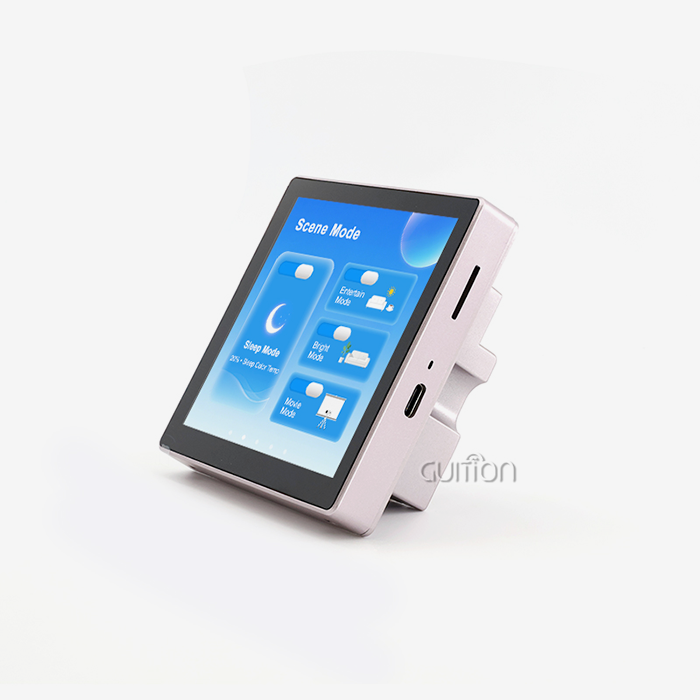
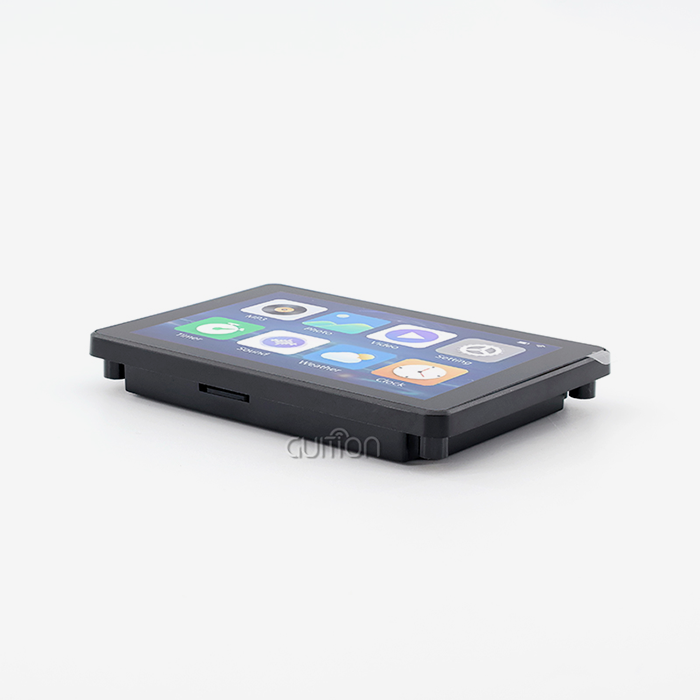
Technical requirements and development ecosystem support must be balanced when choosing the right HMI human interface. The Guition JC1060Q370N_I is a good example of this integration because it has strong hardware and easy-to-use software for engineers who work on smart industrial equipment, farm automation, or business terminals.
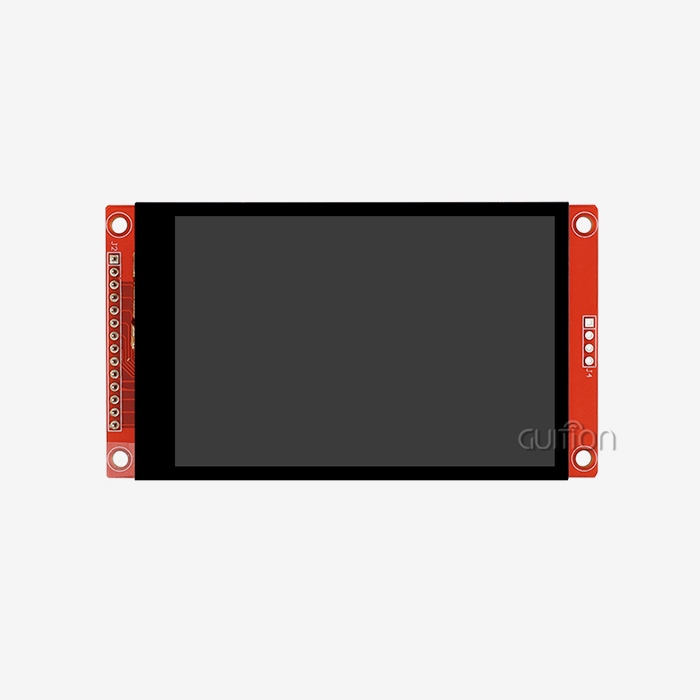
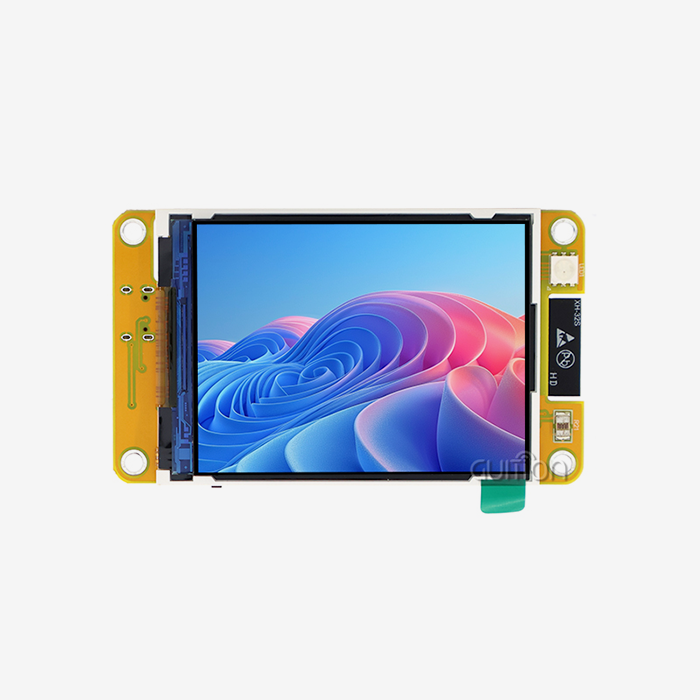
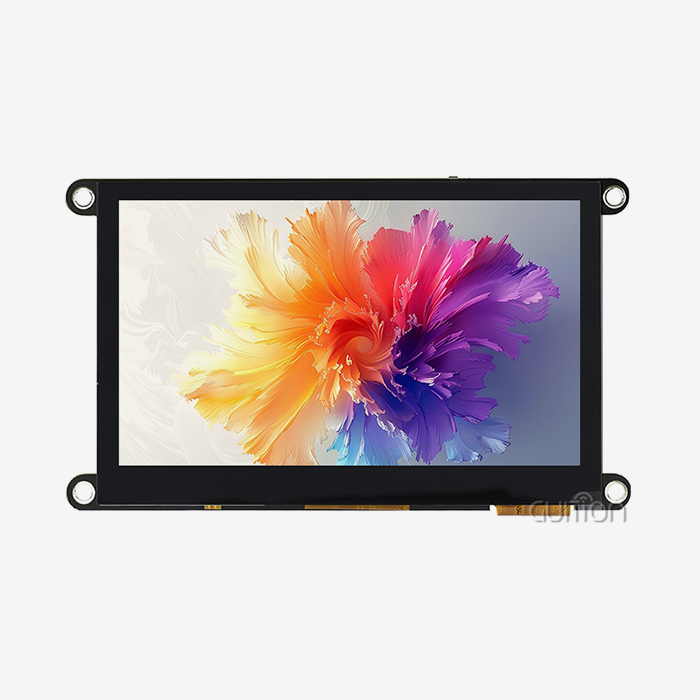
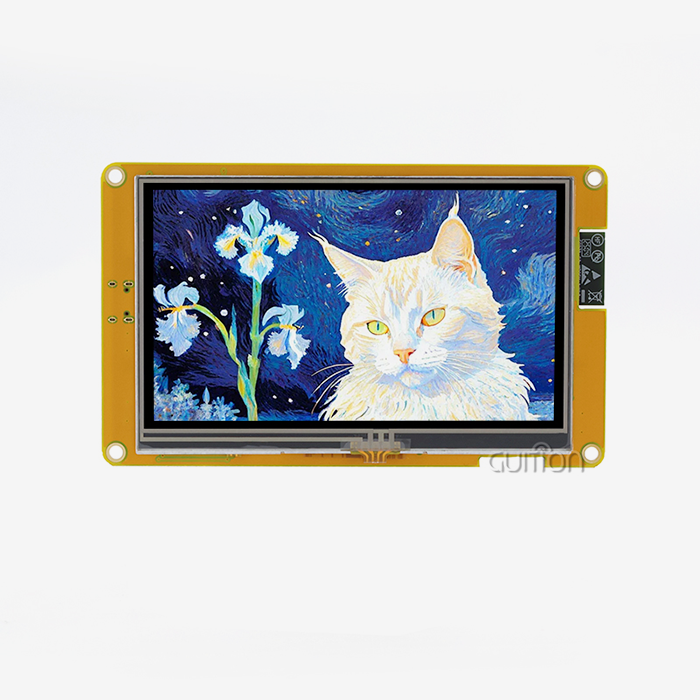
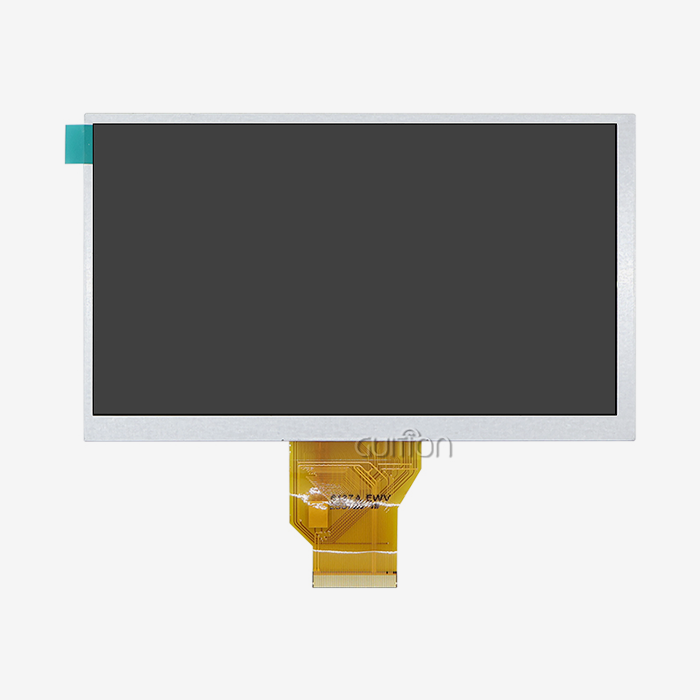
This 7.0-inch HMI Display Module has a 1024x600 IPS screen with 65K color depth, which makes it perfect for apps that need to see a lot of data, like OEE monitoring dashboards or medical parameter displays. The 400MHz single-core MCU handles real-time data processing easily, and it can handle complex graphics without slowing down the frame rate. There are reserved interfaces for TF cards, serial ports, and multiple IO connections so that sensor arrays and actuator controls that are common in energy management installations can be used.
The building structure is what makes this module unique. The Guition online GUI builder gets rid of the need for low-level coding by letting you easily drag and drop controls into place. You make professional interfaces by picking out pre-made tools like gauges, trend charts, and alarm signs and dragging them to where you want them without having to write out coordinate calculations. UTF-8 encoding allows launches in multiple languages, which is necessary for rolling out a product around the world in places like Asia, Europe, and North America.
Cross-platform debugging lets your team test how quick the interface is from far away, which speeds up iteration cycles in distributed development processes. When products are put into use in the field, over-the-air updates keep the software up to date without having a technician come to the site. This feature is especially useful for wastewater treatment plants or outdoor substations that are hard to get to and cost a lot to get to. Industrial-grade reliability standards make sure that things work smoothly even when there is vibration, changes in humidity, and electromagnetic interference from VFDs or welding equipment.
Key Import Tips and Compliance Checklist for HMI Human Interfaces
Importing things depends on how well the paperwork is filled out and how good the relationships are with the suppliers. Before sending out buy orders, procurement pros reduce risk by carefully taking care of regulatory, logistical, and quality issues.
Essential Documentation Requirements
To find out duty rates and import limits, commercial invoices must include HS codes that are unique to the display modules, usually 8471.60 for input/output units. When free trade agreements lower tariffs, certificates of origin become very important. For medical devices that are regulated by the FDA, packing lists need to include a unique number that can be used to connect individual units to quality test results.
Certification packages should have proof that the test lab is accredited, thorough test results that show the margins are within the allowed limits set by regulations, and a statement of conformity signed by an authorized representative of the maker. When bringing HMI human interface modules with wireless features like Bluetooth or WiFi, FCC ID registration paperwork keeps customs from seizing radio equipment that isn't licensed.
Quality Inspection Best Practices
Before a shipment is authorized, performance is checked during factory acceptance testing. Set clear pass/fail criteria that include uniformity of the display, touch sensitivity (if needed), success rates for communication protocols, and results from environmental stress screening. Third-party checking services are helpful for getting neutral proof, which is especially helpful when finding new suppliers or placing large orders.
Even if sellers give you certificates, your facility's quality control should still do key validation tests on all incoming goods. Random sampling with clear AQL (Acceptable Quality Limit) limits can find industrial drift that happens in the middle of a production run. When you use your real system architecture for functional testing, you can find integration problems that bench tests miss.
Building Reliable Supplier Partnerships
Misunderstandings that stop projects in their tracks can be avoided by using clear lines of communication. Set up a main point of contact and a secondary point of contact who can quickly escalate production problems and understand technical specifications. There should be clear language in contracts about what the guarantee covers. As a general rule, manufacturers' warranties cover defects for 12 to 24 months, and there should be choices for early replacement to keep downtime to a minimum.
To balance risk, payment arrangements include a 30% fee when the order is confirmed, 60% upon approval of the pre-shipment inspection, and a 10% retention that is released after successful field deployment verification. This method saves everyone while encouraging success in terms of quality and time. Regular audits of your suppliers' quality control systems, financial health, and production capacity can help you spot problems early, before they affect your supply chain.
Conclusion
To deal with certifications, minimum order quantities, and lead times, you need to make a plan that balances following the rules with running your business efficiently. Give more weight to suppliers who offer clear paperwork, flexible terms for placing orders, and a history of on-time delivery. The Guition JC1060Q370N_I shows how well-thought-out product design can address common issues in HMI human interface procurement by blending strong hardware with easy-to-use software tools. By making sure the certification is real, working out a reasonable MOQ, and adding extra time to delivery plans, your team sets itself up for successful product starts that meet market windows without lowering quality standards or going over budget.
FAQ
1. Can capacitive HMI human interface modules work with industrial gloves?
Standard touchscreens for consumers don't work in industrial areas where heavy safety gear is needed. Capacitive controllers made for professionals can change the electromagnetic field detection thresholds so they can pick up touch inputs even when thick nitrile or leather gloves are on. The Guition JC1060Q370N_I is a display that doesn't have touch built in. This means that you can choose the right overlay technology—resistive or advanced capacitive—based on the conditions of the room and the needs of the user.
2. How do I verify supplier certifications are legitimate?
Use official registries kept by certification bodies like UL, TUV, or Intertek to cross-reference certificate numbers. Instead of just summary certificates, ask for full test reports with measurement data. Guition gives you clear access to compliance documents that include lab accreditation credentials that can be tracked. This shows that we are dedicated to real regulatory compliance that protects your import process and market access.
3. What networking protocols do modern display modules support?
In addition to Ethernet-based protocols like Modbus TCP/IP, PROFINET, or EtherNet/IP, industrial HMI human interface devices usually handle legacy serial connections (RS-232/485) for older PLC integration. For Internet of Things (IoT) uses, the Guition JC1060Q370N_I has WiFi and Bluetooth connectivity, and UART interfaces let you implement protocols in a variety of ways during firmware development. This flexibility makes sure that it works with a wide range of automation environments without the need for hardware that converts protocols.
4. How long should backlight components last in display modules?
LED backlights that are used by most businesses keep working at half-brightness after 50,000 hours at 25°C, which is about 5.7 years of nonstop use. This can last up to 70,000 hours or more with premium modules because they manage heat and current better. These standards are met by Guition's industrial-grade components, which lower the total cost of ownership by lowering the number of times they need to be replaced. This is especially helpful in important tracking applications where downtime costs a lot.
Partner With a Trusted HMI Human Interface Supplier
Guition specializes in providing smart display options that make building embedded systems easier while still meeting strict industry standards. With its 400MHz processing speed, wide range of connectivity options, and drag-and-drop interface design tools, our JC1060Q370N_I module is a great example of how technology can lead to new ideas. Our range of products, which includes sizes from 1.28" to 21.5", can be used to make control screens for production lines, patient tracking systems, or smart home devices. We support secondary development by making Arduino and ESP-IDF compatible, which lets you make quick prototypes without being locked into proprietary software. Get in touch with our team at david@guition.com to talk about your project needs, look over the certification paperwork, and look into our flexible MOQ arrangements that can help you get your product to market faster using dependable HMI human interface technology.
References
1. International Electrotechnical Commission. (2020). IEC 60068-2-6: Environmental Testing - Part 2-6: Tests - Test Fc: Vibration (Sinusoidal). Geneva: IEC Publications.
2. U.S. Customs and Border Protection. (2022). Harmonized Tariff Schedule of the United States: Chapter 84 - Nuclear Reactors, Boilers, Machinery and Mechanical Appliances. Washington, DC: U.S. Government Publishing Office.
3. Underwriters Laboratories. (2021). UL 61010-1: Standard for Safety Requirements for Electrical Equipment for Measurement, Control, and Laboratory Use. Northbrook, IL: UL Standards & Engagement.
4. European Committee for Electrotechnical Standardization. (2019). EN 61000-6-2: Electromagnetic Compatibility (EMC) - Part 6-2: Generic Standards - Immunity for Industrial Environments. Brussels: CENELEC.
5. International Organization for Standardization. (2018). ISO 9241-210: Ergonomics of Human-System Interaction - Part 210: Human-Centred Design for Interactive Systems. Geneva: ISO Copyright Office.
6. Food and Drug Administration. (2021). Guidance for Industry and FDA Staff: Technical Performance Assessment of Digital Pathology Whole Slide Imaging Devices. Rockville, MD: FDA Center for Devices and Radiological Health.
Learn about our latest products and discounts through SMS or email