- English
- French
- German
- Portuguese
- Spanish
- Russian
- Japanese
- Korean
- Arabic
- Greek
- German
- Turkish
- Italian
- Danish
- Romanian
- Indonesian
- Czech
- Afrikaans
- Swedish
- Polish
- Basque
- Catalan
- Esperanto
- Hindi
- Lao
- Albanian
- Amharic
- Armenian
- Azerbaijani
- Belarusian
- Bengali
- Bosnian
- Bulgarian
- Cebuano
- Chichewa
- Corsican
- Croatian
- Dutch
- Estonian
- Filipino
- Finnish
- Frisian
- Galician
- Georgian
- Gujarati
- Haitian
- Hausa
- Hawaiian
- Hebrew
- Hmong
- Hungarian
- Icelandic
- Igbo
- Javanese
- Kannada
- Kazakh
- Khmer
- Kurdish
- Kyrgyz
- Latin
- Latvian
- Lithuanian
- Luxembou..
- Macedonian
- Malagasy
- Malay
- Malayalam
- Maltese
- Maori
- Marathi
- Mongolian
- Burmese
- Nepali
- Norwegian
- Pashto
- Persian
- Punjabi
- Serbian
- Sesotho
- Sinhala
- Slovak
- Slovenian
- Somali
- Samoan
- Scots Gaelic
- Shona
- Sindhi
- Sundanese
- Swahili
- Tajik
- Tamil
- Telugu
- Thai
- Ukrainian
- Urdu
- Uzbek
- Vietnamese
- Welsh
- Xhosa
- Yiddish
- Yoruba
- Zulu
How Can an SPI LCD Display Improve Your Embedded Design?
An SPI LCD Display transforms embedded design by dramatically reducing pin requirements while maintaining high-speed data communication. Through the Serial Peripheral Interface protocol, these display modules connect to microcontrollers using only three to four signal lines instead of the eight to sixteen pins required by parallel interfaces. This efficiency frees up valuable GPIO resources for other critical functions in your system. The technology delivers sharp visual output with resolutions up to 480×320 pixels while simplifying PCB layout complexity. When integrated properly, these displays accelerate development timelines, lower production costs, and create more compact, reliable products across industrial control panels, medical devices, and smart home applications.


SPI vs Other Display Interfaces: Making the Right Choice for Your Project
Comparing Communication Protocols
I2C interfaces cut down on the number of pins to just two, but they also have much slower data transfer rates, usually topping out at 3.4Mbps. Because of this, they can't be used for screens bigger than small OLED screens with low resolution. Parallel LCD interfaces can send data more quickly, but they need eight to sixteen data lines and extra control signals, which take up valuable microcontroller resources. The serial method is the best of both worlds because it achieves data rates fast enough for smooth GUI updates while keeping the wiring manageable. When DMA transfers are done right, a 320x480 monitor can update at 30 to 60 frames per second, which is fast enough for industrial HMI applications that need to be responsive.
Visual Quality and Cost Considerations
OLED technology has better viewing angles and color ratios, but it costs more to make and doesn't last as long because organic materials break down faster. TFT SPI LCD Displays that use a serial connection can show vibrant 65K colors at more affordable prices. This is especially important for business-to-business purchases, where volume pricing affects the project's viability. Up to HVGA (480x320) resolution is good for embedded apps because it's detailed enough to see icons and text clearly without using up all the bus data. Manufacturers of displays like Guition make sure that driver ICs like the ST7796 can handle RGB565 and RGB666 color formats well. This makes sure that images look clear without needing too much processing power from host controllers.
Touch Integration for Enhanced Interaction
In modern embedded products, capacitive touch panels and SPI LCD Display modules work together to make the user experience smooth. The sensitive touch reaction makes motion recognition and multitouch possible, which were only possible on consumer smartphones before. Capacitive technology reacts to light finger contact, while resistive technology needs actual pressure. This makes it easier for people to use for long periods of time. This combination works really well in medical monitoring equipment where gloved hands need reliable ways to enter data, or in public terminals where people expect them to respond like smartphones. The touch controller usually talks to the computer through the same interface or a separate I2C bus. This keeps the system simple as a whole.
How to Integrate SPI LCD Displays in Your Embedded Design Workflow
Hardware Connection Fundamentals
To connect an SPI LCD Display module to common development platforms, you need to know about both the timing requirements and the electrical properties of the module. Digital pins on Arduino boards allow for hardware- or software-based serial communication. The MOSI pin sends pixel data, and the SCK pin sends the clock signal. Through its special peripheral pins, Raspberry Pi offers hardware-accelerated links that make refresh rates faster. Multiple devices can share the bus through the CS line. Pull it low to turn on your SPI LCD Display and high to turn it off. Some modules have a DC pin that tells the difference between command bytes and pixel data and a RESET pin for startup steps. Good modules from companies like Guition come with detailed wiring designs that show how to connect the pins on popular platforms.
Software Libraries and Driver Support
A lot of popular development platforms come with mature tools that make controlling SPI LCD Displays easier. The Adafruit_GFX library lets you use basic graphics elements like circles, lines, and text on a number of different display controllers. The TFT_eSPI library improves performance for the ESP32 and STM32 platforms by using direct memory access (DMA) to free up the CPU during screen updates. It's important to understand the values listed in the datasheet because the ST7796 processor needs special setup orders to set the display's orientation, color mode, and refresh time. Guition's own development software makes this process even easier by using visual interface builders to make code that is automatically optimized. This saves hours of time that would have been spent manually configuring registers.
Optimization Strategies for Smooth Performance
Engineers can improve monitor response in a number of ways. By rendering frames to off-screen memory first and then switching to viewable display memory, double buffering stops tearing that can be seen. Partial window updates only redraw changed parts of the screen instead of the whole thing. This works well for dashboards that show value changes on a regular basis. During static displays, lowering the clock frequency lowers power use without changing how well the SPI LCD Display seems to work. When you use the Tearing Effect output pin to time frame changes with vertical blanking intervals, motion effects are removed. If you arrange your PCB correctly, with short trace lengths and ground plane separation, you can avoid signal integrity problems that could lead to communication mistakes or image corruption.
Troubleshooting Common Integration Challenges
Blank screens usually mean that the wiring or initialization sequences are wrong. Make sure that the voltage from the power supply matches the SPI LCD Display module's specifications and that all signal connections are correct. If colors are warped, it means that the color format setup in software packages is wrong. Slow update rates mean that the clock speed is too slow or that DMA isn't being used. Long wire runs add capacitance, which lowers the signal quality. For long lengths, keep connections under 15 centimeters or lower the clock frequency. If there is only white light and no picture, it's likely that the display controller hasn't gotten the right initialization commands. Most problems can be solved quickly by looking at detailed documentation and talking to the seller's technical support. This is why working with responsive makers is important for meeting project deadlines.
Procurement Guide: Choosing and Buying the Right SPI LCD Display Module
Critical Specifications for Industrial Applications
Resolution tells you how much information can be shown at once. For example, 320x480 pixels can show detailed graphics and many data fields without looking crowded. Color depth affects how appealing something looks. For example, 65K colors make patterns look smoother, and images look more real than 256-color options. Specifications for viewing angles make sure that text can be read from off-center positions, which is important for equipment that is used by more than one person. Brightness, measured in candelas per square meter, shows how well you can see in different lighting conditions. Usually, 300–500 cd/m² is the minimum requirement for industrial settings. The type of touch screen affects how long it lasts and how fast it is. In high-use areas, capacitive technology lasts longer than resistive options. When using automation in agriculture or cars outside, the operating temperature range needs to match the conditions of deployment.
Evaluating Supplier Capabilities
Beyond part specs, the long-term success of a project depends on the ties between suppliers. Manufacturers who provide detailed technical documents, such as datasheets, application notes, and reference designs, cut down on the time it takes to integrate new features. Evaluation kits are available so you can test the SPI LCD Display in real life before placing a large order. This lets you confirm that the SPI LCD Display works well with your system. When OEM applications need specific mounting holes, connector types, or firmware changes, the ability to customize is important. Guaranteed lead times and clear inventory information help with planning production, avoiding expensive delays when going from a pilot to mass production. Warranty terms and RMA procedures protect against broken units. This is especially important for SPI LCD Display modules because they are user-facing parts that affect customer happiness right away if they break.
Volume Pricing and Total Cost Analysis
Prices per unit drop a lot as the number of units ordered rises. For example, SPI LCD Display modules that cost $15 each when bought in groups of ten may cost less than $8 each when bought in groups of a thousand. When negotiating MOQ (minimum order quantities), you have to weigh the costs of keeping inventory against the savings you can get per unit. When buying from other countries, you should look at the total landed cost, which includes shipping, import duties, and any possible changes in the value of the currency. When figuring out ROI, you should take into account the time you save on development. SPI LCD Displays that come with mature software tools and quick technical help save engineering hours that are worth a lot more than small price differences. Payment terms affect cash flow. Net-30 or net-60 terms give businesses more freedom than prepayment requirements. Building relationships with dependable SPI LCD Display makers makes the supply chain more stable, making sure that products are always available even when the electronics industry as a whole is experiencing shortages of parts.
Preparing Effective Technical Inquiries
For procurement to go well, clear requirements must be shared to possible suppliers. Include the desired resolution, the maximum size, the working environment, the touch interface needs, and the number of items that will be produced each year. Make sure the interface works with the microcontroller platform you want to use, and list any extra features, such as the ability to support both landscape and portrait orientations or a custom cover glass. Instead of depending only on datasheets, ask for sample units to be evaluated by engineers. Hands-on testing shows practical issues like how easy it is to connect components or how difficult it is to place them. Make sure your suppliers can handle growth from small orders to high volumes by asking about their production capacity and scalability. Ask about support after the sale, such as software updates, integration help, and field failure analysis. These services are often what set excellent providers apart from just-good ones.
Future Trends and Long-Term Value in Embedded Systems
Emerging Technologies Enhancing Display Performance
Improvements in the efficiency of driver ICs keep raising update rates while lowering power use. Frame compression techniques in next-generation controls reduce the amount of bandwidth needed without affecting the quality that can be seen. Wider gamut support improves color accuracy, making SPI LCD Displays suitable for medical imaging tasks that need accurate visual reproduction. IoT device architecture is made easier by integrating wireless connectivity modules that are built right into SPI LCD Display assemblies. Guition's modules already have WiFi and Bluetooth built in, which lets them be monitored from afar and get software changes over the air, which cuts down on service costs after the sale by a large amount. With these connectivity features, SPI LCD Displays go from being passive output devices to smart system nodes that can talk directly to the cloud.
Sustainability and Environmental Compliance
Environmental laws have a bigger impact on choosing parts for global markets. RoHS and REACH compliance ensures that SPI LCD Displays don't contain any restricted dangerous substances, which is what is needed for imports into Europe and North America. Making things more energy-efficient lowers costs and helps companies' efforts to be more environmentally friendly. For example, SPI LCD Displays that use less power make solar-powered monitoring stations possible and make portable medical devices' batteries last longer. Enterprise customers want manufacturers to be transparent about the supply chain, so companies that use responsible buying methods and recyclable packaging materials are in line with these needs. Stable supply chains and longer product lifecycles keep products from becoming obsolete too soon. This protects R&D investments over the ten-plus-year product lifetimes that are common in industrial control applications.
Strategic Return on Investment
Better user experiences made possible by high-quality SPI LCD Display units have a direct effect on how competitive a product is. Industrial machinery workers don't need to be trained as much when they use controls that are easy to understand and use. This lowers the total cost of ownership for end customers. In manufacturing processes, clear visual feedback stops mistakes that could damage expensive equipment or lower the quality of the finished product. Multilingual support through UTF-8 encoding lets you reach more customers without having to rethink your gear, which is very important for businesses that want to grow internationally. By adding new features and fixing bugs over WiFi, remote upgrades make products more useful over time, turning one-time hardware sales into long-term service relationships. Over the life of a product, these factors add up to make returns that are much higher than the differences in the cost of the initial parts.
Scalability for Product Lines That Are Growing
Choosing SPI LCD Display technology that works with a number of different form factors and driver platforms protects the investments you make in future designs. Guition's range, which goes from 1.28 inches to 21.5 inches, makes sure that users have the same experience on all types of products, from small handhelds to big industrial SPI LCD Displays. Different engineers with different levels of skill and project needs can use development tools that work with Arduino, ESP-IDF, and custom platforms. Cross-platform debugging speeds up fixing no matter what gear is being used. Building institutional knowledge around a proven display ecosystem makes it easier to start new goods or bring on new tech staff. With this strategic approach, choosing an SPI LCD Display goes from being a choice between separate parts to being an investment in foundational technology that helps the business grow over the long term.
Conclusion
Choosing the right SPI LCD Display technology is a key part of the success of embedded products in medical, commercial, and market settings. For modern designs that need clear visual communication, serial interface LCD modules offer the best balance of performance, simplicity, and cost-effectiveness. Getting rid of unnecessary wires and making sure there is enough data flow for quick graphical user interfaces solves some of the most important problems engineers face when working with limited resources. Capacitive touch integration makes user experiences simple and meets modern standards that have been shaped by the widespread use of smartphones. Working with makers that offer complete development tools, quick technical support, and scalable supply chain skills makes sure that the process goes smoothly from the prototype to high-volume production. As embedded systems keep getting smarter and more connected, SPI LCD Display technology that includes wireless connection and remote control makes it more likely to stay relevant in the market. Investing in high-quality SPI LCD Display modules pays off by cutting down on development time, making products stand out more, and making customers happier. All of these things have a direct effect on the bottom line and help companies compete in tough B2B markets.
FAQ
1. Can display units handle big changes in temperature outside?
Industrial-grade SPI LCD Display units of good quality work reliably in temperatures ranging from -20°C to 70°C, which covers most outdoor placement scenarios. For use in harsh climates, automotive-grade versions can handle temperatures from -30°C to 85°C. The ST7796 driver IC has thermal protection that keeps it from getting damaged when the temperature changes. For long-term use outside of these temperatures, the enclosure may need to be properly designed with convective cooling or heating elements in specific situations, such as in desert solar sites or Arctic tracking posts.
2. How can I make battery-powered gadgets use less power?
Refreshing only changed areas of the screen instead of whole frames should be used for partial screen updates. PWM dimming circuits can be used to lower the backlight's strength when there isn't much light around. Use sleep modes between updates so that the controller can keep the SPI LCD Display's memory while using as little power as possible. Choose units with LED drivers that are efficient and get the most light output for the smallest amount of power. When compared to ongoing full-screen refreshes at maximum brightness, these methods can cut average power use by sixty percent or more.
3. What makes the tears you can see in motion graphics?
When frame buffer changes happen in the middle of a refresh while the display controller reads pixels to the panel, this is called "tearing." There is a timing difference between the old and new frames, which is shown by horizontal lines. You can use this signal to time buffer updates with vertical blanking periods by connecting the SPI LCD Display's Tearing Effect output pin to an interrupt input on the microcontroller. You could also use double-buffering, which would let you output to memory off-screen and then swap files safely every so often.
Partner with Guition for Your Display Integration Needs
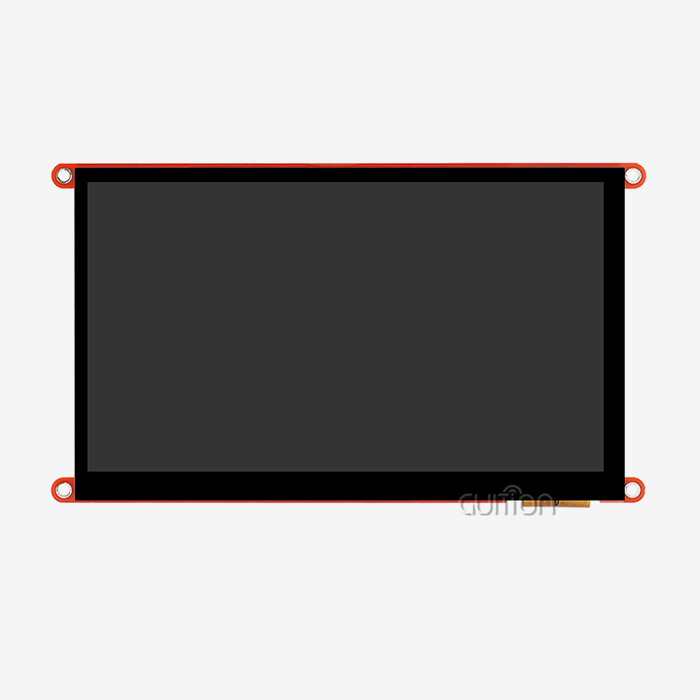
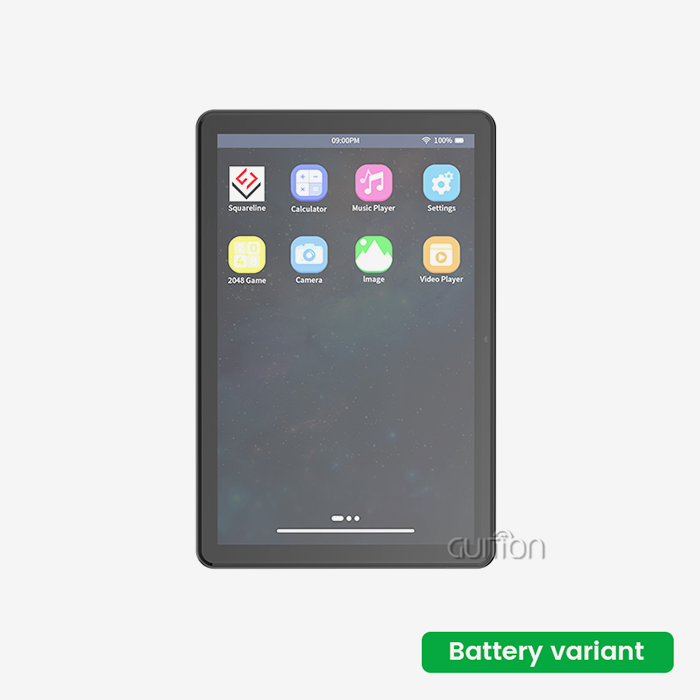
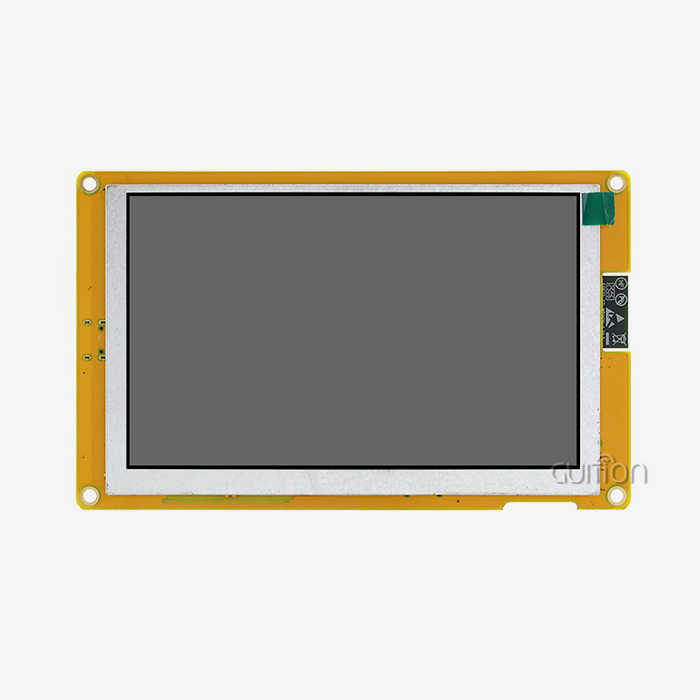
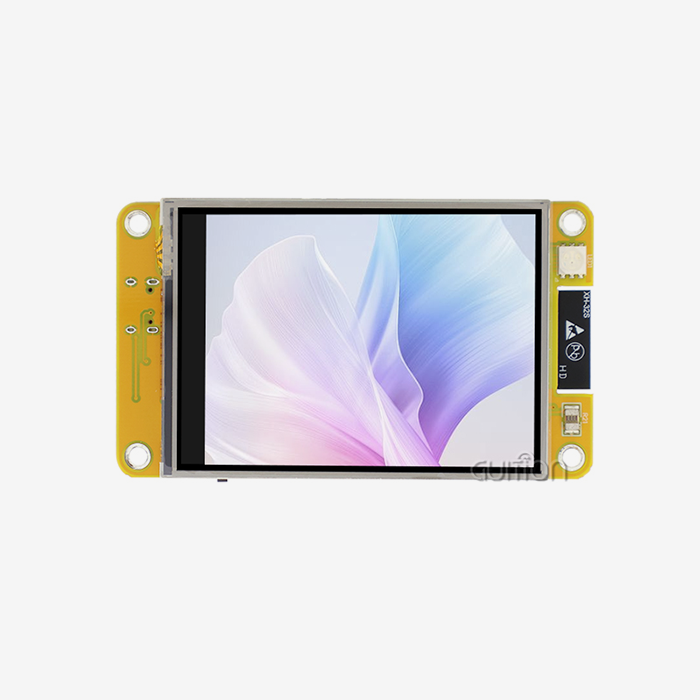
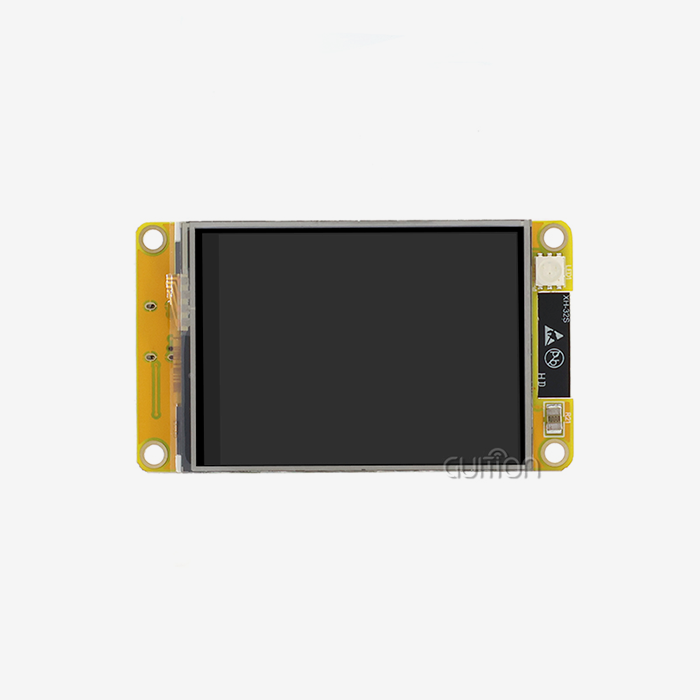
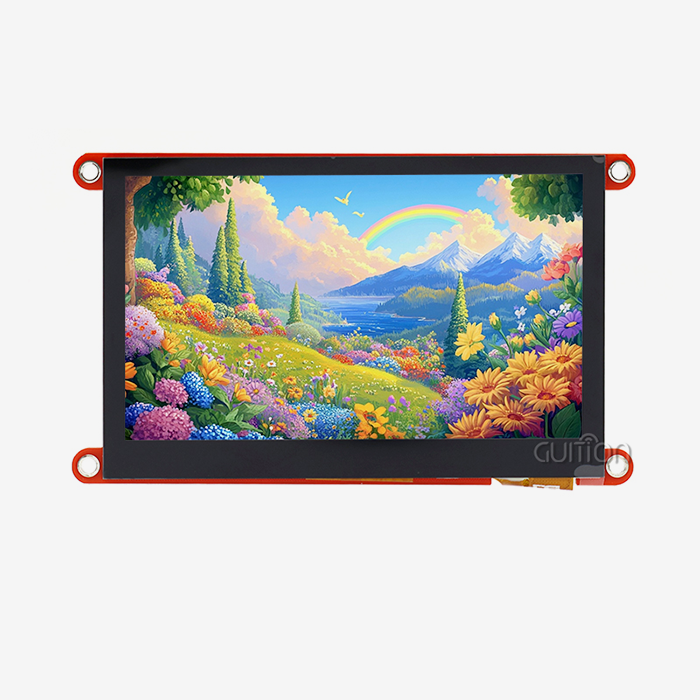
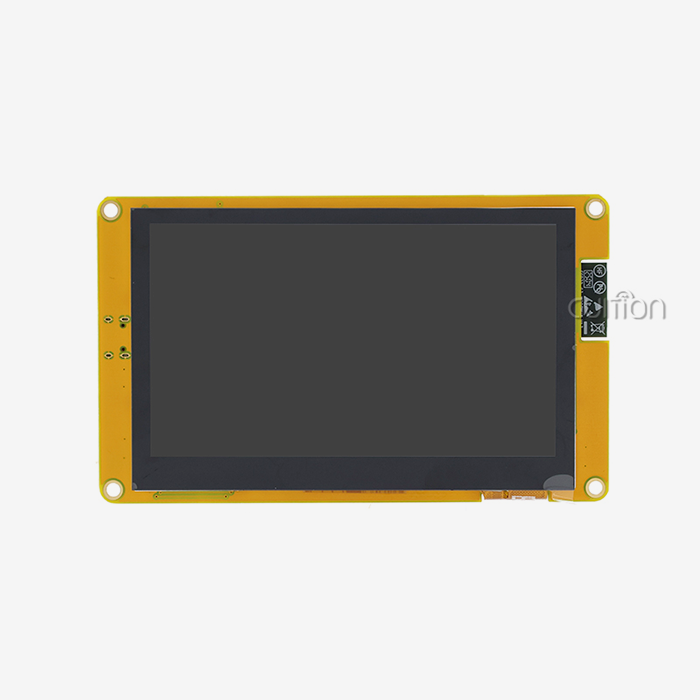
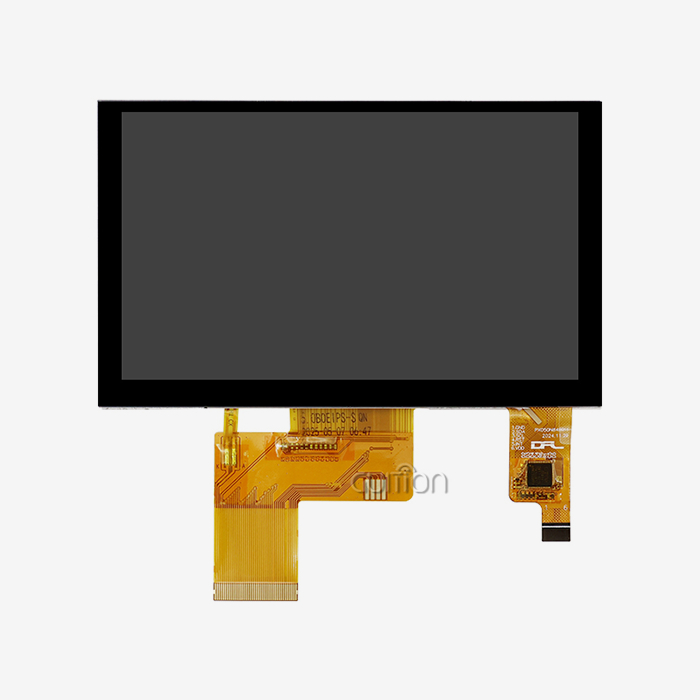
Guition is ready to help you with your embedded design projects by providing high-performance SPI LCD Display units made for tough industrial uses. The ST7796 controller in our JC3248A035C model gives it a resolution of 320x480 and a responsive capacitive touch screen in a small 3.5-inch package that's great for control panels, medical devices, and smart terminals. We offer full development support, including our own Guition UI software, as an SPI LCD Display maker dedicated to engineering success. This software gets rid of the need for difficult low-level programming. The platform works with Arduino, ESP-IDF, and custom development processes, and it has a lot of tools that make getting products to market faster. Built-in WiFi and Bluetooth modules let IoT devices join right out of the box, and the ability to update them remotely lowers the cost of service after the sale. These SPI LCD Display modules work reliably in temperatures ranging from -20°C to 70°C and support 65K colors. They also have bright LED backlights. Email our technical team at david@guition.com to talk about your unique needs, get trial samples, or look into prices for large-scale production deployments. Let's make your idea for a human-machine link a fact so it's ready for the market.
References
1. Williams, T. (2021). Embedded Display Technologies: A Comprehensive Guide to Interface Selection and Integration. Technical Publishing International.
2. Chen, M. & Roberts, K. (2020). Serial Communication Protocols in Modern Embedded Systems. Journal of Embedded Engineering, 15(3), 127-145.
3. Anderson, P. (2022). Industrial HMI Design: Best Practices for Control Panel Development. Manufacturing Technology Press.
4. Liu, S., Patel, R. & Johnson, D. (2021). Comparative Analysis of Display Interface Performance in Resource-Constrained Microcontrollers. IEEE Transactions on Industrial Electronics, 68(9), 8456-8467.
5. Thompson, J. (2023). Power Optimization Strategies for Battery-Operated Embedded Devices. Embedded Systems Publications.
6. Martinez, A. & Singh, H. (2022). Touch Interface Technologies in Medical Device Applications. Journal of Medical Device Engineering, 7(2), 89-103.
Learn about our latest products and discounts through SMS or email