- English
- French
- German
- Portuguese
- Spanish
- Russian
- Japanese
- Korean
- Arabic
- Greek
- German
- Turkish
- Italian
- Danish
- Romanian
- Indonesian
- Czech
- Afrikaans
- Swedish
- Polish
- Basque
- Catalan
- Esperanto
- Hindi
- Lao
- Albanian
- Amharic
- Armenian
- Azerbaijani
- Belarusian
- Bengali
- Bosnian
- Bulgarian
- Cebuano
- Chichewa
- Corsican
- Croatian
- Dutch
- Estonian
- Filipino
- Finnish
- Frisian
- Galician
- Georgian
- Gujarati
- Haitian
- Hausa
- Hawaiian
- Hebrew
- Hmong
- Hungarian
- Icelandic
- Igbo
- Javanese
- Kannada
- Kazakh
- Khmer
- Kurdish
- Kyrgyz
- Latin
- Latvian
- Lithuanian
- Luxembou..
- Macedonian
- Malagasy
- Malay
- Malayalam
- Maltese
- Maori
- Marathi
- Mongolian
- Burmese
- Nepali
- Norwegian
- Pashto
- Persian
- Punjabi
- Serbian
- Sesotho
- Sinhala
- Slovak
- Slovenian
- Somali
- Samoan
- Scots Gaelic
- Shona
- Sindhi
- Sundanese
- Swahili
- Tajik
- Tamil
- Telugu
- Thai
- Ukrainian
- Urdu
- Uzbek
- Vietnamese
- Welsh
- Xhosa
- Yiddish
- Yoruba
- Zulu
How to Verify Quality in a 1.28 inch ESP32 display module Factory?
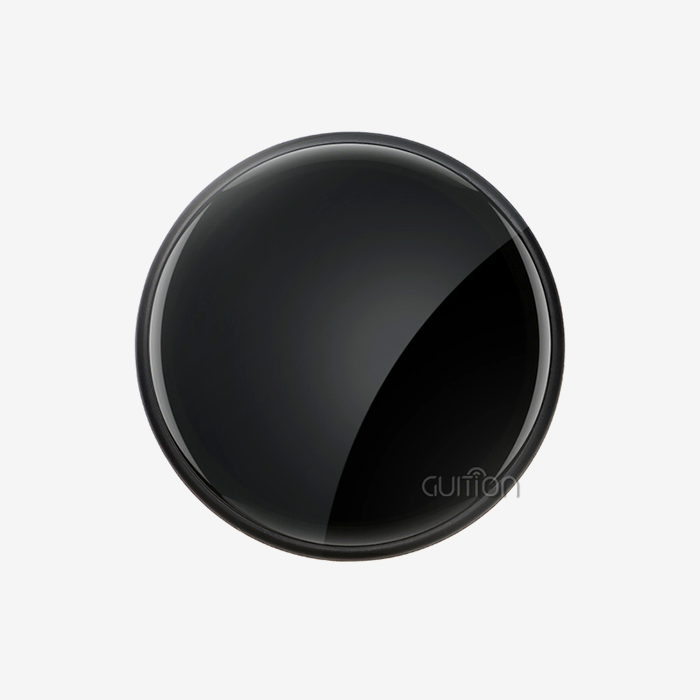
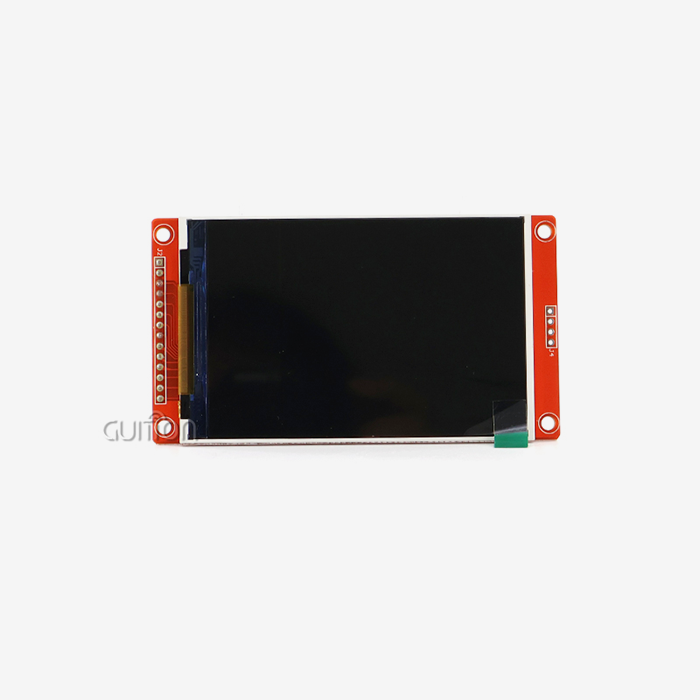
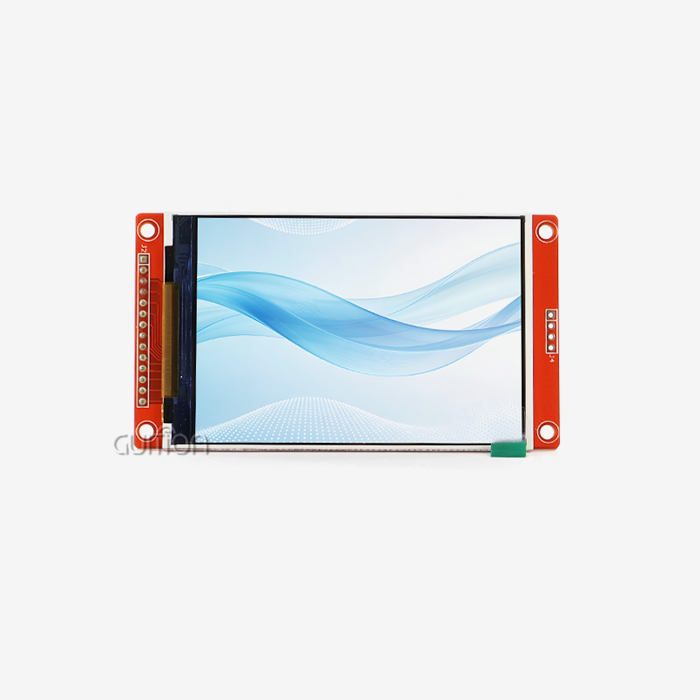
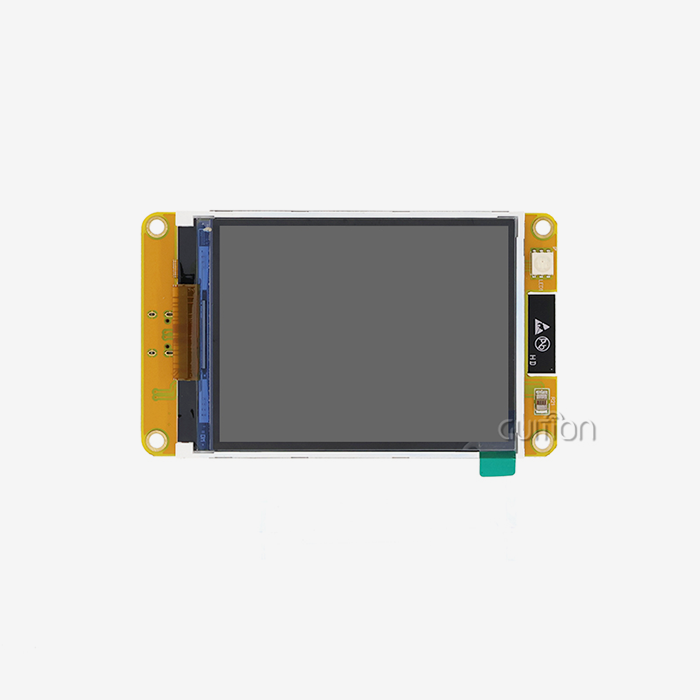
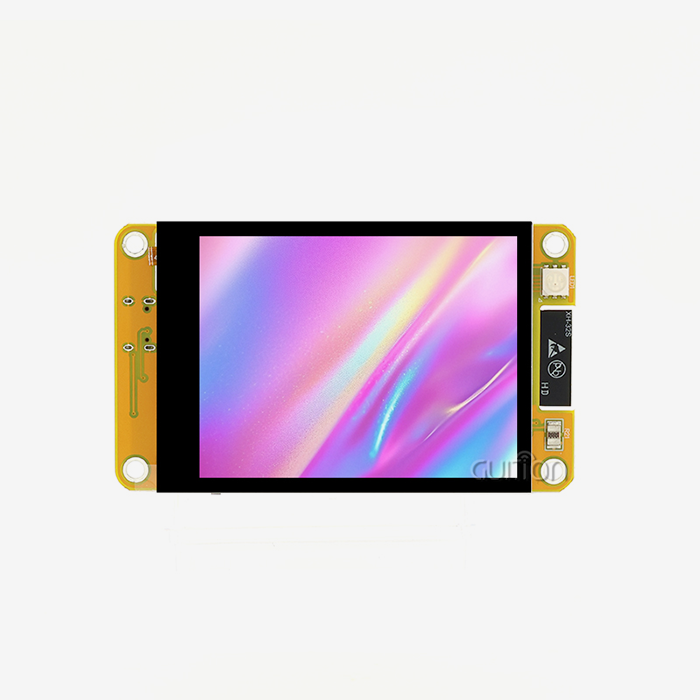
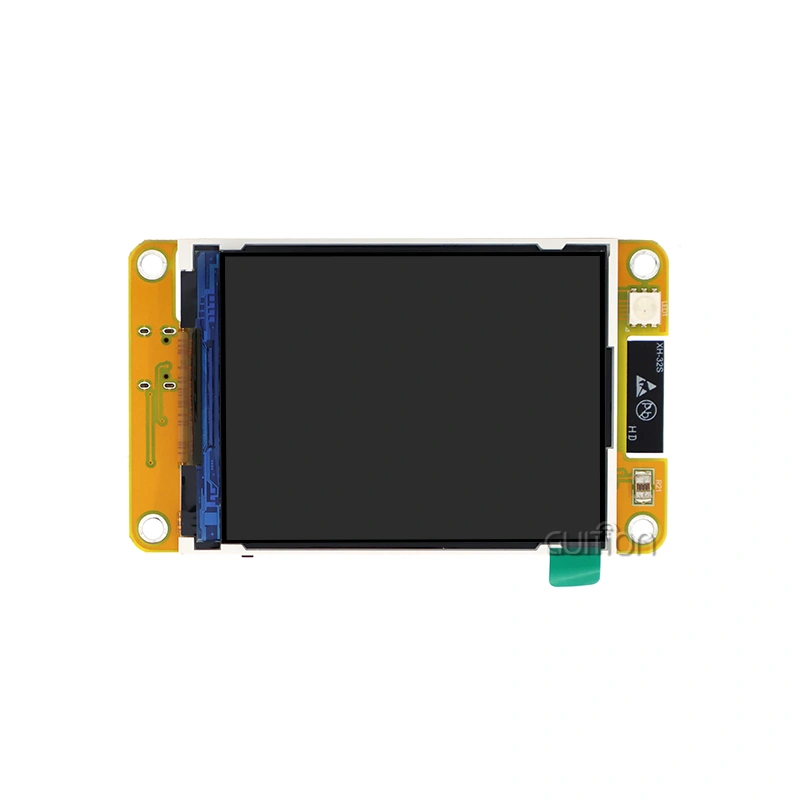
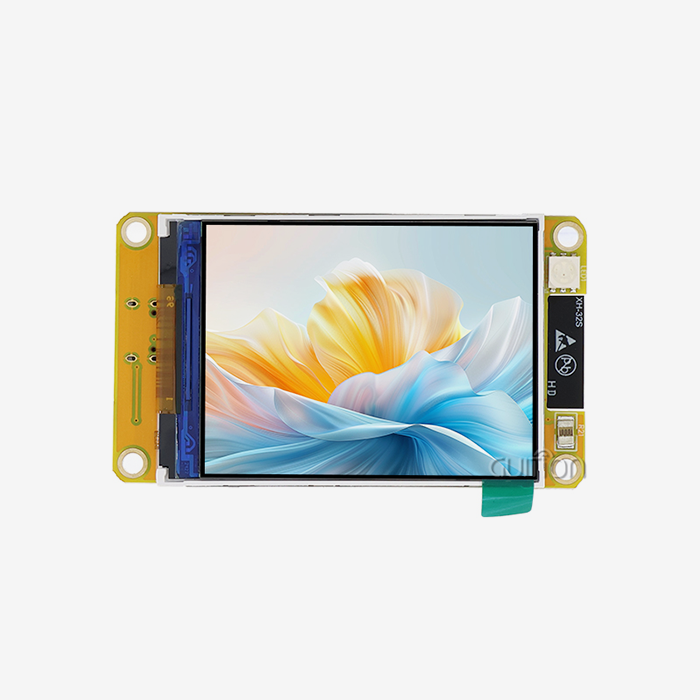
When sourcing a 1.28 inch esp32 display module for industrial or commercial projects, quality verification at the factory level is the single most important step you can take. A reliable module must pass display integrity checks, wireless signal calibration, touch accuracy validation, and thermal stress testing before it leaves the production floor. At Guition, our ESP32-2424S012C_I_Y(B) model undergoes each of these stages, giving procurement teams the confidence they need before committing to volume orders.

Understanding the Quality Challenges of 1.28 Inch ESP32 Display Modules
Not every small ESP32 display module that ships is of the same high quality. When this much is made, there are risks that procurement teams need to be aware of before they sign a supplier agreement.
Display Panel Defects
A 1.28 inch ESP32 display module's 240 x 240 IPS screen can detect pixel-level errors. Failure types that happen a lot include dead pixels, color banding, and uneven brightness. During factory inspection, the whole pixel matrix must be looked at through a magnifying glass. Even one dead pixel in a medical tracking device or an industrial control panel can make the user less likely to like the final product.
Electrical and Pinout Inconsistencies
Mismatched connectors, incorrect pinouts, or solder bridges during physical assembly can make a module not work. Before moving on to the next step in the production process, a well-run plant compares each board to the published datasheet. For the GUIDE ESP32-2424S012C_I_Y(B), the original design standard is checked against the brightness control circuit and the IO port interface.
Firmware and Software Compatibility Gaps
A 1.28 inch ESP32 display module that doesn't initialize properly in Arduino IDE or ESP-IDF wastes engineering time. Manufacturers need to make sure that the GC9A01 display driver and capacitive touch controller work properly in all programming platforms that are supported, such as MicroPython and Mixly, by running embedded code validation tests.
Core Quality Verification Principles for ESP32 Display Modules
Factory-level verification works best when it checks three things that can be measured: visual performance, electrical compliance, and software validation.
Optical and Resolution Testing
The accuracy of the resolution must match the 240x240 specification without any scaling issues. The brightness uniformity test makes sure that the IPS backlight gives off between 350 and 450 nits of light evenly across the screen. Verification of a wide viewing angle (160°+) makes sure that the panel works properly when placed off-axis, which is important for wearable and kiosk applications.
Electrical Protocol Compliance
Any ESP32-based HMI gadget must be able to follow both the SPI and I2C protocols. Electrical test benches should compare the timing of the signals to the GC9A01 driver datasheet and make sure that the I2C touch interface sends correct values across the circle of the display. RF tuning tests make sure that the resistance of both the Wi-Fi and Bluetooth antennas is 50 ohms so that as few packets as possible are lost.
Firmware Validation and Driver Integration
Factory software evaluation shows that the ESP32-C3-MINI-1U module can start the display and touch layers without any problems when it runs at 160MHz and has 400KB of SRAM. The GUITION ESP32-2424S012C_I_Y(B) comes with test code already loaded, so buying teams can turn it on right away and make sure it works right before taking any shipment.
Step-By-Step Quality Verification Process in Display Module Factories
When B2B buyers know what a strict factory workflow looks like, they can ask the right questions during supplier audits.
Incoming Material Inspection
When the parts arrive, they are all checked against the supplier's licenses and datasheet specs. This includes the ESP32-C3-MINI-1U chip, the IPS panel, the capacitive touch overlay, and the LDO voltage regulator. In the embedded display market, fake or low-quality parts are a known risk. Failures in baby mortality that happen in the field are caused by factories that skip this step.
In-Process AOI and Functional Testing
Each PCB is checked by automated optical inspection (AOI) for solder flaws, missing parts, and bridging after reflow. After the automated functional checks, the display illumination tests, touch response verification, and wiring continuity tests are done by hand. Because this is a known failure zone in round capacitive overlays, touch panel linearity testing at the edge radius for a circular 1.28 inch ESP32 display module is a requirement.
Burn-In and Packaging Verification
A dynamic aging test that runs for 48 to 72 hours at 50°C puts the module through high-load graphics and active wireless transmission. This process gets rid of early-failure units that have weak LDO controllers or ESP32 chips. After burn-in, each unit is checked to make sure the packaging is still good so it doesn't get damaged during foreign shipping.
Comparing Quality Among Leading 1.28 Inch ESP32 Display Module Brands
There are a number of well-known types of small circular ESP32 display units on the market. Before choosing a supplier, procurement teams should make an unbiased comparison.
Waveshare and Adafruit are well-known in the maker and prototyping communities for their good documentation and easy-to-use libraries. For OEM applications, however, their production volumes and ability to make changes are limited.
LilyGO and TTGO are both aiming for the wearable and IoT market with reasonable prices, but the ease of plant audits can change from one wave of products to the next. MakerFocus and Geekcreit are good for the budget level, where consistent quality control is said to be a problem in B2B buying platforms.
In this market, judgment is put in a different place. The 1.28 inch ESP32 display module ESP32-2424S012C_I_Y(B) is made using methods that are compliant with RoHS. It comes with the proprietary Guition UI development tool and full secondary development instructions. The fact that Arduino IDE, ESP-IDF, MicroPython, and Mixly can all work on different platforms lowers the risk of integration for engineering teams. The lithium battery charging circuit that is built in and protects against overcharge and overcurrent is an extra layer of safety that not all competing modules offer.
Optimizing Procurement Strategy Based on Quality Verification Outcomes
It's not the end of a relationship with a supplier when you pass a factory audit. Structured deals and regular review are key to the long-term success of buying.
The main things you can do to keep your supply chain safe are:
- Embed quality KPIs in purchase contracts: Define acceptable defect rates (typically under 0.5% for industrial-grade HMI modules), response time for RMA processing, and batch sampling inspection frequency.
- Request OTA upgrade capability confirmation: The GUITION ESP32-2424S012C_I_Y(B) supports remote firmware updates, which is essential for deployed devices in industrial automation and smart home environments where physical access is limited.
- Verify multi-language support: UTF-8 encoding support is a procurement requirement for any product targeting global markets. Confirm this is validated at the firmware level, not just documented in a brochure.
- Assess customization flexibility: Suppliers who offer secondary development interfaces and complete technical documentation reduce your engineering team's workload when adapting the module to specific application scenarios.
These habits will help you keep your buying money safe throughout the whole lifecycle of a product. When teams set up shared quality review cycles with their seller, they usually see a 30–40% drop in after-sales support costs compared to teams that handle each order separately.
Conclusion
A structured process that includes optical inspection, testing of the electrical protocol, software validation, and thermal burn-in is needed to ensure quality in a 1.28 inch ESP32 display module plant. When these criteria are used, procurement teams always choose suppliers who can keep quality high at high volumes. The GUITION ESP32-2424S012C_I_Y(B) is designed to meet these requirements. It comes in a small, production-ready package with an ESP32-C3-MINI-1U processor, a 240x240 IPS display, capacitive touch, and support for multiple development platforms.
FAQ
Which communication protocols should a quality 1.28 inch ESP32 display module support?
A quality module must support both SPI (for display driving) and I2C (for capacitive touch). Verify this through the published datasheet and request electrical test reports from the factory. The GC9A01 driver used in circular IPS panels relies on SPI for maximum refresh throughput.
How do I confirm that touch accuracy is acceptable near the display edges?
Edge touch accuracy depends on firmware calibration. The capacitive touch coordinate map must be masked to the circular radius in firmware to reject false inputs from the bezel. Ask the factory for touch linearity test reports covering the full active area, including the outer 10% of the radius.
What certifications indicate a reliable ESP32 display module supplier?
RoHS and CE certifications are the baseline for US and EU markets. ISO 9001 factory certification indicates a documented quality management system. Request copies of current certifications before placing a volume order.
Can the module operate on a LiPo battery?
Yes. The GUITION ESP32-2424S012C_I_Y(B) includes an onboard lithium battery charging circuit with overcharge and overcurrent protection, supporting standard 3.7V LiPo cells.
How do I verify firmware compatibility before ordering at volume?
Request factory-programmed sample units. The GUITION ESP32-2424S012C_I_Y(B) ships with pre-loaded test code that runs immediately on power-up, allowing engineering teams to validate display, touch, and wireless functions before committing to a bulk order.
Ready to Source a Verified 1.28 Inch ESP32 Display Module Supplier?
Guition's ESP32-2424S012C_I_Y(B) gives your team a production-validated, cross-platform-compatible display module backed by full technical documentation and remote OTA upgrade support. Whether you need a single sample or a volume supply agreement, reach out to our technical team today. Contact Us at david@guition.com or visit https://jingcaizhineng.aixdb.cn/ to request datasheets, samples, or a procurement consultation.
References
1. Espressif Systems. ESP32-C3 Series Datasheet. Espressif Systems, 2023.
2. International Electrotechnical Commission. IEC 61000-4: Electromagnetic Compatibility Testing and Measurement Techniques. IEC, 2022.
3. International Organization for Standardization. ISO 9001:2015 Quality Management Systems — Requirements. ISO, 2015.
4. Society of Manufacturing Engineers. Automated Optical Inspection in PCB Assembly Quality Control. SME Technical Publications, 2021.
5. RoHS Compliance Guide Editorial Team. RoHS Directive 2011/65/EU: Restrictions on Hazardous Substances in Electronic Equipment. European Commission Publications, 2022.
6. Horowitz, P., & Hill, W. The Art of Electronics, 3rd ed. Cambridge University Press, 2015.
Learn about our latest products and discounts through SMS or email