- English
- French
- German
- Portuguese
- Spanish
- Russian
- Japanese
- Korean
- Arabic
- Greek
- German
- Turkish
- Italian
- Danish
- Romanian
- Indonesian
- Czech
- Afrikaans
- Swedish
- Polish
- Basque
- Catalan
- Esperanto
- Hindi
- Lao
- Albanian
- Amharic
- Armenian
- Azerbaijani
- Belarusian
- Bengali
- Bosnian
- Bulgarian
- Cebuano
- Chichewa
- Corsican
- Croatian
- Dutch
- Estonian
- Filipino
- Finnish
- Frisian
- Galician
- Georgian
- Gujarati
- Haitian
- Hausa
- Hawaiian
- Hebrew
- Hmong
- Hungarian
- Icelandic
- Igbo
- Javanese
- Kannada
- Kazakh
- Khmer
- Kurdish
- Kyrgyz
- Latin
- Latvian
- Lithuanian
- Luxembou..
- Macedonian
- Malagasy
- Malay
- Malayalam
- Maltese
- Maori
- Marathi
- Mongolian
- Burmese
- Nepali
- Norwegian
- Pashto
- Persian
- Punjabi
- Serbian
- Sesotho
- Sinhala
- Slovak
- Slovenian
- Somali
- Samoan
- Scots Gaelic
- Shona
- Sindhi
- Sundanese
- Swahili
- Tajik
- Tamil
- Telugu
- Thai
- Ukrainian
- Urdu
- Uzbek
- Vietnamese
- Welsh
- Xhosa
- Yiddish
- Yoruba
- Zulu
How to Select the Best IPS Display Module Supplier?
Choosing the right IPS display module provider can make or break the time it takes to get your product to market and how well it does. Quality and dependability are important when looking for human-machine interface parts for smart homes, medical devices, or industrial control screens. Everything from the speed of development to help after the sale is affected by the seller you pick. What should you put first? Technical know-how, the ability to make changes, and a stable supply line that is stable. Look for providers that offer full development environments with Guition software, compatibility with multiple platforms, and detailed instructions. The right partner doesn't just give you tools; they also speed up the whole HMI development process and lower the cost of engineering it.

Understanding the Challenges in Selecting IPS Display Module Suppliers
Market Fragmentation and Vendor Verification
There are hundreds of sellers in the market for IPS display modules, ranging from well-known manufacturers to selling companies that don't have a lot of technical know-how. Large problems with proof arise from this division. There are some providers who say they can be OEMs but don't have their own tech teams, which means that real customization isn't possible. If procurement teams don't do their research first, they might end up working with vendors who can't provide regular quality or technical help throughout the lifetime of a product.
Quality Inconsistency and Specification Mismatches
A lot of procurement workers have stressful experiences with IPS display modules that don't live up to the specs they were supposed to. It's possible for a module that says it has "industrial-grade" parts to fail temperature tests or lose its ability to respond to touches in real life. These differences in quality are caused by poor quality control, using low-quality panels, or not following the right testing procedures. It's even harder when sellers don't give you much information, leaving your tech team to figure out interface protocols or compatibility problems on their own.
Lead Time Unpredictability and Supply Chain Risks
Lead times that you can't predict cause delays all over your development plan. When you buy IPS display modules, you expect them to arrive in four weeks, but production delays make it take eight or twelve weeks. This problem is made worse by the fact that you can't see where the parts are coming from, how much inventory you have, or how much you can produce. When important questions take days to answer because of problems with communication, things get even more complicated. These issues become critical for time-sensitive projects where prototype delays directly affect market launch windows and competition positioning.
Key Criteria to Evaluate When Choosing an IPS Display Module Supplier
Quality Assurance and Certification Compliance
Quality control starts with licenses that can be checked. Look for providers that have ISO 9001 for quality management systems and product-level certifications like RoHS for limits on dangerous substances and CE marks for compliance with the European market. Certifications don't always mean quality, though. You need providers who have written down their inspection procedures for arriving materials, quality checks during production, and final product testing that includes electrical parameters, optical performance, and environmental stress screening. Ask for proof that they can do the tests. Is the provider in charge of keeping temperature-cycling test chambers? Can they give you data on their reliability from rapid life testing? As a company that was founded on technology, Guition follows strict quality standards for all of its production batches. This makes sure that every IPS display module meets certain performance standards before it is shipped. This focus on quality control directly fixes the problems with consistency that buying teams have when they work with sources who aren't as strict.
Technical Capabilities and Customization Flexibility
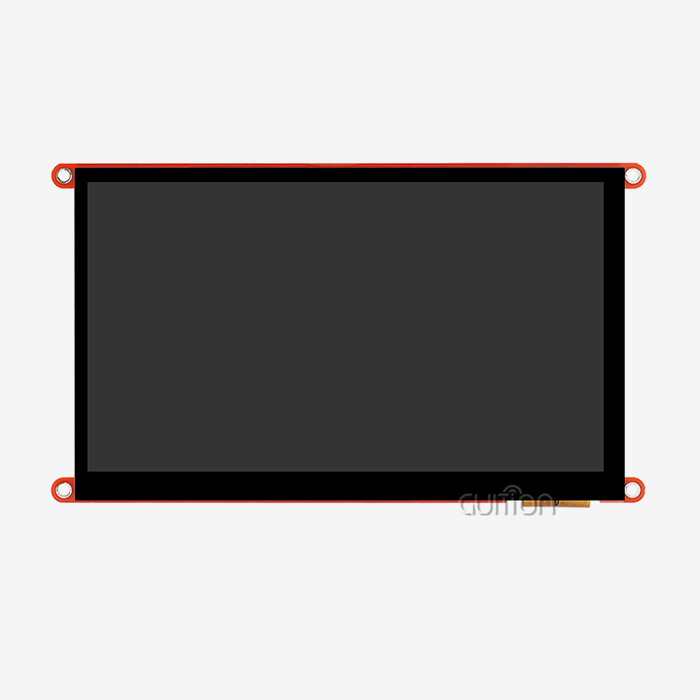
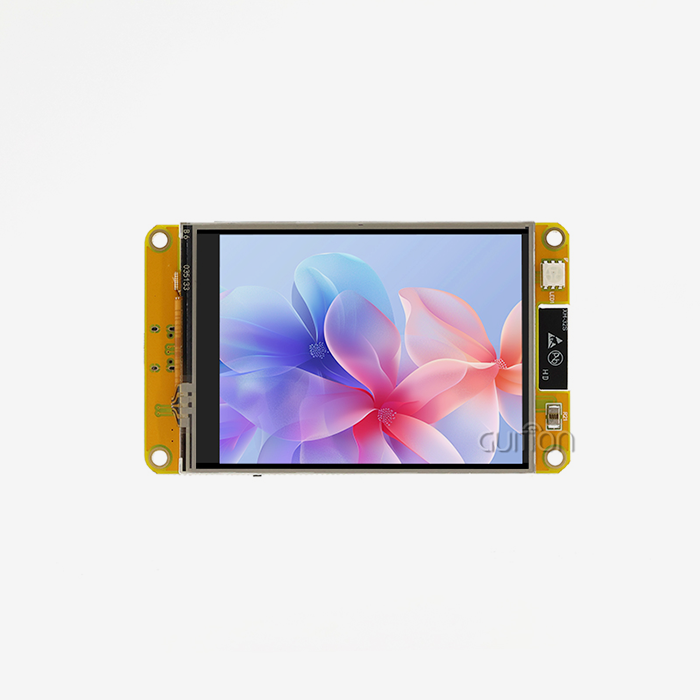
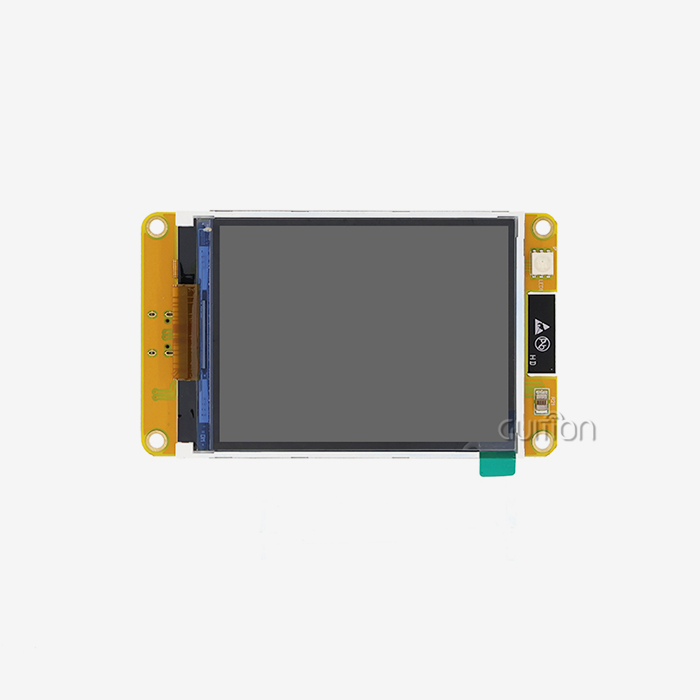
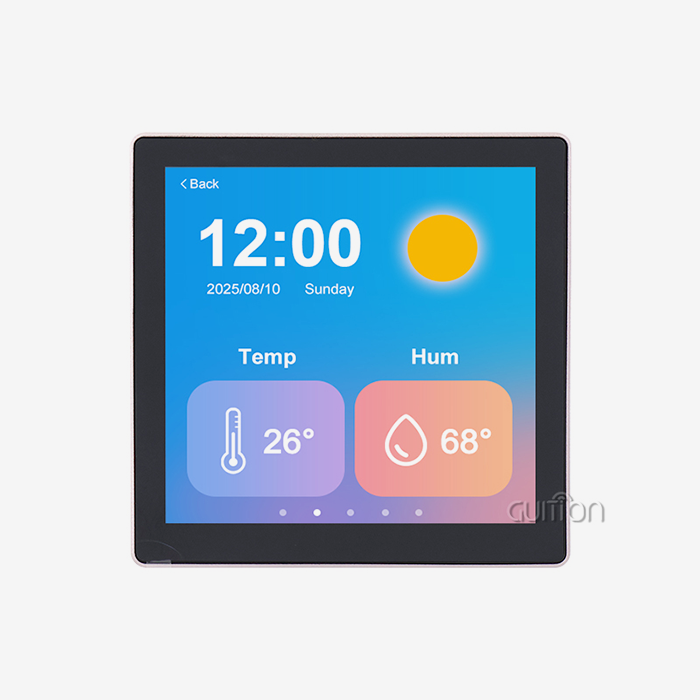
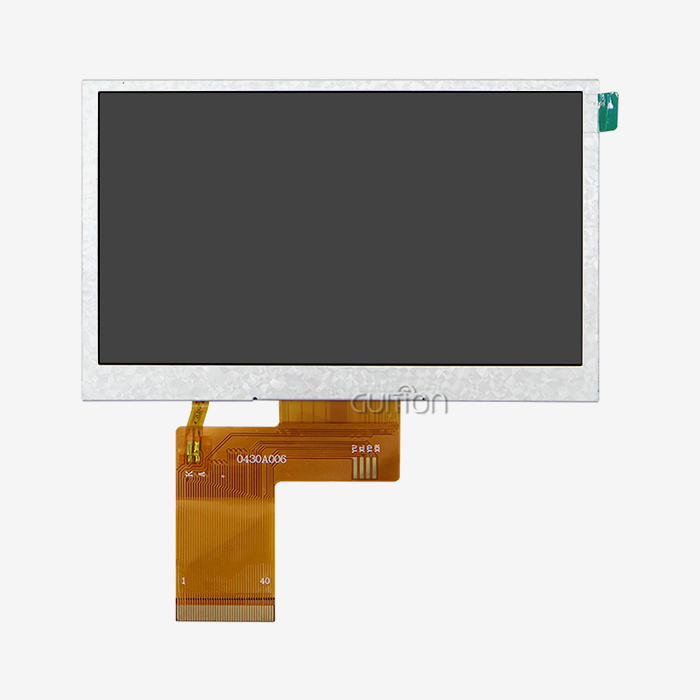
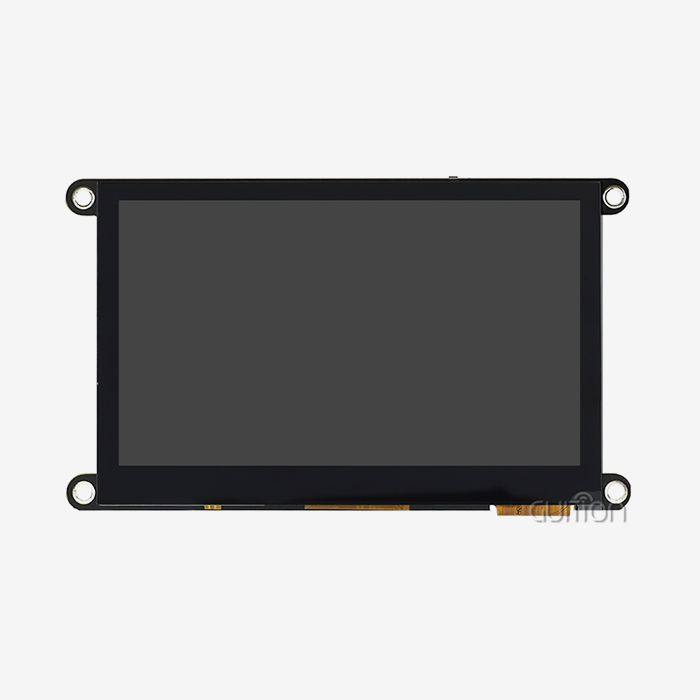
Assessing technical skills is more than just looking at data sheets. Check to see if the provider really does have the R&D tools to do custom development. Can they change the resolution of the screen, add certain touch technologies, or change the communication standards so that they work with your system? The GUITION JC4848B040C_I is a good example of this. It is a 4.0-inch IPS display module with the ST7701 driver chip, an 800x480 resolution, and a MIPI DSI interface. It was made for uses that need a small size with full capacitive touch response. Check out the growth environment that the supplier offers. Does what they're selling include software tools that make UI creation easier? The Guition software works with many development modes, such as the Arduino and ESP-IDF frameworks. This means that your engineering team can use known tools while still being able to access advanced HMI features. This freedom shortens the time it takes to learn new things and speeds up the development process, which is very helpful when you need to get a product out the door quickly.
Supply Chain Resilience and Production Capacity
To do a supply chain review, you need to be clear about your production capabilities and how you plan to get your parts. Ask possible sellers about where they make their products, how much they make each month, and how they handle their inventory. Can they step up output to keep up with your plans for growth? What is their track record when there are shortages of parts? Logistics skills are also important. Reliable providers keep lines of contact open, give tracking information, and offer a range of shipping choices to meet pressing needs. They should be able to show that they have experience with foreign logistics, customs paperwork, and following the rules of the target country. This level of organizational maturity stops annoying delays that happen because of mistakes that inexperienced sellers often make in administration or shipping.
Pricing Transparency and Total Cost of Ownership
Price review is more than just looking at unit prices. Find the total cost of ownership by adding up the costs of development support, possible customized fees, guarantee coverage, and the availability of service after the sale. A provider with slightly higher unit prices might offer better value by providing more detailed technical documents, quick and helpful engineering support, and reliable guarantee fulfillment that cuts down on the time and money needed for debugging. Be careful of costs that aren't obvious. Some sellers offer good deals at first, but then they charge extra for technical help, changing samples, or updating firmware. Transparent suppliers offer clear price systems that cover all possible services, which makes it possible to accurately plan budgets. They also have fair guarantee terms (12 to 24 months on average) and easy RMA methods for when problems arise.
Comparing Traditional vs Modern Supplier Evaluation Approaches
Limitations of Price-Focused Traditional Methods
In the past, buying often focused on finding the cheapest sources, sometimes skipping scientific checks to save money right away. This method didn't take into account important things like the level of technical support, the stability of long-term supply, and the ability to truly customize. You'd choose a seller based mostly on unit price comparisons, only to find out later that bad paperwork doubled the time it took to integrate or that low-quality parts caused more failures in the field. Subjective evaluations were also a big part of the old way of doing things. Supplier ties are built through human links or small-scale evaluations, without a formal method for keeping track of performance. When problems arose, like missed dates, poor quality, or support that wouldn't respond, you didn't have any objective data to help you fix things or explain to management why you needed to change suppliers.
Data-Driven Modern Evaluation Framework
Structured review systems with quantitative success measures are used in modern procurement. On-time delivery rates, defect rates per batch, technical help reaction times, and documentation completeness scores are some of the key performance factors that you track on provider scorecards. These measures make it possible to compare sellers in an unbiased way and spot performance trends that need further investigation.
To make this modern method work well, follow these steps:
Define Clear KPIs Aligned with Project Requirements: To begin, figure out which measures are most important for your application. If you're making medical tools, give more weight to providers who have a track record of consistent quality and following regulations. For IoT devices that need to be updated often, it's important to find providers that offer remote software upgrades and helpful technical support channels.
Conduct Comprehensive Audits and Sample Testing: Before placing large orders, ask for thorough samples that can be tested in your real-life working conditions. Check the heat performance over the temperature range you need, the touch sensitivity in different lighting situations, and the interface's ability to work with your control systems. If you can, think about doing workplace audits. Seeing production facilities in person can show you things that written paperwork can't.
Implement Continuous Performance Monitoring: Set up regular review processes to compare provider performance to your KPIs and start continuous performance monitoring. Business reviews with your main providers every three months give you a chance to talk about problems, find ways to make things better, and match your plans. This ongoing work turns relationships with vendors from ones that are just for transactions into strategic partnerships where both parties have a stake in the other's success.
This methodical approach doesn't get rid of emotional opinion, but it adds to it with objective data, which makes sourcing choices that are easier to defend and more likely to work out. Instead of relying on assumptions or first impressions, you build relationships based on performance and responsibility.
Case Studies: Successful Partnerships with Top IPS Display Module Suppliers
High-Volume Medical Device Manufacturing
A company that makes medical devices and is making tools to watch patients needed IPS display modules that could meet strict regulatory standards and allow for quick production scaling. They teamed up with a supplier that had all the necessary certifications, well-established quality control systems, and the ability to produce 50,000 pieces per month. During the prototype process, the supplier's engineering team worked closely with the manufacturer to adjust the brightness profiles of the screen to work in a variety of lighting conditions that are common in hospital settings. The partnership worked out well because the supplier provided detailed technical documentation that sped up the certification process, made sure that quality was uniform across all production batches, and set up specialized support lines for when important questions came up during regulatory reviews. When compared to past projects with less skilled providers, this relationship cut time-to-market by four months.
Customized Industrial Control Solutions
An automation systems developer needed display units that could work in harsh industrial settings with a wide range of temperatures and wouldn't get damaged by vibrations or electromagnetic interference. They chose a source that had real customization options and a history of working with industry applications. The provider changed normal modules to include ruggedized parts, better EMI shielding, and mounting choices that fit the client's enclosure designs. This partnership showed how important technical know-how and flexibility are. The seller was ready to make changes to designs based on results from field tests and give the developer specific data from environmental tests, which gave them the confidence to put systems in demanding petrochemical plants. The modules worked as expected, which cut down on expensive failures in the field and improved the integrator's image with end users.
Rapid Prototyping for Smart Home Devices
A new company that was making smart home control panels had to meet tight deadlines with few technical tools. They needed a provider that could give them both hardware and full development help. They picked Guition because it had easy-to-use development software that let them create the user interface with drag-and-drop tools without having to learn complicated low-level code. With its 16.7M color support and sensitive touch, the GUITION JC4848B040C_I module gave their consumer application the quality of images and speed it needed. The partnership worked because Guition's development environment cut the time it took to implement the user interface by 60%, their technical documents made it easy to integrate quickly, and their support team helped quickly when problems came up. The startup got off to a good start, entering the market before rivals with more resources but weaker supplier ties.
Summarizing Key Takeaways for Smart IPS Display Module Procurement
When choosing suppliers of parallel lcd display modules, put quality guarantees that come from certifications and written testing methods at the top of your list. It's important to find suppliers with real research and development tools, the ability to customize, and full development environments that speed up your engineering work. Supply chain resilience saves your project deadlines; before agreeing, look at their production capacity, logistics experience, and how quickly they respond to messages.
Don't let the price take priority over the total cost of ownership. Think about how good the development support is, how full the paperwork is, and how reliable the after-sales service is. Most of the time, these factors are more valuable in the long run than small unit cost savings. Use supplier scorecards and performance measures to set up data-driven review systems. Before committing to a large number, test a sample carefully in the way you normally do business.
Clear conversation and regular performance reviews will help you build smart relationships. When you work with providers who see your success as their own, they'll put in the time and effort to understand your needs and back your long-term product roadmaps. If you're making medical devices, consumer goods, or industrial equipment, the right supply relationship can give you a competitive edge that goes beyond just getting the hardware to you. They can also help you come up with new ideas and succeed in the market.
Conclusion
To choose the best IPS display module provider, you need to think about their technical skills, quality control, supply chain stability, and help for growth. Suppliers that really add value don't just sell parts; they also build whole environments that make integration easier, speed up development, and lower the total cost of ownership. You can make sure your projects do well in competitive markets by using structured review frameworks, trying them thoroughly, and forming smart partnerships with suppliers who can do the job. The choice you make today will have an impact not only on the current project, but also on your future ability to come up with new ideas, grow, and keep your product ahead of the competition.
FAQ
What technical specifications should I verify when evaluating display module suppliers?
Check the driver IC's specs, including its resolution, ability to work with your control systems, support for touch technology, working temperature ranges, and color depth. You should ask for thorough datasheets that include electrical parameters, optical performance metrics, and mechanical measurements. Make sure the provider gives you full integration paperwork for your IPS display module that includes time diagrams, startup steps, and sample code for the platform you're using for development.
How can I authenticate supplier certifications and quality claims reliably?
Ask for copies of certificates with proof numbers that you can use to check with the organizations that issued them. Ask for test reports from reputable third-party labs that show the product meets the standards that were claimed. During supplier checks, make sure that the production facilities actually follow the steps that are written down in the quality system paperwork. To make sure that claims about real-world results are true, check examples from current customers who have used similar products.
What common pitfalls should I avoid during supplier negotiations?
Do not commit to big orders until you have thoroughly tested samples in your own working conditions. Don't forget about the quality of the paperwork—bad technical writing causes costly delays in integration. Make sure you know up front about the customization fees, minimum order amounts, and guarantee terms. Make sure the payment terms are in line with the delivery goals. This will protect your interests if there are delays. If a seller won't talk about technical details or give you customer references, that's usually a sign that they don't have a lot of experience.
Partner with Guition for Your Display Module Requirements
Guition combines the technical skills, development environment, and supply reliability that projects need to be effective. Our wide range of products includes screens from 1.28" to 21.5", so they can be used in a wide range of situations, from small gadgets to industrial control panels. The GUITION JC4848B040C_I shows how much we care about speed. It has a small 4.0-inch form factor that has been used in 3D printers, medical equipment, and smart home devices, and it delivers 800x480 resolution with 16.7M colors through the powerful ST7701 driver.
What makes us different? Our own Guition software changes the way HMIs are made by using an easy-to-use drag-and-drop interface, cross-platform debugging, and built-in settings that get rid of the need for complicated code. You get support for multiple languages, the ability to update remotely, and compatibility with Arduino and ESP-IDF. These are tools that address the real problems that embedded engineers face every day. We don't just sell tools; we also offer full development services for your IPS display module that cut down on engineering costs and speed up your time to market.
Get in touch to talk about your unique needs. Get in touch with our tech team at david@guition.com. We'll help you weigh your choices, give you samples to try, and come up with custom solutions that fit the needs of your application. As the IPS display module provider you can trust, we're here to help you succeed from the prototype stage to production and beyond.
References
1. Chang, W. & Liu, Y. (2022). Quality Management Systems in Electronics Manufacturing: Standards and Implementation Practices. Industrial Engineering Press.
2. Kumar, R. (2023). Strategic Supplier Selection in High-Tech Industries: A Multi-Criteria Decision Framework. Journal of Supply Chain Management, 41(3), 156-178.
3. Martinez, S. & Chen, H. (2021). Human-Machine Interface Design for Industrial Applications: Display Technologies and User Experience Considerations. Automation Technology Review, 28(2), 89-112.
4. Peterson, D. (2023). Total Cost of Ownership Analysis in Component Procurement: Beyond Unit Price Evaluation. Procurement Strategy Quarterly, 15(4), 203-225.
5. Thompson, J. & Singh, A. (2022). Supply Chain Resilience in Electronics Manufacturing: Risk Mitigation Strategies for Component Sourcing. International Journal of Operations Management, 37(1), 45-67.
6. Williams, K. (2023). Embedded Systems Development: Accelerating Time-to-Market Through Strategic Supplier Partnerships. Embedded Technology Journal, 19(2), 134-151.
Learn about our latest products and discounts through SMS or email