- English
- French
- German
- Portuguese
- Spanish
- Russian
- Japanese
- Korean
- Arabic
- Greek
- German
- Turkish
- Italian
- Danish
- Romanian
- Indonesian
- Czech
- Afrikaans
- Swedish
- Polish
- Basque
- Catalan
- Esperanto
- Hindi
- Lao
- Albanian
- Amharic
- Armenian
- Azerbaijani
- Belarusian
- Bengali
- Bosnian
- Bulgarian
- Cebuano
- Chichewa
- Corsican
- Croatian
- Dutch
- Estonian
- Filipino
- Finnish
- Frisian
- Galician
- Georgian
- Gujarati
- Haitian
- Hausa
- Hawaiian
- Hebrew
- Hmong
- Hungarian
- Icelandic
- Igbo
- Javanese
- Kannada
- Kazakh
- Khmer
- Kurdish
- Kyrgyz
- Latin
- Latvian
- Lithuanian
- Luxembou..
- Macedonian
- Malagasy
- Malay
- Malayalam
- Maltese
- Maori
- Marathi
- Mongolian
- Burmese
- Nepali
- Norwegian
- Pashto
- Persian
- Punjabi
- Serbian
- Sesotho
- Sinhala
- Slovak
- Slovenian
- Somali
- Samoan
- Scots Gaelic
- Shona
- Sindhi
- Sundanese
- Swahili
- Tajik
- Tamil
- Telugu
- Thai
- Ukrainian
- Urdu
- Uzbek
- Vietnamese
- Welsh
- Xhosa
- Yiddish
- Yoruba
- Zulu
How to Compare Industrial HMI Panel Suppliers in China
Selecting the appropriate industrial HMI panel from China is not a question of flipping through catalogs, but of systematically studying the product quality, the supplier's skills and the long-term service commitments. As an embedded engineer, R&D manager or product manager, choosing the wrong display module supplier might boost costs and delay your project timeline. This book covers all of the major comparison points—from certifications and software environments to pricing conditions and brand standards—so that you can make an informed procurement decision for your human-machine interface needs.

Understanding the Industrial HMI Panel Market in China
In the last 10 years, the hmi display module business has been growing significantly in China. The global HMI market is anticipated to reach $7.6 billion by 2028, as Chinese manufacturers are gradually increasing market share thanks to reduced manufacturing costs and quicker R&D investment.
What Is an Industrial HMI Panel?
The industrial HMI panel is the main interface between the human operator and the automated machine, providing raw protocol data as human-understandable graphical displays. Reconfigurable, software-defined touch or display interfaces instead of classic switchboards are now available for applications such as CNC automation, energy management and medical monitoring devices and operator error rates are significantly reduced.
China's Role in the Global HMI Supply Chain
Today Chinese manufacturers provide a comprehensive range of HMI display modules from tiny 1.28” modules to 21.5” panel-mount displays for the North American, European and Southeast Asian markets. In mature markets, local brands are up against global names that evolve more rapidly and have easier to access development environments.
Key Technology Trends Driving Procurement Decisions
Buyers increasingly prioritize built-in WiFi and Bluetooth connectivity, OTA remote upgrade capability, and multi-language UTF-8 encoding support. These features align with IIoT deployment requirements and reduce long-term after-sales costs. Modules that support cross-platform development—including Arduino, ESP-IDF, and proprietary GUI tools—are attracting stronger interest from embedded system engineers globally.
Core Criteria to Compare Industrial HMI Panel Suppliers in China
Not every business that sells HMI display modules is as technically knowledgeable or as good at making their products. Before you ask for a price, you should compare sellers based on a number of important factors, including their expertise in Industrial hmi panel solutions.
Certifications and Compliance Standards
Make sure the supplier is certified to use ISO 9001 for quality management and that their products have the CE mark for the European market or the FCC/UL mark for the US market. These approvals are basic proof that the products are safe and that the production process is going well. They are very important if you are making medical equipment or control screens for factories.
Display Specifications and Software Ecosystem
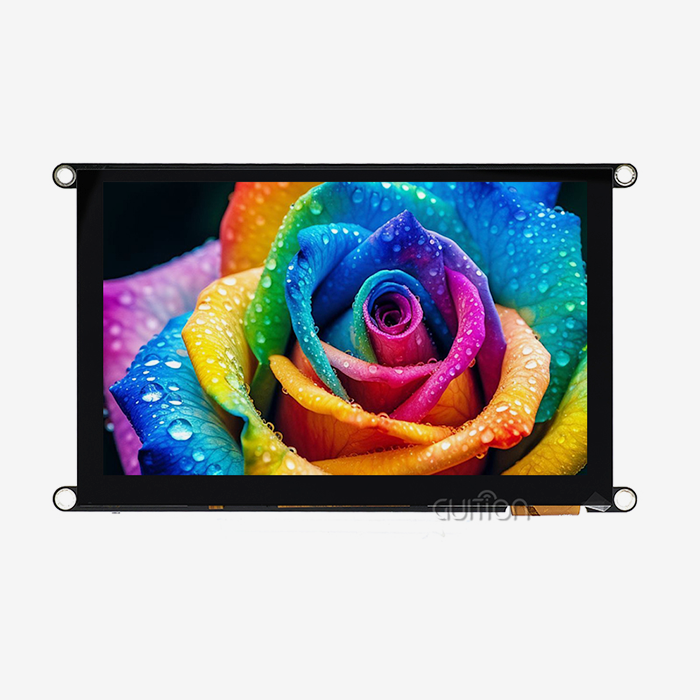
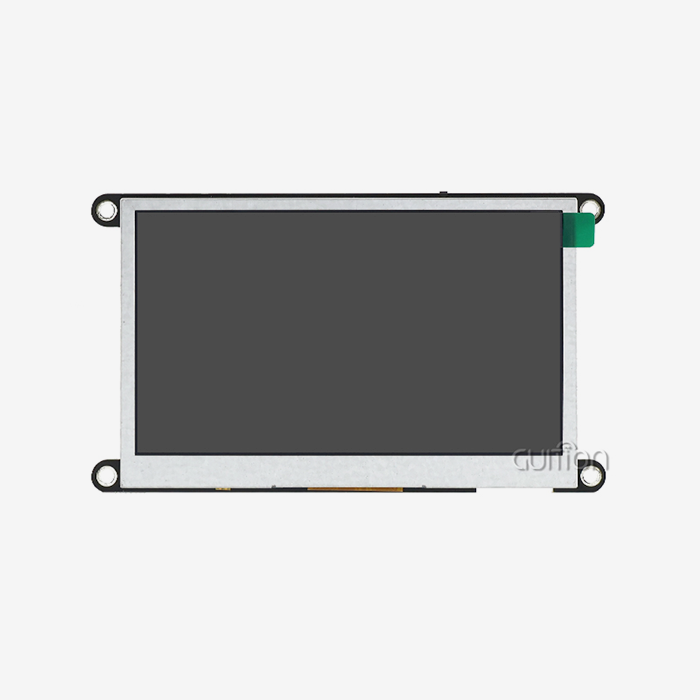
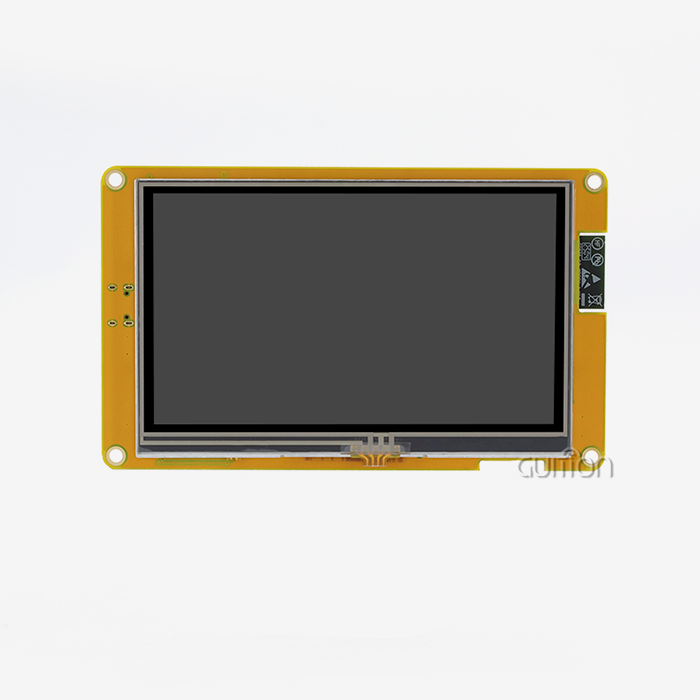
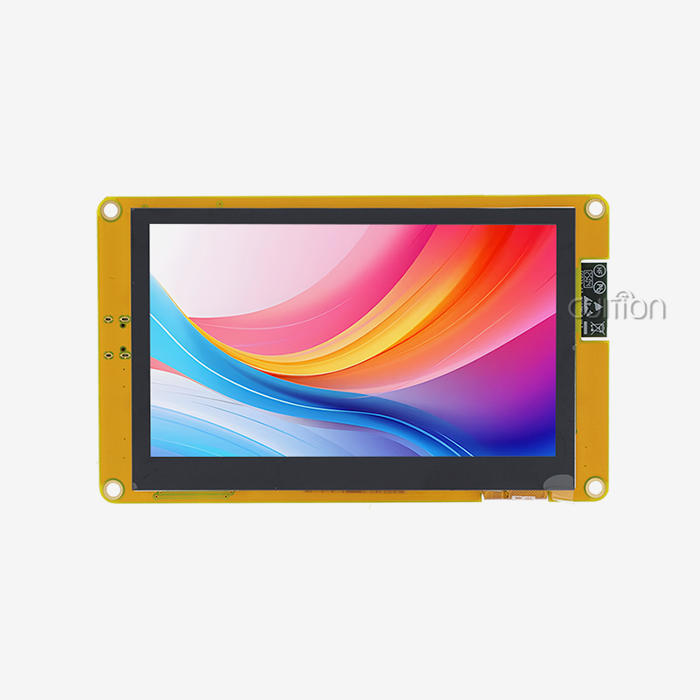
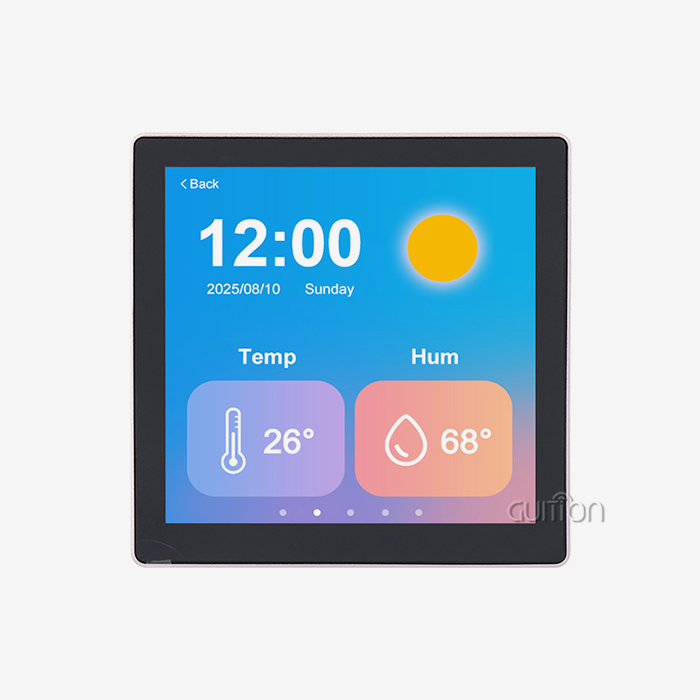
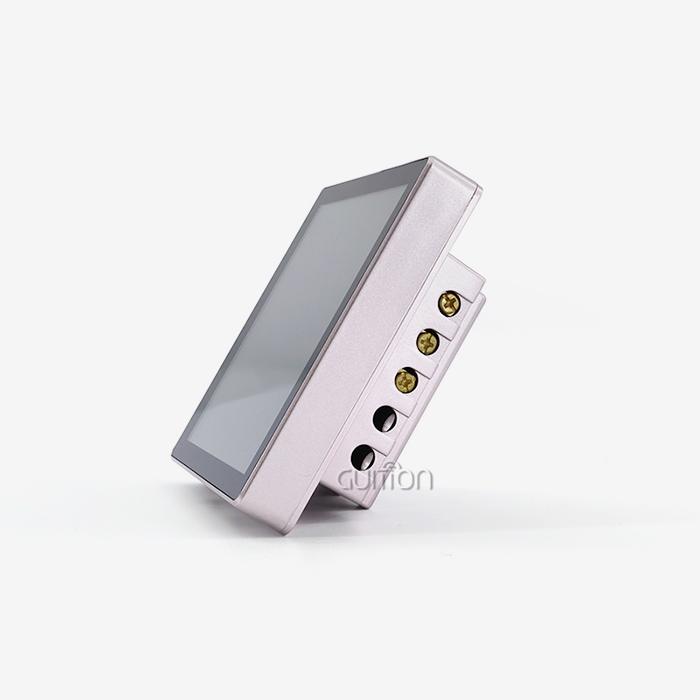
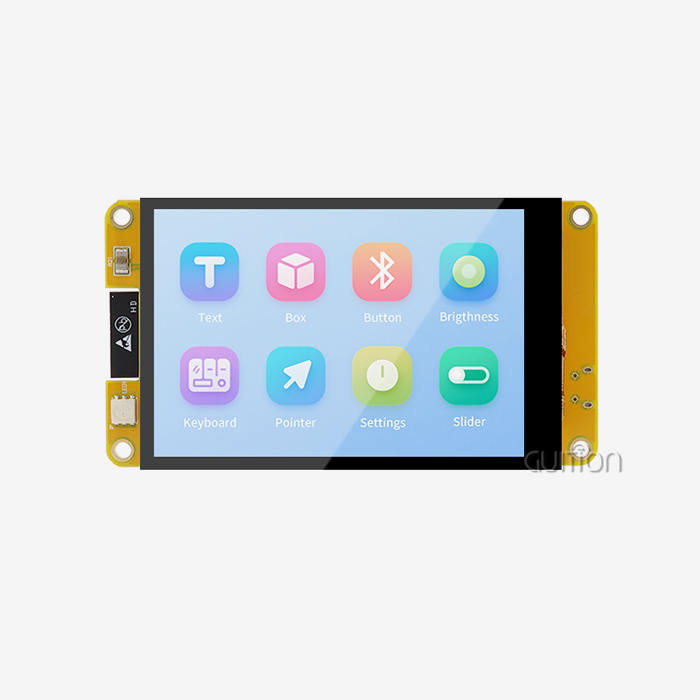
Look at the type, size, color depth, and brightness of the screen. As an example, the GUITION JC8048Q350N\_I has a 5.0-inch IPS screen that can show 800x480 pixels and 16-bit RGB 65K colors. The Artinchip D121BBV single-core MCU that runs at 400MHz gives it power. You don't have to write complicated low-level code to use the online GUI tool Guition with this program. It works with drag-and-drop. When suppliers give you development tools like these that are made just for your product, you can make a lot of changes to it much faster.
Protocol Compatibility and Integration Flexibility
Figure 3: Find out if the module works with UART, Modbus RTU/TCP, or an industrial fieldbus. Check to see if it works with the PLC or SCADA system you already have. If the goods from your provider can be used with a number of development modes, such as Arduino, IDF, and native GUI settings, your engineering team won't have to learn anything new. They can just keep using the tools they already have.
Evaluating Supplier Reliability and Service Capabilities
Product specifications alone do not determine supplier value. Operational reliability and post-sale responsiveness matter equally, especially for bulk orders with recurring delivery requirements.
Lead Times, Production Capacity, and Supply Chain Stability
Request documented production lead times for standard and custom Industrial hmi panel orders. Suppliers with vertical integration—managing PCB fabrication, LCD sourcing, and final assembly in-house—typically offer more predictable delivery schedules. Ask about buffer stock programs and component lifecycle commitments, since consistent component sourcing prevents mid-project hardware changes.
After-Sales Support and Technical Documentation
A strong supplier provides complete secondary development interfaces, detailed API documentation, and accessible technical guides in English. Look for suppliers who offer remote upgrade (OTA) support, allowing you to push firmware updates to deployed devices without dispatching a technician on-site. This capability directly reduces after-sales costs in global deployments.
Customer References and Third-Party Audit Records
Request references from clients in comparable industries—automation integrators, medical device developers, or smart appliance brands. Third-party audit reports (such as SGS or TÜV factory assessments) provide independent verification of production quality. Online procurement platforms such as Alibaba and Global Sources also aggregate buyer reviews that can surface service consistency patterns.
Price and Commercial Terms Comparison
Price is a real factor, but evaluating it in isolation leads to poor procurement outcomes. Your goal is to calculate total landed cost—not just unit price.
Factors That Influence HMI Module Pricing
Unit pricing reflects display size, MCU performance, certification level, and customization scope. A 5-inch module with a 400MHz processor, IPS panel, and integrated WiFi/Bluetooth naturally costs more than a basic UART display module—but the development time savings and connectivity features often justify the premium when you factor in engineering labor costs.
Trade Terms and Payment Structures
Standard export terms include FOB (Free on Board), CIF (Cost, Insurance, and Freight), and EXW (Ex Works). FOB is most common for US-based importers managing their own freight. Confirm whether the supplier accepts T/T wire transfer, L/C, or escrow options like Alibaba Trade Assurance, which adds a layer of financial protection for new supplier relationships.
Shipping, Customs, and Import Duties
Factor in US import duties under HTS codes for LCD modules and microcontroller-based display assemblies used in an Industrial hmi panel. DDP (Delivered Duty Paid) terms simplify this process by shifting customs responsibility to the supplier. Request estimated transit times—standard sea freight from China to the US West Coast typically runs 18–25 days, while air freight reduces this to 5–7 days at higher cost.
Brand Highlights of Leading Chinese Industrial HMI Panel Suppliers
You can compare your source choice to other options if you know the pros and cons of your competitors.
Weintek, Advantech, and Delta
There is a lot of trust in Weintek when it comes to PLC-connected HMI, and they have good support for both Modbus and EtherNet/IP. Advantech makes heavy-duty PCs for factories that use Windows-based SCADA software and are designed for more complicated automation settings. Delta Electronics makes a lot of electronic items that help with automation. Their HMI panels work well with their servo and drive lines. These companies compete based on how deep their ecosystems are, but it usually costs more and takes longer to buy things from them.
How Guition Competes in This Market
Guition, which was made by Jingcai Intelligence, fills a specific engineering need: it makes making HMIs quick and easy with not much extra code. The company makes display units that range in size from 1.28" to 21.5" and all of them work with the online GUI creation tool Guition. It's a good choice for embedded engineers and startup founders who need to quickly go from prototype to production because it has a drag-and-drop interface, WiFi and Bluetooth built in, and UTF-T encoding for multiple languages. The model JC8048Q350N\_I is a good one. It has a small 5-inch form factor and good MCU performance. The IPS screen is clear. The plan is simple and the cost of materials is low because it doesn't need to be touched.
Matching Supplier Profiles to Your Project Requirements
If your project needs a Windows-based SCADA system, Advantech or Weintek might be a better choice. With its easy-to-reach expert help, Guition is a good choice if you want fast GUI prototyping, development that works across platforms, and cheap serial connection display modules.
Conclusion
You should look at more than just the specs when you compare Industrial hmi panel suppliers in China. At the same time, you need to look at overall cost, development freedom, software tools, open supply chains, and certifications. It can really cut down on your engineering hours and time-to-market if your sellers buy development tools that are made just for them, like Guition's drag-and-drop GUI tool. Plan your steps: first, write down what you need, and then use this guide's criteria to find sellers who can meet those needs.
FAQ
Q1: What certifications should I require from a Chinese HMI display module supplier?
At minimum, require ISO 9001, CE (for European deployment), and FCC or UL recognition for the US market. For medical device applications, confirm IEC 60601 compliance where applicable.
Q2: How do I verify a Chinese supplier's production capacity?
Request factory audit reports from recognized third parties such as SGS or TÜV. You can also use Alibaba's verified supplier status or conduct a video audit before placing your first order.
Q3: Can Chinese HMI panels match international quality standards?
Yes. Leading Chinese manufacturers use the same IPS panel technology, ARM-based MCU architectures, and industrial-grade components found in globally recognized brands. Certification documentation confirms compliance with international performance benchmarks.
Q4: What development modes does the Guition JC8048Q350N\_I support?
The JC8048Q350N\_I supports Arduino, IDF, and Guition development modes, with cross-platform online debugging and a drag-and-drop GUI tool—no complex low-level coding required.
Q5: How does OTA upgrade capability reduce costs?
Remote OTA upgrades allow you to push firmware and UI updates to deployed devices without on-site service visits, which significantly lowers after-sales maintenance costs across distributed deployments.
Ready to Source Your Next Industrial HMI Panel? Contact Guition Today
Guition has a full line of HMI display modules that range in size from 1.28" to 21.5". These give Industrial hmi panel makers and automation integrators the display solutions and development tools they need to ship faster. You can now put in an order to test the JC8048Q350N^_I. Email our team at david@guition.com or visit https://jingcaizhineng.aixdb.cn/ to find out more about the product, get samples, or get prices.
References
1. MarketsandMarkets. Human Machine Interface (HMI) Market — Global Forecast to 2028. 2023.
2. Grand View Research. Industrial HMI Market Size, Share & Trends Analysis Report. 2022.
3. IEC. IEC 61131-3: Programmable Controllers — Programming Languages. International Electrotechnical Commission. 2013.
4. Modbus Organization. Modbus Application Protocol Specification V1.1b3. 2012.
5. IEEE. IEEE 802.11 Wireless LAN Medium Access Control and Physical Layer Specifications. 2020.
6. ISO. ISO 9001:2015 Quality Management Systems — Requirements. International Organization for Standardization. 2015.
Learn about our latest products and discounts through SMS or email