- English
- French
- German
- Portuguese
- Spanish
- Russian
- Japanese
- Korean
- Arabic
- Greek
- German
- Turkish
- Italian
- Danish
- Romanian
- Indonesian
- Czech
- Afrikaans
- Swedish
- Polish
- Basque
- Catalan
- Esperanto
- Hindi
- Lao
- Albanian
- Amharic
- Armenian
- Azerbaijani
- Belarusian
- Bengali
- Bosnian
- Bulgarian
- Cebuano
- Chichewa
- Corsican
- Croatian
- Dutch
- Estonian
- Filipino
- Finnish
- Frisian
- Galician
- Georgian
- Gujarati
- Haitian
- Hausa
- Hawaiian
- Hebrew
- Hmong
- Hungarian
- Icelandic
- Igbo
- Javanese
- Kannada
- Kazakh
- Khmer
- Kurdish
- Kyrgyz
- Latin
- Latvian
- Lithuanian
- Luxembou..
- Macedonian
- Malagasy
- Malay
- Malayalam
- Maltese
- Maori
- Marathi
- Mongolian
- Burmese
- Nepali
- Norwegian
- Pashto
- Persian
- Punjabi
- Serbian
- Sesotho
- Sinhala
- Slovak
- Slovenian
- Somali
- Samoan
- Scots Gaelic
- Shona
- Sindhi
- Sundanese
- Swahili
- Tajik
- Tamil
- Telugu
- Thai
- Ukrainian
- Urdu
- Uzbek
- Vietnamese
- Welsh
- Xhosa
- Yiddish
- Yoruba
- Zulu
How to Choose the Best LCD Panel Module for Your Product
Choosing the right LCD panel module can make or break your product's user experience. Whether you are developing industrial control panels, medical monitoring equipment, or smart home devices, the display module you select directly affects performance, development speed, and long-term reliability. An LCD panel module integrates the display cell, driver ICs, backlight unit, and structural frame into a single ready-to-integrate component. This guide walks you through everything you need to know — from understanding display types to evaluating suppliers — so you can make a confident, informed procurement decision.

Understanding LCD Panel Modules: Basics and Types
What Is an LCD Panel Module?
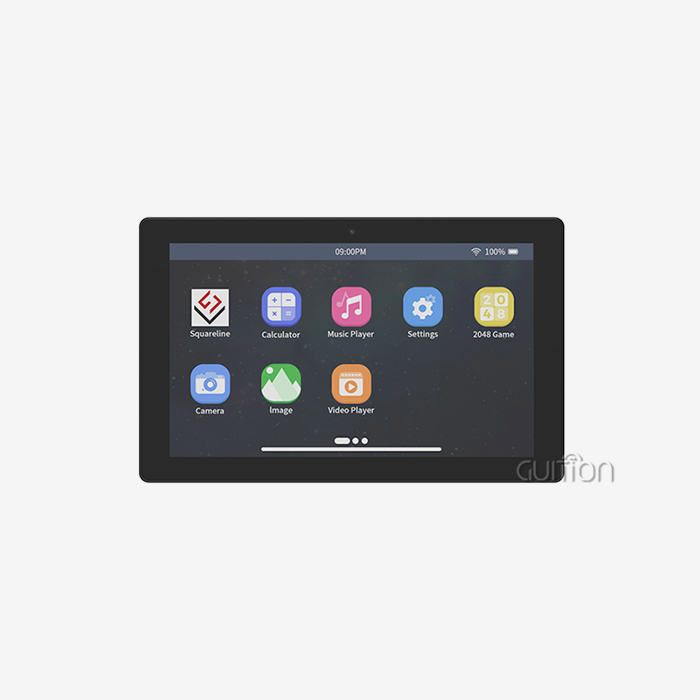
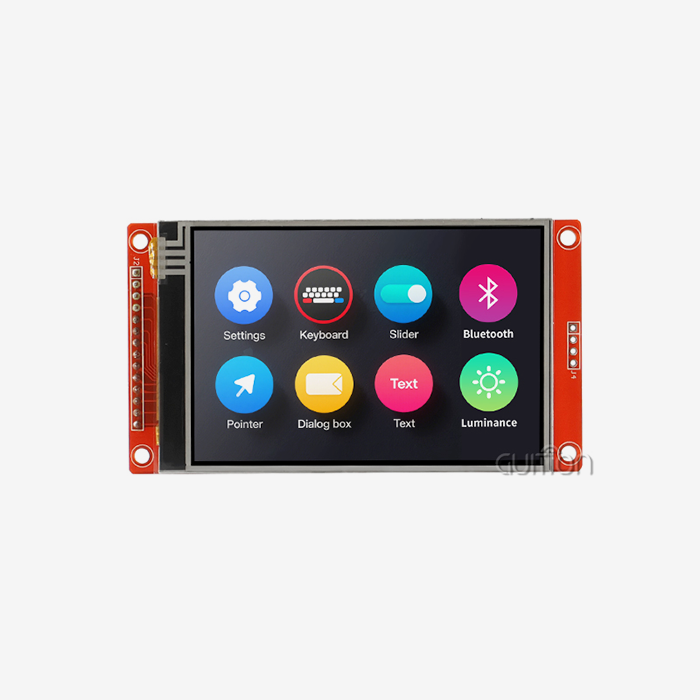
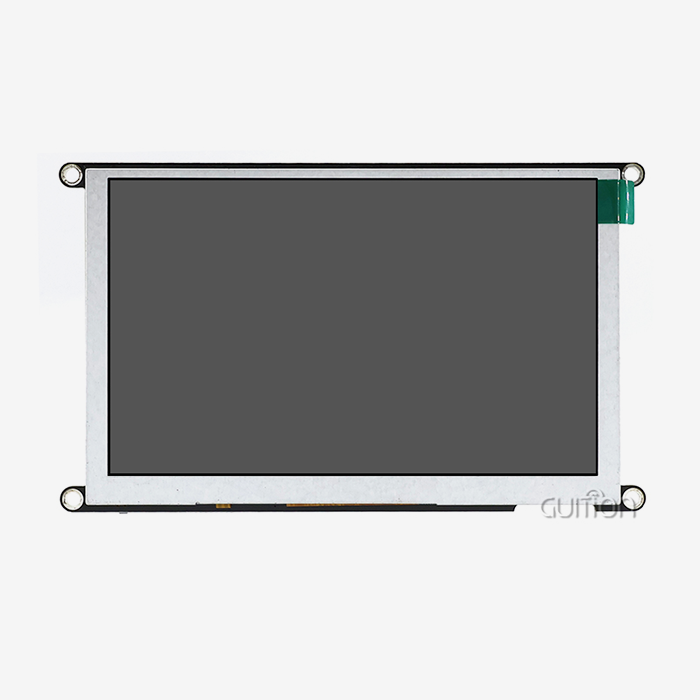
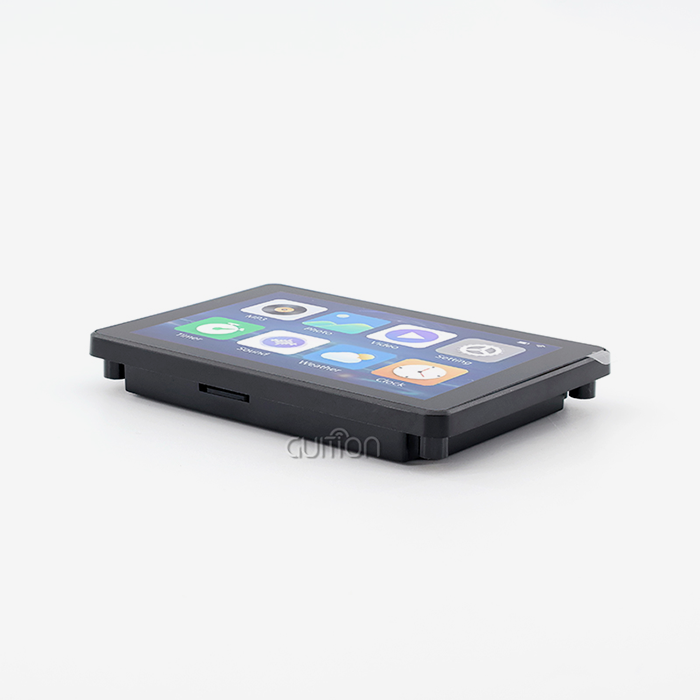
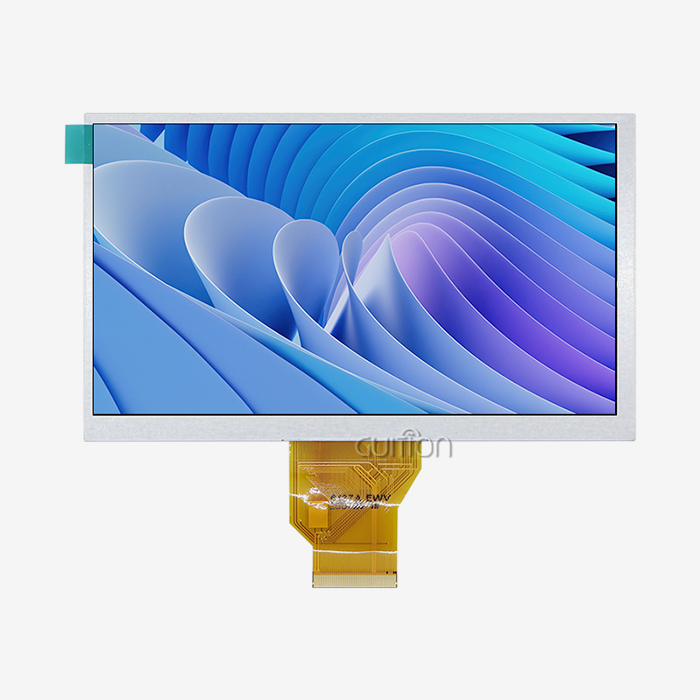
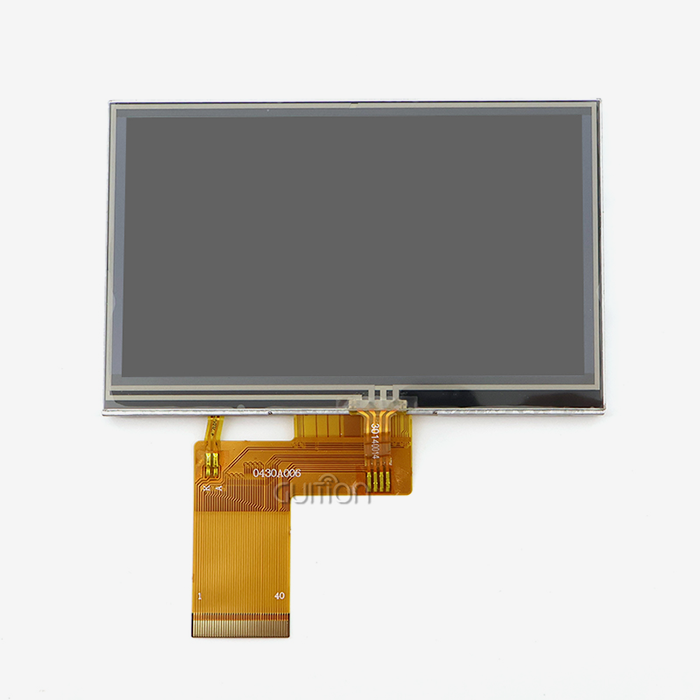
What is an LCD panel module? More than just a screen, an LCD panel module is a device. It is a fullyput-togetherr display part that includes the TFT-LCD cell, driver integrated circuits, backlight unit (LEDs and optical films), and a frame. An LCD panel module comes as a plug-and-play solution, ready to be put into your product enclosure, as opposed to an open-cell panel, which needs to have its backlight calibrated and driver bonded separately.
Knowing how each layer, from aligning the liquid crystals to diffusing the LED lights, works with the others helps engineers choose modules that meet specific needs for brightness, contrast, and sturdiness.
Key LCD Panel Types and Their Trade-offs
There are several LCD technologies on the market for display modules, and each one works best in a different setting:
- TFT (Thin-Film Transistor): The most common type of technology used in both business and home life. TFT screens are a good choice for dashboards, kiosks, and control centers because they have fast pixel response and low production costs.
- IPS (In-Plane Switching): IPS screens have accurate color reproduction and wide viewing angles (usually 178°/178°), which is why they are used in most medical equipment and high-end HMI displays.
- TN (Twisted Nematic): TN screens reply quickly and use little power, but they have smaller viewing angles. They are still commonly used in industrial settings that need to save money.
- VA (Vertical Alignment): VA screens can have contrast ratios of up to 3000:1, which makes them great for places that need deep blacks and bright images.
OLED screens have better contrast and smaller profiles, but they cost more to make and don't last as long when they're on all the time, which is a problem for industrial systems that need to be up and running all the time. An LCD panel module is still the practical, cost-effective option for the majority of B2B applications.
Criteria for Choosing the Best LCD Panel Module
Technical Specifications That Matter Most
Determining the needs of your product early on will save you a lot of money on redesigns later on. Prioritize these factors when assessing any LCD panel module:
- Resolution and SPI LCD display size: Make sure the screen resolution is right for how complicated your UI is. A 4.3-inch module with an 800x480 resolution gives HMI panels and small industrial devices clear, readable text without adding extra weight.
- Color depth: A 16.7M color display (24-bit) shows gradients and images with great detail, which is important for medical aesthetics tools and smart gadgets that people use.
- Brightness and contrast ratio: 400 to 1000 nits are often needed in industrial settings. Most IPS panels have contrast ratios of 1000:1, while VA screens can get as high as 3000:1.
- Interface compatibility: different host controllers can connect to an MCU interface, a MIPI interface, an LVDS interface, or a TTL interface. Check that the modules will work together before committing to one.
- MTBF (Mean Time Between Failures): A higher MTBF number means longer operating reliability, which is important for systems that keep medical devices and energy management systems running all the time.
If your LCD panel module will work reliably for the duration of its intended usage, these specs together will tell you.
Supplier Reliability and Ecosystem Support
Technical specs don't guarantee that a product will do well when it comes out. The quality of the supplier's documentation, cross-platform compatibility, support for over-the-air (OTA) upgrades, and responsiveness after the sale are all very important. Give more weight to vendors that offer full secondary development interfaces, support for multiple languages, and tested compatibility with platforms such as Arduino and ESP-IDF.
Comparing Different LCD Panel Module Solutions
When time and money are limited, it's easy to choose the least expensive display that you can find. When you add up the hours spent debugging, fixing problems after the sale, and re-spins, the total cost of ownership always favors modules that are backed by mature software ecosystems and reliable supply chains.
OLED modules have amazing contrast, but they break down faster with static images (burn-in) and cost a lot more for the same size. In contrast, LED-backlit LCD panel modules keep their brightness even after years of use. When it comes to LCD types, IPS is still the best choice for medical monitors and high-end smart appliances where color accuracy and wide viewing angles are important to users.
Choosing the right panel size also affects how the whole product looks. Guition's product range goes from 1.28" to 21.5", giving engineers a wide range of sizes to choose from instead of having to choose between stock items that don't fit the product's shape.
Spotlight: GUITION JC4827Q043N_I LCD Panel Module
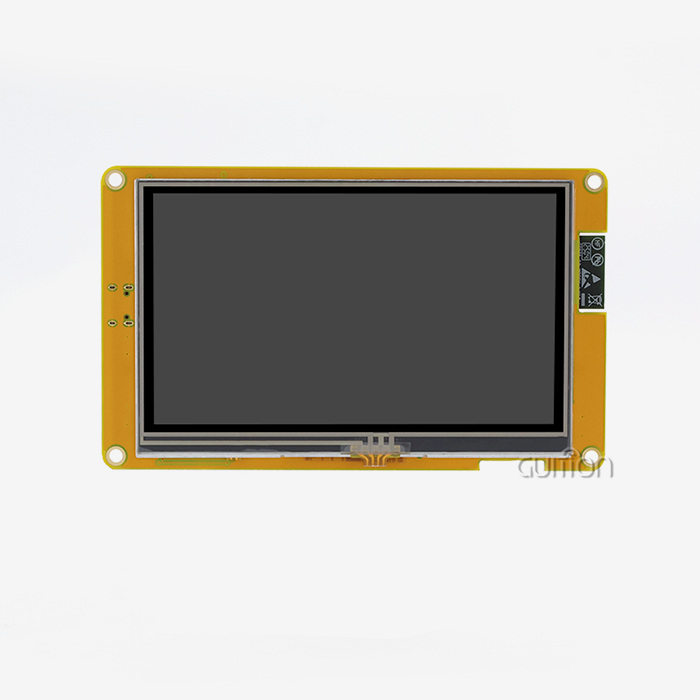
For demanding industrial and commercial environments, the GUITION JC4827Q043N_I is a 4.3-inch LCD panel module that is ready for production. It has an MCU interface and is powered by the ST3401A driver IC. It provides an 800x480 resolution with 16.7M color depth, making images that are bright and clear without the need for touch. This makes it perfect for uses where display clarity is more important than touch.
Here are the core advantages of this LCD panel module that make it a compelling choice for embedded developers and product managers:
- Exceptional visual output: The 16.7M color SPI LCD display and 800x480 resolution make UI elements look clear, which pleases both end users and industrial workers.
- Flexible development modes: The Guition software environment supports Arduino, IDF, and native Guition development workflows, so teams with different levels of technical knowledge can work together.
- Drag-and-drop UI builder: With a drag-and-drop UI maker, engineers can put together professional interfaces without having to write low-level drawing code. This cuts development times by a large amount.
- Cross-platform online debugging: Debugging in real time across platforms cuts down on the number of iterations needed and the cost of development for complicated HMI projects.
- Remote OTA upgrade: UI and software changes can be sent to products that are already in use, which cuts down on the work that needs to be done after the sale.
- Multi-language and UTF-8 encoding: Built-in multi-language switching makes global operation easy in North America, Europe, and Asia.
Long iteration cycles, expensive fixing, and scattered platform support are some of the problems that keep coming up when making HMI products. These benefits directly address these issues. In 3D printers, EV charging stations, medical esthetics devices, and industrial control systems where stable visual output is needed all the time, the LCD panel module has been shown to be reliable.
Procurement Strategy: How to Buy the Right LCD Panel Module
Asking for evaluation samples before committing to large orders is the first step in smart procurement. Your engineering team can use samples to make sure that the interfaces work with each other, that the display is bright enough in the setting you want it to be in, and that the module can handle the working temperatures that are right for your product.
Clarify MOQ flexibility, wait times, and long-term supply continuity when dealing with LCD panel module providers. This is especially important for goods that have multi-year production runs. Suppliers who put out clear documentation, offer technical pre-sales consultation, and keep clear records of their stock greatly lower the risk in the supply chain.
Troubleshooting and Maintaining Your LCD Panel Module
Backlight flickering (often caused by unstable power delivery), dead pixels (usually a manufacturing defect that can be seen during incoming quality inspection), and backlight LEDs slowly losing their brightness are all problems that are common in the field with displays. You can find mistakes in modules before they are put into production by setting up an incoming quality control protocol that is in line with ISO 9241-307 pixel-defect standards.
For goods that have already been sold, OTA firmware updates, which are supported by Guition-compatible modules, get rid of the need for service calls to fix software-driven display issues. This protects your after-sales profit.
Conclusion
The performance of the display, the maturity of the software environment, the dependability of the provider, and the total cost of development must all be considered when choosing an LCD panel module. They work well in most medical and industrial settings because they have a lot of colors and a wide viewing angle. It is very important to make sure that the interface type matches the host controller, that it works with other platforms, and that the seller can provide help. The GUITION JC4827Q043N_I shows how a well-designed LCD panel module, with an 800x480 resolution, ST3401A driver IC, 16.7M color display, and a strong development environment, can speed up the time it takes to get your product to market without lowering its quality.
FAQ
1. What is the difference between an LCD panel module and an open-cell panel?
There is no backlight or driver circuitry in an open-cell panel; it only has the glass substrate and liquid crystal layers. The display cell, backlight unit, driver ICs, and structural frame are all combined into an LCD panel module, which eliminates the need for difficult optical calibration during the manufacturing process.
2. Can the GUITION JC4827Q043N_I integrate with Arduino?
Yes. The JC4827Q043N_I works with Arduino, IDF, and native Guition development modes, so embedded workers can use the environment they prefer without having to use extra middleware.
3. What applications suit a 4.3-inch 800×480 LCD panel module?
This screen size and quality work well in places that value both a small footprint and clear visual output, like 3D printers, EV charging stations, medical esthetics equipment, industrial automation platforms, and smart home control panels.
4. How do I evaluate display quality before placing a bulk order?
Ask for sample units and test the brightness, color consistency, and stability of the interface in the way that your product will actually be used. During receiving review, use ISO 9241-307 pixel-defect standards as a guide.
5. Does Guition provide technical documentation and after-sales support?
Guition offers detailed development instructions, cross-platform debugging tools, over-the-air (OTA) upgrade support, and direct expert help. This lowers the costs of both the initial development process and the costs of maintaining the product after the sale.
Partner with Guition for Your Next LCD Panel Module Project
Guition provides tried-and-true LCD panel module solutions that are designed for industrial accuracy and quick development. There is support for multiple languages and over-the-air (OTA) updates for the JC4827Q043N_I and all of the products in the 1.28" to 21.5" range. Our team is ready to assist you if you need a dependable LCD panel module supplier for either testing or mass production. You can ask for examples and begin your review right away by emailing david@guition.com.
References
1. Society for Information Display (SID). Display Technology Fundamentals and Applications. 2021.
2. International Electrotechnical Commission. IEC 60068-2: Environmental Testing for Electronic Equipment. 2020.
3. International Organization for Standardization. ISO 9241-307: Ergonomics of Human-System Interaction — Optical Laboratory Methods for Electronic Visual Displays. 2008.
4. Grand View Research. Global Human-Machine Interface (HMI) Market Size and Forecast Report. 2023.
5. MarketsandMarkets. LCD Panel Market — Global Forecast to 2027. 2022.
6. IEEE Transactions on Industrial Electronics. Reliability Analysis of Display Modules in Industrial Control Systems. 2022.
Learn about our latest products and discounts through SMS or email