- English
- French
- German
- Portuguese
- Spanish
- Russian
- Japanese
- Korean
- Arabic
- Greek
- German
- Turkish
- Italian
- Danish
- Romanian
- Indonesian
- Czech
- Afrikaans
- Swedish
- Polish
- Basque
- Catalan
- Esperanto
- Hindi
- Lao
- Albanian
- Amharic
- Armenian
- Azerbaijani
- Belarusian
- Bengali
- Bosnian
- Bulgarian
- Cebuano
- Chichewa
- Corsican
- Croatian
- Dutch
- Estonian
- Filipino
- Finnish
- Frisian
- Galician
- Georgian
- Gujarati
- Haitian
- Hausa
- Hawaiian
- Hebrew
- Hmong
- Hungarian
- Icelandic
- Igbo
- Javanese
- Kannada
- Kazakh
- Khmer
- Kurdish
- Kyrgyz
- Latin
- Latvian
- Lithuanian
- Luxembou..
- Macedonian
- Malagasy
- Malay
- Malayalam
- Maltese
- Maori
- Marathi
- Mongolian
- Burmese
- Nepali
- Norwegian
- Pashto
- Persian
- Punjabi
- Serbian
- Sesotho
- Sinhala
- Slovak
- Slovenian
- Somali
- Samoan
- Scots Gaelic
- Shona
- Sindhi
- Sundanese
- Swahili
- Tajik
- Tamil
- Telugu
- Thai
- Ukrainian
- Urdu
- Uzbek
- Vietnamese
- Welsh
- Xhosa
- Yiddish
- Yoruba
- Zulu
How to Choose a Custom TFT Display Module for Your Project?
When picking a Custom TFT display module, you need to carefully look at the technical requirements, the needs of the surroundings, and the supplier's abilities. The best display module strikes a mix between resolution, brightness, connectivity choices, and development freedom so that it can be used in industrial control screens, medical equipment, or smart home devices. By knowing these things, you can choose a solution that cuts down on time-to-market while still being reliable and scalable in the long run.

Understanding Custom TFT Display Modules
What Makes a Display Module "Custom"
A Custom TFT display module is very different from regular market displays because it can be changed in terms of its physical, electrical, and visual properties. While commodity displays are made to meet the needs of a large market and have set specs, Custom TFT display modules let you change important parts like the Flexible Printed Circuit (FPC) interface definition, the structure of the backlight unit, the size of the cover glass, and the designs of the built-in touch sensors. This ability to customize fixes three major problems in the industry: mechanical incompatibility in housings with limited room, poor optical performance in difficult viewing conditions, and problems with lifetime management, where regular consumer goods get End-of-Life notices too soon.
Core Display Technologies and Their Trade-Offs
Knowing the variations between TN (Twisted Nematic), IPS (In-Plane Switching), and VA (Vertical Alignment) screen technologies can help you choose the right display features for your needs. TN panels have the fastest reaction times and the lowest production costs, so they can be used in situations where a limited viewing angle is okay. IPS technology gives you more accurate colors and a wider viewing angle, which is very important for medical imaging displays or industrial control rooms where people watch screens from different angles. The type of screen technology you choose has a direct effect on a number of performance measures, such as the contrast ratio, the color gamut coverage, and the amount of power used in different situations.
Core Criteria for Choosing the Right Custom TFT Display Module
Defining Your Project-Specific Requirements
The decision process starts with a full analysis of your application setting and the functions you need. For industrial control applications, displays need to be able to be read in bright workplace lighting. This means they need to be brighter than the 300–500 nits that are usually used in household applications. For patient safety and electromagnetic compatibility, medical devices need displays that meet certain legal standards. Automotive uses, on the other hand, need displays that can work in temperatures ranging from -40°C to +85°C. By writing down these environmental factors, you create a basic specification that quickly rules out choices that aren't good fits and narrows your search to good ones.
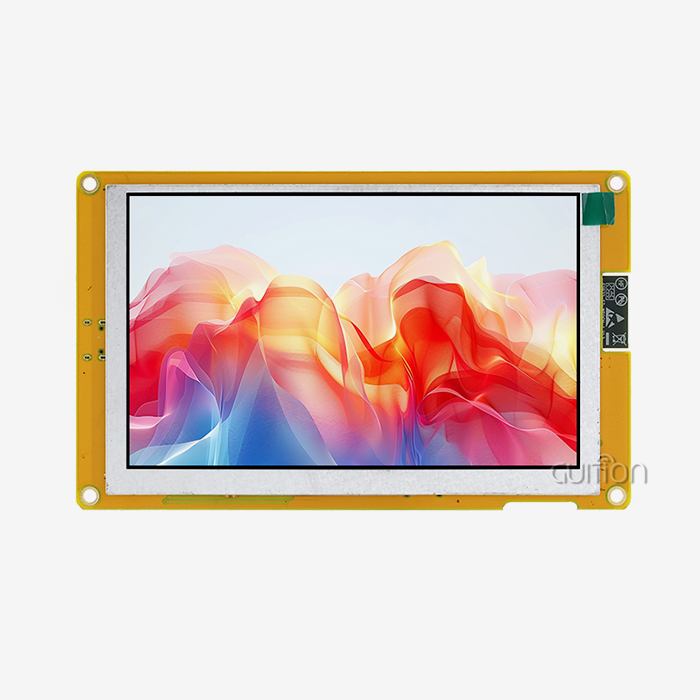
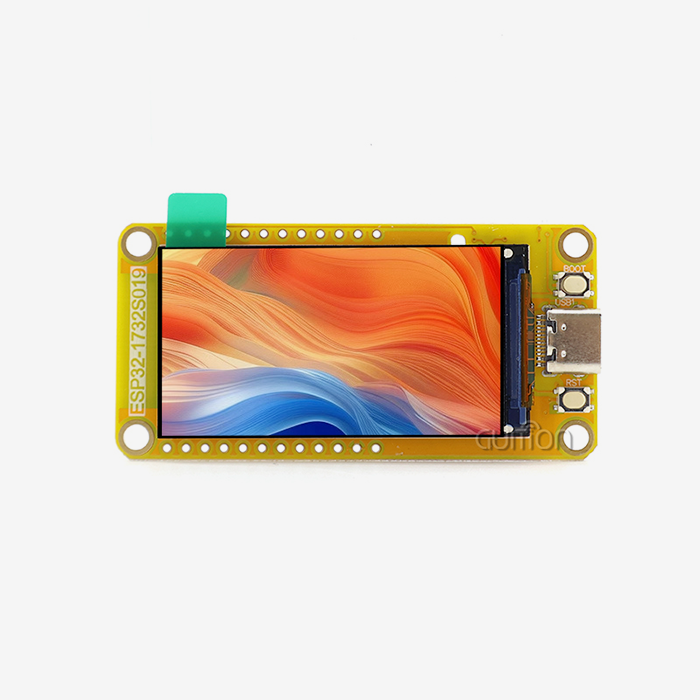
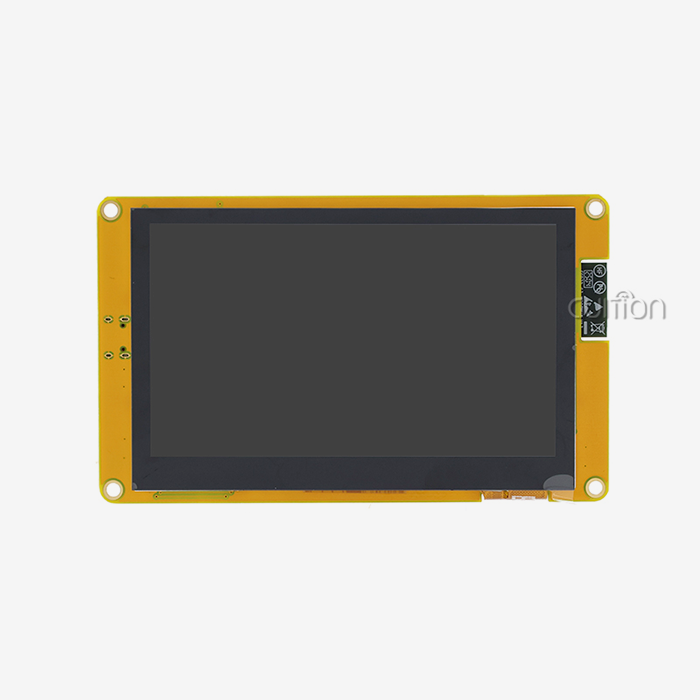
Another important factor that directly affects development difficulty and bill-of-materials costs is interface compatibility. Modern Custom TFT display modules can work with several different communication methods, such as SPI for low-resolution applications, RGB parallel connections for medium-resolution displays that need to be economical, and MIPI DSI or LVDS for high-resolution screens that need to send data quickly. If you match the display interface to the powers of your microcontroller or processor, you won't need to use expensive bridge ICs that add cost, take up board space, and could be a point of failure. The ESP32-S3R8 dual-core processor running at 240MHz powers the Guition JC8048W550C_I module, which is an example of this method of integration because it has a lot of processing power, wireless connection, and control over the display all in one module.
Critical Technical Specifications to Evaluate
Resolution tells you how much detail your interface can show, and it should match the amount of information your app needs. With about 188 pixels per inch, an 800x480 resolution screen like the Guition JC8048W550C_I gives you enough pixels to see text and graphics clearly on a 5.0-inch diagonal screen. From 12 to 24 inches away, this standard works well for most industrial HMI uses where workers need to read process data, use menu systems, and confirm alarms. It's necessary to use higher resolutions when showing complex graphics, medical photos, or small text, but they also use more power and computer power.
Connectivity functions used to be nice to have, but now they are required for all current embedded systems. ESP32-based display modules that have built-in Wi-Fi and Bluetooth remove the need for separate communication hardware. This makes it possible to watch from afar, update software over-the-air, and connect to the IoT ecosystem. The dual-core design of the Guition module puts processing power toward keeping touch screens fast and graphics rendering smooth, all while also taking care of wireless connection protocols. This way of integrating lowers the overall cost of the system, makes container design easier by getting rid of the need for external antennas, and speeds up development by giving developers reference designs and software tools that have already been tested and proven to work.
Supplier Reliability and Development Ecosystem
The development environment around a Custom TFT display module has a big effect on project timelines and long-term maintenance costs, in addition to hardware specs. Your engineering team can easily install the display if you provide them with complete technical paperwork that includes thorough electrical specs, mechanical drawings, and interface timing diagrams. Software support is just as important. MicroPython choices, Arduino IDE compatibility, and ESP-IDF framework support all cater to different development styles and skill levels in your company. The Guition proprietary software goes even further by offering a drag-and-drop GUI development environment. This lets designers make interfaces visually instead of directly coding pixel coordinates and drawing directions, which greatly shortens the time it takes to design, test, and make changes.
For goods that last more than one year, supplier stability and after-sales help are especially important. Display failure that causes expensive redesigns in the middle of production is something that industrial and medical device makers can't afford. Protecting your investment means checking a supplier's promise of long-term availability, easy access to technical support experts who know your application area, and clear guarantee terms. When you can request samples before committing to large-scale production, you can test how well the display works in your actual operating environment instead of just relying on the specifications listed on the datasheet. This step often shows integration problems or performance traits that weren't clear from the documentation alone.
Comparing Custom TFT Display Modules with Other Display Technologies
Custom TFT Versus Standard TFT Solutions
Standard TFT screens are used in consumer goods, where the high volume makes the development costs of set designs worth it. While these screens have great cost-per-unit pricing, they are not very flexible when it comes to making changes. When your mechanical design needs a non-standard aspect ratio, specific mounting hole patterns, or the placement of integrated components that is different from how consumer products are usually made, standard displays force engineers to make trade-offs. Custom TFT display module get around these problems by letting you change the shape of the display, where the FPC connectors are placed, and where the backlight driver is placed. These changes can make the difference between a clean industrial design and a product that needs bulky adapter boards or mechanical gaps.
TFT Technology Versus OLED Alternatives
Custom TFT display modules have a lower total cost of ownership for most industrial, medical, and business uses. This is because they are made using stable manufacturing methods, have established supply chains, and have been shown to work reliably in harsh settings. Because the technology is stable, it can be expected to work for longer periods of time and handle high temperatures. This means that it can match or beat the product lifecycles that are common in B2B markets. With TFT technology, display burn-in doesn't happen, which is a problem that always happened with OLED technology when it came to apps that showed static interface elements. These reasons explain why TFT-based solutions still rule in industrial HMI uses, even though OLED has done well in the consumer market.
Capacitive Versus Resistive Touch Technologies
Choosing the right touch technology affects both the user experience and the dependability of operations in a variety of settings. Capacitive touch sensors pick up on the electrical qualities of a person's finger. This lets you use multiple touches, see better because the screen is made of a single layer, and enjoy the smooth glass surfaces that are common on consumer electronics. When used in clean indoor spaces and situations where using your bare fingers is normal, the technology works really well. Capacitive touch is useful for medical devices, store point-of-sale systems, and smart home control screens because it feels responsive and can pick up light touches without pressure.
Practical Steps to Design and Procure Your Custom TFT Display Module
Specifying Your Display Requirements Systematically
A thorough set of requirements documents that include both technical details and business background are the first step to a successful procurement. First, you need to list the physical limits, such as the hanging space you have access to, the viewing distance, the lighting in the room, and the temperature and humidity levels, as well as any shaking or shock loads that might be present. The next set of electrical requirements are source voltage ranges, power usage limits, and interface compatibility with the processor or microcontroller design you already have. During the specification process, there are often chances to make things better. For example, a slightly smaller display with higher brightness might work better for your application than a bigger dim panel, or built-in wireless connectivity could get rid of the need for separate communication units.
Evaluating Suppliers and Development Support
The factors used to choose a supplier go beyond just the specifications of the parts. They also look at the whole relationship, from the prototype to production and help in the field. Before committing to a design, make sure you have all the necessary technical paperwork. paperwork that is missing parts or badly translated often points to bigger support problems. Check to see if there are reference designs, software tools, and example code for the development platform you want to use. The Guition JC8048W550C_I module comes with sample programs already installed, and it can be programmed in Arduino IDE, ESP-IDF, MicroPython, and the company's own software. This means that your team can use a variety of development tools and methods, depending on their skills.
Managing Procurement Logistics and Production Readiness
Once you've found a Custom TFT display module that works, you need to pay attention to wait times, minimum order amounts, and supply chain risk management when you buy it in bulk. Standard consumer displays can be made in large quantities with short lead times. On the other hand, Custom TFT display module may need 4–8 weeks for its first production runs and 2–4 weeks for repeat orders, based on how complicated the customization is. Different providers have very different minimum order amounts. Some allow pilot production runs of 100 to 500 units, while others need several thousand units per order. When moving from a pilot to production numbers, project delays can be avoided by understanding these limitations early on.
Real-World Applications and Case Studies of Custom TFT Display Modules
Industrial Automation and Control Systems
Display technology faces special problems in manufacturing settings, with harsh lighting from above, changes in temperature, vibrations from nearby machines, and workers who wear gloves or come close to screens with dirty hands. It's important that industrial control screens with esp32 display module can still be read in these conditions, and they also need to be able to respond to touch input for process control and alarm confirmation. A 5.0-inch screen with 800-1000 nits of brightness keeps things visible in workplace lighting without needing very high levels of brightness that would drain batteries. Industrial-grade capacitive sensors or resistive touch technology that can work through thin gloves allow reliable contact without having to take off safety gear.
Medical Device and Healthcare Applications
Along with strict technical requirements, medical gadget screens have to meet strict legal requirements. Biocompatible materials, electromagnetic compatibility testing, and design factors that keep things from going wrong during important processes are needed for devices that are used on patients. For physiological waveform display, clinical monitoring equipment needs to be able to show accurate colors, have enough precision for detailed numerical readouts, and have brightness ranges that work in dark patient areas without waking them up. Instead of adapting consumer components through add-on measures, the Custom TFT display module made for medical purposes combines these requirements from the beginning.
Smart Home and Consumer IoT Devices
More and more, people want their smart home gadgets to have responsive touch screens, intuitive visual input, and wireless connections that work without a hitch. A Custom TFT display module must be used in a thermostat, smart speaker control panel, or kitchen appliance interface to give this level of polish while working reliably in homes with changing temperatures, humidity, and occasional hits. The problem is to get industrial-grade dependability and consumer-grade looks while keeping costs low, which is typical of competitive consumer markets.
Commercial Terminals and Kiosks
Self-service kiosks, business entry control panels, and retail point-of-sale systems all work in public places where the screens have to look professional even though they are used all the time. Touch screens get smudges and fingerprints from daily use, so choosing an anti-fingerprint covering is important for how good the screen looks. Depending on where it's installed, the brightness needs to change. For example, a kiosk near shop windows needs a lot more brightness than an indoor terminal. For business purposes, portrait orientation is often needed instead of landscape orientation, which changes how the display is mounted and the aspect ratio that is chosen.
Conclusion
To choose the right Custom TFT display module for your application, you need to weigh the technical specs, the help from the development community, and the reliability of the supplier. To evaluate, you need to know about the pros and cons of different display technologies, write down your project requirements in a clear way, and try potential solutions on a small scale before committing to full production. Modern integrated systems, such as the Guition JC8048W550C_I, show how mixing display hardware with fast processing, wireless connection, and easy-to-use development tools can solve the whole HMI development problem, not just a part of it. When you work with the right display partner, you can cut down on the time it takes to get your goods to market and build solid products that will last for a long time.
FAQ
What lead times should I expect for custom TFT display modules?
For production orders, standard Custom TFT display module with predetermined settings usually ships within two to four weeks. Initial production runs for displays that need mechanical changes, custom lighting setups, or special optical treatments may take 6 to 8 weeks. Sample amounts to be tested usually ship faster, sometimes within a week, based on what's in stock at the time. Planning your development plan around these deadlines will keep you from having to make last-minute concessions or pay rush fees that drive up project costs a lot.
How do I choose between capacitive and resistive touch?
Capacitive touch works best in clean settings where people can connect with the screen with their bare fingers. It offers better optical clarity and the ability to use more than one touch. Resistive touch is better for industrial settings, outdoor sites, or situations where people wear safety gear because it works reliably with gloves, styluses, or any other pointing device. It also handles contamination better. This choice should be based on the operating system and how the user usually interacts with it, not on opinions about which technology is better.
Why request samples before committing to production?
Sample testing confirms real performance traits that datasheets can't fully show, such as uniform brightness, touch sensitivity in your particular environment, thermal behavior, and mechanical interaction with your case. Before agreeing to production tooling and component inventory, this review often finds ways to improve things or points out possible problems. Trustworthy Custom TFT display module providers help with this testing because they know that successful prototypes lead to secure production orders and long-term partnerships.
Partner with Guition for Your Display Development Needs
Guition offers integrated display solutions that combine cutting-edge hardware with full development support. These solutions cover the whole HMI challenge, from the original idea to production, and help in the field. This integrated approach is shown by our JC8048W550C_I, which has a 5-inch 800x480 IPS screen, a 240MHz ESP32-S3R8 dual-core processor, Wi-Fi and Bluetooth connectivity, and supports development in Arduino IDE, ESP-IDF, MicroPython, and our own Guition visual interface builder. This Custom TFT display module comes pre-programmed with demo apps, so it can be used right away for testing and making quick prototypes.
As a committed manufacturer of Custom TFT display modules, we know that projects need more than just part specs to be successful. Our drag-and-drop GUI development environment cuts the time it takes to build an interface by a huge amount. Additionally, our complete Arduino tools and example code speed up integration for all members of your team, no matter how experienced they are. With UTF-8 encoding and support for multiple languages, your goods are ready to be used all over the world. Over-the-air update features make maintenance easier in the field and let you keep improving based on user feedback. Talk to our technical team at david@guition.com about your specific needs, ask for evaluation samples, and find out how our display solutions and development community can help you make your product faster while lowering the risk of engineering mistakes and the overall cost of the project.
References
1. Smith, J.R. & Chen, M. (2022). Industrial Display Technologies: Selection Criteria and Performance Analysis. Institute of Electrical and Electronics Engineers Press.
2. Anderson, K.L. (2023). Embedded System Design for Human-Machine Interfaces. Technical Publishing International.
3. Williams, P.T., Rodriguez, C.F., & Thompson, A.K. (2021). TFT-LCD Technology and Applications in Industrial Automation. Journal of Display Technology Research, 18(4), 223-241.
4. European Machine Vision Association (2023). Display Module Procurement Guidelines for Industrial Applications. EMVA Standards Publication.
5. International Electrotechnical Commission (2022). IEC 61010-1: Safety Requirements for Electrical Equipment for Measurement, Control, and Laboratory Use - Part 1: General Requirements. IEC Publications.
6. Martinez, D.H. & Yamamoto, S. (2023). Human Factors in Industrial Display Design: Readability, Touch Response, and Environmental Considerations. Ergonomics and Human Interface Quarterly, 31(2), 167-189.
Learn about our latest products and discounts through SMS or email