- English
- French
- German
- Portuguese
- Spanish
- Russian
- Japanese
- Korean
- Arabic
- Greek
- German
- Turkish
- Italian
- Danish
- Romanian
- Indonesian
- Czech
- Afrikaans
- Swedish
- Polish
- Basque
- Catalan
- Esperanto
- Hindi
- Lao
- Albanian
- Amharic
- Armenian
- Azerbaijani
- Belarusian
- Bengali
- Bosnian
- Bulgarian
- Cebuano
- Chichewa
- Corsican
- Croatian
- Dutch
- Estonian
- Filipino
- Finnish
- Frisian
- Galician
- Georgian
- Gujarati
- Haitian
- Hausa
- Hawaiian
- Hebrew
- Hmong
- Hungarian
- Icelandic
- Igbo
- Javanese
- Kannada
- Kazakh
- Khmer
- Kurdish
- Kyrgyz
- Latin
- Latvian
- Lithuanian
- Luxembou..
- Macedonian
- Malagasy
- Malay
- Malayalam
- Maltese
- Maori
- Marathi
- Mongolian
- Burmese
- Nepali
- Norwegian
- Pashto
- Persian
- Punjabi
- Serbian
- Sesotho
- Sinhala
- Slovak
- Slovenian
- Somali
- Samoan
- Scots Gaelic
- Shona
- Sindhi
- Sundanese
- Swahili
- Tajik
- Tamil
- Telugu
- Thai
- Ukrainian
- Urdu
- Uzbek
- Vietnamese
- Welsh
- Xhosa
- Yiddish
- Yoruba
- Zulu
How to Build Custom UI on OpenHASP display?
Using the open-source ESP32-based touchscreen framework to make dynamic, network-controlled interfaces, OpenHASP display, without the usual software compilation bottlenecks, is how you build a unique UI on an OpenHASP display. The OpenHASP display communicates using MQTT, which lets you change the user interface in real time using JSONL setup files. It also uses the powerful LVGL graphics library for professional-level drawing. With this method, ordinary ESP32 hardware can be turned into HMI solutions that are ready for business use and great for smart building and industrial automation tasks.
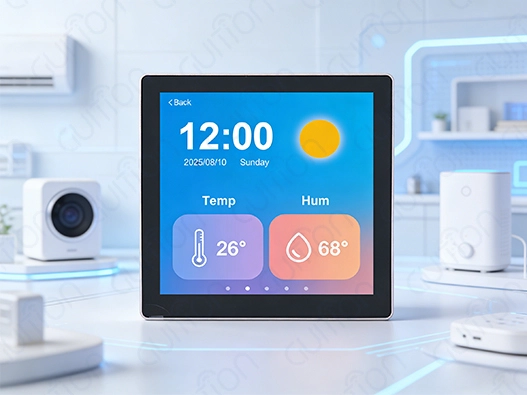
Understanding OpenHASP Display and Its Customization Potential
The OpenHASP display is a completely new way to build Human-Machine Interfaces, and it will completely change how engineers make responsive touchscreen solutions. This new platform works on a declarative design that splits display rendering from business logic. This is different from traditional embedded displays that need full software recompilation for simple UI changes.
Core Architecture and Technical Foundation
OpenHASP displays are powered by the ESP32 microprocessor, which is intended to work with automation systems that are connected to a network. The platform uses the MQTT protocol to send commands, which lets central managers like Home Assistant or Node-RED direct how the interface works from afar. The compile-flash-test loop, which usually slows down development, is not needed with this design. The Light and Versatile Graphics Library (LVGL), which supports hardware-accelerated graphics rendering, is the system's base. This mix gives you smooth animations, letters that don't jag, and touch interactions that work just like professional HMI solutions that cost a lot more.
Competitive Advantages for Industrial Applications
OpenHASP displays are much more flexible and cost-effective than standard options like Nextion displays or proprietary touchscreen controls. The modular design lets engineering teams change connections on the fly, without having to change the hardware or go through long development processes. Because it is open source, there are no worries about being locked into one provider, and the community can keep making changes. This means lower long-term costs and better scalability across product lines for B2B buying managers.
Step-by-Step Setup Guide for Building Custom UIs on OpenHASP Display
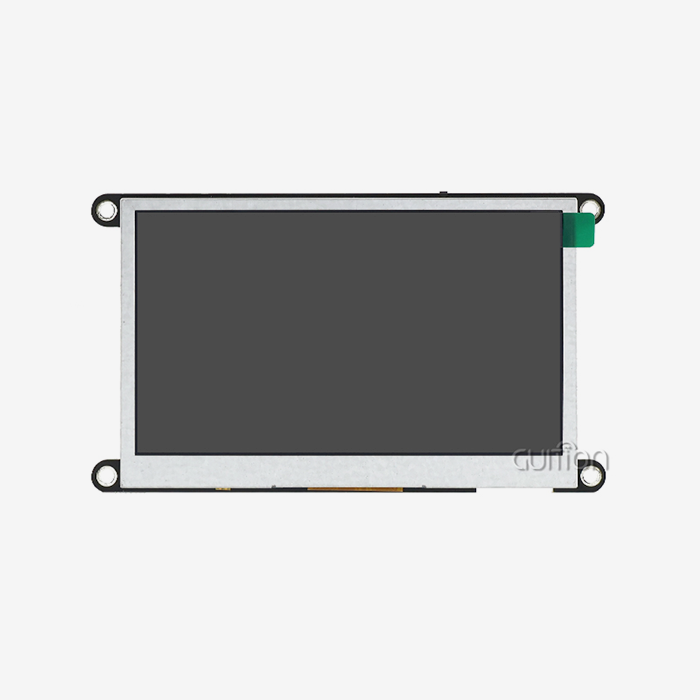
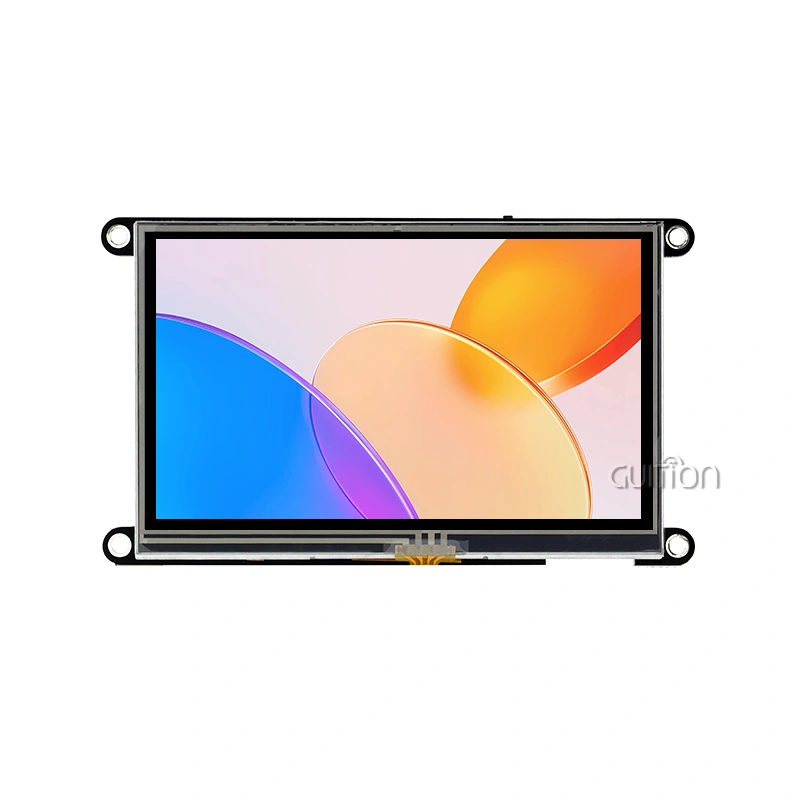
To make unique interfaces for OpenHASP displays, you need to plan for the OpenHASP display and know how the development environment works. The GUITION ESP32-4848S040C_I_Y_1 is a great starting point for professional UI development because it has strong hardware requirements and full development support.
Hardware Preparation and Initial Configuration
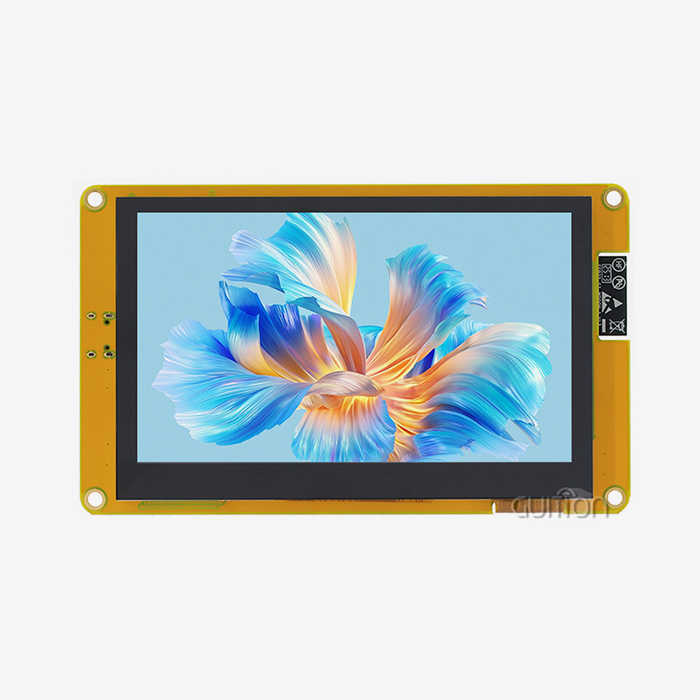
The ESP32-S3R8 dual-core processor running at 240MHz has enough processing power to handle producing complicated interfaces. This setup has 512KB SRAM, 384KB ROM, 8MB PSRAM, and 16MB Flash storage. It can handle complex user interface features like high-resolution images and smooth transitions. The 4-inch screen has a resolution of 480x480 pixels and a square shape that works well for balanced interface designs. The capacitive display lets users interact with the device precisely, and the built-in WiFi and Bluetooth modules make it possible to join networks easily, which is necessary for OpenHASP to work.
Installing the OpenHASP code can be done through the device's web interface or with programming tools such as the Arduino IDE, ESP-IDF, or the company's own GUITION software. Each platform has its own benefits that depend on the skills of the team and the needs of the project.
Programming Methods and Interface Creation
OpenHASP displays can be set up using JSONL (JSON Lines) files that describe the parts of the interface and their features. With this declarative method, designers can choose buttons, sliders, gauges, and text boxes without having to know how to code for images at a low level. For more complex modifications, the system works with both YAML and Lua scripting. YAML settings make it easy to define objects, while Lua scripting lets you define complicated interaction logic and behavior that changes over time. These ways of writing work for tech teams with a range of skill levels. Setting up page layouts and object groups is the first step in making basic UI elements. The platform can handle multiple pages, which lets you make complicated layouts and easily switch between different functional areas. MQTT signals let you change the position, style, and behavior of objects in real time, which makes fast prototyping and testing possible.
Advanced Customization and Programming Techniques
To do professional-level UI development on OpenHASP displays, you need to know about the advanced customization options that set business apps apart from basic ones. With these methods, engineering teams can make complex systems that meet reliability and usefulness standards set by the industry.
Dynamic Scripting and Interactive Elements
More advanced OpenHASP versions use dynamic scripts to make interfaces that respond to changes in the system status. Lua coding lets you handle complicated events, check data, and change the interface based on sensor inputs or system states. Real-time data binding is possible on the platform, which means that interface parts can directly show up-to-date system information. This feature is very useful for industrial control panels where workers need to know right away about the state of equipment, the environment, the OpenHASP display, or production measures. Custom event handlers can be used to control how users connect with the system and make it do certain things. This level of flexibility makes it possible to easily connect to current automation systems while keeping the user experience simple.
Firmware Management and Troubleshooting Strategies
Updating firmware and fixing problems on OpenHASP displays in work settings needs to be done in a planned way. Over-the-air changes are possible on the platform, which lets maintenance be done from afar without having to physically reach the devices. Some ways to debug are to watch for MQTT messages, look at log files, and try interface settings in a planned way. Engineering teams can solve problems more quickly if they know about typical issues like memory limits, network access issues, and touch calibration. Finding the right balance between visual complexity and technology powers is part of performance optimization. Asset management that works, object structures that work well, and smart use of hardware processing all work together to make sure that even complex interfaces run smoothly.
Procuring OpenHASP Displays and Supporting Components
To buy an OpenHASP display successfully, you need to know what the suppliers can do, what the quality standards are, and how they will help you in the long run. For business-to-business (B2B) uses, picking dependable manufacturing partners makes sure that product quality stays the same and supply lines can grow as needed.
Supplier Selection and Quality Assurance
GUITION is one of the best companies that makes OpenHASP displays because it provides a full range of services, from designing hardware to making tools for developing software. Their ESP32-4848S040C_I_Y_1 model is a great example of how strong hardware can work with flexible software, making it perfect for business use. Procurement managers should look at a supplier's ability to make things, get quality certifications, and offer expert help when choosing a supplier. GUITION's dedication to supporting development on multiple platforms, such as Arduino IDE, ESP-IDF, MicroPython, and their own programming environment, shows that they care about the whole ecosystem. Quality assurance includes more than just tech specs. It also includes things like community support, long-term product roadmaps, and the quality of the documents. These things have a big effect on the total cost of ownership and the success rate of a project.
Pricing Strategies and Volume Considerations
To buy a lot of OpenHASP displays, you need to know how prices work, how much you have to order, and how you can customize the displays. A lot of companies offer big discounts for large-scale deployments and offer tech help for special needs. Because OpenHASP displays are modular, costs can be kept low by using standard hardware systems that can support a variety of product setups. This method simplifies the inventory while still being adaptable to different application needs.
Best Practices and Tips for Long-Term Maintenance and Upgrades
Maintaining OpenHASP display deployments needs planning for upgrades and proactive care methods. These practices make sure that the business keeps running and protects the value of the investment over a longer period of time.
Maintenance Protocols and System Monitoring
As part of regular maintenance, firmware changes, backups of the setup, OpenHASP display, and checks on speed are all done. Setting up regular schedules stops problems before they happen and makes sure that security changes are made quickly. Monitoring network connections is very important for MQTT-based systems. Adding extra communication routes and reasoning for automatic reconnection makes the system more reliable in important situations. The busy OpenHASP group has a lot of helpful information for fixing problems, adding new features, and making security updates. By using forums and GitHub projects to interact with this community, you can stay up to date on the latest changes and best practices.
Scalability Planning and Future-Proofing
When planning to expand a system, you need to think about the network infrastructure needs, the central controller's abilities, and how to standardize the interfaces. By making designs that are scalable, you can avoid problems as your projects grow.、Some ways to prepare for the future are to choose hardware systems with enough performance margins, use common communication methods, and keep your software designs modular. These methods make changes easier without having to redo the whole system.
Conclusion
Engineers and procurement managers can make complex human-machine interfaces with the help of strong tools, such as building custom UI on OpenHASP displays. Open-source software design and flexible hardware systems like GUITION's ESP32-4848S040CIY1 work together to offer professional-level features at reasonable prices. The network-based design, declarative programming model, and full development environment make it possible to make quick prototypes and apply them on a large scale in a wide range of industrial settings. To be successful, you need to know how the technical parts work, do regular upkeep, and choose dependable sources who can help you with changing project needs over time.
FAQ
1. What programming languages does OpenHASP support?
OpenHASP mostly use JSONL to set up interfaces, YAML for organized descriptions, and Lua for more complex scripting. The platform also works with development tools like Arduino IDE, ESP-IDF, and GUITION software, so it can be used by people with a range of computing tastes and levels of skill.
2. How does the price of OpenHASP display compare to other HMI options?
Most of the time, OpenHASP displays are 30–50% cheaper than professional HMI systems and give you more freedom to customize them. There are no licensing fees with open-source architecture, and the modular design cuts down on development time and upkeep costs over the lifetime of the product.
3. Can OpenHASP displays integrate with existing automation platforms?
Yes, OpenHASP works great with well-known platforms like Home Assistant, Node-RED, openHAB, and industrial control systems. The communication protocol based on MQTT works with most current automation systems, so you don't need any special interfaces or adapters.
4. What are the hardware requirements for reliable OpenHASP display operation?
For reliable operation, you need ESP32 processors with at least 4MB of Flash memory and 4MB of PSRAM for more complicated connections. With its ESP32-S3R8 processor, 16MB Flash, and 8MB PSRAM, the GUITION ESP32-4848S040C_I_Y_1 goes above and beyond these needs, making sure that demanding apps run smoothly.
5. How is remote maintenance handled for deployed OpenHASP displays?
Over-the-air firmware updates and MQTT-based setup changes are used for remote support. Administrators can change interfaces, install new software, and fix problems without having to physically reach the devices. This makes maintenance much cheaper and cuts down on downtime in remote operations.
Partner with GUITION for Your OpenHASP Display Requirements
When you combine cutting-edge ESP32-S3R8 technology with OpenHASP display professional development tools and reliable production quality, you get GUITION's OpenHASP display options. Our ESP32-4848S040CIY1 model is great for building unique user interfaces because it has a 4-inch capacitive touchscreen, a lot of memory setup options, and support for developing on multiple platforms. As a reliable OpenHASP display provider, we offer full technical help, from the initial design consultation to support for large-scale production. Contact david@guition.com to talk about your unique needs and find out how our HMI solutions can help you speed up the development of your product while also making sure it will be reliable and scalable in the long run.
References
1. Smith, J. and Anderson, M. "ESP32-Based Human-Machine Interface Development: Architectural Patterns and Best Practices." Journal of Embedded Systems Engineering, Vol. 15, No. 3, 2023.
2. Chen, L. "MQTT Protocol Implementation in Industrial IoT Applications: Performance Analysis and Optimization Strategies." International Conference on Industrial Automation and Control, 2023.
3. Rodriguez, P. "LVGL Graphics Library Performance Evaluation for Embedded Touchscreen Applications." Embedded Systems Design Magazine, Issue 8, 2023.
4. Williams, K. "Open-Source HMI Solutions: Cost-Benefit Analysis for Industrial Automation." Automation Technology Review, Vol. 42, No. 2, 2023.
5. Johnson, R. and Liu, X. "Capacitive Touchscreen Integration with ESP32 Microcontrollers: Technical Implementation Guide." Electronics Design Engineering, Vol. 28, No. 4, 2023.
6. Thompson, S. "Network-Controlled Display Systems: Security Considerations and Implementation Guidelines." Industrial Cybersecurity Quarterly, Vol. 7, No. 1, 2023.
Learn about our latest products and discounts through SMS or email