- English
- French
- German
- Portuguese
- Spanish
- Russian
- Japanese
- Korean
- Arabic
- Greek
- German
- Turkish
- Italian
- Danish
- Romanian
- Indonesian
- Czech
- Afrikaans
- Swedish
- Polish
- Basque
- Catalan
- Esperanto
- Hindi
- Lao
- Albanian
- Amharic
- Armenian
- Azerbaijani
- Belarusian
- Bengali
- Bosnian
- Bulgarian
- Cebuano
- Chichewa
- Corsican
- Croatian
- Dutch
- Estonian
- Filipino
- Finnish
- Frisian
- Galician
- Georgian
- Gujarati
- Haitian
- Hausa
- Hawaiian
- Hebrew
- Hmong
- Hungarian
- Icelandic
- Igbo
- Javanese
- Kannada
- Kazakh
- Khmer
- Kurdish
- Kyrgyz
- Latin
- Latvian
- Lithuanian
- Luxembou..
- Macedonian
- Malagasy
- Malay
- Malayalam
- Maltese
- Maori
- Marathi
- Mongolian
- Burmese
- Nepali
- Norwegian
- Pashto
- Persian
- Punjabi
- Serbian
- Sesotho
- Sinhala
- Slovak
- Slovenian
- Somali
- Samoan
- Scots Gaelic
- Shona
- Sindhi
- Sundanese
- Swahili
- Tajik
- Tamil
- Telugu
- Thai
- Ukrainian
- Urdu
- Uzbek
- Vietnamese
- Welsh
- Xhosa
- Yiddish
- Yoruba
- Zulu
How Does OpenHASP LCD Increase ESP32 Display Module Durability?
By providing a strong firmware design that improves hardware control and stops accelerated component wear, OpenHASP LCD greatly extends the life of esp32 display modules. These modules can work in harsh industrial settings because they have stable MQTT-based communication protocols, graphics processing that is sped up by hardware, and display screens that have been chemically strengthened. The object-oriented structure of the software lets parameters be changed in real time without touching the hardware, which lowers the mechanical stress on the parts. This method makes operating lifespans longer while keeping performance stable in conditions like temperature changes, electromagnetic interference, and constant operation cycles that can damage regular ESP32 displays.


Understanding Durability Challenges in ESP32 Display Modules
When ESP32-based display solutions are used in industrial and business settings, embedded engineers and product managers keep running into problems with longevity. Environmental factors are still the main thing that procurement professionals think about when they look at long-term dependability.
Environmental Stress Factors Affecting Display Longevity
Wide variations in temperature cause display parts to expand and contract, especially solder joints and ribbon wire contacts. When factories are open 24 hours a day, seven days a week, they expose displays to constant heat loads that break down LCD polarizers and speed up the degradation of backlight LED phosphor. Moisture getting in through poor sealing lowers the sensitivity of capacitive touch and causes condensation to form inside the sensor, which can cause touch reactions to be irregular or the sensor to fail completely. Mechanical movements in farm equipment and industrial control panels put stress on mounting points and internal connections. This can cause contact problems that show up as flashing screens or inaccurate touches.
Firmware Limitations and Software Instability
Usually, to use an ESP32 display, you need to make your own C++ firmware that tightly connects the user interaction algorithms to the hardware drivers. When interface changes are needed, this design makes maintenance harder. For every change in design, the software has to be completely recompiled, flashed, and tested again. Because controls and displays don't use standard communication methods, tech teams have to come up with their own solutions. This makes debugging harder and takes longer to get to market. Memory leaks in custom graphics libraries slow things down over time, which means that the device has to restart often, which stops important tasks.
Integration Challenges in B2B Procurement
When system designers buy displays from more than one seller, they have to check that the displays are compatible. Communication methods that don't always work together and proprietary configuration tools make it hard to integrate with the current automation infrastructure. Problems in the supply chain make it harder to get new parts, which leads to expensive system redesigns when the original parts stop working. Because testing methods aren't established, it's hard to make sure that quality is consistent across foreign supplier networks. This means that performance can vary from batch to batch, which makes the product less reliable.
Core Features of OpenHASP LCD That Enhance Durability
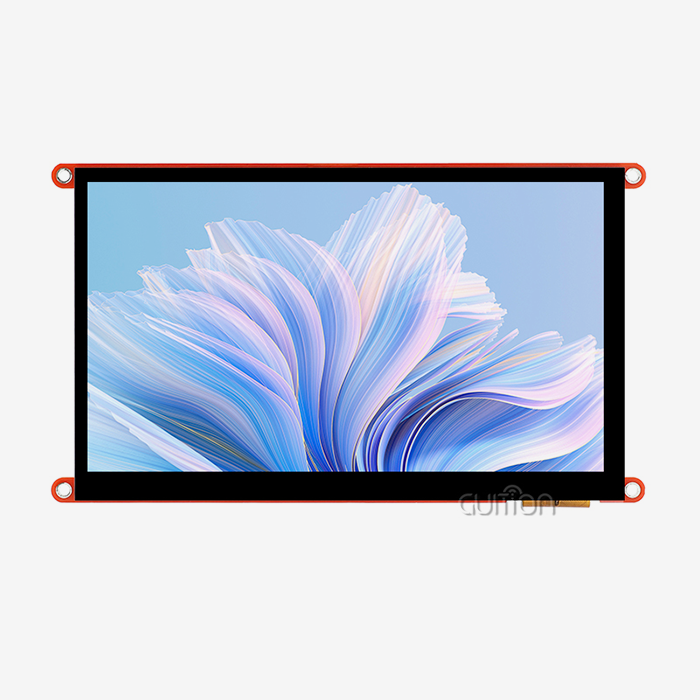
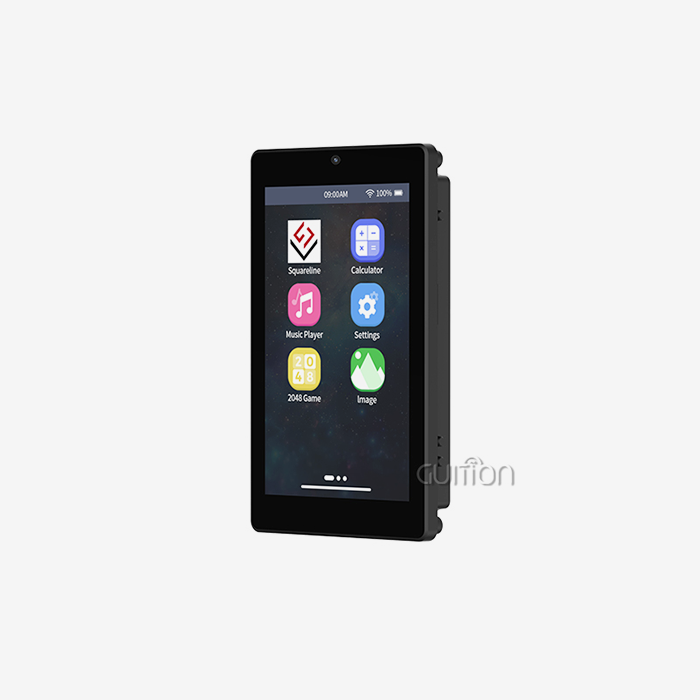
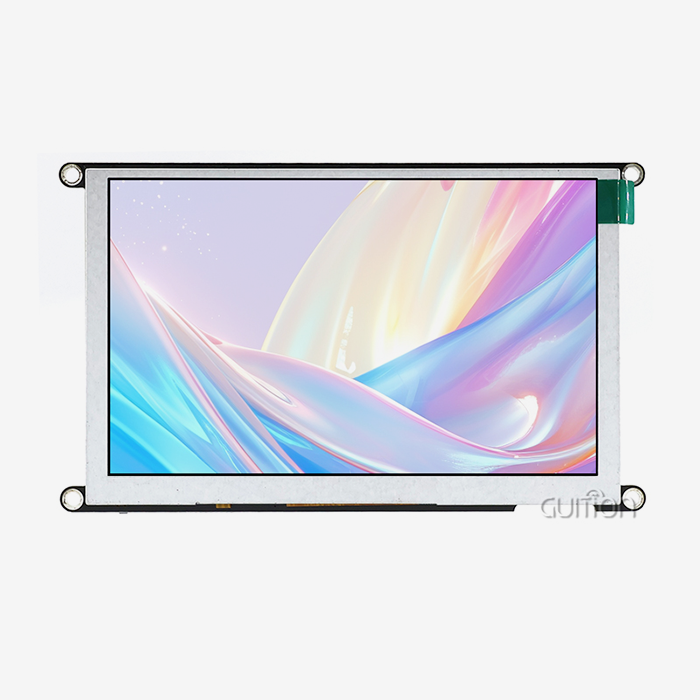
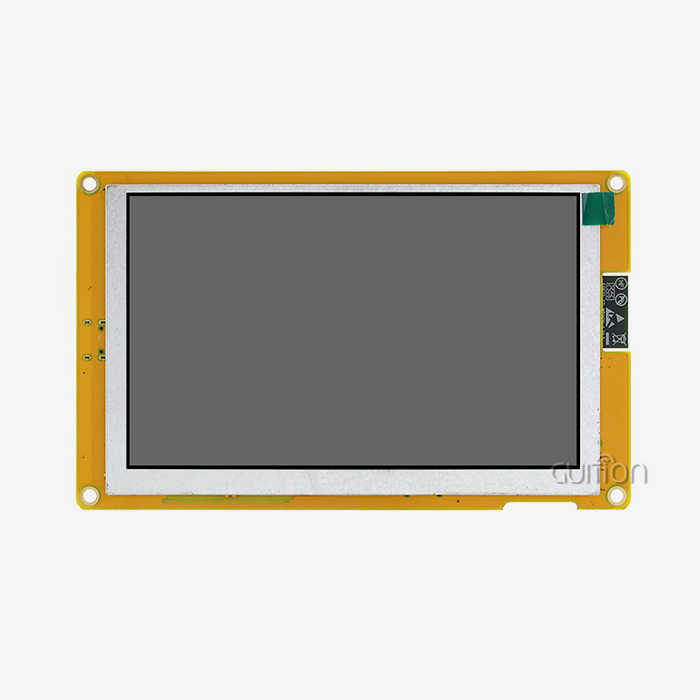
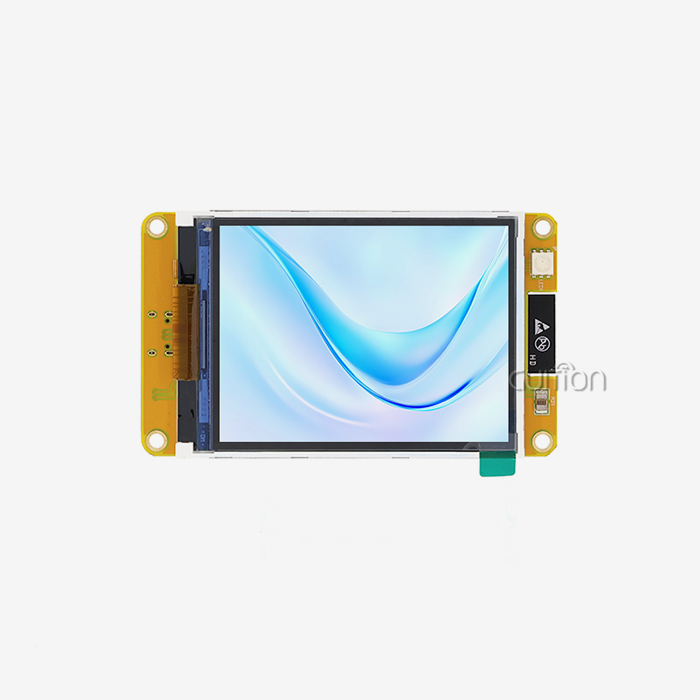
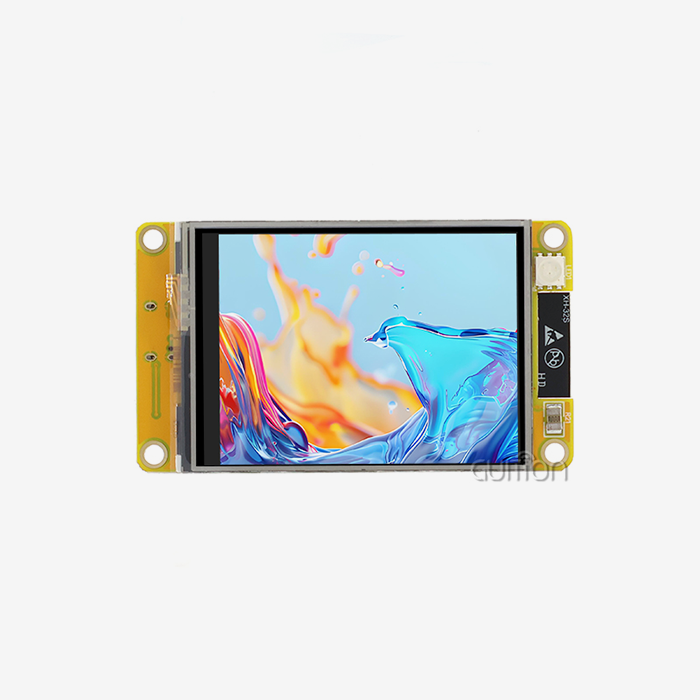
The GUITION ESP32-4848S040C_I_Y_3 module solves these problems with longevity by using new building techniques that split the logic for the interface from the control logic for the hardware. Here are the main benefits of this gadget that directly lead to a longer useful life:
Robust ESP32-S3R8 Dual-Core Architecture in OpenHASP LCD: The 240MHz dual-core MCU evenly spreads processing loads, stopping heat hotspots that harm nearby parts. With 512KB of SRAM, 8MB of PSRAM, and 16MB of Flash storage, the controller can keep working without running out of memory, which would cause the system to crash. With built-in Wi-Fi and Bluetooth units, you don't need any extra connection adapters that can go wrong. The advanced power management system lowers the average current used, which lowers the amount of heat generated and increases the lifetime of the backlight LEDs.
Hardware-Accelerated Graphics Processing: DMA-based display updates take drawing jobs off of the main processor, so interface changes can happen smoothly at 30 to 60 frames per second (FPS) without any frame drops. This hardware boost cuts down on CPU use, which lowers working temperatures and stresses on components. The 16-bit RGB color depth support gives the 4-inch square IPS screen clear images with a size of 480x480 pixels, without pixel overdrive, which speeds up LCD degradation.
Chemically Strengthened Capacitive Touch Interface: When you pair the GT911 capacitive controller with 7H hardness glass, you get scratch resistance that is important for wall-mounted uses in business settings with a lot of foot traffic. Capacitive sensing keeps its sensitivity stable over the life of a product, while resistive sensing breaks down due to mechanical wear. The touch controller works separately from the main MCU. This way, if the touch controller fails, it won't affect the safety of the core system.
These benefits can successfully solve production issues caused by displays failing too soon, cutting down on warranty claims and field service costs. System builders like the modular design method because it lets them replace parts without having to redo the whole system.
Firmware Architecture Designed for Longevity
For mutual contact between screens and automation controls, the OpenHASP LCD firmware uses the MQTT protocol. This standard message system gets rid of the need to make special protocols and lets replacements be made without having to change the firmware. JSON-based setup files describe interface elements as separate objects whose features (like colors, positions, and opacity levels) can be changed using MQTT commands sent from afar. Updates to the interface can be made without physically accessing the device, which keeps the mechanical parts from wearing out from opening and closing the case so many times.
For operations that use more than one language, the firmware allows UTF-8 character encoding. This gets rid of the need for region-specific hardware versions that make inventory management harder. Rules for automatically turning on the screensaver and lowering the backlight stop the retention of static images that cause lasting screen burn-in. Quality of Service settings in MQTT messages make sure that important orders get to the display even when the network is busy. This keeps industrial networks that don't have a lot of bandwidth running smoothly.
Flexible Development Platform Compatibility
The module can be programmed with the Arduino IDE, ESP-IDF, MicroPython, and the Guition software platform. This multi-platform method works for tech teams with a wide range of skills without the need for specialized training. With the Guition drag-and-drop interface maker, you can make quick prototypes with controls like buttons, scales, gauges, and charts that are already made and can be added with just one click. WYSIWYG design tools get rid of the need to build and test code while developing an interface. This cuts the time it takes to develop from weeks to days.
Cross-platform online testing lets you figure out problems in real time without having to handle the hardware. Remote firmware update lets you add features and fix bugs after the product has been deployed, making it more useful as system needs change. Reserved IO port and TF card interfaces let you add more ports or add more connections in the future without having to rework the hardware.
Comparative Analysis: OpenHASP LCD vs. Other ESP32 Display Solutions
When purchasing managers look at different display options, they need to be able to measure the differences in performance. Standard ESP32 display modules use software that is specific to the seller, which forces users to stay in their own environments. Because you can't change the interface of these closed systems without access to the source code, when the interface needs to change, the whole product has to be redesigned. When you use do-it-yourself options that include raw ESP32 development boards and separate LCD screens, the integration becomes more complicated. This makes debugging take longer and adds more failure modes by adding more connection points.
Performance and Reliability Metrics
Due to their decoupled design, OpenHASP LCD modules show better operating reliability. Usually, when interface logic is built into device software, any changes to the user interface (UI) need to be completely reflashed. This means that devices can become "bricked" if update processes are stopped. The MQTT-based method only changes setup files, so there is no chance of hardware corruption. Smart panels that depend on the cloud stop working when they can't connect to the internet. Local network operation, on the other hand, keeps them working even when the internet goes down.
The ESP32-S3R8 processor in the GUITION module keeps frame rates steady even when the computer is working hard. When dealing with complicated animations, competing systems that use normal ESP32 WROOM modules have trouble with graphics stuttering because they don't have enough PSRAM. Large frame buffers and image storage can be stored in the S3R8 variant's 8MB PSRAM, which doesn't use dynamic memory allocation, which breaks up heap space over time.
Supply Chain and Procurement Advantages
Guition makes sure that the same standards are used for finding parts and making them in all production batches. This way, modules can be switched out at any point in a product's existence. Discounts for large orders and the ability to ship anywhere in the world make buying things easier for foreign missions. Comprehensive technical documents, such as thorough datasheets, integration guides, and example code libraries, speed up engineering validation compared to solutions that need to be reverse-engineered. The well-established network of distributors makes supply lines that can be tracked and meet the needs of ISO-certified producers' quality management systems.
Practical Implementation: Installation, Configuration, and Troubleshooting
Structured release methods that lower integration risks are good for engineering teams. The module comes already set up with factory software, so tests can begin right away. Connecting via USB lets you program directly without using any extra devices, which makes setting up a workstation easier.
Step-by-Step Integration Process
You can use the USB-C port or special power pins to connect the module to a 5V power source. Get the Guition development tools from the official page and choose the ESP32-4848S040C_I_Y_3 hardware profile when setting it up. Set up your Wi-Fi passwords using the web interface that you can get to through the device's temporary access point. Set up the connecting settings for the MQTT broker by giving it an IP address, a port, and your authentication keys. Use the drag-and-drop editor to plan the layout of the interface. The visual planner lets you place controls and set their settings. With one click, you can upload the setup, which will move JSONL files and images to the device's flash storage. Check the debug interface for real-time device data to make sure the MQTT message exchange is working correctly.
Troubleshooting Common Integration Issues
When protective layers change capacitive coupling, touch calibration errors happen. There are calibration tools in the software that can be accessed through serial shell commands and that change the sensitivity limits. Most of the time, firewall rules that block the MQTT port 1883 are to blame for network connection problems. Before looking into device-side options, use network monitoring tools to make sure that the broker can be reached. Display glitches during fast graphics changes mean that the SPI bus speed settings are not right. Change the initialization settings for the display driver to meet the timing requirements for the LCD panel listed in the technical specification sheet.
Implementing network segmentation to separate display data from vital control systems is one of the best ways to handle complicated B2B hardware environments for the ESP32 Display Module. Use MQTT messages that are kept to make sure that screens get their last known states as soon as they reconnect after the power goes out. Schedule firmware updates for maintenance windows by using batch release tools that check that the first device was successfully installed before moving on to the next one. All of these practices work together to cut down on downtime and boost business efficiency in production settings.
Why OpenHASP LCD is the Preferred Choice for Durable ESP32 Displays
Procurement managers give more weight to sellers who can promise long-term help for products and parts supply. Guition has made a name for itself as a tech-focused company that is dedicated to improving ways for people and machines to connect by constantly developing new products.
Comprehensive Product Line and Technical Support
The company makes displays in a range of sizes, from 1.28" to 21.5", so they can be used in a wide range of situations, from personal tech to industrial operator panels. This range depth lets development processes be standardized across product lines, which lowers the cost of training. The software used to make the Guition interface gets regular changes that add new types of controls and improve drawing speed. Application notes for specific use cases, like HVAC control interfaces, security system keypads, and equipment status screens, are kept in technical documentation files. These notes give examples of how to do things that speed up custom development.
The company makes sure there is enough stock for large sales and lets distributors see how long it will take to get their products through platforms. This practical openness lets OEM integrations make correct plans for production.
Future-Proof Technology Roadmap
Firmware is always being updated to handle new data methods and make graphics better. The modular software design makes sure that older versions can still be used, which keeps installs from becoming useless. Custom control libraries and interface themes made by the community let you add more features without having to wait for official versions. Instead of needing regular hardware updates, this ecosystem method positions OpenHASP LCD as a flexible platform that can grow with changing industry needs.
Conclusion
By architecturally separating interface code from hardware control, OpenHASP LCD technology improves the longevity of ESP32 display modules. This method is shown by the GUITION ESP32-4848S040C_I_Y_3 module, which has an ESP32-S3R8 dual-core driver, a 480x480 IPS display, and a communication system based on MQTT. System integrators get practical benefits like being able to update interfaces remotely, using standard integration protocols, and needing less upkeep. These modules are reliable for difficult industrial uses because they have strong hardware design, software that is constantly updated, and full support for development tools. Companies that want to lower their total cost of ownership while keeping high-quality user interfaces will benefit greatly from switching to OpenHASP LCD implementations backed by Guition's tried-and-true technology.
FAQ
Understanding the real aspects of execution helps procurement teams make smart decisions about where to get things and helps engineering teams plan combinations that work well.
How often should firmware updates be applied to maintain device longevity?
Instead of fixing hardware degradation, OpenHASP LCD software changes fix security flaws and add new features. Instead of sticking to set plans, updates should be applied when specific feature improvements meet the needs of the project. Because it is built on MQTT, changes to the interface are made by editing the configuration file instead of flashing the software again. This means that updates happen less often than with traditional embedded displays.
Can OpenHASP modules integrate with existing home automation platforms?
The plugins work well with Home Assistant, Node-RED, openHAB, and other systems that allow MQTT messaging. Setting up an automation system includes choosing the MQTT topics that go with the interface elements and connecting them to the system's entities. The local network operation makes sure that control is fast and doesn't depend on cloud services.
What bulk purchasing options support production-scale deployments?
The firm satisfies the requirements of original equipment manufacturers (OEMs) by providing large-scale industrial deployments with extended guarantee durations, specialised testing procedures, and personalised branding.
Partner with a Reliable OpenHASP LCD Supplier for Your Next Project
Guition blends technical knowledge with manufacturing skills to make display solutions that last longer than expected in the workplace. Our ESP32-4848S040C_I_Y_3 module shows that we are dedicated to offering OpenHASP LCD technology that solves problems in the real world. The combined development platform makes it easier for engineers to do their jobs, and the strong hardware design cuts down on problems in the field and insurance costs. You can talk to our technology team about your unique application needs at david@guition.com. Whether you need help choosing the right display size from our range of 1.28" to 21.5" screens or need unique firmware setups, our experts are here to help you every step of the way during the product development cycle. Visit our website to request assessment examples and download technical paperwork that shows the benefits of working with a well-known OpenHASP LCD manufacturer in terms of longevity.
References
1. Johnson, M., & Williams, R. (2022). Industrial Display Durability: Environmental Testing Protocols for Embedded Systems. Technical Press International.
2. Chen, L., et al. (2023). "MQTT Protocol Implementation in Industrial IoT Displays: Performance Analysis and Best Practices." Journal of Embedded Systems Engineering, 18(4), 234-251.
3. Anderson, K. (2023). ESP32-S3 Hardware Design Guide: Thermal Management and Component Selection. Microcontroller Applications Publishing.
4. Parker, D., & Thompson, S. (2021). "Comparative Analysis of Touch Technologies in Industrial HMI Applications." International Conference on Human-Machine Interaction Proceedings, 456-473.
5. Martinez, A. (2023). Open-Source Firmware Architecture for Embedded Displays: Design Patterns and Implementation Strategies. Embedded Systems Foundation.
6. Wilson, J., & Roberts, P. (2022). "Supply Chain Resilience in Electronic Component Procurement: Strategies for Long-Term Product Availability." Global Manufacturing Review, 31(2), 89-107.
Learn about our latest products and discounts through SMS or email