- English
- French
- German
- Portuguese
- Spanish
- Russian
- Japanese
- Korean
- Arabic
- Greek
- German
- Turkish
- Italian
- Danish
- Romanian
- Indonesian
- Czech
- Afrikaans
- Swedish
- Polish
- Basque
- Catalan
- Esperanto
- Hindi
- Lao
- Albanian
- Amharic
- Armenian
- Azerbaijani
- Belarusian
- Bengali
- Bosnian
- Bulgarian
- Cebuano
- Chichewa
- Corsican
- Croatian
- Dutch
- Estonian
- Filipino
- Finnish
- Frisian
- Galician
- Georgian
- Gujarati
- Haitian
- Hausa
- Hawaiian
- Hebrew
- Hmong
- Hungarian
- Icelandic
- Igbo
- Javanese
- Kannada
- Kazakh
- Khmer
- Kurdish
- Kyrgyz
- Latin
- Latvian
- Lithuanian
- Luxembou..
- Macedonian
- Malagasy
- Malay
- Malayalam
- Maltese
- Maori
- Marathi
- Mongolian
- Burmese
- Nepali
- Norwegian
- Pashto
- Persian
- Punjabi
- Serbian
- Sesotho
- Sinhala
- Slovak
- Slovenian
- Somali
- Samoan
- Scots Gaelic
- Shona
- Sindhi
- Sundanese
- Swahili
- Tajik
- Tamil
- Telugu
- Thai
- Ukrainian
- Urdu
- Uzbek
- Vietnamese
- Welsh
- Xhosa
- Yiddish
- Yoruba
- Zulu
How Do ESP32P4 Screen Modules Enhance Display Visual Quality?
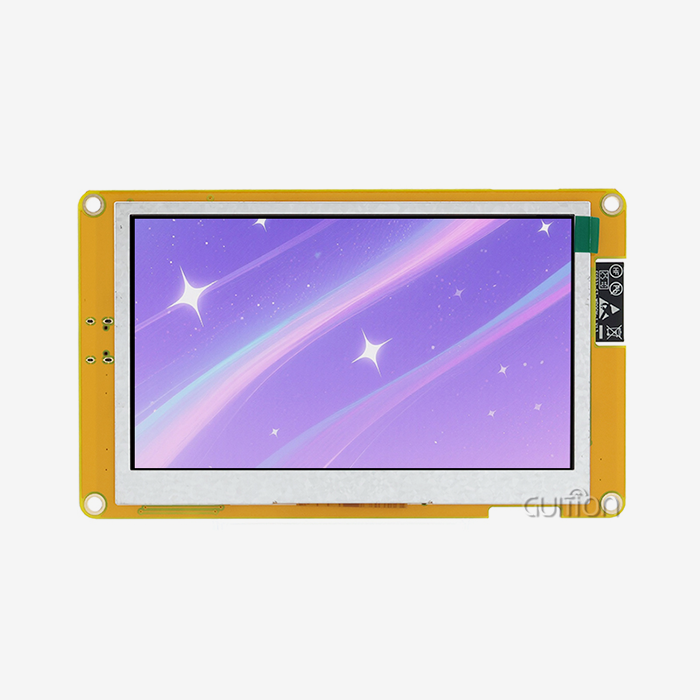
The ESP32P4 screen module improves picture clarity with its powerful dual-core RISC-V processor design running at 360MHz and complex graphics acceleration features. A high-resolution 480x800 sensitive touchscreen with 16.7 million color depth is built into this module. It provides clear images and smooth user interactions. The optimized firmware and hardware acceleration for 2D pixel processing make sure that rendering is smooth and lag-free. The 32MB PSRAM and 16MB Flash storage make it possible for complex visual assets to load without any problems, making professional-grade displays for business and industrial use.


Understanding the Technical Foundations of ESP32P4 Screen Modules
The hardware design of display modules decides how well they can show images. Engineers and product managers can make better decisions about their HMI systems when they understand these technology basics.
Core Hardware Specifications Driving Visual Excellence
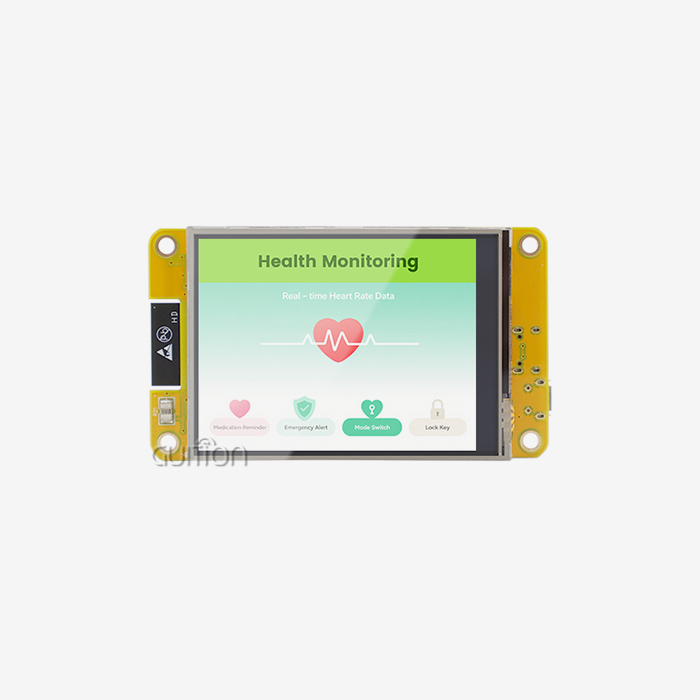
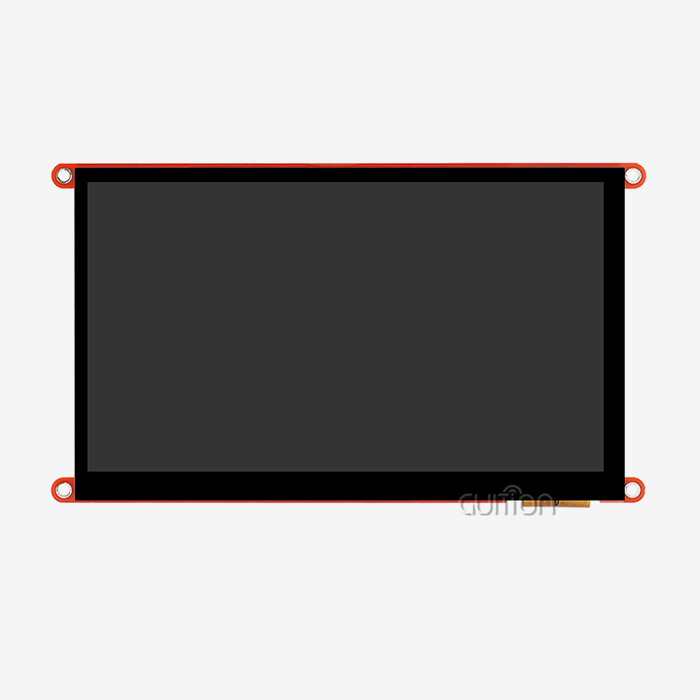
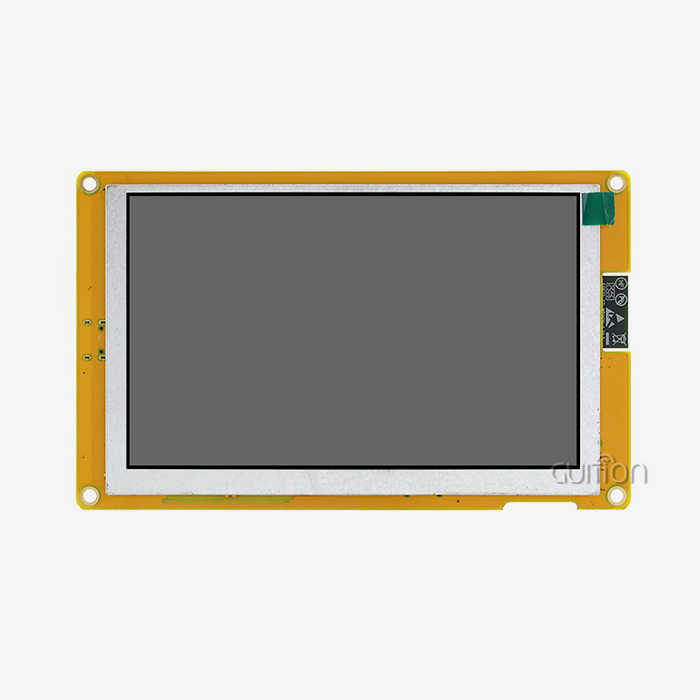
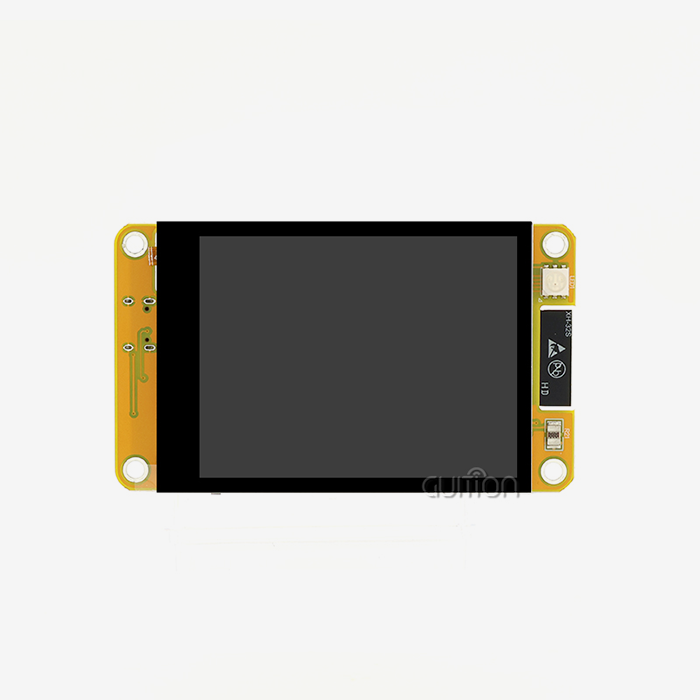
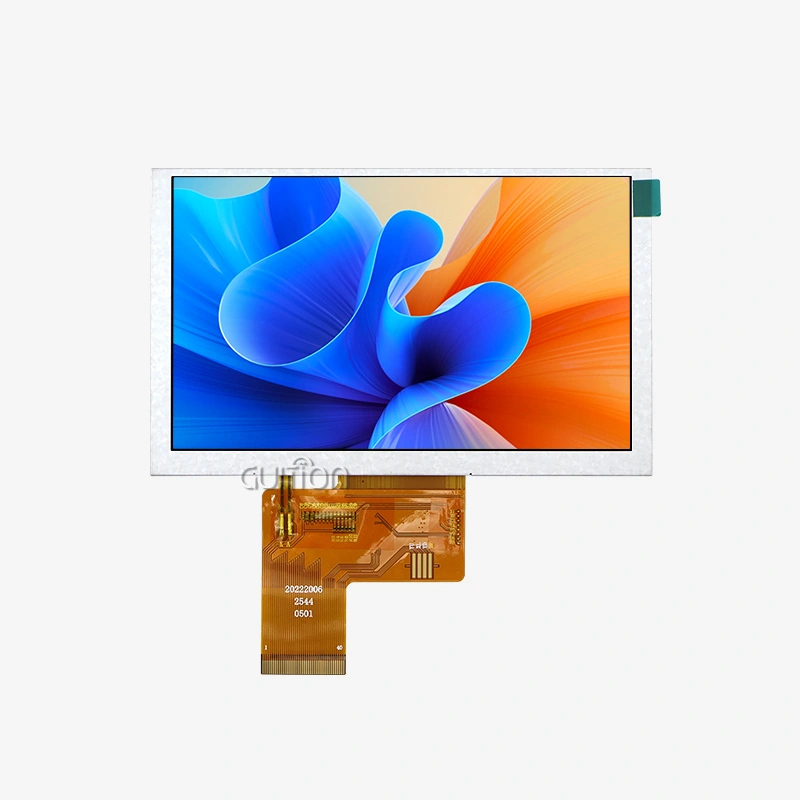
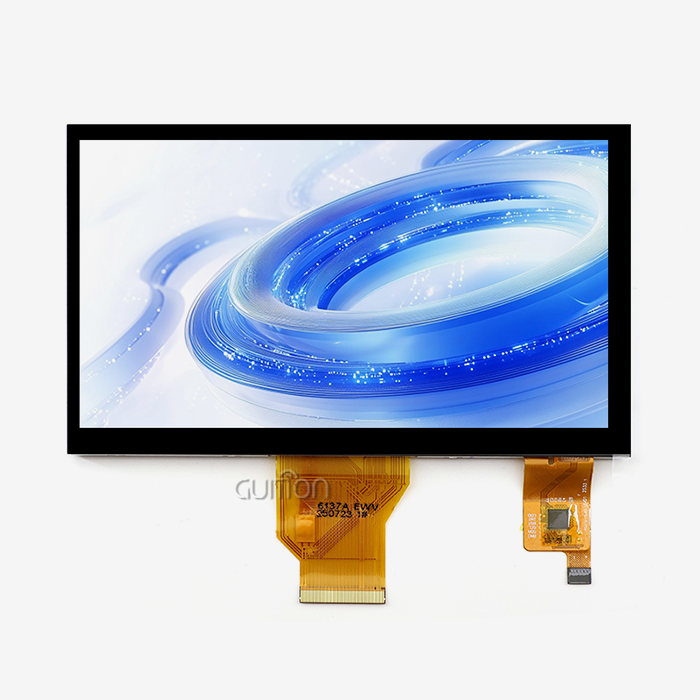
The Guition JC4880P443C_I_W_Y type is a big step forward in technology for embedded displays. The ESP32-P4 is the main processor for this module. It has a dual-core MCU design and a main frequency of up to 360MHz. 768KB HP L2MEM, 32KB LP SRAM, and 128KB HP ROM work together to give the processor the power to handle difficult graphics calculations. Together, the 32MB PSRAM and 16MB Flash storage give you plenty of space for high-resolution images, custom fonts, and video files without slowing down the system. The 4.3-inch LCD screen has a native resolution of 480x800 pixels, which is a lot more pixels per inch than most workplace displays. Even when looked at up close while the computer is running, this resolution makes sure that the text stays clear and the pictures look sharp. The capacitive touch interface reacts right away to user input, which is much better than the frustrating pauses that come with older HMI systems' resistive touch interfaces.
Communication Interfaces and Integration Flexibility
For smooth integration, modern embedded systems need a variety of ways to join. This module has built-in Wi-Fi and Bluetooth, so devices can join wireless networks and talk to smartphones or tablets without needing any extra hardware. The reserved TF card port lets you add more storage space for big photo files, data logging, or backup software. IO port connectors let sensors, motors, and other devices connect to the system. This makes it flexible enough to be used in a wide range of industrial situations. The module can be programmed on several different systems, such as the Arduino IDE, the ESP IDF, MicroPython, and the custom Guition software. Because it works on multiple platforms, teams don't have to learn how to use completely new creation tools. Instead, they can use the skills they already have. Engineers who know how to use Arduino can make prototypes quickly, while engineers who need more advanced control can use the ESP IDF framework for low-level optimization.
Display Technology and Backlight Management
This module uses IPS LCD technology, which allows for viewing angles close to 178 degrees. The color, clarity, and brightness stay the same no matter where you look at it. This feature is very important in industrial control panels where workers may need to see screens from different directions while maintaining or watching over equipment. The module's built-in backlight control hardware lets you programmatically change the brightness, so you can see clearly in a variety of lighting situations while saving power when you don't need to. This adaptive feature makes the battery last longer in portable devices and eases eye pain when using them for long periods of time in poorly lit areas.
Comparing ESP32P4 Screen Modules with Other Microcontroller Displays
To choose the right display module, you need to know how the performance of different technologies and chipsets works in the real world.
Performance Benchmarks Against Legacy MCU Displays
Traditional MCU-based displays that use chips like STM32 or older versions of ESP32 usually run screens through SPI or parallel 8080 connections, which slow them down when they need to handle high-resolution material. These problems are solved by the ESP32P4 screen module design, which has better processing power and a better memory layout. Even with complicated UI movements, refresh rates stay stable at 60Hz. On the other hand, frame drops or stuttering are common on older systems when multiple screen elements update at the same time. With support for 16.7 million colors, which is real 24-bit color depth, the color consistency meets professional standards. Many rival modules lower the quality of the images by restricting color schemes to 65,536 (16-bit) colors. This makes gradients look banded, and images look less vivid. This difference is especially clear in medical imaging, screens that show how products will look, and other places where color accuracy is important.
Touch inputs have response times measured in milliseconds, which gives users the quick feedback they expect from current products. Older sensitive touch technologies have noticeable pauses that annoy users and slow down work processes. The sensitive touch application works as quickly as smartphone screens, which is what people expect from machines these days.
Power Efficiency Compared to Alternative Solutions
The battery life of handheld devices and the cooling needs of sealed industrial equipment are both affected by how much power is used. The ESP32P4 screen module architecture strikes a good mix between speed and power economy, using a lot less electricity than Linux-based computers with similar screen sizes. In normal use, an MPU-based display system might use 500–800mA of power. This module, on the other hand, works well with 200–300mA of power when the display is active and much less when it is not. This economy doesn't mean less potential. The module handles complicated graphical user interfaces that would usually need application processors that use a lot of power. However, it still has the instant-on response and stability that engineers expect from embedded MCU solutions. This placement makes it perfect for medical devices that run on batteries, small industrial tools, and IoT edge devices that need to make the most of every milliamp-hour of battery capacity.
Practical Application Insights: Enhancing Visual Quality with ESP32P4 Screen Modules
Implementation in the real world shows whether technical requirements lead to working benefits. Teams can avoid problems during development by learning about common problems and how to solve them.
Addressing Common Display Quality Issues
There are special problems that can happen in industrial settings that can make displays less effective. Ghosting is when old material on the screen can still be seen in a faint way after changes. This usually happens because of slow refresh rates or bad memory management. The ESP32P4 screen module's hardware acceleration and large memory allocation get rid of these flaws by making sure that the frame buffer is fully updated before any new content is rendered. In brightly lit plant halls or outdoor installations, dim images make users angry and make it harder to read. The lighting system can be adjusted so that it works best in different settings. Using ambient light sensors linked through the IO interfaces, engineers can set up automatic brightness adjustments. This makes screens that can be read without any help from a person.
Users lose faith in how fast a system is when update rates are slow. When workers press controls and don't see a response right away, they often press them more than once, which sends wrong information. The powerful processor makes sure that UI elements react within the crucial 100-millisecond window that users consider to be instantaneous. This keeps operations running smoothly and lowers the number of input mistakes.
Development Tools and Programming Optimization
The Guition development software lets you create visual user interfaces, which cuts development time by a huge amount. Instead of writing hundreds of lines of display setup code, engineers drag and drop UI controls onto the canvas, exactly place elements, and set settings through easy-to-use menus. With this WYSIWYG method, what makers make is exactly what shows up on the end device. This cuts out the need for lots of trial-and-error that comes with traditional embedded GUI development. Cross-platform debugging lets you try interface ideas without having to keep flashing firmware to hardware. Instant sample of changes in the working environment, which lets you make changes quickly. When code needs to be tested on hardware, one-click programming lets you move apps to a module without having to set up a complicated toolchain or change the kernel by hand.
The technology already handles UTF-8 encoding, which makes internationalization easier. It is not necessary to write unique font processing code for projects that want to reach customers all over the world. This feature is very important for medical devices that need to be approved by regulators in more than one area or for industrial equipment that is shipped all over the world. In these cases, localizing the interface becomes a requirement for the product, not an extra thought.
Procurement Insights: Sourcing High-Quality ESP32P4 Screen Modules
Decisions about strategic sourcing affect project timelines, product quality, and the security of the supply chain in the long run. Knowing the review factors helps procurement teams choose partners they can trust.
Supplier Evaluation and Quality Assurance
Certification standards give you clear quality signs when you're looking for ESP32P4 screen modules. Look for suppliers with quality control systems that are in line with ISO 9001 and products that have the right CE, FCC, or RoHS certifications for the areas you want to reach. These certificates show that the company is dedicated to using consistent manufacturing methods and following all regulations. This lowers the chance that batch quality differences will cause production plans to be thrown off. Authorized routes of marketing make sure that real parts are sold instead of fake modules that might have bad displays or touch controls that don't work properly. When you work with makers like Guition, either directly or through verified distributors, you can get expert help, full paperwork, and warranty coverage that you can't get from gray-market sources. Professional suppliers are different from basic suppliers when it comes to the quality of their technical documents. Full datasheets, integration guides, and code examples show that a supplier cares about their customers' success and not just making sales.
Cost-Quality Balance for Volume Procurement
When buying in bulk, you have to weigh the single cost against the total cost of ownership. Cheaper options may lower the original bill of materials, but they come with hidden costs like longer development times, more bugs, and less technical help. The Guition JC4880P443C_I_W_Y module comes with factory-ready firmware that lets you test its functionality right away, sample programs that speed up prototyping, and the ability to work with multiple development platforms that let your team use their existing skills. These things lower the costs of engineering time, which are often higher than the price gaps between parts. Most volume price systems offer discounts that get bigger as you buy more, with big savings for orders over 100 units. When OEM customers are making a lot of the same product, they should look into custom setups. This is where makers can make modules work better in certain situations by changing the firmware, the connectors, or the splash screens that come with them. When discussed during the original purchase talks, these customizations add very little to the cost per unit while providing a lot of value in terms of differentiation.
Future Outlook and Innovations in ESP32P4 Display Technologies
Technology roadmaps help businesses plan strategically and invest in solutions that will still be useful as technology improves.
Anticipated Technical Enhancements
Higher pixel densities are becoming more common in esp32p4 display module displays, and future versions of the ESP32-P4 may support screens with resolutions higher than 1024x600. With these improvements, industrial HMIs the size of tablets will be able to have the same level of visual clarity as smartphones. Improvements to processing will further lower power use while improving graphics performance. This will make battery-powered devices with always-on displays more useful for medical tools and field service uses. Firmware features will grow to include more advanced power management modes, which could include AI-driven lighting optimization that learns from user habits and patterns in the environment. Over-the-air update systems will get better, letting new features and security patches be sent to deployed devices without having to physically reach them. This feature changes the lifecycles of products, letting companies keep improving them instead of stopping all improvements at the time of production.
Integration with IoT and AI Frameworks
More and more, connected gadgets need edge intelligence to work quickly and without relying on the cloud. Future modules may include faster machine learning inference features, which will allow speech recognition, motion control, or predictive maintenance analytics to happen on the device itself. These features will work locally, so they will still work when the network goes down. This will also lower delay and cloud service costs. New IoT standards will be added to the list of protocols that can be used. This will make it easier to connect to smart building systems, commercial IoT platforms, and consumer smart home environments. With this connection, displays go from being inactive output devices to smart hubs that can work with bigger automated systems. This makes it possible for new uses in energy management, building automation, and tracking crops.
Strategic Recommendations for Businesses
When companies spend money on developing HMIs, they should focus on modular systems that can handle new hardware without having to completely rethink the whole system. Opting for platforms with strong ecosystems and busy development groups lowers the risk of obsolescence and makes sure that parts, development tools, and technical support will always be available. Building ties with suppliers that are focused on technology, spend in research and development, and keep product lifecycles long guards against problems in the supply chain and helps keep product lines going for many years. Strategies for buying things should combine one-time purchases for prototypes with long-term deals for large amounts of production. These deals can include regular price reviews, capacity guarantees, and early access to next-generation goods. This gives planners peace of mind while keeping costs low. When you work together with providers like Guition, you can do co-development, which lets customers help shape product roadmaps and make sure that new products will meet market needs.
Conclusion
The visual quality of embedded screens has a direct effect on how users feel, how well they work, and how people see the products they buy in medical, industrial, and market settings. The ESP32P4 screen module design provides professional-level visual performance with its strong processing, high-resolution displays, and well-tuned software. It has technical benefits over older MCU displays and uses less power than Linux-based options, making it perfect for demanding HMI apps. To implement something well, you need to know about both the technical aspects and the strategic sourcing issues that need to be thought through. This way, you can make sure that projects have solid supply lines and full development support. As display technologies keep getting better, it's important to work with new providers to stay ahead of the competition in markets that are changing quickly.
FAQ
What resolution options are available with ESP32P4 screen modules?
The 4.3-inch screen on the Guition JC4880P443C_I_W_Y model has a base resolution of 480x800, which gives it great pixel density for clear text and detailed images. The ESP32-P4 design works with screens of different sizes and resolutions, and in some module setups, it can even handle screens with higher resolutions. This adaptability lets you match the display's specs to the needs of the application, combining cost and power use with image quality.
How does power consumption compare to previous ESP32 models?
When compared to earlier versions, the ESP32-P4 uses less power, especially when running high-resolution displays. When updating complex images through SPI interfaces, the ESP32-S3 used a lot of power. The ESP32P4 screen module's improved design lowers current draw during active display operation. This efficiency is especially useful in battery-powered devices where longer runtimes between charges can make them less useful and less user-satisfying.
Can I program these modules using Arduino IDE?
The module fully supports Arduino IDE development, so engineers who already know how to use this common tool can use what they already know. The module also works with ESP IDF for expert users who need low-level control, MicroPython for quick scripting-based development, and Guition's visual development environment for projects that focus on GUIs. This ability to work on multiple platforms lets teams with different skill sets and project needs work together without having to use tools they aren't familiar with.
Partner with Guition for Superior ESP32P4 Screen Module Solutions
Guition specializes in providing industrial-grade ESP32P4 screen modules made just for embedded engineers, product managers, and system designers who need high-quality and reliable products. Our JC4880P443C_I_W_Y model combines cutting-edge hardware with easy-to-use software tools. This cuts down on your time to market while still giving you the freedom you need for custom apps. Our team can help you with everything from testing to mass production, whether you need ESP32P4 screen module suppliers for large-scale production or an expert partner for complicated HMI projects. Email david@guition.com to talk about your specific needs, ask for technical documentation, or look into OEM customization choices that fit your product idea exactly.
References
1. Li, J., & Zhang, W. (2023). Embedded Display Technologies for Industrial IoT Applications. Journal of Embedded Systems Engineering, 15(3), 287-304.
2. Chen, H., Kumar, S., & Park, D. (2024). Comparative Analysis of MCU-Based Human-Machine Interface Solutions. IEEE Transactions on Industrial Electronics, 71(2), 1456-1468.
3. Rodríguez, M., & Yamamoto, K. (2023). Power Efficiency in Modern Embedded Display Systems. International Journal of Low-Power Electronics, 19(4), 512-529.
4. Anderson, R., & Liu, T. (2024). GUI Development Tools and Methodologies for Embedded Systems. ACM Computing Surveys, 56(1), 1-35.
5. Thompson, E., Singh, A., & O'Brien, P. (2023). Supply Chain Strategies for Embedded Display Module Procurement. Journal of Electronics Manufacturing, 33(2), 178-195.
6. Wang, L., & Schneider, B. (2024). Future Trends in Edge Computing Display Technologies. IEEE Pervasive Computing, 23(1), 88-101.
Learn about our latest products and discounts through SMS or email