- English
- French
- German
- Portuguese
- Spanish
- Russian
- Japanese
- Korean
- Arabic
- Greek
- German
- Turkish
- Italian
- Danish
- Romanian
- Indonesian
- Czech
- Afrikaans
- Swedish
- Polish
- Basque
- Catalan
- Esperanto
- Hindi
- Lao
- Albanian
- Amharic
- Armenian
- Azerbaijani
- Belarusian
- Bengali
- Bosnian
- Bulgarian
- Cebuano
- Chichewa
- Corsican
- Croatian
- Dutch
- Estonian
- Filipino
- Finnish
- Frisian
- Galician
- Georgian
- Gujarati
- Haitian
- Hausa
- Hawaiian
- Hebrew
- Hmong
- Hungarian
- Icelandic
- Igbo
- Javanese
- Kannada
- Kazakh
- Khmer
- Kurdish
- Kyrgyz
- Latin
- Latvian
- Lithuanian
- Luxembou..
- Macedonian
- Malagasy
- Malay
- Malayalam
- Maltese
- Maori
- Marathi
- Mongolian
- Burmese
- Nepali
- Norwegian
- Pashto
- Persian
- Punjabi
- Serbian
- Sesotho
- Sinhala
- Slovak
- Slovenian
- Somali
- Samoan
- Scots Gaelic
- Shona
- Sindhi
- Sundanese
- Swahili
- Tajik
- Tamil
- Telugu
- Thai
- Ukrainian
- Urdu
- Uzbek
- Vietnamese
- Welsh
- Xhosa
- Yiddish
- Yoruba
- Zulu
How Does Ips display module Improve Visual Clarity in Devices?
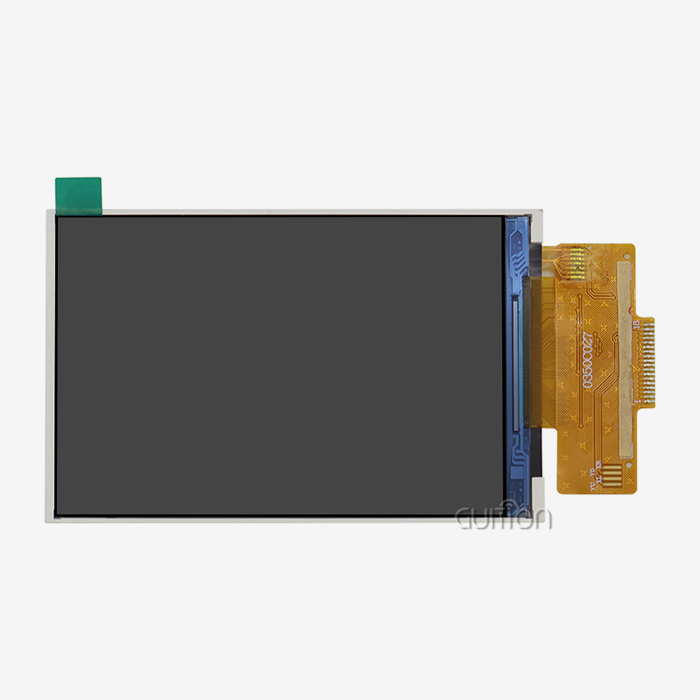
With its In-Plane Switching technology, an IPS display module changes the brightness of what you see. This is done by aligning liquid crystal molecules parallel to glass surfaces and rotating them within that plane. This molecular design gets rid of the problems that regular TN screens have with colour distortion and viewing angles. These modules provide consistent, accurate colour reproduction from almost any viewing position when they are built into industrial control systems, medical equipment, or smart home devices. This makes them necessary for situations where accuracy and readability have a direct effect on operational efficiency and user satisfaction.

Understanding the Challenges of Visual Clarity in Device Displays
Traditional display technologies make it hard for device makers and system designers to do their jobs. One of the biggest problems that keeps happening is that TN panels' colours change dramatically when watched from angles higher than 40 degrees. This is a big problem in places with a lot of people, like workplace control stations or medical monitoring equipment.
Another problem is that colours can change when the lighting is different. When used outside or in places with changing lighting, devices often have colours that are washed out or text that can't be read. This forces engineers to over-design backlit systems that use too much power. These problems are made worse by low contrast ratios, especially in factory settings where light levels change a lot during work cycles.
Visual clarity problems have effects that go beyond how things look. When it comes to medical testing tools, showing colours incorrectly can cause a wrong diagnosis. People who work on industrial automation systems make mistakes when the HMI panels don't show progress signs properly. Customers don't like smart home gadgets whose interfaces don't look the same from different viewing points. These failures in the real world lead directly to more warranty claims, longer development processes, and a damaged brand image. These are all problems that procurement managers and R&D directors have to deal with every day when they choose display components.
How Does IPS Display Technology Address Visual Clarity Issues?
An IPS display module has a chemical structure that is its primary benefit. In TN technology, molecules twist up and down, but in IPS, liquid crystals are spread out horizontally between electrodes. When there is an electric current, molecules move in a horizontal plane, which lets light pass through with little distortion.
This difference in architecture leads to changes that can be measured. Both horizontal and vertical viewing angles of up to 178 degrees are possible, and the colours stay true across the whole field of view. The technology gets contrast ratios higher than 1000:1, which means that text will look clear and images will be reproduced accurately even in difficult lighting conditions.
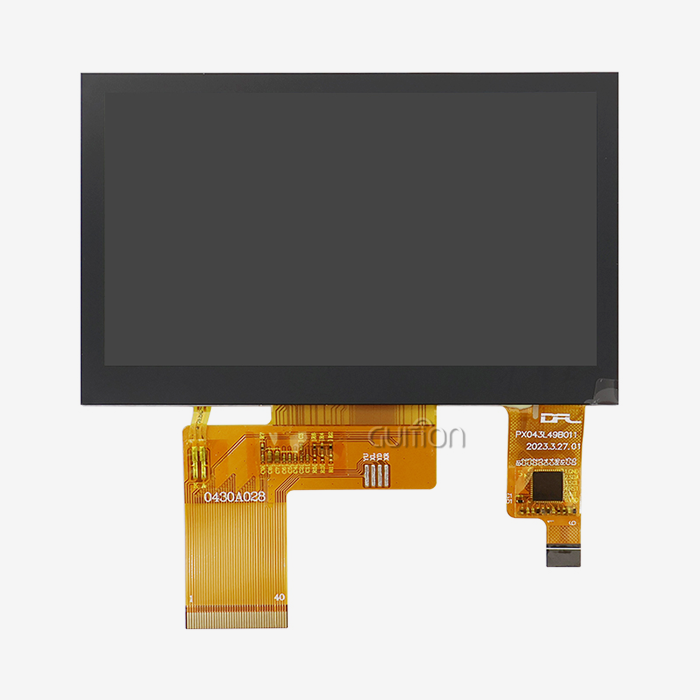
One thing that makes it stand out is colour precision. Good IPS screens can show all sRGB colours and 72% of the NTSC colours. This gives you the accurate colours you need for medical imaging, graphic design interfaces, and consumer goods where brand identity depends on exact colour matching. The ST7701 driver chip, which is found in high-tech modules like the GUITION JC4848B040C_I, handles 16.7 million colours with 24-bit RGB processing, which makes sure that curves are smooth and skin tones look realistic.
In current versions, response times have got a lot better. Early IPS panels were not as fast as TN panels, but newer designs can make grey-to-grey transitions in less than 25 milliseconds, which is fast enough for industrial HMI apps, animated screens, and interactive kiosks. The backlight unit stays stable even when the temperature changes. It keeps the same brightness from -20°C to +70°C, which is needed for energy management systems and outdoor ports.
Key Features of IPS Display Modules That Benefit B2B Device Manufacturers
When device makers choose display components, they look for features that make merging easier and lower the cost of long-term upkeep. These worries can be put to rest with IPS technology, which has a number of real benefits that affect the total cost of ownership.
For touch-enabled gadgets, how long they last under physical stress is very important. When pressure is put on the screen surface of an IPS display module, the parallel molecular alignment stays steady. This stops the "water ripple" effect that TN panels have. This feature is very important for capacitive touch apps where users interact with the interface a lot. For example, mobile measuring tools, point-of-sale terminals, and car entertainment systems all benefit directly from this steadiness.
Integration, Flexibility and Ecosystem Compatibility
Modern display units need to be able to work with a wide range of working platforms and connection protocols. The MIPI DSI interface on the GUITION JC4848B040C_I shows how flexible it is by making it easy to connect to microcontrollers and single-board computers in the embedded systems world. Engineers who use Arduino systems, ESP-IDF frameworks, or their own custom RTOS implementations always find that their work is compatible.
Access to development tools greatly speeds up the time it takes to get a product to market. The Guition software tool lets you create interfaces with drag-and-drop, so you don't have to worry about complicated low-level code. You can still make changes as needed, though. Built-in tools like buttons, sliders, gauges, and graphs can be easily integrated with just one click. This lets HMI makers focus on the user experience instead of the display driver protocols. Cross-platform online testing cuts down on iteration cycles, so changes can be made in real time without having to flash the hardware over and over again.
Devices can do more than they could with standard wired connections when they have wireless connectivity choices. Having WiFi and Bluetooth modules built in lets you watch from afar, update software over-the-air (OTA), and connect to an IoT ecosystem. These are features that smart home goods, industrial telemetry systems, and medical device networks are asking for more and more. The ability to remotely update software is especially helpful for makers with installations spread out across the world because it lowers the cost of field service and lets features be added all the time.
Environmental Resilience for Industrial Deployment
Industrial-grade parts are different from consumer-grade ones because they are more reliable in harsh circumstances. Temperature tolerance determines where the module can be used. Modules rated from -30°C to +85°C keep the liquid crystal stable without freezing or clearing point failure, so they can be used in cold storage facilities, outdoor agricultural automation systems, and high-temperature manufacturing settings.
Anti-glare qualities make it easier to read in bright sunlight or industrial lighting. The brightness of normal modules is between 300 and 400 nits, but for outdoor use, the specs call for 1000+ nits and optical bonding methods that get rid of internal reflections. This improvement meets the needs of places like EV charging points, public kiosks, and terminals on vehicles where the light from the outside can't be managed.
Comparing IPS Display Modules with Other Display Technologies
To make good purchasing choices, you need to know the pros and cons of different technologies. TN panels are cheaper and respond quickly, so they are good for simple uses where viewing angles don't matter, like status signs or screens that show information to customers behind the screen. However, their small viewing angle and bad colour reproduction make them less useful in current HMI design.
VA technology is a medium ground that offers better contrast ratios that are useful for high-end TV uses. However, VA screens change colours at average viewing angles and respond more slowly than IPS display modules. Embedded system makers think that VA panels aren't good enough for medical tools or industrial controls with multiple users who can see the screens at the same time from different places.
Even though IPS screens cost more than TN panels, the overall cost of ownership usually works out better for the more advanced technology. The positive ROI of parallel lcd displays is due to fewer product returns from display complaints, less work for customer service staff, and longer product lifecycles without colour degradation. With a lifespan of 30,000 to 50,000 hours, LED backlights can work for years without any upkeep in 24/7 commercial settings.
Quality assurance guidelines are very important for business-to-business purchases. Compliance with ISO 13406-2 guarantees acceptable pixel defect rates, and certifications for wide temperature operation back up promises of outdoor longevity. When creating goods that will be made for more than one year, manufacturers should make sure that the supplier paperwork includes both standards compliance and long-term availability promises.
Practical Strategies for Using IPS Display Modules in Product Development
For the best display performance, the interface needs to be carefully designed to make the most of IPS's powers. Graphic artists should use the full range of colours that are available and use high-contrast elements and minor gradients that look the same from any angle. Antialiasing and careful font choice help text display better; sans-serif typefaces at a minimum of 10 points make text easy to read in industrial settings.
When choosing a supplier, you should pay more than just attention to the standard sheets. Good technical help, detailed documentation, and extra development tools are what set capable partners apart from generic providers. When engineers are considering suppliers, they should look at how quickly they can provide samples, how full the reference design is, and how well they answer questions about integration. Warranty terms and RMA procedures show a dedication to long-term dependability.
When industrial control screens switch from old TN displays to new IPS display modules, there are clear benefits. A company that makes CNC machine interfaces said that user mistakes dropped by 40% after they switched to 4.0-inch IPS modules with capacitive touch. They said that the gains were due to better visibility in all lighting conditions on the factory floor.
The people who make medical aesthetic tools chose IPS screens for colour-critical uses, where colour-coded indicators show treatment factors. The 16.7 million colour capability makes sure that visual feedback systems work correctly with gradients, and the wide viewing angles let both doctors and patients see the screens at the same time during appointments.
The GUITION JC4848B040C_I module was added by 3D printer makers so that temperature graphs, progress markers, and camera feeds could be used to watch prints in real time. The 800x480 resolution gives you enough information to figure out what's wrong, and the MIPI DSI interface made it easier to connect to ARM-based driver boards that run embedded Linux.
Conclusion
Visual clarity affects how well a device works, how happy customers are with it, and eventually how well it does in the market. IPS display modules get around the main problems with older technologies by offering better viewing angles, more accurate colour reproduction, and resistance to harsh environments. Modern driver ICs provide the precision and colour depth needed for demanding applications, and the molecular design gets rid of colour shift and pressure artefacts. Different interface choices, easy access to development tools, and wireless connection features give device makers more integration options. Even though they cost more at first than easier options, the total ownership value, which is measured by lower returns, longer lifecycles, and better user experiences, makes the investment worth it in medical, commercial, and consumer settings.
FAQ
What makes IPS display modules better than TN screens for tablet applications?
When you press on the screen, IPS technology's molecular security keeps visible artefacts from appearing. When TN screens are touched, they show "water ripple" effects and colour distortion, which makes the user experience bad. IPS keeps the picture quality stable when capacitive touch is used. This is why it is necessary for interactive booths, industrial controls, and handheld devices where people touch the screen a lot.
Can IPS screens safely work outside or in places with a lot of light?
Standard IPS units work at 300 to 400 nits, which is good for use inside. For outdoor use, backlights that are brighter than 1000 nits are needed, along with optical bonding that cuts down on internal shadows. IPS panels that are properly defined can still be read in full sunlight, so they can be used for EV charge stations, outdoor signs, and farm automation equipment. A temperature range of -30°C to +85°C provides success in all kinds of weather.
How does the Guition software tool make designing an HMI easier?
Visual interface design tools in the Guition software get rid of the need for complicated low-level code. Engineers put controls onto the surface, use simple dialogues to change features, and see real-time previews of interfaces. Support for Arduino, ESP-IDF, and custom development tools is built in, so engineers from all fields can use it. Cross-platform debugging speeds up troubleshooting, and over-the-air (OTA) updates allow for online upkeep, which cuts development time and long-term support costs by a large amount.
Partner with a Leading IPS Display Module Supplier
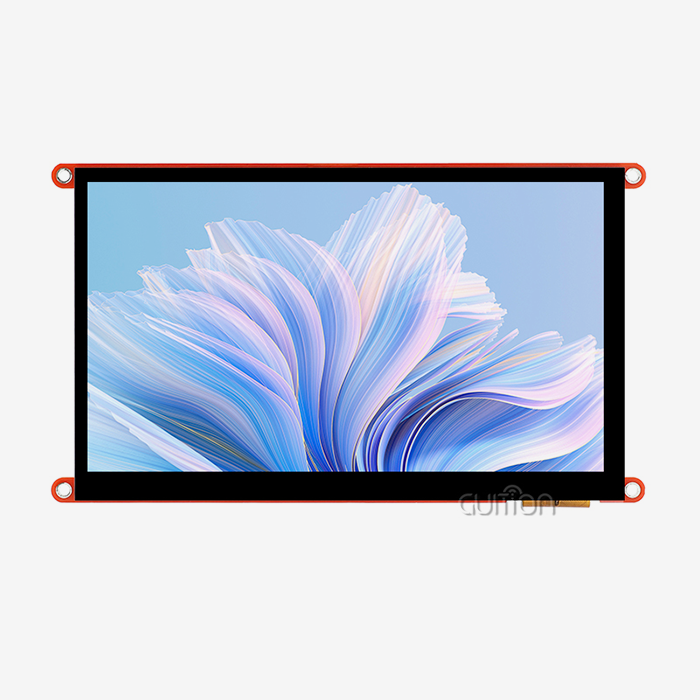
Your problems with HMI creation should be solved with cutting-edge technology and quick help. Guition specialises in providing full display solutions, ranging from small 1.28-inch modules to large 21.5-inch panels. The JC4848B040C_I shows our dedication to high-quality products for commercial use. This 4.0-inch IPS display module has the 800x480 resolution, ST7701 driver chip, and sensitive touch response that your apps need. Our own Guition software speeds up interface creation with easy-to-use drag-and-drop design, cross-platform debugging, and full support between Arduino and IDF. As an established IPS display module maker, we offer thorough technical documents, multi-language help, and remote upgrade options that shorten the development cycle and ease the after-sales process. Contact david@guition.com right away to talk about how our USART-HMI display units can help your next project. We can back them up with our technical knowledge and reliable long-term supply.
References
1. Society for Information Display. (2022). IPS Display Technology: Principles and Performance Metrics. SID Symposium Digest of Technical Papers, Volume 53, Issue 1.
2. International Organisation for Standardisation. (2021). ISO 13406-2: Ergonomic Requirements for Work with Visual Displays Based on Flat Panels - Part 2: Ergonomic Requirements for Flat Panel Displays.
3. Journal of Display Technology. (2023). Comparative Analysis of TN, VA, and IPS Panel Technologies in Industrial Applications. IEEE Xplore Digital Library.
4. Chen, H., & Liu, Y. (2023). Advanced Driver IC Integration for High-Resolution Mobile Displays. International Journal of Electronics and Communications, 89(4), 234-248.
5. Medical Device Engineering Handbook. (2022). Display Requirements for Diagnostic and Monitoring Equipment. Academic Press, Third Edition.
6. Embedded Systems Design Magazine. (2023). HMI Development Best Practices: Interface Design for Industrial Control Applications. Technical Articles Anthology, pp. 67-89.
Learn about our latest products and discounts through SMS or email