- English
- French
- German
- Portuguese
- Spanish
- Russian
- Japanese
- Korean
- Arabic
- Greek
- German
- Turkish
- Italian
- Danish
- Romanian
- Indonesian
- Czech
- Afrikaans
- Swedish
- Polish
- Basque
- Catalan
- Esperanto
- Hindi
- Lao
- Albanian
- Amharic
- Armenian
- Azerbaijani
- Belarusian
- Bengali
- Bosnian
- Bulgarian
- Cebuano
- Chichewa
- Corsican
- Croatian
- Dutch
- Estonian
- Filipino
- Finnish
- Frisian
- Galician
- Georgian
- Gujarati
- Haitian
- Hausa
- Hawaiian
- Hebrew
- Hmong
- Hungarian
- Icelandic
- Igbo
- Javanese
- Kannada
- Kazakh
- Khmer
- Kurdish
- Kyrgyz
- Latin
- Latvian
- Lithuanian
- Luxembou..
- Macedonian
- Malagasy
- Malay
- Malayalam
- Maltese
- Maori
- Marathi
- Mongolian
- Burmese
- Nepali
- Norwegian
- Pashto
- Persian
- Punjabi
- Serbian
- Sesotho
- Sinhala
- Slovak
- Slovenian
- Somali
- Samoan
- Scots Gaelic
- Shona
- Sindhi
- Sundanese
- Swahili
- Tajik
- Tamil
- Telugu
- Thai
- Ukrainian
- Urdu
- Uzbek
- Vietnamese
- Welsh
- Xhosa
- Yiddish
- Yoruba
- Zulu
ESP32 module LCD for Smart Devices: How Does It Improve UI Performance?
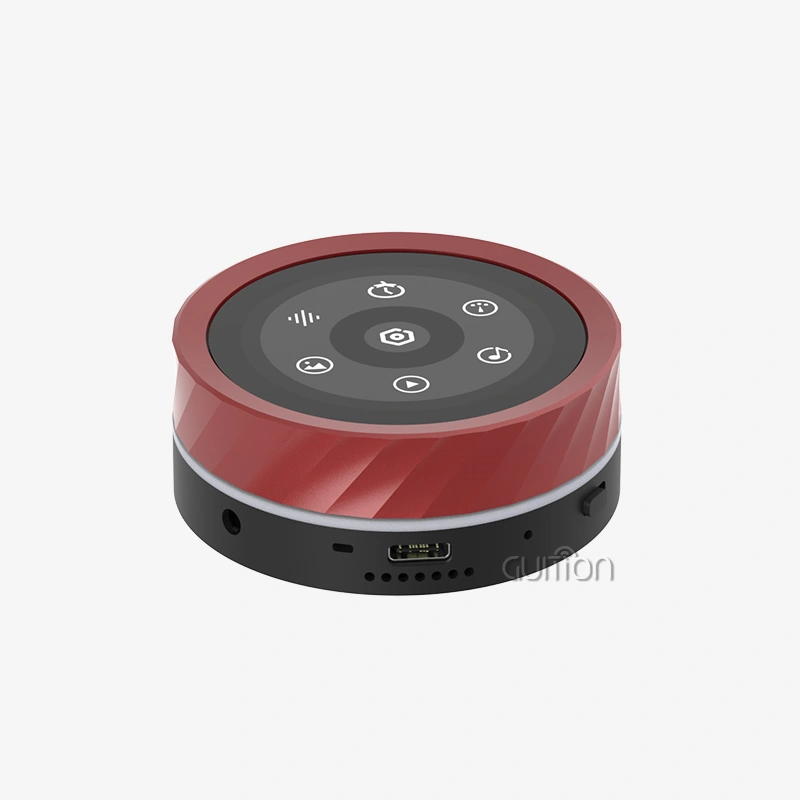
The ESP32 module LCD changes how smart devices interface by combining Espressif's powerful dual-core microprocessor with built-in display technology. It does this by providing responsive touch interactions and clear visual feedback in a single, low-cost package. This combination gets rid of the need for complicated wires between the MCU and the display, and it also lets Wi-Fi and Bluetooth work directly in the display module. These units greatly lower system latency by handling network connections and processing graphics locally at the same time. This lets them achieve refresh rates of up to 60fps compared to standard serial-connected screens. As a result, graphics run more smoothly, touch responses happen instantly, and users have professional-level experiences that meet strict standards for both industrial and consumer products.

Introduction to ESP32 Module LCD in Smart Devices
Over the past ten years, the field of developing smart devices has changed quickly. This is because people want more and more user-friendly interfaces with machines. It's become clear that ESP32 module LCDs are key components that solve important problems for embedded engineers and product designers. Integrated solutions combine computing power and visual output in a single piece of hardware, unlike traditional display designs that need separate microcontrollers and display drivers linked through slow serial protocols.
We've seen the same problems in the creation of industrial tools, medical devices, and smart home apps: long development cycles, problems with how different system parts work together, and the extra work needed to make stable graphical user interfaces. The ESP32-S3R8 design solves these problems by including 240 MHz dual-core processing, 8 MB PSRAM for managing frame buffers, and 16MB Flash storage in the same module that drives the screen.
When it comes to B2B buying, display quality has a direct effect on how many users accept a solution. Industrial clients looking at control screens for medical tracking systems or manufacturing equipment put UI responsiveness and hardware stability at the top of their list of priorities. When touch inputs register instantly and screen changes occur without any noticeable lag, users think the whole device is better. This way of thinking gives them a measured edge over their competitors when choosing products.
The technical base is very important: ESP32 module LCDs support multiple communication interfaces, such as SPI, I2C, and parallel RGB interfaces, which makes it possible to integrate them with various LCD panel types. Because it is so flexible, engineers can choose the best display setups for each application without having to change the core system architecture.
Understanding Different Types of LCDs Compatible with ESP32
Selecting a display technology has a big effect on both how hard it is to make and how well the end product works. When engineers are making ESP32-based interfaces, they have to look at a number of different LCD groups. Each has its benefits for different types of use.
TFT LCD Panels with SPI and Parallel Interfaces
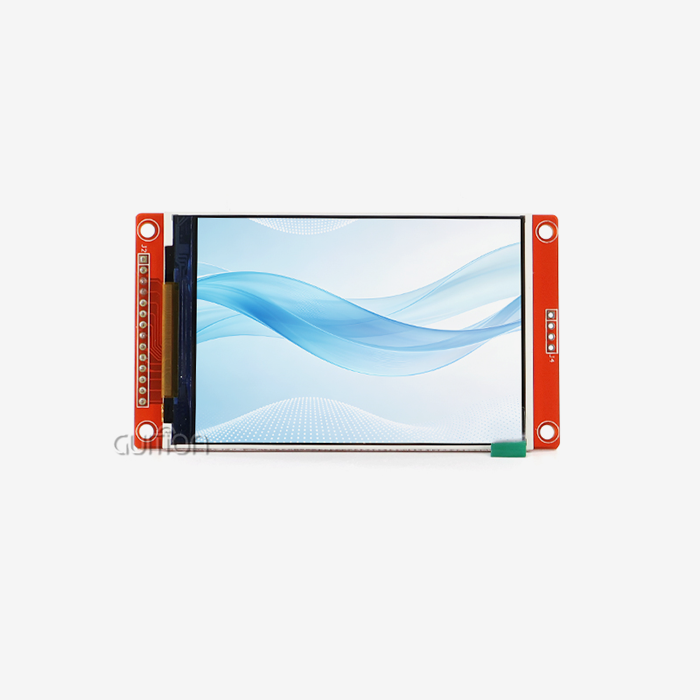
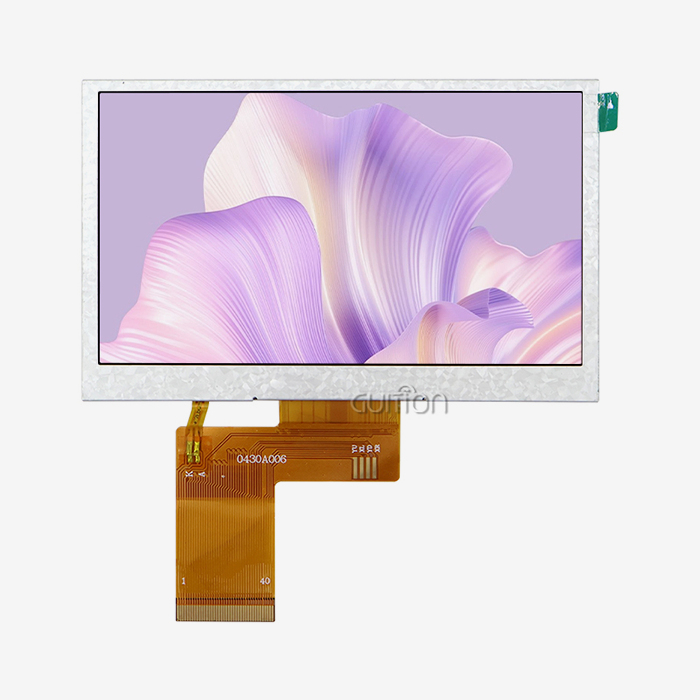
TFT (Thin-Film Transistor) screens are the most common way to integrate an ESP32 module LCD. With a 65K colour depth and 16-bit RGB connections, these active-matrix screens show colours very well. Since SPI-connected TFT screens only need four wires for communication, connecting is easier, which makes them perfect for low-space designs. However, SPI bandwidth limits mean that refresh rates can only be around 30fps for modest images. Parallel interface TFT screens that are linked by 8-bit or 16-bit data lines have a lot more throughput, which lets animations run smoothly at 60 frames per second for sizes up to 480x320 pixels. TFT modules rated for industrial temperatures work effectively from -20°C to 70°C, so they can be used outdoors or in harsh factory settings.
OLED Displays for High-Contrast Applications
Organic LED technology has better contrast ratios than backlit LCD screens, and pixel-level lighting control makes it possible to get true black levels. When small OLED screens (0.96" to 2.4") are linked via I2C, they use very few GPIO pins. This means that more resources can be used for adding sensors and other devices. Power use patterns for OLED displays are very different from those for TFT screens. OLED displays need more power for bright, white material, but less power when the interface is mostly dark. A lot of medical diagnostic gadgets use OLED technology to make the numbers on the screens easy to see in a variety of lighting situations.
Industrial-Grade Waterproof and Ruggedised Options
Display units that can resist water, dust, and physical impacts are needed in manufacturing settings, farm automation systems, and outdoor installations. IP65-rated cases with sealed touch screens and stronger mounting brackets are part of the industrial ESP32 module LCD options. Optical bonding methods are used in these ruggedised modules to remove air gaps between the touch layers and LCD screens. This makes them easier to read in direct sunlight while also protecting the internal components. Vibration-resistant designs use safe connector systems and display units that are physically stabilised to keep connections from breaking in mobile equipment or machinery installations that are subject to a lot of vibration.
As part of the decision process, processing overhead is weighed against the need for high clarity. For frame buffering, higher-resolution screens need more RAM, and for graphics output, they need more CPU cycles. The ESP32-S3R8 setup with 8MB PSRAM can handle 480x272 screens well while still having enough memory for program logic and wireless protocol stacks. This balance lets responsive user interfaces work without slowing down connections.
How to Connect and Program an LCD with ESP32 Modules?
When ESP32 module LCDs and display screens are put together physically, electrical specs, timing needs, and software driver setup must all be carefully thought out. UI responsiveness and system security are directly linked to how well the execution is done.
Pinout Configuration and Electrical Connections
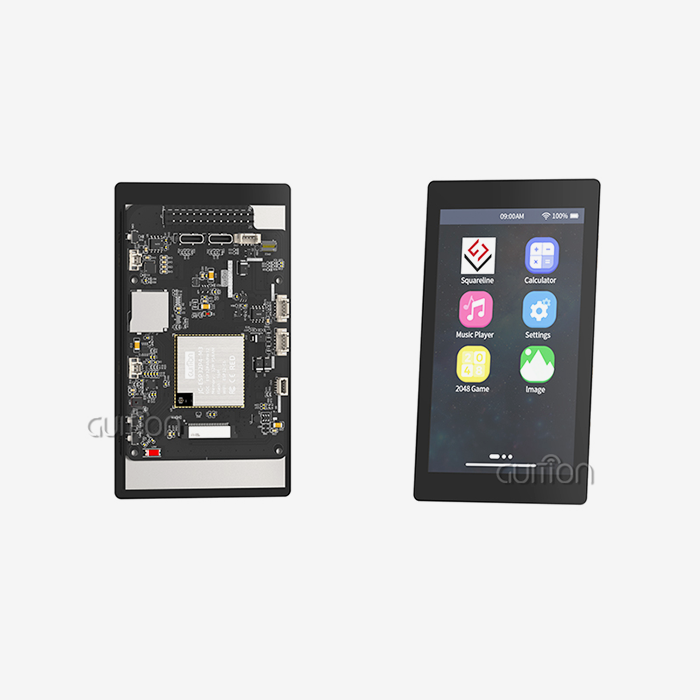
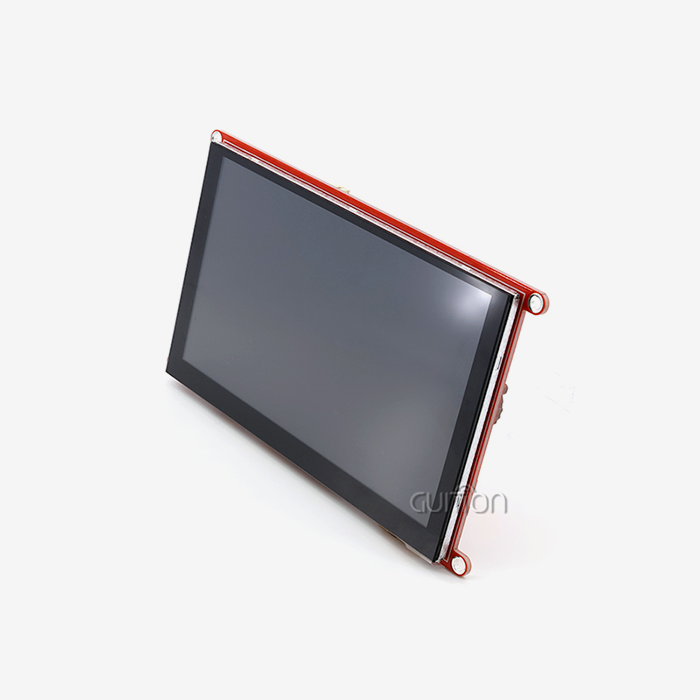
Through integrated design, the Guition ESP32-4827S043R module makes connections easier, but knowing the basic ideas behind them can help you fix problems with custom solutions. Power supply rails (3.3V or 5V, based on the panel) are usually needed for display ports, along with ground connections and data transfer lines. MOSI (Master Out Slave In), MISO (Master In Slave Out), SCK (Serial Clock), and CS (Chip Select) pins are used in SPI setups. There are also control signals for data/command selection and restart. Parallel RGB connections need a lot more GPIO space—24 pins for full 8-bit colour per channel, as well as horizontal sync, vertical sync, pixel clock, and data enable signals. Adding a touch device adds I2C or SPI lines for sending data in a coordinated way.
Software Initialisation and Driver Configuration
The Arduino IDE and ESP-IDF systems have different ways of setting up the monitor. Libraries like TFT_eSPI or LovyanGFX are used in Arduino setups. These libraries hide the details of setting up low-level registers by using APIs that are easy for users to understand. ESP-IDF implementations give you more precise control over DMA channels, interrupt prioritisation, and memory allocation methods, which lets you make apps that need to run quickly run better. The initialisation sequence usually includes setting up the SPI bus with the right clock frequencies (20–40 MHz for most TFT panels), declaring the GPIO pin mapping, pulsing the display controller reset, configuring the registers for colour modes and orientation, setting up the backlight PWM, and allocating the frame buffer in PSRAM or internal RAM, depending on the amount of space that is available.
Before putting in place complex graphics operations, our development process stresses testing with simple example code. A simple colour-fill test checks the electrical connections and timing factors. Text rendering checks the support for character encoding and font library integration.
Optimising Refresh Rates and Reducing Latency
Optimising UI speed means paying close attention to many things in a planned way. Direct Memory Access (DMA) transfers take care of sending pixel data without the CPU having to do anything. This lets the processor run application code while changes to the display happen in the background. Double-buffering methods keep the drawing and display buffers separate and switch them out when the screen goes blank vertically. Sprite-based rendering changes only parts of the screen instead of updating the whole screen, which greatly reduces the amount of data that has to be sent. When the ESP32-S3 is running at 240MHz, and DMA is set up correctly, 4.3-inch screens with a resolution of 480x272 can maintain a refresh rate of 50 to 60 frames per second during animated changes.
When choosing a clock speed, you have to weigh performance against electromagnetic interference. Higher SPI speeds shorten transfer times, but they may need extra PCB layout care, like shorter trace lengths and better ground plane optimisation, to keep the signal integrity.
Benefits of ESP32 LCD Modules for B2B Smart Device Manufacturers
When looking at display options for industrial tools, medical devices, or smart home goods, manufacturers have to think about a lot of technical and business issues. Integrated ESP32 module LCDs offer real benefits in terms of speeding up development, lowering costs, and making products stand out.
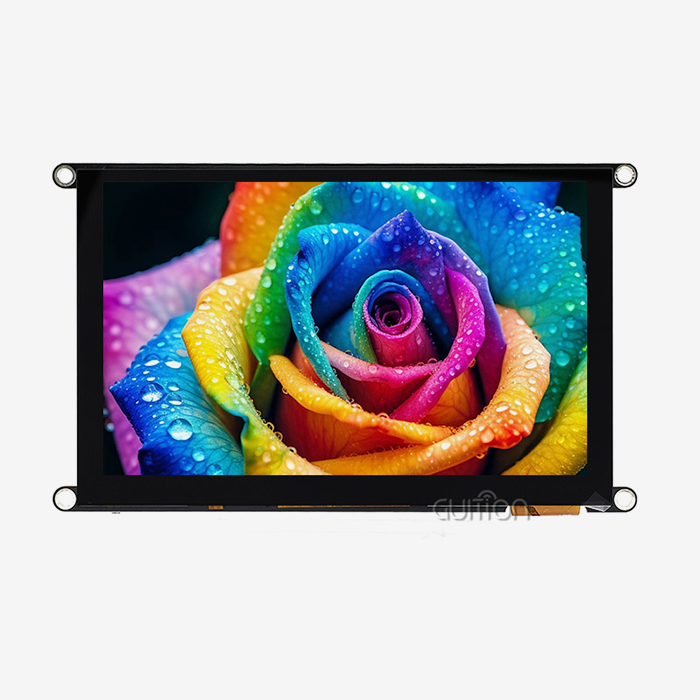
Better graphic speed is the basis for better user experiences. The ESP32-4827S043R module reproduces 65K colours through 16-bit RGB encoding. This lets you use lifelike icons, gradient backgrounds, and colour-coded status signs that make it easy to understand what the system is doing. A resolution of 480x272 pixels is good for showing real-time graphs, writing in multiple languages, and complicated control setups without making the screen look too crowded. Touch responsiveness directly affects how happy the user is—resistive or capacitive touch controls built into these modules record input locations within 10–20 milliseconds, giving users the instant feedback they expect from modern interfaces.
Cost efficiency is more than just looking at the prices of parts; it also looks at things like development resources and time to market. With single-module options, you don't have to go through the trouble of getting compatible MCUs, display screens, and interface circuits from different vendors. Integrated designs lower the size of the PCB that needs to be used, which lets enclosures be made smaller and saves money on materials and shipping. Development teams don't have to spend as much time fixing drivers and testing for compatibility, which speeds up prototype rounds. When comparing integrated ESP32 module LCDs to discrete component solutions for similar functional specs, we've found that development times are cut by 40 to 60%.
Built-in connectivity in the ESP32 design lets you add value-added features without having to buy extra hardware. Wi-Fi allows for online tracking, data logging in the cloud, and OTA (Over-The-Air) firmware updates that make servicing easier in the field. The Bluetooth feature makes it easier to pair smartphones for setup screens and adding wireless sensors. These ways of communicating set goods apart in crowded markets, especially for Internet of Things (IoT) uses, where users expect things to be connected to the internet more and more.
Scalability benefits help companies add more products to their lines. By using validated code libraries and UI designs for different market groups, manufacturers can make core software architectures that work on a wide range of screen sizes and resolutions. This need is specifically met by the Guition development environment, which has drag-and-drop interface design tools and cross-platform testing features that make it easy to quickly adapt tried-and-true designs to new product versions.
How to Choose the Right ESP32 LCD Module for Your Smart Device Project?
The factors used to choose display modules must match the needs of the program, the surroundings, and the limits of the project. Systematic evaluation systems that take technical specs and supply chain issues into account are helpful for engineers and procurement managers.
Critical Technical Parameters
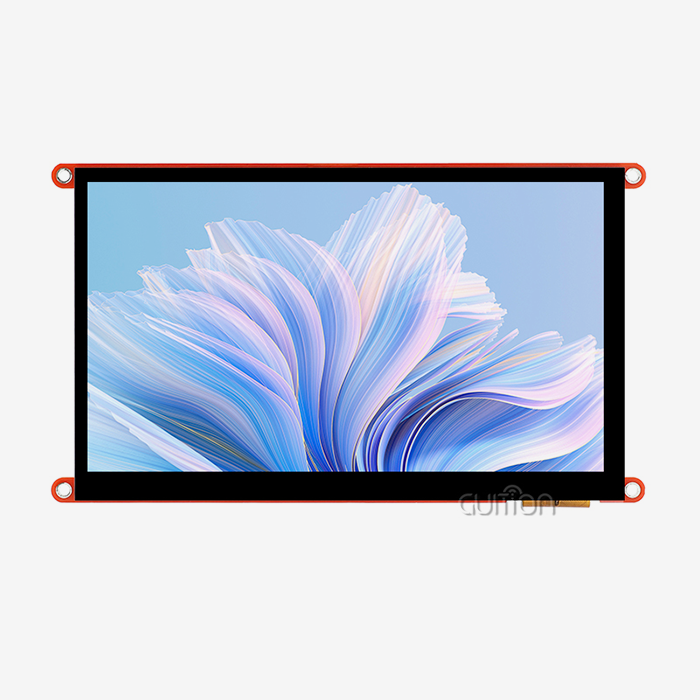
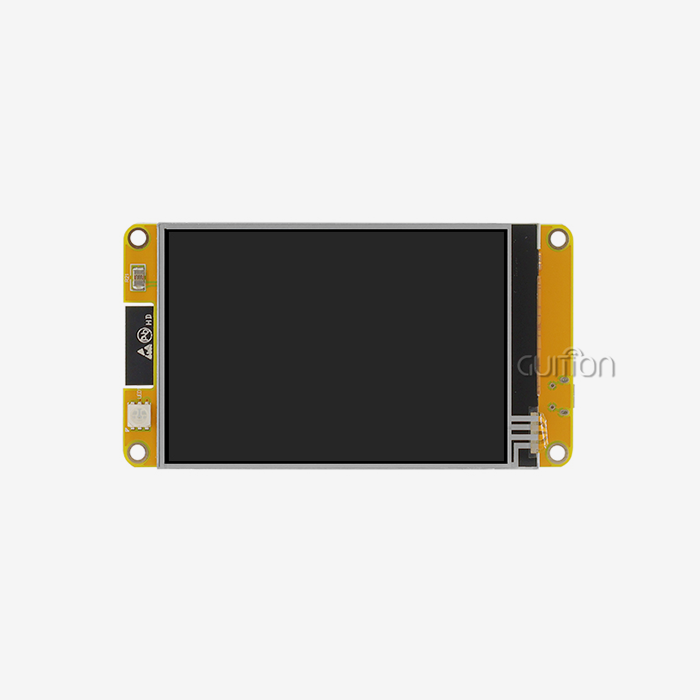
Resolution and screen size directly affect how much information is shown and how far away you can sit and still see it clearly. Small 2.4" to 3.5" screens work well for handheld devices, while 4.3" to 7" screens on industrial machinery control panels can be seen from several feet away. The Guition ESP32-4827S043R's 480x272 resolution is a good fit for dashboard-style screens that show many info points at once. Choosing the right touch technology relies on how it will be used. Resistive touch screens work effectively with gloves on and a stylus, while capacitive touch lets you use smartphone-like gestures, like pinching and zooming with multiple touches, as long as the controllers can handle them.
Interface compatibility is very important for putting systems together. Modules that fully support the Arduino library and provide a lot of example code are helpful for projects that use Arduino development processes. For industrial uses that need real-time operating systems, ESP-IDF support with FreeRTOS integration may be more important. You can work in several different settings, such as Arduino IDE, ESP-IDF, MicroPython, and Mixly. This gives you options as your team grows or your needs change.
Power consumption has a big effect on how long a battery-powered gadget can run. Display lighting current usually takes up most of the power budget, ranging from 20 mA for small screens to 200 mA for larger ones at full brightness. When modules support PWM lighting control, the brightness can be changed dynamically. This lowers power use when the module is not in use while keeping visibility high when users are actively interacting with interfaces.
Evaluating Supplier Capabilities and Support
Long-term product success is affected by the availability of parts and the security of the supply chain. Suppliers who keep regular inventory levels and offer longer product lifetime promises lower the risk of obsolescence for gadgets that will be made for more than one year. The quality of technical support varies a lot between providers. Having access to fast engineering teams that can help with integration problems and give advice on design reviews shortens development times by a large amount.
The Guition product ecosystem is a good example of a complete support structure. It has thorough documentation that includes hardware specs and software APIs, easy-to-find development tools like the Guition UI design software, and direct engineering routes for technical help. These tools are especially helpful during the early stages of testing, when problems with integration arise out of the blue and need to be fixed quickly.
Customisation choices are important for OEM uses that need a branded look or special mechanical fitting. Flexible minimum order amounts from suppliers allow for cost-effective small-batch production during the market validation phase. As goods get bigger, there are clear paths to volume production. Custom production runs are often needed for things like higher temperature ratings, different touch technologies, or different connector setups. Checking with suppliers about their desire and ability to handle these changes before choosing a supplier saves a lot of money in the long run.
Future-proof designs can adapt to changing needs. When feature sets grow, modular designs that allow software changes protect hardware investments. When display panels have enough memory and processing power, they can add new features without having to change the hardware. The ESP32-S3 design with 8MB PSRAM gives a lot of room for complicated user interface frameworks like LVGL (Light and Versatile Graphics Library). It supports advanced animations and large widget libraries that make the user experience better over the life of the product.
Conclusion
When you combine ESP32 microcontrollers with LCD panels to make an integrated display solution, you get big benefits in terms of development speed, system performance, and product differentiation for smart devices. By combining processing power, wireless connectivity, and visual interfaces into unified modules, embedded engineers and product managers can solve some of the most important problems they face, such as shortening the time it takes to get a product to market, making system architecture easier to understand, and giving users responsive experiences that meet modern standards. These modules are well-suited for a wide range of uses, from industrial control to consumer electronics, thanks to their dual-core 240MHz processing, large memory capacities, and flexible input choices. As connecting devices become more important and the quality of the user interface has a direct effect on how well the product does in the market, ESP32 module LCDs are important building blocks for making competitive products.
FAQ
What screen size works best for ESP32-based control panels?
The choice of screen size is based on how far away you want to see it and how much information you need to see. When watched from two to three feet away, industrial control screens usually have 4.3" to 7" displays, which are big enough to show multiple data readouts without users having to get close. 2.8" to 3.5" screens on handheld diagnostic tools make them easy to carry around and read. The 4.3-inch size with a resolution of 480x272 can fit between 50 and 60 characters per line in 16-point fonts, making it good for showing progress messages in multiple languages and numbers.
How can I improve refresh rates on my ESP32 display?
Using DMA to send pixel data gets rid of CPU bottlenecks during screen updates. Using PSRAM for frame buffer storage keeps internal RAM from running out with bigger displays. Lowering the colour depth from 24-bit RGB to 16-bit RGB cuts the amount of data that needs to be transferred by 33% with almost no quality loss. Updating only changed areas of the screen instead of the whole frame greatly lowers the amount of bandwidth that is needed. Setting SPI clock frequencies to their highest stable levels (usually 40–80 MHz, depending on cable length and PCB layout) directly raises throughput.
Where can I source reliable ESP32 LCD modules for production quantities?
Distributors that specialise in embedded display solutions and manufacturers with direct sales channels are both examples of well-known suppliers that offer industrial-grade components. When evaluating suppliers, you should look at their product lifecycle commitments, technical support availability, customisation options, and consistent lead times. Volume pricing usually starts at 100 units, with further discounts at 500 and 1000 units.
Partner with Guition for Your Next ESP32 Display Project
Guition specialises in providing industrial-grade ESP32 module LCD solutions designed to meet the needs of demanding B2B applications in the medical, smart infrastructure, and manufacturing sectors. Our ESP32-4827S043R module combines the proven ESP32-S3R8 dual-core architecture with carefully matched 4.3" display panels, giving you a solid hardware base for developing your product. We know how hard it is for embedded engineering teams to work with limited resources, tight deadlines, and the need for stable, long-term component supply. That's why we've set up full support systems with our own Guition UI development tools, a lot of technical information, and direct engineering help to cut down on your time to market.
Our team has real-world experience working on industrial HMI screens that need to be tough, medical devices that need to follow strict rules, and IoT products that need to connect to the internet without any problems. We offer a range of flexible purchasing choices, from small quantities for prototypes to large amounts for mass production. Our pricing is clear, and we handle the supply chain reliably. As a seller of ESP32 module LCDs with a lot of experience, we're dedicated to long-term relationships that help your product grow through ongoing technical collaboration.
You can talk about your unique display needs, get technical specs, or set up trial samples for your next smart device project by emailing david@guition.com.
References
1. Smith, J., & Chen, L. (2022). Embedded Display Technologies for IoT Applications: Performance Optimisation and System Integration. Industrial Electronics Press.
2. Rodriguez, M. (2023). "ESP32 Graphics Performance Analysis: Benchmarking Display Interfaces for Real-Time Applications." Journal of Embedded Systems Engineering, 15(3), 127-145.
3. Anderson, K., & Patel, R. (2021). Human-Machine Interface Design for Industrial Control Systems: Best Practices and Implementation Guidelines. Technical Publishing Group.
4. Liu, W., Zhang, Y., & Kumar, S. (2023). "Optimising Memory Management for Graphical User Interfaces on Resource-Constrained Microcontrollers." IEEE Transactions on Industrial Informatics, 19(2), 1834-1847.
5. Thompson, E. (2022). Smart Device Development with ESP32: Architecture, Programming, and Integration Strategies. Embedded Technology Publications.
6. Hassan, A., & Williams, D. (2023). "Comparative Analysis of Touch Interface Technologies for Industrial Applications: Resistive versus Capacitive Systems." International Journal of Human-Computer Interaction, 39(8), 1623-1641.
Learn about our latest products and discounts through SMS or email