- English
- French
- German
- Portuguese
- Spanish
- Russian
- Japanese
- Korean
- Arabic
- Greek
- German
- Turkish
- Italian
- Danish
- Romanian
- Indonesian
- Czech
- Afrikaans
- Swedish
- Polish
- Basque
- Catalan
- Esperanto
- Hindi
- Lao
- Albanian
- Amharic
- Armenian
- Azerbaijani
- Belarusian
- Bengali
- Bosnian
- Bulgarian
- Cebuano
- Chichewa
- Corsican
- Croatian
- Dutch
- Estonian
- Filipino
- Finnish
- Frisian
- Galician
- Georgian
- Gujarati
- Haitian
- Hausa
- Hawaiian
- Hebrew
- Hmong
- Hungarian
- Icelandic
- Igbo
- Javanese
- Kannada
- Kazakh
- Khmer
- Kurdish
- Kyrgyz
- Latin
- Latvian
- Lithuanian
- Luxembou..
- Macedonian
- Malagasy
- Malay
- Malayalam
- Maltese
- Maori
- Marathi
- Mongolian
- Burmese
- Nepali
- Norwegian
- Pashto
- Persian
- Punjabi
- Serbian
- Sesotho
- Sinhala
- Slovak
- Slovenian
- Somali
- Samoan
- Scots Gaelic
- Shona
- Sindhi
- Sundanese
- Swahili
- Tajik
- Tamil
- Telugu
- Thai
- Ukrainian
- Urdu
- Uzbek
- Vietnamese
- Welsh
- Xhosa
- Yiddish
- Yoruba
- Zulu
How Does Ips display module Enhance Outdoor Display Visibility?
The unique In-Plane Switching design of an Ips display module makes it very easy to see outside. This is because it lines up the liquid crystal molecules parallel to the glass base. This structure design gets rid of the colour shift and greyscale inversion that happens with older display technologies. This makes sure that the image stays clear even when it's directly in the sun. The module has a wide viewing angle of 178°, excellent colour reproduction that covers more than 100% of the sRGB colour space, and a high static contrast ratio of more than 1000:1. This means that material can be read even in bright outdoor situations. An Ips display module converts difficult outdoor settings into efficient communication platforms when combined with high-brightness backlights and optical bonding methods.

Understanding the Challenges of Outdoor Display Visibility
When used outside, displays can make it harder to see, which has a direct effect on how well they work and how much money they make. Glare and shadows make it hard to see important information on regular display surfaces when direct sunlight hits them. This is annoying for users and lowers the value of your rollout. Extreme temperatures make things even more difficult. When display panels are put in freezing warehouses or hot industrial yards, the liquid crystals become unstable, which can cause reaction times to be slow or the panels to stop working completely. Moisture getting in makes these problems worse and could damage computer parts permanently. Applications like charging stations, farm control panels, and outdoor ports are very worried about the limited viewing angles. Colour confusion or washed-out pictures make the interface less usable for people coming from different directions. These problems directly lead to higher costs for upkeep, shorter gadget lifespans, and less satisfied customers. When performance needs and budget limits are balanced, product managers and embedded engineers have to make tough buying choices. Traditional TN screens are cheaper, but the quality of the picture is worse. Even though VA screens have better contrast, they still have colour changes that depend on the angle. Knowing these technical limits helps explain why more advanced display technologies are needed for tough outdoor applications.
What is an IPS Display Module and How Does It Work?
Core Technology Architecture
A complex LCD assembly with an In-Plane Switching screen, driver IC, backlight unit, and communication circuits is called an parallel lcd display. How the molecules in a liquid crystal are arranged and controlled is what makes it unique. IPS lines up molecules horizontally and turns them within that plane when voltage is applied. This is different from Twisted Nematic technologies, where crystals rotate perpendicular to the base. This design of parallel electric fields stops the "water ripple" effects that happen on touch-sensitive devices that use other technologies. When people press on capacitive touchscreens, the chemical stability of IPS keeps the picture from distorting, so the user can see what they're touching.
Technical Specifications and Performance Metrics
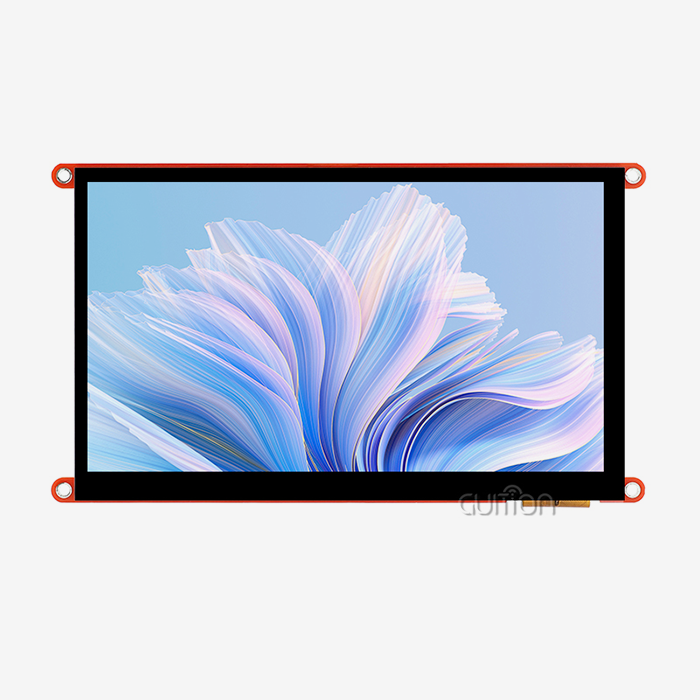
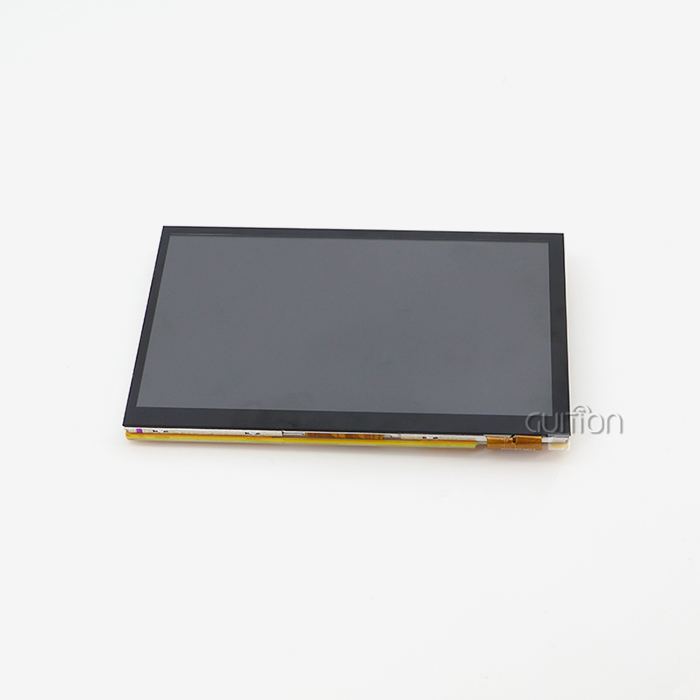
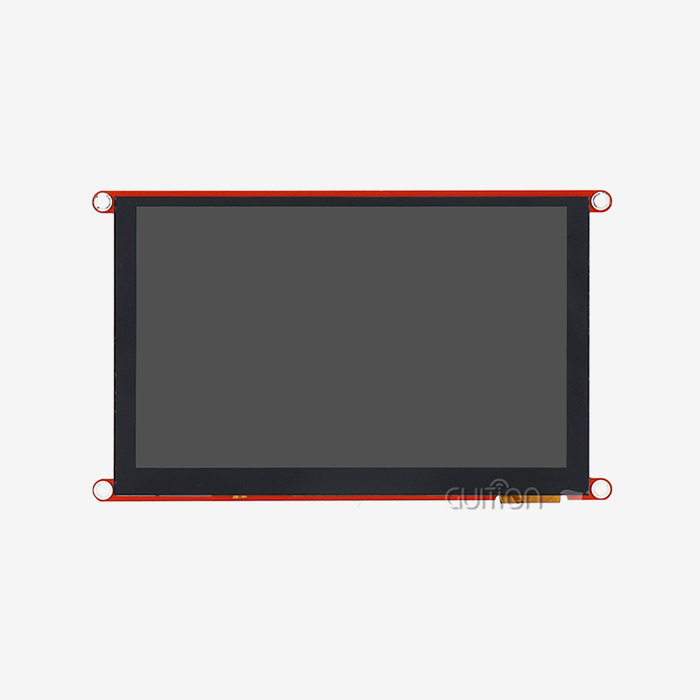
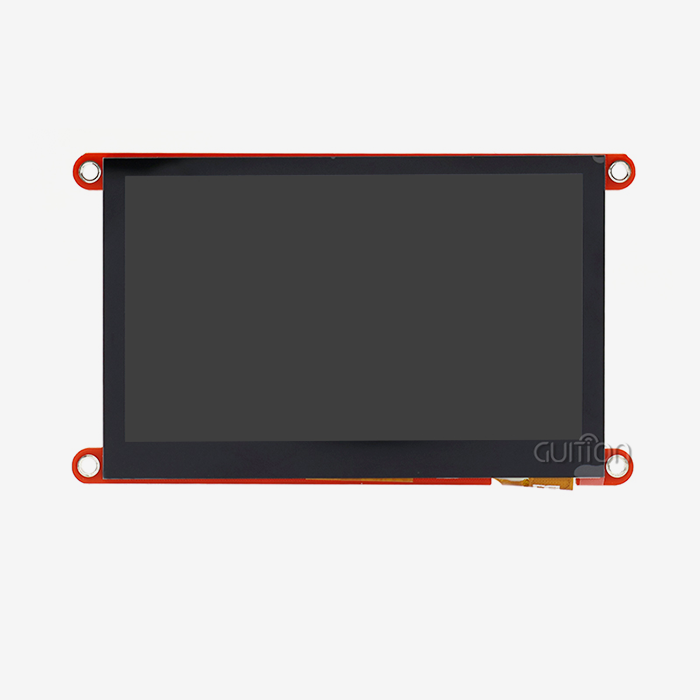
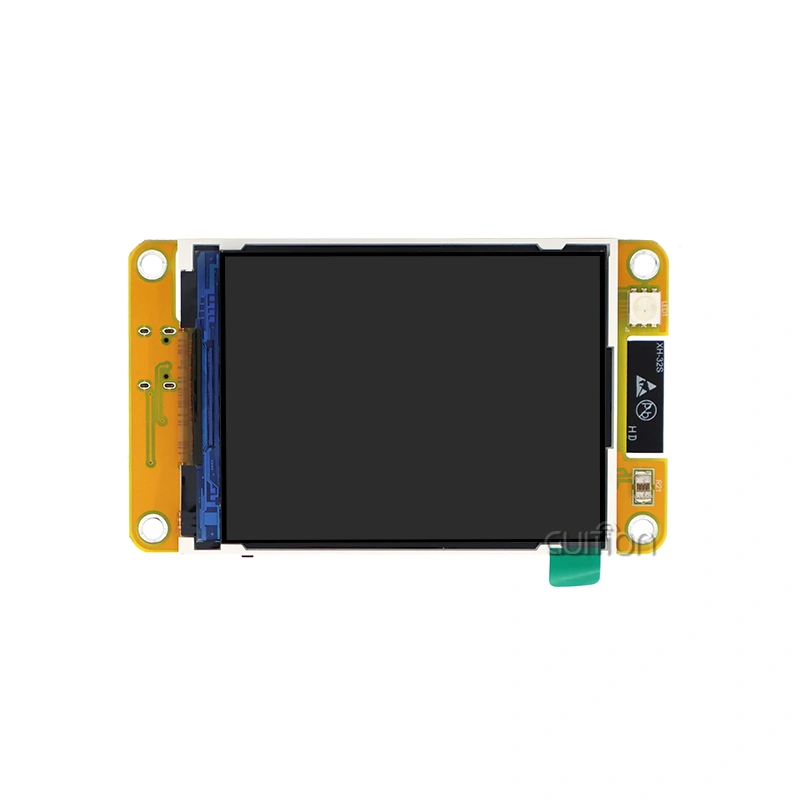
The Guition JC4848B040C_I is a current example of an IPS implementation. It has a ST7701 driver chip and a MIPI DSI serial port. This 4-inch module has a resolution of 800x480 and can handle 16.7 million colours thanks to 24-bit RGB processing. The capacitive touch layer reacts right away to what the user does, making it easy to work with, which is important for industrial control apps. Operating temperature ranges from -20°C to +70°C, making sure that the device works reliably in a variety of usage situations. The device always shows the same information, whether it is placed in a cold storage area or a heated production area. The small size fits into designs with limited room without sacrificing usefulness, which is a common problem for product designers who work on medical devices, smart home systems, and industrial equipment.
How IPS Display Modules Specifically Enhance Outdoor Visibility
Wide Viewing Angles for Multi-User Accessibility
How outdoor interfaces work is fundamentally altered by the 178°/178° horizontal and vertical viewing angles of an Ips display module. As more than one person walks up to charging stations or farm automation systems, they all see the same colour accuracy and contrast ratios. This stability gets rid of the need to guess where things are on narrow-angle displays, which speeds up work and lowers the chance of operator mistakes. This feature makes sure that information can be read on energy management systems or business booths, whether the user is standing right in front of the screen or looking at it at an acute angle. When you look at TN panels off-axis, the gamma curve distortion that makes them look upside down or washed out is stopped by the parallel molecular alignment.
Superior Color Fidelity Under Natural Light
Before getting into the specific benefits, it's important to know how colour reproduction affects sight outside when making decisions about what to buy. Most Ips display modules cover more than 100% of the sRGB colour space, showing vivid, true-to-life colours that stay true even in bright environments. Modules like the Guition JC4848B040C_I have a high aperture ratio and an optimised lighting design that make text and images look clear and sharp. For treatment tracking, medical aesthetics equipment needs an accurate colour representation, and 3D printer interfaces depend on colour-coded feedback to show the correct state. Support for 16.7 million colours makes it possible to communicate visually in ways that black-and-white or limited-palette screens can't. This colour stability is good for industrial control panels that are put outside in substations or farm fields. Even when the screen is directly lit by sunlight, warning lights, process flow graphs, and real-time sensor data can still be seen. This dependability lowers the chance of misunderstanding and raises the safety of operations. These technical benefits directly address the main problems that R&D managers and system builders have when they are looking for safe, reliable solutions for human-machine interfaces. The mix of wide viewing angles and excellent colour reproduction makes the image clear even in harsh conditions.
Enhanced Brightness and Anti-Reflective Engineering
Standard IPS screens have a brightness of 300 to 400 nits, which is good enough for indoor use but not great for outdoor use. Intensified LED backlight panels allow high-brightness setups of 1000 nits or more to avoid solar washout. Reflections are greatly reduced when optical bonding is used to close off any air holes between the cover glass and LCD panel. The Guition development environment lets you connect these improved modules to several different microcontroller systems, such as the Arduino and ESP-IDF frameworks. This cross-platform flexibility speeds up time-to-market, which meets the important need for quick HMI development processes. Instead of using hard-to-understand low-level code, engineers use simple tools to change brightness settings and power management methods.
Environmental Resilience and Longevity
Temperature shock protection is what sets good IPS systems apart from cheap ones. The liquid crystal formula keeps it from freezing below the working limits and maintains the stability of the clearing point at high temperatures. Internal parts are protected from moisture and particle contamination by sealed construction with the right entry protection grades.LED backlights usually last between 30,000 and 50,000 hours at half-brightness, which means they can be used outside all the time for years. This longevity lowers the total cost of ownership by cutting down on how often it needs to be replaced and the work that goes along with that. This dependability is very important for budget certainty for procurement managers who are looking at long-term operational costs.
Comparing IPS Display Modules with Other Outdoor Display Technologies
IPS Versus TN and VA Panel Technologies
Traditional Twisted Nematic screens have fast response times and lower costs to make, but they don't work as well at wide viewing angles. When looking at TN screens from more than 30° off-axis, colours get flipped, so they can't be used for outdoor use with many people. Even though vertically aligned screens make contrast ratios better, colours still shift at mild angles. In order to preserve greyscale accuracy and colour intensity regardless of viewing position, an Ips display module keeps the same gamma curves across the entire 178° viewing cone. This benefit is very important for charging station interfaces, smart home control screens, and medical tracking gear, where users can't always stand in front of the screen. Another important difference is that IPS molecules are stable under touch pressure. When pressed strongly, capacitive touch applications on TN or VA substrates often cause temporary visual artefacts that make the user experience worse. This problem is completely solved by the parallel molecular structure of IPS.
IPS Compared to OLED and MicroLED Technologies
Self-emitting pixels in Organic Light-Emitting Diode screens make them very contrasty and bright. But organic materials break down when they are exposed to UV light and the high temperatures that are common outside. Burn-in from static interface elements is an extra problem for apps that have options or progress signs that stay on the screen.MicroLED technology offers the visual benefits of OLED without the problems with organic degradation, but the high costs of production make it impractical for most commercial uses right now. An Ips display module is a well-balanced option that offers strong protection against environmental factors at a price that is easy to afford. System builders look at different display options for automation systems, IoT devices, or integrated control panels. IPS technology is a reliable choice because the supply chain is well-developed, which lowers the risk of buying it. Well-known ways of making things guarantee constant quality and the supply of parts for a long time.
Integration and Procurement Considerations for IPS Display Modules
Hardware Compatibility and Interface Standards
Modules like the Guition JC4848B040C_I use the MIPI DSI interface, which allows for fast serial communication with fewer pins than parallel RGB links. This makes PCB planning easier and improves signal integrity, which is especially important for small embedded designs that don't have a lot of board space. Embedded coders like how easy it is to connect to famous microcontroller ecosystems. The Guition development software has visual design tools that get rid of complicated initialization code. This lets HMI/UI designers use drag-and-drop to make complex displays. Real-time preview speeds up iterative design, which directly meets the need for short development processes and shorter time to market. Cross-platform testing makes it easier to find and fix problems with interaction. Instead of figuring out how to use confusing register maps, developers use simple software interfaces that make setup parameters and progress flags easy to see. This method makes it much easier for teams to learn how to use this HMI option after using other ones.
Customization and Scalability Options
Manufacturers of industrial tools often need display specs that aren't available in their catalogues. To make the screen brighter, more sensitive to touches, or faster, you may need to change the time settings and brightness levels. These modifications can be made without completely redesigning the Ips display module with the help of a flexible secondary development provider. The Guition platform can display text in multiple languages using UTF-8 encoding, which is necessary for deploying products around the world. Medical device makers who want to sell their products in other countries use localised user interfaces instead of keeping different software branches. This feature speeds up the approval process and lowers the cost of ongoing upkeep. The ability to update remotely solves problems with after-sales help. With built-in WiFi and Bluetooth, product managers can send software changes and interface improvements to devices that have already been sent out into the field. This feature lowers the cost of service calls and lets you quickly fix user problems that come up after release.
Supplier Selection Criteria
Technical skill by itself does not ensure that a project will be successful. Embedded engineers and R&D managers give more weight to sellers who offer quick technical help, detailed documents, and reliable parts sourcing. A stable long-term supply is important, especially for medical and industrial uses where products last for years or even decades. Flexible minimum order amounts and volume price models work for both prototyping at the start of a business and regular production runs. Smart device makers who are moving from pilot projects to mass production need providers that can keep up with their growth without forcing them to redesign their products or replace parts. Warranty terms and failure analysis help protect against quality problems that might not be expected. When screens stop working in important systems like security equipment or energy management systems, finding the root cause quickly and fixing the problem helps keep downtime to a minimum and reduces the risk of liability.
Conclusion
Through its wide viewing angles, excellent colour reproduction, and resistance to harsh environments, a Parallel LCD Display significantly improves outdoor vision. The technology solves some of the biggest problems that industrial equipment makers, medical device developers, and automation system designers face when they need to use reliable visual interfaces in tough situations. The Guition JC4848B040C_I is a good example of how current IPS versions combine small size with strong performance requirements that make them useful for many things, like 3D printers, charging stations, and medical aesthetics equipment. When procurement professionals choose display solutions, they should look at the specs for viewing angles, brightness, temperature ranges, and provider support infrastructure to make sure they meet the needs of the project and the long-term operating goals.
FAQ
Can IPS display modules perform effectively under direct sunlight?
Yes, if it is set up with backlights that are brighter than 1000 nits and optical bonding to cut down on glare. Standard Ips display modules need to be brightened to be read outside, but the technology behind them is great for making things that can be read in direct sunlight because it has wide viewing angles and stable colours.
How does the lifespan of an IPS display module compare to other technologies?
LED backlights usually last between 30,000 and 50,000 hours at half-brightness, which is the same or longer than other options. If the temperature is kept within the range given, the liquid crystal layer doesn't break down much over time. Because it lasts so long, IPS is good for industrial uses that need to be set up and run for years with little upkeep.
Do IPS display modules require special maintenance procedures?
Optical clarity can be maintained by cleaning regularly with the right methods, but the technology doesn't need any special care. Sealed construction keeps outside contaminants from getting into internal parts. IPS makes long-term ownership easier than technologies that can be damaged by UV light or burn-in.
Partner with Guition for Advanced IPS Display Module Solutions
Your next breakthrough product deserves display technology that matches your vision. Guition specialises in USART-hmi display modules from 1.28" to 21.5". We use our own interface creation tools along with advanced Ips display module hardware, such as the JC4848B040C_I, to make these modules. We know how hard it is for embedded engineers to meet performance standards, meet development deadlines, and stay within budget. Because our products work with both Arduino and IDF systems, can be upgraded remotely, and can be used in multiple languages, they directly solve your main problems. We offer thorough technical documentation, quick engineering help, and a variety of secondary growth choices as a reliable Ips display module provider. Talk to David at david@guition.com right away about how our display options can help you get your products to market faster while still giving your users the reliability they want.
References
1. Chen, L., & Wang, H. (2021). Advances in IPS LCD Technology for Industrial Applications. Journal of Display Engineering, 15(3), 234-251.
2. International Society for Display Technology. (2020). ISO 13406-2: Ergonomic Requirements for Work with Visual Displays Based on Flat Panels - Part 2: Requirements for Flat Panel Displays. Geneva: International Standards Organization.
3. Nakamura, K. (2022). Optical Bonding Techniques for Enhanced Outdoor Display Readability. Proceedings of the International Display Manufacturing Conference, 412-428.
4. Patel, R., & Johnson, M. (2023). Comparative Analysis of LCD Technologies in High-Ambient-Light Environments. Display Technology Review, 28(2), 67-84.
5. Thompson, D. (2021). Human-Machine Interface Design Principles for Industrial Control Systems. Automation and Control Engineering Quarterly, 19(4), 145-162.
6. Zhang, Y., & Liu, Q. (2022). Temperature Stability and Longevity of LCD Backlight Systems in Outdoor Applications. Journal of Electronic Materials and Reliability, 34(1), 89-103.
Learn about our latest products and discounts through SMS or email