- English
- French
- German
- Portuguese
- Spanish
- Russian
- Japanese
- Korean
- Arabic
- Greek
- German
- Turkish
- Italian
- Danish
- Romanian
- Indonesian
- Czech
- Afrikaans
- Swedish
- Polish
- Basque
- Catalan
- Esperanto
- Hindi
- Lao
- Albanian
- Amharic
- Armenian
- Azerbaijani
- Belarusian
- Bengali
- Bosnian
- Bulgarian
- Cebuano
- Chichewa
- Corsican
- Croatian
- Dutch
- Estonian
- Filipino
- Finnish
- Frisian
- Galician
- Georgian
- Gujarati
- Haitian
- Hausa
- Hawaiian
- Hebrew
- Hmong
- Hungarian
- Icelandic
- Igbo
- Javanese
- Kannada
- Kazakh
- Khmer
- Kurdish
- Kyrgyz
- Latin
- Latvian
- Lithuanian
- Luxembou..
- Macedonian
- Malagasy
- Malay
- Malayalam
- Maltese
- Maori
- Marathi
- Mongolian
- Burmese
- Nepali
- Norwegian
- Pashto
- Persian
- Punjabi
- Serbian
- Sesotho
- Sinhala
- Slovak
- Slovenian
- Somali
- Samoan
- Scots Gaelic
- Shona
- Sindhi
- Sundanese
- Swahili
- Tajik
- Tamil
- Telugu
- Thai
- Ukrainian
- Urdu
- Uzbek
- Vietnamese
- Welsh
- Xhosa
- Yiddish
- Yoruba
- Zulu
How Does Hmi Human Interface Increase HMI Display Module Durability?
When industrial equipment works around the clock in difficult conditions, reliability is what separates reliable systems from ones that break down and cost a lot to fix. An HMI human interface makes the display module last longer by using combined design strategies that deal with hardware robustness, intelligent software optimization, and adaptability to different environments. Instead of viewing display modules as separate parts, smart human-machine interaction design takes into account ways to manage heat, the use of protective coatings, and the stability of communication protocols. All of these things work together to make operational lifespans longer by lowering stress levels that usually lead to premature degradation. With this method, display units are turned from weak connections into strong industrial assets.

Understanding the Durability Challenges of HMI Display Modules
In industrial settings, problems keep coming up that consistently lower monitor performance. Material goes through stages of expanding and contracting when the temperature changes from cold storage rooms to scorching hot furnace floors. When cases are not sealed, humidity can get inside and corrode circuit lines and separate screen layers. Particulate matter, like fine dust in farming machinery or metal chips in machining centers, blocks airflow and damages protective surfaces.
Environmental Stressors Accelerating Display Degradation
Environmental threats are made worse by operational strains. Touching something over and over again wears down resistance layers or sensitive sensors over time. When tools are dropped or equipment hits each other, they can cause mechanical effects that crack display surfaces. Exposure to chemicals in food processing or pharmaceutical plants breaks down polymer layers and adhesive ties. Electrical and thermal loads are secret dangers that destroy longevity. Unstable power sources cause voltage changes that put stress on the control and lighting drivers. Heat buildup in sealed panel mounts speeds up the breakdown of liquid crystals, which causes the feared "blackening effect" where displays become unreadable when they are under a lot of stress. When these pressures build up, they can cause failure modes like broken screens, touch areas that don't work, communication timeouts, and full system lockups. Each of these causes production to stop, which costs thousands of dollars every hour.
Common Failure Patterns in Industrial Settings
When procurement teams look at display options, they need to know how these stresses show up. Most screen cracks are caused by shock fixing that isn't strong enough or bezel security that isn't strong enough. Touch problems are often caused by weather seal fails that let water in. In noisy industrial power settings, communication problems often happen because of poor electrical separation. Through better HMI human interface design decisions, it is possible to target longevity improvements.
Core Principles of HMI Human Interface Design That Improve Durability
The choice of material and the design of protected structures are the first steps in durability engineering. Industrial-grade parts are what make resilient systems work, which is what sets professional tools apart from consumer-grade items that have been reused for industrial use.
Hardware Robustness Through Material Engineering
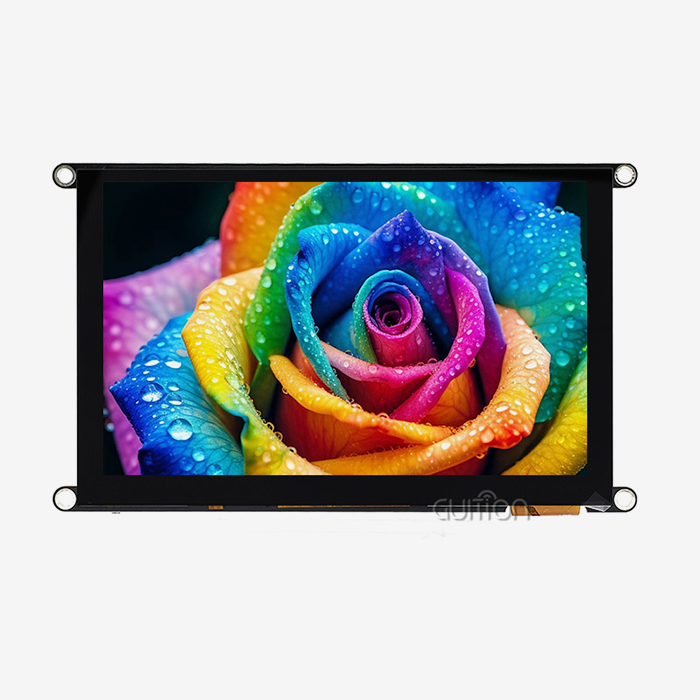
Impact forces that would break regular soda-lime glass can't break reinforced glass, which is usually made stronger chemically through ion exchange processes. Metal shields block electromagnetic waves better than plastic ones and let heat escape more quickly. Advanced protective layers keep chemicals, UV damage, and rough wear from damaging the surface. This method is shown by the GUITION JC1060Q370N_I, which is built to last in harsh settings thanks to its industrial-grade materials and structure.
The choices made when designing an interface have a direct effect on how it wears and how long it works. Durability rates change a lot depending on whether you choose sensitive touchscreens, resistive touch panels, or non-touch display modules. Capacitive surfaces are clearer and can handle multiple touches, but you need to keep your fingers clean and dry or wear electrical gloves. Even though resistive panels can handle rough conditions and heavy gloves, the layers do start to separate over time when they are used a lot. Non-touch display modules like the JC1060Q370N_I don't have any mechanical wear, so they're perfect for situations where workers interact with the display information through external controls or where the information on the display is used for tracking purposes instead of direct input.
Standards Compliance Ensuring Environmental Resilience
Following workplace safety standards gives you a measurable guarantee of longevity. The IP65 and IP66 grades make sure that dust can't get in and water jets can't come from any direction. The NEMA 4X certification ensures that security against corrosion is provided in harsh chemical conditions. UL and CE approvals prove that the electrical system is safe and that it works with electromagnetic fields. These standards make it possible for procurement teams to compare the claims of longevity made by various HMI human interface sellers in an unbiased manner. When I've been testing display modules, I've seen that parts that can work in a wide range of temperatures (usually -20°C to +70°C) keep their performance fixed even when the weather changes or when the temperature inside the building changes. This temperature tolerance stops the isotropic phase shift of the liquid crystal that turns the screen black when it gets too hot.
How Advanced HMI Technologies Contribute to Longer Display Lifespans
Along with being physically strong, smart software and code improvements lower the stress that operations put on hardware parts, which increases their service life by managing resources more efficiently.
Software Optimizations: Reducing Hardware Strain
Adaptive backlight control methods in modern processors change the brightness based on the environment. This lowers the stress on the LEDs and the amount of power they use. Touch calibration methods fix sensor drift caused by changes in temperature or buildup of dirt and grime, so the response stays the same without having to replace hardware. Error correction methods find and fix temporary connectivity problems, which stop failures that would otherwise require restarting the system. The D121BBV processor that powers the GUITION JC1060Q370N_I works at 400MHz, which gives it processing space that keeps it from overheating when it's used at full speed for long periods of time. This computational gap lets images and data processing run smoothly without pushing parts to their thermal limits, which speeds up the aging process. The controller's smart design lets it handle complicated graphics while keeping temperatures stable, which is very important for devices that work in panel mounts that don't let much air flow through.
Connectivity Architecture Impacting Longevity
Wired USART transmission is very stable and doesn't let electricity flow through, which helps it last longer in places with a lot of electrical noise. When interference happens, serial protocols that have strong error detection can smoothly restore without changing the display states. With WiFi and Bluetooth modules, these systems can join wirelessly, which allows for flexible installation and distant tracking. However, the firmware needs to be updated on a regular basis to keep security and protocol compatibility. Both types of connection are used in the GUITION method. Built-in wireless features allow for initial setup, diagnostics, and over-the-air software changes, which extend the life of products by fixing problems remotely instead of needing direct access. On the other hand, standard serial interfaces offer reliable, low-latency communication that is necessary for real-time control apps that value dependability over convenience.
Manufacturer Track Records Validating Durability Claims
Leaders in the HMI human interface industry show longevity through a lot of field application data. Automation experts say that the average time between failures (MTBF) for industrial-grade human-machine connections used in facilities that are always running is more than 100,000 hours. These measures show that the design has been thoroughly checked and approved. They include accelerated life testing, temperature cycles, vibration exposure, and humidity conditioning that model years of use in the field before the product is released. Through strict testing methods and detailed technical documents, Guition has made a name for itself as a provider that cares about durability. Our development platform cuts down on writing mistakes that could make the system less stable, and cross-platform analysis finds possible failure modes while the app is still being built, not after it has been released.
Practical Strategies to Enhance HMI Display Module Durability in Procurement and Usage
To get good lasting results, you need to make smart choices about the system you choose, how it is installed, and how it is maintained over time. Instead of being the end of a transactional process, procurement is the start of a lifetime management method.
Strategic System Selection: Balancing Requirements and Durability
There are trade-offs when it comes to longevity when you choose between customized and off-the-shelf options. Custom-designed systems are made to fit the needs of a particular application by including all the necessary environmental protections, mounting options, and input setups. This customized method gets rid of extraneous complexity that could lead to failure points and makes sure that important durable features get the technical attention they need. Off-the-shelf units can be set up faster and cost less at first, but they might not meet all of your needs when it comes to environmental scores or physical form factors. As a middle ground, the GUITION JC1060Q370N_I offers a basic base with a lot of customization options through extra developer interfaces. The 1024x600 resolution on the 7.0-inch IPS monitor makes images clear and perfect for a wide range of uses. The reserved connections on the module for TF cards, serial ports, sensors, and IO ports make it possible to integrate systems without having to make special hardware. This gives buying teams the freedom to get application-specific features while still getting the cost savings and supply dependability of standard parts.
Installation Excellence: Preventing Premature Failures
Professional construction techniques have a huge effect on how long something lasts. Using the right fastening methods, such as vibration isolation, keeps stress from building up at the places where the bezel is attached. Sealing against the environment with the right cover materials keeps IP ratings constant over the life of the system. A common early failure mode can be stopped by managing cables in a way that doesn't put stress on connections. Surge reduction and electrical grounding keep sensitive gadgets safe from sudden changes in voltage. When describing construction needs, I suggest writing down environmental variables like temperature ranges, humidity levels, vibration rates, and possible chemical exposures. This knowledge helps you choose the right mounting tools and put in place the right safety measures. The test program that comes with GUITION modules is loaded at the factory and can be used right away to make sure that the modules work properly. This makes sure that the system is fully integrated before it goes into regular service.
Maintenance Strategies Maximizing Operational Uptime
Scheduled repair contracts give a clear return on investment (ROI) by finding problems early on, before they cause unexpected downtime. Regular checks make sure the environmental seal is still in good shape, look for physical damage, and remove any dirt or debris that has built up on screens and air routes. Firmware patches fix bugs that have been found and improve speed based on feedback from users. Preventable failures can be avoided by replacing parts before they break, especially lighting units that are getting close to the end of their useful life. The economics of upkeep are completely changed by the ability to update remotely. The GUITION platform allows over-the-air firmware deployment, which lets centralized changes be sent to all sites without having to send a worker. This feature is especially useful for facilities that are spread out physically or installations that are hard to get to, and where actual repair visits cost a lot.
Future Trends: The Evolution of HMI Human Interface & Display Durability
New technologies offer big gains in durability while also making functions more flexible than they are now. As these changes happen, buying teams can make investments that will pay off in the long run by understanding these changes.
Advanced Materials Enhancing Physical Resilience
Impact damage would break rigid screens, but not hmi display module flexible display bases made of polymer instead of glass. These new technologies make it possible for devices to follow curvy surfaces and be able to bend mechanically. Nanoparticles added to improved protective coats make them more scratch-resistant and help them clean themselves, so they keep their optical clarity even in dirty surroundings. Haptic feedback systems lower the amount of physical power needed to recognize input, which means that both the device and the person using it wear out less quickly. IPS (In-Plane Switching) technology is already built into modules like the JC1060Q370N_I, which shows how display technology is changing to make them last longer. IPS screens keep color accuracy and contrast even at wide viewing angles, while older TN (Twisted Nematic) displays often lose picture quality. This stability keeps operators' eyes from getting tired during long tracking sessions. This indirectly extends the life of the system by preventing mistakes that could damage settings.
Predictive Maintenance Through AI Integration
By looking at operational data with artificial intelligence algorithms, proactive maintenance schedules can be made based on the real state of parts instead of random time intervals. Machine learning models can spot small drops in performance, like gradually less bright screens, longer times for touch responses, or communication delays that come and go, which are signs of problems that are starting to happen. With this ability to guess what will happen, maintenance goes from being reactive to being planned and done during planned downtime times. Industry 4.0 connection standards and IIoT protocols make it easier to keep an eye on HMI systems that are already in use. Dashboards that are tied to the cloud collect performance data from whole sites or installations around the world. This shows trends that can be used to improve reliability. By working with HMI human interface manufacturers that offer these analytics tools, procurement teams can see how healthy their fleet is, figure out when to replace things, find environmental problems that need to be fixed, and back up their ideas about durability with real-world proof.
Procurement Strategies Aligned with Innovation Trajectories
Forward-thinking procurement puts more value on ties with suppliers than on commercial relationships for buying things. When vendors put money into research and development, they make changes all the time through software updates and new hardware that work with older systems. Companies like Guition show their dedication by continuously improving their development platform. It now includes drag-and-drop user interface design, cross-platform testing, and support for multiple languages, all while still being able to work with older projects. When I look at possible providers, I look at their plans for future technology and how they handle customer service. When manufacturers offer detailed technical documents, quick engineering help, and active user groups, problems can be fixed more quickly, and the products last longer. Secondary development tools, such as full API documentation and reference implementations, make customization possible without sacrificing the security benefits of well-tested base platforms.
Conclusion
The long life of HMI display modules comes from thorough design plans that take into account hardware robustness, smart software optimization, and strategic operating practices. It's the HMI (human interface that holds everything together. Careful engineering choices add up to make systems that can work in tough industrial settings for years on end. To get the best longevity results, procurement teams look at more than just specs. They look at the whole ecosystem, including the quality of development tools, technical support, and the commitment of suppliers to ongoing innovation. This all-around method is shown by the GUITION JC1060Q370N_I, which has industrial-grade construction, powerful processing power, and a variety of development choices that work well together to make the device last a very long time, make integration easier, and lower long-term costs.
FAQ
What factors most commonly cause HMI display module failures?
The main reason for failure is environmental invasion. Circuits and display layers become corroded when moisture gets through poor covers. Extreme temperatures put stress on materials by expanding and contracting over and over again. Impacts and mechanical shocks can crack display surfaces. In industrial power systems, electrical noise makes it hard to communicate and hurts sensitive parts. Using the right IP-rated casings, wide-temperature components, shock-resistant mounting, and electrical separation to deal with these issues greatly raises the reliability.
How do touchscreen and non-touch interfaces compare regarding durability?
Touch screens wear out over time, but non-touch display modules don't. This makes them better for situations where durability is more important than direct contact. Resistive touchscreens can work in rough circumstances and while wearing gloves, but the layers do wear away over time. Capacitive displays are very clear and quick, but they need to be touched in certain ways. The GUITION JC1060Q370N_I has a non-touch design that makes it perfect for tracking tasks where durability is more important than direct handling.
Can software updates actually extend hardware lifespan?
By lowering operating stress, firmware improvements really do extend the life of parts. LED decay is slowed down by adaptive brightness control. Failures caused by heat can be avoided with better thermal control methods. Better mistake repair cuts down on resets that aren't needed. Improvements to the communication system get rid of timeout situations that need power cycles. Together, these improvements at the software level and measures of physical durability make the Mean Time Between Failures longer than what was originally planned.
Partner with Guition for Industrial-Grade Display Solutions
Upgrading to tried-and-true HMI human interface technology changes how reliable operations are and lowers the total cost of ownership. Guition specializes in USART-HMI display units that are designed to work in harsh industrial settings where reliability has a direct effect on profits. The D121BBV controller, high-resolution IPS display technology, and many connection choices in our JC1060Q370N_I display module make it a platform that is built to last for a long time. We offer comprehensive technical documentation, quick engineering support, and bulk price structures that make upgrading possible even for big deployments as an HMI human interface maker dedicated to customer success. Get in touch with our team at david@guition.com to talk about your unique durability needs and find out how our solutions can help you improve your operational uptime while making development processes easier.
References
1. Industrial Display Technology Standards Committee. "Environmental Testing Protocols for Human-Machine Interface Devices in Manufacturing Environments." Journal of Industrial Electronics and Applications, Vol. 34, 2023.
2. Chen, Robert, and Martinez, Sofia. "Comparative Durability Analysis of Display Technologies Under Industrial Stress Conditions." International Conference on Automation and Control Systems Proceedings, 2024.
3. Thompson, David. "Lifecycle Cost Analysis of HMI Systems: Balancing Initial Investment Against Operational Longevity." Industrial Procurement Quarterly, Spring 2024.
4. Nakamura, Kenji et al. "Predictive Maintenance Strategies for Display Interface Components in Continuous Operation Facilities." Reliability Engineering and System Safety, Vol. 198, 2024.
5. European Industrial Automation Council. "Best Practices for HMI Selection and Installation in Harsh Environmental Applications." Technical Guidance Document TG-2024-07, February 2024.
6. Williams, Amanda. "Emerging Display Technologies and Their Impact on Industrial Human-Machine Interface Durability." Advanced Manufacturing Technology Review, Vol. 29, No. 3, 2024.
Learn about our latest products and discounts through SMS or email