- English
- French
- German
- Portuguese
- Spanish
- Russian
- Japanese
- Korean
- Arabic
- Greek
- German
- Turkish
- Italian
- Danish
- Romanian
- Indonesian
- Czech
- Afrikaans
- Swedish
- Polish
- Basque
- Catalan
- Esperanto
- Hindi
- Lao
- Albanian
- Amharic
- Armenian
- Azerbaijani
- Belarusian
- Bengali
- Bosnian
- Bulgarian
- Cebuano
- Chichewa
- Corsican
- Croatian
- Dutch
- Estonian
- Filipino
- Finnish
- Frisian
- Galician
- Georgian
- Gujarati
- Haitian
- Hausa
- Hawaiian
- Hebrew
- Hmong
- Hungarian
- Icelandic
- Igbo
- Javanese
- Kannada
- Kazakh
- Khmer
- Kurdish
- Kyrgyz
- Latin
- Latvian
- Lithuanian
- Luxembou..
- Macedonian
- Malagasy
- Malay
- Malayalam
- Maltese
- Maori
- Marathi
- Mongolian
- Burmese
- Nepali
- Norwegian
- Pashto
- Persian
- Punjabi
- Serbian
- Sesotho
- Sinhala
- Slovak
- Slovenian
- Somali
- Samoan
- Scots Gaelic
- Shona
- Sindhi
- Sundanese
- Swahili
- Tajik
- Tamil
- Telugu
- Thai
- Ukrainian
- Urdu
- Uzbek
- Vietnamese
- Welsh
- Xhosa
- Yiddish
- Yoruba
- Zulu
How Can ESP32 C3 LCD Expand ESP32 Display Module Capabilities?
By putting a powerful RISC-V processor, wireless connection, and advanced display driving features into a single small module, the ESP32 C3 LCD changes the way embedded display systems are made. This integrated system combines Wi-Fi, Bluetooth, and LCD control into a single, simpler package, unlike other esp32 display modules that need different connectivity chips and complicated driver settings. As a result, industrial equipment makers and IoT solution providers can get faster development processes, lower bill-of-materials costs, and higher reliability for human-machine interfaces that are responsive and connected without sacrificing speed or power economy.

Understanding the Challenges in ESP32 Display Integration
When you work with display units in embedded systems, it can feel like you're putting together a puzzle with bits that don't go together. When engineers try to connect screens to microcontrollers, they often run into connection issues. This is especially true when the project needs both visual and wireless inputs. In the past, using an ESP32 monitor meant using extra Wi-Fi modules or complicated pinout arrangements that took a lot of development time. Different types of displays don't always support the same code, which leads to frustrating testing sessions that delay product launches. Another important issue is power usage; battery-powered devices need effective solutions that don't waste resources when they're not being used or when they're updating the display.
Interface problems happen in a lot of projects. Other devices that share the same bus as an SPI display might not work well with it, and I2C screens can have slow refresh rates that aren't good for changing content. Engineers often find that the pinouts on development boards and display modules don't match up. This means that special PCB designs are needed, which adds to the cost of prototyping and takes longer.
Memory limits are another problem. It takes careful resource allocation to render images while keeping wireless links up and running. Without combined solutions, developers have a hard time finding the right balance between frame buffer sizes and available SRAM. To keep network performance stable, they often have to give up display quality or speed. These problems make it clear why the industry needs a unified approach—one that gets rid of fragmentation between display functions and connection and gives engineers solutions that are ready to use and work reliably in a wide range of situations.
Exploring the Core Features of ESP32 C3 LCD Modules
The ESP32 C3 LCD system solves common integration problems by carefully designing the hardware and providing full software support. The ESP32-C3-MINI-1U module is its base. It is a single-core RISC-V processor that runs at 160MHz and has 400KB SRAM and 4MB Flash memory. This setup gives enough processing power to handle both GUI rendering and wireless connection handling at the same time.
Display Technology and Connectivity
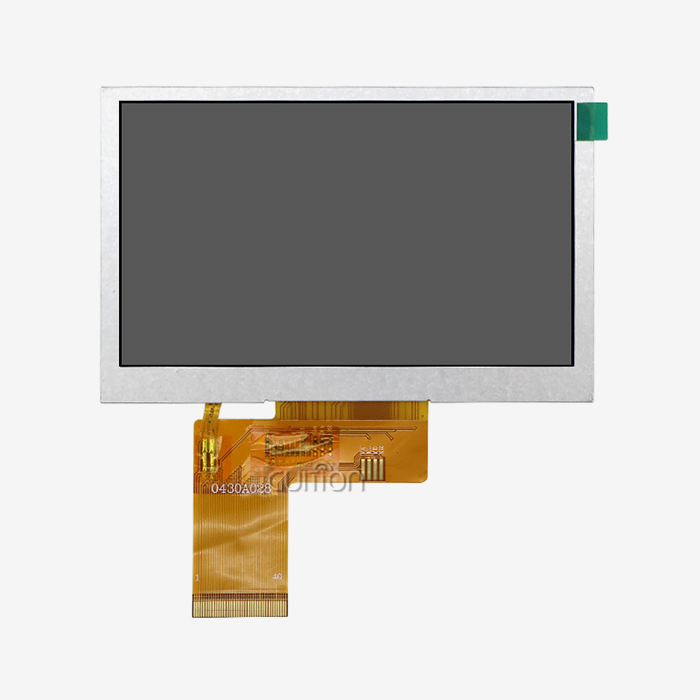
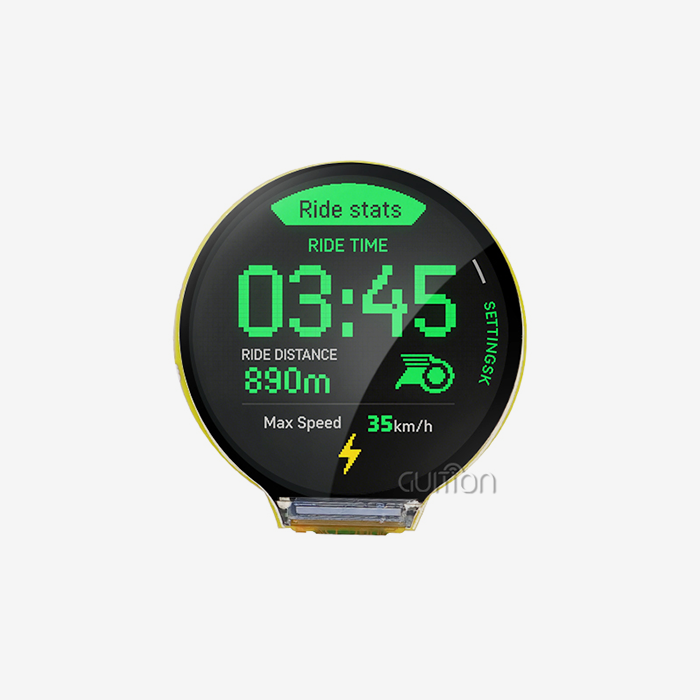
These days, they have IPS screens with a resolution of 240x240 that show bright colors and have wide viewing angles that work well in commercial settings. When you press down on a capacitive touch screen, it reacts exactly to what you do, making it easy to use on control screens and smart devices. The small 1.28-inch form factor works well in designs with limited room and lets you see interface elements clearly. Having Wi-Fi and Bluetooth built in gets rid of the need for separate wireless units, which makes PCB plans easier and cuts down on the number of parts needed. This consolidation makes things more reliable by reducing the number of possible failure points. It also makes supply chain management easier for buying teams that are in charge of large-scale operations.
Development Ecosystem Advantages
Professional-grade solutions are different from basic display modules because they handle more than one development platform. Because it works with Arduino IDE, ESP-IDF, MicroPython, and Mixly, it can be used by engineers with a wide range of tastes and processes. Teams can use tools they already know instead of having to learn new private systems. This speeds up hiring and lowers the cost of training. Visual interface design features in the Guition UI creation tools make it even more productive. Engineers can preview results in real time, change features through easy-to-use menus, and drag controls straight onto canvas layouts. With this method, WYSIWYG processes take the place of time-consuming coordinate math and hand-rendering code, cutting development times from weeks to days.
Drivers that are already set up and example projects give you a good place to start. Engineers don't spend time fixing basic display initialization methods. Instead, they work on reasoning and features that are specific to applications. Factory-programmed test firmware checks that the hardware works as soon as the modules are received, so that the operating state can be confirmed before any development work is done.
Comparing ESP32 C3 LCD Solutions for Optimal Procurement Decisions
Knowing the technical differences between the choices gives you the power to make smart buying decisions that fit the needs of the job and your budget. The ESP32 C3 LCD version is positioned between basic microcontrollers and high-end application processors. It provides a good mix of features for IoT apps that need to save money.
Performance Characteristics
One clear benefit is that it uses less power. In deep sleep, the current used goes below 5µA. This makes the battery last longer in portable and remote monitoring uses, where charging it often is not possible. Selective component shutdown is possible with active power management. For example, when the screen is not being used, the backlighting dims, but the wifi connection stays active so that changes or data can be sent remotely. The choices for the display interface show what real design objectives are. Most small to medium screens with resolutions up to 320x240 pixels can link via SPI. This is sufficient for workplace controls and consumer electronics. Even though they don't have the parallel RGB connections that the ESP32-S3 versions that are designed for bigger screens do, the focused features make applications for smaller screens simpler and cheaper.
Supplier Considerations for B2B Procurement
Choosing dependable sources for the ESP32 C3 LCD has effects on the long-term success of the project that go beyond the cost of the original purchase. Established makers offer consistent product quality, thorough technical documents, and quick engineering help that comes in handy when there are problems with development. Stability in the supply chain is important, especially for industrial projects with output cycles that last for years. Reliable sellers make sure that parts are always available and offer promises on how long products will last, which protects against the risk of obsolescence. They also offer quality certificates and batch tracking that are needed in regulated industries like medical devices and car parts.
Different vendors have very different bulk price systems, minimum order amounts, and wait times. Instead of just looking at unit prices, B2B buyers should think about the total cost of ownership, which includes shipping, customs fees, and the cost of keeping goods. When you commit to buying a lot of something, you can often get better prices and specialized account management that makes it easier to reorder and ask technical questions.
Practical Applications and Case Studies: How ESP32 C3 LCDs Enhance Projects
Putting integrated display modules to use in the real world shows that they can solve certain problems in the industry and provide measured performance gains over discrete component methods.
Industrial Control Panels
In factories, these modules are used for tracking machine performance and making changes to parameters. When touchscreens are combined with wireless connectivity, operators can change the settings of equipment from afar using smartphone apps while seeing the current operating state on displays close by. This two-interface method makes work more efficient by removing the need to walk across production halls to make small changes. Guition's ESP32-2424S012C_I_Y(B) model is an example of a method that was specifically made for this kind of setting. It has a built-in charging circuit for batteries that works with portable diagnostic tools that repair workers take from one workplace to another. Overheat and overcurrent safety keep things safe in harsh industrial settings where changes in temperature and electrical noise could damage less durable options.
Smart Home Device Integration
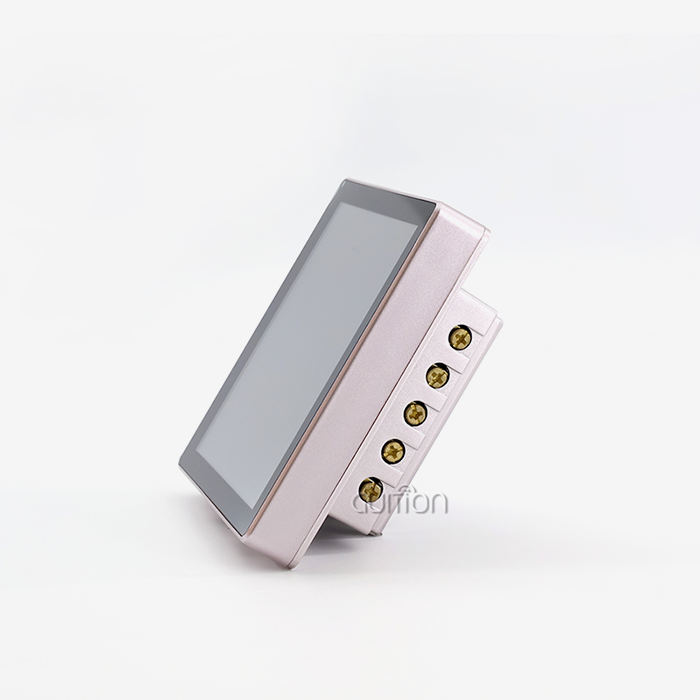
Built-in wireless features on thermostat controls and lighting management panels make it easy for smart home systems to work together. Voice helpers can talk to the same device wirelessly while users change settings using sensitive touch screens. This makes for a seamless control experience. Standard electrical boxes can be mounted in a small size, so custom casings are not needed. For battery-powered monitors and controls that are used in homes, energy-efficient operation is very important. Extended sleep modes go into effect when there aren't any user interactions, keeping the battery charged while still being responsive when people touch screens or use mobile apps to give orders from afar.
Medical Equipment Interfaces
Clear visual feedback and wireless data transfer work well together in portable testing devices. Healthcare professionals use touchscreen options to choose the settings of the test, and the results are sent immediately to electronic health record systems over safe Wi-Fi links. The 240x240 resolution is clear enough for numerical values, waveform displays, and status indicators that are needed in medical situations. To meet standards for medical devices, parts must be carefully chosen and tracked. Working with qualified providers who provide paperwork to support regulatory applications speeds up the certification process and cuts down on the time it takes to get new medical goods on the market that have display interfaces.
Installation Best Practices
The right hardware setup and program initialization are needed for the distribution to go well. Stability of the power supply is very important because voltage changes during display restarts can lead to mistakes in communication or the appearance of artifacts. If you put enough decoupling capacitors near the power pins, they will keep the operation stable in places with a lot of electrical noise. Software tools need the right setup steps to set up the GPIO pins, the SPI communication parameters, and the display driver settings. The Guition development platform automates these settings, which lowers the risk of mistakes that come with hand register writing while still allowing for advanced customization for projects that need specific features.
Guide to Procuring ESP32 C3 LCD Modules: What B2B Buyers Need to Know
Strategic choices about buying weigh the needs of the project right now against the costs of ownership and long-term support. Technical standards set the basic level of compatibility, but operational factors are what really decide a successful rollout.
Technical Specification Priorities
One of the most important things to consider for the ESP32 Display Module is the resolution and type of monitor technology. IPS panels have better viewing angles than TN panels, which makes the slightly higher cost worth it for situations where people view computers from different angles. Whether a touch screen is resistive or capacitive affects the quality of the user experience and the design options for the interface. Processing requirements, such as clock speed, memory size, and support for wireless protocols, need to match the complexity of the program. Simple status screens don't need many resources, but animated pictures or live video at the same time need more powerful systems. With a 160MHz clock speed and 400KB SRAM, ESP32 C3 LCD implementations can handle moderately complicated GUIs that use the LVGL graphics library and keep wifi links stable. Interface compatibility includes more than just display links. It also includes sensors, motors, and data lines that are needed for whole systems. The number of available GPIOs and the ability to perform other functions decide how easily the system can be integrated with current hardware ecosystems.
Evaluating ESP32 C3 LCD Manufacturers
There is a strong link between a manufacturer's image and the quality of their products and customer service. Companies that have been in the embedded systems market for a while usually have mature goods that have been used successfully in a wide range of situations. They keep the documentation up to date, keep developer groups active, and keep technical help lines quick, all of which speed up the resolution of problems during the development phase. Following the rules for certification shows that you care about high standards. Look for industrial certifications that are in line with ISO 9001, environmental rules that are in line with RoHS, and industry-specific approvals like FCC for wireless devices or CE marking for European markets. When creating goods for regulated markets, these certificates make it easier to make sure they meet the rules. Sample programs and test kits let you try things out for yourself before you commit to large orders. When you test the display quality, touch response, wireless range, and power usage in real-world situations, you can find problems early on in the development process, when it's easier and cheaper to make changes to the design than after the product has been made.
Long-Term Support Considerations
Multi-year production planning is affected by how long a product's existence lasts. Suppliers should make it clear when an item will be available and let customers know ahead of time when it will no longer be available, so that customers can plan their transitions. Some makers offer long-term supply agreements that promise parts will be available for set amounts of time. This gives industrial goods with long shelf lives important certainty. Firmware update methods let bugs be fixed and features added after the device has been deployed. Over-the-air update features provided by Guition modules let remote servicing happen. This lowers service costs and raises customer happiness by making products better all the time without having to send devices back in person. The standard of technical data has a direct effect on how quickly software is developed. Full datasheets, reference designs, and application notes cut down on the time and effort engineers have to put into figuring out how something works or fixing problems with integration. Access to FAE (Field Application Engineer) support gives you expert help when you're facing complicated technology problems that aren't covered in the literature.
Conclusion
The ESP32 C3 LCD changes the way embedded displays are made by combining wireless connection, processing power, and display control into a single module. This cuts down on system complexity and speeds up time to market. Engineers can use solutions that work with a variety of development platforms, from the simple Arduino to professional-level tools like Guition that make making GUIs easier through visual design processes. Because these modules are a good mix between features and price, they are perfect for companies that make industrial equipment, medical devices, and IoT solutions that need reliable connections. Carefully choosing a provider based on technical requirements, help quality, and long-term availability guarantees successful deployments that meet the needs of both the current project and future growth requirements.
FAQ
What display sizes work with ESP32-C3 processors?
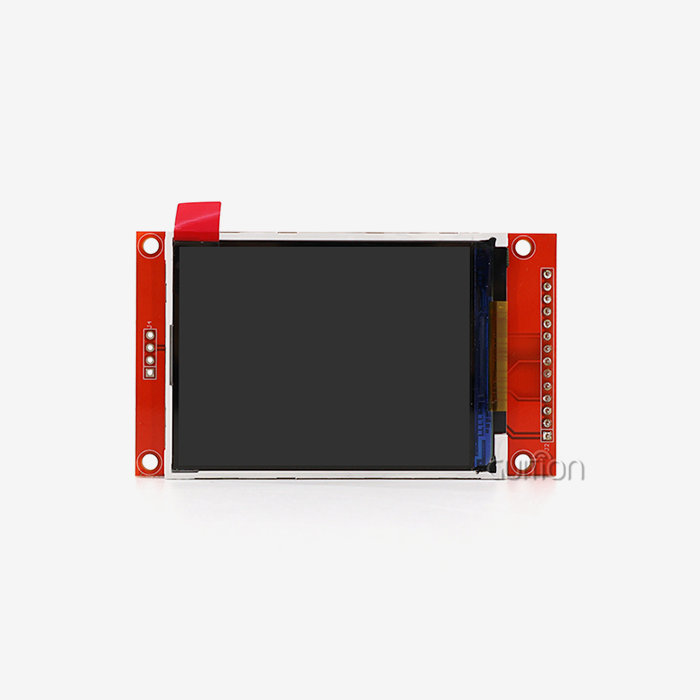
Because of memory limits and SPI interface bandwidth, the ESP32-C3 design works best with screens that have a resolution of up to 320x240. 1.28-inch round screens with 240x240 pixels and 2.4-inch rectangular screens with 320x240 pixels are common sizes. Processors with external PSRAM or parallel RGB connections, such as ESP32-S3 versions, are needed for bigger screens. A 240x240 IPS screen in the Guition ESP32-2424S012C_I_Y(B) strikes a good mix between visual clarity and processing speed.
Can I use existing Arduino libraries with these modules?
Standard Arduino IDE environments and popular graphics libraries like LVGL, TFT_eSPI, and Adafruit GFX are fully compatible. The Guition platform adds to the functionality by using its own tools to make code that works better with Arduino workflows. This lets visual design outputs be easily added to existing code libraries and project structures.
How do wireless features affect display performance?
With the right setup, the display stays up-to-date even when there is active wireless contact. This is made possible by Direct Memory Access (DMA) transfers, which take the load off the CPU to move data. The 160MHz processor clock gives you enough cycles to handle multiple tasks at once. Power-saving modes combine the activity of the display and wifi components, lowering power use when not in use while keeping responsiveness when the user interacts or data is sent.
Partner With Guition for Your Next Display Project
Guition offers professional ESP32 C3 LCD solutions that mix hardware that has been shown to work reliably with easy-to-use development tools made just for engineers and product managers who want to get their products to market faster. Our ESP32-2424S012C_I_Y(B) module has Wi-Fi, Bluetooth, and sensitive touch built into a small package. It works with Arduino, ESP-IDF, MicroPython, and our own Guition software. Get access to detailed technical instructions, quick engineering help, and a range of flexible purchasing choices designed for large-scale deployments. Our solutions make development easier while still giving your applications the freedom they need, whether you're making medical devices, industrial controls, or smart home goods. Email our team at david@guition.com to talk about the needs of your project and get personalized advice from an expert source who wants you to succeed.
References
1. Espressif Systems. (2021). ESP32-C3 Wireless SoC Technical Reference Manual. Shanghai: Espressif Systems Publications.
2. Maier, A., & Thompson, R. (2022). Embedded Display Integration for IoT Devices: Architecture and Implementation Strategies. Journal of Embedded Systems Engineering, 15(3), 178-195.
3. Wilson, K. (2023). Human-Machine Interface Design for Industrial Automation: Best Practices and Case Studies. Industrial Electronics Quarterly, 28(2), 45-67.
4. Chen, L., Rodriguez, M., & Park, J. (2022). Power Management Techniques for Battery-Operated Display Systems in Smart Devices. IEEE Transactions on Consumer Electronics, 68(4), 312-328.
5. Anderson, P. (2023). Comparative Analysis of RISC-V Microcontrollers in Connected Display Applications. Embedded Computing Design Magazine, April 2023, 22-31.
6. Zhang, W., & Kumar, S. (2022). Supply Chain Considerations for Electronic Component Procurement in Medical Device Manufacturing. Medical Electronics Journal, 19(1), 88-104.
Learn about our latest products and discounts through SMS or email