- English
- French
- German
- Portuguese
- Spanish
- Russian
- Japanese
- Korean
- Arabic
- Greek
- German
- Turkish
- Italian
- Danish
- Romanian
- Indonesian
- Czech
- Afrikaans
- Swedish
- Polish
- Basque
- Catalan
- Esperanto
- Hindi
- Lao
- Albanian
- Amharic
- Armenian
- Azerbaijani
- Belarusian
- Bengali
- Bosnian
- Bulgarian
- Cebuano
- Chichewa
- Corsican
- Croatian
- Dutch
- Estonian
- Filipino
- Finnish
- Frisian
- Galician
- Georgian
- Gujarati
- Haitian
- Hausa
- Hawaiian
- Hebrew
- Hmong
- Hungarian
- Icelandic
- Igbo
- Javanese
- Kannada
- Kazakh
- Khmer
- Kurdish
- Kyrgyz
- Latin
- Latvian
- Lithuanian
- Luxembou..
- Macedonian
- Malagasy
- Malay
- Malayalam
- Maltese
- Maori
- Marathi
- Mongolian
- Burmese
- Nepali
- Norwegian
- Pashto
- Persian
- Punjabi
- Serbian
- Sesotho
- Sinhala
- Slovak
- Slovenian
- Somali
- Samoan
- Scots Gaelic
- Shona
- Sindhi
- Sundanese
- Swahili
- Tajik
- Tamil
- Telugu
- Thai
- Ukrainian
- Urdu
- Uzbek
- Vietnamese
- Welsh
- Xhosa
- Yiddish
- Yoruba
- Zulu
How Does Hmi human interface Improve Smart Factory Efficiency?
A modern HMI human interface acts as the central nervous system of a smart factory. It translates raw machine data into clear visual dashboards, enabling operators to monitor, control, and respond to production events in real time. According to a 2022 report by MarketsandMarkets, accelerating industrial automation will drive the global HMI market to $7.6 billion by 2027. By replacing legacy control panels with intuitive display systems, manufacturers cut downtime, reduce operator errors, and accelerate decision-making—delivering measurable gains across every layer of the production floor.

Understanding HMI: Human Interface and Its Role in Smart Factories
From Control Panels to Intelligent Interfaces
In the past, factories used rows of physical buttons, gages, and lights to show what was going on. With a single, software-defined screen that talks to PLCs, RTUs, and IoT sensors directly, a modern Hmi human interface eliminates that complexity. An HMI works at the machine level, giving workers fine-grained, real-time control over individual processes. This is different from SCADA systems, which usually handle management of the whole plant.
Bridging Operators and Automated Systems
A well-designed human-machine interface is useful because it can show you data right away that you can use. On an assembly line for cars, for example, operators use HMI displays to control recipe parameters, monitor OEE (Overall Equipment Effectiveness), and call for emergency stops—all from the same screen. In systems that handle energy, the same screen records data on how much is used and points out problems before they become expensive breakdowns. The HMI is an important part of any IIoT-connected location because it allows information to move both ways.
Identifying and Overcoming Efficiency Bottlenecks Through HMI
The Hidden Cost of Outdated Interfaces
There are still many facilities that use broken data pipelines, with machine state hidden in PLC registers, alarms spread across disconnected panels, and workers depending on past experience instead of real-time information. This leads to longer Mean Time To Repair (MTTR), higher rates of scrap, and longer rounds for training new operators. LNS Research did a study in 2021 and found that makers who used integrated HMI systems had up to 30% less unplanned downtime than those who used traditional control setups.
Real-World Efficiency Gains
A global company that makes auto parts updated its assembly consoles by adding modern display modules and a platform for drag-and-drop user interface development. Within six months, cycle times went down by 18%, training for operators went from three weeks to eight days, and problems were fixed 40% faster by maintenance teams using old alarm logs. In real life, these numbers show what a well-implemented HMI platform can really do when it works well with current control systems.
Key Features and Design Principles of Effective HMI for Smart Factories
Industrial display systems that work well have some features in common that set them apart from regular screens. When working in a tough production setting, these are the most important features:
- Customisable dashboards: Operators configure views by role—a maintenance engineer sees fault histories and predictive diagnostics, while a shift supervisor monitors throughput KPIs. Role-based layouts reduce cognitive load and accelerate response times.
- Alarm management with historical logging: Structured alarm hierarchies prevent alert fatigue. Timestamped logs allow teams to reconstruct fault sequences, shorten root-cause analysis, and satisfy regulatory compliance requirements.
- Multi-language support with UTF-8 encoding: Global production sites need interfaces that operators can read fluently. Multi-language switching eliminates misreading risks in multilingual workforces.
- Wireless connectivity (WiFi/Bluetooth): Built-in wireless capability enables remote monitoring, OTA firmware updates, and seamless integration with cloud analytics platforms without additional hardware.
When procurement professionals look at HMI suppliers, these features help with the main problems they have: reliability, scalability, and ease of deployment.
The GUITION JC1060Q370N_I: Purpose-Built for Industrial Environments
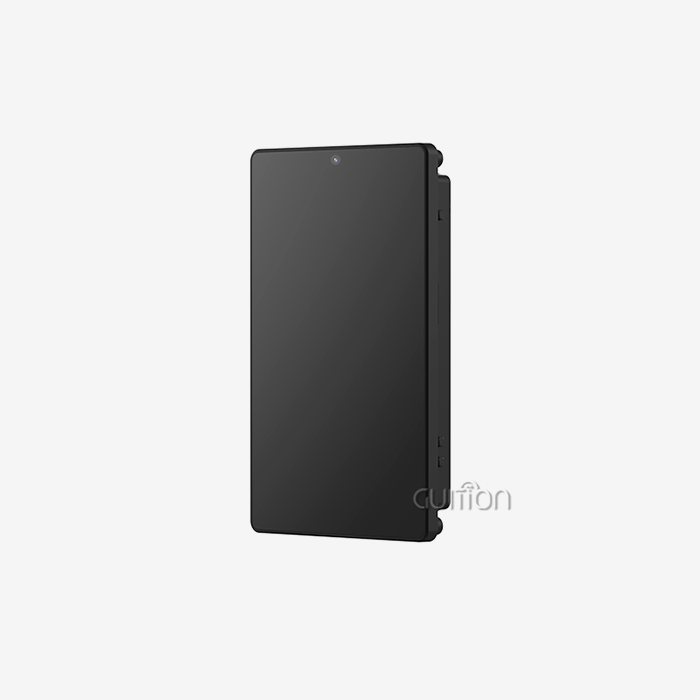
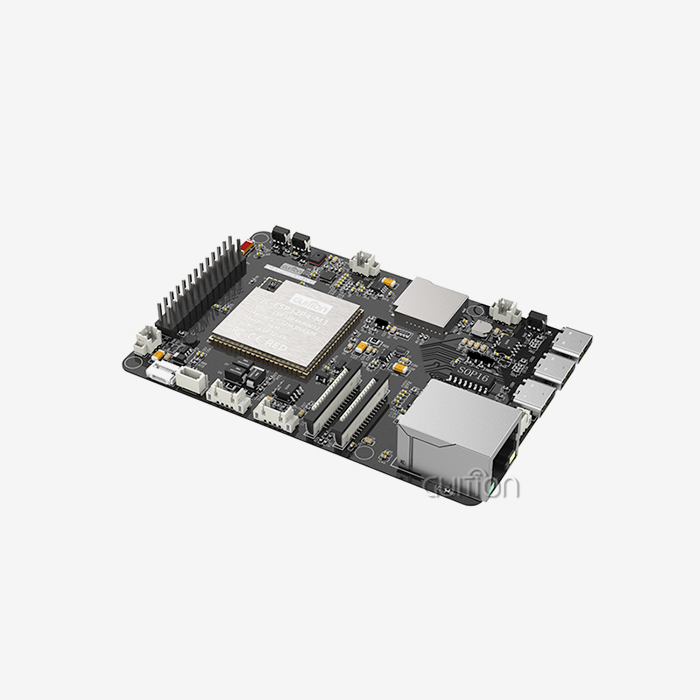
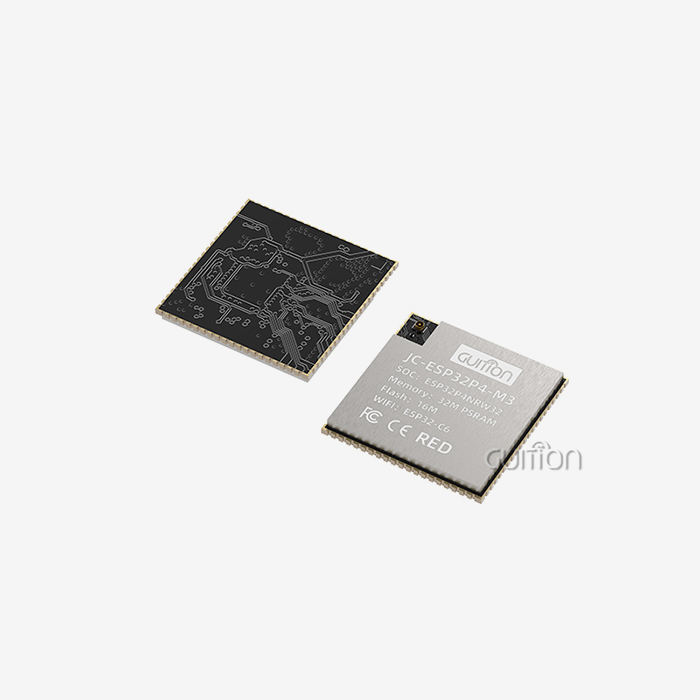
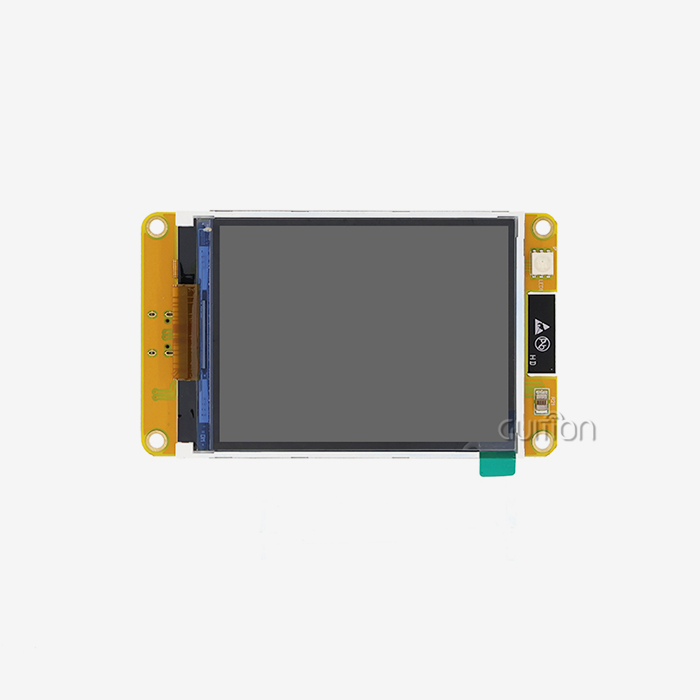
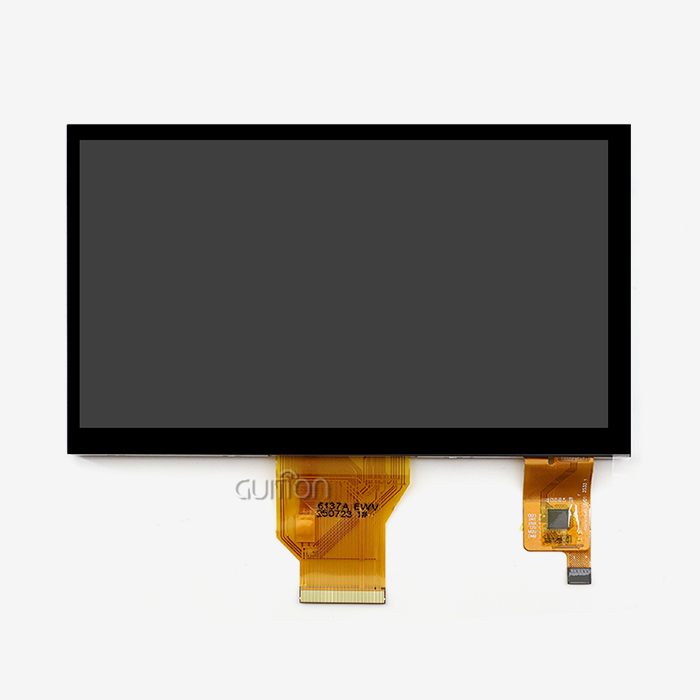
The GUITION JC1060Q370N_I is a strong, ready-to-deploy hmi display module hat will work for your project. The Artinchip D121BBV MCU runs at 400MHz and powers this 7.0-inch IPS module. It draws at 1024x600 resolution and 65K color depth, so even in well-lit factories, the images are clear and easy to read.
In competitive markets, the speed of development is important. The module works with the Guition online GUI development tool, which lets you place controls easily by dragging and dropping them. This removes the need for complex low-level code. Engineers who work with Arduino, IDF, or the native Guition environment can quickly get used to the platform, which makes it easier for new engineers to get started. With a factory-preloaded test program, you can just plug it in and start testing right away, without having to do any initial setup.
The IO port interface, serial port headers, and TF card slot on the module let system designers add sensors, peripherals, and edge devices without having to change their hardware stack. Built-in WiFi and Bluetooth allow for remote diagnostics and over-the-air (OTA) updates, which keeps units that are already in use up to date without sending technicians to the site. UTF-8 encoding makes sure that the interface can work with deployments in multiple languages in sites around the world.
Comparing HMI Solutions: Selecting the Best System for Your Smart Factory
In the field of industrial HMI, Siemens, Rockwell Automation, Schneider Electric, and ABB are all well-known names. Siemens is known for its strong SCADA link and deep PROFINET integration. When it comes to EtherNet/IP platforms that work with Allen-Bradley PLCs, Rockwell really shines. Schneider Electric's EcoStruxure platform targets businesses that use a lot of energy, while ABB focuses on drive-level analysis.
However, these corporate platforms often add extra complexity and licensing costs that aren't needeembedded engineers and R&D teams making custom machinery don't needpecially true for small and new businesses with limited development funds. What these teams really need is a display module that is easy to build for, works on multiple platforms, and has a stable supply chain for the long term.
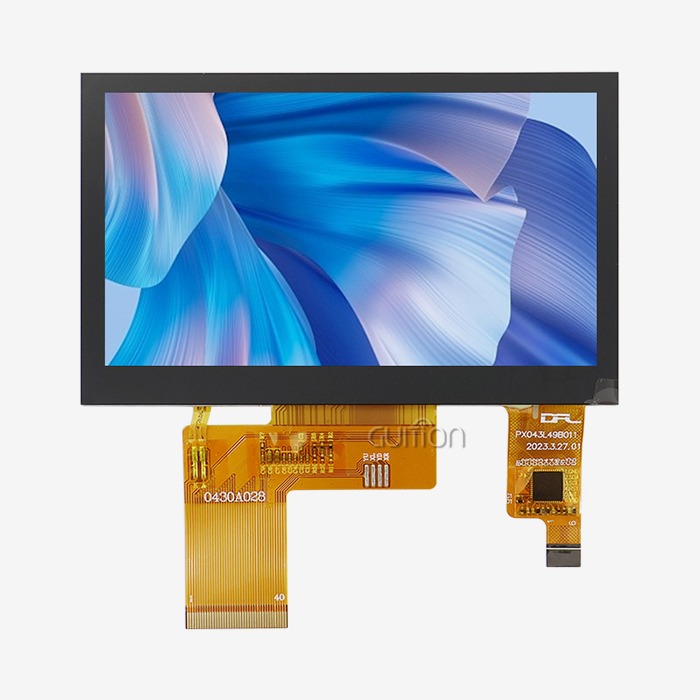
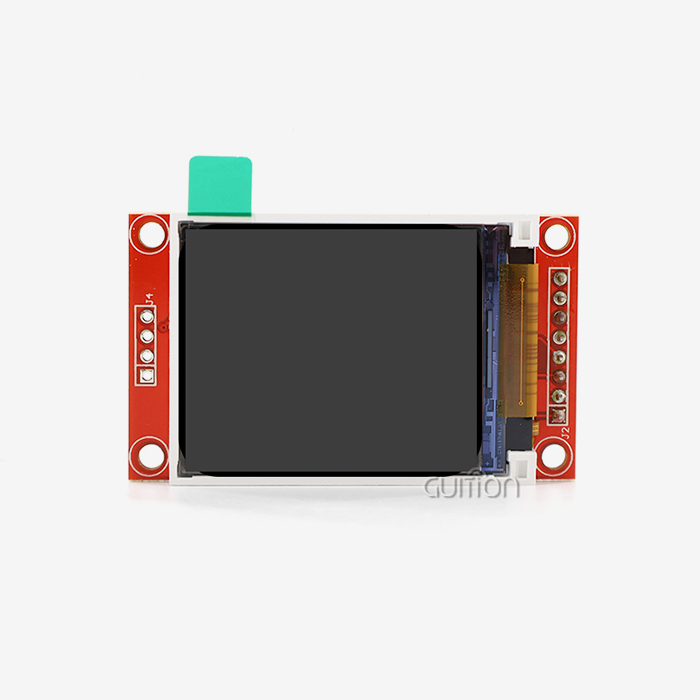
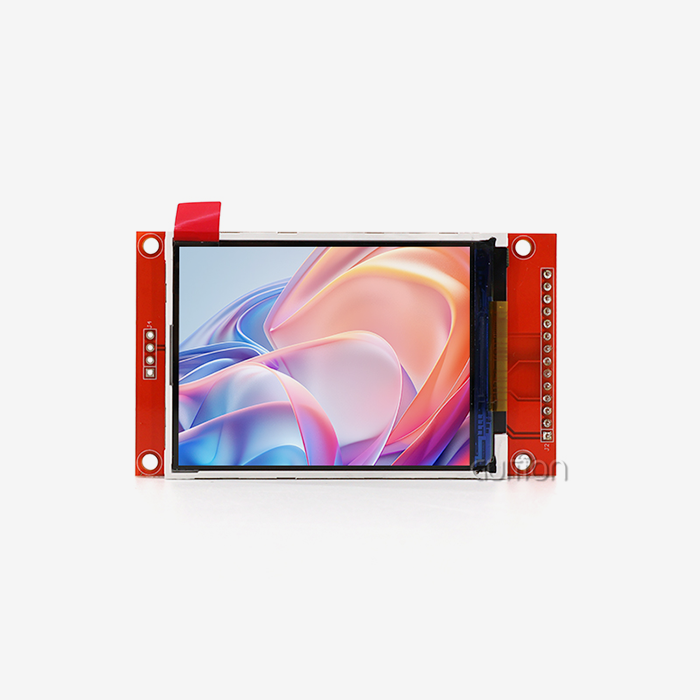
The GUITION JC1060Q370N_I fills that gap right away. It was built to military standards, so it will work well in places with a lot of shaking and electromagnetic interference (EMI). Teams with a range of skill levels can use its different growth tools. Guition, an Hmi human interface supplier with a product line ranging from 1.28" to 21.5", offers a hardware roadmap that can be expanded as your product line expands.
Future Trends and Innovations in HMI Human Interface Technology
The next generation of human-machine interfaces uses Edge AI for predictive maintenance. This means that vibration signatures, thermal patterns, and production cycle deviations will be looked at before failures happen. Augmented reality overlays are being tested in pilot projects in aerospace and precision manufacturing. These overlays let technicians see inside machines using headsets and real-time HMI data.
Adaptive interfaces, which change their layouts based on user interaction and the situation, are also becoming more popular. Cloud-connected HMIs send data to digital twin environments. This lets engineers who are far away test changes to the setup before putting them into action. When factories use these new ideas, they report measurable progress toward their goals of having no unplanned downtime.
To get to this future, teams need to start with a display platform that already allows over-the-air (OTA) updates, wireless connection, and flexible secondary development. Starting with a flexible module like the JC1060Q370N lets your product architecture adapt to these changes without having to redesign the hardware.
Conclusion
The operating heart of a smart workplace is a well-chosen Hmi human interface, not an extra purchase. It gets rid of data opacity, speeds up response times, and gives every operator the information they need to keep production running smoothly. The GUITION JC1060Q370N_I obeys these rules: 400MHz processing, 1024x600 IPS clarity, drag-and-drop development, and built-in wireless connection make it a tool designed to meet the needs of real businesses. This module speeds up the process of going from a prototype to mass production, whether you are making industrial control panels, medical tracking equipment, or energy management interfaces.
FAQ
What distinguishes an HMI from a SCADA system?
An HMI human interface operates at the machine level, providing direct operator control and real-time visualisation for individual equipment. SCADA manages supervisory data collection across an entire facility or multiple sites. They often work together—the HMI feeds local data upward to the SCADA layer—but their operational scopes differ significantly.
Can the GUITION JC1060Q370N_I integrate with existing PLCs?
Yes. The module supports serial communication protocols and IO port interfaces compatible with most industrial controllers. Its cross-platform development environment accommodates Arduino and IDF frameworks, making integration with existing automation architectures straightforward.
Does the module support remote firmware updates?
The JC1060Q370N_I includes OTA upgrade capability via its built-in WiFi module. Teams can push updated UI projects to deployed units without physical access, reducing after-sales service costs substantially.
What development experience is required?
The Guition drag-and-drop GUI tool lowers the barrier considerably. Engineers without deep embedded coding backgrounds can build functional interfaces through visual controls, while experienced developers retain access to full secondary development APIs.
Is multi-language display supported?
UTF-8 encoding is natively supported, enabling seamless switching between languages. This makes the module well-suited for products deployed across multiple regions.
Partner with Guition — Trusted HMI Human Interface Manufacturer
Ready to accelerate your next HMI project? Guition delivers proven human-machine interface solutions backed by a full development ecosystem, responsive technical support, and a hardware range from 1.28" to 21.5". The JC1060Q370N_I is available now for evaluation. Reach our engineering team directly at david@guition.com to request samples and technical documentation today.
References
1. MarketsandMarkets. (2022). HMI Market by Offering, Type, End-use Industry, and Geography — Global Forecast to 2027.
2. LNS Research. (2021). Industrial Transformation: Connecting the Modern Operator.
3. International Society of Automation. (2020). ISA-101: Human Machine Interfaces for Process Automation Systems.
4. ARC Advisory Group. (2023). HMI and Operator Workstation Technology and Market Analysis.
5. Rockwell Automation. (2022). State of Smart Manufacturing Report.
6. IEEE Transactions on Industrial Informatics. (2021). Edge Computing and HMI Integration in Industry 4.0 Architectures.
Learn about our latest products and discounts through SMS or email