- English
- French
- German
- Portuguese
- Spanish
- Russian
- Japanese
- Korean
- Arabic
- Greek
- German
- Turkish
- Italian
- Danish
- Romanian
- Indonesian
- Czech
- Afrikaans
- Swedish
- Polish
- Basque
- Catalan
- Esperanto
- Hindi
- Lao
- Albanian
- Amharic
- Armenian
- Azerbaijani
- Belarusian
- Bengali
- Bosnian
- Bulgarian
- Cebuano
- Chichewa
- Corsican
- Croatian
- Dutch
- Estonian
- Filipino
- Finnish
- Frisian
- Galician
- Georgian
- Gujarati
- Haitian
- Hausa
- Hawaiian
- Hebrew
- Hmong
- Hungarian
- Icelandic
- Igbo
- Javanese
- Kannada
- Kazakh
- Khmer
- Kurdish
- Kyrgyz
- Latin
- Latvian
- Lithuanian
- Luxembou..
- Macedonian
- Malagasy
- Malay
- Malayalam
- Maltese
- Maori
- Marathi
- Mongolian
- Burmese
- Nepali
- Norwegian
- Pashto
- Persian
- Punjabi
- Serbian
- Sesotho
- Sinhala
- Slovak
- Slovenian
- Somali
- Samoan
- Scots Gaelic
- Shona
- Sindhi
- Sundanese
- Swahili
- Tajik
- Tamil
- Telugu
- Thai
- Ukrainian
- Urdu
- Uzbek
- Vietnamese
- Welsh
- Xhosa
- Yiddish
- Yoruba
- Zulu
How Does an ESP32 P4 Display Module Improve Smart Displays?
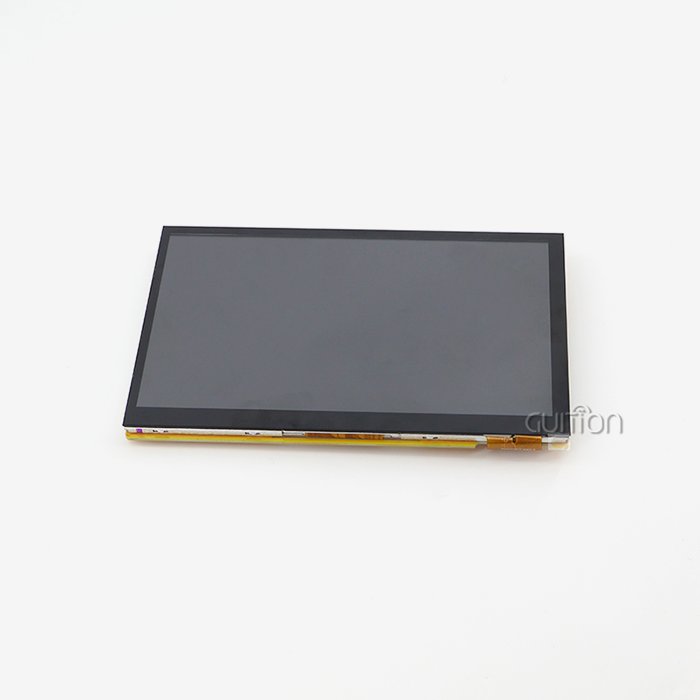
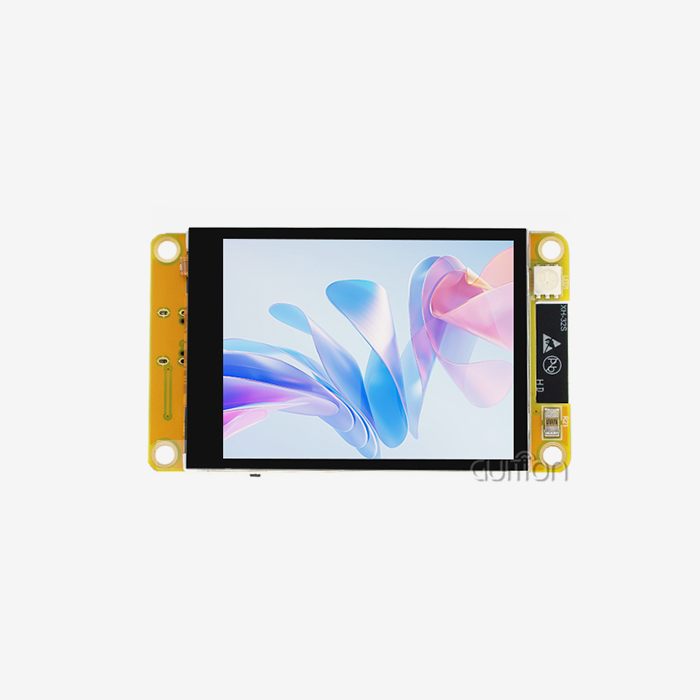
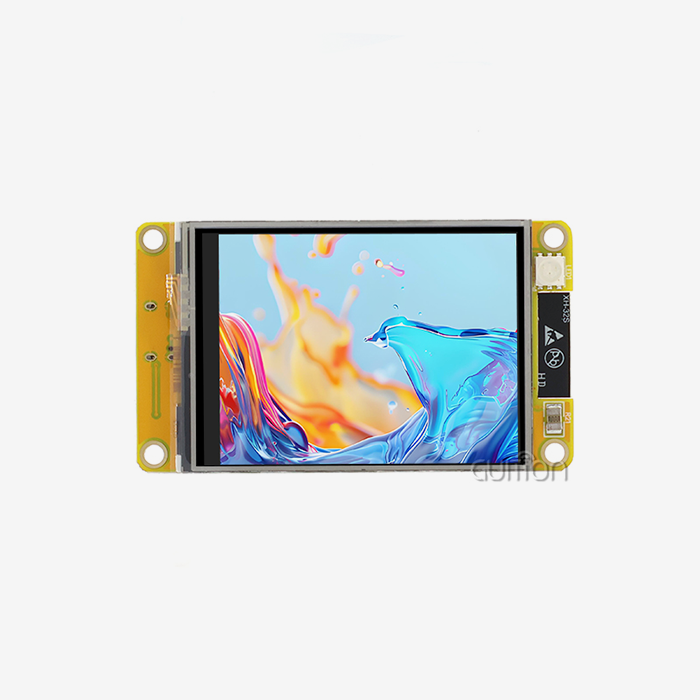
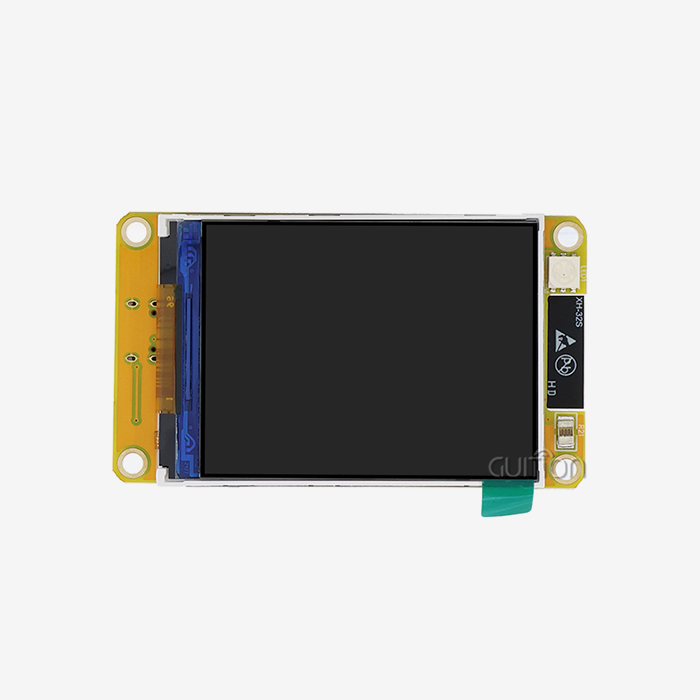
The ESP32 P4 display module is a revolution for engineers and product teams building smart displays. The GUITION JC-ESP32P4-M3-C6 is based on Espressif’s dual-core RISC-V processor operating at 400MHz and combines an ESP32-P4 core with an integrated ESP32-C6 for Wi-Fi 6 and Bluetooth 5.0 connectivity in a 27×27×3.4mm package. With hardware support for MIPI-DSI, H.264 encoding, and up to 32MB PSRAM, this display module tackles high-res rendering and multimedia activities without the burden of a Linux-based CPU – making it a viable option for industrial HMI, medical devices, and smart home panels.

Understanding the Challenges in Current Smart Display Technologies
Low Refresh Rates and Visual Artifacts
Many screens based on the MCU have trouble maintaining smooth frame rates at resolutions beyond 800×480. Many engineers observe tearing artifacts and jitter while doing complicated UI transitions. These visual glitches become more apparent when the CPU is heavily loaded, causing a direct degradation of the end-user experience on industrial panels and consumer devices alike.
Integration Friction With Microcontroller Platforms
Legacy display modules of low cost seldom have native MIPI-DSI connections. Engineers must write new drivers, tweak firmware, or add external processors. Each one adds weeks to the development time. IPC-A-610 quality requirements require meticulous validation of the integrity of signals via MIPI DSI lines, yet many off-the-shelf systems offer limited support for this validation.
High Power Consumption and Cost Pressure
Previous SOM-based Linux designs use far more power and take longer to boot (many seconds, compared to RISC-V MCU module starting durations in the millisecond range). This mismatch immediately translates into increased operational expenses and reduced product lifecycles for installations that are battery-powered or energy-aware.
These three issues drive R&D managers and system architects toward a new generation of display hardware, which the JC-ESP32P4-M3-C6 was particularly intended to meet.
Key Features and Technical Advantages of the ESP32 P4 Display Module
Dual-Core Processing and Memory Architecture
Inside the JC-ESP32P4-M3-C6 is a dual-core HP RISC-V CPU running at 400MHz and an LP RISC-V core running at 40MHz for background work. It supports up to 32MB external PSRAM over high-speed connections, which is critical for buffering high-resolution framebuffers without frame drops. The internal HP SRAM is 768KB and allows interrupts to respond quickly to UI events.
Hardware Display and Media Acceleration
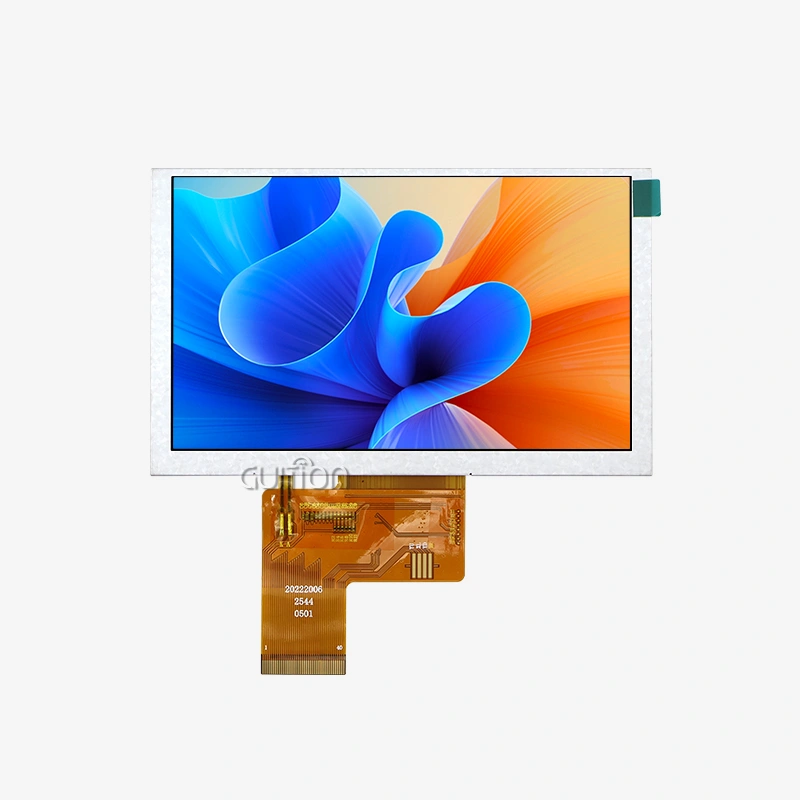
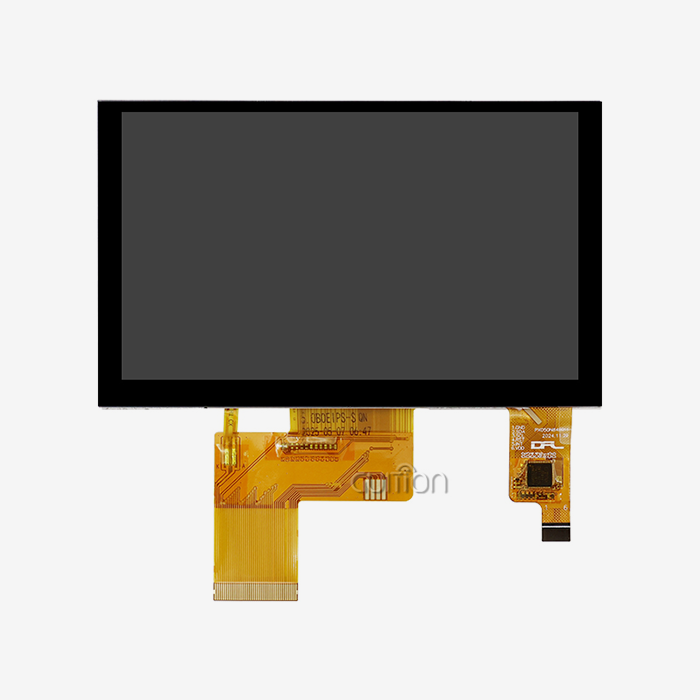
The ESP32 P4 display module can drive panels up to 1280×800 at 60 FPS with native MIPI-DSI (2-lane) and Parallel RGB interfaces. The integrated 2D Pixel Processing Accelerator performs layer mixing, scaling, and rotation in hardware, freeing the main CPU from this task. H.264 video encoding and JPEG hardware codecs are available, enabling live camera streaming and video display without an additional chip.
Security and Connectivity Architecture
The module includes a digital signature peripheral and a dedicated key management unit, which are important features for medical device developers and industrial automation customers dealing with sensitive process data. The co-integrated ESP32-C6 provides wireless connectivity, Wi-Fi 6 and Bluetooth 5, without the need for a separate radio module. MIPI-CSI with ISP, SPI, I2S, I2C, LED PWM, MCPWM, RMT, ADC, UART, TWAI, and USB OTG 2.0 HS form a comprehensive HCI interface set covering just about any peripheral situation an embedded developer might meet.
Here’s a quick look at some of the main tech specs:
- Processor: Dual-core 400MHz RISC-V + LP core 40 MHz
- Memory: 32MB PSRAM, 768KB HP SRAM
- Display Interfaces: MIPI-DSI, Parallel RGB, MIPI-CSI with ISP
- Wireless: Wi-Fi 6 + Bluetooth 5 (ESP32-C6 onboard)
- Media: H.264 encoding, hardware JPEG codec, 2D PPA
- Security: Digital signature peripheral, dedicated key management unit
- Size: 27×27×3.4mm
Product teams working to tight timetables will immediately cut BOM cost and simplify PCB layout by having these features bundled on a single small board.
How the ESP32 P4 Display Module Outperforms Other Display Technologies
Compared to OLED Modules
OLED panels offer strong contrast ratios, but they degrade over time—particularly in high-brightness industrial environments. The MIPI-DSI interface on the JC-ESP32P4-M3-C6 supports LCD panels rated for industrial temperature ranges (-40°C to +85°C), offering more predictable long-term performance. For applications like EV charging station screens or commercial kiosks that run 24/7, panel longevity matters more than peak contrast.
Compared to Standard TFT Display Boards
Generic TFT display boards are widely available, but most rely on software rendering and lack hardware acceleration. The ESP32 P4 display module's onboard 2D PPA handles blending and rotation in hardware, freeing the CPU for application logic. In benchmark comparisons within ESP-IDF, hardware-accelerated rendering on the P4 architecture consistently outperforms software-based approaches used on older ESP32 variants.
Compared to Linux-Based SOMs
Linux-based modules can handle complex tasks, but they introduce boot times measured in seconds, higher idle power draw, and larger software stacks. The JC-ESP32P4-M3-C6 boots in milliseconds and draws significantly less power at idle, making it a practical alternative for embedded HMI applications where fast startup and energy efficiency are priorities—without sacrificing display quality.
Real-World Applications and Case Studies of ESP32 P4 Display Module Integration
Industrial HMI and Factory Control Panels
The JC-ESP32P4-M3-C6 offers a reliable interface for machine monitoring in industrial situations with strong electromagnetic interference. Its CAN-compatible TWAI peripheral enables Modbus and industrial protocols, while the high-frequency RISC-V engine can sustain 60 FPS dashboard rendering even under massive data loads. Some engineering teams have reported replacing traditional resistive-touch HMI screens with this ESP32 P4 display module, saving per-unit hardware cost and minimizing on-site maintenance calls.
Medical Patient Monitoring Devices
Medical device developers like the secure boot and flash encryption capabilities of the module for protecting patient data. With the hardware H.264 codec, you get crisp waveform display and diagnostic imaging on small displays without the heat concerns of higher-power application processors. It’s been used by many development teams in portable vital-signs monitors, who appreciate the low-power LP core for long battery life between full UI interactions.
Smart Home Central Control Panel
With the MIPI-CSI camera interface and H.264 streaming, smart home integrators may immediately include visual intercom capabilities into wall-mounted control panels. The integrated Wi-Fi 6 radio on the ESP32-C6 handles the home automation network connectivity, while the P4 core can concurrently handle display rendering and touch response – something preceding single-chip systems could not do at 60 FPS.
Procurement and Supplier Guidance for the ESP32 P4 Display Module
Verifying Supplier Authenticity
When ordering large quantities of the ESP32 P4 display module, teams should seek datasheets of components and check the PSRAM specs, since some third-party modules may replace them with slower versions. GUITION provides full technical documentation for the JC-ESP32P4-M3-C6, including pinout diagrams, electrical characteristics, and development environment guidance, thereby facilitating supplier verification.
Evaluating Quality Control Practices
Reliable producers of ESP32 P4 display modules use IPC-A-610 inspection requirements and perform 85/85 environmental stress tests (85°C, 85% RH for 168+ hours) to verify BGA solder junction integrity and PSRAM stability. Automated touch-linearity testing confirms that capacitive reaction times are below 10ms under full CPU load. To lower your inbound inspection cost, you might ask suppliers to provide you with test results before making significant orders.
Managing Bulk Orders and After-Sales Support
GUITION provides bulk purchase agreements with volume pricing and remote OTA update capabilities for deployed equipment, lowering field service expenses. Their development tools support Arduino, ESP-IDF, and the Guition platform – so your technical team can start prototyping on day one, rather than waiting for special driver support.
Conclusion
The GUITION JC-ESP32P4-M3-C6 solves actual technical problems: poor refresh rates, low computing power for high-resolution screens, and excessive power consumption. It is ahead of ordinary TFT boards and Linux SOMs for embedded HMI work with its 400MHz dual-core RISC-V architecture, hardware 2D acceleration, MIPI-DSI output, and integrated Wi-Fi 6 via ESP32-C6. The ESP32 P4 display module provides real performance benefits for applications ranging from industrial control panels to medical monitors and smart home systems, without increasing BOM cost or development time. If your team is looking for a solid, well-documented display solution, this module is worth a careful look.
FAQ
1. Does the ESP32 P4 display module support Wi-Fi and Bluetooth natively?
Yes. The JC-ESP32P4-M3-C6 integrates an ESP32-C6 companion chip that handles Wi-Fi 6 and Bluetooth 5, communicating with the P4 processor internally. The ESP32-P4 itself has no RF radio, so GUITION's design adds wireless capability without requiring an external module on your PCB.
2. What is the maximum display resolution this module can drive effectively?
The MIPI-DSI interface typically drives panels up to 1280×800 at 60 FPS with complex UI layers, using external PSRAM for framebuffer storage. For most industrial and smart home HMI applications, this resolution range covers practical requirements without compromising frame rate.
3. How does development on the ESP32-P4 differ from the ESP32-S3?
Both support ESP-IDF, but the P4 adds dedicated API components for the 2D Pixel Processing Accelerator and H.264 codec. Developers familiar with ESP32-S3 will find the transition manageable, though extracting full performance requires using P4-specific acceleration APIs rather than relying on software rendering.
4. Is this module suitable for battery-powered devices?
Yes. The LP RISC-V core (40MHz) can handle sensor polling and background tasks while the main HP cores and display remain off, which extends battery life considerably compared to Linux-based alternatives that cannot power down as selectively.
5. What development environments does GUITION support?
The JC-ESP32P4-M3-C6 works with Arduino, ESP-IDF, and GUITION's own drag-and-drop UI development platform. The GUITION software lets designers add controls visually and test layouts without writing low-level display code, which shortens first-prototype timelines.
Get Your ESP32 P4 Display Module From GUITION
GUITION's JC-ESP32P4-M3-C6 is available for bulk orders with full technical documentation, volume pricing, and dedicated pre-sales support. As a trusted ESP32 P4 display module manufacturer, GUITION covers display sizes from 1.28" to 21.5" and backs every product with remote OTA upgrade support and multi-language UI tools. Send your project requirements or request a datasheet today—reach our team directly at david@guition.com to start your evaluation.
References
1. Espressif Systems. ESP32-P4 Technical Reference Manual. Espressif Systems, 2024.
2. IPC Association. IPC-A-610: Acceptability of Electronic Assemblies. IPC, 2020.
3. Lee, S., & Park, J. "Power Efficiency in Embedded Display Systems Using RISC-V Architectures." IEEE Transactions on Consumer Electronics, 2023.
4. Maier, A., & Carlson, T. "MIPI DSI Interface Performance in Industrial HMI Applications." Embedded Computing Design, 2022.
5. Williams, R. "Memory Architecture Considerations for High-Resolution MCU Display Modules." Electronics Weekly, 2023.
6. Zhang, H., & Nguyen, P. "Security Mechanisms in Modern Embedded SoCs for Medical and Industrial IoT Devices." Journal of Systems Architecture, 2024.
Learn about our latest products and discounts through SMS or email