- English
- French
- German
- Portuguese
- Spanish
- Russian
- Japanese
- Korean
- Arabic
- Greek
- German
- Turkish
- Italian
- Danish
- Romanian
- Indonesian
- Czech
- Afrikaans
- Swedish
- Polish
- Basque
- Catalan
- Esperanto
- Hindi
- Lao
- Albanian
- Amharic
- Armenian
- Azerbaijani
- Belarusian
- Bengali
- Bosnian
- Bulgarian
- Cebuano
- Chichewa
- Corsican
- Croatian
- Dutch
- Estonian
- Filipino
- Finnish
- Frisian
- Galician
- Georgian
- Gujarati
- Haitian
- Hausa
- Hawaiian
- Hebrew
- Hmong
- Hungarian
- Icelandic
- Igbo
- Javanese
- Kannada
- Kazakh
- Khmer
- Kurdish
- Kyrgyz
- Latin
- Latvian
- Lithuanian
- Luxembou..
- Macedonian
- Malagasy
- Malay
- Malayalam
- Maltese
- Maori
- Marathi
- Mongolian
- Burmese
- Nepali
- Norwegian
- Pashto
- Persian
- Punjabi
- Serbian
- Sesotho
- Sinhala
- Slovak
- Slovenian
- Somali
- Samoan
- Scots Gaelic
- Shona
- Sindhi
- Sundanese
- Swahili
- Tajik
- Tamil
- Telugu
- Thai
- Ukrainian
- Urdu
- Uzbek
- Vietnamese
- Welsh
- Xhosa
- Yiddish
- Yoruba
- Zulu
Can a 3.5 inch ESP32 display module Support Custom OEM Designs?
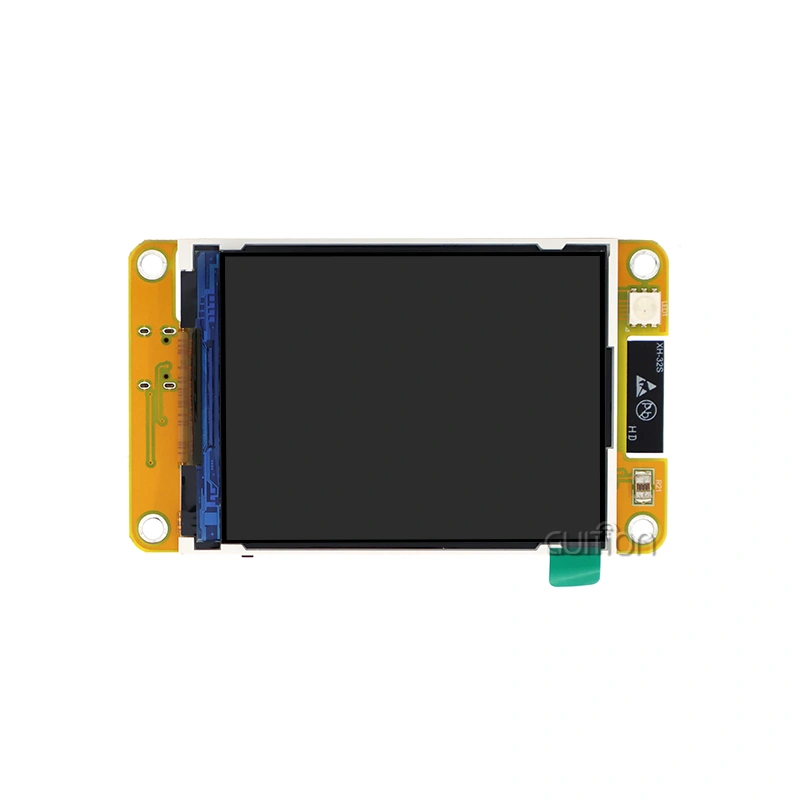
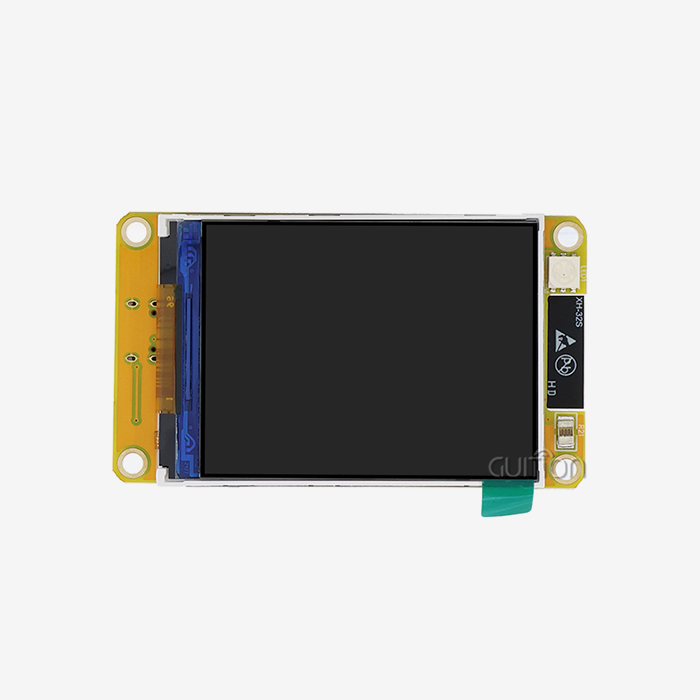
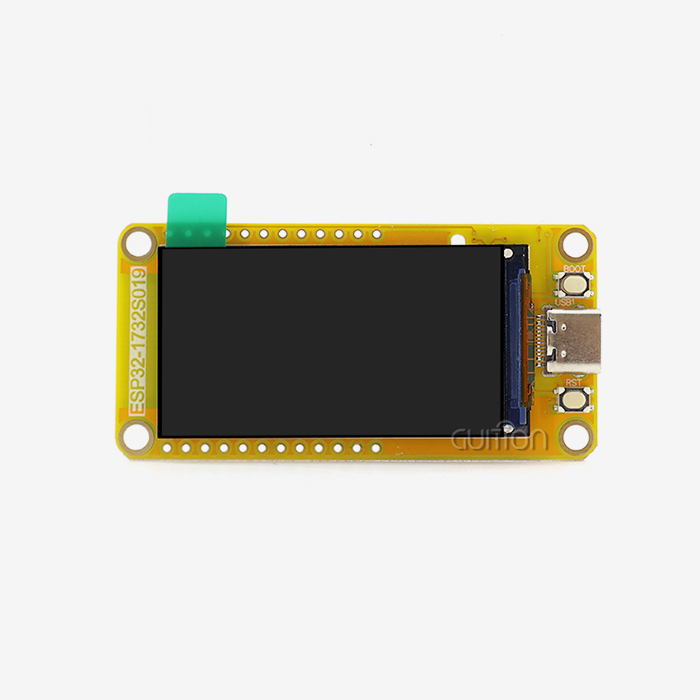
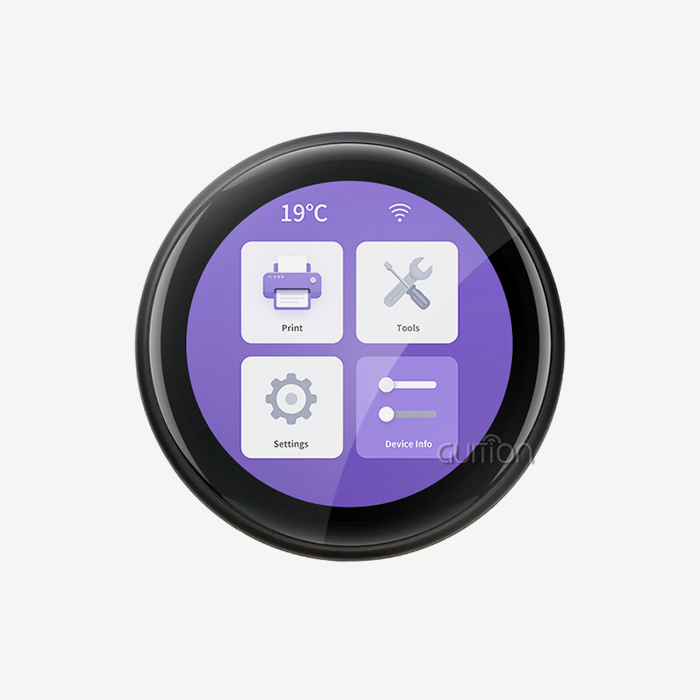
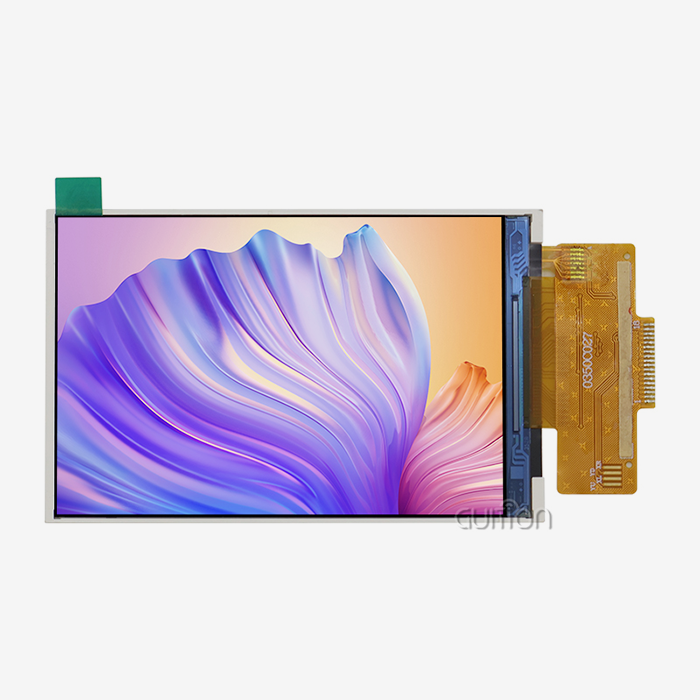
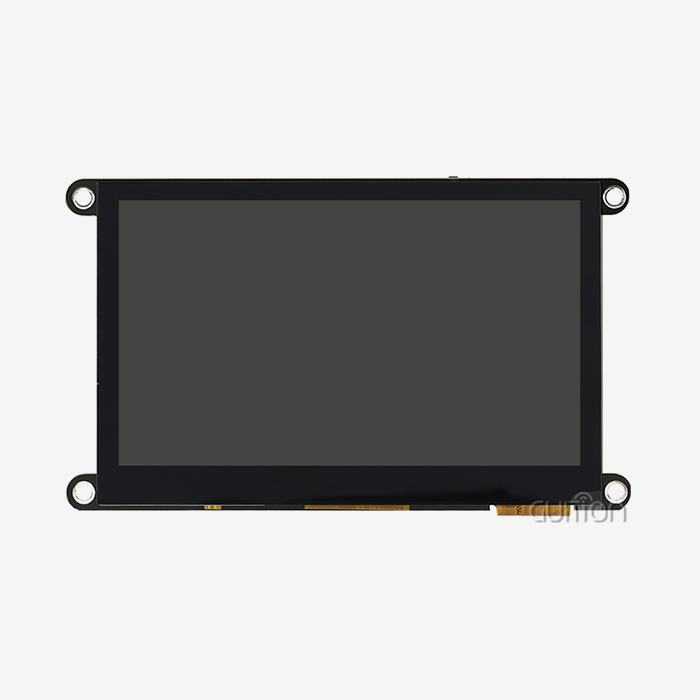
A 3.5 inch esp32 display module absolutely supports custom OEM designs. The GUITION ESP32-3248S035C comes with a 240MHz dual-core ESP32-D0WD-V3 MCU, 520KB SRAM, and 4MB Flash memory. It features a ST7796 CPU-driven TFT LCD, capacitive touch control, on-board Wi-Fi and Bluetooth, and a TF card slot. They may tailor firmware, UI layouts, and hardware interfaces to meet specific product requirements without reinventing the wheel, utilizing the Arduino IDE, ESP-IDF, MicroPython, and the Guition visual development tool.

Understanding the 3.5 Inch ESP32 Display Module and Its OEM Potential
What Makes This Module OEM-Ready
It is a self-contained HMI controller; the 3.5 inch ESP32 display module is more than just a screen. On one PCB, it has lighting control, tablet management, a speaker driver, RGB-LED control, and a photosensitive circuit. Because OEM partners don't have to find and wire individual parts, they can build on top of this foundation. This saves a lot of time and money on assembly.
Key Hardware Features That Support Customization
There is a DHT11 temperature and humidity sensor interface, a USB interface, special IO ports, and a TF card slot on the ESP32-3248S035C. Hardware developers can connect to a lot of different peripherals through these ports. The available IO headroom lets custom growth happen without having to redesign the base board, whether a product needs to watch its surroundings or store data on an external drive.
Multi-Platform Compatibility Broadens OEM Use Cases
You can use Arduino IDE, ESP-IDF, MicroPython, and Mixly with this display gadget. Because it works with so many things, different tech teams, from amateur software writers to professional embedded systems engineers, can work on the same hardware. This makes it easier for OEM clients to switch development staff or update codebases when deploying across global markets.
Technical Foundations for Customization of 3.5 Inch ESP32 Display Modules
Hardware Pinouts and Power Requirements
The 3.5 inch ESP32 display module, ESP32-3248S035C, works with a standard 5V input, and the ESP32's 3.3V logic is handled by onboard regulation. With reserved IO ports, engineers can send unique messages to other devices. The ST7796 display driver in the module supports 65K colors at 16-bit depth, and the capacitive touch controller reacts quickly to touch input with little delay. These are two important features for industrial HMI applications.
Firmware Adaptation and Touchscreen Calibration
In order for OEMs to customize firmware, they usually need to change the normal user interface, set device-specific start screens, and adjust touch zones to fit custom casings. The Guition development program has a drag-and-drop interface that usually gets rid of the need to draw coordinates by hand. Engineers can use the TF card slot or over-the-air (OTA) updates to send project files to production units and then load them.
Display and Brightness Optimization
The ESP32-3248S035C's backlight control circuit lets you change the brightness using PWM. This feature lets OEM developers change the brightness of screens in places where there are many different kinds of light, like agricultural control panels or outdoor kiosks. The photosensitive chip on board can even make this change automatically based on readings of real-time light, which means that calibration doesn't have to be done by hand during rollout.
Market Comparisons: Selecting the Best 3.5 Inch ESP32 Display for OEM Projects
TFT vs. IPS vs. OLED for OEM Environments
Picking the right type of display affects both how well it looks and how long it lasts. TFT screens, like the one in the ESP32-3248S035C, can show a lot of colors and have a lot of driver ICs available. IPS screens have viewing angles greater than 160°, which works well for control panels that are mounted at angles that aren't normal. OLED has deeper blacks, but it costs more and lasts less long in always-on situations, which is a problem for industrial settings that need to be up all the time.
Touch vs. Non-Touch Considerations for B2B Buyers
Modern HMIs are snappy, and capacitive touch, such as that found on the ESP32-3248S035C, gives consumers what they expect. Resistive touch is still desirable in certain industrial environments where workers use gloves. However, capacitive panels are ideal for consumer-facing smart appliances and medical interfaces that have to be clean and simple to use. OEM buyers should be clear about how the touch screen will be used right away so that they choose the right type.
Where GUITION Stands Against Competing Brands
Waveshare, M5Stack, and LilyGO are some of the brands that make ESP32-based displays that can be customized in different ways. The unique GUITION software environment is what sets GUITION apart. It lets UI designers who aren't experts make usable interfaces without having to write low-level display driver code. This, along with full technical documentation and direct OEM support, makes GUITION a strong partner for teams that value speed-to-prototype and product iteration.
Procurement Strategies for OEMs: How to Source the Right 3.5 Inch ESP32 Display Modules
Evaluating Suppliers for OEM Scale Orders
If a company needs to buy a lot of 3.5 inch ESP32 display modules, they should look at the certifications of the suppliers, their written MOQ policies, and whether they have any pre-production samples available. GUITION helps OEM buyers by giving them technical information, sample units, and direct access to engineers.
There are several very crucial things to consider when you place a bulk order:
- Certification compliance: Check RoHS compliance and operating temperature ratings. Industrial-grade modules should operate from -20°C to +70°C.
- Minimum order quantity flexibility – Some OEM projects are modest to begin with. A supplier who allows you to prototype with a low MOQ before ramping up production decreases your financial risk.
- Lead time visibility: Standard wait times for bespoke ESP32 HMI modules are generally 2-6 weeks depending on the extent of change. At this level, communication clearly avoids delays in the project.
These elements directly influence the total cost of the project and the dependability of the output. Choosing a 3.5 inch esp32 display module source that satisfies all three of these requirements will reduce the chances of the supply chain breaking down mid-project.
Customization Ordering Process and Quality Control
After making sure the specs are correct, OEM clients usually send a design brief that includes the UI needs, the IO setup, the firmware version, and any marking or housing needs. GUITION looks over this brief, sends a model for approval, and then starts making the product. Before being sent out, every unit is functionally tested to make sure it works properly. This includes testing the touch accuracy, display output, Wi-Fi/Bluetooth handshake, and IO port integrity.
Implementing Custom OEM Designs with 3.5 Inch ESP32 Display Modules: Case Studies and Best Practices
Real-World Applications Across Industries
The 3.5 inch ESP32 display module, ESP32-3248S035C, has been used in medical monitoring screens, smart home HVAC controllers, industrial control panels, and energy management terminals. In a common situation, OEM teams replace old LCD control interfaces in factory equipment with this module. This way, they can add Wi-Fi and touch input without having to change the control system underneath. The new display and older PLCs can talk to each other through the UART serial link.
Common Challenges and How to Avoid Them
During integration, OEM engineers often run into three types of issues:
- Power supply noise affecting capacitive touch: Unstable USB power sources introduce ripple that causes ghost inputs on capacitive controllers. Using a regulated 5V adapter and applying debounce settings in the touch driver resolves most cases.
- Frame buffer limitations without PSRAM: For applications using LVGL with double-buffering, internal SRAM alone is insufficient. Allocating frame buffer memory carefully — or selecting a WROVER variant with PSRAM — prevents rendering artifacts.
- Driver compatibility across IDE environments: When porting projects between Arduino IDE and ESP-IDF, display driver initialization sequences may differ. Testing output at each porting step, rather than at the end, catches issues earlier.
Dealing with these problems early on in the design phase keeps the project on track and saves a lot of time on debugging.
OEM Design Checklist for Engineers
Before putting a unique plan into production, make sure of the following: Check that the touch calibration fits the shell cutout, make sure that OTA update paths work on the target network, make sure that multi-language UTF-8 rendering works with all the necessary character sets, and run a 48-hour continuous operation test to look for any problems with temperature.
Conclusion
The GUITION ESP32-3248S035C is a platform that is ready for production and lets OEMs change everything about it, including the hardware, software, and user interface. It supports various development environments, has a dual-core 240MHz processor, and comes with Wi-Fi and Bluetooth. These features make it a strong base for HMI products used in industry, medicine, and consumer applications. The Guition development software speeds up the process of building the user interface for the 3.5 inch ESP32 display module, and the standard interfaces and special IO ports give engineers the freedom they need. OEM teams that want a display module that can grow with their product roadmap can use this one. It has a clear, factory-supported path from prototype to production.
FAQ
Can I modify the default firmware on the GUITION ESP32-3248S035C?
Yes. The module supports full firmware replacement through Arduino IDE, ESP-IDF, and MicroPython. OEM developers can overwrite the factory firmware and deploy their own application logic without hardware modification.
What is the minimum order quantity for custom OEM designs?
MOQ varies based on customization scope. To discuss the needs of your project and to get a production-ready price that is suited to the size of your order, please get in touch with GUITION directly.
Does the module support OTA firmware updates in the field?
Yes. The built-in Wi-Fi module enables OTA updates. Engineers can push firmware changes to deployed units without physical access, which reduces after-sales service costs considerably.
Is the capacitive touchscreen compatible with gloved operation?
Standard capacitive touch panels do not respond reliably to gloved hands. For environments requiring gloved operation, a resistive touch variant or a high-sensitivity capacitive configuration should be specified at the time of order.
Can this module display content in multiple languages?
Yes. The system supports UTF-8 encoding, allowing developers to render text in Chinese, English, Arabic, and other scripts within the same project. This makes global product deployment straightforward.
Start Your Custom OEM Project with GUITION Today
The 3.5 inch ESP32 display module maker support team at GUITION is ready to help you with your next OEM design. The ESP32-3248S035C has a 240MHz dual-core processor, capacitive touch, built-in Wi-Fi and Bluetooth, and the Guition visual development platform. It has everything your team needs to go from idea to production. Reach our technical team at david@guition.com or visit https://jingcaizhineng.aixdb.cn/ to request a sample or discuss your project specifications today.
References
1. Espressif Systems. ESP32 Technical Reference Manual. Espressif Systems, 2023.
2. Gao, W., & Chen, L. "Human-Machine Interface Design Patterns for Embedded IoT Devices." IEEE Transactions on Industrial Informatics, 2022.
3. Richardson, M., & Wallace, S. Getting Started with Raspberry Pi and ESP32 Platforms. O'Reilly Media, 2021.
4. Kolban, N. Kolban's Book on ESP32. Self-published technical reference, 2020.
5. IHS Markit. Global hmi display module Market Forecast and Technology Analysis. IHS Markit Industry Report, 2023.
6. Monk, S. Programming the ESP32 with MicroPython. McGraw-Hill Education, 2022.
Learn about our latest products and discounts through SMS or email