- English
- French
- German
- Portuguese
- Spanish
- Russian
- Japanese
- Korean
- Arabic
- Greek
- German
- Turkish
- Italian
- Danish
- Romanian
- Indonesian
- Czech
- Afrikaans
- Swedish
- Polish
- Basque
- Catalan
- Esperanto
- Hindi
- Lao
- Albanian
- Amharic
- Armenian
- Azerbaijani
- Belarusian
- Bengali
- Bosnian
- Bulgarian
- Cebuano
- Chichewa
- Corsican
- Croatian
- Dutch
- Estonian
- Filipino
- Finnish
- Frisian
- Galician
- Georgian
- Gujarati
- Haitian
- Hausa
- Hawaiian
- Hebrew
- Hmong
- Hungarian
- Icelandic
- Igbo
- Javanese
- Kannada
- Kazakh
- Khmer
- Kurdish
- Kyrgyz
- Latin
- Latvian
- Lithuanian
- Luxembou..
- Macedonian
- Malagasy
- Malay
- Malayalam
- Maltese
- Maori
- Marathi
- Mongolian
- Burmese
- Nepali
- Norwegian
- Pashto
- Persian
- Punjabi
- Serbian
- Sesotho
- Sinhala
- Slovak
- Slovenian
- Somali
- Samoan
- Scots Gaelic
- Shona
- Sindhi
- Sundanese
- Swahili
- Tajik
- Tamil
- Telugu
- Thai
- Ukrainian
- Urdu
- Uzbek
- Vietnamese
- Welsh
- Xhosa
- Yiddish
- Yoruba
- Zulu
How Do You Verify Custom LCD Module Quality Before Bulk Orders?
One of the biggest things any procurement team can do is check the quality of a Custom lcd module before a bulk purchase is placed. A bespoke LCD module consists of customized hardware (driver ICs, backlight circuits, and display panels) that all must be reliable under your specific working circumstances. Verification consists of visual examination, electrical stress testing, environmental simulation, and certification assessment. Getting this properly safeguards your budget, your product schedule, and your end user experience. This tutorial tells you just how to accomplish it.

Understanding Custom LCD Module Quality
What "Quality" Actually Means for Display Modules
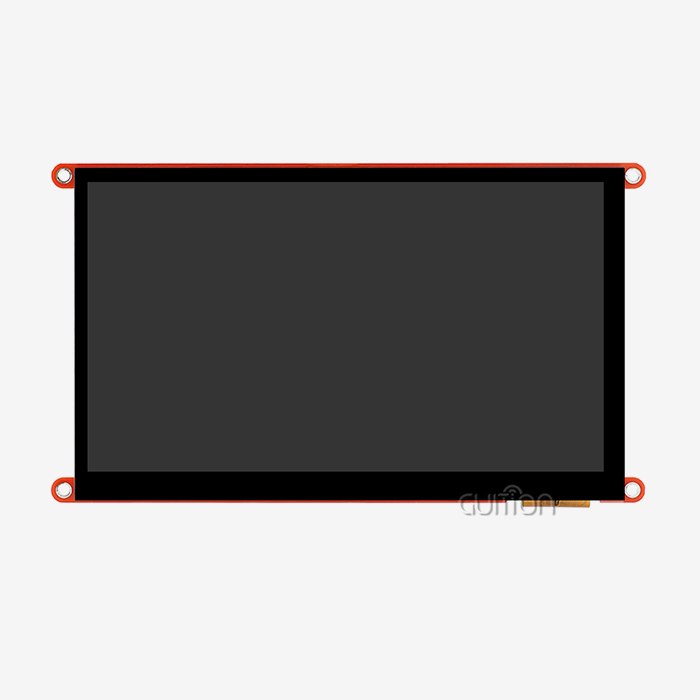
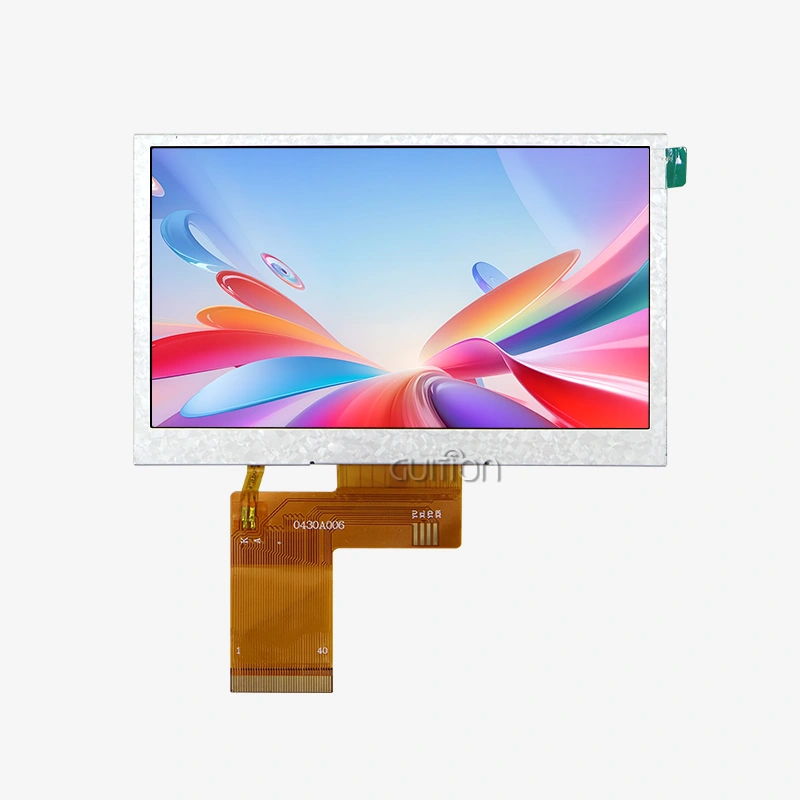
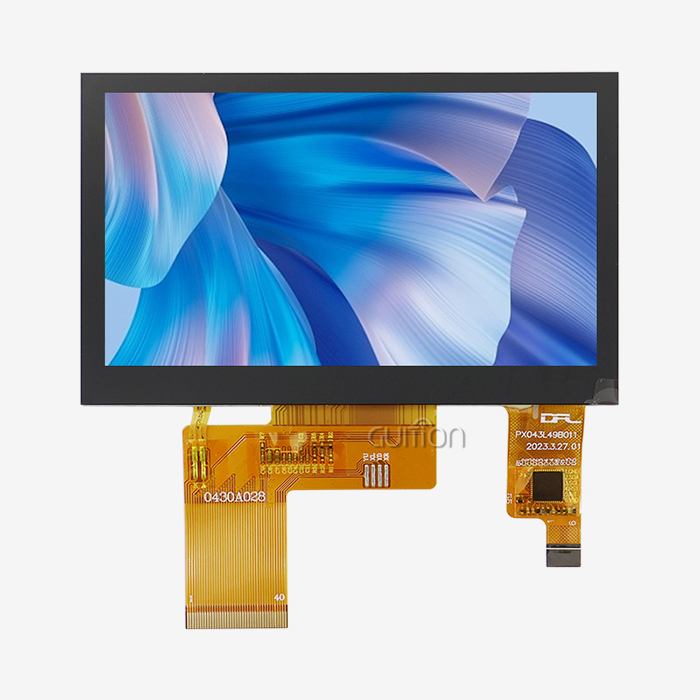
One factor of quality in the custom LCD module is a clean surface. It has optical performance ( brightness in nits, contrast ratio, and color depth), electrical dependability, mechanical durability, and making sure it suits your design precisely. Small changes in reaction time or viewing angle of medical monitoring equipment or industrial HMI screens might cause field failures. For example, a 4.3 inch IPS module with 480x272 resolution must give the same brightness over the whole cone of vision, not simply while looking straight at it.
Common Defects That Affect Custom LCD Modules
There are many production defects such as dead pixels, Mura (non-uniform brightness), backlight unit delamination, and driver IC damage due to ESD. Another typical issue that causes signal loss is poor FPC (flexible printed circuit) bonding. Buyers should use the ISO 13406-2 Class II pixel defect standards to determine how many flaws are acceptable to them before placing a purchase. If any concerns arise during quality control, these criteria will be solved if you write them down with your LCD module supplier.
Why Custom Modules Demand Stricter Evaluation
Custom LCD modules, unlike standard off-the-shelf displays, are created to suit your exact interface type, operating voltage, and mechanical envelope. This means that there are fewer reference standards to select from. Every time you are kind of certifying a different product. This implies that both buyer and supplier have the responsibility to examine everything. That’s why a documented, organized procedure needs to be in place before any large orders commence.
The Systematic Approach to Verifying LCD Module Quality
Define Your Quality Criteria First
Before you test a single sample, write out the acceptance criteria for each metric that pertains to your application. For an industrial control panel, this may entail a temperature range of -30°C to +85°C, a brightness of at least 500 nits, and a backlight life of 50,000 hours. In the case of a smart home device, it’s more about low power use and tiny size. Having written criteria stops later disagreements based on opinion and gives the company that makes LCD modules a clear goal to reach.
Assess Supply Chain and Counterfeit Risks
There are known issues with fake driver integrated circuits in the supply chain for display modules. Before you place an order, ask your supplier to send you records of how the parts were made. Make sure that the driver ICs you buy come from official sources and not the gray market. Ask for a Bill of Materials (BOM) with part numbers, and then compare those part numbers to datasheets from the manufacturers. Without this one step, field failures caused by poorly designed or copied chips that pass initial visual checks but break under load can be avoided, which can save a lot of money.
Combine Sample Testing with Third-Party Audits
Physical testing is the only way to be sure that the information is correct. Before allowing mass production, you should ask for at least three to five pre-production models. If your own lab doesn't have enough space, hire a certified third-party testing lab to do electrical compliance and environmental stress tests. The sampling plan frameworks in MIL-STD-105E and ISO 2859-1 tell you how many units to test and what the acceptance quality level (AQL) should be. Following these guidelines will help you make a solid buying choice that can be defended and checked.
Key Methods to Test and Inspect Custom LCD Modules Before Bulk Orders
Visual and Optical Inspection
Check for minor scratches, bubbles in any lamination layer, and dead or stuck pixels using automated optical inspection (AOI) or hand examination under controlled illumination. Show 25%, 50% and 75% Brightness Gray screens all the same to assist you in checking for Mura faults. A photometer is used to measure the brightness of the panel at a minimum of nine separate points on the surface of the panel. A Custom lcd module that is properly manufactured and comes from a dependable vendor will have a brightness variation of less than 15% across the region of the display.
Electrical Stress and Functional Testing
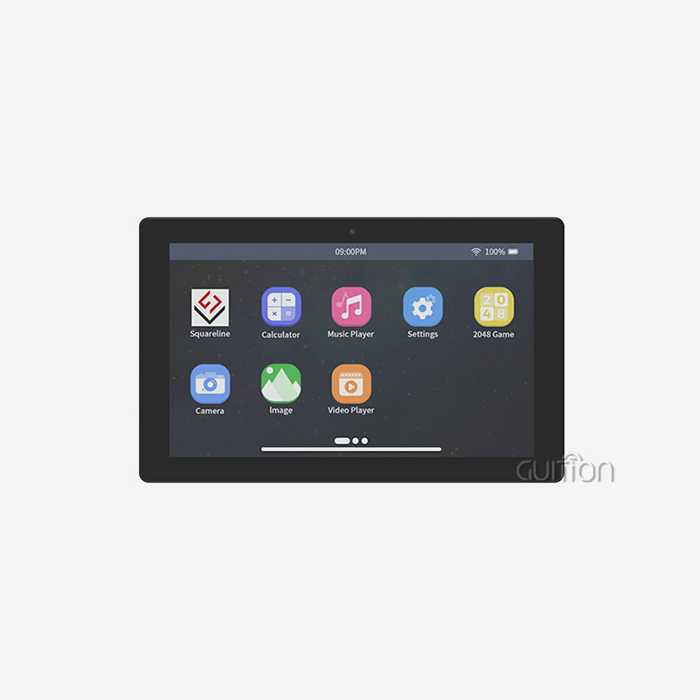
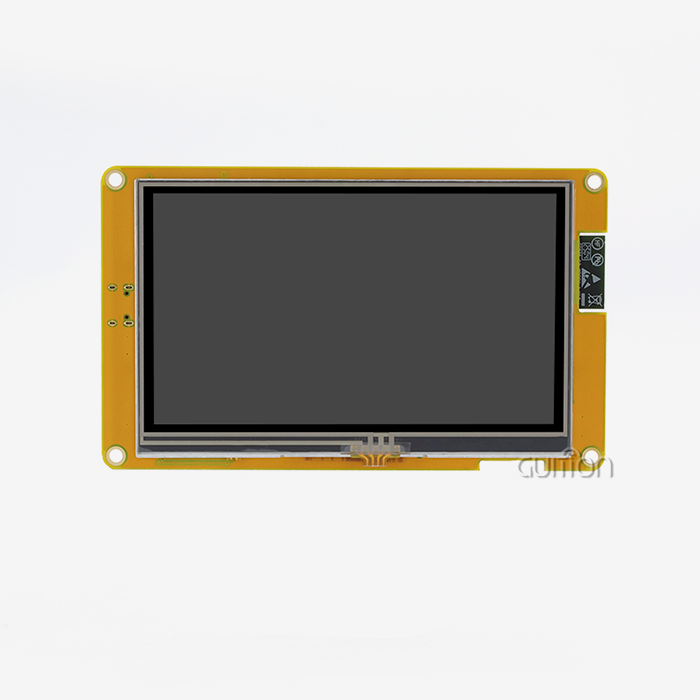
Do functional tests that are like real-life operations. To check for driver tiredness, turn on and off the lights 10,000 times with the given logic voltage, which is usually 3.3V or 5V. Send full-screen image data and check for signal integrity to test the communication interface, whether it's SPI, RGB, LVDS, or MIPI DSI. For a module like the GUITION JC4827Q343N_I, which has a 400MHz D121BAV single-core MCU, make sure that JPEG decoding at 1024x768@60fps works continuously without any frame drops or other issues.
Environmental Simulation Tests
Environmental testing is where many custom LCD modules either show how useful they are or show where they fall short. High/Low Temperature Storage (usually 72–96 hours at the given extremes), Thermal Shock cycling from -40°C to +85°C, High Humidity testing at 60°C and 90% relative humidity for 240 hours, and vibration/drop testing to simulate stress from shipping and installation are all part of the standard test battery. You can test for ESD up to ±8kV contact discharge and up to ±15kV air discharge. If you pass all of these, you'll want to order a lot of this module.
Comparing Quality Across Custom LCD Module Types and Suppliers
Evaluating Display Technologies Side by Side
TFT LCD screens with IPS technology are the standard for industrial HMI and medical tracking because they have stable color accuracy and can be seen from a wide range of angles. OLED panels have more contrast, but they break down faster when they see static images all the time. E-ink works well in low-power situations where the update rate is not important. Matching the technology to the job cycle and weather exposure of your application is important when finding a custom LCD module. An IPS panel with 65K color depth and wide viewing angles, like the one in the GUITION JC4827Q343N_I, works well for industrial use cases that need to run all the time.
How to Assess Supplier Credibility
A reliable Custom lcd module provider keeps their ISO 9001 certification for quality management and produces their products in ISO Class 100 cleanrooms for optical bonding. Don't just ask for certificates; also ask for audit reports. Check the quality of their engineering documentation. A supplier with detailed datasheets and a technical team that responds quickly to questions about specifications shows that they have real engineering depth. For example, GUITION offers full secondary development documents, cross-platform compatibility across Arduino, IDF, and Guition development modes, and remote update support. These are all signs of a provider that cares about the long-term stability of their products.
Balancing Price, Lead Time, and Quality
There is real pressure on prices, but skimping on the quality of LCD modules leads to higher costs after the sale and maybe even product recalls. Ask for quotes with specifics so you can see where the cost savings are coming from. It is not cost-effective to skip environmental testing in order to get a shorter lead time. Instead of seeing quality assurance milestones like first article inspection, pre-shipment inspection, and golden sample approval as extras that you can choose not to include, work them into your purchase agreement.
Procurement Best Practices for Securing Quality Custom LCD Modules
Set Clear Procurement Criteria in Your Contract
The terms of your purchase agreement should include the type of pixel defect, the working temperature range, the necessary certifications (RoHS, CE, ISO), the length of the warranty, and how to handle items that don't meet the standards. Say who is responsible for the costs of rework if a batch fails the incoming inspection. These terms are not hostile; they protect both sides by taking away the need for guessing. These terms will be readily accepted by a seller who is sure of their Custom lcd module making abilities.
Use Sample and Small-Batch Orders Strategically
Run a pilot batch of 50–100 units and put them to use in real-world situations for at least 30 days before placing a large order. Track the number of failures, the security of the interface, and any changes to the display. This validation in the real world finds problems that lab tests don't always find, especially when it comes to how software and hardware interact. The GUITION JC4827Q343N_I comes with test programs already installed, so your team can start functional testing as soon as they get the samples, which saves days of setup time during this important validation phase.
Build Long-Term Supplier Relationships
Buying things isn't just a transaction. If your provider knows what you're using it for, like a farm automation terminal, a business kiosk, or a medical device, they can warn you about risks related to components going out of date and suggest ways to make the design better. GUITION's product line includes screens ranging in size from 1.28" to 21.5" and supports multi-language UTF-8 encoding for global deployment. This means that your relationship with your supplier can grow as your product line does, so you don't have to start from scratch with every new project.
Conclusion
Structured planning, actual tests, and clear source agreements are necessary for Custom lcd module verification before large orders. Visual and optical inspection, stress testing in different environments, electrical validation, and certification review all work together to give you a full picture of the quality of the module. Using international sampling standards and a mix of internal checks and audits by a third party makes the process more objective. A provider like GUITION, which offers deep technical support, cross-platform development help, and production tracking, makes this process a lot easier to handle and lowers the risk of costly surprises during mass production.
FAQ
How long does sample verification typically take?
It usually takes 3–5 weeks from the time the drawing is confirmed for the sample to be made and sent out. Allow an extra two to four weeks for testing in the surroundings and making sure the product works properly before allowing mass production. The most common reason why quality slips in bulk orders is that people are rushing to meet this deadline.
What certifications should a custom LCD module carry?
Look for RoHS compliance (EU Directive 2011/65/EU) and CE marking for the European market at the very least. A written quality control system is shown by ISO 9001 certification from the factory. For medical uses, you might need to meet more IEC 60601-1 electrical safety standards.
Should I rely on in-house testing or hire a third-party lab?
They both play a part. Functional evaluation and eye inspection can be done quickly in-house. For environmental and EMC tests that need calibrated tools, third-party labs that are approved to MIL-STD-810 or IEC standards are a good bet. Before committing to large orders, using both gives you the best quality assurance position.
Can I request a golden sample for ongoing inspection reference?
Yes, you should. Every time a package comes in, quality control uses a "golden sample," which is an approved unit that meets all the requirements, as a real standard. A matching reference unit will be labeled and kept on hand by the majority of reputable Custom lcd module suppliers.
Get a Sample of the GUITION JC4827Q343N_I Custom LCD Module Today
For tough industrial, medical, and Internet of Things (IoT) applications, GUITION specializes in Custom lcd module solutions. You can now get a sample of the JC4827Q343N_I, which has a 400MHz D121BAV MCU, a 4.3-inch IPS display, and the drag-and-drop Guition GUI development tool. To request a sample and talk about your project needs with a Custom lcd module supplier who stands behind every shipment, email our engineering team at david@guition.com.
References
1. International Organization for Standardization. ISO 13406-2: Ergonomic Requirements for Flat Panel Displays. ISO, 2001.
2. International Organization for Standardization. ISO 2859-1: Sampling Procedures for Inspection by Attributes. ISO, 1999.
3. U.S. Department of Defense. MIL-STD-105E: Sampling Procedures and Tables for Inspection by Attributes. DoD, 1989.
4. International Electrotechnical Commission. IEC 60068-2: Environmental Testing — Part 2: Tests. IEC, 2021.
5. European Parliament. Directive 2011/65/EU on the Restriction of Hazardous Substances (RoHS) in Electrical and Electronic Equipment. Official Journal of the European Union, 2011.
6. DisplaySearch / DSCC. Global Display Market Quarterly Report: TFT LCD and OLED Supply Chain Analysis. DSCC, 2023.
Learn about our latest products and discounts through SMS or email