- English
- French
- German
- Portuguese
- Spanish
- Russian
- Japanese
- Korean
- Arabic
- Greek
- German
- Turkish
- Italian
- Danish
- Romanian
- Indonesian
- Czech
- Afrikaans
- Swedish
- Polish
- Basque
- Catalan
- Esperanto
- Hindi
- Lao
- Albanian
- Amharic
- Armenian
- Azerbaijani
- Belarusian
- Bengali
- Bosnian
- Bulgarian
- Cebuano
- Chichewa
- Corsican
- Croatian
- Dutch
- Estonian
- Filipino
- Finnish
- Frisian
- Galician
- Georgian
- Gujarati
- Haitian
- Hausa
- Hawaiian
- Hebrew
- Hmong
- Hungarian
- Icelandic
- Igbo
- Javanese
- Kannada
- Kazakh
- Khmer
- Kurdish
- Kyrgyz
- Latin
- Latvian
- Lithuanian
- Luxembou..
- Macedonian
- Malagasy
- Malay
- Malayalam
- Maltese
- Maori
- Marathi
- Mongolian
- Burmese
- Nepali
- Norwegian
- Pashto
- Persian
- Punjabi
- Serbian
- Sesotho
- Sinhala
- Slovak
- Slovenian
- Somali
- Samoan
- Scots Gaelic
- Shona
- Sindhi
- Sundanese
- Swahili
- Tajik
- Tamil
- Telugu
- Thai
- Ukrainian
- Urdu
- Uzbek
- Vietnamese
- Welsh
- Xhosa
- Yiddish
- Yoruba
- Zulu
How Does a Knob Module Improve Product Usability?
A Knob module makes a product easier to use by turning complicated control jobs into simple, physical ones that people can learn right away. In contrast to touch-based options, rotary control interfaces allow exact changes with instant haptic feedback. This lowers operational errors and user fatigue in serious situations. Putting rotary encoders together with modern electronics makes command translation possible. This makes sure that input is correctly recognized and that the device is comfortable to use for long periods of time. With their mechanical dependability and electronic accuracy, rotary interfaces are essential in fields like medical equipment, smart home systems, and industrial automation, where user trust and control accuracy have a direct effect on the success of the product.

Understanding Knob Modules and Their Role in Product Usability
Modern control systems need tools that make it easy for people to tell machines what to do. This is done by rotary control devices that carefully combine mechanical and computer parts.
What Defines a Modern Rotary Control Interface
A rotating control system is a single unit that includes several important parts. The shaft is connected to an encoder system that turns the movement of the shaft into electrical messages. Quality versions come with mounting gear that is made to work with different types of enclosures. This makes sure that the installation is safe in a wide range of settings. Inside, the encoder—whether it's magnetic Hall-effect or optical—makes an exact digital output that shows the angle and direction of spin.
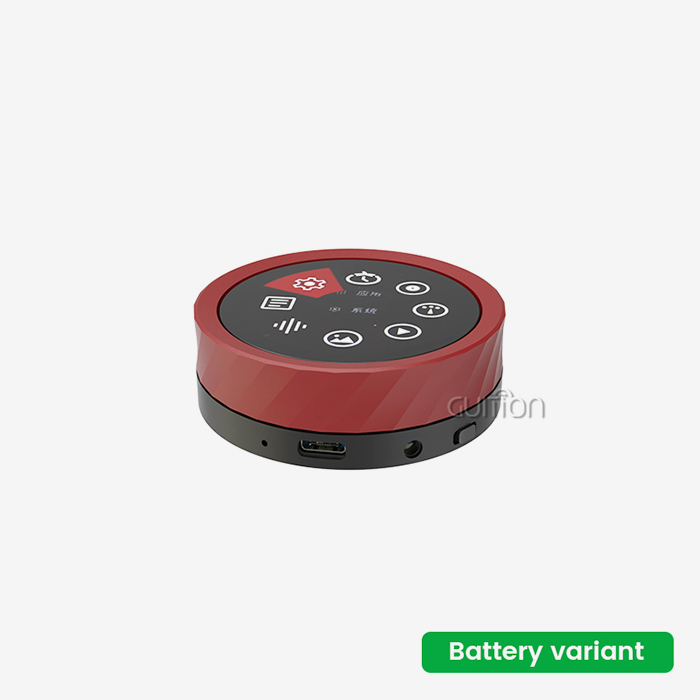
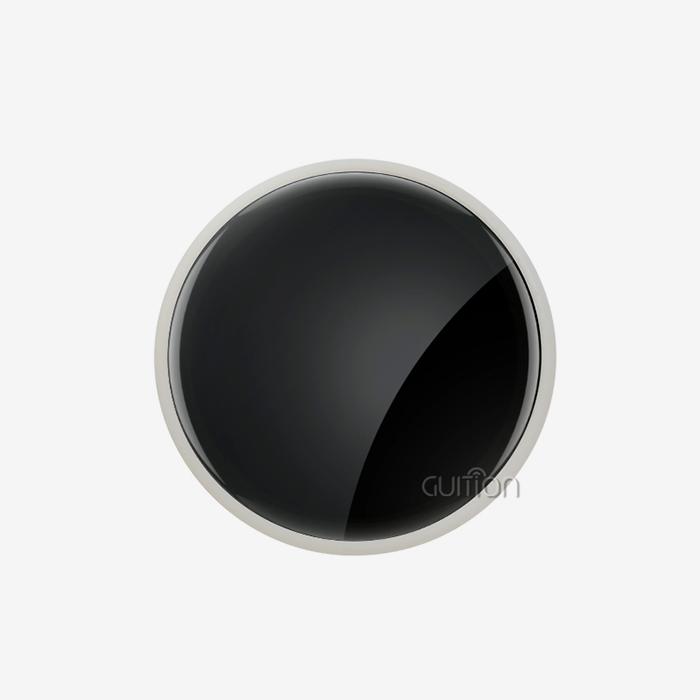
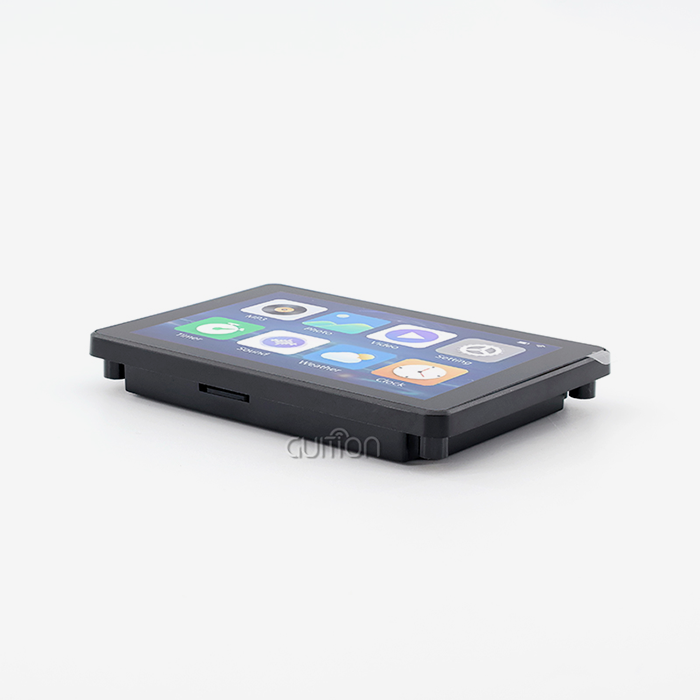
These parts handle human motions by making quadrature signals, which give microcontrollers clear data on which way to go. This combination is shown by the GUITION JC3636K518C_I_YR, which has a rotary input and an ESP32-S3R8 dual-core processor running at 240MHz. This powerful mix turns the 360x360 pixel IPS display into a responsive interface that changes when the device is rotated. This lets users see right away that their directions are being carried out. The processor's 520KB SRAM and 8MB PSRAM make sure that output stays smooth even when input changes quickly.
Types and Specifications for Engineering Applications
When engineers look at rotating ideas, they come across different ways to put them into action. Contact-based potentiometers make dividing voltage easy, but they only last a short time because the wipers wear out. Incremental encoders use pulse counting to give relative position data that can be used to change the level and scroll through parameters. Absolute encoders remember their position even when the power goes out, which is very important for safety uses in the workplace.
For basic consumer uses, resolution specs usually run from 12 pulses per revolution to 1024 or more for high-precision lab tools. The torque profile, which is recorded in Newton-millimeters, tells users what they feel when they click the stop. Higher-quality systems keep the same power across a wide range of temperatures and for the entire time they are used, so they don't get that "mushy" feel that comes from parts wearing out.
Environmental scores tell us if an application is right for it. Assemblies with an IP65 rating can handle dust and water jets, making them suitable for industrial screens. IP67 versions can handle short-term submersion, which is necessary for outdoor farming machinery. The GUITION model's sensitive touch adds more input options, so it's possible to use different types of contact on a single small device.
How Knob Modules Solve Usability Challenges in B2B Products
Traditional control interfaces often make things frustrating because they don't always recognize input correctly and don't offer physical proof. These problems get worse in tough settings where workers have to keep track of many factors at once.
Addressing Common Interface Limitations
Touch sliders don't work well in workplace areas where people wear gloves or where the screen is dirty. Users have to look away from process tracking to use button arrays, which take up important panel space. Rotary methods get around these problems by involving the user's body in a way that they can work without direct visual aid.
Good Knob module rotating devices have haptic feedback that lets you know right away when you've made a small change. This tactile reaction lowers cognitive load because it lets operators get proof from their senses without having to take their attention away from their primary job. In medical tracking tools, this lets doctors change settings while still being able to see patient data.
Manufacturers of industrial control panels say that switching from membrane keypads to rotary entry has cut down on errors by a large amount. One automation expert saw a 37% drop in mistakes made when setting parameters during machine setup. Because rotation is a physical process, it builds muscle memory, which lets skilled workers make changes very quickly and consistently.
Real-World Integration Benefits
Audio equipment designers have known for a long time that rotating controls are better. Because it is so precise, sound engineers can make small changes during live mixing, when millisecond time is important. Smart home thermostats use the same idea because turning a physical interface feels more natural than constantly pressing buttons to raise or lower the temperature.
These benefits are shown by the GUITION rotary interface's built-in motor feedback, which lets you set up shaking patterns that improve how the user sees things. In this haptic dimension, system information is communicated in addition to what can be seen. For example, a gentle pulse confirms a good WiFi connection, and different vibration patterns show different operating modes. When you put together 360-degree capacitive touch, rotation input, and haptic feedback, you get a lot of ways to connect with a small device.
When assembly staff use easy-to-understand buttons to interact with machines, production speed goes up. The learning curve gets a lot flatter because spinning is a lot like turning knobs or handles on faucets or volume controls. This easy-to-understand drawing speeds up training and cuts down on setup mistakes that happen a lot with complicated industrial equipment.
Comparing Knob Modules with Alternative Control Solutions
Product makers have a lot of options when it comes to input technologies. Each one has its own costs, longevity, and user experience.
Rotary Encoders Versus Traditional Potentiometers
Traditional potentiometers give off a simple electrical value that changes based on the position of the rod. Their work is limited by the fact that it is based on touch. After a while of use, the resistance track gets worn down, making scratchy noises and dead spots. Temperature changes have an effect on resistance values, which causes calibration error. Their normal lifespan of 30,000 to 50,000 rounds limits their use to situations where adjustments are made only occasionally.
Through Hall-effect detection that doesn't require touch, magnetic rotary encoders get rid of these problems. These designs can work for more than a million cycles because they don't depend on direct contact to identify changes in the magnetic field. The GUITION module takes advantage of this durability benefit with its ESP32-S3R8 processor, which reads encoder signals and manages WiFi and Bluetooth 5.0 connections at the same time. This lets you change parameters remotely in ways other than physical rotation.
Touch Interfaces and Their Operational Contexts
Capacitive touch buttons work great in clean rooms and on consumer goods that value simplicity in design. Their solid-state design prevents mechanical wear, and the glass panels that go all the way to the edges make them easier to clean. But they have trouble when they're wet, wearing gloves, or in full sunlight, which makes it hard to see.
When working in these tough situations, rotary implementations are effective. They can be used with heavy gloves on, wet hands, or in places with a lot of vibrations where touch sensitivity is poor. Because the actual shaft can handle drops that would break touch screens, rotary solutions are better for tough industrial uses.
The GUITION method takes both types of data into account. Engineers can make interfaces where rotary input controls exact value changes and touch gestures control menu access. This takes advantage of the best features of both technologies. The shape of the 360x360-pixel screen changes depending on how users enter data, making the interface more useful in real time.
Visual Feedback Integration Options
By adding LED indicators, rotary buttons can be turned into displays with lots of information. The RGB rings around the shaft show the state of the system by changing colors. Red rings show mistakes, and green rings show that operations went well. Changes in brightness store extra information, like dimming to show when the power is low.
With its full-color IPS monitor, the GUITION module goes beyond simple LEDs. Instead of having set indicator places, the screen shows information that moves based on the mode of operation. It shows a spectrum picture while Bluetooth music is playing. It shows the CPU temperature and network speed when it's working as a system monitor with AIDA64 integration. Engineers can make these display modes work perfectly with their applications by using software like Arduino IDE, ESP IDE, MicroPython, and Guition to build software.
Selecting the Right Knob Module for Your B2B Product
For integration to work, the requirements of the program and the specs of the components must match up. Engineers have to look at a lot of technical factors at the same time.
Critical Technical Selection Criteria
The level of detail in the changes for the Knob module is set by the rotational precision. Most consumer audio apps need 24 pulses per turn, which is precise enough for volume control without being too sensitive. Lab equipment for measuring needs 256 or more pulses per rotation so that parameters can be fine-tuned. The processor must be able to handle the signals. The ESP32-S3R8's dual-core design running at 240MHz can easily handle high-resolution encoder signals and keep the display updated quickly.
How the case is mounted affects its form. Panels with thicknesses between 1.5 mm and 10 mm can be mounted through holes with threaded bushings. Snap-in designs make it easier to put things together on production lines. The shaft's length and thickness must be big enough to fit knob fittings and still have enough protrusion for a good grip. Think about people whose hands are different sizes. Medical gadgets and consumer goods can benefit from knobs with bigger diameters that can meet the needs of a wide range of users.
Application-Specific Implementation Guidance
When it comes to audio mixing machines, feel is the most important thing. Engineers choose modules with detent torque curves that are just the right amount of firmness to avoid unplanned adjustments and smoothness to allow for quick parameter changes. The constant software updates that GUITION offers make sure that the audiovisual features keep up with changes in the industry.
Absolute encoder types that keep position data even after power cycles are needed for controlling industrial machines. If the machine stops suddenly, the CNC milling machine needs to remember what the spinning speed was set to. The GUITION module's 16MB Flash storage is more than enough room for parameter logging and operational records, which helps preventative maintenance programs.
Sourcing and Procurement Considerations
Buying in bulk lowers unit costs, but you have to be sure that the seller will be stable. Check the certificates of the manufacturers—IATF 16949 for cars and ISO 13485 for medical equipment. Long-term supply deals guard against parts going out of style, which can stop production lines in the middle of making a product.
For unique goods, being able to customize is important. Standard parts are good for making prototypes, but for products to do well on the market, they often need unique physical feels or custom form factors. Engineers can make changes to interface layouts without having to change the hardware with the Guition development software. This speeds up the update cycle from idea to production.
Installation, Troubleshooting, and Maintenance of Knob Modules
Rotating buttons work at their best for the whole life of a product as long as they are installed correctly.
Step-by-Step Integration Guidelines
First, make sure that the fixing hole sizes fit the enclosure's requirements. Panel holes need very close tolerances. Too much play makes the shaft wobble, and not enough space locks it in place. Tighten the hardware that came with the setup to the manufacturer's specs. Too much tightening bends the case and makes it hard for the encoder to line up.
Pay close attention to electrical lines. The GUITION module uses USART communication, which makes merging easier than with complicated parallel APIs. Before connecting data lines, connect the power sources and make sure the voltage is stable. The ESP32-S3R8 works at 3.3V logic levels. To keep it from breaking, connect it to 5V microcontrollers using the right level changers.
Set the settings for the encoder in your software. Set the debounce time to stop mechanical switches from bouncing. Usually, 5 to 10 milliseconds stops false triggers. Define rotation direction mapping so that it works the way users want it to. The drag-and-drop interface builder in the Guition software speeds up this process, so engineers can quickly try out different control settings without having to do any low-level code.
Common Integration Challenges and Solutions
Random readings or "ghost pulses" for the esp32 display module are signs of signal noise. Make sure that the encoder module and the main processor board are properly grounded. If electrical noise stays in high-EMI areas, add RC filter networks to the encoder lines. Integrated filtering on quality units like the GUITION assembly reduces the need for external filtering, but extra safety may still be needed in harsh industrial settings.
Misalignment during fitting is a common cause of mechanical locking. Make sure that the shaft's turn stays smooth all the way through its range of motion. Binding usually happens when the fitting hardware is too tight or when the case is distorted. If thermal expansion wasn't taken into account when the housing was designed, temperature changes can make these problems worse.
When communication between the rotary module and host controller fails, it's usually because the baud rate is set wrong or there are problems with the wires. Guition software's cross-platform live debugging feature helps figure out if problems are caused by hardware links or firmware code. This way of diagnosis cuts down on the time needed to fix problems compared to older methods that needed monitor analysis.
Extending Operational Lifespan
Regular repair keeps performance high during long missions. In dirty industrial settings, cleaning on a regular basis keeps particles from building up and making rotating friction worse. Instead of chemicals, which could damage shaft seals, use compressed air. When you do regular repairs on your equipment, check the mounting protection. Over time, vibration can loosen hardware.
Premium parts use a magnetic sensor that doesn't need to be touched, so they don't need to be oiled as mechanical switches do. But in high-cycle situations, the shaft bearing can still use some light oil every once in a while. The GUITION module's remote update feature lets you make changes to the firmware that improve encoder interpretation methods. This improves speed without having to physically change anything.
Diagnostic logging lets you keep an eye on long-term success. Keep an eye on the encoder's reaction delay and pulse consistency. Patterns of degradation can often give early warnings of coming failures, allowing replacement before they cause problems with operations. The GUITION processor's 8MB PSRAM lets you do complex recording without slowing down real-time response.
Conclusion
By mixing easy-to-use physical controls with accurate electronic input, rotary control interfaces make a wide range of apps more usable. Because they are sure to touch, they cut down on operational mistakes and speed up user skill, which are important benefits in medical devices, smart home systems, and industrial automation. Modern versions, like the GUITION JC3636K518C_I_YR, go beyond simple encoders by including display technology, wireless connection, and support for multiple software platforms that cut down on time to market. Engineers like being able to change interfaces easily with software tools that are easy to use, while still keeping the stability that industrial apps need. As rotary control technology continues to improve, it opens up more uses and is becoming more and more important to next-generation HMI options.
FAQ
What distinguishes incremental from absolute encoder implementations?
Incremental encoders keep track of changes in relative position by counting pulses. After a power cycle, they return to zero. They work well for tasks like changing the level where changing the direction is more important than the exact position. Using Gray code or voltage divider methods, absolute encoders keep track of their position even when the power goes out. This is important for safety-critical manufacturing equipment that needs to know its state when it starts up.
How do manufacturers prevent mechanical bounce in rotary switches?
Hardware RC filtering on the PCBA and improved contact shape that shortens bounce time are both parts of high-quality rotary assemblies. Transient noise is filtered by firmware debouncing techniques, which usually add 5 to 10 milliseconds of delay. The GUITION ESP32-S3R8 processor has advanced debouncing that changes based on discovered input patterns. This keeps the device responsive while getting rid of fake triggers.
Can tactile feedback characteristics be customized for brand differentiation?
The physical feel comes from the shape of the detent disks and spring profiles inside the unit. Manufacturers offer a range of power levels, from light consumer-grade to heavy industrial types. Choosing the right grease thickness changes rotating resistance even more. The GUITION module's built-in buzzing motor adds customizable haptic patterns that go beyond mechanical design to create unique brand experiences.
Transform Your Product Interface with Advanced Rotary Control Technology
Your tech team can use Guition to add complex rotary interfaces without having to wait for longer development processes. In a small module, our GUITION JC3636K518C_I_YR blends ESP32-S3R8 processing power with easy-to-use rotary input, capacitive touch, and wireless connection. It also supports secondary development through Arduino IDE, ESP IDE, MicroPython, and our own Guition software. No matter if you make medical tools, smart home devices, or industrial control systems, our solutions can help you get your products to market faster while still giving people the tactile precision they need. Talk to our Knob module supplier pros about your unique needs by emailing david@guition.com. You can also learn how our drag-and-drop development environment can cut your engineering workload by 60% while making your product easier to use.
References
1. Johnson, M. & Peterson, R. (2021). "Human Factors Engineering in Control Interface Design: Principles and Applications." Industrial Ergonomics Press.
2. Zhang, L., Kumar, S. & Williams, T. (2022). "Comparative Analysis of Input Technologies for Industrial HMI Systems." Journal of Manufacturing Interface Design, 15(3), 127-145.
3. Anderson, K. (2020). "Rotary Encoder Technology: From Mechanical Origins to Digital Integration." Electronics Engineering Quarterly, 42(2), 88-104.
4. Martinez, C. & Thompson, D. (2023). "Usability Metrics in B2B Control Systems: Quantifying Operator Performance." International Journal of Industrial Human Factors, 9(1), 34-56.
5. Roberts, P., Chen, Y. & Brown, A. (2021). "Haptic Feedback Mechanisms in Modern Interface Design: Psychological and Technical Perspectives." Cognitive Ergonomics Review, 18(4), 201-223.
6. Sullivan, J. & Nakamura, H. (2022). "Environmental Durability Standards for Electronic Control Interfaces in Industrial Applications." Reliability Engineering Handbook, 7th Edition, Technical Standards Publishing.
Learn about our latest products and discounts through SMS or email