- English
- French
- German
- Portuguese
- Spanish
- Russian
- Japanese
- Korean
- Arabic
- Greek
- German
- Turkish
- Italian
- Danish
- Romanian
- Indonesian
- Czech
- Afrikaans
- Swedish
- Polish
- Basque
- Catalan
- Esperanto
- Hindi
- Lao
- Albanian
- Amharic
- Armenian
- Azerbaijani
- Belarusian
- Bengali
- Bosnian
- Bulgarian
- Cebuano
- Chichewa
- Corsican
- Croatian
- Dutch
- Estonian
- Filipino
- Finnish
- Frisian
- Galician
- Georgian
- Gujarati
- Haitian
- Hausa
- Hawaiian
- Hebrew
- Hmong
- Hungarian
- Icelandic
- Igbo
- Javanese
- Kannada
- Kazakh
- Khmer
- Kurdish
- Kyrgyz
- Latin
- Latvian
- Lithuanian
- Luxembou..
- Macedonian
- Malagasy
- Malay
- Malayalam
- Maltese
- Maori
- Marathi
- Mongolian
- Burmese
- Nepali
- Norwegian
- Pashto
- Persian
- Punjabi
- Serbian
- Sesotho
- Sinhala
- Slovak
- Slovenian
- Somali
- Samoan
- Scots Gaelic
- Shona
- Sindhi
- Sundanese
- Swahili
- Tajik
- Tamil
- Telugu
- Thai
- Ukrainian
- Urdu
- Uzbek
- Vietnamese
- Welsh
- Xhosa
- Yiddish
- Yoruba
- Zulu
How Does a 3.5 inch ESP32S3 display module Boost UX?
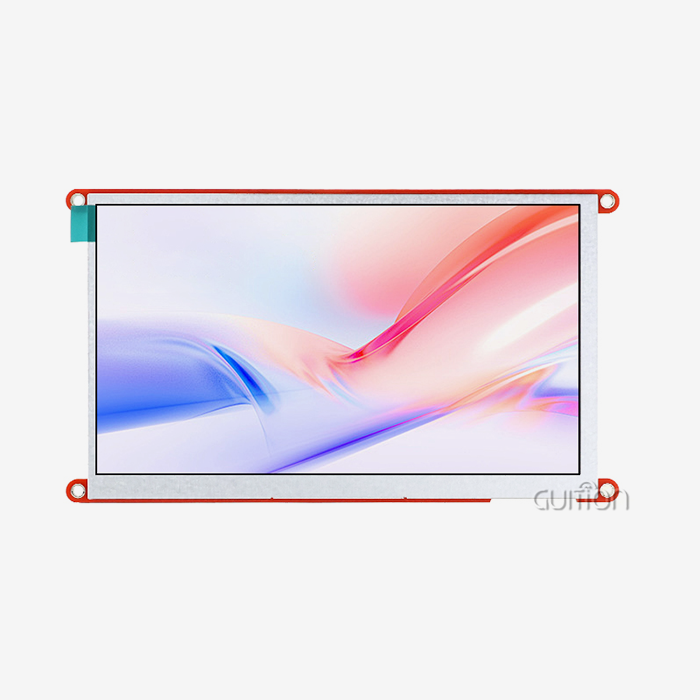
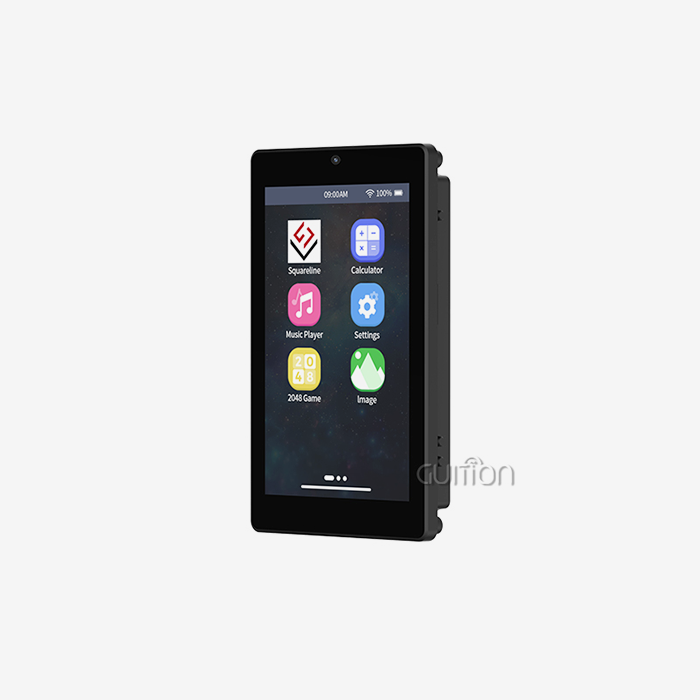
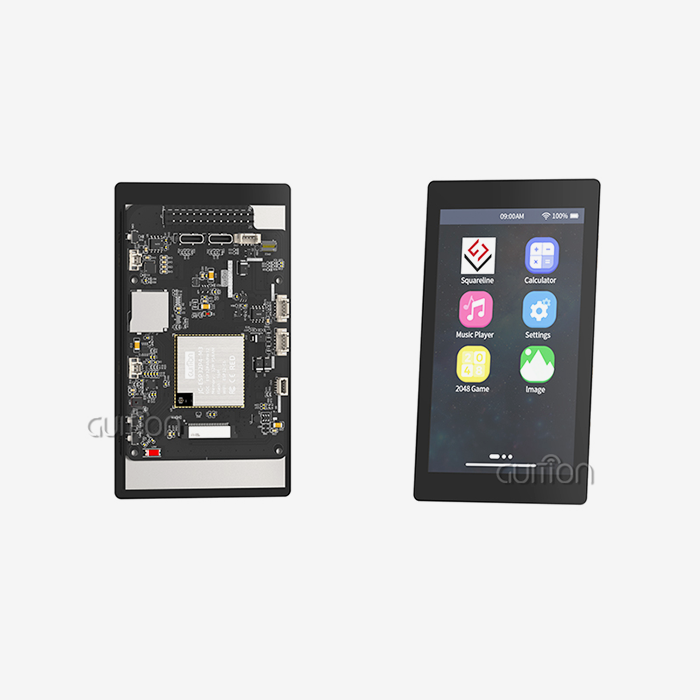
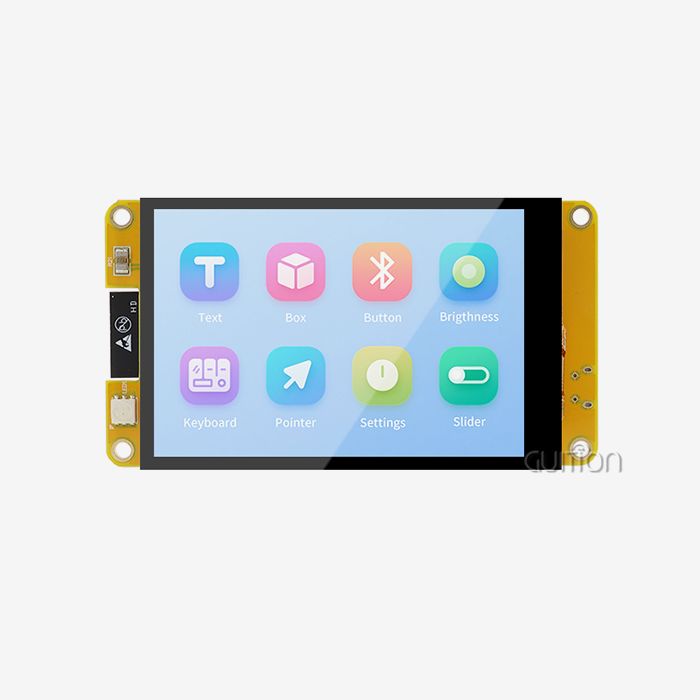
When engineers and product teams ask how a single hardware choice can change the entire feel of a device, the answer often points to the display. A 3.5 inch ESP32S3 display module, such as the GUITION JC3248W535C_I_Y, brings together a dual-core 240MHz processor, 320×480 IPS panel, capacitive touch, built-in WiFi and Bluetooth, and 16MB Flash into one compact board. This combination lets development teams build responsive, visually clear interfaces without writing complex low-level drivers, cutting time-to-market and reducing engineering overhead from day one.

Understanding the GUITION JC3248W535C_I_Y: Specifications and Features
It's important to know exactly what the hardware can do before picking a display for an embedded project. The GUITION JC3248W535C_I_Y is a custom-made HMI module, and its specs show that it was carefully designed to work in both business and home settings.
Processing Architecture
At its core is the ESP32-S3R8, which has two Xtensa LX7 cores and can run at up to 240MHz. It has 512KB of SRAM, 384KB of ROM, 8MB of PSRAM, and 16MB of Flash. This extra memory space is what lets double-buffered LVGL rendering achieve smooth frame rates, which older single-core ESP32 modules can't do without stuttering.
Display and Touch Quality
The IPS panel has a resolution of 320x480 and a viewing angle of 170 degrees. Capacitive touch through a GT911-class device allows for multiple touches with a variation of less than 1 mm when everything is working normally. In medical monitoring devices and industrial control panels, where mistakes cost time and trust, this level of touch accuracy is very important.
Connectivity and Expandability
Built-in WiFi and Bluetooth 5.0 LE mean that you don't need any extra wireless modules, which makes the board level simpler. When projects need to log data, the TF card slot adds extra storage. System builders can connect sensors, relays, or other peripherals without having to rethink because they don't have enough GPIO pins.
How the 3.5 Inch ESP32S3 Display Module Solves Common UX Challenges
A lot of embedded teams run into the same problem: the screen looks old, the response time is slow, and users complain that the interface is hard to understand. It is known that these are real problems in HMI design, and the right 3.5 inch ESP32S3 display module fixes all of them.
Screen Size and Visual Clarity
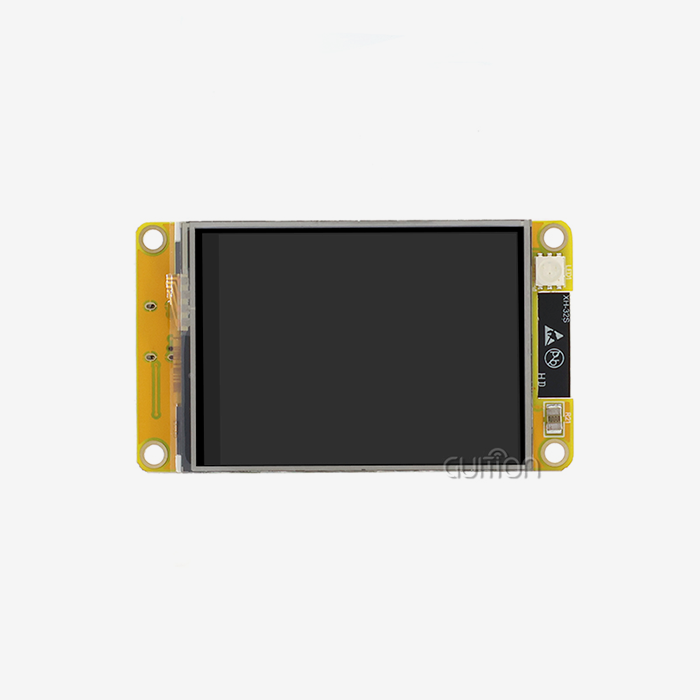
Because the screen is only 2.8 inches, UI designers have to make buttons and writing smaller, which can cause mistakes for users. If you switch to a 3.5-inch IPS screen with 320x480 pixels, makers will have more space to put buttons, data fields, and status lights that are easy to read. Field studies of industrial HMI systems regularly show that operators make fewer mistakes when the screens are bigger and clearer.
Touch Responsiveness and Interaction Speed
Older modules often have resistive touch panels that need to be pressed firmly and deliberately. This ESP32-S3 module's capacitive touch reacts to a light tap with the tip of the finger, making contact feel natural. This is what people expect from smartphones to industrial devices. It's clear that this quickness makes end-user acceptance testing more satisfying.
Power Management in Portable and Industrial Contexts
The JC3248W535C_I_Y has backlight control circuitry that lets firmware dim or turn off the panel when it's not in use. The ESP32-S3 has multiple low-power modes. This alone can add 30–40% more operating time to battery-powered field devices compared to modules that don't manage the backlight. All of these changes fix the three UX issues that engineers hear about most after a product is released: it's hard to read, it's slow to touch, and the battery life is too short.
Comparing the 3.5 Inch ESP32S3 Display Module With Alternative Solutions
Purchasing teams rarely look at a module by itself. This group compares it to some popular options. The ESP32 TFT module, which is 2.8 inches, is the best size match. The screens are SPI-driven and have smaller viewing angles. It also doesn't have enough memory speed for smooth LVGL graphics. It works for simple status screens, but the 3.5-inch IPS panel is definitely better for any interface that needs maps, icons, or touch control. In small sizes, OLED alternatives have high contrast and low power use. But OLED screens bigger than 2.4 inches get pricey and can burn in in industrial displays that are always on. Because it works consistently across temperatures from -20°C to +70°C, the IPS LCD in the GUITION module doesn't have to worry about either of those issues. Waveshare, M5Stack, and LilyGo are some of the other brands in this space that sell 3.5-inch ESP32-S3 modules that seem to have similar specs. The software that makes GUITION unique is the development tool, which lets you build UIs with drag-and-drop, add controls with one click, and debug across platforms online. Teams that have looked at more than one provider say that the quality of the software help often has a bigger impact on how quickly a project is delivered than the hardware specs themselves.
Technical Implementation and Integration Best Practices
To get the most out of an ESP32-S3 display module, you need to pay attention to both the software design and the hardware wiring. The JC3248W535C_I_Y 3.5 inch ESP32S3 display module has up to 12 GPIO lines and works with the Arduino IDE, ESP-IDF, MicroPython, and the Guition programming environment. This lets engineers use the stack they already know.
GPIO and Interface Wiring
The LCD panel is driven by an 8080-parallel or SPI port on the module. Don't let secondary devices share SPI bus lines with the display without hardware chip-select control when you're wiring them. A test app is already installed by the factory, so first-boot verification only takes seconds instead of hours.
Software Development and UI Rendering
This module works well with LVGL because it has 8MB of PSRAM, which is enough to hold full-frame graphics without tearing. Teams that use the Arduino IDE can import the TFT_eSPI library, which already has the driver settings set up. DMA transfers let ESP-IDF users push pixels at up to 80MHz, which makes dynamic panels run at 30 FPS or more. MicroPython programmers can use the ili9341 or custom display drivers that are already out there in the community.
OTA Upgrades and Remote Maintenance
Over-the-air (OTA) software changes are easy to do with built-in WiFi. No longer is a site visit needed to apply a firmware fix to 50 field devices; the JC3248W535C¹I_Y allows direct project updates from afar through the Guition platform. This feature makes it much cheaper for system integrators to manage distributed installations after the sale.
Procurement and Supply Chain Insights for B2B Clients
Where to get display modules has a bigger effect on the long term than the unit price would suggest. Dependability of supplies, quality of paperwork, and responsiveness after sales all have an effect on the total cost of the job. While GUITION's product line ranges from 1.28 inches to 21.5 inches, procurement managers can rely on just one supplier for all of their SKUs instead of having to deal with five different ones. The JC3248W535C_I_Y comes with full technical instructions, schematic files, and example code for all four development platforms that it works with. Important things to put on this module's buying checklist: RoHS compliance and an industrial temperature range of -20°C to +70°C have been confirmed for the JC3248W535C_I_Y, making it meet standard requirements for medical and industrial settings, while the esp32 display module option provides additional flexibility for embedded applications.
- RoHS compliance and industrial temperature rating (-20°C to +70°C): Confirmed for the JC3248W535C_I_Y, meeting standard requirements for industrial and medical environments.
- ESD protection: The module passes ±4kV contact and ±8kV air discharge testing, reducing field failure rates from electrostatic handling events.
- MOQ and lead time flexibility: GUITION supports both small development-quantity orders and volume production runs, which matters for startups scaling from prototype to production.
- 72-hour aging test: Each batch undergoes burn-in testing at elevated temperature with dynamic screen content to catch early component failures before shipment.
These guarantees about the supply chain directly lead to fewer damage claims and more accurate project timelines.
Conclusion
The GUITION JC3248W535C_I_Y 3.5 inch ESP32 Display Module fixes the real problems in embedded UX, like small screens, touch that doesn't work, slow rendering, and development toolchains that aren't all working together. Its dual-core 240MHz processor, IPS screen, capacitive touch, 8MB PSRAM, and built-in wifi connection make it a platform that really speeds up the creation process. This module gives you the processing power and display quality your application needs, whether you are making an industrial control panel, a smart home device, or a medical monitor. It also comes from a supplier with clear quality standards and quick technical support.
FAQ
What development environments does the JC3248W535C_I_Y support?
The module works with the Guition visual programming tool, the Arduino IDE, ESP-IDF, and MicroPython.
Is the capacitive touch panel suitable for gloved use?
Standard capacitive touch screens don't always work with gloves on. If you need to use gloves, which is popular in medical and industrial settings, you might want to look at a resistive touch version or a capacitive panel that supports glove-mode firmware.
Can this module handle LVGL animations smoothly?
Yes. The 8MB PSRAM lets you assign the whole frame buffer, and DMA-assisted SPI transfers let you output at 30+ FPS with LVGL.
Does the module support multi-language interfaces?
Yes. The Guition platform can encode in UTF-8 and switch between languages, so it can be used for goods that are sold in more than one area.
What is the operating temperature range?
The JC3248W535C_I_Y can work in temperatures ranging from -20°C to +70°C, which means it can be used in most industrial and outdoor enclosures without any extra thermal management.
Partner With Guition for Your Next ESP32-S3 HMI Project
The JC3248W535C_I_Y 3.5 inch ESP32S3 display module from Guition comes with full technical documentation, sample code, and engineering support that is just for you. When it comes to 3.5 inch ESP32S3 display modules, we are a reliable source that works with industrial makers, IoT solution providers, and medical device developers all over the world. Get in touch with our team right away to get product samples, bulk prices, or help with customizing your order. You can email us at david@guition.com or go to https://jingcaizhineng.aixdb.cn/ to see our whole catalog of displays.
References
1. Espressif Systems. ESP32-S3 Technical Reference Manual. Espressif Systems, 2023.
2. Liu, J., & Zhang, W. "Performance Evaluation of Embedded GUI Frameworks on ESP32-S3 Platforms." IEEE Embedded Systems Letters, 2022.
3. Grand View Research. Human-Machine Interface (HMI) Market Size Report. Grand View Research, 2023.
4. Lvgl LLC. LVGL — Light and Versatile Graphics Library Documentation. LVGL, 2023.
5. IEC. IEC 60068-2: Environmental Testing for Electronic Equipment. International Electrotechnical Commission, 2021.
6. Mordor Intelligence. Embedded Display Market — Growth, Trends, and Forecasts. Mordor Intelligence, 2023.
Learn about our latest products and discounts through SMS or email