- English
- French
- German
- Portuguese
- Spanish
- Russian
- Japanese
- Korean
- Arabic
- Greek
- German
- Turkish
- Italian
- Danish
- Romanian
- Indonesian
- Czech
- Afrikaans
- Swedish
- Polish
- Basque
- Catalan
- Esperanto
- Hindi
- Lao
- Albanian
- Amharic
- Armenian
- Azerbaijani
- Belarusian
- Bengali
- Bosnian
- Bulgarian
- Cebuano
- Chichewa
- Corsican
- Croatian
- Dutch
- Estonian
- Filipino
- Finnish
- Frisian
- Galician
- Georgian
- Gujarati
- Haitian
- Hausa
- Hawaiian
- Hebrew
- Hmong
- Hungarian
- Icelandic
- Igbo
- Javanese
- Kannada
- Kazakh
- Khmer
- Kurdish
- Kyrgyz
- Latin
- Latvian
- Lithuanian
- Luxembou..
- Macedonian
- Malagasy
- Malay
- Malayalam
- Maltese
- Maori
- Marathi
- Mongolian
- Burmese
- Nepali
- Norwegian
- Pashto
- Persian
- Punjabi
- Serbian
- Sesotho
- Sinhala
- Slovak
- Slovenian
- Somali
- Samoan
- Scots Gaelic
- Shona
- Sindhi
- Sundanese
- Swahili
- Tajik
- Tamil
- Telugu
- Thai
- Ukrainian
- Urdu
- Uzbek
- Vietnamese
- Welsh
- Xhosa
- Yiddish
- Yoruba
- Zulu
How Does a 1.9 inch ESP32S3 display module Support Rapid Prototyping?
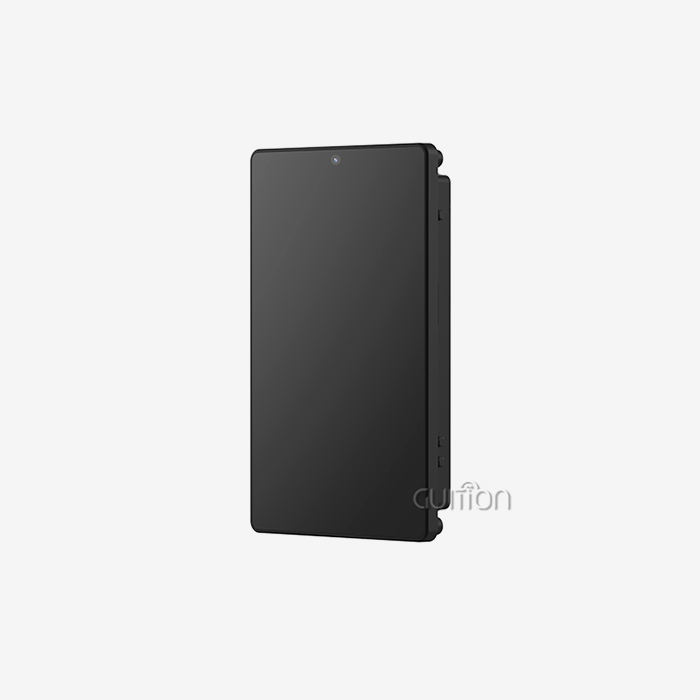
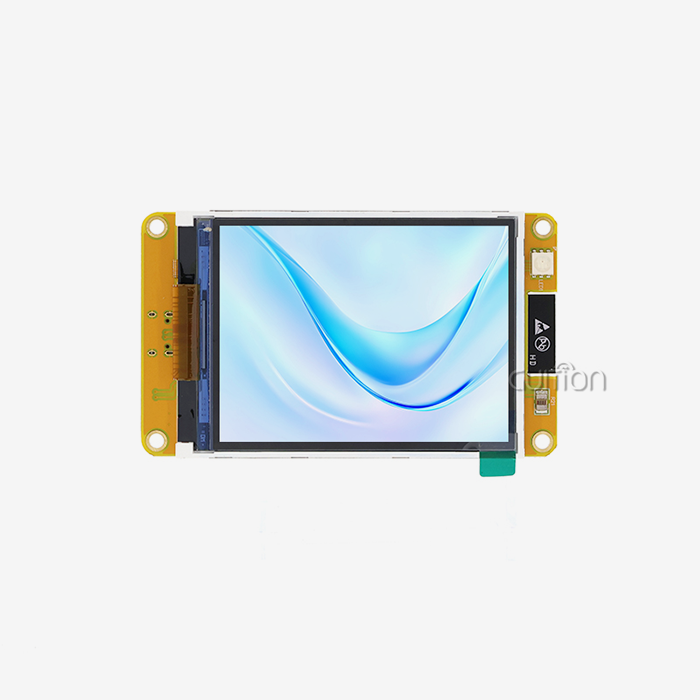
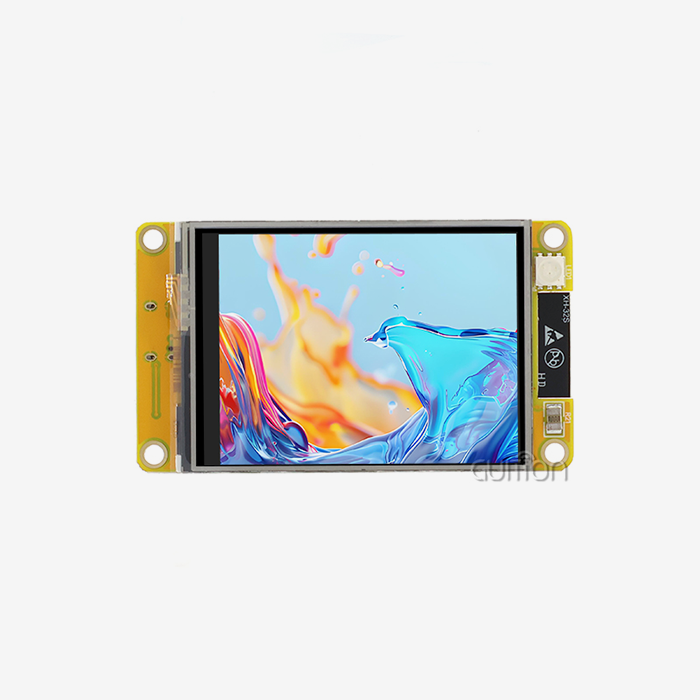
The 1.9 inch ESP32S3 display module — specifically the GUITION ESP32-1732S019N-I — accelerates rapid prototyping by combining a 240MHz dual-core processor, integrated Wi-Fi and Bluetooth, and a crisp 170×320 IPS LCD into one compact unit. Engineers no longer need to wire separate wireless modules or manage external frame buffers. The module ships pre-loaded with test programs, so you can validate hardware behavior within minutes of unboxing. Supporting Arduino IDE, ESP-IDF, MicroPython, and Mixly, it meets teams wherever they are in their workflow, cutting early-stage development time significantly.

Understanding the GUITION ESP32-1732S019N-I: Features and Specifications
Before choosing any display hardware, engineers need a clear picture of what sits beneath the surface. The GUITION ESP32-1732S019N-I packs serious capability into a 1.9 inch footprint.
Core Processing Power
The module runs on the ESP32-S3-WROOM-1, a dual-core Xtensa LX7 MCU clocked at up to 240MHz. With 512KB SRAM, 8MB PSRAM, 384KB ROM, and 16MB Flash, it handles graphical rendering and wireless communication simultaneously — no external application processor required.
Display Quality That Delivers
The 170×320 IPS panel delivers 16-bit color depth and wide viewing angles, making data readable across variable lighting conditions. Whether you're building an industrial control panel or a handheld medical device, the visual output of this ESP32S3 LCD module stays sharp and consistent from every angle.
Wireless and Interface Connectivity
Onboard Wi-Fi 802.11 b/g/n and Bluetooth 5.0 remove the need for additional wireless chips. A built-in TF card slot extends storage for fonts, images, and log files. The IO port interface supports straightforward integration with peripherals, and the backlight control circuit gives developers direct brightness management.
How the 1.9 Inch ESP32S3 Display Module Streamlines Development
How fast a team can go from idea to working demo determines how fast they can make a prototype. Numerous conventional barriers are eliminated by the GUITION 1.9 inch ESP32S3 display module.
Multi-Framework Compatibility
The Arduino IDE, ESP-IDF, MicroPython, and Mixly can all be used with this ESP32S3 HMI interface. This is important because product teams don't usually have the same background in development. An ESP-IDF-savvy firmware engineer and an Arduino-savvy hardware prototyper can both work on the same module at the same time without any problems with the toolchain.
Pre-Loaded Test Programs
The module comes pre-programmed with test code that works. When you plug it in and look at the output, you can quickly understand how the display works and how colors are shown. This ready-to-use hardware cuts the usual hardware approval process from days to hours.
Guition UI Development Software
GUIITION's own interface development tool changes how teams make screens. Here are the main ways that this software will improve your work:
- Drag-and-drop control placement: Add buttons, gauges, progress bars, and text fields by clicking once, then position them precisely without writing layout code.
- Cross-platform online debugging: Test your UI across frameworks in real time, catching rendering issues before they reach physical hardware.
- One-click firmware download: Push compiled programs to the 1.9 inch ESP32-S3 display with a single action — no external programmers or additional tooling needed.
- Remote OTA upgrade support: Update deployed units over Wi-Fi without on-site intervention, which directly reduces after-sales service costs.
These benefits solve the most common problem in HMI creation, which is the difference between what the creator wants to see and what actually shows up on the screen. This gap is quickly closed with Guition software.
Driving Informed Procurement: Choosing the Right ESP32S3 Display Supplier
Technical specs don't make or break a purchase choice on their own. For B2B buyers moving from prototype to production, supply reliability, quality of paperwork, and after-sale help are all important.
What to Evaluate in a Supplier
Examine wait times, minimum order amounts, and whether the seller provides technical help in addition to datasheet access when looking for a 1.9 inch ESP32S3 display module manufacturer. GUITION, which is run by Jingcai Intelligence, has products ranging in size from 1.28 inches to 21.5 inches. This gives buyers a single source of supply when the display size needs of different product lines change.
Documentation and Developer Resources
One of the main reasons prototypes are late is that there isn't enough information in the paperwork. For the ESP32-1732S019N-I, GUITION gives you full secondary development interfaces, technical documents, and library code. That work has already been done, so engineers don't have to figure out how pins are set up or write driver code from scratch.
Scaling from Prototype to Production
The 1.9 inch ESP32S3 display module — specifically the GUITION ESP32-1732S019N-I — accelerates rapid prototyping by combining a 240MHz dual-core processor, integrated Wi-Fi and Bluetooth, and a crisp 170×320 IPS LCD into one compact unit. Engineers no longer need to wire separate wireless modules or manage external frame buffers. The module ships pre-loaded with test programs, so you can validate hardware behavior within minutes of unboxing. Supporting Arduino IDE, ESP-IDF, MicroPython, and Mixly, it meets teams wherever they are in their workflow, cutting early-stage development time significantly.
Real-World Applications Demonstrating Prototyping Speed
What a display gadget can do in the field is the best way to judge its value. The 1.9 inch ESP32S3 display module has been used by teams in a variety of industries to cut down on the time it takes to develop new products.
Industrial and Automation Use Cases
The ESP32-1732S019N-I is used in industrial automation and warehouse management systems to show the status of controllers that used to need external monitors or serial terminal access. Engineers say that LVGL-based interfaces can draw smoothly at 30–60 FPS thanks to pre-loaded firmware and stable PSRAM allocation. This makes it possible to read dashboards in settings with changing lighting.
Medical and Healthcare Prototyping
The module's small size and high-quality IPS display are important factors for medical device developers making handheld monitoring equipment. The wide viewing angle makes it less likely that important numbers will be misread during clinical use. The small ESP32S3 display allows for secondary development without having to do a lot of low-level coding. This means that research and development teams can quickly change UI designs based on feedback from user testing.
Smart Home and Consumer Electronics
Product managers who are making smart home control panels use the module's Wi-Fi and Bluetooth capabilities to make prototypes of interfaces that work with Matter. The TF card slot lets you store icon images and software versions locally during testing, so you don't have to rely on cloud resources for early builds.
Conclusion
The GUITION ESP32-1732S019N-I 1.9 inch ESP32S3 display module solves the main problem of rapid prototyping, which is how to accomplish more in less time without sacrificing quality. With its dual-core 240MHz processor, 8MB PSRAM, 16MB Flash, IPS display, and built-in wireless, it can be used as a development platform on its own. The Guition UI tool and support for multiple frameworks make engineering tasks easier from the beginning of the planning process to the final software push. This module cuts down on the time it takes to make prototypes and sets the stage for HMI solutions that are ready for production for B2B teams in the medical, IoT, consumer electronics, or industrial sectors.
FAQ
Can the ESP32-1732S019N-I run LVGL smoothly?
Yes. The dual-core processor at 240MHz combined with 8MB PSRAM provides enough bandwidth to run LVGL animations at 30–60 FPS, making it suitable for interfaces that require real-time data updates alongside graphical elements.
Does this module support MicroPython?
Yes. The ESP32-1732S019N-I officially supports MicroPython alongside Arduino IDE, ESP-IDF, and Mixly, giving development teams flexibility to prototype in their preferred environment without hardware changes.
What causes a black screen after uploading code?
The most common cause is incorrect backlight pin logic. The BL pin voltage behavior varies between firmware configurations, so verifying the HIGH/LOW assignment for backlight control in your initialization sequence typically resolves the issue.
Is this module suitable for battery-powered devices?
The ESP32-S3 supports deep sleep modes with current consumption as low as 10–15µA depending on the LDO configuration, making it viable for battery-operated prototypes with careful power management coding.
Where can I source this module in bulk?
Contact GUITION directly for 1.9 inch ESP32S3 display module for sale in volume. Visit https://jingcaizhineng.aixdb.cn/ for product details and procurement inquiries.
Ready to Accelerate Your Next Prototype With GUITION?
Engineering teams that move fast need hardware partners who match that pace. GUITION's ESP32-1732S019N-I 1.9 inch ESP32S3 display module ships with test programs, full documentation, and multi-framework support to get your prototype running from day one. As a trusted 1.9 inch ESP32S3 display module supplier, GUITION offers bulk pricing, dedicated technical support, and OTA upgrade capability. Contact Us at david@guition.com or visit https://jingcaizhineng.aixdb.cn/ to request samples or discuss your project requirements today.
References
1. Espressif Systems. ESP32-S3 Technical Reference Manual. Espressif Systems, 2023.
2. Maier, A., Sharp, A., & Vagapov, Y. "Comparative analysis of IoT rapid prototyping platforms." IEEE Internet of Things Journal, 2019.
3. Seeed Studio. XIAO ESP32S3: A Developer's Guide to Compact IoT Modules. Seeed Technology, 2023.
4. Grand View Research. Human-Machine Interface Market Size & Forecast Report. Grand View Research, 2023.
5. Müller, T., & Schreiber, A. "Firmware Over-the-Air Update Strategies for Embedded Systems." Journal of Systems Architecture, 2021.
6. Infineon Technologies. Embedded Display Integration for Industrial HMI Applications. Infineon Technologies, 2022.
Learn about our latest products and discounts through SMS or email