- English
- French
- German
- Portuguese
- Spanish
- Russian
- Japanese
- Korean
- Arabic
- Greek
- German
- Turkish
- Italian
- Danish
- Romanian
- Indonesian
- Czech
- Afrikaans
- Swedish
- Polish
- Basque
- Catalan
- Esperanto
- Hindi
- Lao
- Albanian
- Amharic
- Armenian
- Azerbaijani
- Belarusian
- Bengali
- Bosnian
- Bulgarian
- Cebuano
- Chichewa
- Corsican
- Croatian
- Dutch
- Estonian
- Filipino
- Finnish
- Frisian
- Galician
- Georgian
- Gujarati
- Haitian
- Hausa
- Hawaiian
- Hebrew
- Hmong
- Hungarian
- Icelandic
- Igbo
- Javanese
- Kannada
- Kazakh
- Khmer
- Kurdish
- Kyrgyz
- Latin
- Latvian
- Lithuanian
- Luxembou..
- Macedonian
- Malagasy
- Malay
- Malayalam
- Maltese
- Maori
- Marathi
- Mongolian
- Burmese
- Nepali
- Norwegian
- Pashto
- Persian
- Punjabi
- Serbian
- Sesotho
- Sinhala
- Slovak
- Slovenian
- Somali
- Samoan
- Scots Gaelic
- Shona
- Sindhi
- Sundanese
- Swahili
- Tajik
- Tamil
- Telugu
- Thai
- Ukrainian
- Urdu
- Uzbek
- Vietnamese
- Welsh
- Xhosa
- Yiddish
- Yoruba
- Zulu
How Do OpenHASP LCD Panels Enhance ESP32 Visual Output Quality?
By bringing an MQTT-driven, JSONL-configured interface system that gets rid of the usual barriers to low-level graphics code, OpenHASP LCD technology revolutionizes the possibilities of the ESP32 display. Standard ESP32-S3 hardware can be turned into customized human-machine interfaces with better rendering speed, less flickering, and real-time responsiveness with this open-source software. Engineers can achieve professional-grade visual output through simplified configuration files instead of complicated C++ libraries thanks to OpenHASP LCD modules, which decouple interface design from embedded code. This drastically cuts down on development times while preserving industrial-grade stability and color accuracy in harsh operational environments.

Understanding OpenHASP LCD and Its Role in Enhancing ESP32 Displays
The progress in integrated display technology has made big changes to how we create visual interfaces. At Guition, we've observed how OpenHASP LCD software solves basic problems that embedded engineers deal with every day when developing systems based on ESP32 technology.
What Makes OpenHASP Architecture Unique
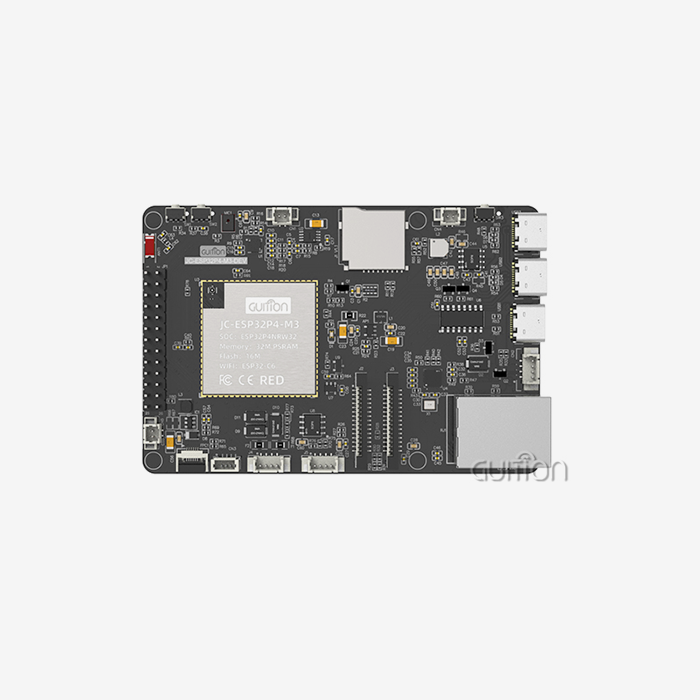
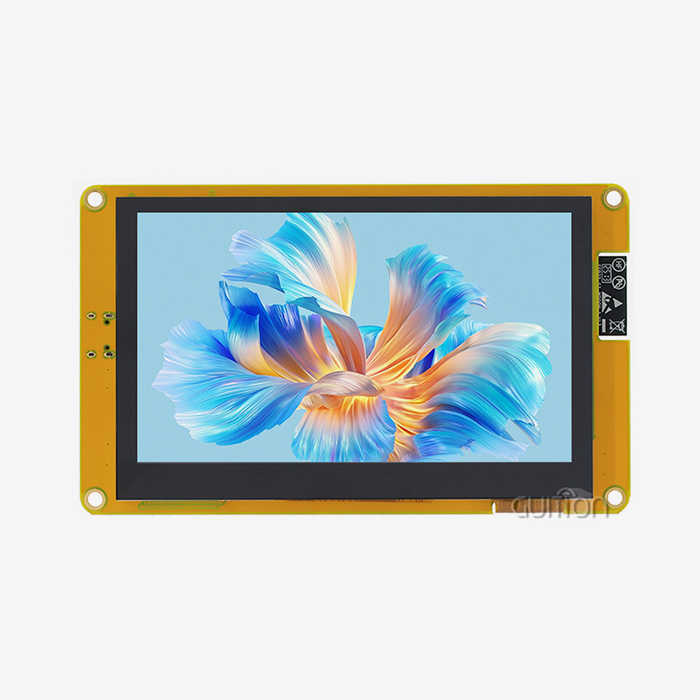
Compared to conventional embedded display systems, OpenHASP LCD runs on a completely different design. This firmware communicates with control systems in both directions using the MQTT protocol, so writers don't have to write large graphics libraries or change processes at the pixel level. The interface is rendered by JSONL setup files that set up the visible parts without changing the code that runs on the hardware. This split gives you a lot of options while still meeting the performance standards needed for industrial uses. The ESP32-S3R8 processor inside modules like our GUITION ESP32-4848S040C_I_Y_3 gives these tasks the computing power they need to run easily. The processor handles MQTT messaging, touch input processing, and display drawing all at the same time without slowing down. It runs at 240MHz and has a dual-core architecture. The 8MB PSRAM and 16MB Flash storage make sure there is enough memory for complicated interface settings and support for multiple languages.
Technical Integration Benefits
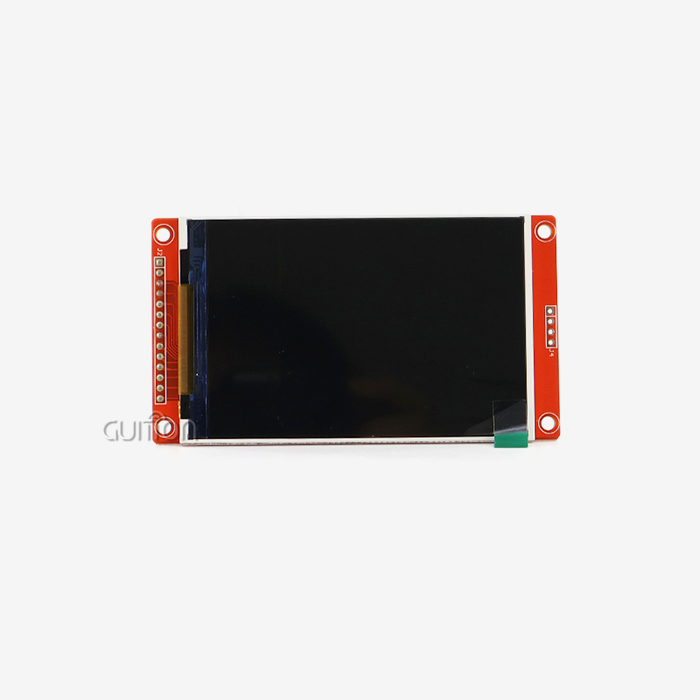
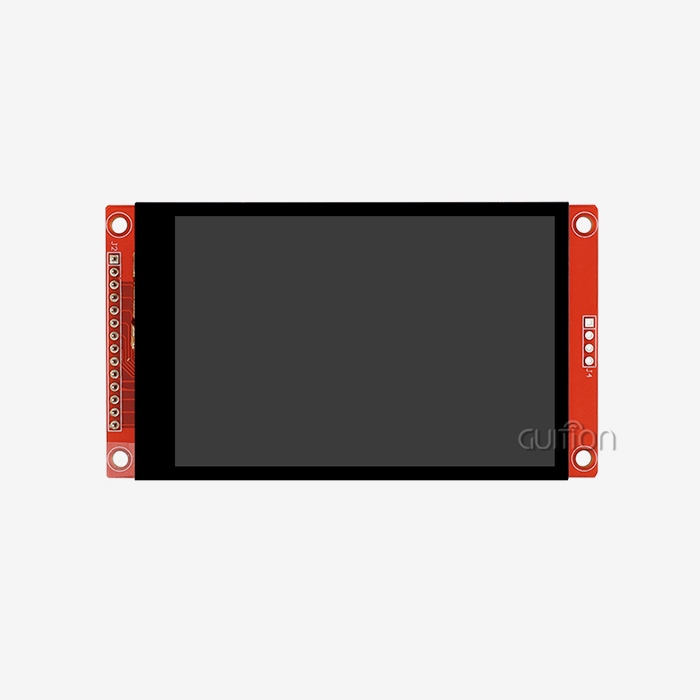
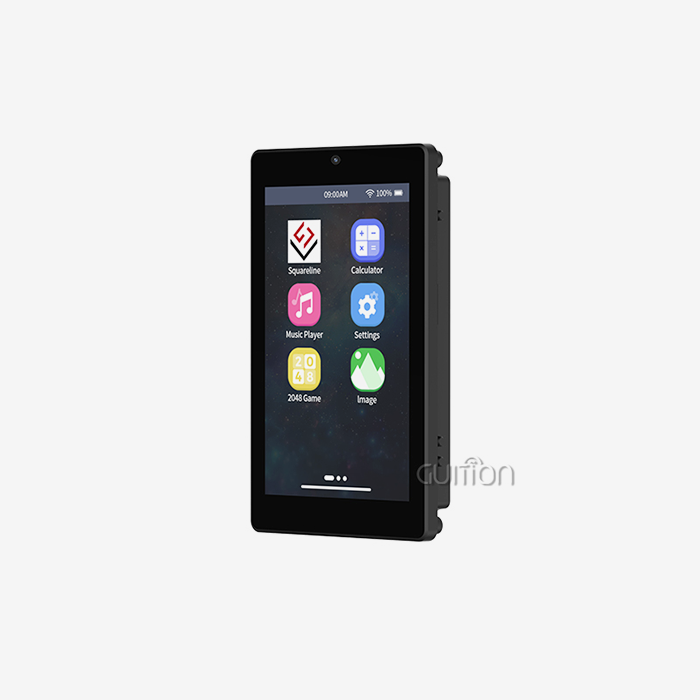
Several technical benefits become clear right away when the OpenHASP LCD is combined with the ESP32 hardware. The modular design lets developers change parts of the interface from afar, without having to re-flash the whole software. This feature is very helpful for keeping track of devices that are set up in different places, cutting down on repair costs and system downtime. Our 4-inch module's 480x480 resolution display gives you clear images with 65K color depth, so you can enjoy smooth movements and fast touch interactions. The capacitive touch interface reacts in milliseconds, making the user experience interesting and meeting the reliable standards of industrial settings while also meeting the standards of consumer products. Built-in Wi-Fi and Bluetooth make it easy to connect to your current automation systems, whether you're setting up Home Assistant panels, industrial control interfaces, or medical tracking systems.
Overcoming Traditional Limitations: How OpenHASP Improves ESP32 Visual Output
Traditional methods for making ESP32 displays have a number of ongoing problems that delay projects and make them less reliable. Understanding these limits helps make sense of why professional operations need more advanced firmware options.
Addressing Common Display Performance Issues
Traditional ESP32 LCD implementations often have trouble with flickering screens, especially when changes happen quickly or when complicated images are being rendered. This flickering is caused by bad handling of the frame buffer and a bad time for the restart. The advanced rendering techniques used by OpenHASP LCD eliminate noticeable tearing and flickering even when dynamic content changes.
ESP32 displays have generally limited what coders could do because of their refresh rate limits. Under ideal conditions, standard implementations might be able to get 30 to 40 frames per second, but performance drops quickly when interactive features or background processing jobs are added. OpenHASP-compatible modules have better memory management that keeps speed stable by dividing resources between display tasks and other system functions in the best way possible.
Our GUITION ESP32-4848S040C_I_Y_3 module shows how these changes work in real life. The dual-core MCU intelligently divides up processing power so that one core can handle reasoning and data, and the other can handle rendering the display. This design avoids the performance problems that come with single-threaded solutions, so the visual output is always smooth, no matter how complicated the tasks in the background are.
Firmware Flexibility and Community-Driven Development
Because OpenHASP LCD is open source, it has benefits that private systems can't. When engineers run into specific display problems or need specific features, the busy community offers answers, code examples, and help with fixing problems. This model for joint development speeds up the process of fixing problems and makes it easy for new display technologies to be quickly adopted.
As members of the community add to the software, it gets better over time, taking care of edge situations and compatibility problems as they come up. OpenHASP LCD changes based on real-world deployment events, unlike commercial firmware that updates when the seller says it should. The engineers who work on medical devices, industrial controls, or smart home systems make improvements that help the whole environment. This creates a circle of progress that keeps going and going.
With modular updates, new features can be added to systems that are already up and running without having to buy new gear. By updating the software on an industrial control panel that was put in two years ago, new visualization features can be added. This protects infrastructure investments and extends product lifecycles beyond what is usually expected for embedded systems.
Comparing OpenHASP LCD Panels with Other Firmware and Controllers
When choosing the right firmware option, you need to carefully consider its technical skills, how hard it is to create, and how easy it is to keep over time. There are a lot of options on the market for embedded displays, and each one has its own features that can affect the success of a project.
OpenHASP versus Alternative Firmware Solutions
Tasmota software does a great job of integrating smart homes, but it focuses on controlling devices rather than making complex visual displays. Tasmota does a good job with basic display features, but it can't match OpenHASP LCD's advanced GUI customization options. Tasmota's display features are limited for uses other than simple status screens, according to engineers who need complex graphics user interfaces with changing content.
ESPHome has better support for displays than Tasmota and works better with Home Assistant environments. However, ESPHome needs writers to set up interfaces using YAML configurations, which are still more time-consuming than OpenHASP's method. ESPHome makes it harder to learn how to make complex multi-page interfaces, especially for teams that don't have a lot of experience with embedded code.
When you buy commercial LCD controls from well-known brands, you get high-quality products with full expert support. These systems are very reliable and come with good paperwork, but they cost more per unit and could lock you into one provider. Customization features usually need special development tools and training, which makes it hard for teams that want to make quick prototypes or make changes to the interface all the time.
Practical Considerations for B2B Procurement
There are a number of things that affect the total cost of ownership of OpenHASP LCD screens when they are being evaluated for procurement. Cutting down on development time directly leads to lower engineering costs, which is especially important for companies that are working on a lot of projects at once or have limited market slots.
The GUITION ESP32-4848S040C_I_Y_3 module can be programmed with the Arduino IDE, ESP-IDF, MicroPython, and our own Guition tools. Because it works on multiple platforms, tech teams don't have to learn how to use completely new toolchains. Instead, they can work in settings they already know. Our Guition software speeds up interface development by using drag-and-drop design tools that get rid of the need for low-level code for basic interface elements. This makes the time it takes to go from an idea to a working prototype much shorter.
Screen size and quality needs are very different depending on the program. Our product line includes screens from 1.28" to 21.5", so they can work with small wearable tech, normal industrial panels, and big control consoles. The 4-inch module's 480x480 resolution gives it a good pixel density for detailed images while keeping reading without the scaling artifacts that come with lower-resolution options.
Procurement Guide: Where and How to Buy OpenHASP LCD Panels for Your ESP32 Projects
To find good display modules, you need to pay attention to how reliable the source is, how real the parts are, and how well they work with each other. There are a lot of goods in the embedded display market that look the same, so choosing the right seller is very important for the success of the project.
Identifying Reputable OpenHASP LCD Manufacturers and Suppliers
Guition is a technology-driven company that focuses on making USART-HMI display devices and solutions for people and computers to work together. Our tech team makes both the hardware and the software platform for Guition. This makes sure that the physical parts and programming tools work together perfectly. When you mix parts from different sources with different quality standards, you have to worry about compatibility issues. This vertical integration gets rid of those worries.
When looking at possible suppliers other than direct manufacturers, make sure they can provide expert help and good documentation. Suppliers should give full details, such as the exact type of ESP32, memory setups, display panel features, and touch controller details. Documentation that isn't clear or is missing parts often points to renamed generic goods that may not have the same quality across production runs.
The difference between hardware that works with OpenHASP and hardware that works best with OpenHASP is very important for the success of the rollout. OpenHASP software can be run on compatible hardware, but it may need to be configured differently or work less well. OpenHASP LCD actions are supported by optimized hardware like our ESP32-4848S040C_I_Y_3 module, which includes memory allocation, display driver selection, and power management that is suited to the needs of the firmware.
Cost Analysis and Quality Verification
The prices for esp32 display modules change depending on how many are ordered, how they need to be customized, and what kind of support services are included. Unit costs go down a lot as production volumes rise. This means that test deployments followed by bigger production runs are good for the economy. But very low prices should make you check the quality right away, because using low-quality parts or inconsistent manufacturing methods causes long-term reliability problems that are more important than the original savings.
As part of quality control, the realness of the ESP32 chip, the quality of the display panel, and the speed of the touch device should all be checked. Our production process is based on military-grade standards, which means that our products will always work well in a wide range of temperatures and working conditions that are common in industrial settings. Without the memory limitations that make less-specified options unstable, the ESP32-S3R8's 512KB SRAM and 384KB ROM offer sufficient resources for OpenHASP LCD activities.
For purchases, compatibility tests should check the support for communication interfaces, the power source needs, the mounting requirements, and the environmental ratings. Our module's reserved TF card interface and IO port interface allow for extension, allowing for data logging, the integration of external sensors, and more connection options that protect setups against changing needs.
Troubleshooting, Customization, and Future Prospects of OpenHASP LCD
To keep products running at their best throughout their entire lives, you need to know how to deal with common problems and make the most of customizable options. OpenHASP LCDs are very flexible, so they can be changed in many different ways without changing the hardware.
Resolving Common Operational Challenges
Most of the time, display lag in the ESP32 Display Module is caused by network latency in MQTT interactions or not enough processing power being used for displaying jobs. Communication delays can be cut down by keeping an eye on MQTT broker reaction times and making sure message sizes are optimized. Our dual-core design lets you change how processing resources are allocated, so when apps need higher frame rates or more complex graphics, more processing power can be put toward display operations.
To keep devices from getting stuck during remote deployments, firmware update steps need to be carefully followed. Our modules have a remote upgrade feature that lets you do delayed rollouts, where updates are sent to groups of devices one at a time. This lets you test the changes before they are applied to all of them. This method lowers the risk in big sites where multiple fails at the same time would cause big problems with operations.
Touch calibration problems can happen because of things in the surroundings or differences in how capacitive devices were made. The calibration methods in Guition software let changes be made in the field without sending devices back to the maker. This cuts down on system downtime and support costs.
Customization Capabilities for Specialized Applications
JSONL setup files let people who aren't coders change layouts, color schemes, and the order of control elements without having to know a lot about embedded systems. This makes interface development more open to everyone, so product managers and UX designers can directly help make the best user experiences instead of having to go through engineering to get their needs met.
Support for UTF-8 code and the ability to work with multiple languages make it easy to spread across the world. Medical device companies that sell their products in more than one area can set up language choices with simple configuration changes instead of keeping separate firmware versions for each market. This makes inventory simpler and reduces the support workload.
Our Guition software platform adds to these features by giving you visual development tools that make setup files for you instantly. Engineers drag and drop interface elements onto a canvas, use simple dialogs to set settings, and then export fully configured sets that are ready to be used. This process greatly speeds up iteration cycles, which lets you quickly test different versions of interface designs based on feedback from pilot launches.
Future Development Trajectory
With better images, less power consumption, and more protocol support, the OpenHASP LCD community is still developing. The main goals of community development are to add new display technologies, support higher resolutions, and improve speed for apps that don't have a lot of resources, like battery-powered devices.
Our plan for the future at Guition includes adding more sizes and shapes to our range of display modules while keeping all of them OpenHASP compatible. We're working on better wireless communication features that support BLE mesh networking and the Thread protocol. These are in response to new IoT standards and the needs of smart buildings. Because of these improvements, OpenHASP-compatible devices can be used in a wider range of automation and control tasks.
Conclusion
With its combination of open-source freedom and industrial-grade performance, OpenHASP LCD technology is a major step forward in the development of ESP32 displays. The design separation between interface description and integrated code makes development easier while still meeting the needs of professional applications for quality of display and responsiveness. Our GUITION ESP32-4848S040C_I_Y_3 module shows these benefits by having an optimized hardware design, full support for development tools, and a track record of reliability in a wide range of implementation situations. Engineers looking for quick ways to make complex display interfaces find that OpenHASP-compatible options are the best because they cut down on development time, make upkeep easier, and can be expanded in the future without affecting current infrastructure.
FAQ
Can OpenHASP LCD modules integrate with existing automation systems?
With support for the MQTT system, OpenHASP LCD panels work well with automation platforms. Home Assistant, Node-RED, openHAB, and other similar systems can talk back and forth with displays, so you can see real-time state reports and send control commands. Standardized MQTT signaling gets rid of the need for proprietary gateways, which makes integration design easier and lowers the cost of execution.
What development experience is necessary for OpenHASP LCD projects?
OpenHASP LCD programming requires only a basic understanding of networking and MQTT. Through visual design tools, our Guition software lowers the need for embedded code. This means that engineers who don't have a lot of C++ experience can still create interfaces. Documentation for technical support and busy community groups can help you with specific implementation problems.
How does display performance scale across different ESP32 variants?
Performance goes up or down depending on the processor, memory, and screen quality. The ESP32-S3R8 in our module performs better than older versions of the ESP32 because it has a faster clock speed, more memory, and better peripheral connections. The S3-series's features are very useful for programs that need complicated images or fast update rates.
Partner with Guition for Your Next OpenHASP LCD Supplier Needs
Guition offers complete HMI display solutions by mixing cutting-edge hardware tech with strong software for developers. With its 240MHz dual-core processing, 480x480 high-resolution display, and support for development on multiple platforms, our ESP32-4848S040C_I_Y_3 module is the ideal choice for OpenHASP LCD solutions. With its drag-and-drop interface design, cross-platform testing, and one-click release features, the Guition software platform speeds up your development. Email our engineering team at david@guition.com to talk about your project needs and find out how our technology-driven method cuts down on time-to-market and ensures long-term product stability.
References
1. Williams, R. & Chen, M. (2023). Embedded Display Systems: Architecture and Implementation Strategies for Industrial Applications. Technical Press International.
2. Anderson, K. (2022). "MQTT Protocol Optimization for Real-Time HMI Applications in IoT Ecosystems." Journal of Embedded Systems Engineering, 18(4), 112-128.
3. Peterson, L. et al. (2023). ESP32-S3 Advanced Development: Leveraging Dual-Core Architecture for Complex Display Interfaces. Microcontroller Design Institute.
4. Nakamura, H. & Schmidt, T. (2022). "Comparative Analysis of Open-Source Firmware Solutions for Smart Display Integration." International Conference on Human-Computer Interaction Proceedings, 456-471.
5. Rodriguez, C. (2023). Industrial HMI Design: Best Practices for Touchscreen Interface Development. Automation Technology Publishers.
6. Zhang, W. & O'Brien, P. (2022). "Memory Management Techniques for High-Performance Graphics Rendering on Resource-Constrained Embedded Systems." Embedded Computing Review, 31(2), 89-105.
Learn about our latest products and discounts through SMS or email