- English
- French
- German
- Portuguese
- Spanish
- Russian
- Japanese
- Korean
- Arabic
- Greek
- German
- Turkish
- Italian
- Danish
- Romanian
- Indonesian
- Czech
- Afrikaans
- Swedish
- Polish
- Basque
- Catalan
- Esperanto
- Hindi
- Lao
- Albanian
- Amharic
- Armenian
- Azerbaijani
- Belarusian
- Bengali
- Bosnian
- Bulgarian
- Cebuano
- Chichewa
- Corsican
- Croatian
- Dutch
- Estonian
- Filipino
- Finnish
- Frisian
- Galician
- Georgian
- Gujarati
- Haitian
- Hausa
- Hawaiian
- Hebrew
- Hmong
- Hungarian
- Icelandic
- Igbo
- Javanese
- Kannada
- Kazakh
- Khmer
- Kurdish
- Kyrgyz
- Latin
- Latvian
- Lithuanian
- Luxembou..
- Macedonian
- Malagasy
- Malay
- Malayalam
- Maltese
- Maori
- Marathi
- Mongolian
- Burmese
- Nepali
- Norwegian
- Pashto
- Persian
- Punjabi
- Serbian
- Sesotho
- Sinhala
- Slovak
- Slovenian
- Somali
- Samoan
- Scots Gaelic
- Shona
- Sindhi
- Sundanese
- Swahili
- Tajik
- Tamil
- Telugu
- Thai
- Ukrainian
- Urdu
- Uzbek
- Vietnamese
- Welsh
- Xhosa
- Yiddish
- Yoruba
- Zulu
Can ESP32P4 Screen Module Lower ESP32P4 Module Development Costs?
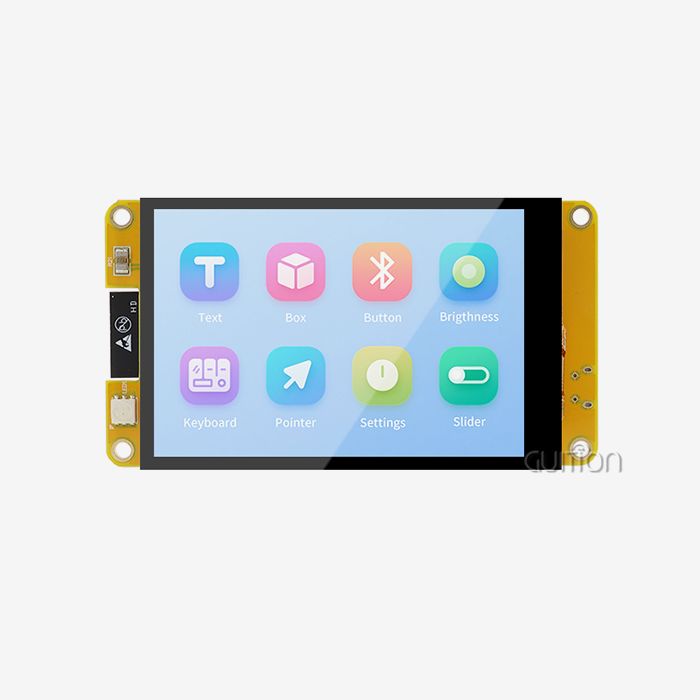
Of course. An integrated ESP32P4 screen module can greatly lower development costs by getting rid of the need for separate display driver setup, shortening the time it takes to make prototypes, and making it easier to connect HMI software. This method combines hardware and software tools into a single, tested unit, which saves engineers time that would have been spent on PCB planning, firmware debugging, and finding parts. When you choose a fully integrated display solution like the Guition JC4880P443C_I_W_Y, you shorten the time it takes to get your product to market while still having the freedom to do secondary development on a number of different platforms. This directly addresses the financial and operational problems that smart device and industrial equipment manufacturers face.

Understanding the Core Features and Specifications of ESP32P4 Screen Modules
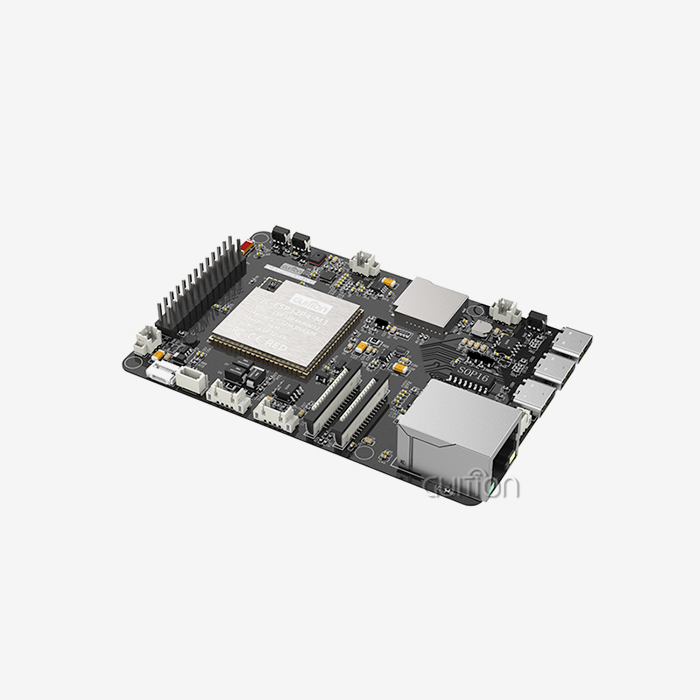
To choose the best display option, you must first know what makes an ESP32P4 screen module unique. At its heart, this technology is a new breed of Human-Machine Interface (HMI) solutions driven by Espressif's ESP32-P4 SoC, a dual-core RISC-V processor designed to handle applications with a lot of multimedia. The ESP32-P4 is different from older versions that used SPI or 8080 parallel interfaces because it has more modern peripherals that make it faster than standard microcontrollers and more expensive Linux-based computers.
Technical Specifications That Matter
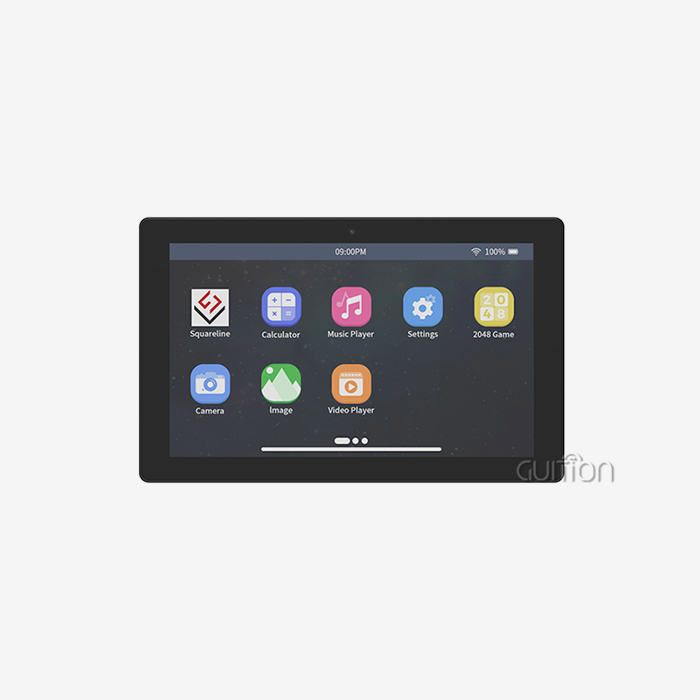
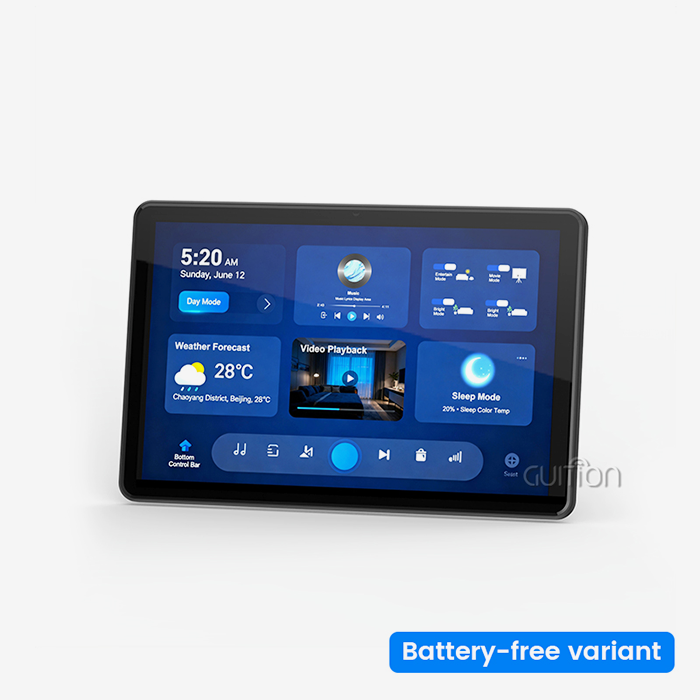
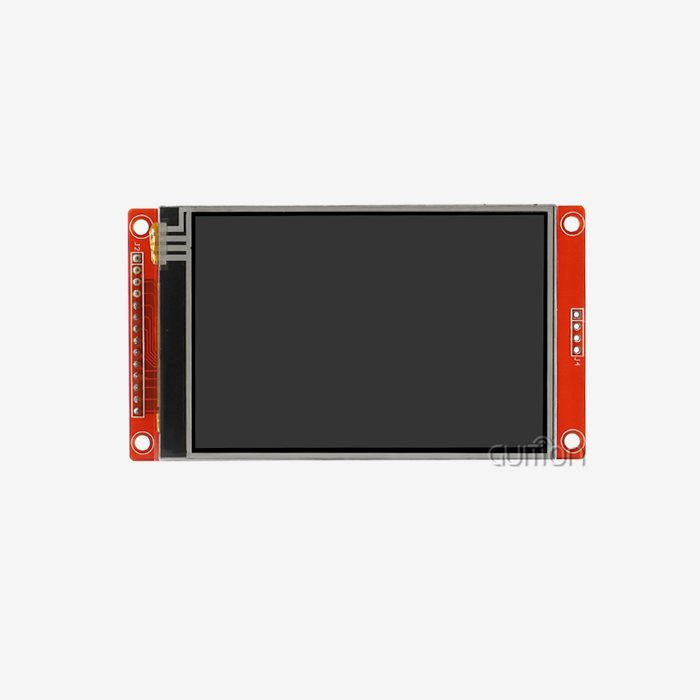
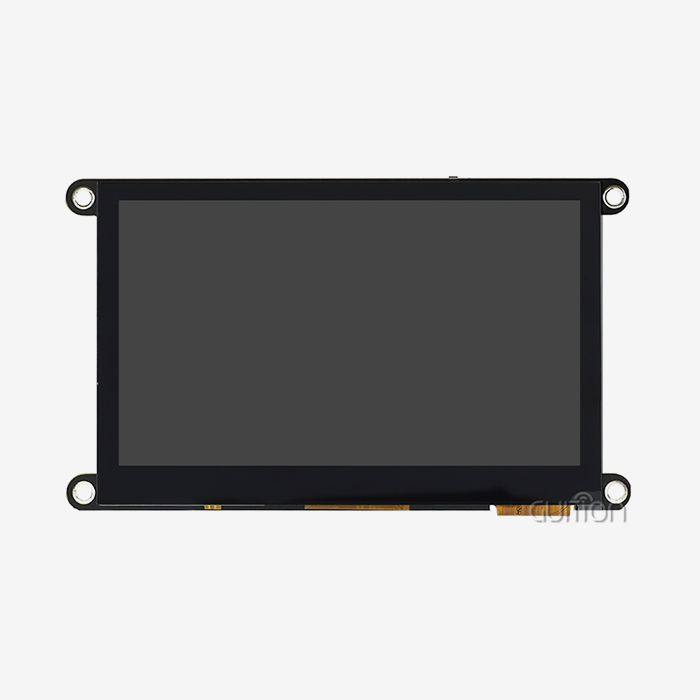
This big step forward in power is shown by the Guition JC4880P443C_I_W_Y. There is a dual-core MCU running at 360MHz in this 4.3-inch module, along with 32MB of PSRAM and 16MB of Flash storage. The screen quality is 480x800 pixels, and capacitive touch makes the images clear. There is no need for external connection units because Wi-Fi and Bluetooth are built in. The dedicated TF card interface and IO ports allow sensors, actuators, and other peripheral devices to be added. The memory design of this module really makes it stand out: 768KB HP L2MEM, 32KB LP SRAM, and 128KB HP ROM. This setup makes it possible to create complex graphical interfaces smoothly, without the sluggishness that comes with lower-spec controllers. Engineers who work on medical tracking equipment or industrial control panels like this performance space, especially when they need to add multi-layered user interface elements or show real-time data.
Programming Compatibility and Development Environments
Development platform support is an important thing for embedded engineers and system developers to think about. You can use Arduino IDE, ESP-IDF, MicroPython, and the Guition software environment with the Guition ESP32P4 screen module. Because it is so flexible, your team can use the skills they already have instead of spending weeks learning how to use new toolchains. Arduino lets you make prototypes quickly, ESP-IDF gives you low-level control for optimization, and Guition gives you a drag-and-drop interface maker that gets rid of a lot of the boring UI code. Online testing that works across platforms makes programming even easier. When problems arise during integration, being able to test and fix in different settings without having to physically switch out tools saves a lot of time. Based on how long projects usually take, this tool can cut fixing times by 30 to 40 percent.
Supplier Credibility and Long-Term Support
When purchasing an ESP32-based display module, buyers have to check how reliable the seller is. A lot of the time, third-party modules don't come with full paperwork, so engineers have to reverse-engineer pinouts or look for tools that other people have shared. Guition is dedicated to providing high-quality technical support, which can be seen in their thorough datasheets, sample code files, and quick engineering help. This infrastructure is very helpful when going from a prototype to mass production. It's especially helpful for people who are making medical devices or putting together automation systems and can't have vague specs or supply lines that don't work as planned.
Cost-Saving Potential: How ESP32P4 Screen Modules Can Reduce Development Expenses
Choosing a combined display option will cost you more than just the cost of the parts. In traditional HMI development, engineers buy different MCUs, display panels, touch controllers, and connectivity modules. They then spend weeks creating PCB layouts, writing driver code, and fixing problems with how the hardware and software work together. Each of these steps comes with a risk, such as parts that don't match, delays in getting them, and review cycles that make budgets and schedules too tight.
Simplified Design Complexity
An ESP32P4 screen module takes all of this complexity and turns it into a single, tested unit. When you get the Guition JC4880P443C_I_W_Y, the display drivers, touch screen control circuits, and lighting management are already set up and tested. You skip the learning curve for MIPI-DSI interface timing, touch controller I2C communication protocols, and power sequencing—technical details that can take hundreds of hours of engineering time for teams that aren't used to putting displays together. This merger has a direct effect on your bottom line. When R&D managers look at the costs of buying separate parts and hiring engineers versus buying an integrated module, the latter is usually 25–35% cheaper when you consider things like PCB changes, failed samples, and delays in getting the product to market. The sample programs that come with the module can be used right away for functional testing, so approval can happen in hours instead of weeks.
Accelerated Time-to-Market
In businesses with a lot of competition, speed is worth money. Smart home gadget makers and IoT solution providers work in industries where being late by three months can mean missing out on a sales window or giving rivals an edge. Multiple platforms, including Arduino, ESP-IDF, MicroPython, and the Guition GUI software, can be used with the answer, so multiple team members can work on it at the same time. Your firmware expert works on improving low-level code in ESP-IDF while your UI designer improves the user experience in Guition's visual environment. These two people work together in parallel, which speeds up the development process. The option to upgrade remotely is another way to save money that is often overlooked during the original purchase. After-sales care costs go down a lot when firmware changes can be sent directly to installed devices. When you find a bug or want to make the user interface better, remote OTA updates take away the need for technicians to be sent out, products to be recalled, or customers to send them back. All of these options can cost thousands of dollars in labor and transportation.
Real-World Financial Impact
Let's look at a common situation: an automation system developer is making a business energy control terminal. Using separate parts, the project needs fifteen weeks before functional testing can start: eight weeks to set up the hardware, four weeks to build the display driver, and three weeks to create the first user interface. With a combined esp32p4 display module, hardware approval takes only two weeks, driver development stops, and using Guition's drag-and-drop tools, UI work can begin right away. The project is functionally tested in five weeks, which saves ten weeks of engineers' salaries and lets the company start making money sooner.
Comparing ESP32P4 Screen Modules: Making the Right Choice for Your Project
Not every display module gives you the same amount of value. There are a lot of products on the market, and specs can make it hard to tell the difference in how well they work in real life. By knowing these differences, you can make sure that the purchases you make are in line with the needs of the job and your budget.
ESP32-P4 Versus Generic ESP32 Modules
The ESP32-P4 chip is very different from past versions of the ESP32. The ESP32-P4's dual-core RISC-V design at 360MHz (scalable to 400MHz) gives it a lot more processing power, even though the ESP32-S3 modules are still popular for lower-resolution screens. This is important if your app needs smooth animations, real-time data display, or multiple Wi-Fi connections at the same time. Generic ESP32 modules with SPI interfaces have trouble with displays with a resolution higher than 320x240. They show noticeable lag during screen updates, which is not acceptable for professional medical device displays or industrial control panels where user trust rests on fast interfaces.
Display Technology Trade-Offs
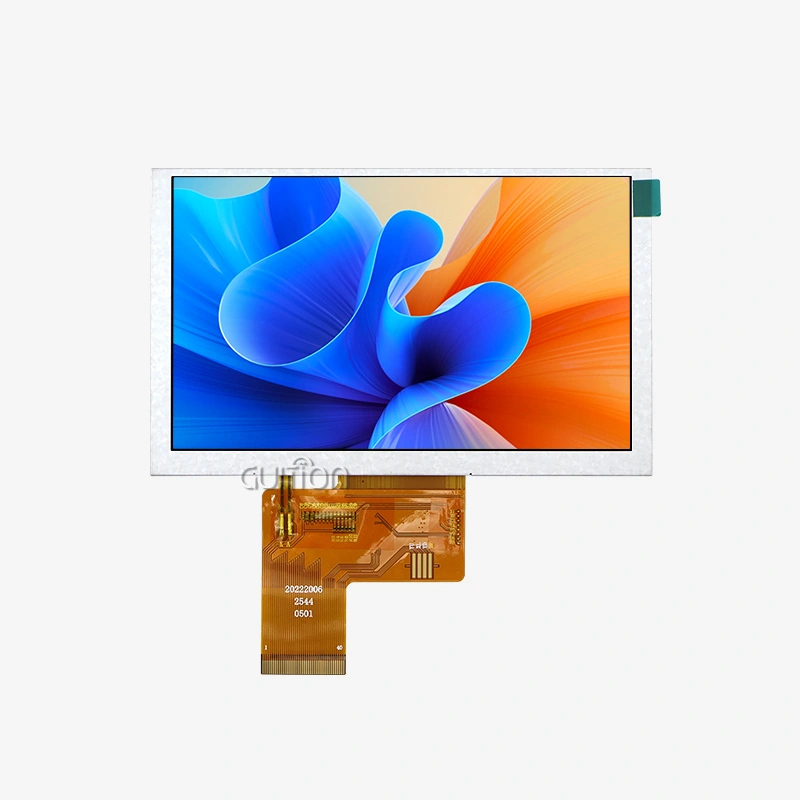
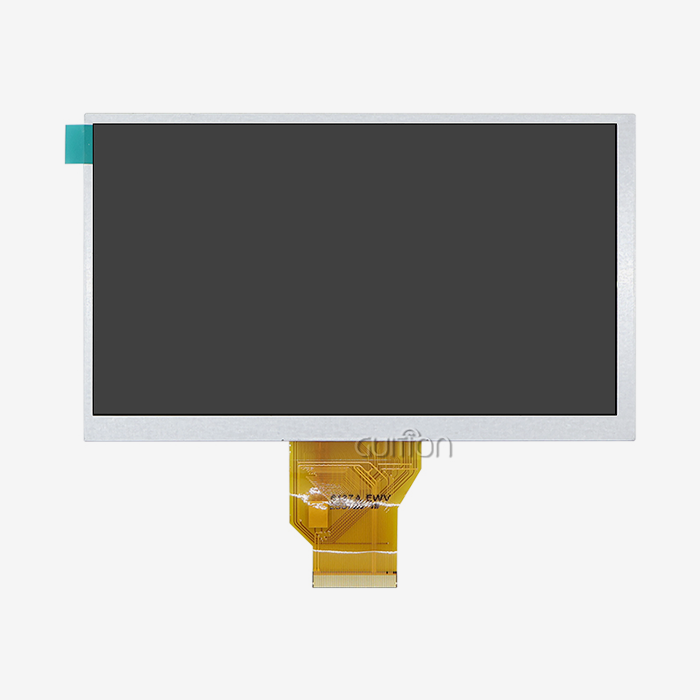
Cost, power use, and application needs must all be taken into account when choosing between LCD and OLED technologies. LCD screens like the one in the Guition module are brighter in places with a lot of ambient light. This is important for outdoor farming automation equipment or business terminals in well-lit stores. When showing mostly dark material, OLED has deeper blacks and uses less power, but it costs 40–60% more at the same sizes and has a risk of burn-in for static UI elements.
Market Landscape and Supplier Positioning
There are many providers of ESP32P4 screen modules, and their quality standards vary. When procurement experts look for parts for medical equipment or smart goods, warranty terms and supply reliability become very important. Being both a hardware maker and a software platform provider gives Guition some unique benefits. You get unified expert help instead of having to deal with different software and hardware providers pointing fingers at each other. This vertical integration lowers risk in mission-critical apps that can't work without being down because of fines or rules.
Procurement Insights: Buying ESP32P4 Screen Modules in Bulk for B2B Clients
When going from a pilot to mass production, there are new things to think about. Unit economics, supply chain security, and long-term support promises must all be balanced by system developers and purchasing managers. A product's ability to make money for years to come may depend on strategic buying decisions made during this shift.
Supplier Evaluation Criteria
Verification steps keep you from making common buying mistakes when looking for an ESP32P4 screen module source for large orders. To begin, ask for product qualification samples that come with all the necessary paperwork, such as mechanical sketches, electrical specs, and results from environmental testing. Legitimate makers, such as Guition, provide proof of ISO 9001 certification, RoHS compliance, and FCC/CE testing results. These are important for goods that need to go into controlled markets, like medical devices or industrial equipment. How quickly a provider responds to communication is an early sign of how reliable they are. Send in technical questions that need engineering knowledge—vague or late answers show that the company doesn't have a lot of experience. Guition's direct email contact to technology staff shows a dedication to customer service that comes in handy during difficult integration stages.
Pricing Negotiation and Volume Economics
When talking about bulk prices, more than just unit cost should be brought up. Ask for clear rules on when parts become obsolete, minimum order quantities, and wait times for reorders. As chipsets change, it can be hard to handle the lifecycle of display panels that have active electronic parts. Suppliers who have good ties with manufacturers can let customers know about changes to parts ahead of time and help products make the shift smoothly. Volume prices usually start to make sense when you buy 500 to 1,000 units, and they get even better when you buy 5,000 to 10,000 units. But bold pricing that seems too low could mean that quality is being compromised or that the supply chain isn't stable. Compare prices to known market standards and ask for clarification on what cost cuts mean: increased production or the replacement of parts.
After-Sales Service Infrastructure
Strong help after the sale becomes even more important as the operation grows. The ability to update modules remotely, which is built into Guition, changes the economics of upkeep. When you put 10,000 units in different places, being able to push firmware changes virtually instead of having to plan for technicians to come out saves you hundreds of thousands of dollars in service costs over the life of the product. The rules of the warranty should be carefully read. Standard one-year guarantees might not be enough for gadgets that are meant to work nonstop for 5 to 7 years. Make it clear what is covered by the warranty. Some companies don't cover failures caused by "improper use," which is described in such a broad way that it makes security useless. For big deployments, extended warranty choices, even if they cost more, are often a good way to control risk.
Future Outlook: Trends in ESP32P4 Screen Module Development that Impact Costs
The world of HMI technology is changing very quickly. Technical leaders and R&D managers can make better purchasing choices when they know about new trends. This is especially true as needs change and competition rises.
Display Resolution and Processing Power Evolution
Even in integrated systems, the industry is moving toward better resolutions. The way people interact with industry and medical devices is now affected by what people expect from smartphones. The ESP32P4 Display Module is well-suited for this change because its RISC-V core and memory system can easily handle 1024x600 screens, which is not possible with older MCU designs. As the price of display panels goes down, the processing delay becomes the main problem. Choosing an ESP32P4 screen module with speed space keeps it from becoming obsolete too soon. Better power control features are another area of focus for improvement. Applications that run on batteries, like portable medical devices or remote tracking systems, need smart power states that keep them active while using as little power as possible. These needs are met by the ESP32-P4's low-power SRAM and configurable sleep modes, but the quality of execution ranges from module maker to module maker. Check to see how well the providers have optimized the power sequence and wake-up delay.
Industry 4.0 and IoT Integration Requirements
Edge computing is becoming more and more important for smart building systems and automation in manufacturing. As time goes on, simple display screens change into local intelligence nodes that talk to cloud platforms, handle sensor data, and run decision algorithms. The ESP32-P4 has enough processing power to run both LVGL graphics libraries and TensorFlow Lite machine learning models. This lets you make predictive maintenance interfaces or user experiences that change based on how the device is used. Integrated modules are tactically important because they combine display, connectivity, and computing functions into one unit. Engineers use unified platforms to build whole edge nodes instead of handling different parts for each purpose. The costs go beyond the initial creation phase. For example, firmware updates can add new features to devices that have already been shipped, which can extend the life of the product and open up new income streams through software-enabled features.
Strategic Investment Recommendations
Companies that are making product roadmaps for more than one year should put supplier ties ahead of transactional buying relationships. Guition's dual role as a hardware maker and a software platform creator shows that the company is committed to the ecosystem for the long run. Regular updates that add new features and fix bugs in the Guition GUI software protect against changes in technology that could leave investments in private toolchains useless. Scalability issues are just as important. If you want a display module that works with smart homes today, it should also be able to meet the needs of tomorrow, whether that means more connections, better security, or more external interaction. This growth path is made possible by the ESP32-P4's large memory and I/O array. When making a procurement choice, it's important to look at both current standards and immediate needs. Also, it's important to look at design flexibility and future requirements.
Conclusion
In conclusion, integrated ESP32P4 screen modules lower costs by making design easier, speeding up development, and lowering the cost of service after the sale. Dual-core processing, a lot of memory, and flexible connections are some of the technical benefits of the ESP32-P4 architecture. When combined with well-thought-out module design, these features help industrial equipment makers, smart device developers, and automation designers solve real problems. When looking at your choices, give more weight to suppliers who offer complete documentation, quick expert help, and proven manufacturing quality. The starting cost of a component is only a small part of the total cost of the project. Long-term savings in engineering time, faster market entry, and better upkeep often outweigh hardware costs many times over. Picking platforms with design headroom will protect your investment as display needs change to include higher images and edge intelligence.
FAQ
What makes ESP32P4 display modules more cost-effective than discrete component approaches?
With integrated modules, engineers don't have to spend time on PCB planning, display driver development, and fixing bugs in the way hardware and software work together. The Guition JC4880P443C_I_W_Y comes with display control, touch functionality, and connection features that have already been tried. This means that your team can focus on writing application-specific software instead of low-level driver code. This combination usually cuts down on development times by 60–70%, which saves a lot of money on salaries and lets businesses start making money faster.
Can I customize the Guition module for proprietary applications?
Of course. The Arduino IDE, ESP-IDF, MicroPython, and Guition platforms can be used for additional programming with this package. You still have full control over the GPIO pins, data interfaces, and software that runs on top of them. Many customers start with the demo programs that are given to them and slowly change how they work. They use Guition's drag-and-drop GUI tools to create the user interface while writing the business code in the environment of their choice. The technical manual has full API references and examples of how to integrate them.
How does remote upgrade capability reduce long-term costs?
During a normal product's 5–7-year lifespan, firmware updates fix bugs, add new features, and fix security holes. Without OTA, each update needs an expert to come to the customer's location or for the customer to arrange for a return, which costs $50 to $200 per device. The Guition module's Wi-Fi connection lets thousands of units receive updates at the same time from a central location. This cuts the cost of updates for each device to almost nothing and makes customers much happier by making changes that work better every time.
What volume commitments are required for bulk pricing?
Guition can be used for projects of all sizes, from small test runs to mass production. Prices go down for larger orders, usually starting at 500 units and going down even more at 1,000, 5,000, and 10,000 units. We know that new products usually start with small amounts, so our pricing system supports growth without punishing early promises. For personalized quotes, please get in touch with our sales team to talk about your unique deadline and volume expectations.
Ready to Lower Your Development Costs with Guition?
As a reliable ESP32P4 screen module maker, Guition is ready to help you with combined HMI solutions that get rid of development bottlenecks and lower the overall cost of the project. Our JC4880P443C_I_W_Y module unites the well-known speed of the ESP32-P4 with full software support through the Guition UI development platform. This makes it possible to make quick prototypes and easily scale up production. Our engineering team gives you the expert support and reliable supply chain that your project needs, whether you're making smart home goods, medical devices, or industrial control systems. Talk about volume prices, ask for trial samples, or set up a technical consultation by emailing david@guition.com right away. Find out how our whole environment, which includes hardware, GUI software, and ongoing support, makes it easier for you to bring your idea to market.
References
1. Espressif Systems. (2024). "ESP32-P4 Series Datasheet: High-Performance MCU for Rich-GUI and AI Applications." Espressif Technical Documentation, Version 1.2.
2. Embedded Computing Design. (2023). "Cost Analysis of Integrated Display Modules Versus Discrete Components in Industrial HMI Applications." Industry Research Report, Q3 2023.
3. Journal of Embedded Systems Engineering. (2024). "Comparative Performance Evaluation of RISC-V Based Display Controllers in Real-Time Industrial Environments." Vol. 18, No. 2, pp. 45-62.
4. Supply Chain Management Review. (2023). "Risk Mitigation Strategies in Electronics Procurement: Supplier Evaluation Best Practices for Display Module Sourcing." Annual Industry Analysis.
5. International Society for Automation. (2024). "Human-Machine Interface Design Standards and Cost Optimization Techniques for Industrial Control Systems." ISA Technical White Paper Series.
6. IoT Technology Journal. (2023). "Edge Computing Display Solutions: Architectural Trends and Total Cost of Ownership Analysis for Connected Devices." Vol. 12, Issue 4, pp. 112-129.
Learn about our latest products and discounts through SMS or email