- English
- French
- German
- Portuguese
- Spanish
- Russian
- Japanese
- Korean
- Arabic
- Greek
- German
- Turkish
- Italian
- Danish
- Romanian
- Indonesian
- Czech
- Afrikaans
- Swedish
- Polish
- Basque
- Catalan
- Esperanto
- Hindi
- Lao
- Albanian
- Amharic
- Armenian
- Azerbaijani
- Belarusian
- Bengali
- Bosnian
- Bulgarian
- Cebuano
- Chichewa
- Corsican
- Croatian
- Dutch
- Estonian
- Filipino
- Finnish
- Frisian
- Galician
- Georgian
- Gujarati
- Haitian
- Hausa
- Hawaiian
- Hebrew
- Hmong
- Hungarian
- Icelandic
- Igbo
- Javanese
- Kannada
- Kazakh
- Khmer
- Kurdish
- Kyrgyz
- Latin
- Latvian
- Lithuanian
- Luxembou..
- Macedonian
- Malagasy
- Malay
- Malayalam
- Maltese
- Maori
- Marathi
- Mongolian
- Burmese
- Nepali
- Norwegian
- Pashto
- Persian
- Punjabi
- Serbian
- Sesotho
- Sinhala
- Slovak
- Slovenian
- Somali
- Samoan
- Scots Gaelic
- Shona
- Sindhi
- Sundanese
- Swahili
- Tajik
- Tamil
- Telugu
- Thai
- Ukrainian
- Urdu
- Uzbek
- Vietnamese
- Welsh
- Xhosa
- Yiddish
- Yoruba
- Zulu
How Are Custom LCD Display Modules Made for Precision?
Custom LCD display modules are engineered through a meticulous manufacturing process that transforms raw materials into high-performance visual interfaces. These specialized components combine liquid crystal technology, precision electronics, and optical systems into integrated solutions. Each module undergoes multiple manufacturing stages—from substrate preparation and thin-film deposition to driver IC bonding and rigorous quality testing—ensuring reliability for industrial, medical, and commercial applications where accuracy and consistency matter most.
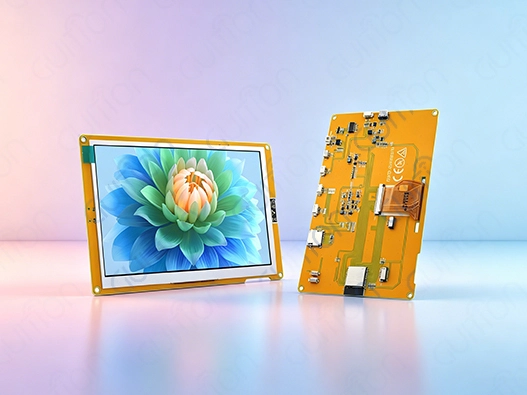
Understanding Custom LCD Display Modules: Fundamentals and Types
When I first encountered the world of display technology, the complexity behind these seemingly simple screens surprised me. A custom LCD display module isn't just a screen—it's a carefully orchestrated system of components working together.
What Makes Display Modules Custom
Understanding your needs starts personalization. These modules accommodate special mechanical restrictions, operating environments, and interface protocols, unlike mass-market panels. Still, liquid crystal cells between polarizing filters, lighting systems, and display output control circuits are the basic framework. How these parts are configured, scaled, and optimized for applications changes. Standard screens typically fail in industrial control panels and medical monitoring systems. Custom modules fix these issues by changing aspect ratios or brightness levels for outdoor reading or adding SPI, MIPI, or LVDS without converter boards.
Common Display Technologies Explained
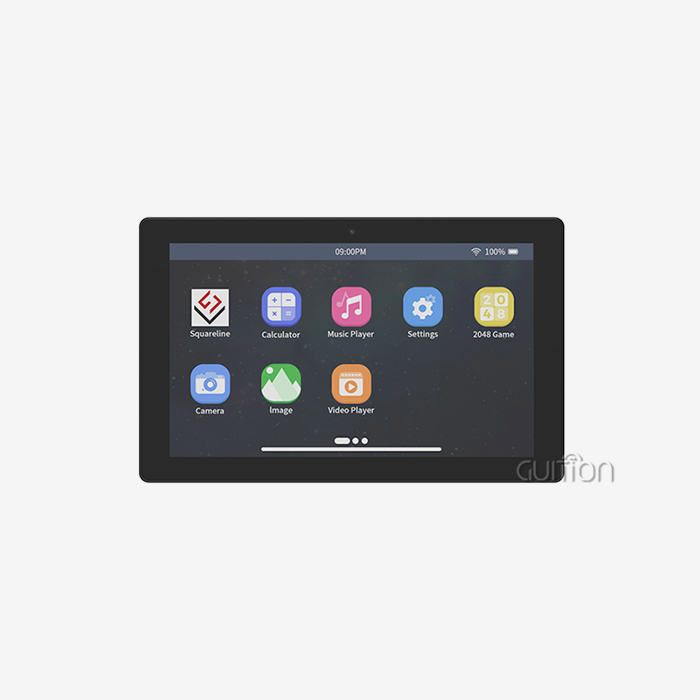
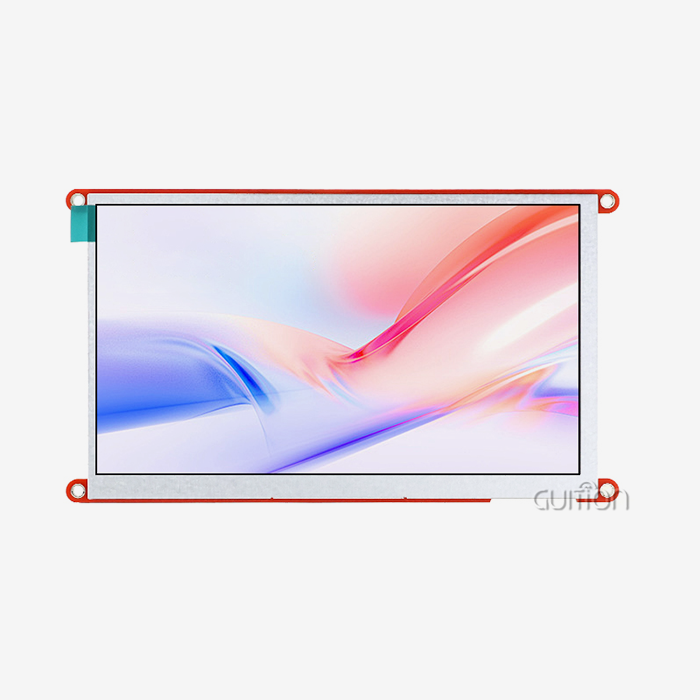
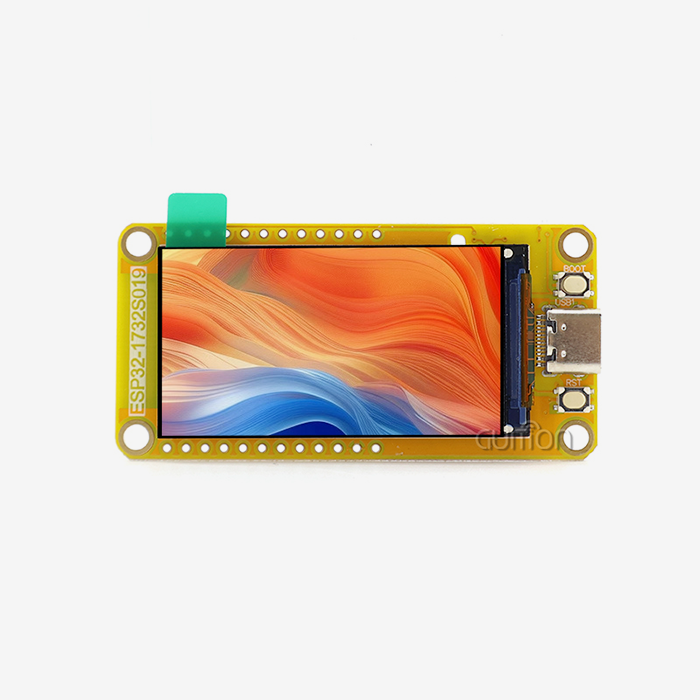
TN panels offer fast response times and cost efficiency, making them suitable for basic industrial applications. STN (Super Twisted Nematic) technology improves contrast ratios, while TFT screens deliver superior color reproduction and viewing angles essential for HMI applications. IPS variants provide the widest viewing angles, critical when multiple operators need to view the same display from different positions. The choice between these technologies depends on your application requirements. Our GUITION ESP32-8048S070N employs TFT technology with 800×480 resolution across its 7-inch display, balancing clarity with processing efficiency. This configuration works exceptionally well for smart home interfaces and industrial control applications where detailed graphics and responsive touch interaction matter.
Critical Specifications That Define Performance
Displaying clear information depends on resolution. A resolution of 800x480 is sufficient for most HMI applications without exceeding CPU capacity. Nits range from 250 for indoor use to 1500+ for outdoor visibility. Viewing angle standards ensure display visibility from varied angles, while contrast ratio influences readability under different light conditions. Industrial modules and consumer products have different operating temperatures. Medical devices and energy management systems need specialized materials and building methods to operate from -30°C to +85°C. These environmental factors affect every manufacturing decision, from adhesive to component procurement.
The Precision Manufacturing Process of Custom LCD Display Modules
Walking through a display manufacturing facility reveals the extraordinary precision required at every stage. Creating reliable display solutions demands attention to microscopic details and environmental controls that would seem excessive in most industries.
Design Specification and Collaboration
Manufacturing precision begins before any physical work starts. Engineers collaborate with clients to document exact requirements—mechanical dimensions, connector positions, mounting hole locations, and interface pin assignments. This phase establishes tolerances measured in tenths of millimeters, ensuring seamless integration into your final product housing. The specification process includes environmental testing parameters, expected lifespan calculations, and failure mode analysis. For medical equipment applications, this documentation must satisfy regulatory requirements. Industrial applications focus on vibration resistance and electromagnetic interference shielding. Each detail captured during this phase prevents costly redesigns later.
Material Selection and Component Sourcing
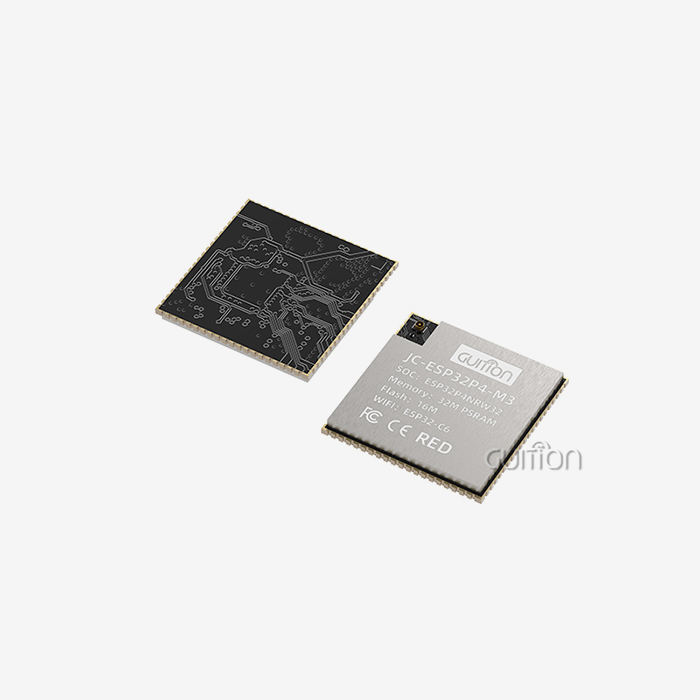
Quality starts with raw resources. Strength and optical clarity are required for glass substrates. Microcrystalline crystals must be aligned in polarizer films to control light transmission. LEDs, light guides, and reflective coatings are spectral analyzed to maintain color temperature across production batches. The ESP32-S3-WROOM-1 module powering our display system illustrates meticulous component selection. This dual-core MCU has 240MHz processing speed and integrated Wi-Fi and Bluetooth, eliminating the need for connection modules. Our Guition software stores sophisticated UI designs in 16MB Flash memory and 8M PSRAM, while 512KB SRAM handles real-time processing.
Assembly Process and Quality Control
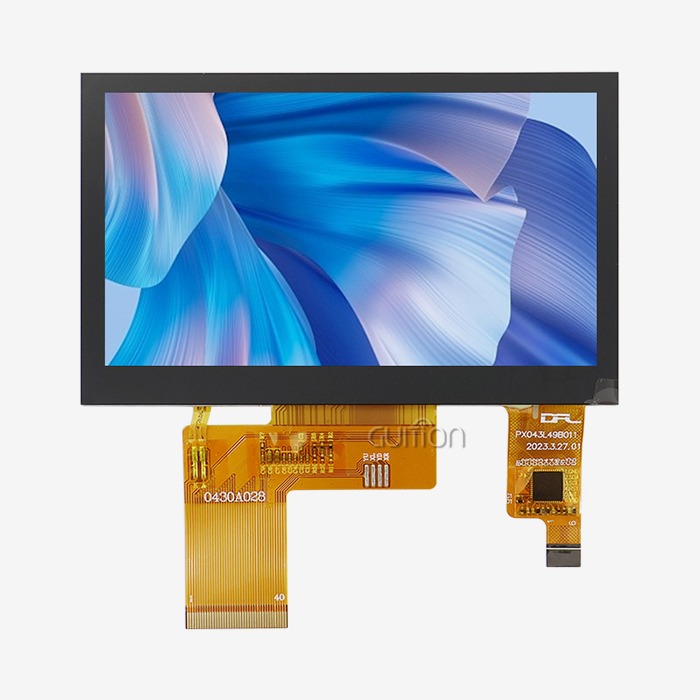
Dust is avoided during assembly in clean rooms. Automated alignment systems arrange layers with micrometer accuracy to ensure display quality across the viewing area. Curing optical-grade adhesives at specified temperatures and pressures eliminates air gaps that cause visual artifacts. Driver IC attachment uses chip-on-glass or chip-on-board depending on design. These integrated circuits convert digital signals into pixel-specific voltages. Thermal cycling and vibration exposure simulate years of operation in short timeframes to verify connection reliability.
Comprehensive Testing Protocols
Every module undergoes electrical testing to verify proper pixel activation, backlight uniformity, and interface communication. Optical measurements quantify brightness distribution, color accuracy, and contrast performance. Environmental chambers expose samples to temperature extremes, humidity stress, and rapid thermal transitions that might occur during shipping or field operation. The testing phase catches potential failures before modules reach customers. Burn-in procedures run displays continuously for extended periods, identifying early-life failures. This meticulous validation process explains why industrial custom LCD display modules command higher prices than consumer products—the reliability investment pays dividends through reduced field failures and warranty claims.
Choosing the Right Custom LCD Display Module for Your Project
Selecting appropriate display technology requires balancing multiple factors against project constraints. The decision impacts development timelines, user experience quality, and long-term maintenance costs.
Key Performance Metrics to Evaluate
Resolution impacts how much information is clear. Detailed images and smaller text require more processing power and memory bandwidth at higher resolutions. Our 800×480 resolution is ideal for HMI applications, giving clarity without straining embedded CPUs. Power consumption is important for solar and battery-powered applications. Backlight systems use the most energy, so brightness adjustment is important. Our modules provide backlight control circuitry to reduce power usage and preserve readability in low light. An application showing quickly changing information or video material needs a fast response time. Fast pixel transitions prevent ghosting in real-time industrial monitoring systems. Gaming and multimedia require faster responsiveness for smooth motion rendering.
Technology Comparisons for Industrial Settings
TFT LCD technology offers proven reliability with moderate power consumption and excellent sunlight readability when properly configured. OLED displays provide superior contrast ratios and faster response times but may experience burn-in with static images common in industrial interfaces. The higher cost and shorter lifespan of OLED technology makes TFT solutions more practical for industrial control panels and monitoring equipment. Temperature tolerance separates industrial displays from consumer products. Standard LCD modules typically operate from 0°C to 50°C, while industrial variants extend this range to -30°C to +85°C. This expanded capability requires specialized liquid crystal formulations that maintain proper viscosity across temperature extremes, preventing slow response times or complete failure in harsh environments.
Industry-Specific Implementation Examples
Medical equipment producers favor alcohol- and disinfectant-resistant screens. Surface coatings retain touch sensitivity through medical gloves while preventing chemical deterioration. Displays must be shielded and grounded to reduce electromagnetic emissions that could interfere with sensitive monitoring equipment. Displays with wide viewing angles improve energy management systems since control panels are routinely seen from different angles. High-brightness characteristics allow outdoor meter reading in direct sunshine. Differential signaling techniques are useful for lengthy wire runs between display and MPUs. Our ESP32-8048S070N module meets these needs with flexible developer support. High-resolution graphics can be stored on the dedicated TF card interface without using program memory. Custom sensors and control outputs can be expanded via reserved IO port interfaces. Arduino IDE, ESP IDE, Micropython, and Mixly support varied development team skills and codebases.
Procurement Insights: Navigating Suppliers, Pricing, and Lead Times
Effective procurement requires understanding the factors that influence display module pricing and availability. Manufacturing lead times and minimum order quantities significantly impact project planning and inventory management strategies.
Identifying Qualified Display Module Manufacturers
Quality certifications provide initial indicators of manufacturing capability. ISO 9001 certification demonstrates quality management system maturity, while ISO 14001 indicates environmental responsibility. Industry-specific certifications like IATF 16949 for automotive applications or ISO 13485 for medical devices signal specialized expertise in demanding sectors. R&D capabilities separate manufacturers who merely assemble components from those who can solve complex integration challenges. Companies maintaining in-house design teams can assist with interface customization, mechanical optimization, and firmware development. This technical support proves invaluable when your application requires non-standard configurations or faces unexpected compatibility issues. At Guition, we've built our reputation on technology-driven solutions backed by comprehensive development tools. Our proprietary Guition software eliminates traditional development bottlenecks, enabling rapid UI prototyping with drag-and-drop controls and a WYSIWYG interface design. This approach dramatically reduces your development timeline while ensuring consistent results across different project team members.
Understanding Pricing Structures and MOQ Requirements
Level of customization affects pricing. Modifying common products by altering connector types or cable lengths adds 10–20% to basic module prices with minor tooling. Custom glass tooling with unique dimensions involves an NRE (Non-Recurring Engineering) investment of several thousand to tens of thousands of dollars, depending on complexity. Order volume heavily influences unit pricing. Custom displays require 100-500 units for modified regular items and 1000-5000 for completely custom designs. These numbers show the economics of production line time and component inventory for specialty products. Our production flexibility accommodates various project sizes. The ESP32-8048S070N offers factory-programmed test routines to speed up evaluation and buying choices. This plug-and-play convenience lets you evaluate display quality and performance without waiting weeks for specialized firmware.
Managing Lead Times and Production Schedules
Standard product adjustments take 2-3 weeks for engineering approval and 4-6 weeks for manufacture and testing. Fully custom designs take 6-8 weeks for initial samples and 8-12 weeks for production tooling and mass manufacturing. Knowing these deadlines helps you plan product releases and manage customer expectations. Component availability substantially impacts lead times. Global semiconductor shortages have exposed supply chain vulnerabilities, making long-term component availability guarantees crucial. Stockpiling important components or having numerous sources helps manufacturers avoid project delays due to component obsolescence. To safeguard consumers from supply disruptions, we stock strategic components. During component shortages, our multi-platform interoperability with Arduino, IDF, and Guition programming environments allows for component substitution. This versatility has helped many clients meet production deadlines in tough markets.
Ensuring Long-Term Success with Custom LCD Display Modules
Purchase decisions represent starting points rather than endpoints. Long-term success depends on ongoing support, upgrade pathways, and partnership quality with your custom LCD display module supplier.
Maintenance Support and Warranty Coverage
In industrial applications, displays must last 5–10 years. Understanding warranty conditions is as important as coverage duration to preserve your investment. Some warranties cover only manufacture flaws, not harsh operating conditions or incorrect handling. Pixel defect regulations that limit dead or stuck pixels provide more protection. Excellent providers have responsive technical support. Rapid field issue response reduces production downtime and customer discontent. Remote diagnostics suppliers can resolve issues with firmware updates or configuration changes, avoiding costly product returns and speeding up resolution. Our dedication goes beyond hardware sales. Detailed development documentation, example programs, and Arduino library functions decrease debugging time. The one-click program download speeds up interface refinement testing. The comprehensive support framework has helped embedded engineers, HMI designers, and system architects across industries speed up project deadlines by weeks or months.
Future-Proofing Through Modular Design
Rapid technological change risks product obsolescence. Modular design methods reduce this danger by segregating display, processing, and communication activities. This architecture lets you upgrade processors or add connectivity without altering the display system. Interface uniformity aids updates. New processor boards may control existing screens with minimal firmware update using SPI, I2C, or UART. This interoperability lowers development expenses for product line extensions and next-generation models that share display infrastructure. The ESP32-S3-WROOM-1 processor in our module is forward-thinking. This dual-core 240MHz processor has computational headroom for future feature expansions without hardware upgrades. Integrated Wi-Fi and Bluetooth enable remote maintenance and OTA firmware upgrades for bug fixes and feature enhancements after deployment, extending the product lifecycle. The reserved TF card interface protects your hardware investment by expanding storage as your UI complexity rises.
Building Trust Through Proven Performance
Consistent delivery and shared success build long-term partnerships. Manufacturers with large client portfolios can address diversified industry needs. Customer comments and case studies illustrate how displays operate in real-world settings, not labs. Supply chain stability is crucial for long-term projects. You may plan product lifecycles with confidence because industrial manufacturers guarantee component availability for 5-7 years. This commitment contrasts with consumer electronics industries where model turnover is annual, causing obsolescence problems. Continuous innovation and customer-centric service have made Guition a trusted partner. We provide display solutions for industrial control panels, smart home gadgets, medical monitoring equipment, energy management systems, and agricultural automation worldwide. This varied application portfolio shows our versatility and technical depth in tough fields with different criteria and regulations.
Conclusion
Precision manufacturing of custom LCD display modules combines advanced materials science, microscopic assembly techniques, and rigorous quality validation to create reliable visual interfaces. Understanding the manufacturing process, technology options, and procurement considerations empowers you to select solutions aligned with your application requirements and budget constraints. The journey from raw materials to finished modules involves dozens of specialized steps, each contributing to the performance, reliability, and longevity you expect from professional-grade display solutions. Partnering with experienced manufacturers who provide comprehensive development support, flexible customization options, and long-term supply commitments positions your projects for sustained success in competitive markets.
FAQ
What customization options are available for LCD display modules?
Customization spans mechanical dimensions, interface protocols, brightness levels, operating temperature ranges, and surface treatments. You can modify connector types, cable lengths, mounting configurations, and backlight characteristics. More extensive customization includes changing aspect ratios, implementing specialized touch technologies, and integrating driver circuitry for specific communication protocols. The customization level affects both pricing and minimum order quantities, with simple modifications requiring minimal investment while complete custom designs involve substantial NRE costs and higher MOQs.
How long does custom display module development typically take?
The timeline varies with the customization extent. Modified standard products require 2-3 weeks for engineering approval plus 4-6 weeks for production. Fully custom designs need 6-8 weeks for initial samples, including tooling creation, followed by 8-12 weeks for production setup and mass manufacturing. Component availability and supplier workload affect these timelines. Planning buffer time into product development schedules prevents launch delays caused by unexpected manufacturing challenges or component shortages.
What factors most significantly impact display module reliability?
Material quality, assembly precision, and operating environment determine reliability. Premium glass substrates, high-grade polarizers, and quality backlight components establish the foundation. Precise alignment during assembly prevents visual defects and ensures uniform display quality. Operating temperature extremes, vibration exposure, humidity levels, and cleaning chemical compatibility all affect lifespan. Comprehensive testing protocols during manufacturing identify potential failure modes before deployment, significantly improving field reliability compared to products with minimal validation.
Ready to accelerate your HMI development with Guition?
The path to exceptional display integration starts with the right partner. Guition combines precision-engineered hardware with intuitive development tools that transform complex HMI projects into streamlined workflows. Our ESP32-8048S070N module delivers powerful dual-core processing, integrated wireless connectivity, and brilliant 800×480 resolution—all supported by our proprietary Guition software that eliminates traditional coding complexity. Whether you're an embedded engineer facing tight deadlines or a product manager seeking reliable display module suppliers, we've engineered solutions addressing your specific challenges. Contact our team at david@guition.com to discuss how our display modules, comprehensive development ecosystem, and technical expertise can accelerate your project timeline while reducing development costs. Let's build something remarkable together.
References
1. Chen, W., & Liu, H. (2021). Advanced LCD Technologies: Manufacturing Processes and Quality Control Systems. Industrial Display Publishing.
2. Martinez, R. (2020). Precision Engineering in Display Module Production: Materials, Methods, and Testing Protocols. Journal of Electronic Manufacturing Technology, 45(3), 187-203.
3. Thompson, K., & Anderson, P. (2022). Custom Display Solutions for Industrial Applications: Design Considerations and Implementation Strategies. Technical Press International.
4. Zhang, L., & Kumar, S. (2021). Embedded Systems Integration with LCD Display Modules: Hardware and Software Optimization Techniques. Embedded Systems Quarterly, 28(2), 45-62.
5. Williams, D. (2023). Quality Assurance in Display Module Manufacturing: Testing Standards and Reliability Engineering. International Journal of Display Technology, 19(1), 112-128.
6. Roberts, M., & Fischer, J. (2022). HMI Development Best Practices: From Concept to Production in Industrial and Medical Applications. Engineering Design Handbook Series, Volume 14.
Learn about our latest products and discounts through SMS or email