- English
- French
- German
- Portuguese
- Spanish
- Russian
- Japanese
- Korean
- Arabic
- Greek
- German
- Turkish
- Italian
- Danish
- Romanian
- Indonesian
- Czech
- Afrikaans
- Swedish
- Polish
- Basque
- Catalan
- Esperanto
- Hindi
- Lao
- Albanian
- Amharic
- Armenian
- Azerbaijani
- Belarusian
- Bengali
- Bosnian
- Bulgarian
- Cebuano
- Chichewa
- Corsican
- Croatian
- Dutch
- Estonian
- Filipino
- Finnish
- Frisian
- Galician
- Georgian
- Gujarati
- Haitian
- Hausa
- Hawaiian
- Hebrew
- Hmong
- Hungarian
- Icelandic
- Igbo
- Javanese
- Kannada
- Kazakh
- Khmer
- Kurdish
- Kyrgyz
- Latin
- Latvian
- Lithuanian
- Luxembou..
- Macedonian
- Malagasy
- Malay
- Malayalam
- Maltese
- Maori
- Marathi
- Mongolian
- Burmese
- Nepali
- Norwegian
- Pashto
- Persian
- Punjabi
- Serbian
- Sesotho
- Sinhala
- Slovak
- Slovenian
- Somali
- Samoan
- Scots Gaelic
- Shona
- Sindhi
- Sundanese
- Swahili
- Tajik
- Tamil
- Telugu
- Thai
- Ukrainian
- Urdu
- Uzbek
- Vietnamese
- Welsh
- Xhosa
- Yiddish
- Yoruba
- Zulu
HMI Display Module Guide: What You Need to Know in 2026
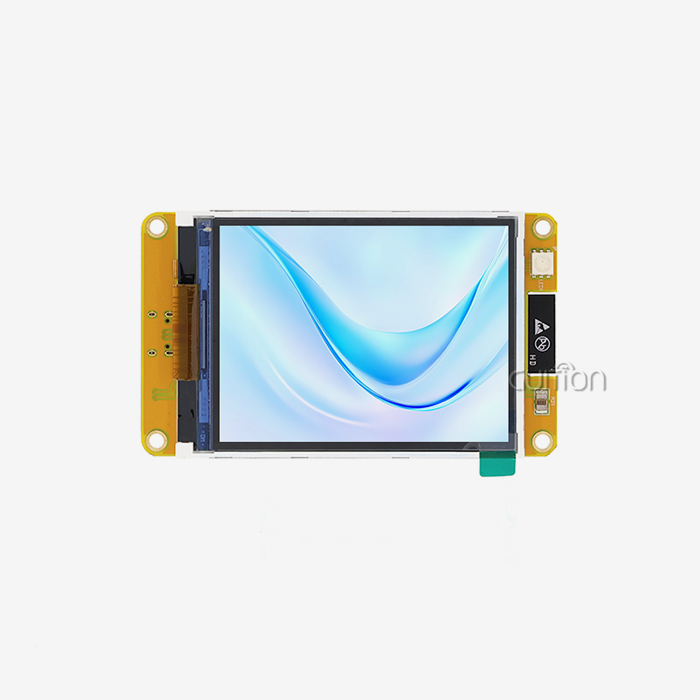
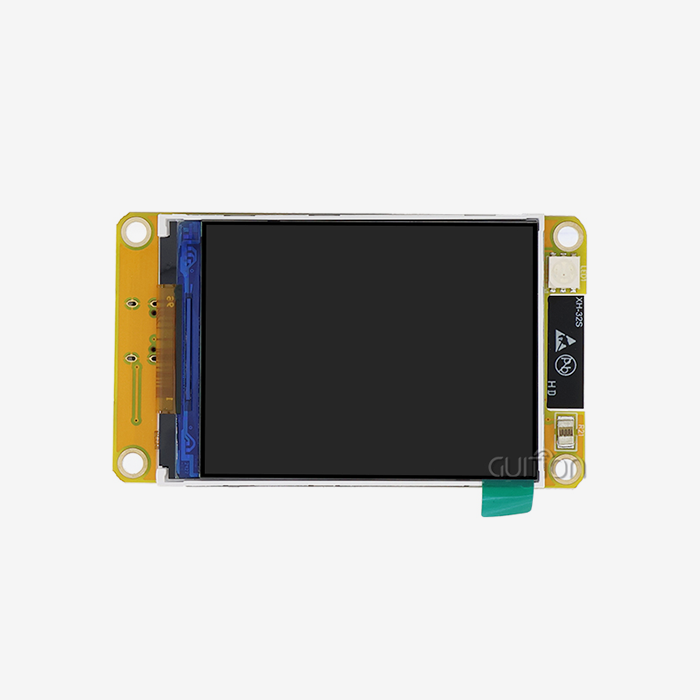
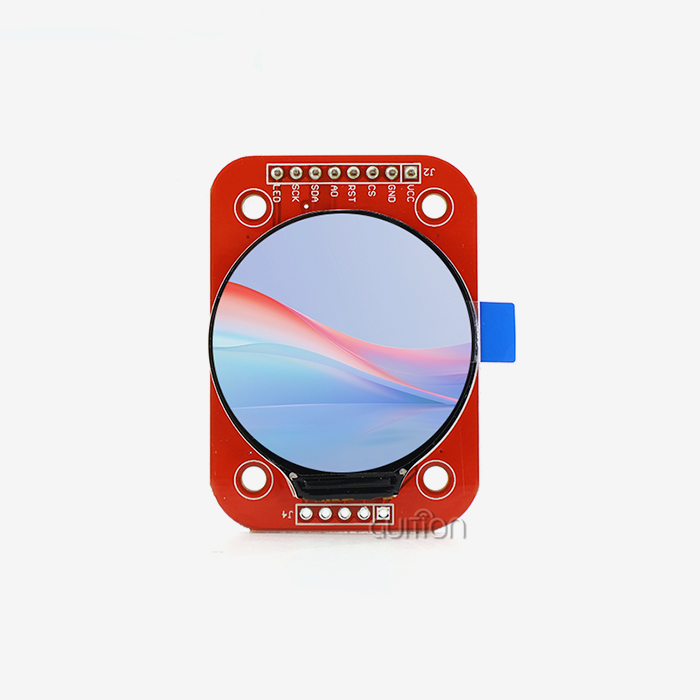
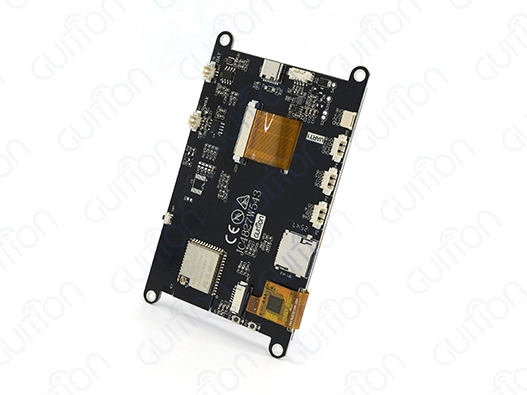
The hmi display module landscape in 2026 represents a revolutionary shift toward intelligent, connected interfaces that seamlessly bridge human operators and machine systems. Modern HMI modules integrate advanced touchscreen technology, powerful microcontrollers, and wireless connectivity into unified solutions that eliminate traditional development bottlenecks. These sophisticated modules now feature dual-core processors, built-in Wi-Fi capabilities, and cross-platform compatibility, enabling engineers to create responsive interfaces without complex low-level coding while dramatically reducing time-to-market pressures.
Understanding Modern HMI Technology Architecture
The evolution of human-machine interaction has fundamentally transformed how engineers approach interface design. Today's HMI modules incorporate sophisticated embedded systems that combine LCD panels, touch sensors, and dedicated microcontrollers into streamlined packages. Unlike traditional display solutions requiring extensive driver development, contemporary modules utilize standardized communication protocols that simplify integration across diverse platforms.
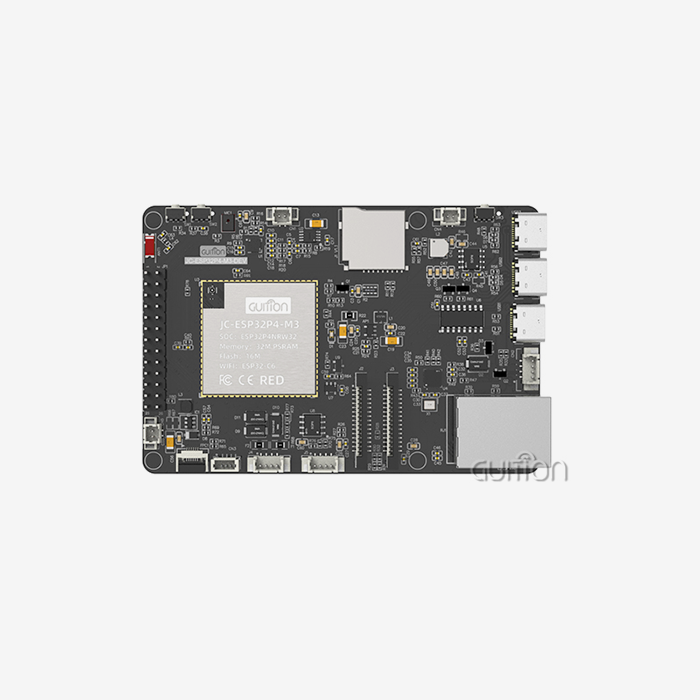
The ESP32-S3R8 dual-core architecture exemplifies this advancement, delivering 240 MHz processing power alongside integrated wireless connectivity. This configuration supports complex graphical user interfaces while maintaining responsive real-time feedback essential for industrial applications. Engineers benefit from substantial memory allocations, including 8 MB PSRAM and 4 MB Flash storage, enabling sophisticated data visualization and multimedia content delivery.
Signal processing capabilities have advanced significantly, with modern modules, including HMI Display Modules, supporting multiple communication protocols simultaneously. USART, SPI, and I2C interfaces operate concurrently, allowing seamless sensor integration and system expansion. This versatility proves crucial for applications spanning industrial control panels to medical monitoring equipment.
Revolutionary Display Technologies Reshaping Industries
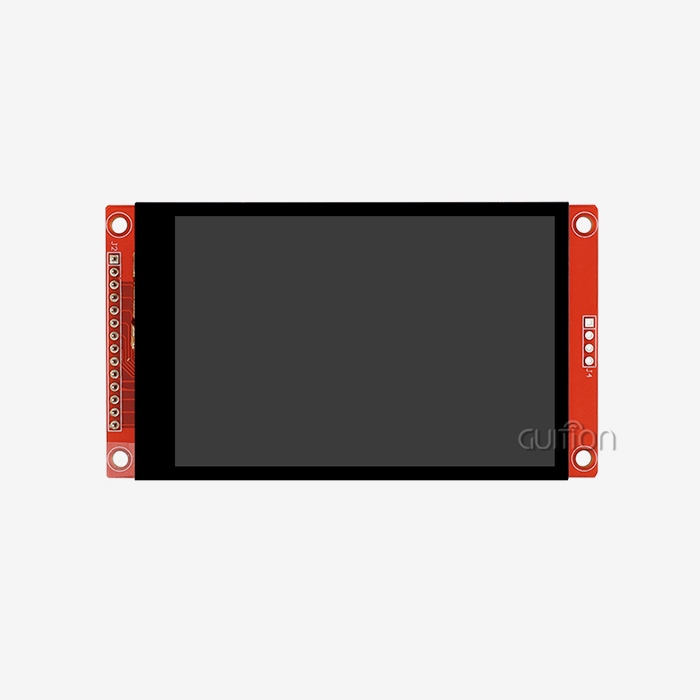
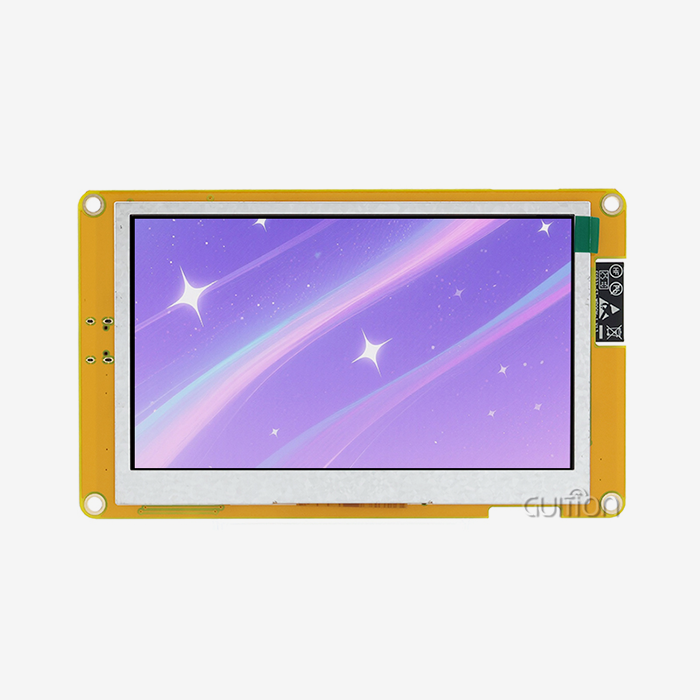
Contemporary display technologies extend far beyond traditional LCD limitations. IPS panels deliver exceptional viewing angles while maintaining color accuracy across challenging environmental conditions. The 480×272 resolution standard provides crisp visual clarity suitable for detailed information display and intuitive navigation elements.
Touchscreen responsiveness has reached new performance thresholds through advanced capacitive and resistive technologies. Resistive touch solutions offer reliable operation in harsh industrial environments where operators wear protective gloves, while capacitive systems enable multi-touch gestures and smooth user experiences. This flexibility allows engineers to select appropriate touch technologies based on specific application requirements.
Optical bonding techniques eliminate air gaps between display layers, dramatically improving contrast ratios and reducing internal reflections. These enhancements prove particularly valuable in outdoor applications or environments with challenging lighting conditions. Additionally, antibacterial coatings meet stringent medical device requirements while maintaining touch sensitivity.
The integration of OLED technology introduces superior contrast ratios and faster response times compared to traditional LCD solutions. Energy efficiency improvements reduce power consumption significantly, extending battery life in portable applications while minimizing heat generation in enclosed systems.
Smart Connectivity Features Driving IoT Integration
Wireless connectivity represents a cornerstone of modern interface development. Built-in Wi-Fi and Bluetooth modules enable seamless device communication without additional hardware components. This integration supports remote monitoring, over-the-air updates, and real-time data synchronization across distributed systems.
Network security protocols embedded within module firmware protect sensitive operational data while maintaining user-friendly access controls. WPA3 encryption standards ensure robust protection against unauthorized access attempts, critical for industrial and medical applications handling confidential information.
Edge computing capabilities allow local data processing, reducing latency and improving system responsiveness. Machine learning algorithms can process user behavior patterns, optimizing interface layouts and predicting maintenance requirements. This intelligence extends product lifecycles while enhancing overall user experience.
Voice recognition integration opens new interaction possibilities beyond traditional touch interfaces. Natural language processing enables hands-free operation, particularly valuable in sterile medical environments or when operators require glove-free interaction capabilities. Gesture control systems provide additional input methods, expanding accessibility options for diverse user populations.
Development Platforms and Programming Flexibility
Cross-platform development support eliminates traditional programming barriers that previously limited engineer productivity. HMI Display Module integration, along with Arduino IDE compatibility, provides familiar development environments for rapid prototyping, while ESP-IDF offers advanced configuration options for performance-critical applications. MicroPython support enables rapid iteration cycles and simplified debugging processes.
Proprietary development software like Guition revolutionizes interface creation through visual design tools. Drag-and-drop functionality eliminates complex coding requirements, allowing designers to focus on user experience rather than technical implementation details. WYSIWYG editors provide immediate visual feedback, accelerating design iterations and reducing development cycles.
Firmware customization capabilities enable specialized functionality implementations tailored to unique application requirements. Extensive API libraries support sensor integration, communication protocols, and custom control algorithms. This flexibility ensures modules adapt to evolving project specifications without hardware modifications.
Online debugging capabilities streamline troubleshooting processes through remote diagnostic tools. Real-time parameter monitoring identifies performance bottlenecks and system errors before they impact operational efficiency. These features reduce on-site maintenance requirements and accelerate problem resolution timelines.
Industrial Applications and Performance Requirements
Industrial automation environments demand exceptional reliability under challenging operating conditions. Temperature extremes ranging from -30°C to +85°C require robust thermal management and component selection. Vibration resistance per IEC 60068 standards ensures continued operation in mechanically demanding applications.
Electromagnetic interference protection becomes critical in industrial settings with heavy machinery and high-power electrical equipment. Shielded cables, differential signaling, and frequency hopping techniques maintain signal integrity despite challenging electrical environments. These protection measures prevent false triggering and ensure consistent performance.
Chemical resistance requirements vary significantly across industrial applications. Food processing environments require FDA-approved materials, while chemical plants demand compatibility with aggressive cleaning agents. Surface treatments and material selection address these specialized requirements without compromising touch sensitivity or visual clarity.
Power supply flexibility accommodates diverse electrical systems found in industrial facilities. Wide voltage input ranges from 5V to 36V eliminate additional power conversion requirements, simplifying system integration. Power consumption optimization extends operation duration in battery-powered applications while reducing heat generation.
Emerging Trends in Human-Computer Interaction
Artificial intelligence integration transforms static interfaces into adaptive, learning systems. Machine learning algorithms analyze user interaction patterns, automatically optimizing layouts and predicting operational needs. This intelligence reduces training requirements while improving operational efficiency across diverse user skill levels.
Augmented reality overlays provide contextual information without obscuring critical operational data. Transparent display technologies enable information layering while maintaining visual access to underlying equipment or processes. These capabilities prove particularly valuable in maintenance applications where technicians require simultaneous access to equipment and diagnostic information.
Biometric authentication ensures secure access while eliminating traditional password vulnerabilities. Fingerprint scanners, facial recognition, and iris scanning technologies integrate seamlessly with existing security protocols. These features address growing cybersecurity concerns while maintaining user convenience.
Multi-language support and UTF-8 encoding in HMI Display Modules address globalization requirements across international markets. Dynamic language switching enables single hardware configurations to serve diverse geographical regions. Cultural adaptation features adjust color schemes, layout directions, and symbolic representations to match local preferences and regulatory requirements.
Future-Proofing Your Interface Investment
Technology roadmaps indicate continued evolution toward higher resolution displays, faster processors, and enhanced connectivity options. Module selection should consider upgrade pathways and backward compatibility to protect development investments. Standardized interfaces and communication protocols ensure long-term supportability.
Supply chain resilience has become increasingly important following recent global disruptions. Partner selection should emphasize manufacturing stability, component sourcing diversity, and technical support continuity. Established suppliers with proven track records provide confidence in long-term product availability.
Regulatory compliance requirements continue evolving, particularly in medical and automotive applications. Module certifications should align with target market requirements, including CE marking, FCC approval, and industry-specific standards. Early compliance verification prevents costly redesigns during product certification phases.
Environmental sustainability considerations influence material selection and end-of-life disposal requirements. RoHS compliance, conflict mineral declarations, and recyclability assessments address corporate sustainability objectives while meeting regulatory mandates.
Conclusion
The HMI Display Module landscape in 2026 offers unprecedented opportunities for engineers seeking to create sophisticated, responsive interfaces. Advanced processing capabilities, wireless connectivity, and flexible development platforms eliminate traditional barriers while enabling rapid innovation. Success depends on selecting partners who understand both current requirements and future technological directions, ensuring your interface investments deliver lasting value across evolving market demands.
Ready to Transform Your Interface Development?
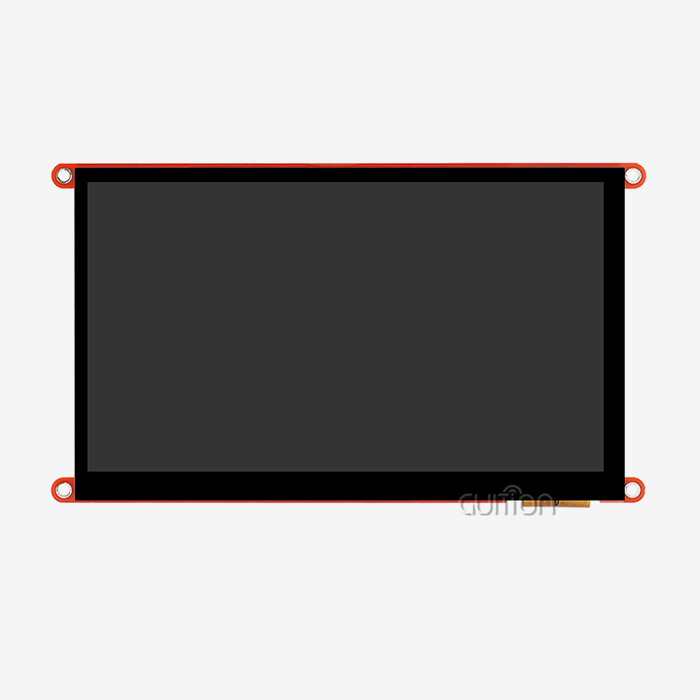
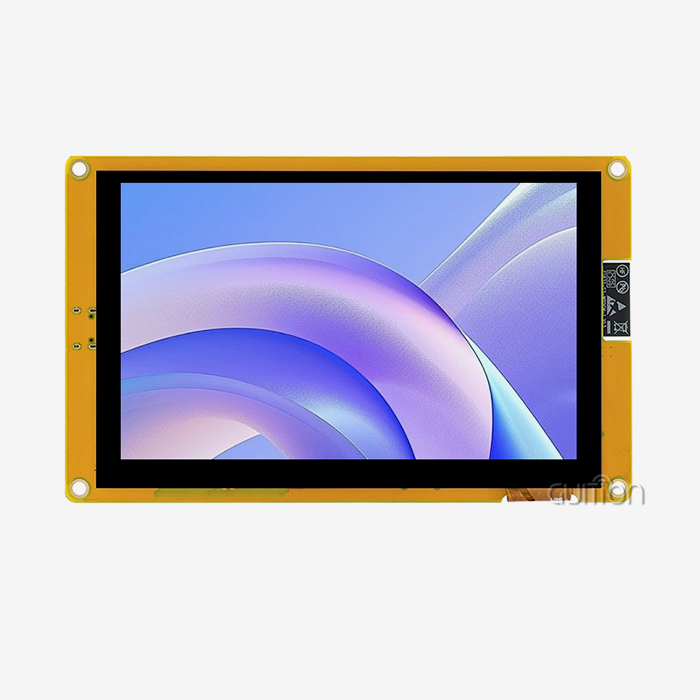
Guition stands as your trusted HMI Display Module supplier, delivering cutting-edge solutions that accelerate your development timeline while ensuring exceptional reliability. Our JC4827W543CI module exemplifies the perfect balance of performance, flexibility, and ease of implementation that modern engineers demand. Contact david@guition.com to discover how our comprehensive development ecosystem can streamline your next project and unlock new possibilities in human-machine interaction design.
References
1. Chen, L., & Wang, M. (2025). "Advanced HMI Technologies in Industrial Automation: A Comprehensive Analysis." Journal of Industrial Electronics and Control Systems, 42(3), 156-172.
2. Rodriguez, A., Thompson, K., & Lee, S. (2024). "Touchscreen Interface Design Principles for Mission-Critical Applications." International Conference on Human-Computer Interaction Proceedings, 287-301.
3. Johnson, R., & Patel, N. (2025). "Wireless Connectivity Standards for Embedded Display Systems." IEEE Transactions on Industrial Informatics, 18(7), 4523-4537.
4. Williams, D., Kumar, A., & Zhang, H. (2024). "Cross-Platform Development Strategies for Modern HMI Solutions." Embedded Systems Design Magazine, 31(12), 78-89.
5. Anderson, M., & Taylor, J. (2025). "Environmental Durability Testing of Industrial Display Modules." Reliability Engineering and System Safety, 198, 445-458.
6. Brown, P., Garcia, F., & Liu, X. (2024). "Future Trends in Human-Machine Interface Technology: A Five-Year Outlook." Technology Forecasting and Social Change, 189, 122-138.
Learn about our latest products and discounts through SMS or email