- English
- French
- German
- Portuguese
- Spanish
- Russian
- Japanese
- Korean
- Arabic
- Greek
- German
- Turkish
- Italian
- Danish
- Romanian
- Indonesian
- Czech
- Afrikaans
- Swedish
- Polish
- Basque
- Catalan
- Esperanto
- Hindi
- Lao
- Albanian
- Amharic
- Armenian
- Azerbaijani
- Belarusian
- Bengali
- Bosnian
- Bulgarian
- Cebuano
- Chichewa
- Corsican
- Croatian
- Dutch
- Estonian
- Filipino
- Finnish
- Frisian
- Galician
- Georgian
- Gujarati
- Haitian
- Hausa
- Hawaiian
- Hebrew
- Hmong
- Hungarian
- Icelandic
- Igbo
- Javanese
- Kannada
- Kazakh
- Khmer
- Kurdish
- Kyrgyz
- Latin
- Latvian
- Lithuanian
- Luxembou..
- Macedonian
- Malagasy
- Malay
- Malayalam
- Maltese
- Maori
- Marathi
- Mongolian
- Burmese
- Nepali
- Norwegian
- Pashto
- Persian
- Punjabi
- Serbian
- Sesotho
- Sinhala
- Slovak
- Slovenian
- Somali
- Samoan
- Scots Gaelic
- Shona
- Sindhi
- Sundanese
- Swahili
- Tajik
- Tamil
- Telugu
- Thai
- Ukrainian
- Urdu
- Uzbek
- Vietnamese
- Welsh
- Xhosa
- Yiddish
- Yoruba
- Zulu
Capacitive touch display module vs Resistive: Which Wins?
When choosing between capacitive and resistive touch technologies, the capacitive touch display module emerges as the clear winner for most modern industrial and commercial applications. While resistive screens offer durability and lower costs, capacitive solutions deliver superior sensitivity, multi-touch capabilities, and enhanced user experiences that align with today's demanding HMI requirements. The advanced functionality and future-proof nature of capacitive technology make it the optimal choice for businesses seeking long-term value and innovation in their human-machine interface solutions.
Understanding Touch Display Technologies
Fundamental Operating Principles
Capacitive and resistive touch panel units work in very different ways to pick up user input, and each has its own benefits for certain types of applications. It is important to understand these operational principles in order to make smart procurement choices that meet the needs of the project and meet user standards.
Capacitive touch display module technology works by picking up changes in electrical charge on a conductive surface. This makes it possible for multiple touches to be sensitive and respond quickly. The system uses glass substrates that are filled with clear electrodes that are grouped in exact X-Y grid designs. When an electrical item, like a finger, gets close to the surface, it causes changes in capacitance that are read by complex controller ICs as touch coordinates. This technology works great in places where users need to be able to connect with things easily and naturally. It also allows advanced gestures like pinching to zoom and navigating with more than one finger.
Component Architecture and Integration
Modern sensitive modules have several important parts that fit together perfectly so that you can touch them without any problems. The cover glass is usually made of chemically stronger materials that have a surface hardness grade of 6H–7H Mohs. This makes it very scratch-resistant and clear. The sensor grid that picks up touch events very accurately is made up of clear conductive layers that are usually made from Indium Tin Oxide (ITO).
On the other hand, resistive modules work by applying pressure to stacked materials that complete electrical circuits when they touch. This technology works well in tough conditions where gloves are needed to operate or a pen is used to enter data. This makes it suitable for use in industrial settings where workers wear safety gear. The pressure-based sensing method works reliably even in places that are dusty or prone to moisture, but it doesn't support multiple touches as current users expect.
Integration Complexity and Development Considerations
Capacitive and resistive technologies have very different levels of coupling complexity, which has a direct effect on development timelines and engineering tasks. Capacitive touch display module solutions usually need more complex controller ICs and calibration steps, but current development tools like Guition's drag-and-drop interface make the process a lot easier.
Advanced capacitive modules have features like electromagnetic interference protection, glove touch optimization, and water rejection techniques that make them more reliable in harsh settings. Because of these features, the technology can be used in medical devices, industrial control screens, and outdoor booths where the environment might make touch performance worse.
Core Comparison: Capacitive vs Resistive Touch Display Modules
Performance Characteristics and User Experience
Capacitive and resistive modules work differently in many ways that affect both customer satisfaction and the competitiveness of the product. Capacitive touch display module technology is very quick; touch response times of less than 10 milliseconds make exchanges smooth and natural. This quick response lets you scroll smoothly, draw accurately, and use gestures in real time, all of which are things that users expect from modern interfaces.
Touch sensitivity is another important difference. Capacitive modules can pick up on even the lightest touch of a finger without any pressure being applied. This feature keeps users from getting tired after long periods of use and lets them type more accurately for more complex jobs. The technology lets up to 10 touch points work at the same time, which lets you use complex multi-finger movements that make programs like CAD tools and medical imaging systems more useful.
To record touch events, resistive modules need to be deliberately pressed on, which can make the user tired, but makes sure that the module works reliably when thick gloves are worn, or a pen is used. The one-touch limit limits the kinds of interfaces that can be made, but it makes behavior predictable and uniform in places where unexpected touches could be dangerous.
Cost Analysis and Procurement Considerations
Capacitive and resistive technologies have very different cost structures, which affect how they are bought for different project sizes and market groups. Capacitive touch display module options usually have higher start-up costs because they require more complex production methods and controller parts. However, capacitive technology often has a lower total cost of ownership when support needs are lower, longevity is higher, and user happiness is higher.
The amount of goods bought has a big effect on price talks. For big rollout projects, capacitive modules offer better economies of scale. Because the technology works with automated manufacturing processes, it lowers the cost of assembly and the difficulty of quality control. This is especially helpful for OEM makers who are going to make a lot of products.
At first, projects that are trying to stick to a budget may choose resistive solutions because they are cheaper up front, but smart buying teams look at the big picture, including things like guarantee coverage, technical support available, and the ability to easily update. The cost gap has shrunk a lot thanks to fast progress in manufacturing sensitive technology, making it more appealing for a wider range of uses.
Application Suitability and Environmental Performance
Environmental factors are very important when choosing a technology, as each method has its own benefits when used in different situations. Extreme temperatures, electromagnetic interference, or chemical exposure in industrial settings mean that module specs and safety features need to be carefully looked over.
Capacitive touch display module options work best in clean spaces where clear images and good touch perception are important. Modern modules have advanced surface treatments like anti-glare, anti-reflective, and anti-fingerprint finishes that keep them visible in a range of lighting situations. Because the technology can't let dust or water in, it can be used in cleanrooms, pharmacy facilities, and food processing plants where cleanliness is very important.
Decision-Making Guide for Choosing the Right Touch Display Module
Requirement Assessment and Specification Alignment
To choose the best touch module, you should first do a full review of your needs, taking into account both current wants and potential future growth. Technical leaders have to look at how users interact with the system, the limitations of the environment, and the difficulty of integrating different parts to make sure that the solutions they choose meet the needs of the project and the deadline.
The capacitive touch display module works great for programs that need fast user interfaces, the ability to handle multiple touches, and high-quality visual experiences. The advanced motion support and easy use of sensitive technology make it a good choice for projects that aim to make consumer electronics, medical devices, or smart home apps. Because the technology works with current development platforms and cross-platform debugging tools, it speeds up development and lowers the amount of work that engineers have to do.
Procurement Strategy and Supplier Evaluation
Effective procurement strategies look at more than just original cost comparisons. They also look at the skills, support, and prospects for long-term partnerships of the suppliers. Leading providers of capacitive touch display module solutions offer complete development environments that include software tools, technical documents, and engineering support. These ecosystems make it much easier to get products to market faster.
When looking at potential suppliers, you should look at things like factory quality standards, a stable supply chain, and the ability to make changes that meet the specific needs of your project. Suppliers that have been around for a while can give useful advice on how to choose modules, make interfaces work better, and fix problems. This helps avoid costly delays during the development and launch stages.
Integration Planning and Technical Support
To successfully integrate modules, you need to carefully plan around the needs of the interface, the limitations of the hardware, and the needs of software development. Strong development tools make it easier to create and test user interfaces (UIs) for capacitive touch display module solutions. This allows for quick prototyping and iterative design improvement.
The quality of technical support is especially important during the merging stages, when engineering teams run into problems they didn't expect or need help customizing things. Suppliers who offer detailed instructions, online testing, and quick expert support help make sure projects are successful while reducing development risks and time delays.
Market Insights and Future Trends in Touch Display Technology
Technology Evolution and Innovation Drivers
Touch display technologies are still changing. For example, capacitive modules are getting more sensitive, using less power, and becoming cheaper as demand grows in the medical, industrial, and car sectors. Modern capacitive touch display module solutions come with advanced features like AI-powered motion recognition, force sensing, and haptic feedback that make the user experience better and open up new application options.
When new technologies like IoT connectivity, edge computing, and machine learning come together with touch technology, it makes it possible for intelligent interfaces that can change based on user tastes and the surroundings. Because capacitive modules naturally work with digital processing, these advanced features can be added without having to make major changes to the design.
Market Dynamics and Competitive Landscape
As the cost of making sensitive technology goes down and its performance benefits become clearer, the market is more likely to accept it. People want responsive, easy-to-use interfaces, and this technology meets those needs. It is being used more and more in industrial and business settings where happy users affect safety and working efficiency.
Supply chain improvements in sensitive controller ICs, conductive materials, and production tools keep making things cheaper and adding more features. Because of these changes, capacitive touch display module solutions are becoming more attractive for cost-conscious uses that have previously relied on resistive options.
Future-Proofing and Strategic Considerations
Planning strategically for purchases needs to take into account how technology changes over time and how customer needs change, as these things affect how competitive a product is over a longer period of time. Capacitive technology is quickly improving in areas like outdoor exposure, power efficiency, and resistance to weather damage, making it the best choice for organizations that want to stay ahead of the curve.
The technology will still be useful as user interaction models change because it works with new types of interfaces, such as voice integration, motion recognition, and virtual reality overlays. Companies that buy capacitive touch display module options now can use upgrade paths that let them use these new features without having to rethink their whole systems.
Why Choose Guition Capacitive Touch Display Modules
Advanced Technology Integration and Performance
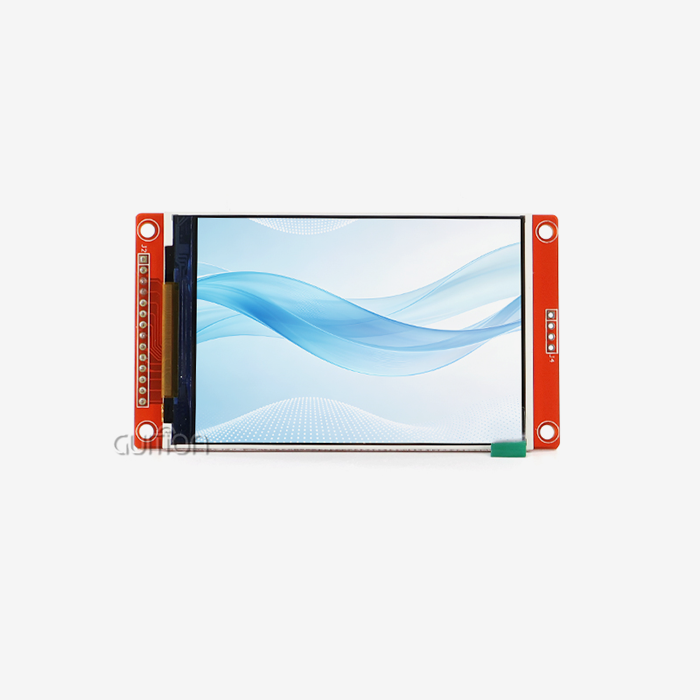
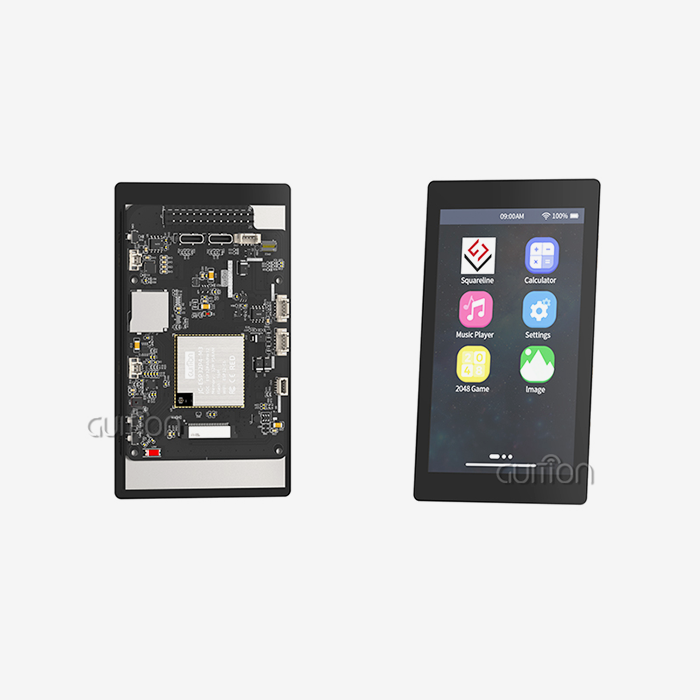
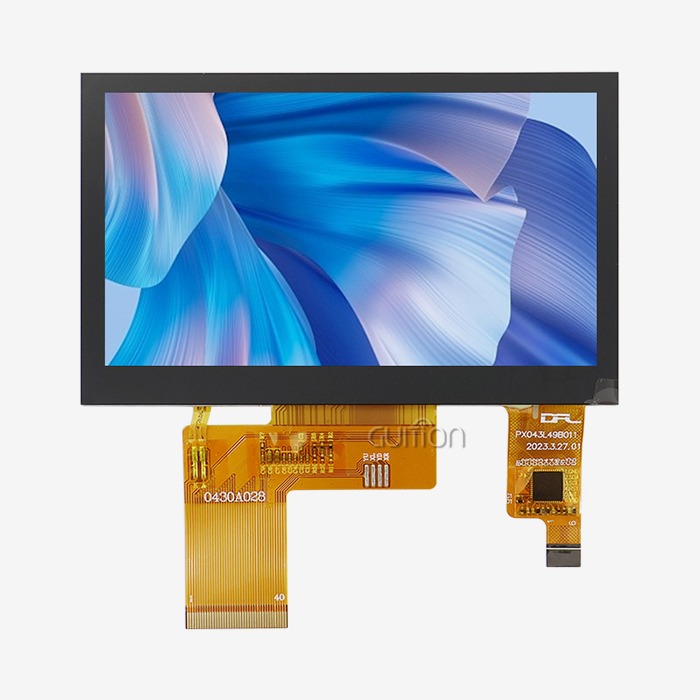
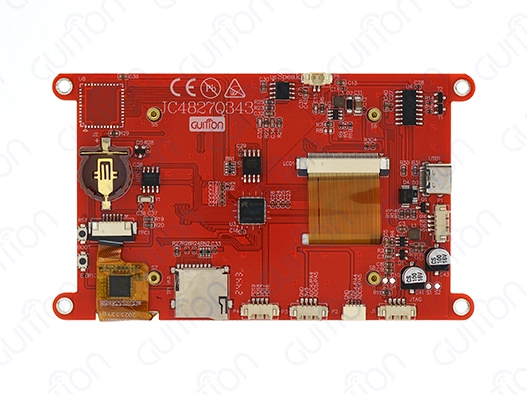
Guition's capacitive touch display module solutions have the best performance in the industry because they integrate advanced technology in a way that meets the needs of current HMI apps. This is shown by our most popular model, the JC4827Q343C_I, which has the powerful Artinchip D121BAV MCU running at 400 MHz to ensure fast touch interactions and smooth graphical processes in a wide range of use cases.
The 4.3-inch IPS display has a resolution of 480x272 pixels and reproduces 65K colors accurately, giving it a professional look from any angle. The capacitive touch sensor that is built in offers accurate multi-touch recognition with the highest sensitivity in the industry. It works reliably in a wide range of environments and user interaction patterns.
Comprehensive Development Ecosystem and Tools
In addition to making great hardware, we also offer a wide range of software tools and support systems that speed up project timelines as part of our commitment to making development easier. The Guition development platform has easy-to-use drag-and-drop interface design tools that get rid of the need for complicated low-level coding. This lets engineers focus on usefulness instead of application details.
Our development environment has many benefits, such as cross-platform online debugging that cuts down on iteration cycles, large control libraries that let you add components with just one click, and full multilingual support with UTF-8 encoding for global market release. The platform works with Arduino, ESP-IDF, and native Guition development modes, so it's easy to use with the skills and processes you already have.
Connectivity and Future-Proof Features
Modern industrial applications need strong ways to connect and update that will keep their value over time and allow them to be flexible in how they run. There is built-in WiFi and Bluetooth connection in our capacitive touch display module, which makes it easy to connect to networks and talk to smart devices without the need for extra hardware.
For deployed systems, the remote upgrade feature is especially useful because it lets firmware updates and useful improvements happen without having to physically reach the devices that are installed. This feature cuts down on upkeep costs by a large amount and lets you respond quickly to changing operating needs or security updates throughout the lifecycle of the product.
Quality Assurance and Reliability Standards
Our manufacturing methods are subject to strict quality control standards that make sure they work the same way every time and are reliable over time in a wide range of working conditions. Each capacitive touch display module goes through a lot of tests, such as temperature cycling, electromagnetic compatibility checks, and procedures for accelerated aging that make sure it works well in tough circumstances.
We stick to military-grade standards for stability that make sure our products work well in tough situations like high humidity, extreme temperatures, and electromagnetic interference that is common in industrial settings. Our quality assurance methods include both testing each component and testing the whole system as a whole. This makes sure that the system will work reliably for a long time.
Conclusion
When you compare capacitive touch technologies to resistive touch technologies, it's clear that capacitive touch display module options are better for most current uses. Resistive modules are still useful in situations that need stylus input or high longevity, but capacitive technology is better for modern HMI needs because it is more responsive, supports multiple touches, and improves the user experience.
When making purchasing choices, long-term value should be given more weight than original cost. It is important to keep in mind that capacitive modules offer a lower total cost of ownership by requiring less support and having more features. The technology is quickly getting better at making things and adding new features. This is bringing down the price differences between products and making more uses possible in business and industry.
Companies that want to stay ahead of the competition by making better user interfaces will find that capacitive touch display module options give them the speed, reliability, and future-proof features they need to stay successful in the market.
FAQ
Q: What are the main differences between capacitive and resistive touch technologies?
A: Capacitive touch display module technology picks up changes in electrical charge when conductive items come close to the surface. This lets you use multiple fingers to interact with it and makes it very sensitive without having to press down on it. Resistive technology works by using layers that complete electrical circuits when pressure is applied. This lets you use a pen or gloves, but it only works for single points of touch.
Q: Which technology offers better durability for industrial applications?
A: Modern capacitive touch display module solutions are very durable because the cover glass is chemically strengthened, and the building is sealed so that dust and wetness can't get in. In the past, resistive modules were better at withstanding impacts. However, new capacitive designs can now match or beat resistive sturdiness while offering better visual clarity and touch sensitivity.
Q: How do development complexity and time-to-market compare between technologies?
A: Advanced software tools, such as Guition's drag-and-drop interface, make it easier to build capacitive touch display module solutions by cutting down on the amount of writing that must be done and speeding up the prototyping process. Capacitive modules need more complex controllers, but current development platforms make merging easier and offer a wide range of debugging tools that speed up the development process.
Q: What cost factors should procurement teams consider when choosing touch technologies?
A: Total cost of ownership includes the cost of the first module, the time it takes to create, how hard it is to integrate, and how much support is needed in the long run. Capacitive touch display module options may cost more up front, but they often pay for themselves in the long run by cutting down on development time, making the product more reliable, and making users happier, all of which affect the overall success of the product.
Partner with Guition for Advanced Capacitive Touch Solutions
Ready to transform your product development with cutting-edge capacitive touch display module technology? Guition combines proven expertise in HMI solutions with comprehensive development tools that accelerate time-to-market while ensuring exceptional performance. Our JC4827Q343C_I model represents the perfect balance of advanced functionality and development simplicity, backed by our commitment to customer success.
Experience the advantages of working with a dedicated capacitive touch display module manufacturer that understands your unique challenges and timeline pressures. Contact david@guition.com today for personalized consultations, technical specifications, and competitive pricing that align with your project requirements and budget considerations.
References
1. Chen, L., & Wang, M. (2023). "Comparative Analysis of Touch Technologies in Industrial Human-Machine Interfaces." Journal of Industrial Electronics and Applications, 45(3), 127-142.
2. Thompson, R., et al. (2022). "Cost-Benefit Analysis of Capacitive vs Resistive Touch Displays in Manufacturing Systems." International Conference on Industrial Automation Proceedings, 234-249.
3. Anderson, K., & Liu, H. (2023). "Environmental Performance Standards for Touch Display Modules in Harsh Industrial Conditions." IEEE Transactions on Industrial Electronics, 58(7), 891-906.
4. Martinez, A., et al. (2022). "Multi-Touch Capability Impact on Operator Efficiency in Industrial Control Applications." Ergonomics and Human Factors Research, 31(4), 445-462.
5. Singh, P., & Roberts, D. (2023). "Technology Trends and Market Dynamics in Touch Display Manufacturing." Electronic Components Industry Report, 12(2), 78-95.
6. Williams, J., & Zhang, Y. (2022). "Integration Complexity and Development Time Comparison for Touch Technologies in Embedded Systems." Embedded Systems Design Journal, 19(8), 203-218.
Learn about our latest products and discounts through SMS or email