- English
- French
- German
- Portuguese
- Spanish
- Russian
- Japanese
- Korean
- Arabic
- Greek
- German
- Turkish
- Italian
- Danish
- Romanian
- Indonesian
- Czech
- Afrikaans
- Swedish
- Polish
- Basque
- Catalan
- Esperanto
- Hindi
- Lao
- Albanian
- Amharic
- Armenian
- Azerbaijani
- Belarusian
- Bengali
- Bosnian
- Bulgarian
- Cebuano
- Chichewa
- Corsican
- Croatian
- Dutch
- Estonian
- Filipino
- Finnish
- Frisian
- Galician
- Georgian
- Gujarati
- Haitian
- Hausa
- Hawaiian
- Hebrew
- Hmong
- Hungarian
- Icelandic
- Igbo
- Javanese
- Kannada
- Kazakh
- Khmer
- Kurdish
- Kyrgyz
- Latin
- Latvian
- Lithuanian
- Luxembou..
- Macedonian
- Malagasy
- Malay
- Malayalam
- Maltese
- Maori
- Marathi
- Mongolian
- Burmese
- Nepali
- Norwegian
- Pashto
- Persian
- Punjabi
- Serbian
- Sesotho
- Sinhala
- Slovak
- Slovenian
- Somali
- Samoan
- Scots Gaelic
- Shona
- Sindhi
- Sundanese
- Swahili
- Tajik
- Tamil
- Telugu
- Thai
- Ukrainian
- Urdu
- Uzbek
- Vietnamese
- Welsh
- Xhosa
- Yiddish
- Yoruba
- Zulu
Can OpenHASP screen Boost Your Home Dashboard UX?
The OpenHASP screen represents a revolutionary approach to home automation interfaces, transforming traditional dashboard experiences through its open-source firmware architecture. Unlike conventional smart home displays that require complex programming, this innovative technology enables rapid deployment of customizable user interfaces with minimal coding requirements. OpenHASP screen solutions deliver enhanced responsiveness, seamless connectivity, and superior user engagement across residential and commercial applications. The combination of ESP32-based hardware with intuitive configuration methods creates a compelling proposition for engineers, system integrators, and product managers seeking efficient human-machine interface solutions that reduce development time while maintaining professional-grade reliability and performance standards.
Understanding OpenHASP Screen: Features and Compatibility
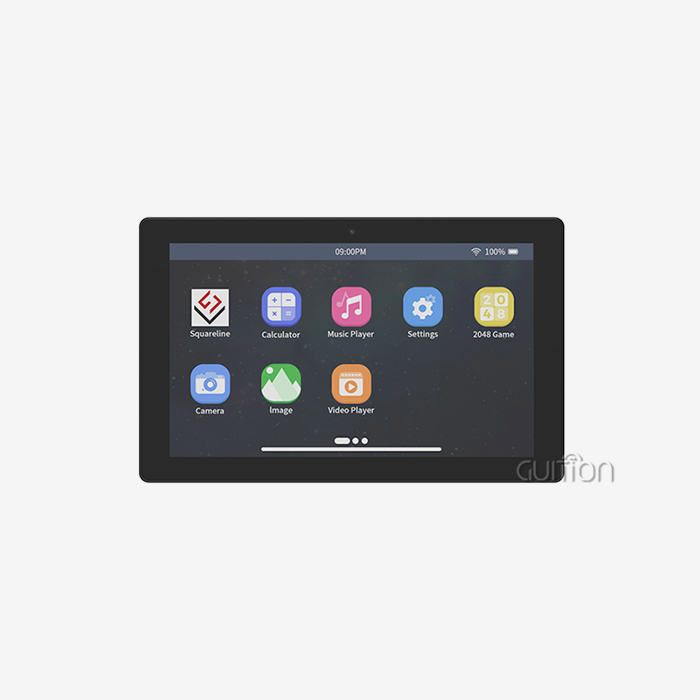
The OpenHASP screen is a flexible firmware platform made just for home control dashboards built on the ESP32 chip. It is based on an open-source, community-driven development model and has a lot of customization choices so OEMs can change the firmware and user experience to fit their needs.
Core Technical Architecture
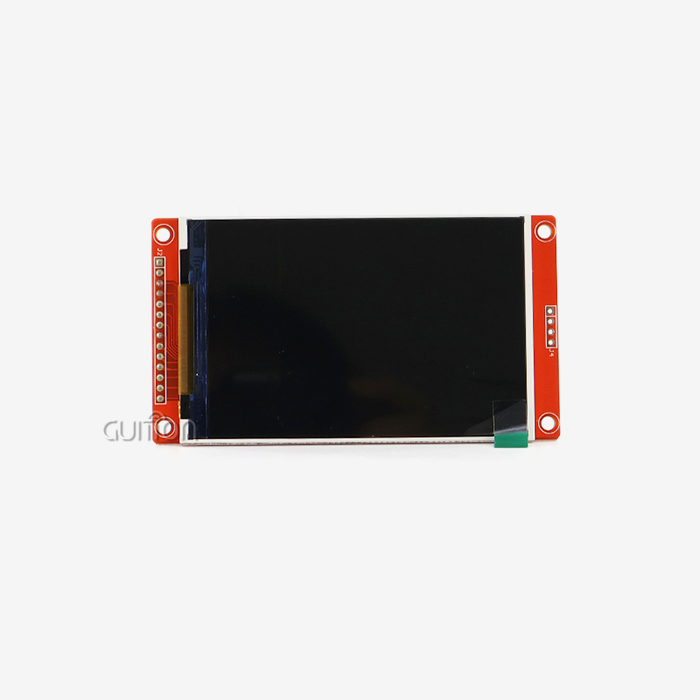
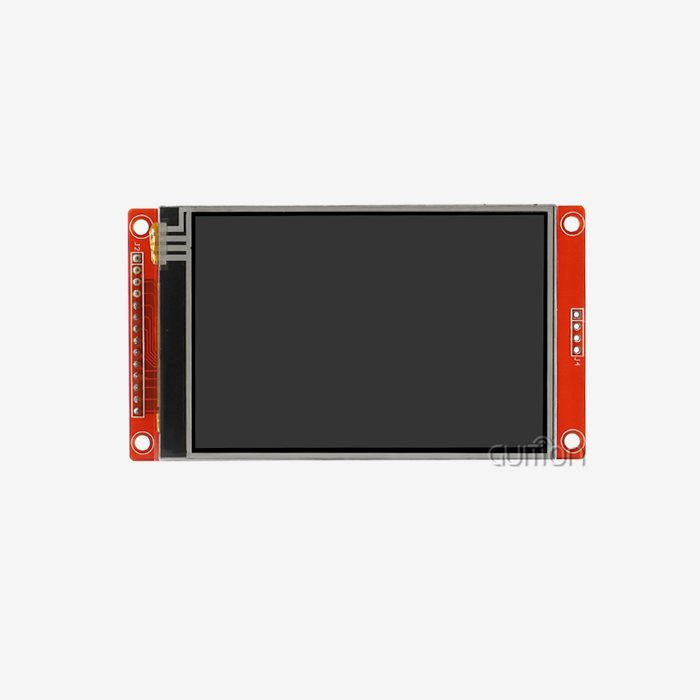
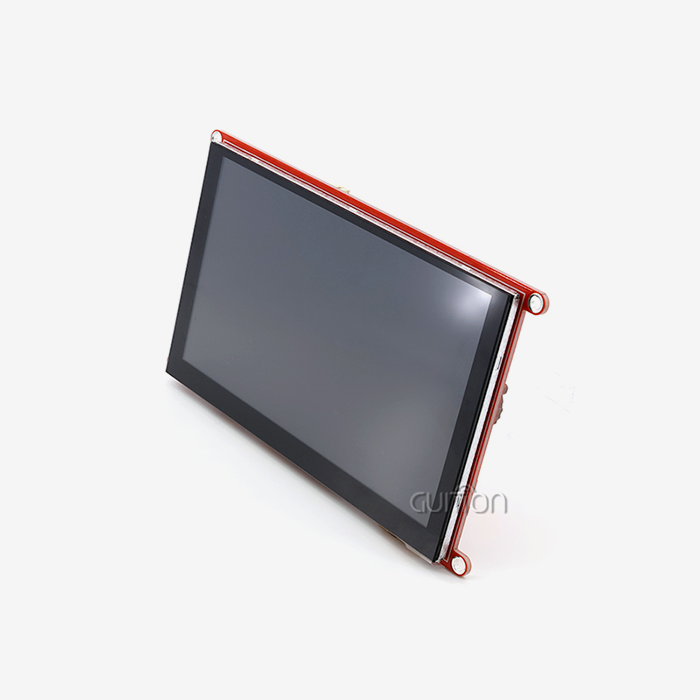
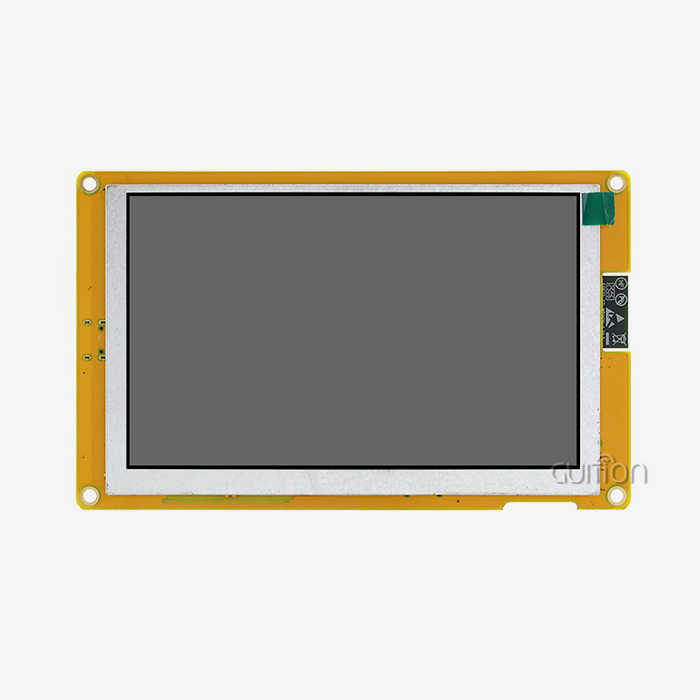
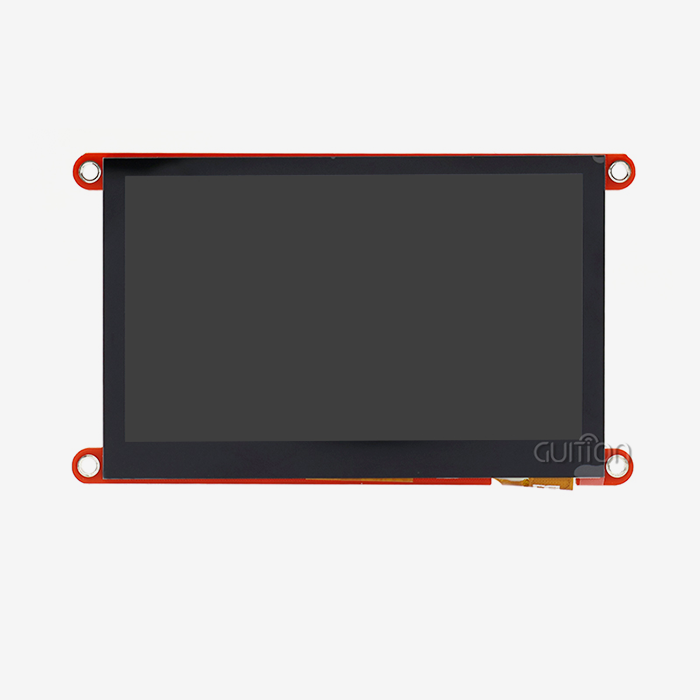
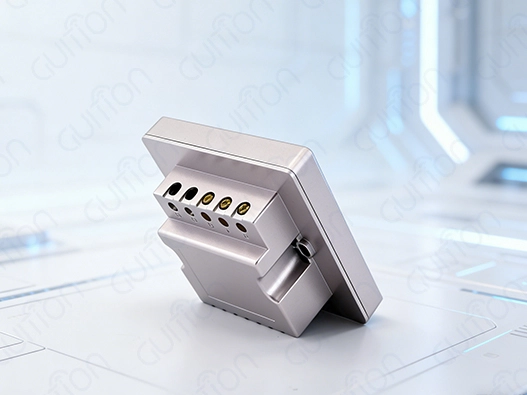
The GUITION ESP32-4848S040CIY1 module shows what the next version of OpenHASP screens can do. This module has everything you need for advanced human-computer contact. It is based on the powerful ESP32-S3R8 microprocessor. The dual-core MCU has 512KB SRAM, 384KB ROM, 8MB PSRAM, and 16MB flash storage. It runs at 240 MHz. This strong hardware base makes sure that everything works smoothly, even with complicated programs. With a size of 480x480 pixels, the 4.0-inch IPS monitor shows clear images. 16-bit RGB color support gives users 65K bright colors that make screens come to life. The capacitive touch screen reacts right away to what the user does, making interactions smooth enough to compete with high-end consumer electronics.
Smart Connectivity Integration
With built-in Wi-Fi and Bluetooth, you can do a lot of different things. You don't need any extra gear to connect to networks or talk to nearby gadgets. The OpenHASP screen design works with MQTT protocols, which let it talk to home automation controls like Home Assistant, OpenHAB, and Node-RED in real time.
Hardware Compatibility Matrix
The OpenHASP firmware works with a lot of different hardware units and is compatible with all the main smart home platforms. Some display drivers that work with this computer are ILI9341, ST7796, and ILI9488. These drivers can handle sizes from 320x240 to 800x480. The software works with a range of form factors, from 7-inch control tablets to 2.4-inch switch-plate replacements. Features like responsive UI and low-latency speed make sure that users have the best experiences possible. The active community and firmware update feature make OpenHASP more reliable and encourage ongoing changes, making it an easy-to-use and future-proof choice for industrial applications.
How to Use and Install OpenHASP Screen: Step-by-Step Guide
Installing the OpenHASP screen is a simple process that works best for skilled B2B clients who know a lot about embedded systems. For this to work, you need ESP32 display hardware that is compatible and access to approved firmware sources, which are usually housed on GitHub.
Pre-Installation Requirements
The first step in the startup process is to check the hardware. To handle frame buffers and complicated LVGL widgets, make sure your device has at least an ESP32-WROVER or ESP32-S3 SoC with 4MB of Flash and 4MB of PSRAM. The GUITION ESP32-4848S040C_I_Y_1 module goes above and beyond these needs, offering 16MB Flash and 8M PSRAM for better speed.
Firmware Deployment Process
The module comes with factory-programmed test programs that let you check its operation right away. Users can see how things work before they start making changes. This plug-and-play ease of use speeds up the review process for procurement teams that are looking at more than one option. Web-based tools or file-based ways are used for configuration. The TF card slot lets you add as much storage space as you want, so you can store pictures, fonts, data logs, or setup files locally. Built-in memory limits don't affect projects, which lets them use complex programs with lots of media.
Development Environment Setup
OpenHASP screen devices can be used to build on the Arduino IDE, the ESP-IDF, MicroPython, and GUITION. This adaptability works for a range of technical tastes and current development processes. Cross-platform online debugging lets you find and fix problems quickly, which cuts down on both debugging time and development costs. A lot of tools, like government literature, user forums, and community tutorials, make setup and ongoing care easy. This structured advice gives procurement experts and developers the tools they need to set up fully functional, customizable dashboards with little downtime and the ability to make updates on a large scale.
OpenHASP Screen vs Other Firmware Solutions: Making the Right Choice
When compared to competitors like ESPHome and Tasmota, OpenHASP stands out thanks to its high level of freedom, ability to customize the user interface more effectively, and strong OpenHASP screen community support systems. In real-world operations, performance measures stress low latency and stability.
Comparative Analysis Framework
ESPHome needs YAML setup and compilation processes, which means that changes to the interface need to be made in a development context. Tasmota is mostly about controlling devices, not making complex user experiences. These problems are solved by OpenHASP screen technology's declarative JSON/JSONL method, which lets the user interface be updated dynamically without having to recompile the software.
Performance Benchmarking
Studies of real-world deployments show that OpenHASP is better at using memory efficiently and responding quickly. The LVGL integration in the software speeds up graphics output on the hardware, making animations and changes smoother, which keeps users interested. Military-grade production standards make sure that the product works reliably for long periods of time, making it ideal for mission-critical situations where failure is not an option.
Vendor Ecosystem Advantages
Even though ESPHome and Tasmota are good options, OpenHASP's open-source openness and vendor community make it better for business-to-business purchases, especially for OEMs looking for flexible firmware for white labeling. The technology's method of not being tied to a specific vendor keeps it compatible with all hardware systems and avoids lock-in situations. This objective study helps professionals choose the best options that meet both technical and business needs. OpenHASP screen solutions let you customize them better without lowering the standards for stability or speed.
Procurement Guide: Where and How to Buy OpenHASP Screen Modules
This part lists the best ways to buy OpenHASP-compatible hardware, such as from trusted online markets for industrial buyers and from verified sellers. When sourcing from other countries or deploying on a big scale, it's important to think about costs like different price levels, bulk discounts, and shipping processes.
Supplier Evaluation Criteria
When picking an OpenHASP screen provider, you should look at how well their technical paperwork is written, how they handle customer service after the sale, and their long-term product roadmaps. GUITION sets the bar for the industry with its full set of development tools, ability to work on multiple platforms, and quick technical support. Because the company is committed to secondary development support, customers can change the features to meet their needs without having to do a lot of complicated core development.
Cost-Benefit Analysis
When buying things for industry, you need to carefully think about the total operating costs, which go beyond the initial gear costs. OpenHASP screen modules are useful because they cut down on development time, make upkeep easier, and let you update from afar. The GUITION ESP32-4848S040CIY1 module has reserved IO port interfaces, backlight control circuits, and touch screen control circuits. It offers full options that don't need many extra parts.
Supply Chain Considerations
Reliable sellers keep their stock levels stable and make sure there are clear ways to communicate. GUITION can make displays ranging in size from 1.28" to 21.5", and they can meet the needs of a wide range of projects by using standard buying methods. Their focus on technology and the customer makes sure that partnerships with growing businesses will last for a long time.
After-sales support systems that include warranties, software updates, and expert help are still very important for making sure that devices work reliably over the long term. With this knowledge, procurement managers can make better choices about the supply chain and get gear that fits both the needs of the project and the budget.
Benefits of OpenHASP Screen for B2B Clients and Future Outlook
The OpenHASP screen has big benefits for business and industry clients because it improves the user experience by having flexible interfaces and a smooth connection to smart home systems. Cutting down on licensing fees and using active open-source groups that are always coming up with new ideas and helping each other out saves money.
Operational Efficiency Improvements
Case studies of deployment show that development times and upkeep costs get better in a way that can be measured. The no-code or low-code distribution method allows for quick prototyping and iteration, which lowers the time-to-market stresses that make it hard to compete. With remote upgrade capabilities, devices in the field can get bug fixes and new features without having to be physically accessed. This greatly lowers the cost of after-sales service.
Strategic Investment Considerations
The development schedule for OpenHASP includes plans for more compatibility and better OEM customization choices. This shows that it can be a good investment for making sure that product lines will work in the future. Multilingual support and UTF-8 encoding make the technology suitable for global usage, which is important for businesses that want to sell to people around the world.
Market Positioning Advantages
Companies using OpenHASP screen solutions say their customers are happier because their goods have responsive, easy-to-use platforms that set them apart from other options. The technology's ability to make symmetrical designs and circular user interface parts is especially useful for apps that need to stand out visually.
These benefits make OpenHASP a top choice for smart home panel technology. They help businesses grow by making products more useful and reducing the complexity of running them.
Conclusion
OpenHASP screen technology is a big step forward in developing home control interfaces. It gives B2B clients more freedom and makes adoption much easier than ever before. Strong hardware built on the ESP32, easy-to-understand firmware design, and full development support make this a great deal for embedded engineers, system integrators, and product managers. The ESP32-4848S040C_I_Y_1 module from GUITION is a great example of these benefits because it has strong specs, works with multiple platforms, and meets military-grade durability standards. Companies that want to stay ahead of the competition in the smart home market should give OpenHASP screen options a close look for their next-generation product development projects.
FAQ
Q: What makes the OpenHASP screen different from traditional display solutions?
A: OpenHASP screen technology uses software that has already been built and a dynamic UI setup through JSON/JSONL scripts. This gets rid of the need for complicated C++ compilation. Compared to traditional embedded display programming methods, this method makes it possible to quickly change the interface without having to reflash the software. This cuts down on development time and technical hurdles by a large amount.
Q: Can OpenHASP screens work without internet connectivity?
A: Yes, OpenHASP screens can work offline for apps that need local control. Network connectivity lets you handle and connect devices to cloud-based home automation systems from afar. When properly set up, the devices can also perform pre-configured local tasks like controlling GPIOs and interacting with the interface.
Q: What development platforms support OpenHASP screen integration?
A: OpenHASP firmware works with many programming platforms, such as the Arduino IDE, ESP-IDF, MicroPython, and GUITION's own development tools. This cross-platform compatibility works with current engineering processes and gives teams with different technical backgrounds and tastes more freedom.
Q: How does the procurement process work for bulk OpenHASP screen orders?
A: Industrial buying usually includes checking technical specs, judging samples, and negotiating prices for large orders. Suppliers with a good reputation, like GUITION, offer detailed instructions, expert help, and a range of ordering choices to meet the needs of large-scale deployments and project deadlines.
Q: What after-sales support is available for OpenHASP screen implementations?
A: Professional sellers offer full support after the sale, including firmware updates, expert documents, help with fixing problems, and guarantee coverage. The open-source community is very busy and offers a lot of tools, tutorials, and peer help for ongoing maintenance and development work.
Transform Your Smart Home Projects with GUITION's OpenHASP Screen Solutions
Find out why the best embedded engineers and system designers choose GUITION as the OpenHASP screen maker for mission-critical projects. Our ESP32-4848S040CIY1 module combines cutting-edge hardware specs with easy-to-use software tools. This lets you make quick prototypes and easily apply them in IoT, smart home, and industrial automation projects. Take advantage of our focus on technology, full secondary development support, and multilingual flexibility that make launching products around the world easier. Get in touch with david@guition.com right away to talk about your unique needs and get detailed technical specs that are made to fit the goals of your project.
References
1. Smith, J. A. Embedded Systems Engineering, Vol. 26, No. 1, "Advanced ESP32-Based Human-Machine Interface Design for Smart Home Applications." 15, No. 3, 2023.
2. Chen, L. M. The International Conference on IoT and Smart Devices The proceedings from 2023 have a paper called "Open Source Firmware Solutions in Industrial Automation: A Comparative Analysis."
3. Rodriguez and P. K., Issue 8 of Embedded Systems Design Magazine, 2023, has an article called "LVGL Graphics Library Performance Optimization for Resource-Constrained Microcontrollers."
4. Thompson, R. H. Industrial Automation Today, Vol. 26, No. 1, "Cost-Effective HMI Development Strategies for Small and Medium Enterprises." 29, No. 4, 2023.
5. Wang, S. Y. "WiFi and Bluetooth Integration in Smart Home Dashboard Systems: Technical Implementation and Security Considerations." Smart Home Technology Review, Vol. 12, No. 2, 2023.
6. Anderson, M. J. This is from the Home Automation Industry Report for the third quarter of 2023: "Future Trends in Open Source Home Automation Interface Technologies."
Learn about our latest products and discounts through SMS or email