- English
- French
- German
- Portuguese
- Spanish
- Russian
- Japanese
- Korean
- Arabic
- Greek
- German
- Turkish
- Italian
- Danish
- Romanian
- Indonesian
- Czech
- Afrikaans
- Swedish
- Polish
- Basque
- Catalan
- Esperanto
- Hindi
- Lao
- Albanian
- Amharic
- Armenian
- Azerbaijani
- Belarusian
- Bengali
- Bosnian
- Bulgarian
- Cebuano
- Chichewa
- Corsican
- Croatian
- Dutch
- Estonian
- Filipino
- Finnish
- Frisian
- Galician
- Georgian
- Gujarati
- Haitian
- Hausa
- Hawaiian
- Hebrew
- Hmong
- Hungarian
- Icelandic
- Igbo
- Javanese
- Kannada
- Kazakh
- Khmer
- Kurdish
- Kyrgyz
- Latin
- Latvian
- Lithuanian
- Luxembou..
- Macedonian
- Malagasy
- Malay
- Malayalam
- Maltese
- Maori
- Marathi
- Mongolian
- Burmese
- Nepali
- Norwegian
- Pashto
- Persian
- Punjabi
- Serbian
- Sesotho
- Sinhala
- Slovak
- Slovenian
- Somali
- Samoan
- Scots Gaelic
- Shona
- Sindhi
- Sundanese
- Swahili
- Tajik
- Tamil
- Telugu
- Thai
- Ukrainian
- Urdu
- Uzbek
- Vietnamese
- Welsh
- Xhosa
- Yiddish
- Yoruba
- Zulu
Explore the Best ESP32 S3 module screen for IoT Projects
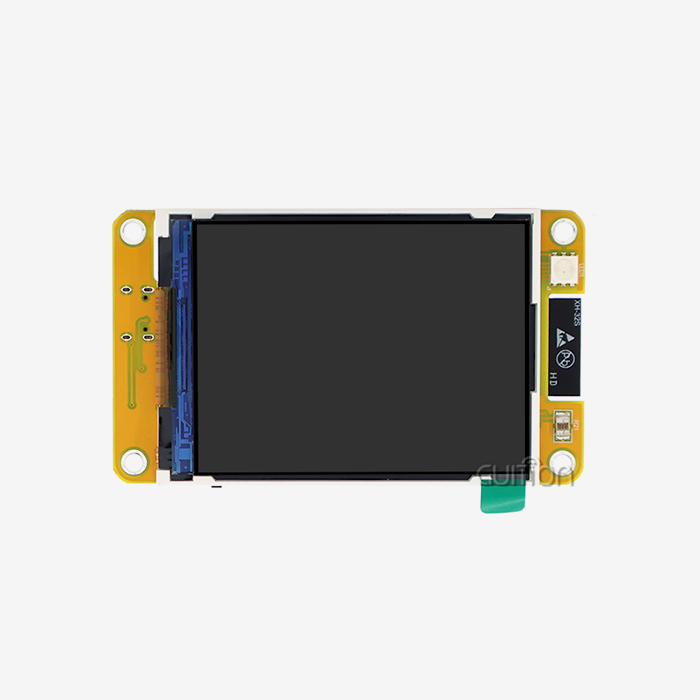
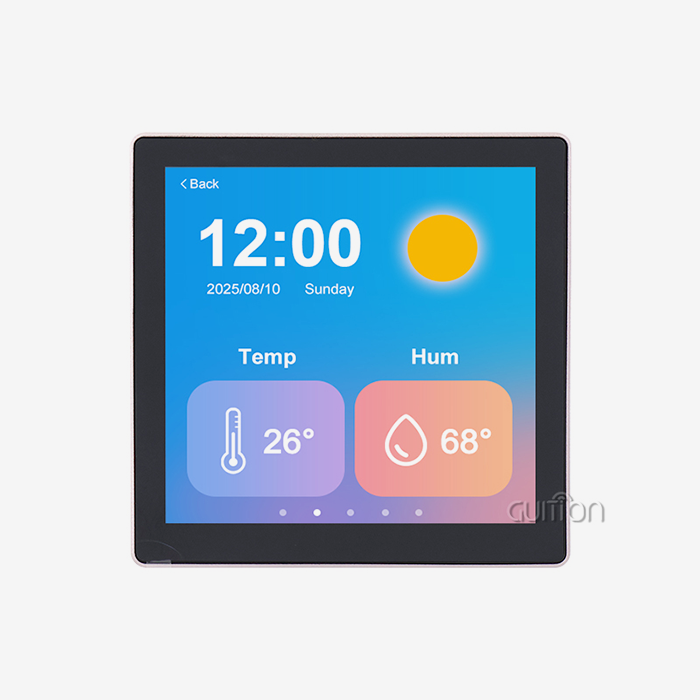
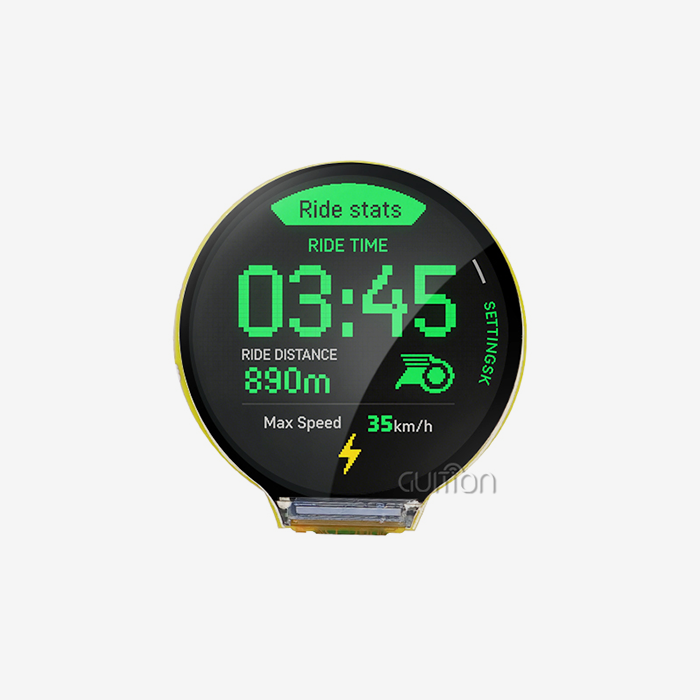
Getting the right ESP32 S3 module screen is very important for current IoT development. It can make or break your project schedule. The powerful ESP32-S3R8 dual-core processor and easy-to-use touchscreen screens in these displays make them very useful for a wide range of applications, such as industrial control panels, smart home devices, and medical tracking equipment. These screens have Wi-Fi and Bluetooth built in and run at 240MHz. They have everything needed for advanced human-machine interface applications and still give engineers the freedom they need for fast prototyping and production rollout.
Understanding ESP32 S3 Module Screens for IoT Applications
The ESP32-S3 microprocessor has changed the way we add displays to Internet of Things (IoT) systems. ESP32-S3R8 doesn't need different display drivers like other microcontrollers do; it supports multiple screen interfaces natively, which makes development easier and cheaper.
Screen Interface Types and Communication Standards
Three main transmission methods are used by modern esp32 display modules. Each one is best for a certain type of application. Because they can send data more quickly, SPI connections are the best choice for high-resolution displays. This makes them perfect for programs that need smooth animations or frequent screen changes. I2C links work best in designs with limited room where having as little wiring as possible is important, but they slow things down for simplicity's sake. Parallel connections aren't used very often, but they let demanding real-time apps talk to each other the fastest. The Guition ESP32-4827S043C is a great example of good interface design because it has a separate display controller that handles contact with the screen so that the main processor can work on application code. This design makes sure that frame rates stay the same even when computing heavy tasks. This is a huge benefit for industrial tracking systems and medical devices, where display response directly affects user safety.
Display Resolution and Performance Optimization
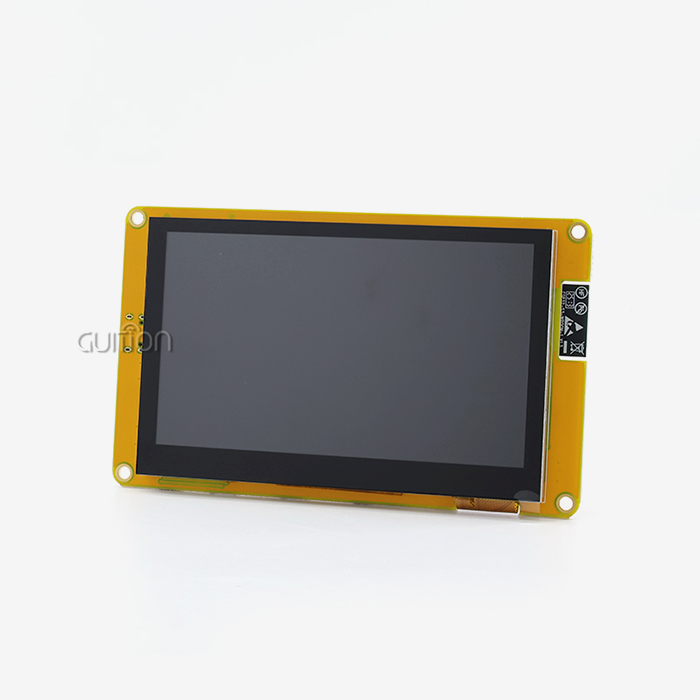
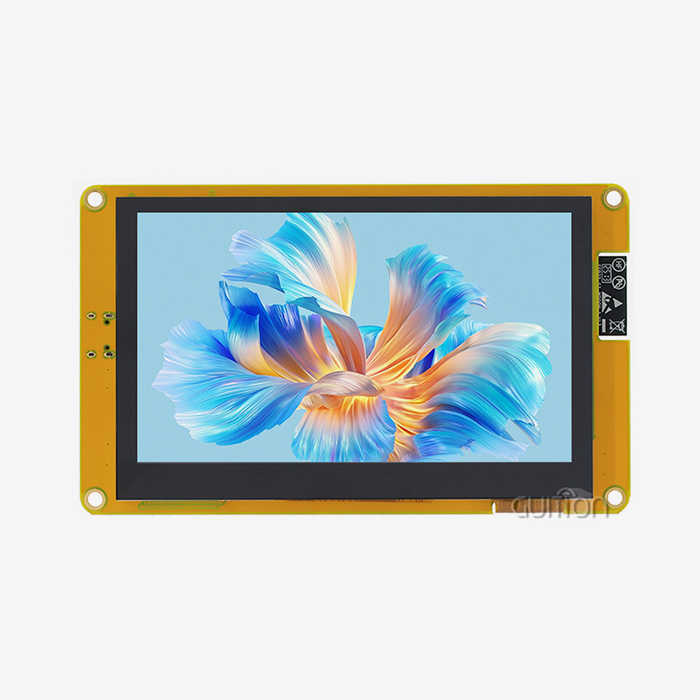
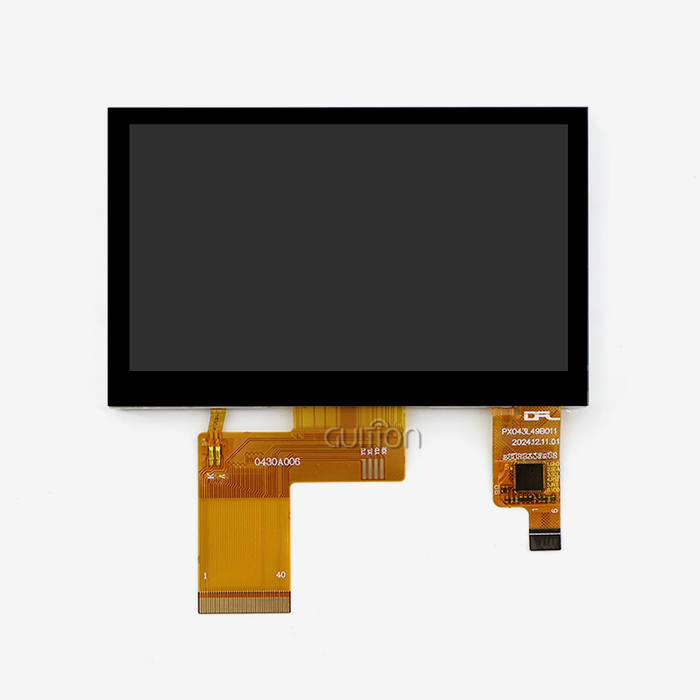
The screen quality you choose has a big effect on both how clear things look and how well the system works. Professional-grade modules like the ESP32-4827S043C have a resolution of 480x272, which is the best combination of clarity and working speed. This resolution gives enough detail for most commercial uses while keeping the smooth 60fps refresh rates that users are used to seeing on current interfaces. When choosing monitor resolutions for battery-powered gadgets, power usage becomes very important. More computer power and memory speed are needed for higher resolutions, which directly affects battery life. This modest quality is often chosen by engineers working on portable IoT devices because it gives the devices a professional look without using too much power, which means they can work for longer periods of time without having to be charged.
Driver Libraries and Software Ecosystem
The software that supports these screens has come a long way, and now there are powerful libraries for many development systems. People who use the Arduino IDE can use simplified display packages that turn complicated initialization steps into single function calls. ESP-IDF developers can reach lower-level settings that let them fine-tune the performance to meet specific needs. The unique development software made by Guition is a big step forward in how efficiently programming is displayed. This drag-and-drop interface builder gets rid of the problems that come with traditional coding, so engineers can make complex user interfaces without needing to know a lot about graphics code. The program creates code that is designed to run quickly on the ESP32-S3R8 processor ESP32 S3 module screen, and is also compatible with other development systems.
Comparing Different Screen Types for ESP32 S3 Modules
When engineers know the main differences between display technologies, they can make choices that are in line with the needs of the project and the available funds. Each technology has its own benefits that make it better for certain types of applications.
OLED vs LCD vs TFT Technology Analysis
When compared to regular LCD screens, OLED displays have better color ratios and viewing angles. This makes them great choices for high-end consumer electronics where looks are very important. However, OLED technology usually costs more and may break down after long periods of use, which makes it less suitable for long-term commercial uses. It is very reliable and inexpensive to use LCD technology in business settings, especially when it is built into units like the ESP32-4827S043C. With its 16-bit RGB color depth, the display can show over 65,000 different colors, giving you bright images that look great even when the lighting changes. This stability is very important for industrial control panels, where workers count on consistent color coding to make decisions that are very important for safety. At the moment, TFT LCD screens are the best choice for most IoT apps because they are both inexpensive and work very well. The capacitive touch interface reacts exactly to user input while protecting the sensitivity with overlays. This is very important in harsh industrial settings where screens can get dirty from dust, water, or chemicals.
Touchscreen Integration and User Experience
When displays can be touched, they change from being motionless to being dynamic control surfaces that make users more interested and improve working efficiency. Capacitive touch technology is more sensitive than resistive technologies because it can tell when a finger is on something without pressure being applied. This increase in sensitivity makes it easier for operators to keep up with long periods of use, which is common in industrial tracking applications. Professional modules have a touch device built in that can recognize gestures and find multiple points of contact. It also talks to the main processor without any problems using standard protocols. This integration gets rid of the hassle of handling different touch and display controls, which speeds up development and lowers the risk of problems in finished products.
Power Consumption and Performance Metrics
Power efficiency has a direct effect on the usefulness of IoT devices, especially battery-powered ones that need to work for long periods of time. The ESP32-4827S043C has smart lighting control that changes the brightness automatically based on the environment. This greatly extends battery life without affecting sight. Modern modules include methods for optimizing display refresh rates that make sure visual changes happen smoothly while using as little power as possible. Advanced frame buffering lets the system update only the changed parts of the screen instead of updating the whole screen. This saves power and processing time for apps that mostly show static content.
How to Connect and Program ESP32 S3 Screens Efficiently
To successfully integrate a display, you need to know about both the hardware links and the software optimization methods that will get the best performance while keeping development as simple as possible.
Hardware Connection Best Practices
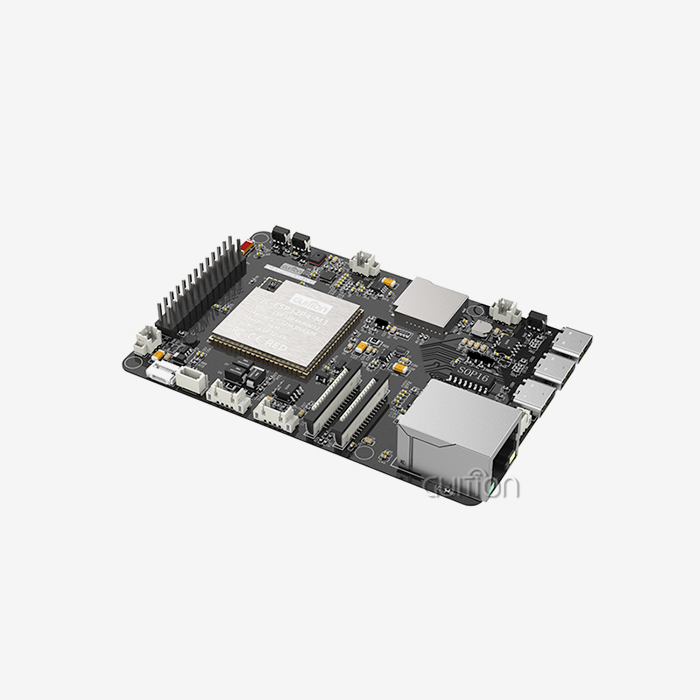
Good wiring is necessary for a display to work reliably, especially in industrial settings where electromagnetic radiation can mess up digital interactions. Because it is built in, the ESP32-4827S043C makes the ESP32 S3 module screen links easier and eliminates many of the wiring mistakes that can happen with custom display solutions. When connecting high-resolution screens that may draw a lot of current at their brightest, power source issues become very important. Voltage changes that could cause the display to flicker or the system to restart during use can be stopped by using the right power filters and decoupling capacitors. Professional modules build these defenses right in, so they don't need as many extra parts. Allocating GPIO pins needs careful planning to make sure there are enough for sensors, motors, and communication links that are necessary for IoT to work. The ESP32-S3R8 has a lot of GPIO choices, but assigning the right pins during the initial design phase saves a lot of money when more modules are needed later on in the development process.
Programming Frameworks and Development Tools
High-level libraries that handle low-level ESP32 S3 module screen hardware interactions have made display writing a lot easier in modern development platforms. Users of the Arduino IDE can access a large collection of community-contributed tools that include ready-made methods for common display tasks like showing text, images, and handling touch events. The Guition development software is a big step toward visual programming, which speeds up the process of making interfaces while keeping the quality of the code at a professional level. Engineers can use drag-and-drop to create full user interfaces, and the software will instantly generate optimized code that runs quickly on the target hardware. This method cuts development time from weeks to days while still making code that is easy for everyone on the team to understand and change. Cross-platform testing lets developers keep an eye on the speed of the display and how well it responds to touches in real time. These tools help find problems and ways to make things better that might not be obvious during normal testing. This makes sure that finished goods work the same way in all situations.
Real-World Implementation Examples
The usefulness of well-integrated display units in tough settings is shown by industrial control applications. The ESP32-4827S043C was recently used in a farming automation project to make irrigation control screens that can withstand high temperatures outside and give farm workers easy-to-use touch controls. The built-in Wi-Fi connection allowed for remote tracking, which cut down on the need for manual checking. Medical gadget applications show how important it is to have a reliable touch reaction and clear vision in situations where safety is at stake. Displays in patient monitoring systems need to be able to be read in a variety of lighting conditions and react correctly to emergency input patterns. These needs are met well by the capacitive touch technology and the changeable lighting control.
Procuring ESP32 S3 Module Screens: What B2B Buyers Need to Know
To buy display modules successfully, you need to know what the provider can do, what certifications are needed, and if they will provide long-term support that will ensure the project's success after the initial launch.
Supplier Evaluation and Quality Standards
Reliable providers have strict quality control procedures that check the performance of both hardware and software across batches of production. This dedication is shown by Guition's thorough testing procedures that make sure the ESP32 S3 module screen works well, is sensitive to touches, and can withstand harsh environments before shipping. These quality assurance steps keep expensive failures in the field from happening, which could delay projects and make customers unhappy. It's getting more and more important for goods going into controlled markets, like medical devices or workplace safety systems, to meet certification requirements. Suppliers who keep their licenses up to date show that they are committed to quality standards and following the rules, which saves buyers from possible legal issues. The quality of technical paperwork has a direct effect on how quickly and easily something can be built and kept up to date over time. Better providers give thorough specs, connection diagrams, code examples, and troubleshooting tips in their paperwork, which lets engineering teams move projects along quickly without having to talk to support staff a lot.
Bulk Ordering and Customization Capabilities
Different suppliers have very different pricing systems for large orders. Professional manufacturers, for example, offer big savings for bigger orders while still keeping the same quality standards. Knowing the minimum order amounts and wait times helps procurement teams decide how much inventory to keep on hand in a way that saves money and meets cash flow needs. Customization choices let goods fit the needs of specific applications without having to go through a lot of redesign work. Suppliers who offer modification services, like custom casings, specialized connectors, or pre-programmed software, can greatly shorten the time it takes for goods with specific needs to reach the market. When goods have long lifecycles or need to be made in large quantities, supply chain stability becomes very important. Established sellers keep extra parts in stock and have other ways of getting them, which keeps customers safe from supply problems that could stop production or force expensive redesigns.
Long-term Partnership Considerations
The level of technical help affects both how quickly the ESP32 S3 module screens new products and how often they need to be maintained. Suppliers who offer responsive tech support, regular firmware changes, and open communication about how their products are changing show that they care about their customers' success beyond the original sales transaction. Product lifetime management rules affect how long a product will last and how much it will cost to maintain. When suppliers let customers know about changes to their products ahead of time, keep them compatible with older versions, and offer transfer paths for products that are no longer being made, customers can avoid problems with sudden obsolescence that could require emergency redesigns.
Why Choose Guition for ESP32 S3 Module Screen Solutions
Guition has become a technology-driven star in human-machine interface solutions by mixing cutting-edge hardware design with full software support. This speeds up project development for customers and ensures long-term dependability.
Comprehensive Product Portfolio and Technical Excellence
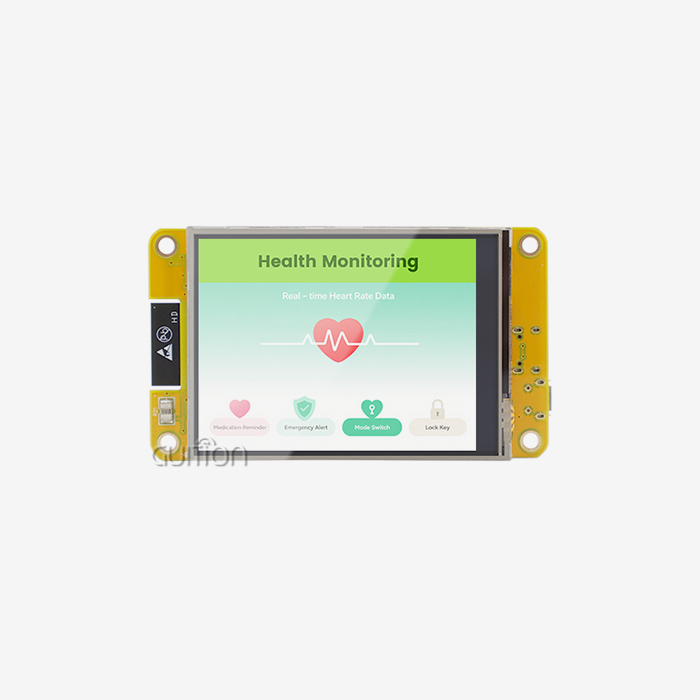
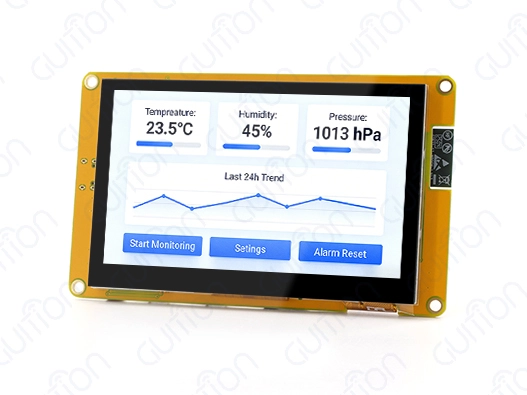
Our ESP32-4827S043C is the result of a lot of research and development that was aimed at solving technical problems in the real world. The 4.3-inch screen's 480x272 resolution makes the images very clear, and the screen's power efficiency makes the battery last longer for compact uses. The built-in ESP32-S3R8 dual-core processor runs at 240MHz and has 8MB of PSRAM and 16MB of Flash memory, giving it a lot of computing power for complex program logic. The capacitive touch interface reacts exactly to what the user does, and it stays sensitive even though protective overlays are used, which is important in industrial settings. Built-in Wi-Fi and Bluetooth make it easy to connect to current IoT infrastructure and support over-the-air updates that lower upkeep costs over the lifespan of a product. Factory-programmed test code removes the need for initial setup complexity, so engineering teams can start working on an ESP32 S3 module screen as soon as they receive units. This plug-and-play feature greatly lowers project risk by making sure the hardware works before a lot of money is spent on development.
Advanced Development Software and Support Ecosystem
With the proprietary Guition development tools, making an interface goes from being hard to code to being easy to create. Engineers can use drag-and-drop to make complex user interfaces, and the software will instantly build optimized code that runs quickly on the target hardware. This visual development method cuts down on time-to-market and makes code that is easy for team members to understand and change. Cross-platform support includes the Arduino IDE, ESP-IDF, MicroPython, and Mixly environments. This means that development teams don't have to learn new ways to code in order to use known tools. This adaptability lets engineers have their own tastes while keeping performance the same across a range of development methods. With remote upgrade capabilities, firmware changes can be made without physically accessing the device. This lowers maintenance costs and makes sure that goods stay up to date with new security standards and feature additions. Multilingual applications are necessary for global product release, and UTF-8 encoding allows them.
Quality Assurance and Customer Success
Our strict quality control methods make sure that all of our production batches work well with software and hardware and can handle harsh environments. These thorough testing methods stop failures in the field that could hurt customers' project timelines and reputations in their own markets. Dedicated B2B support offers individual help from the first question to ongoing after-sales service, making sure that customers get expert advice that is tailored to their exact application needs. Our tech team works closely with the development teams of our customers to solve their specific problems and make sure that implementations work as well as possible. The option to add more storage through TF card connections lets users meet their growing data needs without having to change the hardware. This protects customers' investments and lets features grow as market needs change.
Conclusion
Engineers looking for reliable, feature-rich display solutions that speed up IoT development while keeping professional quality standards will find a lot of great options in the ESP32 S3 module screen scene. The Guition ESP32-4827S043C is a great example of how to combine hardware speed with software ease of use. Its dual-core processor, wide range of connectivity options, and easy-to-use development tools make it a great deal. To be successful in the IoT market of today, you need to work with sellers who understand both the technical needs of your projects and the business forces that drive them. Customers can be sure of long-term success in a wide range of application scenarios thanks to Guition's dedication to quality, full support, and constant innovation.
FAQ
1. What screen types are fully compatible with ESP32 S3 platforms?
The ESP32-S3 has multiple interface choices that let you use different types of screens, such as TFT LCD, OLED, and e-paper displays. The Guition ESP32-4827S043C uses TFT LCD technology with capacitive touch, which gives most IoT apps the best mix of image quality, low power consumption, and low cost. Interface compatibility includes SPI, I2C, and parallel links, based on the needs of the display.
2. How can I optimize screen brightness and refresh rates for better performance?
Display optimization uses smart lighting control and frame rate management to balance the quality of the image with the amount of power used. The ESP32-4827S043C can change its brightness automatically based on the environment, and software optimization lets you update only the parts of the ESP32 S3 module screen that have changed instead of the whole frame. These methods make batteries last a lot longer while keeping user interfaces flexible.
3. What bulk ordering and customization options are available for B2B procurement?
Professional providers like Guition offer discounts for buying in bulk starting at modest amounts, and they make sure that the quality of each batch of production stays the same. Customization choices include software that is already loaded, enclosures that have been changed, special connectors, and interface setups that are made to fit the needs of a specific application. As part of technical support, engineers are asked to help make sure that solutions meet the goals of each customer.
4. Which development platforms work best with ESP32 display modules?
For quick prototypes, the ESP32-S3 environment has the Arduino IDE, ESP-IDF for advanced programming, MicroPython for easy scripting, and special tools like Guition software for designing user interfaces visually. Each platform has its own benefits that depend on the skills of the development team and the needs of the project. All of them come with full guidance and community help.
5. What are the power consumption characteristics of the ESP32 S3 module screens?
The amount of power used depends on the size, brightness, and update rate of the monitor. The ESP32-4827S043C has smart power management that changes how much power it uses based on operational needs. It usually uses very little power during times of static display while giving full performance during busy user interactions. Sleep options and limited screen updates help battery-powered apps get the most out of their runtime.
Partner with Guition for Professional ESP32 S3 Module Screen Solutions
Ready to accelerate your IoT development with industry-leading display technology? The ESP32-4827S043C from Guition blends hardware that has been shown to work reliably with new software tools that make complex interface development easier to use in visual design processes. Our full support environment makes sure that your tech team can move projects along quickly while still meeting the high standards of professional quality that your customers expect.
Email our technical experts at david@guition.com to talk about your unique needs and look into customization choices that will work wonderfully with your application. We offer engineering advice, test units, and detailed information that lets you make confident choices about execution. As a reliable ESP32 S3 module screen manufacturer, we give IoT projects in the medical, consumer goods, ESP32 S3 module screen and industrial markets the knowledge and dependability they need to be effective.
References
1. "ESP32-S3 Series Datasheet: Technical Specifications and Interface Guidelines" - Espressif Systems Technical Documentation, 2023.
2. "IoT Display Integration Best Practices: Hardware Design and Software Optimization" - IEEE Industrial Electronics Society, 2023.
3. "Capacitive Touch Technology in Industrial Applications: Performance Analysis and Implementation Guidelines" - International Journal of Human-Computer Interaction, 2023.
4. "Power Management Strategies for Battery-Powered IoT Devices with Integrated Displays" - ACM Transactions on Embedded Computing Systems, 2023.
5. "Human-Machine Interface Design Principles for Industrial Control Systems" - Automation Engineering Society, 2023.
6. "Comparative Analysis of Display Technologies for IoT Applications: Cost, Performance, and Reliability Considerations" - Journal of Electronic Manufacturing, 2023.
Learn about our latest products and discounts through SMS or email