- English
- French
- German
- Portuguese
- Spanish
- Russian
- Japanese
- Korean
- Arabic
- Greek
- German
- Turkish
- Italian
- Danish
- Romanian
- Indonesian
- Czech
- Afrikaans
- Swedish
- Polish
- Basque
- Catalan
- Esperanto
- Hindi
- Lao
- Albanian
- Amharic
- Armenian
- Azerbaijani
- Belarusian
- Bengali
- Bosnian
- Bulgarian
- Cebuano
- Chichewa
- Corsican
- Croatian
- Dutch
- Estonian
- Filipino
- Finnish
- Frisian
- Galician
- Georgian
- Gujarati
- Haitian
- Hausa
- Hawaiian
- Hebrew
- Hmong
- Hungarian
- Icelandic
- Igbo
- Javanese
- Kannada
- Kazakh
- Khmer
- Kurdish
- Kyrgyz
- Latin
- Latvian
- Lithuanian
- Luxembou..
- Macedonian
- Malagasy
- Malay
- Malayalam
- Maltese
- Maori
- Marathi
- Mongolian
- Burmese
- Nepali
- Norwegian
- Pashto
- Persian
- Punjabi
- Serbian
- Sesotho
- Sinhala
- Slovak
- Slovenian
- Somali
- Samoan
- Scots Gaelic
- Shona
- Sindhi
- Sundanese
- Swahili
- Tajik
- Tamil
- Telugu
- Thai
- Ukrainian
- Urdu
- Uzbek
- Vietnamese
- Welsh
- Xhosa
- Yiddish
- Yoruba
- Zulu
ESP32P4 LCD Module OEM Guide: Custom Displays for Your Brand
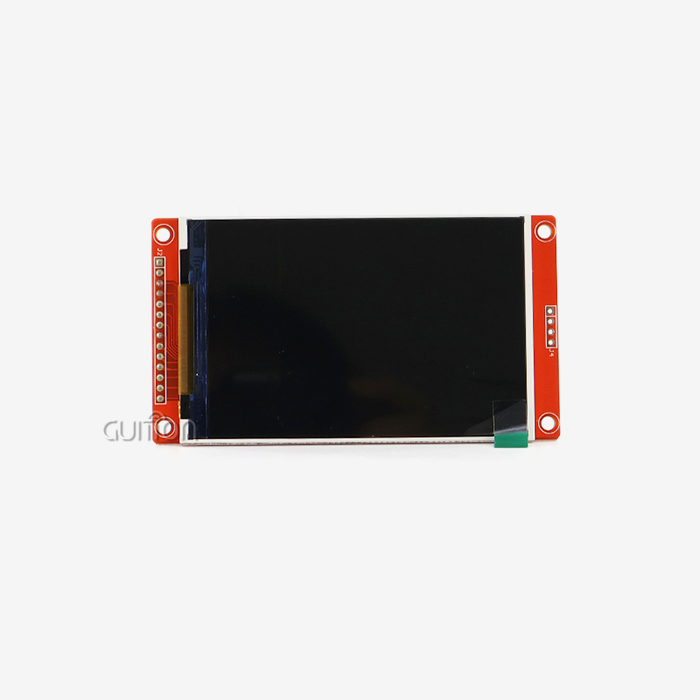
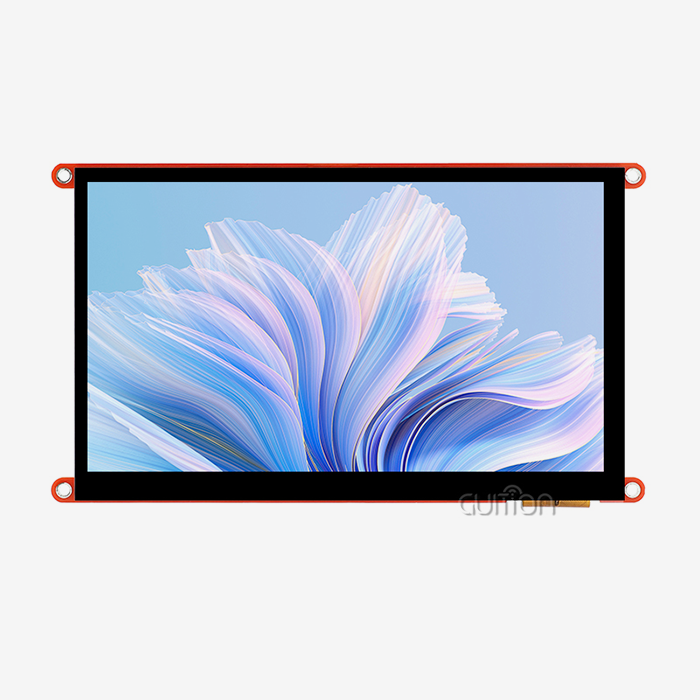
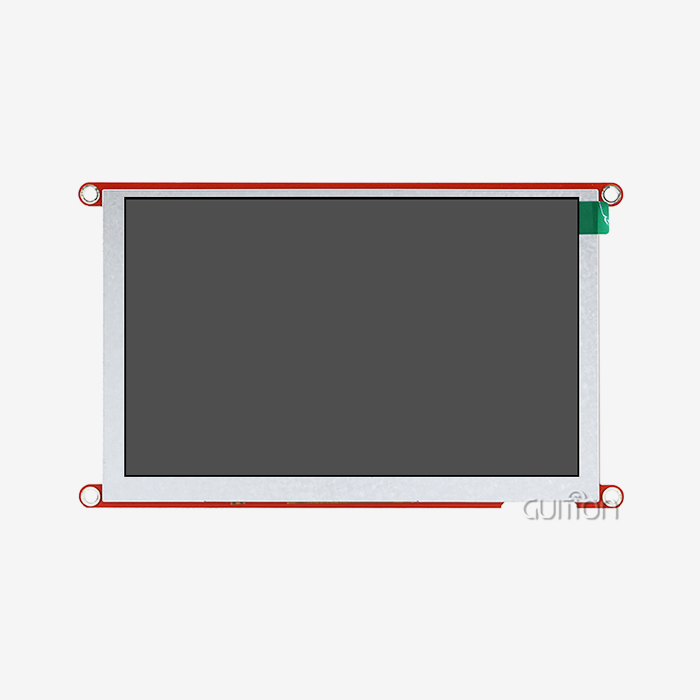
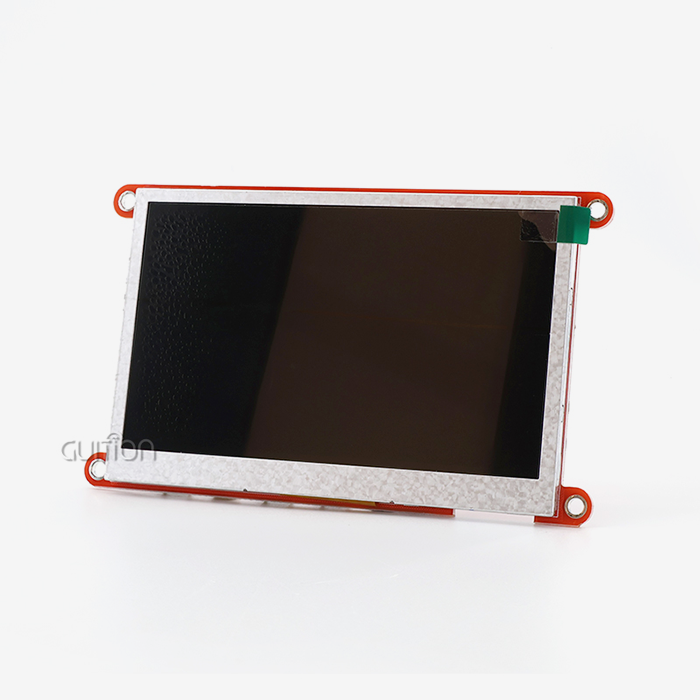
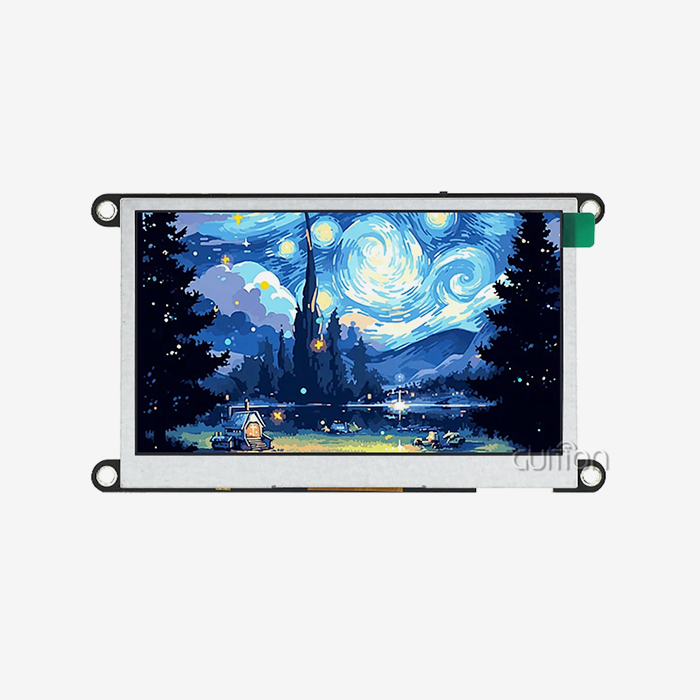
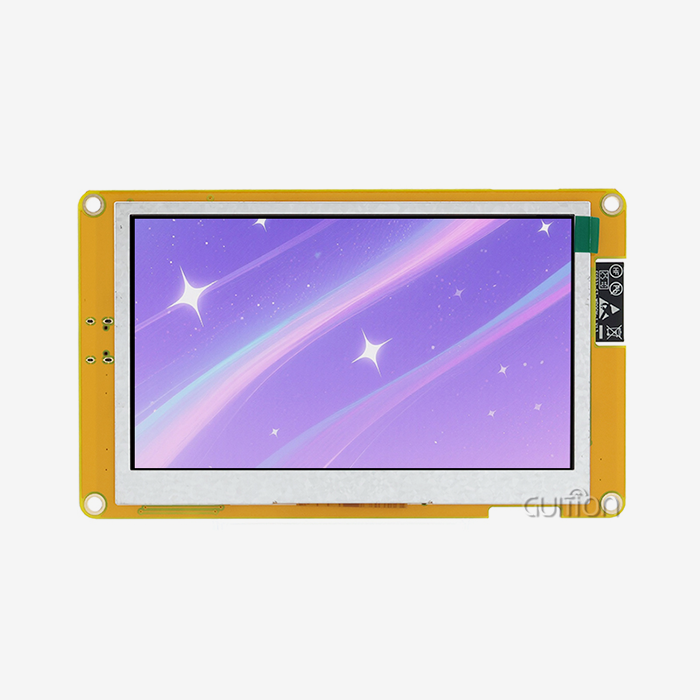
If you are searching for a reliable, high-performance display solution to power your next OEM product, the ESP32P4 LCD module deserves your full attention. The GUITION JC4880P443C_I_W is a 4.3-inch capacitive touch display built on the ESP32-P4 dual-core processor, running at up to 360 MHz with 32MB PSRAM and 16MB Flash. It supports Arduino IDE, ESP-IDF, MicroPython, and the proprietary Guition development environment. With integrated WiFi, Bluetooth, a 480×800 IPS panel, and reserved TF card and IO interfaces, this module gives OEM brands a serious competitive edge.

Understanding ESP32P4 LCD Modules: Technical Insights and Specifications
Before agreeing to a display component, you have to know what hardware is underneath it. The GUITION JC4880P443C_I_W has a complete technical description that meets the needs of embedded engineers and R&D managers who are looking at ESP32P4 LCD modules.
Core Hardware Specifications
The ESP32-P4 SoC is at the heart of the module. It is a dual-core RISC-V MCU with a main frequency of 360 MHz. The memory has 32 KB of LP SRAM, 128 KB of HP ROM, 32 MB of external PSRAM, and 16 MB of Flash. This memory design lets you use double-buffered rendering without slowing down performance, which is common with MCU screens that aren't as powerful. The 4.3-inch IPS screen has a resolution of 480x800, 16.7 million colors, wide viewing angles, and a capacitive touch trigger built right into the module.
Interfaces and Connectivity
The JC4880P443C_I_W sets aside a TF card slot for adding more external storage and provides general IO port connections for adding peripherals. There is no need for external wireless modules because WiFi and Bluetooth are built in. This lowers the bill of materials (BOM) cost and PCB space. Both the backlight control circuit and the touchscreen control circuit are built in, which makes it easier for OEM enclosure designers to make the mechanical design. Because of these hardware requirements, the ESP32P4 LCD module is no longer a prototype but a stable, production-ready option. The specification sheet is right away useful for engineers looking at display units for industrial panels, medical monitors, or smart home products.
How to Integrate and Program ESP32P4 LCD Modules for Custom Solutions
More than just raw specs are needed to make a display module. When it comes to time-to-market, development speed and environment fit have a direct effect. Integrating an esp32p4 display module into your ecosystem requires choosing the right software path.
Supported Development Environments
- Arduino IDE — Great for quick prototypes and teams that already know how the Arduino world works. GUITION has many functions and examples of sketches in a library that speed up common UI patterns.
- ESP-IDF — The official system for making software that can be used in production. Good for system architects who need to control hardware at a low level and integrate an RTOS.
- MicroPython — A useful option for teams that like Python scripting, especially for handling IoT data and building logic that works with the cloud.
- Guition Software — GUITION's own drag-and-drop GUI creation tool is called Guition Software. It's much easier for designers to learn because they don't have to write graphics code to make polished interfaces.
Your development team doesn't have to stick to just one workflow with these four environments. Instead of spending money on education, product managers can use current skills to decide how to use resources.
Programming and Debugging Workflow
The module comes factory-programmed with test software, so as soon as you take it out of the box, you can start validating the hardware. One-click download gets rid of the need to do the same flash setup steps over and over. Cross-platform online debugging is an important part of the Guition ecosystem because it lets engineers find problems with the interface without having to switch between different tools. This improved process cuts the number of debugging hours needed for OEM teams that manage multiple product SKUs by a clear amount. Getting the touch response and display refresh to happen at the same time during heavy data processing is a common integration challenge. The ESP32-P4's dual-core architecture solves this problem by splitting up communication and display rendering jobs among two cores. This keeps the 60 FPS performance on the 480x800 screen smooth.
Choosing the Right ESP32P4 LCD Module for Your OEM Project
If you choose the wrong display panel, you'll have to pay more and be behind schedule. To make a choice, you need to compare monitor technologies, look at how much touch you need, and make sure that the connectivity features fit your application description for an ESP32P4 LCD module.
ESP32P4 vs. Alternative Display Technologies
Standard TFT displays with SPI interfaces usually can only handle a resolution of 320x240 before CPU overhead starts to cause problems. OLED screens have high contrast, but they can't be used outside because of their brightness, and they can get burned in over time if you use basic UI layouts. The ESP32P4 LCD module solves both problems: the IPS panel keeps colors and brightness accurate across a wide range of viewing angles, and the ESP32-P4's processing power keeps LVGL-based interfaces responsive at 480x800. For OEM projects in industrial control, energy management, or commercial kiosks, the JC4880P443C_I_W is a good compromise between SPI TFT modules that don't have enough power and expensive Linux-based MPU display systems.
Application-Specific Fit
- Industrial control panels — The 360 MHz dual-core CPU handles real-time Modbus or CAN bus data streams along with responsive HMI images, so there is no need for a separate display driver IC.
- Medical monitoring equipment — High color accuracy and capacitive multitouch allow for clinical-grade data display in small spaces.
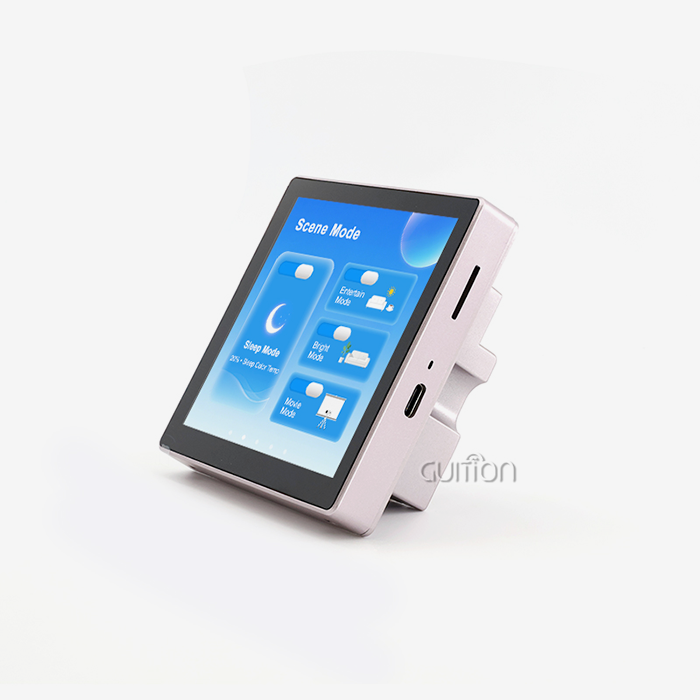
- Smart appliances and smart home devices — Built-in WiFi and Bluetooth make it easy to connect to the cloud and pair local devices without the need for extra modules.
- Commercial terminals and kiosks — The TF card slot lets you store media-rich material, and the ability to update remotely over-the-air (OTA) cuts down on the cost of on-site service.
All of these benefits make engineering's job easier while keeping the quality of the product high. OEM clients who have used this module in systems for energy management and agricultural automation say that the iteration cycles are shorter than with older display platforms.
Sourcing and Procurement: How to Buy ESP32P4 LCD Modules Efficiently
Buying choices aren't just based on unit price. OEM sourcing ratings depend a lot on how reliable the supply chain is, how good the documentation is, and how good the expert help is after the sale. Finding a dependable ESP32P4 display module supplier is critical for long-term project success.
A vertically integrated ESP32P4 LCD module maker, GUITION is run by Jingcai Intelligence and combines R&D, production, and sales into a single entity. Because of this arrangement, contact lines between engineering and manufacturing are shorter. This means that OEM clients can get their orders customized more quickly. The range of products includes screens from 1.28 inches to 21.5 inches, so buying managers only have to deal with one seller for a number of different product lines. For approved OEM partners, there are ways to order in bulk and get discounted prices. The GUITION sales team is in charge of coordinating lead times and delivery plans. To ask about buying something, you can email the team at david@guition.com or go to jingcaizhineng.aixdb.cn and look at the product page. GUITION's product ecosystem supports multiple languages and UTF-8 encoding, which makes global deployment easier. This is important for OEM brands that sell their products in North America, Europe, and Asia all at the same time.
Building Your Brand with Custom ESP32P4 LCD Displays
When OEMs customize a part, they turn it into a branded product experience. Customizing software, making UI skins with the Guition tool, and differentiating packaging are all things that GUITION can help clients do to make their products stand out. A high-quality ESP32P4 LCD module serves as the face of your digital brand.
You can use the Guition development environment to make custom firmware preloading, branding splash screens, and your own UI styles without having to change the core display drivers. The remote OTA upgrade feature continues this customization lifecycle after rollout, letting brands push UI updates and new features to units that are already set up without having to physically reach them. This feature is especially useful for people who run business kiosks and make medical devices that have to meet strict service requirements. The industrial-grade build quality of the JC4880P443C_I_W lets it be used in tough conditions and meets reliability standards in fields where display failures cost a lot to run.
Conclusion
In a single, ready-for-production package, the GUITION JC4880P443C_I_W ESP32P4 LCD module combines processing power, a good screen, and development options. This module cuts down on development time and costs by having a dual-core processor running at 360 MHz, 32 MB of PSRAM, built-in WiFi and Bluetooth, capacitive touch, and support for the Arduino IDE, ESP-IDF, MicroPython, and Guition. This display module is a reliable and long-lasting investment for OEM makers that are making scalable HMI solutions for business, medical, smart home, or industrial uses.
FAQ
1. What display resolution does the GUITION JC4880P443C_I_W support?
The module has a 4.3-inch IPS screen with a resolution of 480x800, 16.7 million colors, and wide viewing angles. It can be used for industrial and business HMI apps that need to show detailed data.
2. Does this ESP32P4 LCD module support OTA firmware upgrades?
Yes. It is possible to update firmware and user interfaces after deployment through the Guition ecosystem's remote over-the-air (OTA) upgrades. The cost of service after the sale goes down for large OEM deployments.
3. Which development environments are compatible?
The JC4880P443C_I_W works with the Arduino IDE, ESP-IDF, MicroPython, and the company's own Guition GUI development tool. This lets engineering teams pick the workflow that works best for them.
4. Is external storage supported?
A reserved TF card port lets you easily add more external storage for video files, font libraries, data logs, and configuration files without changing how Flash or PSRAM is allocated on board.
5. How do I request OEM customization or bulk pricing?
To get product information or to make a purchase inquiry, email the GUITION sales team at david@guition.com or go to jingcaizhineng.aixdb.cn.
Partner with Guition for Your Custom Display Project
You should work with a display partner on your next product who knows both the tech and the business case. A well-known ESP32P4 LCD module maker, GUITION offers full OEM customization, including software, UI design, and packaging. The JC4880P443C_I_W has a form factor that is ready for production and has dual-core processing at 360 MHz, capacitive touch, and built-in wireless connectivity. Get in touch with our expert sales team at david@guition.com to talk about your project needs, get examples, or look into cheap ESP32P4 LCD module supplier prices that are based on your volume requirements.
References
1. Espressif Systems. ESP32-P4 Technical Reference Manual. Espressif Systems, 2024.
2. Embedded Computing Design. Selecting Display Controllers for Industrial HMI Applications. Embedded Computing Design, 2023.
3. IEEE Spectrum. Edge Computing and Embedded Display Architectures in IoT Devices. IEEE Spectrum, 2023.
4. Microcontroller Tips. Comparing ESP32 Variants for HMI and GUI Development. Microcontroller Tips, 2024.
5. Electronics Weekly. OEM Display Customization Trends in Industrial and Medical Electronics. Electronics Weekly, 2024.
6. Practical Electronics for Inventors, Scherz & Monk. Microcontroller Interfacing and Display Module Integration. McGraw-Hill Education, 2023.
Learn about our latest products and discounts through SMS or email