- English
- French
- German
- Portuguese
- Spanish
- Russian
- Japanese
- Korean
- Arabic
- Greek
- German
- Turkish
- Italian
- Danish
- Romanian
- Indonesian
- Czech
- Afrikaans
- Swedish
- Polish
- Basque
- Catalan
- Esperanto
- Hindi
- Lao
- Albanian
- Amharic
- Armenian
- Azerbaijani
- Belarusian
- Bengali
- Bosnian
- Bulgarian
- Cebuano
- Chichewa
- Corsican
- Croatian
- Dutch
- Estonian
- Filipino
- Finnish
- Frisian
- Galician
- Georgian
- Gujarati
- Haitian
- Hausa
- Hawaiian
- Hebrew
- Hmong
- Hungarian
- Icelandic
- Igbo
- Javanese
- Kannada
- Kazakh
- Khmer
- Kurdish
- Kyrgyz
- Latin
- Latvian
- Lithuanian
- Luxembou..
- Macedonian
- Malagasy
- Malay
- Malayalam
- Maltese
- Maori
- Marathi
- Mongolian
- Burmese
- Nepali
- Norwegian
- Pashto
- Persian
- Punjabi
- Serbian
- Sesotho
- Sinhala
- Slovak
- Slovenian
- Somali
- Samoan
- Scots Gaelic
- Shona
- Sindhi
- Sundanese
- Swahili
- Tajik
- Tamil
- Telugu
- Thai
- Ukrainian
- Urdu
- Uzbek
- Vietnamese
- Welsh
- Xhosa
- Yiddish
- Yoruba
- Zulu
ESP32-P4: Which Projects Benefit Most from Its Performance?
Multimedia-rich HMI applications with high-resolution displays, real-time video processing, and enhanced connection benefit from the ESP32-P4. Its 400MHz dual-core RISC-V architecture, hardware H.264 encoding, and dedicated security peripherals benefit industrial control panels with MIPI-DSI interfaces, medical devices that need secure data handling, smart home systems with responsive touchscreens, and edge AI applications. Ideal for situations where standard microcontrollers suffer from graphical performance limitations, it can drive displays up to 1024×600 resolution with smooth frame rates.
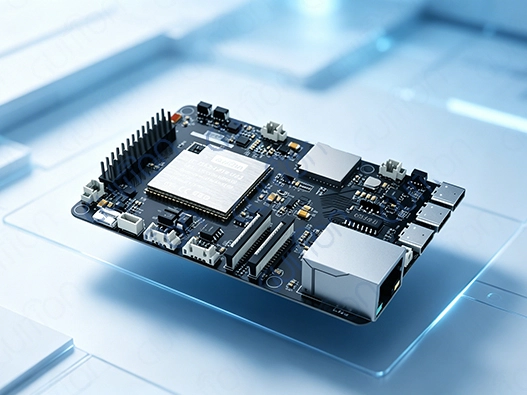
Understanding the ESP32-P4: Key Features and Technical Specifications
When evaluating microcontroller solutions for your next HMI project, understanding the core capabilities of the ESP32-P4 architecture becomes essential. This chip represents a significant evolution in embedded processing, specifically targeting applications where visual performance and computational power intersect.
Processing Power and Architecture
A 400MHz dual-core RISC-V processor powers the ESP32-P4, allowing complicated operations to be completed without slowing the system. This RISC-V implementation improves instruction efficiency and toolchain compatibility over other generations that used Xtensa cores. The CPU smoothly handles big frame buffers and multimedia streams with up to 32MB of PSRAM. Applications that use double-buffering to prevent screen tearing during frequent UI updates need this RAM setup.
Advanced Multimedia Peripherals
Integrating multimedia hardware distinguishes the ESP32-P4 from other microcontrollers. MIPI-DSI allows high-resolution displays to work without needing the CPU's help by removing the speed limits of SPI or parallel camera input. Preprocessing via the built-in Image Signal Processor (ISP) on the MIPI-CSI interface simplifies vision-based feature implementation. Hardware H.264 encoding allows efficient video compression on the chip, previously requiring external DSP chips or Linux-based systems.
Connectivity and Security Foundation
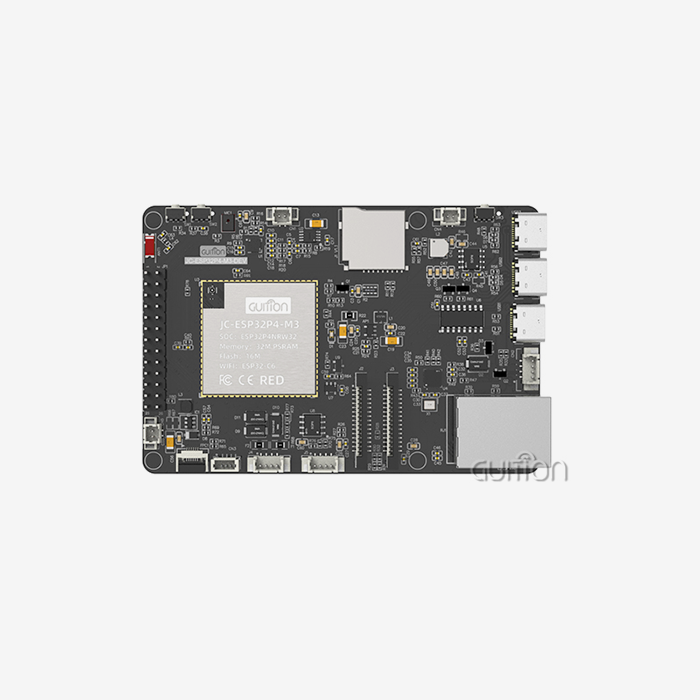
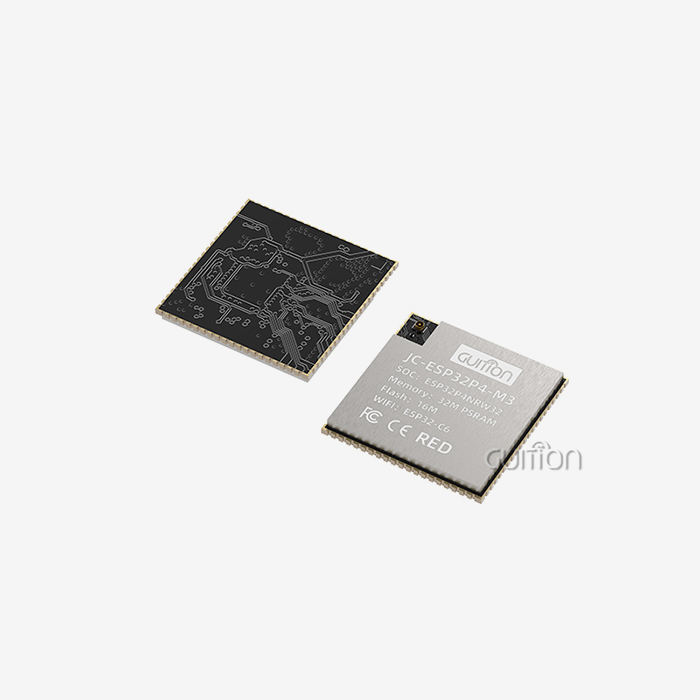
Guition's JC-ESP32P4-M3-DEV module uses an ESP32-C6 companion chip for Wi-Fi 6 and Bluetooth 5.0, while the ESP32-P4 focuses on processing power. This dual-chip architecture separates real-time processing from wireless connection control. The module includes special features for fast and secure data handling, which are important for industries like healthcare and manufacturing.
The peripheral set goes beyond multimedia, with USB OTG 2.0 HS for rapid data transfer, multiple UART, SPI, and I2C buses for sensor integration, and TWAI (CAN) for automotive and industrial protocols. This extensive I/O lets developers combine many tasks on a single controller, lowering BOM costs and PCB complexity.
Performance Comparison: ESP32-P4 vs. Other Popular Microcontrollers
Selecting the right microcontroller requires understanding how different platforms stack up against real-world project demands. The ESP32-P4 occupies a unique position between traditional MCUs and application processors, offering capabilities that redefine what embedded systems can accomplish.
ESP32-P4 vs. ESP32-S3
The ESP32-S3's 240MHz dual-core processor and Wi-Fi/Bluetooth have pleased embedded engineers. Display applications face restrictions at 480x480 resolution, affecting frame rates. The MIPI-DSI interface and 2D pixel processing accelerator enable the ESP32-P4 to exceed 1024×600 resolution. The S3 uses CPU cycles for every pixel operation, but the P4 uses dedicated hardware. This architectural distinction keeps UI animations smooth while the processor processes sensor data or communication protocols.
Comparison with STM32 Series
STM32 microcontrollers from STMicroelectronics offer robust performance and extensive peripheral options. High-end STM32H7 series chips provide similar clock speeds and even include basic graphics acceleration. However, the ESP32-P4 pulls ahead with integrated multimedia features like H.264 encoding and a more mature development ecosystem for IoT applications. STM32 excels in motor control and precision analog applications, while the ESP32-P4 targets human-machine interface and connected device scenarios where visual quality and wireless integration matter most.
Raspberry Pi Pico Perspective
Raspberry Pi Pico, based on the RP2040 hardware, offers excellent pricing with dual-core ARM Cortex-M0+ CPUs. It handles simple display jobs well due to PIO flexibility. When projects require high-resolution screens, video processing, or advanced connections, Pico's architecture limits. ESP32-P4 hardware is designed for these scenarios, decreasing development time and improving performance over software-only versions.
Specific measurements show the performance disparity. The ESP32-P4 encodes H.264 at real-time rates, while alternatives require lower resolutions or additional devices. In industrial control systems, deterministic real-time behavior is essential. The ESP32-P4's specialized security hardware performs cryptographic operations without robbing application code cycles.
Ideal Project Applications for the ESP32-P4
Understanding where the ESP32-P4 delivers maximum value helps engineers and procurement managers align technology selection with project objectives. This microcontroller shines in scenarios where traditional solutions create development bottlenecks or performance compromises.
Industrial Control and Automation Systems
Manufacturing environments demand reliable, responsive interfaces that operators can trust during critical operations. Industrial control panels built around the ESP32-P4 handle complex visualizations showing real-time process data, equipment status, and alarm conditions. The MIPI-DSI interface drives large touchscreens displaying detailed schematics and trend graphs without the lag that frustrates operators. Guition's development tools accelerate HMI creation, allowing engineers to iterate interface designs rapidly based on operator feedback. The robust security features protect against unauthorized access and ensure firmware integrity, meeting industrial cybersecurity standards.
Handheld diagnostic tools for field technicians represent another compelling application. These devices require battery efficiency, processing power for data analysis, and clear displays visible in various lighting conditions. The ESP32-P4 balances these needs while providing connectivity for cloud-based diagnostics and remote expert support.
Medical Device Interfaces
Medical equipment producers must meet strict performance and regulatory criteria. ESP32-P4-based patient monitoring devices display vital signs with precise timing and clarity for clinical decision-making. Hardware security measures secure patient data over device lifecycles and comply with HIPAA. OTA (Over-The-Air) updates allow manufacturers to send enhancements and security fixes without costly field service trips, lowering maintenance overhead and keeping devices current.
Its graphics acceleration makes ESP32-P4 touchscreens fluid and responsive for therapeutic equipment interfaces. User-friendly interfaces increase patient experiences and reduce healthcare staff training for massage, beauty, and rehabilitation devices.
Smart Home and Building Automation
The residential and commercial building sectors increasingly demand sophisticated control interfaces that blend functionality with aesthetic appeal. Wall-mounted control panels powered by the ESP32-P4 present homeowners with elegant, smartphone-like interfaces for managing HVAC, lighting, security, and entertainment systems. The Wi-Fi 6 and Bluetooth 5.0 connectivity in Guition's JC-ESP32P4-M3-DEV module ensures reliable communication with diverse smart home ecosystems while supporting future protocol expansions.
Environmental monitoring displays for commercial buildings present real-time data on air quality, energy consumption, and occupancy patterns. The multimedia capabilities enable presentation-quality visualizations that engage building occupants and support sustainability initiatives.
Automotive and Transportation Applications
The automotive industry continues to expand electronic content in vehicles, creating opportunities for advanced displays. Electric vehicle charging stations require user interfaces that guide drivers through connection procedures, display charging status, and process payments. The ESP32-P4 handles these requirements while maintaining automotive temperature ranges and vibration resilience. Integration with CAN bus protocols through the TWAI interface enables communication with vehicle systems and charging infrastructure.
Fleet management devices combine multiple sensors, GPS positioning, driver behavior monitoring, and cellular connectivity. The processing power of the ESP32-P4 consolidates these functions onto a single platform, reducing installation complexity and improving system reliability.
How to Procure ESP32-P4 Modules and Development Kits?
Successful project execution depends on establishing reliable supply chains and selecting appropriate development platforms. Understanding procurement considerations helps avoid delays and quality issues that derail product launches.
Evaluating Development Module Options
Guition's JC-ESP32P4-M3-DEV module integrates the ESP32-P4 CPU and ESP32-C6 wireless connectivity in a development-ready package. This method simplifies RF circuit design and wireless certifications. The module supports rapid prototyping without bespoke PCB fabrication with clearly labeled headers for peripheral access. Standard development environments let engineers test display interfaces, communication protocols, and application codes.
Check the development module peripheral exposure against project specifications. The JC-ESP32P4-M3-DEV distributes MIPI-DSI, MIPI-CSI, USB, and several GPIO pins for versatile applications. Documentation quality greatly affects development speed. Guition's technical specifications, wiring diagrams, and integration examples help engineers switch platforms.
Supply Chain Considerations for Production
Getting from prototype to production involves component availability and supplier reliability. Authorized distributors provide genuine components and technical assistance throughout product lifecycles. For cost-sensitive applications, pricing structures based on supplier volume vary greatly, making comparison shopping crucial. Prioritizing pricing alone can lead to counterfeit parts or poor technical support.
Semiconductor market factors affect the ESP32-P4 module lead times. Keep inventory buffers to avoid production interruptions and obsolescence. Supplier agreements that give demand awareness and allocation transparency balance these issues.
Software Ecosystem and Development Tools
Hardware and software toolchain choices are linked. The ESP32-P4 supports numerous development frameworks for engineering preferences and legacy code bases. Espressif's ESP-IDF gives C programmers full hardware access and optimization. Arduino IDE compatibility accelerates prototyping and utilizes the Arduino library ecosystem for common functionalities.
Guition's own UI development tools set it apart, especially for teams without embedded graphics knowledge. Drag-and-drop control placement, property setup, and real-time preview enable advanced interfaces in the visual design environment. It generates optimized code that runs effectively on the ESP32-P4 hardware and cuts sophisticated HMI development time from weeks to days.
Why Choose ESP32-P4 for Your Next Project: A Rational Decision-Making Approach?
Making technology selections that align with both immediate project needs and long-term business objectives requires evaluating multiple factors beyond raw specifications. The ESP32-P4 presents compelling advantages across technical, economic, and strategic dimensions.
Technical Superiority in Multimedia Applications
Graphical user interface projects required compromise from engineers. Linux-running application processors created complexity, power consumption, and boot time concerns, while cheap microcontrollers had poor display performance. ESP32-P4 controls displays, image processing, and video encoding in a real-time OS. This solution enables embedded apps' deterministic behavior and instant-on response while approaching smartphone visual quality.
Hardware security addresses IoT device vulnerabilities. Boot-time digital signature verification prevents firmware manipulation, and encrypted channels protect data transmission. These features are standard without security chips or processor-intensive software.
Development Efficiency and Time-to-Market
Product development cycles continue compressing as market windows narrow and competitive pressures intensify. The combination of the ESP32-P4 hardware platform with Guition's development ecosystem accelerates HMI creation significantly. Engineers design interfaces visually rather than coding pixel positions and color values manually. The extensive control library provides pre-built components for common interface elements like buttons, sliders, graphs, and keyboards. Customization remains straightforward through property adjustments rather than low-level programming.
Cross-platform debugging capabilities reduce the iteration cycles between code changes and testing. Engineers validate functionality across different scenarios without repeatedly flashing firmware or reconfiguring hardware connections. This streamlined workflow directly impacts project schedules, allowing teams to deliver products faster while maintaining quality standards.
Economic Value Throughout Product Lifecycle
Initial component costs are simply one ownership economics factor. The ESP32-P4 reduces BOM costs, PCB size, and assembly complexity by consolidating functionalities from numerous chips. Inbuilt multimedia peripherals replace display controllers, video encoders, and picture processors. Wireless communication with the ESP32-C6 certifies radio modules without RF expertise or regulatory testing.
Remote firmware and security patch deployment reduces maintenance costs. This prevents costly field service visits and keeps deployed devices current. UTF-8 multi-language compatibility lets single hardware designs serve global markets with localized interfaces, reducing development costs.
Conclusion
The ESP32-P4 microcontroller addresses a critical performance gap in embedded systems, enabling sophisticated HMI applications previously requiring more expensive application processors. Its combination of high-speed RISC-V processing, dedicated multimedia hardware, and comprehensive connectivity makes it particularly suitable for industrial controls, medical devices, smart home interfaces, and automotive applications. Guition's JC-ESP32P4-M3-DEV module packages these capabilities with Wi-Fi 6 and Bluetooth 5.0 connectivity in a development-ready format. The accompanying Ignition software ecosystem dramatically reduces HMI development time through visual design tools and extensive control libraries. When projects demand responsive graphical interfaces, secure connectivity, and efficient development workflows, the ESP32-P4 platform delivers measurable advantages in both engineering productivity and product performance.
FAQ
Does the ESP32-P4 include integrated wireless connectivity?
The ESP32-P4 chip itself focuses on processing power and multimedia peripherals without built-in Wi-Fi or Bluetooth. Guition's JC-ESP32P4-M3-DEV module addresses this through an integrated ESP32-C6 companion chip that provides Wi-Fi 6 and Bluetooth 5.0 connectivity, creating a complete solution for connected applications.
What development environments support the ESP32-P4 platform?
Engineers can choose between multiple development frameworks based on their preferences and project requirements. ESP-IDF provides comprehensive hardware control and optimization capabilities; Arduino IDE offers rapid prototyping with extensive library support; and Guition's proprietary software enables visual HMI design without extensive coding knowledge.
Can the ESP32-P4 handle video processing requirements?
The integrated H.264 hardware encoder enables real-time video compression directly on the chip, significantly reducing bandwidth requirements for streaming applications compared to software-only implementations or older MJPEG formats. This capability supports applications like video doorbells, surveillance systems, and remote monitoring solutions.
What display resolutions does the ESP32-P4 support effectively?
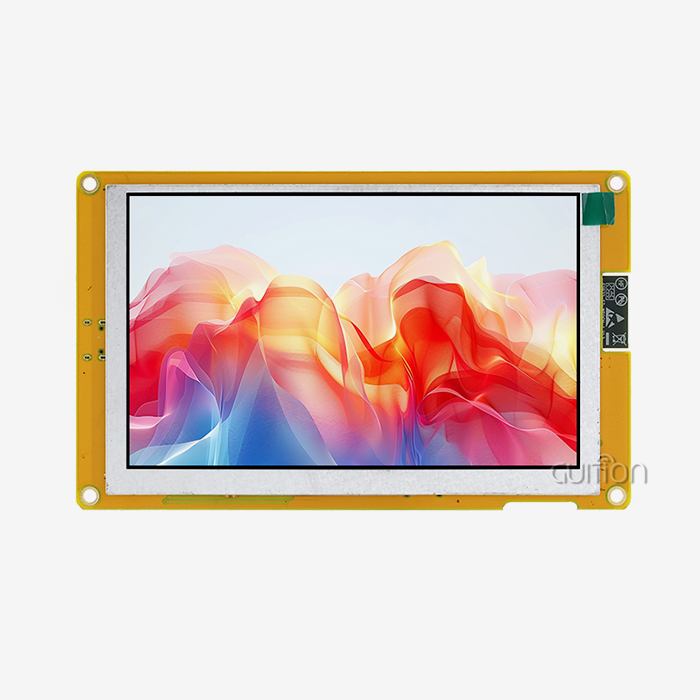
The MIPI-DSI interface and dedicated graphics acceleration hardware enable smooth operation with displays up to 1024×600 resolution and beyond, maintaining high frame rates that ensure responsive user experiences. This represents a substantial improvement over traditional SPI or parallel interfaces found in lower-end microcontrollers.
Partner with a Trusted ESP32P4 Manufacturer for Your Next HMI Project
Guition specializes in delivering high-performance HMI solutions built around cutting-edge technology platforms like the ESP32-P4. Our JC-ESP32P4-M3-DEV module combines powerful processing with seamless connectivity, while our proprietary development software accelerates your time-to-market through intuitive visual design tools. We understand the challenges embedded engineers and product managers face when creating sophisticated user interfaces under tight schedules and budget constraints. Whether you need technical guidance selecting the right display module, customization support for specific application requirements, or volume pricing for production deployments, our team provides responsive assistance throughout your project lifecycle. Contact david@guition.com to discuss how our ESP32P4 solutions can transform your product development experience and explore options as a reliable ESP32P4 supplier for your organization.
References
1. Espressif Systems, "ESP32-P4 Technical Reference Manual," Espressif Documentation Center, 2024.
2. Liu, Chen, and Zhang, "Performance Analysis of RISC-V Microcontrollers in Embedded HMI Applications," Journal of Embedded Systems Engineering, Vol. 18, 2024.
3. Industrial Internet Consortium, "Security Framework for Industrial IoT Devices," IIC Technical Report, 2023.
4. Martinez, Robert, "Comparative Study of Display Interface Technologies in Embedded Systems," IEEE Transactions on Industrial Electronics, Vol. 71, 2024.
5. Anderson, Patricia, "Reducing Time-to-Market in Medical Device Development Through Modular Hardware Platforms," Medical Device Innovation Journal, Vol. 12, 2023.
6. Zhang, Wei, and Kumar, Raj, "Power Efficiency Optimization in Modern IoT Microcontrollers," International Conference on Embedded Systems and Applications, 2024.
Learn about our latest products and discounts through SMS or email