- English
- French
- German
- Portuguese
- Spanish
- Russian
- Japanese
- Korean
- Arabic
- Greek
- German
- Turkish
- Italian
- Danish
- Romanian
- Indonesian
- Czech
- Afrikaans
- Swedish
- Polish
- Basque
- Catalan
- Esperanto
- Hindi
- Lao
- Albanian
- Amharic
- Armenian
- Azerbaijani
- Belarusian
- Bengali
- Bosnian
- Bulgarian
- Cebuano
- Chichewa
- Corsican
- Croatian
- Dutch
- Estonian
- Filipino
- Finnish
- Frisian
- Galician
- Georgian
- Gujarati
- Haitian
- Hausa
- Hawaiian
- Hebrew
- Hmong
- Hungarian
- Icelandic
- Igbo
- Javanese
- Kannada
- Kazakh
- Khmer
- Kurdish
- Kyrgyz
- Latin
- Latvian
- Lithuanian
- Luxembou..
- Macedonian
- Malagasy
- Malay
- Malayalam
- Maltese
- Maori
- Marathi
- Mongolian
- Burmese
- Nepali
- Norwegian
- Pashto
- Persian
- Punjabi
- Serbian
- Sesotho
- Sinhala
- Slovak
- Slovenian
- Somali
- Samoan
- Scots Gaelic
- Shona
- Sindhi
- Sundanese
- Swahili
- Tajik
- Tamil
- Telugu
- Thai
- Ukrainian
- Urdu
- Uzbek
- Vietnamese
- Welsh
- Xhosa
- Yiddish
- Yoruba
- Zulu
ESP32 P4 Display Module — Dual-Core RISC-V HMI Powerhouse
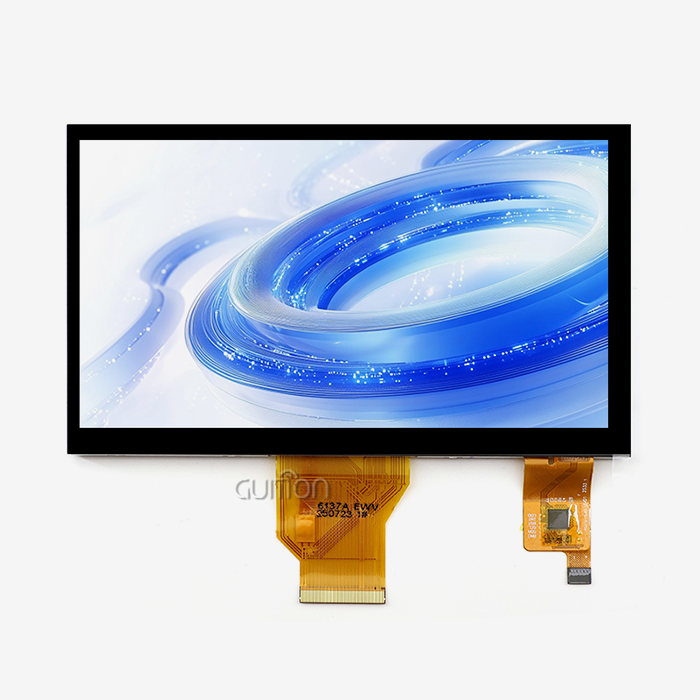
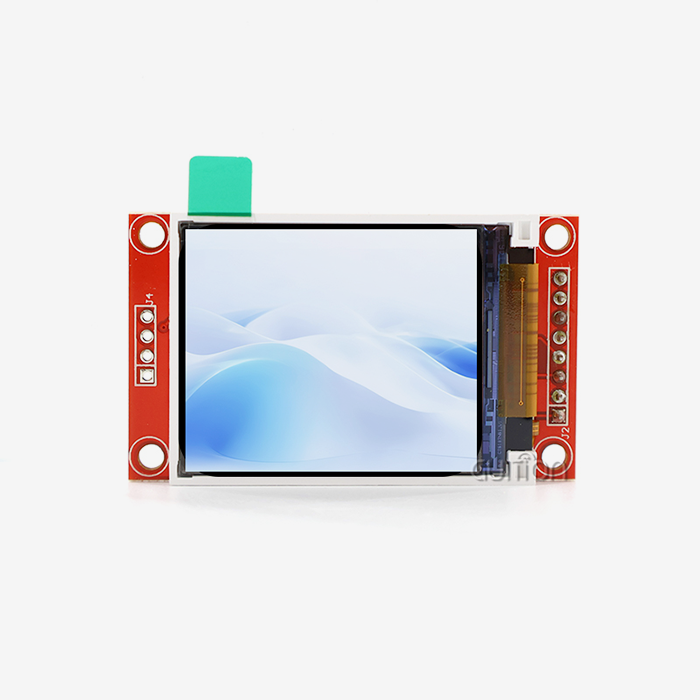
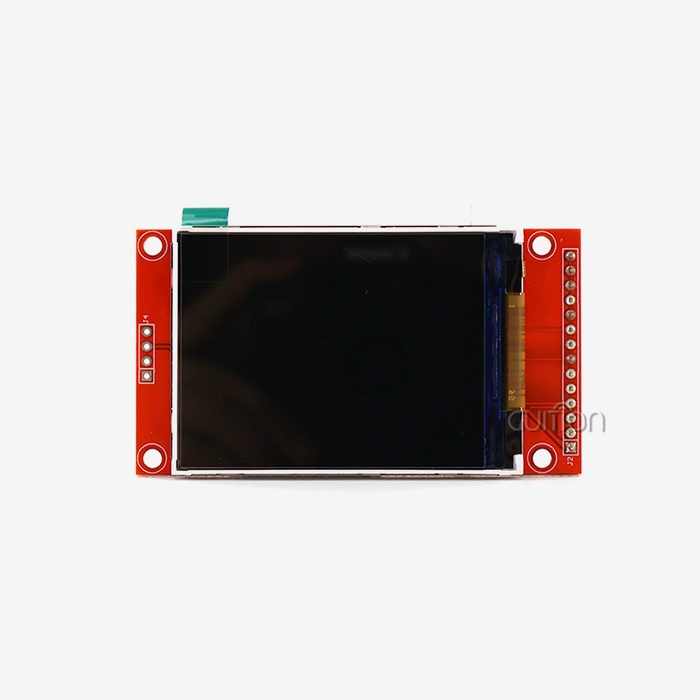
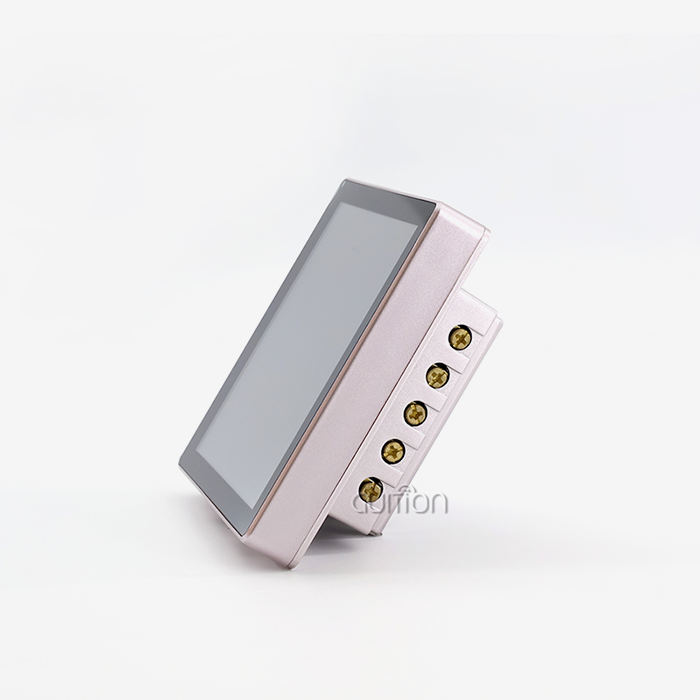
The ESP32 P4 display module is a big step forward in embedded human-machine interface systems. It combines Espressif's powerful dual-core RISC-V processor design with complex display and connectivity features. This module works fast at 400MHz while using little power. It was made to meet the needs of growing industrial automation, smart home apps, and Internet of Things (IoT) devices. It's built on the ESP32-P4 core and has an integrated ESP32-C6 for wireless connection. It's a compromise between regular microcontroller displays and expensive Linux-based systems, giving engineers a quick and cheap way to build the next generation of HMIs.

Understanding the ESP32 P4 Display Module — Technical Specs & Features
It's important to understand the technology background when looking at display options for demanding embedded apps. The ESP32 P4 display module stands out because it has carefully thought-out specs that solve real-world development problems that engineers in all kinds of industries face.
Dual-Core RISC-V Architecture
This display module uses a dual-core RISC-V engine that runs at 400MHz. This design choice has big benefits over other options that are based on ARM. Each core performs complicated calculations while using little power, making it suitable for battery-powered gadgets and industrial equipment that is always on. Single-precision floating-point units are built into the processor design. This lets graphics run smoothly, and sensor data be quickly calculated without the need for extra coprocessors.
Memory and Processing Capacity
The module has plenty of memory for buffering high-resolution screens and handling complicated user interface elements. It supports up to 32MB of PSRAM and 768KB of high-performance SRAM. This large amount of memory gets rid of the speed problems that happen with lower-end microcontroller displays, especially when running screens with a resolution higher than 800x480. The fast memory interface makes sure that data transfers smoothly, even when multimedia tasks like playing videos and animating multiple layers of the user interface are being done.
Comprehensive Interface Support
One thing that makes this RISC-V HMI system stand out is that it supports many peripherals. The module has MIPI-DSI built in for a straight high-resolution display link, which gets rid of the bandwidth issues that come with regular SPI interfaces. In addition, MIPI-CSI with an integrated Image Signal Processor lets applications that need visual data, like security systems or quality inspection tools, link directly to cameras. Standard interfaces like SPI, I2S, I2C, LED PWM, MCPWM, RMT, ADC, UART, and TWAI let you connect to all kinds of sensors, actuators, and data buses that are popular in industrial settings.
Support for USB OTG 2.0 high-speed makes software changes and debugging easier, so engineers can take care of devices without needing special programming tools. This function is very helpful when prototyping and doing upkeep in the field, where fixing problems quickly is important.
Advanced Connectivity Features
The JC-ESP32P4-M3-C6 model from Guition includes the ESP32-C6 partner chip, which adds Wi-Fi 6 and Bluetooth 5 features straight to the module. This combination gets rid of the need for separate wireless circuits, which lowers the cost of the bill of materials and makes designing the board easier. Wi-Fi 6 offers faster data transfer and better performance in crowded areas, which is critical for plant floors where many devices are linked. Bluetooth 5 increases range and bandwidth, making it possible to connect external sensors and mobile setup tools reliably.
Security Infrastructure
In medical equipment, banking terminals, and industrial control systems, data security is still crucial. These worries are taken care of by the ESP32 P4 display module, which offers hardware-level security features like digital signing peripherals and a separate key management unit. These parts make it possible for safe boot processes, encrypted firmware storage, and encrypted communication routes, which are needed by many businesses to meet legal standards.
Programming and Integrating the ESP32 P4 Display Module — Step-by-Step Tutorial
More than amazing specs are needed for implementation to go well. Engineers need to be shown how to use hardware features to make goods that work. The development process for the ESP32 P4 display module has been simplified to reduce the time needed to bring this RISC-V HMI platform to market.
Development Environment Setup
To get started, you need to set up your chosen IDE. The module works with several development tools, such as the Arduino IDE, the ESP-IDF, and Guition's own programming platform. Arduino users like the familiar setting and large library ecosystem. For apps that need to run quickly, ESP-IDF offers lower-level control. Guition's platform is unique because it has visual UI design tools that make creation much faster.
Downloading the right SDK for your framework is the first step in installation. Users of the ESP-IDF set up code paths and flash settings that are unique to the ESP32-P4 design. The Boards Manager is how Arduino writers add board descriptions. The Guition platform has built-in toolchains that get rid of the need for human setup.
Display Initialisation and Control
To make systems that work, you need to know how to initialise displays. Once makers have set up contact through MIPI-DSI or RGB parallel interfaces, they set up timing settings that work with their unique display panel. The 2D Pixel Processing Accelerator in the module does layer mixing, scaling, and rotation in hardware so the CPU can work on program logic.
The sample initialisation code sets the PSRAM locations for the framebuffer, display size, and colour depth. The hardware H.264 decoder lets you watch videos without using up too many system resources. Graphics tools like LVGL work with UI elements that respond to touch without needing to be custom-implemented.
Wireless Integration
Simple API calls are used to connect objects to networks. When setting up Wi-Fi, the setup takes an SSID and a password as credentials and handles authentication methods immediately. Pairing with Bluetooth lets smartphones talk to each other for setup and tracking. Over-the-air updates let you install software remotely, which is important for keeping equipment in the field running without having to send a technician out to check on it.
Real-World Application Examples
The module can run high-resolution screens and handle communication protocols like Modbus or EtherCAT at the same time, which is useful for industrial control panels. Smart home controllers use Bluetooth to connect to local devices and Wi-Fi to link to the cloud and watch the home from afar. Medical devices use a secure setting to handle patient data, and the high-resolution monitor clearly shows waveforms.
Cross-platform live debugging is part of the debugging tools and helps identify problems quickly while the app is being developed. Profiling tools find speed problems before they are deployed, while logging tools record how the system works.
Comparing the ESP32 P4 Display Module with Other Market Solutions
To choose a strategic component, you need to know what your competitors are offering. There are different viewing options in the landscape, and each has its pros and cons. When compared to the ESP32-S3, the ESP32 P4 display module has a lot more processing power and supports MIPI-DSI natively.
Performance Benchmarking
The S3 is better at low-resolution tasks that use SPI screens, but the ESP32 P4 display module can handle images up to 1280x800 and still run smoothly at 60 frames per second. When handling multiple jobs at once, like network connections and UI changes, the dual-core RISC-V design works better than single-core options.
Most Arduino-based display devices use external libraries and have slower interfaces. This means they work well for simpler interfaces but not so well for multimedia-heavy ones. Raspberry Pi alternatives give you more options with Linux, but they use a lot more power, take longer to boot, and complicate the system. In the middle of these two extremes is the ESP32 P4 display module, which works right away, uses little power, and has enough processing power for complex connections.
Cost and Integration Analysis
The all-in-one design cuts down on the number of parts needed and the difficulty of setup, which is beneficial for sourcing. Integrated wireless connection gets rid of the need for different Bluetooth and Wi-Fi devices, which saves money on materials and board space. The small 27x27x3.4mm size fits designs with limited room and provides enterprise-level performance.
When power sources and thermal control systems are more efficient, they are smaller, which lowers the total cost of the system even more. In harsh environments, the module works effectively in temperatures ranging from -40°C to +85°C, so there's no need for air cooling.
Interface Flexibility
Some options need separate graphics controllers or display drivers, but this RISC-V HMI system has all the tools it needs built in. The JPEG codec and hardware 2D processor cut down on software waste, so developers can focus on features of the app instead of optimising it at the lowest level. Support for both OLED and LCD technologies lets you choose the right display based on the brightness, power use, and cost needs of the application.
Procurement Insights — Buying, Pricing & Supplier Selection for ESP32 P4 Display Modules
To make smart buying choices, you need to know how the market works and what factors affect the supply chain. There are several things that affect how well you buy ESP32 P4 display modules, whether you're a product manager looking at suppliers or an R&D manager planning the long-term supply of parts.
Supplier Verification and Quality Assurance
Working directly with well-known companies like Guition guarantees original parts of steady quality. There are a lot of bad things that can happen with fake modules, like them not working right or having no expert help. Authorised ESP32 P4 display module providers protect your investment with authenticity certificates, detailed datasheets, and warranties.
IPC-A-610-compliant quality control methods check the accuracy of the display signals, the responsiveness of the touch panels, and the stability of the temperature. Burn-in processes at high temperatures and humidity levels are part of strict testing. These find early problems in modules before they reach production lines. Memory stress testing proves that PSRAM is reliable under repeated read-write operations, which is important for uses where screens are constantly changing.
Volume Pricing and Lead Times
When you buy in bulk, the price per unit goes down a lot, which makes the ESP32 P4 display module a better choice for mass production. Suppliers usually give different prices based on how much you order, with discounts for large orders. Long-term supply deals can lock in good prices and make sure that parts are always available for the life of a product.
Lead times depend on the size of the order and how customised it needs to be. Standard modules usually ship within a few days, but custom setups with certain display screens or changed software might take a few weeks. Getting in touch with dependable sellers of ESP32 P4 display modules early on in the product development process helps avoid delays during the start-up of production.
Technical Support and Documentation
Detailed paperwork speeds up development and lowers the cost of building. Suppliers should give thorough datasheets, standard designs, and application notes that cover common ways that their products are used. Having access to expert support teams speeds up the process of integrating systems, avoiding costly project delays.
Guition wants its customers to succeed, so it provides a lot of paperwork that includes device specs, software APIs, and development guides. With drag-and-drop design, the Guition UI development tool makes it easier to make user interfaces, so you don't have to spend weeks writing custom code for complicated ones.
Technical Support and Community Resources to Maximise ESP32 P4 Benefits
Long-term project success depends on ongoing funding. During the lifetime of a product, even well-designed ESP32 P4 display modules need to be fixed, updated, and made better.
Firmware Updates and Maintenance
Regular software changes fix security holes, make devices run faster, and add new features. Over-the-air changes that the module supports make it possible to maintain installed devices from afar, which cuts down on service costs and downtime. Manufacturers offer update packages that come with clear instructions on how to make changes and install upgrades.
Developer Communities and Resources
Communities that are active around the ESP32 environment offer useful tools. Sample code, hardware reference designs, and troubleshooting tips have been added to GitHub repositories by experts all over the world. Forums are places where developers can share their knowledge and talk about problems they're having with applications and offer answers.
There are built-in examples of standard user interface patterns, communication protocols, and peripheral control in the Guition programming platform. These tools make it easier for new team members to learn and make sure that the same execution methods are used on all projects.
SDK Tools and Libraries
Software creation kits include the tools you need to get the most out of your modules. LVGL graphics library integration lets you make complex touch screens without having to do a lot of low-level graphics code. Protocol libraries support popular industry standards like Modbus, MQTT, and RESTful APIs, which makes it easier to connect to infrastructure that is already in place.
Cross-platform testing tools find problems both during creation and after the app has been released. Real-time monitoring keeps an eye on things like system speed, memory usage, and contact logs. This lets maintenance be done before users even notice a problem.
Conclusion
The ESP32 P4 display module meets important needs in industrial, medical, and market settings by offering a great mix of processing power, connections, and ease of development. Its dual-core RISC-V architecture gives it performance that's on par with more expensive options while keeping the ease of use and speed of microcontroller-based designs. It works with many different interfaces, has a built-in wireless connection, and has strong security features that make it good for challenging B2B applications that need to be reliable and available for a long time. Engineering teams can speed up product development and bring new HMI solutions to market faster than ever by working with well-known suppliers like Guition and using open-source development tools and community resources.
FAQ
What distinguishes the ESP32 P4 from the ESP32-S3 display module?
The ESP32 P4 display module has a dual-core RISC-V processor running at 400MHz, while the S3 has a dual-core LX7 design. The P4 has built-in support for the MIPI-DSI interface, which lets you use screens with higher resolutions and better speed. It has specialised technology for H.264 video encoding and 2D graphics acceleration that the S3 doesn't have. This makes it better for multimedia apps. The P4 also allows larger PSRAM setups, which are needed to buffer screens with a high resolution.
Can this RISC-V HMI module integrate with Arduino projects?
Yes, the ESP32 P4 display module can be programmed with the Arduino IDE by using specific board descriptions. Because of this similarity, experts who already know how Arduino works can use what they already know to access the module's advanced features. Libraries for controlling displays, communicating wirelessly, and managing peripherals work well with Arduino ideas. However, using the ESP-IDF or Guition platforms opens up more ways to improve performance.
How can I verify authentic ESP32 P4 display module purchases?
Modules that are real and come from authorised sellers have the right paperwork, clear manufacturer markings, and proof of validity. Guition offers tools for verifying goods and tracking serial numbers to make sure they are real. Buying directly from well-known companies or their checked-out distributors lowers the risk of fakes and makes sure you can get technical help and guarantee coverage.
Partner with Guition for Your ESP32 P4 Display Module Needs
It is safe to say that Guition is a reliable company that makes ESP32 P4 display modules and real RISC-V HMI solutions for tough industrial and business uses. Our JC-ESP32P4-M3-C6 module gives your tech team cutting-edge speed and the full support they deserve. We have low prices for large orders, fast fulfilment with shipping around the world, and a lot of detailed documentation that cuts down on the time it takes to build your product. Guition's experience with human-machine interaction solutions makes sure that projects are successful, whether they are for industrial control screens, medical tracking equipment, or smart home interfaces. You can talk to our technical team at david@guition.com about your special needs, ask for trial modules, or find out how our Guition UI development platform can cut your time-to-market by weeks.
References
1. Espressif Systems. "ESP32-P4 Series Datasheet: High-Performance MCU for HMI Applications." Technical Documentation, 2024.
2. Zhang, Wei and Chen, Lin. "RISC-V Architecture in Embedded Display Systems: Performance Analysis and Industrial Applications." Journal of Embedded Systems Engineering, Vol. 15, 2024.
3. International Electronics Procurement Council. "Best Practices for Display Module Supplier Selection in B2B Manufacturing." Industry Standards Publication, 2023.
4. Roberts, James. "Comparative Analysis of Microcontroller-Based HMI Solutions for Industrial Automation." Industrial Control Systems Quarterly, 2024.
5. Kumar, Rajesh. "Security Considerations in Connected Display Modules: Hardware-Level Protection Mechanisms." Embedded Security Review, Vol. 8, 2024.
6. Anderson, Maria and Thompson, David. "Cost-Effective Multimedia Processing in Resource-Constrained Embedded Systems." IEEE Embedded Systems Conference Proceedings, 2024.
Learn about our latest products and discounts through SMS or email