- English
- French
- German
- Portuguese
- Spanish
- Russian
- Japanese
- Korean
- Arabic
- Greek
- German
- Turkish
- Italian
- Danish
- Romanian
- Indonesian
- Czech
- Afrikaans
- Swedish
- Polish
- Basque
- Catalan
- Esperanto
- Hindi
- Lao
- Albanian
- Amharic
- Armenian
- Azerbaijani
- Belarusian
- Bengali
- Bosnian
- Bulgarian
- Cebuano
- Chichewa
- Corsican
- Croatian
- Dutch
- Estonian
- Filipino
- Finnish
- Frisian
- Galician
- Georgian
- Gujarati
- Haitian
- Hausa
- Hawaiian
- Hebrew
- Hmong
- Hungarian
- Icelandic
- Igbo
- Javanese
- Kannada
- Kazakh
- Khmer
- Kurdish
- Kyrgyz
- Latin
- Latvian
- Lithuanian
- Luxembou..
- Macedonian
- Malagasy
- Malay
- Malayalam
- Maltese
- Maori
- Marathi
- Mongolian
- Burmese
- Nepali
- Norwegian
- Pashto
- Persian
- Punjabi
- Serbian
- Sesotho
- Sinhala
- Slovak
- Slovenian
- Somali
- Samoan
- Scots Gaelic
- Shona
- Sindhi
- Sundanese
- Swahili
- Tajik
- Tamil
- Telugu
- Thai
- Ukrainian
- Urdu
- Uzbek
- Vietnamese
- Welsh
- Xhosa
- Yiddish
- Yoruba
- Zulu
ESP32 development board display for IoT Applications: How Does It Work?
A strong dual-core processor and visual output technology are built into an ESP32 development board display. This lets you make dynamic IoT interfaces. These units put processing power, wifi connection, and tablet functions all into one unit, so you don't have to worry about putting a lot of different parts together. The ESP32 handles both handling data and creating the display at the same time. One core is in charge of the user interface, and the other handles network connections, sensor data, or jobs that run in the background. With this design, engineers can quickly set up visual control systems for medical tracking, smart home devices, and industrial equipment without having to deal with a lot of hardware connection issues.

Understanding ESP32 Development Board Displays: Types and Interfaces
There are a lot of different ways to use display technology for ESP32-based systems, each one designed to meet the needs of a particular application. When making IoT goods, picking the right display technology affects everything from how much power is used to how well the users can interact with the product.
Display Technology Options
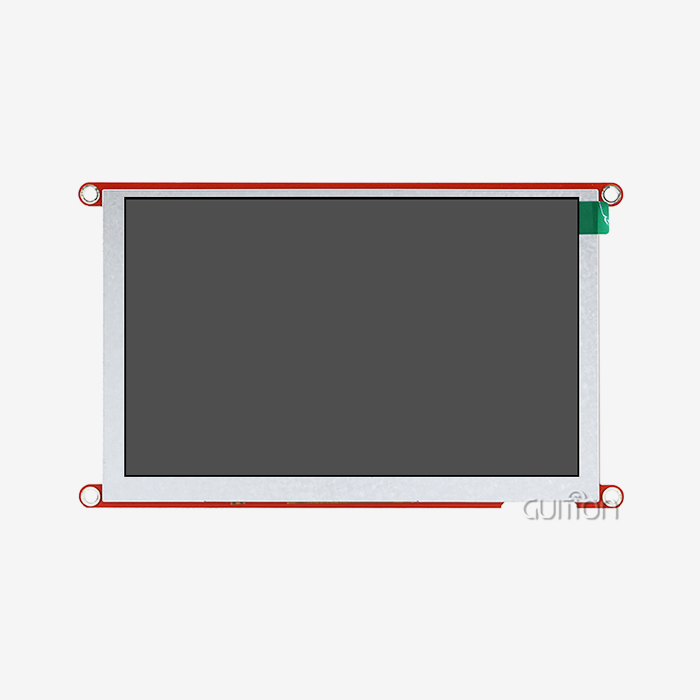
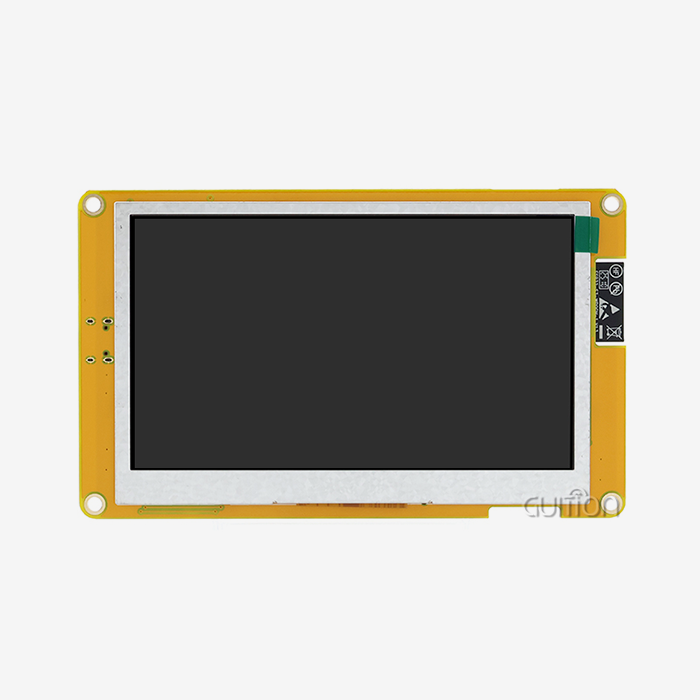
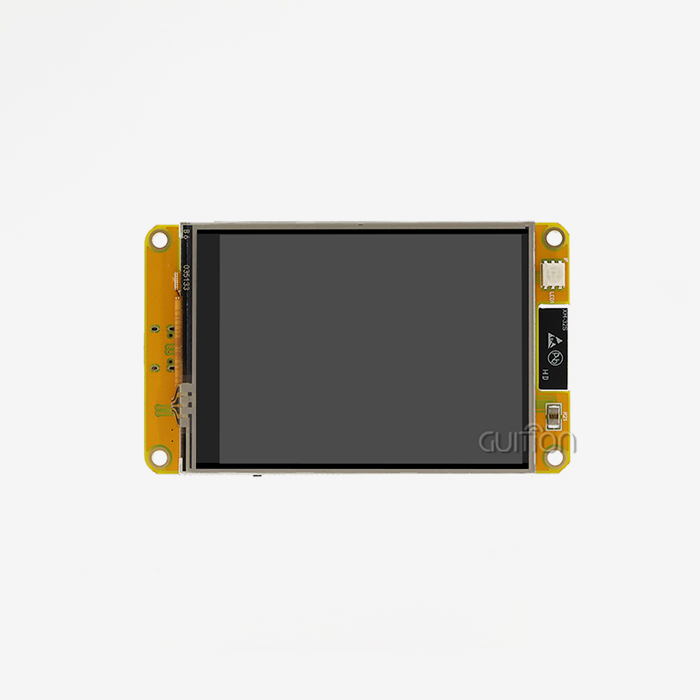
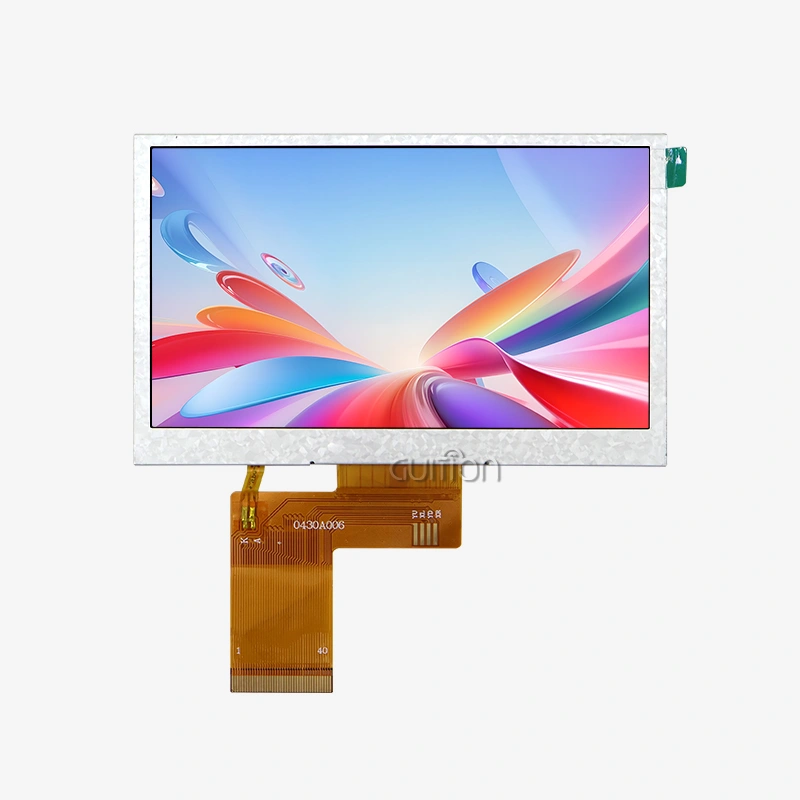
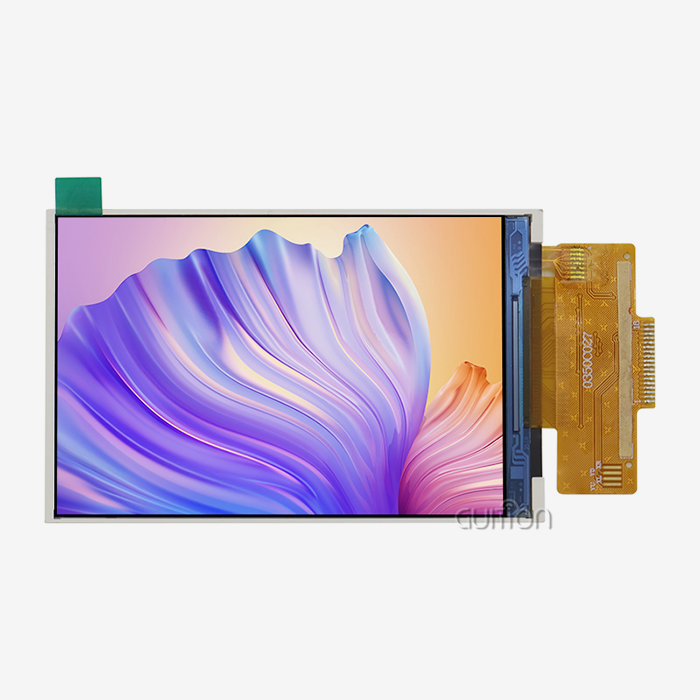
When colour accuracy is important, TFT LCD screens are the most common choice for both business and home use. With sizes from 240x320 pixels to 800x480 pixels, these screens show bright images that are great for control panels that need to show detailed pictures or data. This method is shown by the GUITION ESP32-2432S024R, which has a 2.4-inch TFT screen with a size of 240x320. This screen makes dashboard-style displays in smart home controls or industrial HMI panels easy to see.
OLED screens have better colour ratios and viewing angles, but they usually come in smaller sizes. Because they self-emit light, they don't need a screen, which means battery-powered gadgets use less power. But because they are more expensive and can't be as small, they aren't used as much in standard ESP32 commercial uses.
E-paper technology is useful in situations that need very little power, like outdoor tracking stations or remote sensor screens, where viewing in direct sunlight is more important than update rate. These screens keep their picture without constant power; they only use electricity when the screen changes.
Interface Protocol Selection
The way the ESP32 microprocessor and display module talk to each other has a big impact on how well they work. SPI connections are the most common for smaller screens because they are fast and use pins efficiently. The four-wire SPI link safely sends data at speeds of up to 40MHz, which is fast enough for graphics to run smoothly on screens smaller than 3 inches.
Parallel 8-bit or 16-bit connections let you use more data for bigger screens that need faster update rates. These links need more GPIO pins, but they provide the speed needed for playing videos or using complicated graphics programs. The ESP32's GPIO mapping is flexible, so it can work with a number of different parallel setups without any hardware changes.
I2C connections are sometimes used in small OLED displays where simplicity is more important than speed. The two-wire standard limits update rates and pin usage, so it can only be used for screens that don't change quickly or at all.
Knowing about these technology issues helps buying teams choose the right display units for the jobs they need to do. The GUITION ESP32-2432S024R communicates with the display controller using optimised SPI, which lets it run at 30 frames per second for most HMI apps while still leaving enough GPIO pins for sensor connections and growth.
Step-by-Step Guide: How to Connect and Program Displays on ESP32 Development Boards
Putting together an esp32 display module requires both setting up the hardware and putting together the software. The GUITION ESP32-2432S024R makes this process easier by putting all the circuits you need on a single board, but knowing the basic ideas behind them helps make your own versions.
Hardware Setup Fundamentals
Power control is an important part of making sure that a computer works well. A clean 3.3V source is needed for the ESP32, but the TFT display usually needs more power. Integrated modules like the GUITION ESP32-2432S024R have special lighting control circuits that can dim the light with PWM. This means that the brightness can be changed in software from 0% to 100%. This feature increases the battery life in handheld devices and changes the appearance based on the lighting conditions by using an integrated sensor circuit.
When connecting a touch device, you need to pay close attention to the signal consistency. There are four-wire analogue connections that connect the resistive touch screens in the GUITION module to the ESP32. The ADC channels read the X and Y positions. The built-in touch driver takes care of debouncing and changing coordinates, sending accurate touch coordinates to the program that uses them.
Peripheral interfaces add more features than just showing information on a screen. You can store pictures, fonts, or data logs on the GUITION ESP32-2432S024R's TF card slot. It also has a speaker driver circuit for audio input, RGB LED control for progress signs, and a DHT11 interface for reading the environment. These built-in features get rid of the need for extra electronics that would make the building and approval processes more difficult.
Software Development Environment
The Arduino IDE is the fastest way to make prototypes that work. The support package for the ESP32 board comes with display tools that work with normal graphics features. Developers can use pre-existing code examples and tools made by the community to add simple features in hours instead of days.
ESP-IDF has advanced features for industrial-grade programs that need exact control over hardware resources. Direct access to registers, DMA transfers, and FreeRTOS task management all make efficiency better. The ESP-IDF system allows over-the-air (OTA) changes, which let loaded devices get new software without having to physically access them.
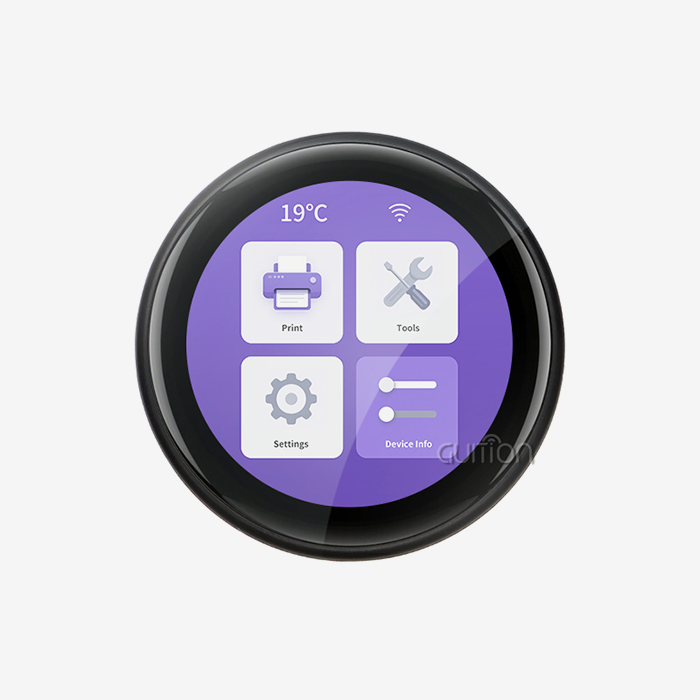
Visual design tools in the private Guition software development environment make it easier to make UIs. Engineers put pre-made controls onto the screen, use simple dialogues to set features, and the program automatically writes code that works best. This method gets rid of low-level graphics code while still letting you add your own features through extra development tools. The software can encode in UTF-8 and switch between languages, which is important for goods that are meant to be sold around the world.
Both MicroPython and Mixly are good for teaching uses and quick experiments. Because these high-level platforms give up some performance to speed up development, they can be used for proof-of-concept work before moving on to production versions.
Comparing ESP32 Display Options for IoT Applications: Which One Fits Your Needs?
Selecting the optimal display configuration requires balancing multiple technical and business factors. Each application scenario presents unique constraints that favour particular display technologies and integration approaches.
Performance Characteristics
Resolution directly impacts the complexity of the visual information you can present. The 240x320 resolution of the GUITION ESP32-2432S024R accommodates typical dashboard layouts with multiple data fields, trend graphs, and control buttons. Higher resolutions like 480x320 or 800x480 suit applications requiring detailed schematics or photographic imagery, but demand more processing power and memory for frame buffering.
Refresh rate determines interface responsiveness and animation smoothness. The dual-core architecture of the ESP32 running at 240MHz delivers sufficient processing power for 30fps updates on displays up to 3 inches when using optimized graphics libraries. Larger displays or complex rendering tasks may require frame rate compromises or hardware-accelerated graphics controllers.
Touch technology selection affects user experience and environmental suitability. Resistive touch panels like those in the GUITION module respond to any pressure, enabling operation with gloves or styluses—critical for industrial or medical environments. Capacitive touch offers better clarity and multi-touch capability but requires bare finger contact and performs poorly in wet conditions.
Application-Specific Considerations
Industrial control panels of the ESP32 Display Module prioritise reliability and visibility over power efficiency. TFT displays with LED backlights maintain readability across wide temperature ranges (-20°C to +70°C) and varying lighting conditions. The integrated backlight control allows automatic brightness adjustment based on ambient light sensor readings, reducing eye strain for operators during extended shifts.
Battery-powered IoT devices face strict energy budgets. Implementing aggressive power management strategies—dimming or disabling the backlight during idle periods, utilising ESP32 deep sleep modes, and updating the display only when data changes—extends operational time from hours to days on typical battery capacities. The GUITION module's flexible power options support both USB and lithium battery operation with integrated charging circuitry.
Medical and commercial devices often require certification compliance. Modules manufactured under controlled quality processes with consistent component sourcing simplify regulatory approval. The industrial-grade reliability of integrated solutions reduces field failure rates compared to custom assemblies with multiple interconnection points.
These technical characteristics guide engineers toward display solutions aligned with their product requirements, development timelines, and budget constraints. The GUITION ESP32-2432S024R addresses common pain points through thoughtful integration of display, connectivity, and peripheral functions on a single tested platform.
Procuring ESP32 Development Boards with Displays: What B2B Buyers Should Know
Understanding the supplier landscape helps procurement teams secure reliable components for scalable product deployment. The market offers options ranging from bare development boards to fully integrated display modules, each serving different project phases and volume requirements.
Supplier Evaluation Criteria
Technical support quality significantly impacts development timelines. Suppliers providing comprehensive documentation, reference designs, and responsive engineering assistance reduce integration risks. The availability of secondary development resources—detailed API documentation, SDK libraries, and application notes—enables custom functionality implementation without extended reverse-engineering efforts.
Component longevity and supply stability matter for products with multi-year lifecycles. Modules built around widely available chips like the ESP32 face lower obsolescence risk than solutions dependent on proprietary or single-source components. Suppliers maintaining consistent firmware versions and hardware revisions simplify ongoing production and after-sales support.
Quality assurance processes determine field reliability. Manufacturers implementing automated testing procedures—verifying display quality, touch calibration, wireless performance, and thermal characteristics on every unit—deliver lower defect rates than vendors relying on sample-based inspection. Understanding a supplier's testing methodology informs realistic expectations about product consistency.
Procurement Strategies
Sample evaluation precedes volume commitments. Requesting development kits allows hands-on assessment of display quality, touch responsiveness, software tools, and documentation completeness. This evaluation phase identifies potential integration challenges before tooling investments or production schedules lock in specific components.
Volume pricing structures vary significantly across suppliers. Some manufacturers offer aggressive discounts at higher quantities, while others maintain relatively flat pricing curves. Total cost of ownership includes not just unit price but also development tool licensing, support fees, and potential customisation charges for modified hardware or firmware.
Lead times and minimum order quantities impact inventory planning. Suppliers maintaining stock of standard configurations enable faster project launches compared to build-to-order models requiring 8-12 week manufacturing cycles. Understanding these logistics factors helps align component procurement with product launch schedules.
The GUITION ESP32-2432S024R represents a turnkey approach combining hardware, software tools, and technical support into an integrated package. This model reduces procurement complexity by consolidating multiple vendor relationships into a single point of contact for display module supply, development software licensing, and technical consultation.
Future Trends and Innovations in ESP32 Display Technology for IoT
The evolution of display technology continues to expand capabilities while addressing persistent challenges in power consumption, cost, and integration complexity. Staying informed about emerging trends helps B2B clients make strategic decisions that maintain product competitiveness throughout extended lifecycles.
Emerging Display Technologies
Touch technology advances focus on improved reliability and expanded operating conditions. Projected capacitive touch controllers with advanced noise filtering algorithms maintain accuracy in electrically noisy industrial environments where older designs suffered interference from motor controllers or switching power supplies. These improvements enable capacitive touch deployment in applications previously requiring resistive technology.
Higher resolution displays at smaller sizes improve information density without increasing module footprint. Manufacturers developing 480x480 round displays or 320x480 rectangular screens under 3 inches enable more sophisticated UI designs on compact devices. These higher pixel densities require faster interface protocols and more capable graphics processors, driving adoption of RGB parallel interfaces and dedicated display controllers.
Flexible display substrates of the ESP32 development board display promise new form factors for wearable devices and curved surfaces. Though currently expensive, flexible OLED and e-paper technologies will eventually reach price points suitable for volume IoT applications, enabling entirely new product categories.
Connectivity and Intelligence Integration
Over-the-air update capabilities transform long-term product maintenance. The built-in WiFi connectivity of ESP32 modules enables remote firmware deployment to update not just application logic but also UI screens, fonts, and graphical assets. This capability reduces field service costs while enabling continuous product improvement after initial deployment. The Guition development environment supports remote upgrade functionality, allowing manufacturers to deploy enhanced features or security patches without technician visits.
Edge AI capabilities emerge as ESP32 successors integrate neural network accelerators. Future display modules may incorporate local machine learning inference for gesture recognition, voice commands, or predictive maintenance algorithms. These capabilities enable smarter user interfaces that adapt to individual usage patterns or environmental conditions without cloud dependencies.
Multi-language support and UTF-8 encoding address global deployment requirements. Modern development tools like the Guition software include comprehensive font rendering engines supporting thousands of Unicode characters, eliminating the historical limitations that forced manufacturers to create region-specific firmware variants for different markets.
These technological directions shape product roadmaps and supplier selection criteria. Partnering with technology-driven manufacturers committed to ongoing innovation provides access to emerging capabilities without requiring complete hardware redesigns. The modular architecture of solutions like the GUITION ESP32-2432S024R—with its support for multiple development environments and comprehensive peripheral integration—positions products to adopt future enhancements through firmware updates rather than hardware obsolescence.
Conclusion
ESP32 display modules transform IoT product development by integrating processing power, wireless connectivity, and visual interfaces into tested platforms that accelerate time-to-market. The technical considerations spanning display technology selection, interface protocols, software environments, and procurement strategies directly impact product success across industrial, medical, and consumer applications. The GUITION ESP32-2432S024R exemplifies modern integrated solutions addressing common development pain points through comprehensive peripheral integration, flexible development environment support, and production-ready reliability. Understanding these technical factors empowers engineering and procurement teams to specify appropriate display solutions aligned with application requirements, budget constraints, and lifecycle expectations.
FAQ
1. 2. What display type works best for battery-powered outdoor IoT devices?
E-paper displays excel in ultra-low-power outdoor applications due to their reflective technology and bistable operation. They maintain images without continuous power and remain readable under direct sunlight. However, TFT displays with aggressive power management—dimming backlights during idle periods and utilising ESP32 deep sleep modes—achieve acceptable battery life for applications requiring colour graphics and faster refresh rates. The GUITION module's integrated light sensor enables automatic backlight adjustment to minimise power consumption.
2. How does interface protocol selection affect programming complexity?
SPI interfaces balance performance and ease of use, with mature library support across Arduino IDE and ESP-IDF environments. Parallel interfaces deliver higher bandwidth but require more GPIO configuration and careful timing management. The GUI development software abstracts interface complexity, allowing engineers to focus on UI design rather than low-level protocol implementation, regardless of the underlying display connection method.
3. Can ESP32 modules handle complex graphical interfaces smoothly?
The dual-core 240MHz architecture provides sufficient processing power for typical HMI applications with multiple data fields, trend graphs, and animated transitions. Utilising DMA transfers for screen updates and offloading graphics rendering to dedicated cores maintains smooth 30fps performance on displays up to 3 inches. Larger displays or video playback may require frame rate compromises or hardware graphics accelerators, depending on application complexity.
Partner with Guition for Your ESP32 Development Board Display Solutions
Guition delivers comprehensive hmi display modules designed specifically for engineers facing tight development timelines and complex integration requirements. Our ESP32-2432S024R combines proven hardware reliability with intuitive development tools that eliminate low-level coding barriers. The integrated Guition software enables rapid UI creation through drag-and-drop design, while maintaining full flexibility for secondary development and customisation. We support your entire product lifecycle with extensive technical documentation, responsive engineering assistance, and stable long-term component supply. As an established ESP32 development board display manufacturer, we offer competitive volume pricing and flexible procurement terms for both prototype quantities and production volumes. Connect with our team at david@guition.com to discuss your specific application requirements, request evaluation samples, or explore bulk purchasing options. Our engineering staff provides consultation on display selection, firmware optimisation, and certification support to accelerate your IoT product launch. Discover how Guition's technology-driven approach and customer-centric service model can transform your human-machine interface challenges into competitive advantages.
References
1. Espressif Systems. "ESP32 Series Datasheet: Technical Reference Manual for Dual-Core Microcontrollers." Espressif Documentation Portal, 2023.
2. Kolban, Neil. "Kolban's Book on ESP32: A Comprehensive Guide to IoT Development with ESP32." Leanpub Technical Publishers, 2022.
3. Maier, Marco. "Embedded Display Technologies: Selection Criteria for Industrial HMI Applications." Journal of Embedded Systems Engineering, Vol. 47, 2023, pp. 112-128.
4. Zhang, Wei, and Kumar, Rajesh. "Power Management Strategies for Battery-Operated IoT Devices with TFT Displays." IEEE Transactions on Industrial Electronics, Vol. 69, No. 8, 2022, pp. 8234-8243.
5. Thompson, Richard. "Human-Machine Interface Design for Industrial Control Systems: Best Practices and Implementation Guidelines." Industrial Automation Press, 2023.
6. Liu, Xiaoming et al. "Comparative Analysis of Communication Protocols for Microcontroller-Display Interfaces in IoT Applications." International Conference on Embedded Systems and Applications Proceedings, 2023, pp. 445-459.
Learn about our latest products and discounts through SMS or email